

jackhuang5919@gmail.com
Hydraulic Pump Filtration and Contamination Control Tips
Practical, field-tested guidance on hydraulic pump filtration and contamination control to maximize uptime and extend the life of excavator hydraulic systems. Includes best practices, filter selection, fluid-cleanliness targets (ISO 4406), and recommended maintenance for the 336D Excavator Hydraulic Pump | Heavy Duty CAT Replacement.
- Understanding Contamination Risks and Why Filtration Matters
- How contamination damages a hydraulic pump
- Common contamination sources on job sites
- Cleanliness standards and measurement (ISO 4406)
- Practical Filtration Strategies for Excavator Hydraulic Pumps
- On-reservoir and return-line filtration
- Suction-side (inlet) filtration considerations
- High-pressure and pressure-compensated filtration
- Maintenance Practices to Keep Hydraulic Pumps Running Longer
- Fluid management and scheduled sampling
- Breathers, desiccant breathers, and reservoir hygiene
- Scheduled filter replacement and element selection
- Choosing Parts and Upgrades for Better Contamination Control
- OEM vs. aftermarket: filters and pumps
- Upgrade options that improve contamination control
- Replacement pump selection: 336D Excavator Hydraulic Pump
- Comparison table: OEM vs Aftermarket pump and filter choices
- Diagnostics, Troubleshooting and Field Repair Tips
- Recognizing early signs of contamination-related pump failure
- Field repair best practices
- When to call a specialist
- FAQ — Hydraulic Pump Filtration & Contamination Control
- Q: What ISO cleanliness level should I target for a 336D excavator hydraulic pump?
- Q: Can I use a tighter micron filter on the suction side?
- Q: How often should filters be changed?
- Q: Are aftermarket pumps reliable for heavy-duty work?
- Q: Does water-in-oil really matter?
This article provides a concise, overview of hydraulic pump filtration and contamination control for construction fleets, rental yards, and service shops that operate Caterpillar 336D excavators and similar heavy machinery worldwide. The guidance below covers on-machine filtration, fluid cleanliness targets, contamination sources, and practical maintenance routines designed for field technicians and fleet managers who need reliable, fast answers about hydraulic pump health and filtration strategies.
Understanding Contamination Risks and Why Filtration Matters
How contamination damages a hydraulic pump
Hydraulic pumps, like those used in excavator hydraulic systems, are precision components. Solid particles, water, and varnish in hydraulic fluid cause abrasive wear, scoring of pistons and valves, internal leakage, and premature bearing failure. Even small particles (5–25 µm) can significantly shorten pump life by scratching surfaces and disrupting clearances. Contamination increases friction and heat, reducing volumetric and mechanical efficiency and ly leading to costly downtime.
Common contamination sources on job sites
Contamination enters hydraulic systems through multiple routes: during fluid top-up, open reservoir breathers, worn seals, and degraded hoses. Environmental dust and water ingress from washing or heavy rain are frequent culprits at construction sites. Poor storage and transfer practices (dirty drums, unfiltered transfer pumps) and neglected breather elements accelerate contamination. Identifying and controlling these entry points is the first step in contamination control.
Cleanliness standards and measurement (ISO 4406)
Use ISO 4406 cleanliness codes to set target fluid cleanliness levels for your hydraulic pump and system. ISO 4406 classifies particle counts at 4, 6, and 14 µm thresholds and expresses them as a three-number code. For heavy-duty excavator hydraulic pumps, aim for ISO 4406 codes of 18/16/13 or better after filtration during operation. For mission-critical systems or new pump installations, target 17/15/12 or cleaner. For more details on ISO 4406, see the official overview on the ISO site ISO 4406 and a general reference on hydraulic pumps at Wikipedia Hydraulic pump (Wikipedia).
Practical Filtration Strategies for Excavator Hydraulic Pumps
On-reservoir and return-line filtration
Return-line filters are the last line of defense before fluid re-enters the reservoir. Use filters with a Beta ratio appropriate for particle sizes you want to remove; for example, a beta(10) > 200 provides strong protection against 10 µm particles. For excavator hydraulic pumps such as the 336D Excavator Hydraulic Pump | Heavy Duty CAT Replacement, ensuring clean fluid returns to the tank reduces the particulates circulating through the main pump and control valves.
Suction-side (inlet) filtration considerations
Suction or inlet filters protect pumps from large ingression during fluid pickup and prevent cavitation and internal damage. Suction filters must balance filtration efficiency with low pressure drop—restricting suction can starve the pump and cause cavitation. For retrofits, choose elements sized correctly for your pump flow and install differential pressure indicators to monitor clogging.
High-pressure and pressure-compensated filtration
In systems with high-pressure pilot or control circuits, consider in-line high-pressure filters. These filters are designed to handle operating pressures and protect critical servo valves and the pump's pressure-side components. Maintain them according to manufacturer-specified replacement intervals and use correct micron ratings to avoid flow restriction.
Maintenance Practices to Keep Hydraulic Pumps Running Longer
Fluid management and scheduled sampling
Regular fluid sampling and particle counting are essential. Create a sampling schedule—initially monthly for new or recently repaired machines, then quarterly for stable systems. Use particle counters that report ISO 4406 codes so you can trend cleanliness and detect early contamination events. Check water content with a coulometric test or portable water-in-oil meter; even small percentages of free or emulsified water accelerate corrosion and varnish formation.
Breathers, desiccant breathers, and reservoir hygiene
Breathers are a frequent weak point. Replace standard foam breathers with desiccant breathers if machines are operating in humid or wet climates; they remove both particulate and moisture from air entering the tank. Keep reservoir lids closed, and when performing maintenance, cover the tank openings with clean plastic. Clean the reservoir periodically—sludge and sediment accumulation reduces filter effectiveness and creates hot spots for bacterial growth.
Scheduled filter replacement and element selection
Follow a condition-based replacement strategy for filters: monitor differential pressure and particle counts rather than relying solely on time or hours. Use high-quality filter elements with anti-collapse ratings suitable for your return or suction applications. Consider sub-micron media for critical hydraulic control systems and pleated depth media for heavy contamination loads. For OEM compatibility and warranty considerations, balance OEM parts against high-quality aftermarket filters—both have roles based on budget and performance needs.
Choosing Parts and Upgrades for Better Contamination Control
OEM vs. aftermarket: filters and pumps
When choosing a hydraulic pump or filter, consider performance, warranty, and filtration efficiency. OEM parts are engineered to meet the original machine's specifications, which can streamline installation and preserve warranty coverage. High Quality aftermarket options often provide cost savings or performance upgrades, such as enhanced filtration or improved materials. For excavator owners replacing a damaged unit, the 336D Excavator Hydraulic Pump | Heavy Duty CAT Replacement is available in both OEM and high-quality aftermarket versions and is designed to deliver high-pressure performance and smooth hydraulic flow.
Upgrade options that improve contamination control
Consider adding or upgrading the following system components: a high-efficiency return-line filter, a fine suction-side strainer, desiccant breathers, and a spin-on or cartridge magnetic filter for ferrous particle capture. Also evaluate oil conditioning units (offline filtration) that continuously filter and dehydrate reservoir fluid—these can lower particle counts to the desired ISO codes and extend filter life.
Replacement pump selection: 336D Excavator Hydraulic Pump
Product spotlight:
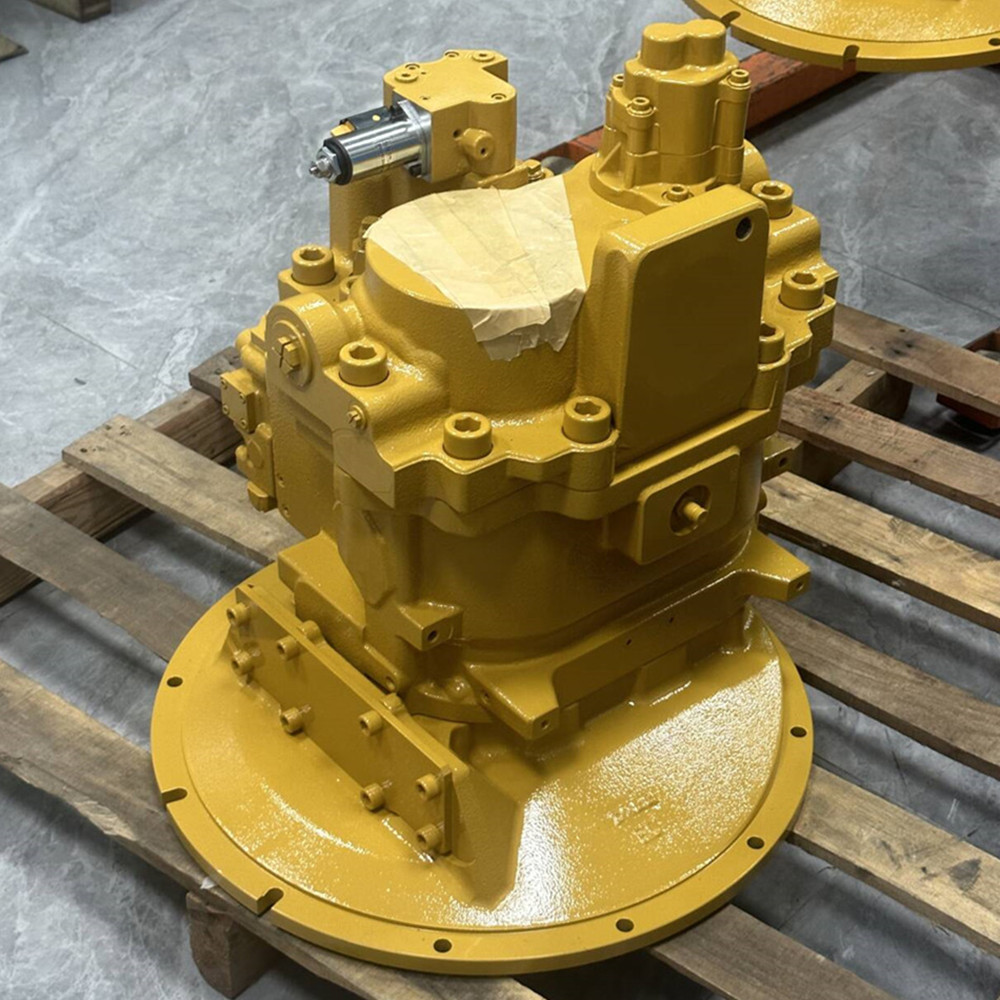
336D Excavator Hydraulic Pump | Heavy Duty CAT Replacement
This CAT 336D hydraulic pump is built for power, durability, and optimal performance. It is designed to fit Caterpillar 336D excavators and is available in both OEM and high-quality aftermarket versions. Whether you're replacing a damaged pump or upgrading your hydraulic system, this part ensures long-lasting and reliable operation in demanding construction environments.
- ✔️ Direct fit for CAT 336D excavators
- ✔️ Available in OEM or High Quality aftermarket
- ✔️ High-pressure performance for heavy-duty operations
- ✔️ Smooth and efficient hydraulic flow
- ✔️ Rigorously tested for quality and durability
- ✔️ Global shipping and responsive support
Choosing the right replacement pump and complementary filtration components reduces contamination-related failures and maximizes return on investment.
Comparison table: OEM vs Aftermarket pump and filter choices
| Feature | OEM | High Quality Aftermarket |
|---|---|---|
| Fit & Compatibility | Direct fit, tested for model | Often direct fit, verify specs |
| Warranty | Manufacturer warranty | Varies by supplier |
| Cost | Typically higher | Often lower |
| Performance options | Standard | Potential upgrades (materials, coatings) |
| Availability | Dealer channels | Wider marketplace options |
Diagnostics, Troubleshooting and Field Repair Tips
Recognizing early signs of contamination-related pump failure
Watch for increased pump noise, loss of smooth control, overheating, or erratic machine behavior—these are classic early indicators of internal wear or cavitation caused by contamination. Monitor return-line filter differential pressure and trending particle-count results; a sudden spike in particle counts often indicates a new contamination event (e.g., maintenance breach or damaged hose).
Field repair best practices
When replacing a hydraulic pump in the field, use clean-room practices: clean tools, wipe-down connection points, and use filtered fluid from sealed containers. Purge the system slowly to minimize air introduction and use a portable filtration cart or offline filter to bring reservoir cleanliness to target levels before commissioning the new pump.
When to call a specialist
If particle counts remain high after filtration or if the pump shows signs of metal wear particles (magnetic debris), ship samples or the pump to a specialist for analysis. Metallurgical wear debris often requires component-level inspection and may indicate systemic problems beyond the pump itself.
FAQ — Hydraulic Pump Filtration & Contamination Control
Q: What ISO cleanliness level should I target for a 336D excavator hydraulic pump?
A: Aim for ISO 4406 cleanliness of 18/16/13 in normal operation and 17/15/12 or cleaner for freshly rebuilt pumps or critical control systems. Use particle counters to verify.
Q: Can I use a tighter micron filter on the suction side?
A: No—suction filters need low pressure drop to prevent cavitation. Use coarser suction strainers sized per the pump manufacturer's recommendations and fine return-line or offline filtration for particle removal.
Q: How often should filters be changed?
A: Change based on differential pressure, particle count trends, and operating environment. Heavy dust or contaminated sites may require more frequent changes. Use condition-based monitoring for best results.
Q: Are aftermarket pumps reliable for heavy-duty work?
A: High-quality aftermarket pumps can match OEM performance if sourced from reputable suppliers with proven testing and warranties. Balance cost and risk—choose certified suppliers and verify materials and test data.
Q: Does water-in-oil really matter?
A: Yes. Water causes corrosion, reduces lubrication, and promotes varnish and microbial growth. Control moisture with desiccant breathers, proper storage, and offline dehydration if needed.
If you need help choosing the right pump or filtration solution for your fleet, contact our technical team for application-specific recommendations or to request a quote. View product details and order the 336D Excavator Hydraulic Pump | Heavy Duty CAT Replacement here: View 336D pump options. For direct assistance, contact our sales and support at support@example.com.
Further reading and standards references: National Fluid Power Association technical resources NFPA, ISO 4406 cleanliness classification ISO 4406, and general hydraulic pump information Wikipedia.
Tags
Caterpillar C7 engine
Caterpillar C7 engine
Isuzu 4JB1 diesel engine
Isuzu 4JB1 diesel engine
Kubota V2403 engine suppliers China
Kubota V2403 engine suppliers China
Cummins B5.9 engine specs
Cummins B5.9 engine specs
Carter 3066 engine assembly
Carter 3066 engine assembly
K3V63DT main pump
K3V63DT main pump
Recommended for you
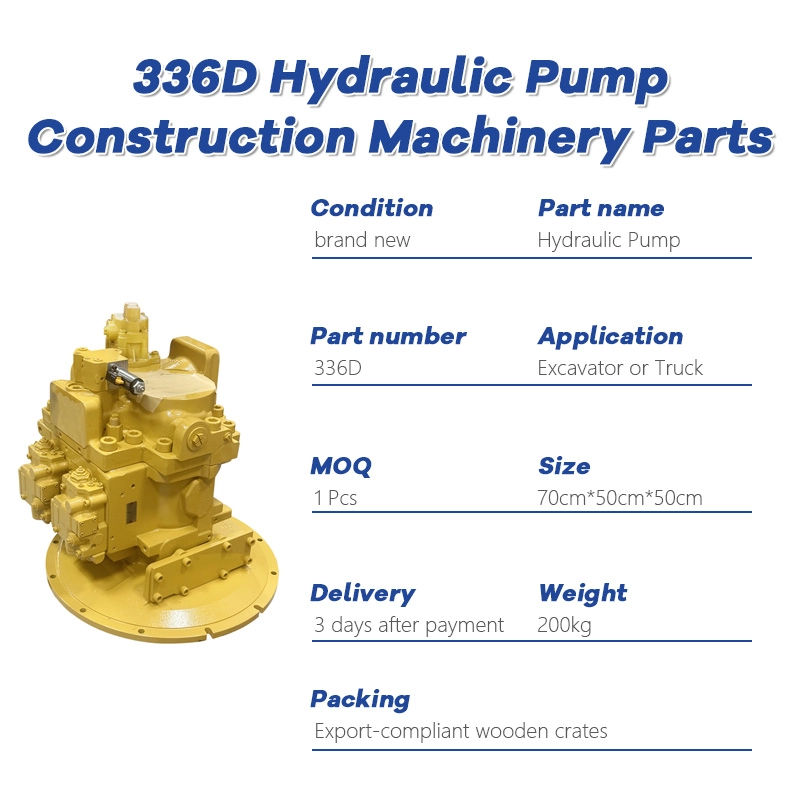
Hydraulic Pump Buying Guide for 336D Excavator Owners
Common Hydraulic Pump Problems and How to Fix Them
How to Choose the Right Excavator Engine for Your Construction Equipment
Hydraulic Oil Tips to Extend Pump Life in Excavators
Prdoucts Categories
Question you may concern
FAQ
Can I return or exchange parts if I change my mind?
Yes, we accept returns and exchanges within [insert return period, e.g., 30 days] of purchase. The items must be unused and in their original packaging. Please contact our customer service team to initiate a return or exchange.
How can I place an order?
You can place an order through our user-friendly online platform or by contacting our sales team directly. Simply browse our catalog, select the parts you need, and follow the checkout process to complete your order.
Are your parts compatible with all excavator brands?
JELXEL strives to offer parts compatible with a wide range of excavator brands and models. However, we recommend checking the product specifications or consulting with our team to ensure compatibility with your specific excavator.
Do you provide warranties on your products?
Yes, we stand by the quality of our products. Most parts come with a warranty that covers manufacturing defects. Please refer to the specific warranty information provided with your purchase or contact our customer service team for details.
Do you provide installation services for your parts?
While we do not offer installation services directly, we can recommend qualified professionals or resources to assist you with the installation of our parts. Our customer support team can provide guidance on finding local service providers.
You may also like
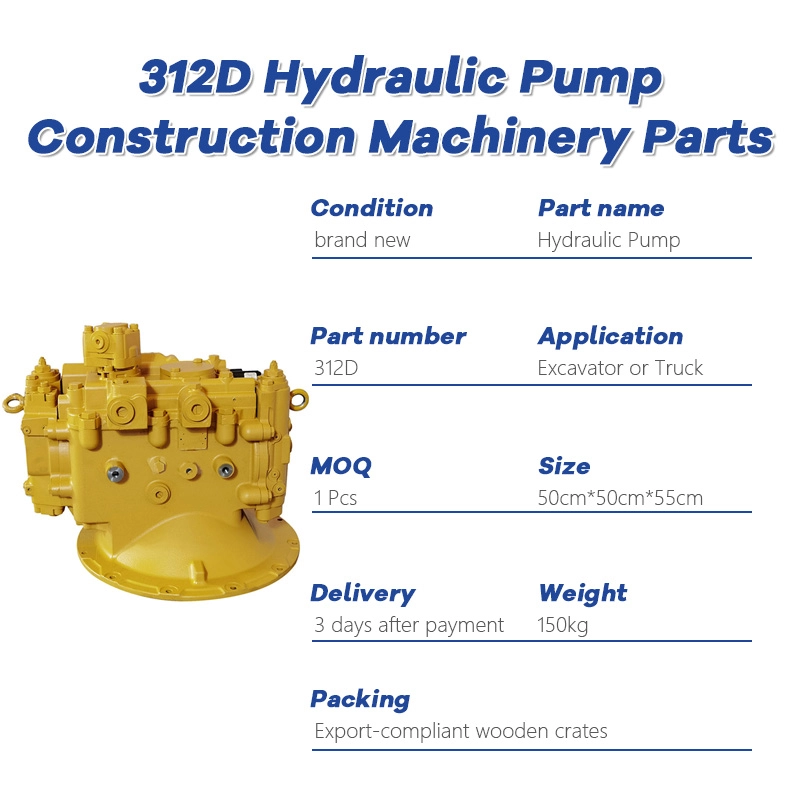
Excavator Hydraulic Pump for CAT 312D | Fast Shipping
Get your high-quality JELXEL CAT 312D hydraulic pump! Engineered for durability and peak performance, this essential 312D hydraulic pump ensures your excavator runs efficiently. Benefit from our fast shipping to minimize downtime. Choose JELXEL for reliable, high-quality solutions for your CAT 312D.
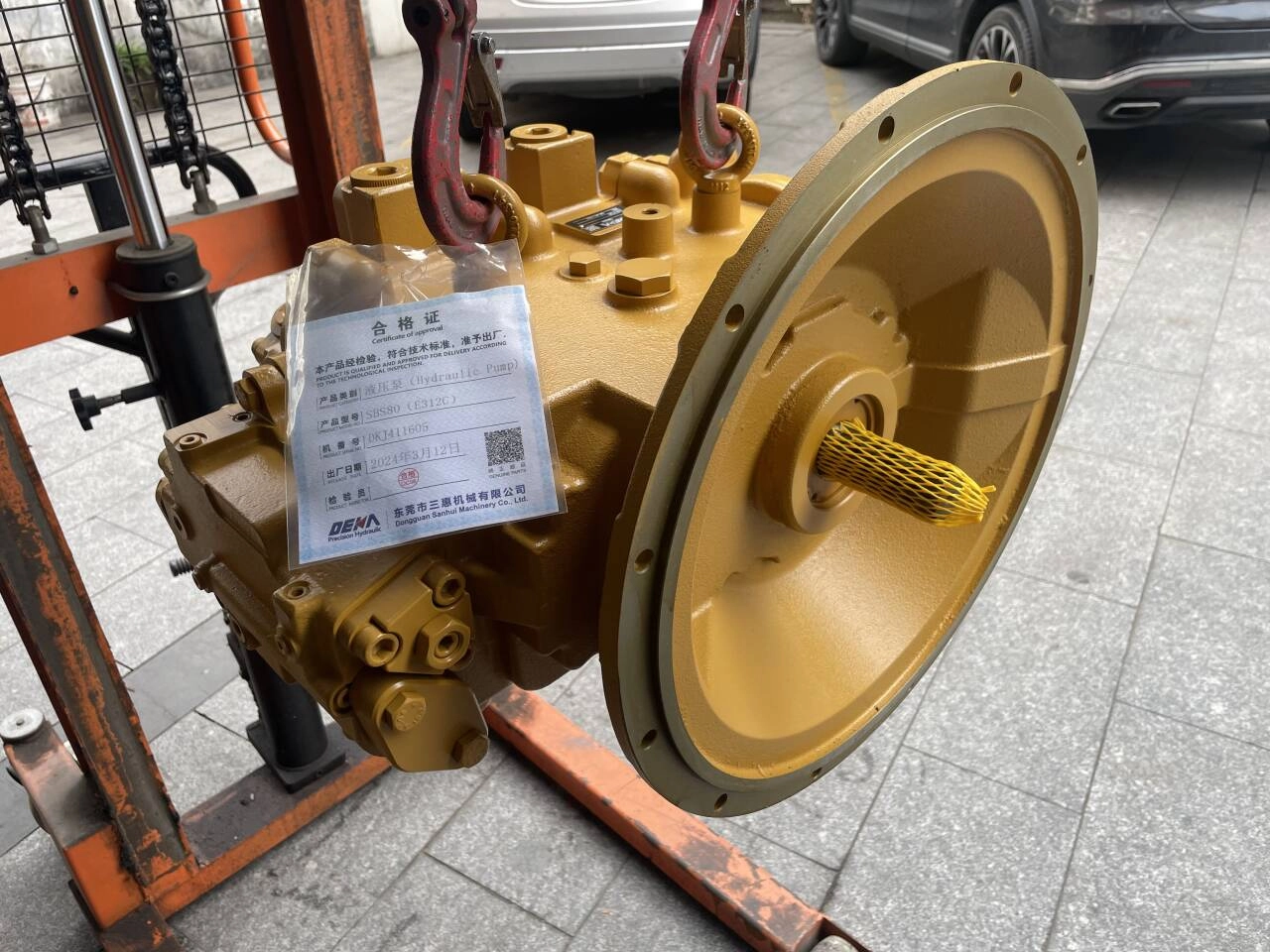
New CAT 312C Hydraulic Main Pump | Compatible Excavator Parts
JELXEL’ New CAT 312C Hydraulic Main Pump delivers reliable performance for your excavator. Engineered for durability, this Caterpillar 312C hydraulic pump ensures seamless compatibility and optimal efficiency.
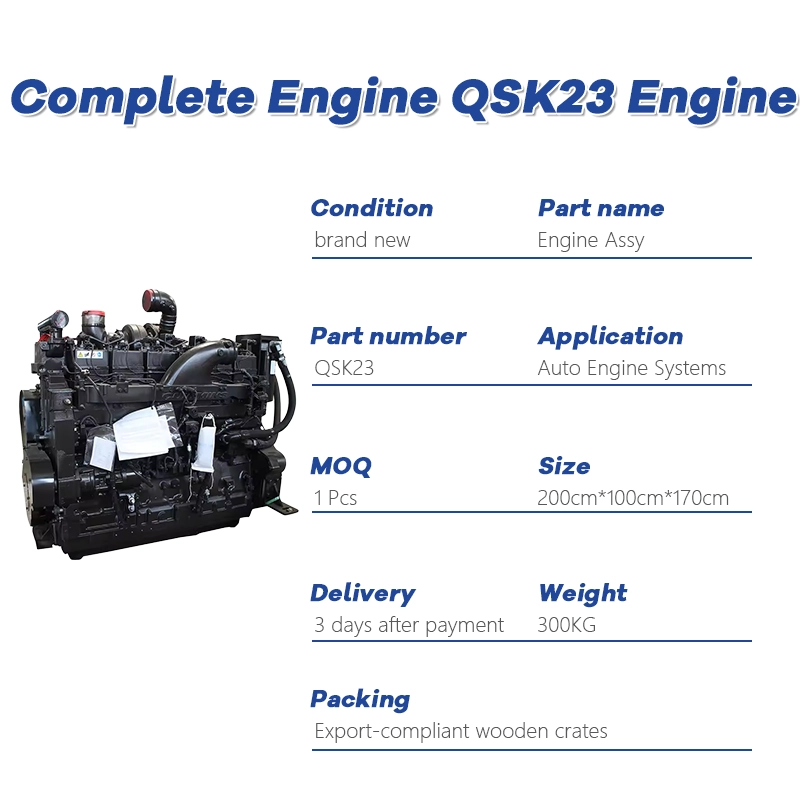
QSK23 Excavator Engine Assembly | Reliable & Efficient Performance
Discover the high-performance QSK23 Excavator Engine Assembly by JELXEL, designed for reliable and efficient excavation. Ideal QSK23 engine parts for excavators, this engine assembly delivers durability and power. Explore our engine assembly for sale to boost your machinery’s performance today.
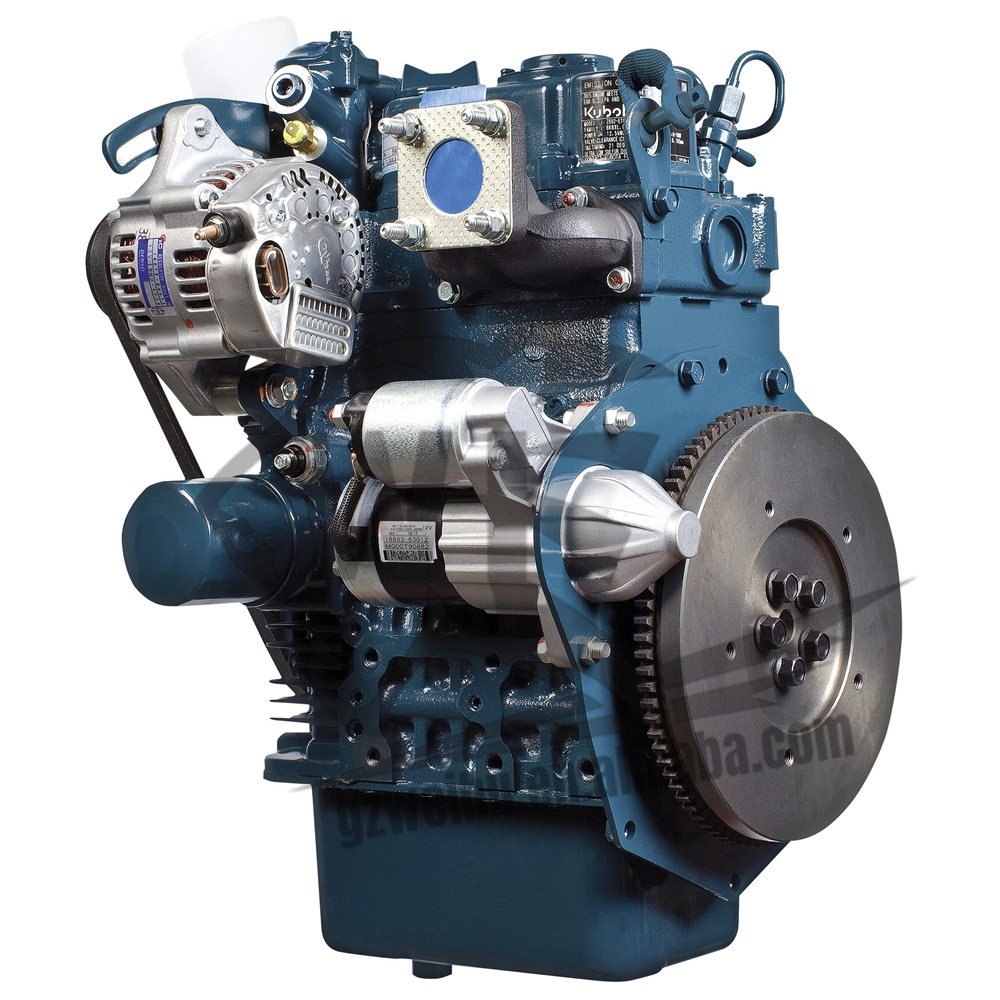
D722 Excavator Engine Replacement | Boost Your Excavator’s Power
Upgrade your excavator's performance with the JELXEL D722 Excavator Engine Replacement. Buy D722 excavator engine now to enhance power and efficiency. Excavator D722 Engine for Sale, designed for durability and smooth operation. Boost your excavator’s power today!
Get in touch with us
If you have any comments or good suggestions, please leave us a message, later our professional staff will contact you as soon as possible.
To be a happy enterprise in the field of engineering equipment.
JELXEL delivers efficient and reliable service at each stage to meet the customer's needs.