

jackhuang5919@gmail.com
Hydraulic Pump Buying Guide for 336D Excavator Owners
Comprehensive guide to selecting and installing the right hydraulic pump for Caterpillar 336D excavators. Covers OEM vs aftermarket choices, compatibility checks, diagnostics, maintenance tips, and purchase considerations to maximize performance and uptime.
- Understanding Why the Right Hydraulic Pump Matters
- What a hydraulic pump does in a 336D excavator
- Signs you need a replacement or upgrade
- Why choose a pump built for the 336D
- Choosing Between OEM and Aftermarket Hydraulic Pumps
- OEM vs High-quality aftermarket: pros and cons
- Key decision factors: compatibility, warranty, price, availability
- Comparison table: OEM vs Aftermarket
- Technical Checklist Before Buying
- Confirm model fit and part numbers
- Flow and pressure requirements
- Mounting, shaft and coupling details
- Installation, Testing and Maintenance Best Practices
- Professional installation vs in-house replacement
- Flushing, filtration and oil selection
- Break-in, testing and monitoring
- Diagnostics, Troubleshooting and Extending Pump Life
- Common failure modes and diagnostic steps
- Preventive maintenance checklist
- When to rebuild vs replace
- Sources and Further Reading
- 336D Excavator Hydraulic Pump | Heavy Duty CAT Replacement — Product Overview
- FAQ — Common Questions from 336D Owners
- Q: How do I know if I need the exact CAT part number?
- Q: Can I use any hydraulic oil with the new pump?
- Q: Is an aftermarket pump as reliable as OEM?
- Q: How long does a hydraulic pump replacement typically take?
- Q: What preventative steps reduce future pump failures?

Summary for : This guide helps CAT 336D excavator owners quickly find the right hydraulic pump solution by combining on-machine compatibility checks, performance and durability considerations, and sourcing recommendations. It highlights OEM and high-quality aftermarket options for the 336D Excavator Hydraulic Pump | Heavy Duty CAT Replacement and provides actionable troubleshooting, installation, and maintenance steps that are optimized for global searches and local procurement needs.
Understanding Why the Right Hydraulic Pump Matters
What a hydraulic pump does in a 336D excavator
The hydraulic pump is the heart of a tracked excavator's hydraulic system. It converts mechanical power from the engine into hydraulic flow and pressure, powering the boom, arm, bucket, swing, and travel circuits. A correctly specified hydraulic pump ensures efficient flow, stable pressure under load, and reliable control response during heavy-duty operations.
Signs you need a replacement or upgrade
Common symptoms of a failing hydraulic pump include reduced digging power, sluggish boom/arm response, unusual noises (whine, groan), overheating of the hydraulic oil, and visible leaks at the pump flange or shaft seal. Early diagnosis prevents collateral damage to valves, cylinders, and the hydraulic motor system.
Why choose a pump built for the 336D
The 336D Excavator Hydraulic Pump | Heavy Duty CAT Replacement is designed for direct fit and heavy-duty performance. Choosing a unit specifically built for Caterpillar 336D minimizes installation time and alignment issues, and reduces the risk of premature failure that can occur with generic pumps. This product is available in OEM and high-quality aftermarket versions to match owner priorities for budget, warranty, and lifecycle cost.
Choosing Between OEM and Aftermarket Hydraulic Pumps
OEM vs High-quality aftermarket: pros and cons
OEM pumps come from the original equipment manufacturer and usually match the machine's original specifications exactly, often backed by manufacturer warranty and support. High-quality aftermarket pumps offer competitive pricing and sometimes enhanced features or faster lead times, but quality varies by supplier. For CAT 336D owners, selecting a reputable aftermarket brand that tests for performance and durability is essential to meet heavy-duty demands.
Key decision factors: compatibility, warranty, price, availability
When comparing options, focus on these factors:
- Compatibility: direct-fit models for CAT 336D reduce modification needs.
- Warranty and support: better warranties indicate confidence in durability.
- Price vs lifecycle cost: a cheaper pump with poor durability can cost more long-term.
- Availability and lead time: onsite downtime drives many buyers to choose readily available aftermarket units.
Comparison table: OEM vs Aftermarket
| Criteria | OEM (CAT) | High-quality Aftermarket |
|---|---|---|
| Compatibility | Guaranteed direct fit for 336D | Direct-fit options available; verify part number |
| Warranty | Manufacturer warranty and dealer support | Varies (select vendors offer strong warranties) |
| Price | Higher initial cost | Typically lower, competitive pricing |
| Lead time | May be longer due to dealer schedules | Often faster delivery for stocked aftermarket units |
| Quality consistency | High, factory-tested | High if vendor is reputable; varies otherwise |
Technical Checklist Before Buying
Confirm model fit and part numbers
Always check the engine and pump part numbers against your machine's serial number and service manual. CAT part numbers and cross-references can be found through the official Caterpillar parts resources. If you are replacing a pump, record the serial number stamped on the pump housing and compare it with the seller's compatibility list.
Flow and pressure requirements
Match the hydraulic pump's maximum flow (L/min or gpm) and operating pressure (bar or psi) with the machine's hydraulic circuit requirements. Over- or undersized pumps can impair performance or overload components. If you are unsure of exact figures, consult your 336D service manual or an authorized dealer for safe specifications.
Mounting, shaft and coupling details
Verify shaft type (splined or keyed), flange bolt pattern, and coupling style. For a direct-fit 336D pump, these dimensions should match without adapter plates. Incorrect shaft geometry or mounting offset increases wear and can cause rapid failure.
Installation, Testing and Maintenance Best Practices
Professional installation vs in-house replacement
Installing a hydraulic pump involves precise alignment, torqueing, hydraulic line routing, and filling/bleeding the system. For most owners, using trained technicians or an authorized service provider reduces the risk of installation errors. If you possess in-house hydraulic experience and tools, follow the manufacturer's torque specs and clean-room practices during pump installation.
Flushing, filtration and oil selection
Before installing a replacement pump, flush the hydraulic circuit to remove contaminants that can quickly destroy a new pump. Replace filters and confirm cleanliness. Use hydraulic oil meeting the viscosity and specification recommended by Caterpillar; improper fluids shorten pump life and degrade efficiency. For guidance on hydraulic system cleanliness and filtration standards, consult the Hydraulic Institute and ISO cleanliness recommendations.
Break-in, testing and monitoring
After installation, follow a staged break-in procedure: run at low loads to allow seals to seat and bearings to stabilize, then gradually bring the system to full operational pressures. Monitor temperatures, pressures, and oil contamination levels for the first 50–100 operating hours. Installing pressure gauges and flow meters during testing helps verify pump performance under load.
Diagnostics, Troubleshooting and Extending Pump Life
Common failure modes and diagnostic steps
Frequent failure causes include contamination, cavitation, overpressure, misalignment, and internal wear. Diagnostic steps:
- Check hydraulic oil level and condition.
- Inspect suction lines and strainers for restriction (cavitation indicator).
- Listen for unusual noises under load (bearing or vane issues).
- Measure system pressure and compare to expected values.
Preventive maintenance checklist
To extend pump life and reduce downtime, implement these routines:
- Keep hydraulic oil clean and at correct levels; sample oil regularly.
- Replace suction and return filters per interval or earlier if contamination rises.
- Inspect hoses, fittings, and seals for wear and leaks.
- Monitor operating temperatures and address cooling issues promptly.
When to rebuild vs replace
Rebuilding a pump can be cost-effective if housing and drive components are in good condition and replacements use matched-grade parts and precise machining. However, extensive internal wear, hub damage, or unavailable core parts often justify a complete replacement with a tested unit, especially in high-hour machines like working 336D excavators.
Sources and Further Reading
For authoritative references on hydraulic systems and best practices, consult:
- Hydraulic pump — Wikipedia
- Caterpillar — official site (parts & service)
- Hydraulic Institute — standards and guidance
- SAE International — engineering standards and papers
336D Excavator Hydraulic Pump | Heavy Duty CAT Replacement — Product Overview
This CAT 336D hydraulic pump is built for power, durability, and optimal performance. It is designed to fit Caterpillar 336D excavators and is available in both OEM and high-quality aftermarket versions. Whether you're replacing a damaged pump or upgrading your hydraulic system, this part ensures long-lasting and reliable operation in demanding construction environments.
- ✔️ Direct fit for CAT 336D excavators
- ✔️ Available in OEM or High Quality aftermarket
- ✔️ High-pressure performance for heavy-duty operations
- ✔️ Smooth and efficient hydraulic flow
- ✔️ Rigorously tested for quality and durability
- ✔️ Global shipping and responsive support
FAQ — Common Questions from 336D Owners
Q: How do I know if I need the exact CAT part number?
A: Always verify the part number printed on your existing pump or in the machine’s service manual. Direct-fit parts eliminate guesswork and reduce installation time. If you cannot locate the part number, provide the machine serial number to your supplier so they can confirm compatibility.
Q: Can I use any hydraulic oil with the new pump?
A: No. Use hydraulic oil that meets Caterpillar’s viscosity and cleanliness recommendations for the 336D. Incorrect oil viscosity or contamination increases wear and reduces pump efficiency. Consult your manual or dealer for the exact spec.
Q: Is an aftermarket pump as reliable as OEM?
A: High-quality aftermarket pumps can be as reliable as OEM when sourced from reputable manufacturers who provide performance testing and warranty. Check for vendor quality certifications, test reports, and customer reviews before purchasing.
Q: How long does a hydraulic pump replacement typically take?
A: For a trained technician with parts and tools on hand, replacement and system bleed/testing commonly take one to two working days. More complex jobs (e.g., access limitations or additional component replacement) can extend that time.
Q: What preventative steps reduce future pump failures?
A: Maintain oil cleanliness, replace filters proactively, check for suction restrictions, avoid overheating, and schedule regular inspections. Early attention to warning signs dramatically extends pump life.
If you need help selecting the correct 336D hydraulic pump, comparing OEM vs aftermarket options, or arranging fast shipping and installation, contact our support team or view the product page:
View 336D Excavator Hydraulic Pump | Heavy Duty CAT Replacement | Contact Customer Service
Tags
red hydraulic pump for excavator
red hydraulic pump for excavator
6D170E-3 engine for sale
6D170E-3 engine for sale
hydraulic pumps
hydraulic pumps
Caterpillar 3306 rebuilt engine
Caterpillar 3306 rebuilt engine
CAT 3306 engine
CAT 3306 engine
cummins excavator engine for sale
cummins excavator engine for sale
Recommended for you
Hydraulic Pump Performance Metrics to Track in 2026

Emissions and Regulations: ZAX870-5G 6WG1 Compliance Tips

Choosing an Original Hitachi Engine Supplier: ZAX870-5G Guide
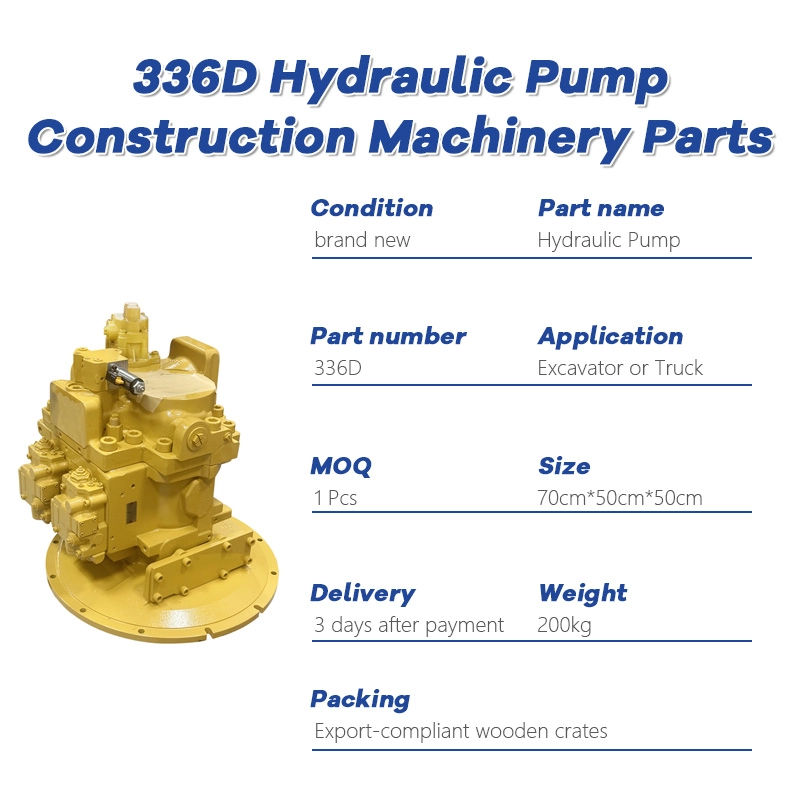
Comparing OEM and Aftermarket Hydraulic Pumps for 336D
Prdoucts Categories
Question you may concern
FAQ
Are your parts compatible with all excavator brands?
JELXEL strives to offer parts compatible with a wide range of excavator brands and models. However, we recommend checking the product specifications or consulting with our team to ensure compatibility with your specific excavator.
How do I know which parts I need for my excavator?
If you are unsure which parts are needed, our knowledgeable customer support team can assist you. You can provide us with your excavator model and any relevant details, and we will help you identify the correct parts.
How can I place an order?
You can place an order through our user-friendly online platform or by contacting our sales team directly. Simply browse our catalog, select the parts you need, and follow the checkout process to complete your order.
What is your shipping policy?
We offer a variety of shipping options to meet your needs. Orders are typically processed within [insert processing time] days, and delivery times may vary based on your location. We will provide you with tracking information once your order has shipped.
Do you provide installation services for your parts?
While we do not offer installation services directly, we can recommend qualified professionals or resources to assist you with the installation of our parts. Our customer support team can provide guidance on finding local service providers.
You may also like
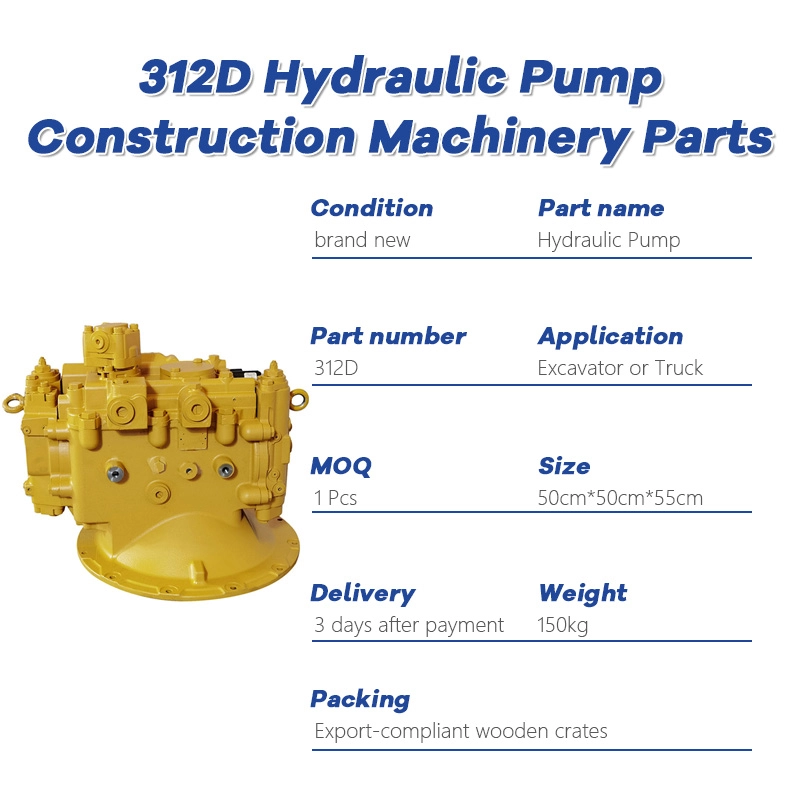
Excavator Hydraulic Pump for CAT 312D | Fast Shipping
Get your high-quality JELXEL CAT 312D hydraulic pump! Engineered for durability and peak performance, this essential 312D hydraulic pump ensures your excavator runs efficiently. Benefit from our fast shipping to minimize downtime. Choose JELXEL for reliable, high-quality solutions for your CAT 312D.
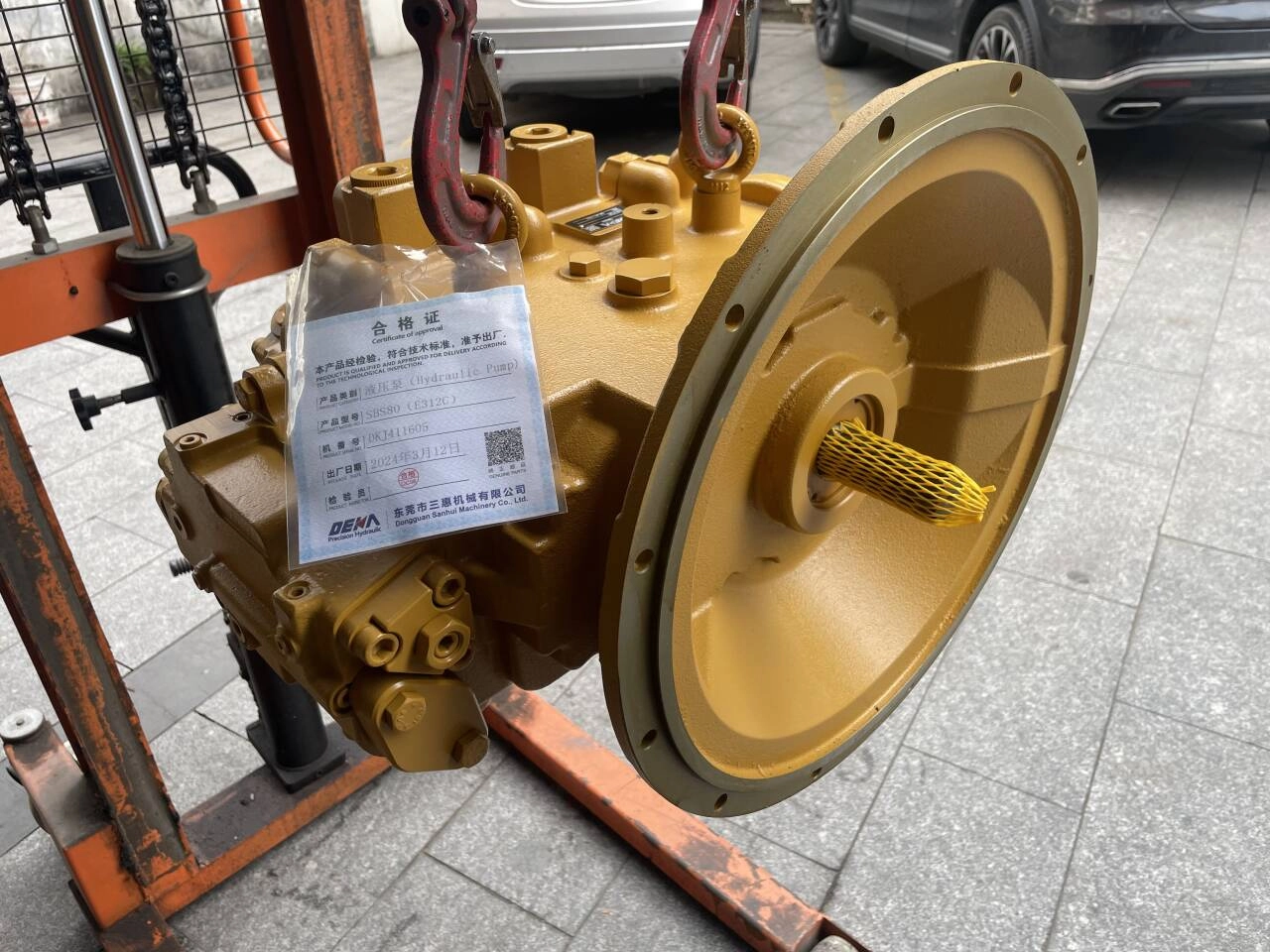
New CAT 312C Hydraulic Main Pump | Compatible Excavator Parts
JELXEL’ New CAT 312C Hydraulic Main Pump delivers reliable performance for your excavator. Engineered for durability, this Caterpillar 312C hydraulic pump ensures seamless compatibility and optimal efficiency.
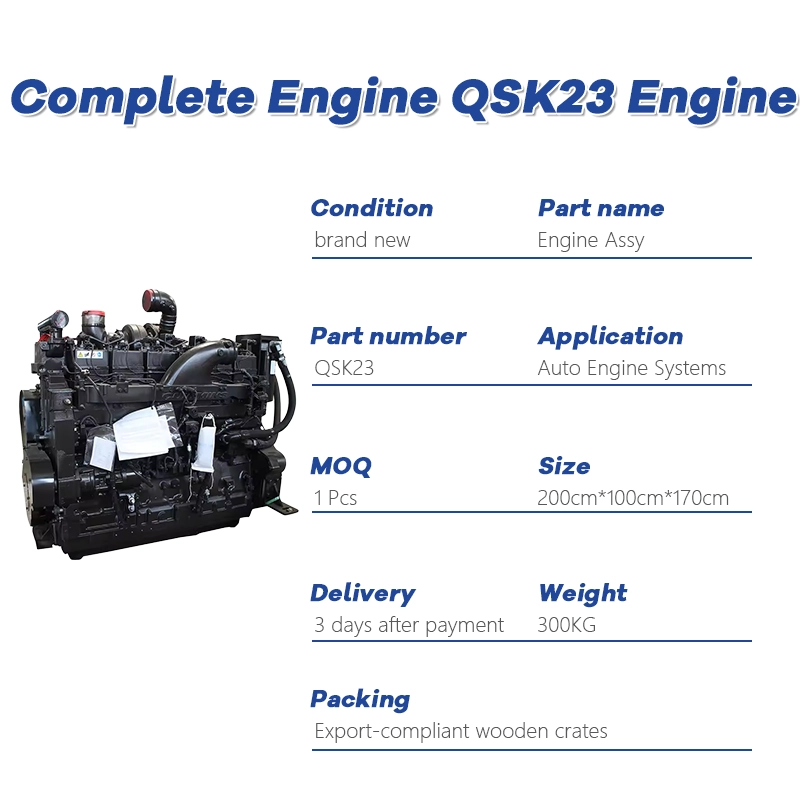
QSK23 Excavator Engine Assembly | Reliable & Efficient Performance
Discover the high-performance QSK23 Excavator Engine Assembly by JELXEL, designed for reliable and efficient excavation. Ideal QSK23 engine parts for excavators, this engine assembly delivers durability and power. Explore our engine assembly for sale to boost your machinery’s performance today.
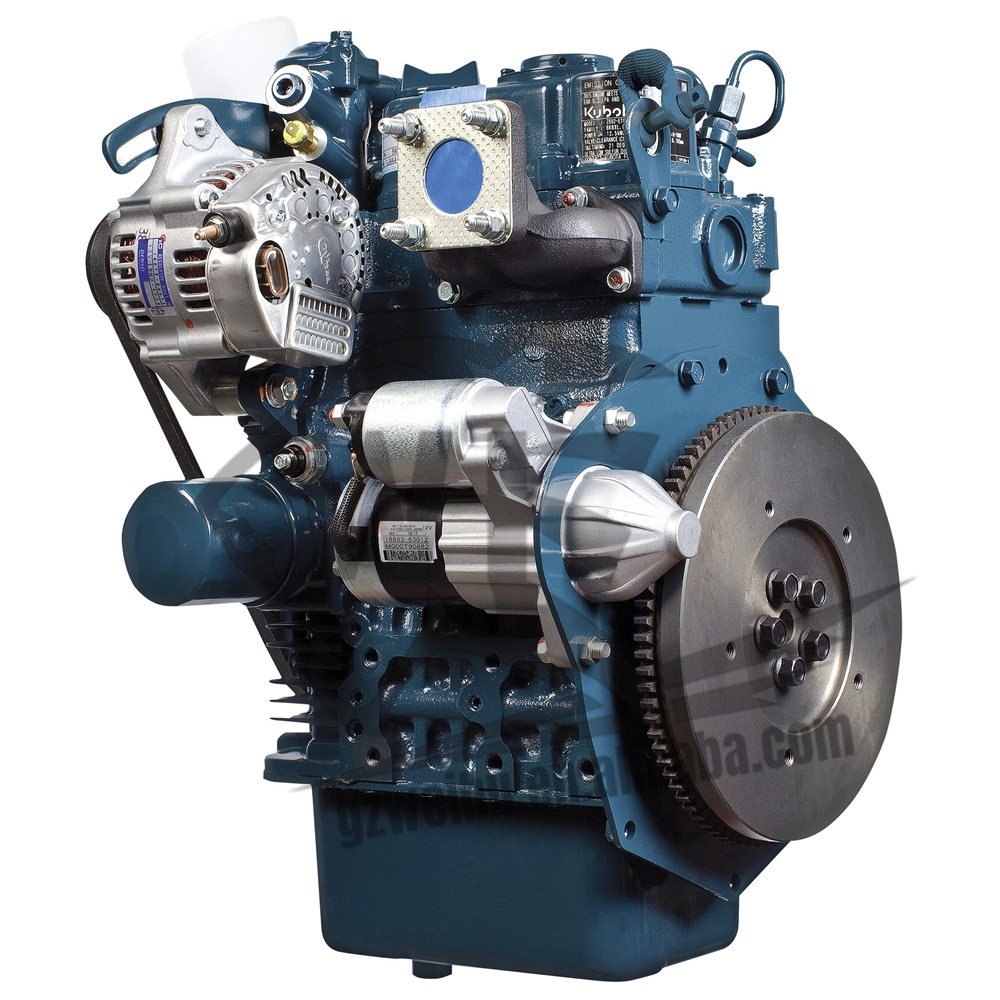
D722 Excavator Engine Replacement | Boost Your Excavator’s Power
Upgrade your excavator's performance with the JELXEL D722 Excavator Engine Replacement. Buy D722 excavator engine now to enhance power and efficiency. Excavator D722 Engine for Sale, designed for durability and smooth operation. Boost your excavator’s power today!
Get in touch with us
If you have any comments or good suggestions, please leave us a message, later our professional staff will contact you as soon as possible.
To be a happy enterprise in the field of engineering equipment.
JELXEL delivers efficient and reliable service at each stage to meet the customer's needs.