

jackhuang5919@gmail.com
Hydraulic Oil Tips to Extend Pump Life in Excavators
Practical, user-focused hydraulic oil strategies to extend excavator pump life: correct oil selection, cleanliness targets (ISO 4406), filtration, fluid monitoring, operating best practices, and maintenance intervals—backed by industry guidance to reduce downtime and cost.
- Introduction: Why Hydraulic Oil Matters for Excavator Pump Life
- Understand How Hydraulic Oil Affects Pump Wear
- How pumps fail when hydraulic oil is wrong
- Types of pumps and sensitivity
- Choose the Right Hydraulic Oil
- Match viscosity to OEM recommendations
- Prefer high-quality anti-wear hydraulic fluids
- Maintain Cleanliness and Proper Filtration
- Set and monitor ISO 4406 cleanliness targets
- Use the right filters and understand beta ratios
- Seal, fill, and handle fluids properly
- Monitor Fluid Health Regularly
- What to test and how often
- Water tolerance targets
- Operating Practices That Reduce Pump Stress
- Manage temperature
- Avoid cavitation and air ingestion
- Warm-up and cooldown procedures
- Maintenance Schedules and Intervals
- Quick Comparisons: Cleanliness Targets by Pump Type
- Practical Implementation Checklist
- Conclusion: Small Actions, Big Impact on Pump Life
- Frequently Asked Questions
Introduction: Why Hydraulic Oil Matters for Excavator Pump Life
When operators search for Hydraulic Oil Tips to Extend Pump Life in Excavators, they want practical, actionable guidance that reduces downtime, lowers repair costs, and keeps systems performing reliably. Excavator hydraulic pumps (axial piston, gear, and vane) are expensive components; fluid-related issues such as contamination, incorrect viscosity, water, and overheating cause the majority of premature failures. This article explains simple, proven hydraulic oil practices—selection, cleanliness, monitoring, filtration, and operating habits—that significantly extend pump life and protect your investment.
Understand How Hydraulic Oil Affects Pump Wear
How pumps fail when hydraulic oil is wrong
Pumps suffer from abrasive wear (solid particles), corrosive wear (water + acids), and fatigue from poor lubrication or cavitation. High-pressure axial piston pumps are especially sensitive to contamination and viscosity deviations because tight clearances and high shear stresses amplify damage.
Types of pumps and sensitivity
- Axial piston pumps: high sensitivity — need the cleanest oil and stable viscosity.
- Vane pumps: moderate sensitivity — benefit from anti-wear additives and good filtration.
- Gear pumps: most tolerant but still harmed by abrasives and water.
Choose the Right Hydraulic Oil
Match viscosity to OEM recommendations
Select an oil with the ISO VG and viscosity grade recommended by the equipment OEM. Operating viscosity should remain within ±20% of the recommended value at operating temperature. Oils that are too thin increase metal-to-metal contact; oils that are too thick increase internal stress and temperature.
Prefer high-quality anti-wear hydraulic fluids
Use hydraulic oils with anti-wear additives (e.g., ZDDP or modern ashless alternatives) suited for your pump type. Consider synthetic esters or high-quality Group II/III base oils for better thermal stability and oxidation resistance where temperatures and loads are severe.
Maintain Cleanliness and Proper Filtration
Set and monitor ISO 4406 cleanliness targets
Cleanliness is one of the most important controllable factors. For high-pressure axial piston pumps target ISO 4406 cleanliness of 16/14/11 or better; for vane pumps 18/16/13; for gear pumps 19/17/14. Maintaining these targets reduces abrasive wear and failure risk.
Use the right filters and understand beta ratios
Select filters sized to remove particles that cause wear. Look for filters with published beta ratios (e.g., beta2000 > 200 at the target micron). Typical best practice: system return line filters at 3–10 µm absolute for sensitive pumps, and pressure filters upstream of control valves where required. Use breathers and tank filtration to prevent ingression of contaminants when tanks are refilled or vented.
Seal, fill, and handle fluids properly
Use sealed containers, clean funnels, and dedicated pumps when topping off. Ensure good seals on hoses and connections to prevent air and dust ingress. Even brief exposure while refilling can drastically increase particle counts.
Monitor Fluid Health Regularly
What to test and how often
Implement routine oil analysis (laboratory or onsite particle counting) to track: particle counts (ISO 4406), water content (ppm), viscosity at 40°C and 100°C, total acid number (TAN)/oxidation, and elemental wear metals (Fe, Cu, Sn, Pb). For active machines a common cadence is: particle counts and water checks every 250 hours, full oil analysis every 500–1,000 hours — adjust frequency based on severity of duty.
Water tolerance targets
Free water is dangerous. Aim for <200 ppm water in typical hydraulic systems; for the most sensitive pumps keep water <100 ppm. Use breathers, desiccant breathers, and water-separating filters or offline centrifuges if water ingress is persistent.
Operating Practices That Reduce Pump Stress
Manage temperature
Keep operating temperatures within OEM limits—most hydraulic oils perform well between 40–80°C. Elevated temperatures accelerate oxidation and varnish formation; use coolers, proper fan control, and maintain adequate fluid volume to dissipate heat. Avoid repeated thermal cycling that promotes oxidation.
Avoid cavitation and air ingestion
Cavitation causes pitting and rapid pump wear. Maintain proper inlet conditions: ensure adequate suction head, short suction lines, appropriate hose diameters, and avoid excessive pump inlet restriction. Check for failed seals or loose fittings that allow air entry.
Warm-up and cooldown procedures
Warm systems gently at low loads to achieve operating viscosity before heavy work. After long runs under high load, allow a brief cool-down cycle if possible to reduce thermal shock and oxidation stress.
Maintenance Schedules and Intervals
Maintenance intervals depend on duty cycle and contamination control. Typical industry guidance (adjust to OEM):
| Item | Typical Interval | Notes |
|---|---|---|
| Particle count and water check | Every 250 hours | On severe duty, increase frequency |
| Full oil analysis (viscosity, TAN, wear metals) | Every 500–1,000 hours | Use results to set oil change timing |
| Filter element change (return/pressure) | Every 250–1,000 hours | Change earlier if delta-P rises or contamination spikes |
| Hydraulic oil replacement | 2,000–4,000 hours (typical) | Follow OEM and oil analysis; severe duty shortens life |
Quick Comparisons: Cleanliness Targets by Pump Type
| Pump Type | Recommended ISO 4406 Target | Why it matters |
|---|---|---|
| Axial piston | 16/14/11 or better | High pressure and tight clearances — very sensitive to particles |
| Vane | 18/16/13 | Moderate sensitivity; benefits from anti-wear additives and filtration |
| Gear | 19/17/14 | More tolerant but still harmed by abrasives and water |
Practical Implementation Checklist
- Confirm OEM-recommended oil viscosity and change intervals.
- Set cleanliness targets by pump type and verify with particle counters.
- Use high-quality anti-wear hydraulic fluids and change filters on a schedule.
- Install desiccant breathers, proper tank filtration, and consider offline filtration for busy fleets.
- Sample oil regularly and act on lab trends (rising particles, water, TAN, or wear metals).
- Train operators on warm-up/cooldown, avoiding shock loads, and proper topping-off techniques.
Conclusion: Small Actions, Big Impact on Pump Life
Extending excavator pump life comes down to controlling the lubricant environment: choose the correct hydraulic oil, keep it clean, monitor its condition, manage temperature and air/water ingress, and follow disciplined maintenance. These steps reduce abrasive wear, corrosion, and fatigue failures—saving repair costs and downtime. JELXEL supports global customers with quality excavator components and technical guidance so your fleet runs longer and more reliably. If you need replacement filters, pump components, or guidance on part selection for contamination control, JELXEL can help source the right parts and advise on best practices.
Frequently Asked Questions
Q: How often should I change hydraulic oil in an excavator?A: Oil change intervals vary by duty and oil condition. Typical industry ranges are 2,000–4,000 operating hours; use oil analysis to determine the optimal interval for your machine. Severe duty may require more frequent changes.
Q: What ISO 4406 cleanliness code should I target?A: For high-pressure axial piston pumps target around 16/14/11 or cleaner. For vane pumps aim for ~18/16/13 and gear pumps ~19/17/14. Adjust based on OEM and operating severity.
Q: How much water in hydraulic oil is acceptable?A: Aim for <200 ppm in general; for sensitive pumps target <100 ppm. Free water must be eliminated immediately to avoid corrosion and loss of lubrication.
Q: Can I use synthetic oil to extend pump life?A: High-quality synthetic or ester-based hydraulic fluids often offer better oxidation resistance and thermal stability, which helps extend life under high temperatures. Always confirm compatibility with seals and OEM specs.
Q: What filtration micron rating should I use?A: Sensitive systems often require return-line filters in the 3–10 µm absolute range and pressure filters where required. Use filters with good beta ratios and follow manufacturer recommendations.
Q: Will topping off with any hydraulic oil cause problems?A: Yes. Mixing incompatible oils (different base stocks or additive chemistries) can degrade performance. Always top off with the same oil grade and preferably the same brand/type recommended by the OEM.
Sources:
- ISO 4406: Cleanliness code for fluid contamination (international standard)
- Industry best practices from major hydraulic fluid suppliers (Shell, Mobil) and lubricant advisory groups
- Technical guidance from pump OEMs (axial piston, vane, gear pump manuals and maintenance recommendations)
- Noria Corporation: Oil analysis and contamination control best practices
- Hydraulic and Pneumatic equipment maintenance literature and fleet maintenance case studies
Tags
Carter C4.4 engine price list
Carter C4.4 engine price list
Caterpillar C7.1 engine
Caterpillar C7.1 engine
OEM K3V112DT hydraulic pump
OEM K3V112DT hydraulic pump
Caterpillar C3.3B engine
Caterpillar C3.3B engine
caterpillar c7 engine for sale
caterpillar c7 engine for sale
Caterpillar 320D2 engine
Caterpillar 320D2 engine
Recommended for you

Troubleshooting engine assemblies: noise, smoke, and leaks
Hydraulic Pump Testing Standards Buyers Should Require
Flow Rate Matching: Pump Selection for 336D Attachments
Extending the Life of Your Excavator Hydraulic Pump: Practical Guide
Prdoucts Categories
Question you may concern
FAQ
Are your parts compatible with all excavator brands?
JELXEL strives to offer parts compatible with a wide range of excavator brands and models. However, we recommend checking the product specifications or consulting with our team to ensure compatibility with your specific excavator.
Do you provide warranties on your products?
Yes, we stand by the quality of our products. Most parts come with a warranty that covers manufacturing defects. Please refer to the specific warranty information provided with your purchase or contact our customer service team for details.
What types of excavator parts do you offer?
JELXEL provides a comprehensive range of excavator parts, including but not limited to buckets, hydraulic components, undercarriage parts, and engine components. Our goal is to be your one-stop solution for all excavator needs.
How do I know which parts I need for my excavator?
If you are unsure which parts are needed, our knowledgeable customer support team can assist you. You can provide us with your excavator model and any relevant details, and we will help you identify the correct parts.
Do you offer bulk purchasing options?
Yes, we offer competitive pricing for bulk orders. If you are interested in purchasing large quantities of parts, please contact our sales team to discuss your requirements and receive a customized quote.
You may also like
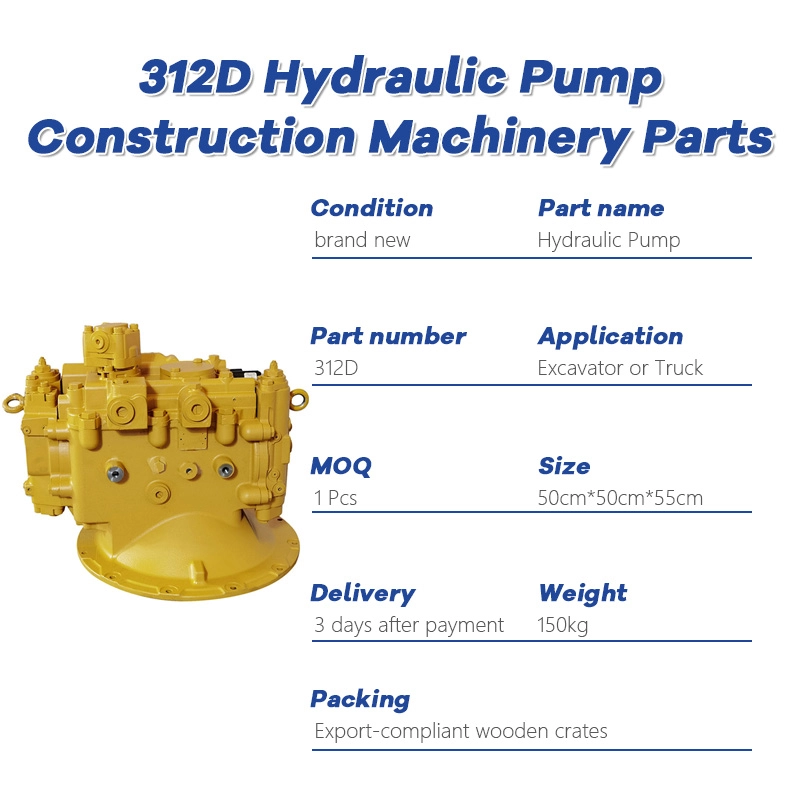
Excavator Hydraulic Pump for CAT 312D | Fast Shipping
Get your high-quality JELXEL CAT 312D hydraulic pump! Engineered for durability and peak performance, this essential 312D hydraulic pump ensures your excavator runs efficiently. Benefit from our fast shipping to minimize downtime. Choose JELXEL for reliable, high-quality solutions for your CAT 312D.
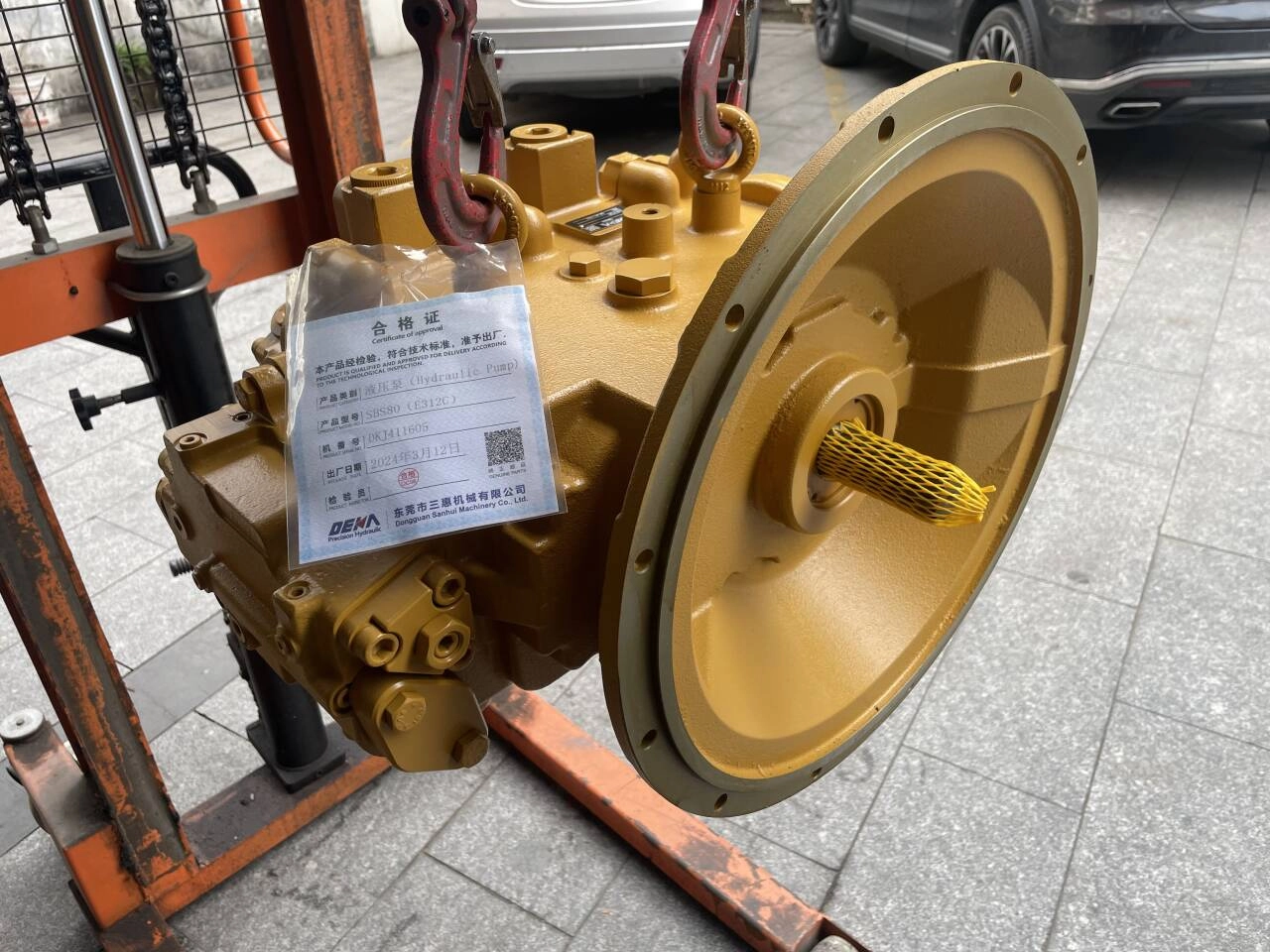
New CAT 312C Hydraulic Main Pump | Compatible Excavator Parts
JELXEL’ New CAT 312C Hydraulic Main Pump delivers reliable performance for your excavator. Engineered for durability, this Caterpillar 312C hydraulic pump ensures seamless compatibility and optimal efficiency.
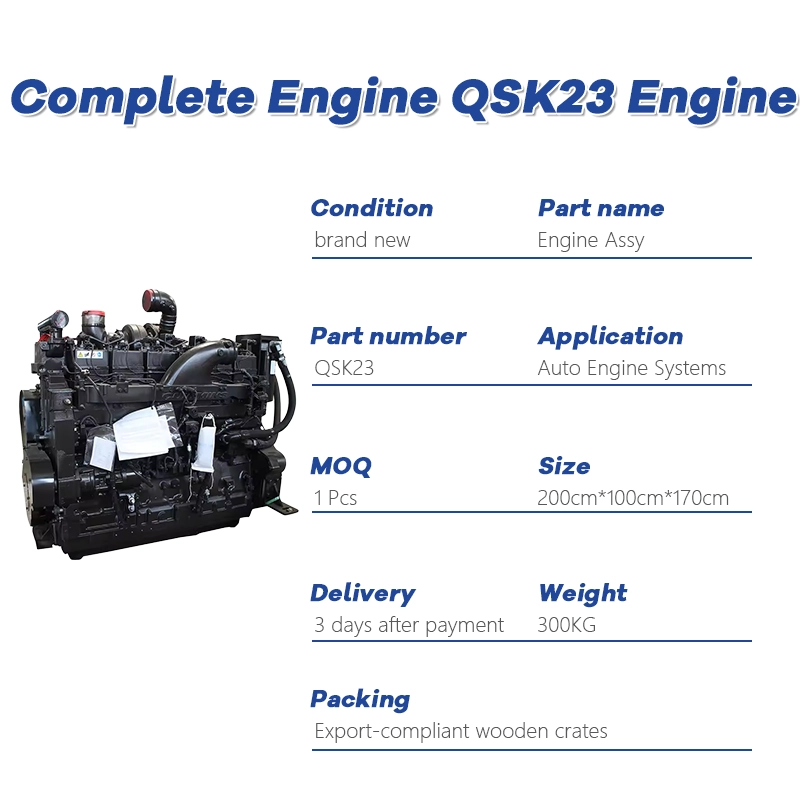
QSK23 Excavator Engine Assembly | Reliable & Efficient Performance
Discover the high-performance QSK23 Excavator Engine Assembly by JELXEL, designed for reliable and efficient excavation. Ideal QSK23 engine parts for excavators, this engine assembly delivers durability and power. Explore our engine assembly for sale to boost your machinery’s performance today.
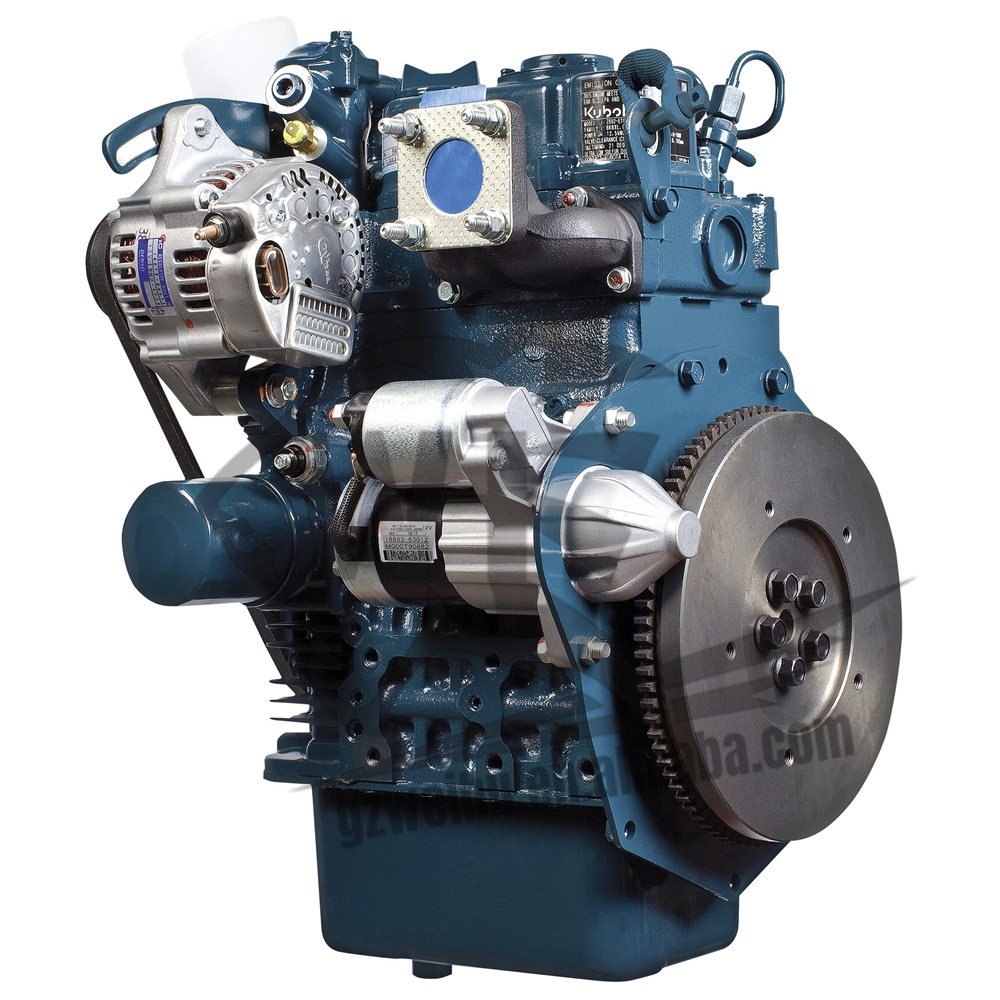
D722 Excavator Engine Replacement | Boost Your Excavator’s Power
Upgrade your excavator's performance with the JELXEL D722 Excavator Engine Replacement. Buy D722 excavator engine now to enhance power and efficiency. Excavator D722 Engine for Sale, designed for durability and smooth operation. Boost your excavator’s power today!
Get in touch with us
If you have any comments or good suggestions, please leave us a message, later our professional staff will contact you as soon as possible.
To be a happy enterprise in the field of engineering equipment.
JELXEL delivers efficient and reliable service at each stage to meet the customer's needs.