

jackhuang5919@gmail.com
Hydraulic Pump Testing Standards Buyers Should Require
Buyers of heavy-duty hydraulic pumps, like the 336D Excavator Hydraulic Pump | Heavy Duty CAT Replacement, must insist on clear, verifiable testing standards. This article summarizes the essential tests, documentation, and certifications—bench, endurance, contamination control, dimensional inspection, and traceability—that ensure reliable field performance and long service life in demanding excavator applications.
- Core Performance Tests Every Hydraulic Pump Should Pass
- 1. Pressure and Flow Verification (Bench Test)
- 2. Volumetric and Mechanical Efficiency Measurements
- 3. Leakage, Noise, and Vibration Checks
- Durability, Contamination, and Material Standards
- 1. Endurance and Run-In Testing
- 2. Contamination Control and Fluid Cleanliness
- 3. Material and Process Traceability
- Dimensional, Fitment, and Quality Management Requirements
- 1. Dimensional Inspection and Tolerances
- 2. Quality Management and Certifications
- 3. OEM vs Aftermarket Validation
- Documentation Buyers Should Require
- 1. Complete Test Report Package
- 2. Warranty, Service Data, and Installation Guidance
- 3. Third-Party or Laboratory Verification
- How These Standards Protect Your Fleet — Practical Examples
- 1. Preventing Early Failure from Contamination
- 2. Reducing Downtime with Proven Endurance Tests
- 3. Avoiding Fitment-Related Leaks and Failures
- Testing Equipment and Methods Commonly Used
- 1. Bench Test Rigs and Dynamometers
- 2. Flow and Pressure Instrumentation
- 3. Particle Counters and Oil Analysis
- Comparative Table: Key Tests vs Buyer Requirement
- Standards and References Worth Citing
- Applying These Requirements to the 336D Excavator Hydraulic Pump
- Frequently Asked Questions (FAQ)
- Q: What specific test report should I get with a new 336D hydraulic pump?
- Q: Is OEM testing always better than aftermarket testing?
- Q: How does fluid cleanliness affect pump life?
- Q: What red flags should I watch for in test reports?
- Contact and Product CTA
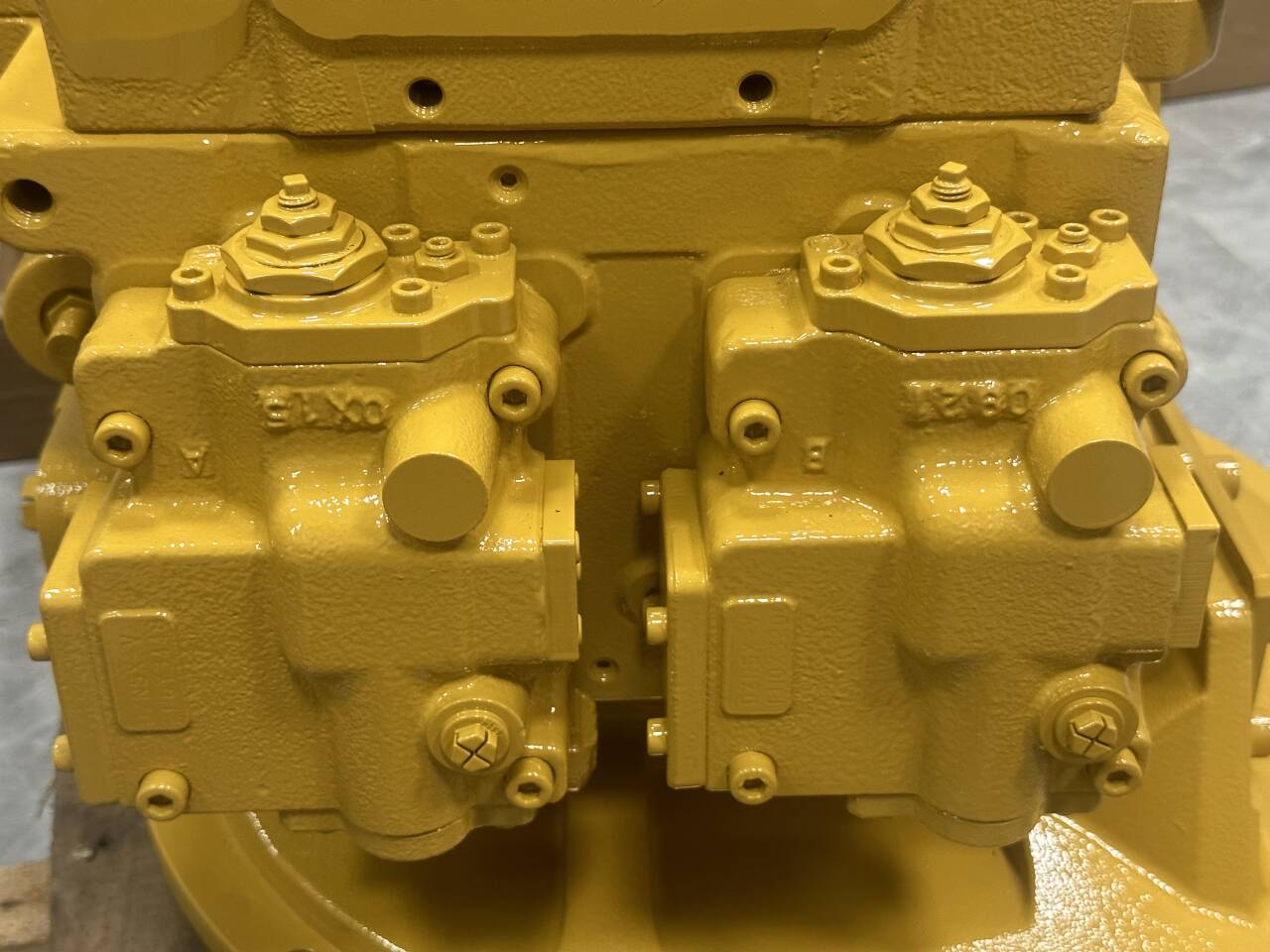
For contractors, fleet managers, and parts procurement teams sourcing a hydraulic pump for heavy excavators, test evidence is as important as part fitment. A properly tested hydraulic pump reduces downtime, prevents premature failure, and preserves the excavator's hydraulic system integrity. This guide explains the testing standards and verification buyers should require for a hydraulic pump—covering pressure and flow testing, leakage, efficiency, contamination control, material traceability, run-in and endurance cycles, and installation verification—so you can confidently evaluate options like the 336D Excavator Hydraulic Pump | Heavy Duty CAT Replacement.
Core Performance Tests Every Hydraulic Pump Should Pass
1. Pressure and Flow Verification (Bench Test)
Pressure and flow are the primary performance metrics for a hydraulic pump. Bench testing measures maximum continuous pressure, peak pressure tolerance, and flow at specified shaft speeds (e.g., at 1800 rpm or the OEM-rated speed). Buyers should require test reports that include a performance curve showing flow (L/min or GPM) against pressure (bar or PSI). The bench test should be conducted with calibrated transducers and flow meters traceable to national standards.
2. Volumetric and Mechanical Efficiency Measurements
Volumetric efficiency indicates how much of the theoretical displacement becomes useful flow; mechanical efficiency reflects friction and internal losses. Tests should report volumetric efficiency at multiple pressures and speeds and provide pump displacement and calculated efficiencies. Lower-than-expected efficiencies often signal wear, poor clearances, or manufacturing defects.
3. Leakage, Noise, and Vibration Checks
Acceptable internal and external leakage (case drain, shaft seal leakage) must be quantified. Noise and vibration measurements taken during bench runs help detect misalignment, cavitation, or imbalance. Certifications should indicate measurement method and thresholds used for pass/fail decisions.
Durability, Contamination, and Material Standards
1. Endurance and Run-In Testing
Short bench tests verify immediate performance, but run-in and accelerated endurance tests simulate hours of field use. Buyers should require evidence of run-in procedures and cycle testing (for example, several hundred to thousands of duty cycles at varying loads) to reveal early-life failures. Endurance test logs showing temperature, pressure, and vibration over time are valuable.
2. Contamination Control and Fluid Cleanliness
Hydraulic system contamination is a leading cause of pump failure. Suppliers should demonstrate cleanliness controls during manufacturing and testing. Require particle count reports based on ISO 4406 cleanliness codes; common acceptable cleanliness for new hydraulic pump testing is ISO 4406:2017 class 18/16/13 or better depending on the system sensitivity. Suppliers should show the methods and intervals for contamination sampling.
3. Material and Process Traceability
Material certificates, heat-treatment reports, and process control documentation underpin long-term pump reliability. Request mill test certificates (MTCs) for critical components and a traceability record tying serial numbers to inspection and test reports. Traceability ensures that if a failure occurs, root-cause analysis can locate the production batch and corresponding process records.
Dimensional, Fitment, and Quality Management Requirements
1. Dimensional Inspection and Tolerances
For direct-fit parts like the 336D Excavator Hydraulic Pump | Heavy Duty CAT Replacement, dimensional accuracy is essential. Require a dimensional inspection report or certificate of conformity that includes shaft diameter, flange dimensions, mounting hole pattern, and port sizes. Dimensional checks should reference the OEM drawing or a verified reverse-engineered master drawing.
2. Quality Management and Certifications
Suppliers should operate under a recognized quality management system such as ISO 9001. While ISO 9001 does not specify pump tests, it indicates that documented procedures, calibration control, and nonconformance systems are in place. Buyers can also request evidence of internal audit results or third-party factory audits.
3. OEM vs Aftermarket Validation
If considering aftermarket pumps, demand performance parity proof: side-by-side bench test data comparing the aftermarket unit to an OEM pump. Important metrics include maximum operating pressure, volumetric efficiency, noise/vibration levels, and leak rates. This comparison reduces risk when choosing High Quality aftermarket alternatives over OEM parts.
Documentation Buyers Should Require
1. Complete Test Report Package
At minimum, test reports should include: bench test graphs (pressure/flow), efficiency numbers, leakage figures, run-in/endurance logs, noise/vibration readings, particle counts, dimensional inspection certificates, material certificates, and serial-numbered traceability sheets. Each test result should state the test method, equipment used, environmental conditions, and operator identification.
2. Warranty, Service Data, and Installation Guidance
Ask for warranty terms that explicitly reference performance criteria (e.g., failure mode exclusions), recommended hydraulic fluid cleanliness levels, filter ratings, and break-in procedures to avoid warranty disputes. Installation guides and torque settings reduce installation errors that can falsely implicate pump quality.
3. Third-Party or Laboratory Verification
Where possible, insist on third-party lab testing or witnessed tests. Independent verification by a certified lab or OEM-authorized test house adds credibility. Third-party reports from recognized testing centers or witnessed runs by buyers can be decisive when selecting between similar offers.
How These Standards Protect Your Fleet — Practical Examples
1. Preventing Early Failure from Contamination
Example: A pump tested and shipped with poor cleanliness (uncertified particle counts) may run fine in the short term but will quickly wear internal clearances, reducing volumetric efficiency and causing cavitation. Requiring ISO 4406 particle counts and documented filtration steps in manufacturing helps prevent this.
2. Reducing Downtime with Proven Endurance Tests
Example: Pumps that undergo meaningful run-in and endurance cycling reveal early defects in bearings or seals. A supplier that provides endurance logs showing stable temperature and vibration over cycles gives buyers higher confidence that the pump will not fail within the early operational hours.
3. Avoiding Fitment-Related Leaks and Failures
Example: Dimensional mismatches in flange or shaft geometry can cause improper sealing or misalignment. Dimensional inspection reports tied to serial numbers eliminate surprises and save field troubleshooting time.
Testing Equipment and Methods Commonly Used
1. Bench Test Rigs and Dynamometers
Bench rigs with calibrated torque meters or dynamometers measure power input, speed, and produce accurate pressure/flow curves. Ask which calibration laboratory performs the equipment calibration and request calibration certificates.
2. Flow and Pressure Instrumentation
High-accuracy flow meters (positive displacement or calibrated turbine) and pressure transducers are standard. Measurement uncertainty should be declared in the test report. Tests should be performed across multiple speeds to generate a full performance map.
3. Particle Counters and Oil Analysis
Automatic particle counters for fluid cleanliness and spectrometric analysis for wear metals are used for contamination control and to monitor wear during endurance tests.
Comparative Table: Key Tests vs Buyer Requirement
| Test | What It Shows | Minimum Buyer Requirement |
|---|---|---|
| Pressure/Flow Bench Test | Performance curve, max pressure, flow at speed | Calibrated instruments, graph included, serial-numbered report |
| Volumetric Efficiency | Leakage and displacement accuracy | Efficiency at 3 operating points (low/nominal/high) |
| Leakage & Seals | External/internal leak rates | Measured case drain and shaft leakage within OEM limits |
| Run-In/Endurance | Early-life reliability | Minimum run-in cycles and endurance log; thermal & vibration data |
| Particle Count (ISO 4406) | Fluid cleanliness | ISO code reported; recommended target provided |
| Dimensional Inspection | Fitment accuracy | Dimensional report vs OEM drawing |
Standards and References Worth Citing
When requesting tests or audits, reference these authoritative bodies to strengthen contractual requirements:
- General hydraulic pump information and background: Wikipedia - Hydraulic pump
- International standards and how to find them: ISO Standards (e.g., ISO 9001 for quality systems; ISO 4406 for fluid cleanliness)
- Material and testing organizations: ASTM International for material test methods and specifications
- OEM specifications and excavator reference (general Caterpillar resources): Caterpillar - Excavators & Parts
Applying These Requirements to the 336D Excavator Hydraulic Pump
The 336D Excavator Hydraulic Pump | Heavy Duty CAT Replacement is built for high-pressure performance and durability in construction environments. When evaluating this specific pump, buyers should request the full test package: bench curves, leakage figures, ISO 4406 particle counts for the pump test fluid, dimensional inspection vs CAT 336D pump interfaces, and material/heat-treatment certificates for critical parts. Whether choosing an OEM unit or a high-quality aftermarket version, insist on side-by-side test data demonstrating equivalent pressure, flow, and efficiency performance under identical test conditions.
Frequently Asked Questions (FAQ)
Q: What specific test report should I get with a new 336D hydraulic pump?
A: Ask for a complete test dossier including: pressure/flow curves, volumetric efficiency, leakage rates, run-in/endurance logs, ISO 4406 particle count for test fluid, dimensional inspection, and material traceability. Each report should reference the pump serial number and calibration certificates for test instruments.
Q: Is OEM testing always better than aftermarket testing?
A: Not necessarily. OEM parts often have the advantage of original drawings and established test protocols, but High Quality aftermarket suppliers can match or exceed OEM test standards. The deciding factor should be the presence of verifiable test data, traceability, and warranty terms—not just OEM branding.
Q: How does fluid cleanliness affect pump life?
A: Contamination accelerates wear, reduces volumetric efficiency, and can lead to catastrophic failure. Requiring ISO 4406 particle counts and documented clean handling during testing and packaging helps ensure the pump enters service with minimal contamination risk.
Q: What red flags should I watch for in test reports?
A: Missing calibration certificates, no serial-number linkage between part and report, unspecified test conditions (speed, temperature), lack of endurance/run-in data, or absence of particle count results are all red flags. Also be wary of vague pass/fail statements without raw data or graphs.
Contact and Product CTA
If you need a reliable replacement for your CAT 336D excavator, our 336D Excavator Hydraulic Pump | Heavy Duty CAT Replacement is engineered and tested to meet demanding field requirements. It offers direct fit for CAT 336D excavators, OEM or High Quality aftermarket options, high-pressure performance, smooth hydraulic flow, rigorous quality testing, and global shipping with responsive support. View product details or contact our sales and technical team to request full test reports, certificates, and a factory-witnessed demonstration: View product / Contact us.
Tags
3066 engine used for sale
3066 engine used for sale
Excavator 6BG1 engine
Excavator 6BG1 engine
Cummins B5.9 engine
Cummins B5.9 engine
excavator pump AP2D28A
excavator pump AP2D28A
Cummins B5.9 engine replacement
Cummins B5.9 engine replacement
isuzu diesel engine
isuzu diesel engine
Recommended for you
Top Signs Your Excavator Engine Needs Repair or Replacement
Top 10 mini excavator parts Manufacturers and Supplier Brands
Where to Buy excavator parts in China
Top 5 excavator engine Company List and Products Compared
Prdoucts Categories
Question you may concern
FAQ
Can I return or exchange parts if I change my mind?
Yes, we accept returns and exchanges within [insert return period, e.g., 30 days] of purchase. The items must be unused and in their original packaging. Please contact our customer service team to initiate a return or exchange.
What is your shipping policy?
We offer a variety of shipping options to meet your needs. Orders are typically processed within [insert processing time] days, and delivery times may vary based on your location. We will provide you with tracking information once your order has shipped.
How can I place an order?
You can place an order through our user-friendly online platform or by contacting our sales team directly. Simply browse our catalog, select the parts you need, and follow the checkout process to complete your order.
Do you provide installation services for your parts?
While we do not offer installation services directly, we can recommend qualified professionals or resources to assist you with the installation of our parts. Our customer support team can provide guidance on finding local service providers.
Do you offer bulk purchasing options?
Yes, we offer competitive pricing for bulk orders. If you are interested in purchasing large quantities of parts, please contact our sales team to discuss your requirements and receive a customized quote.
You may also like
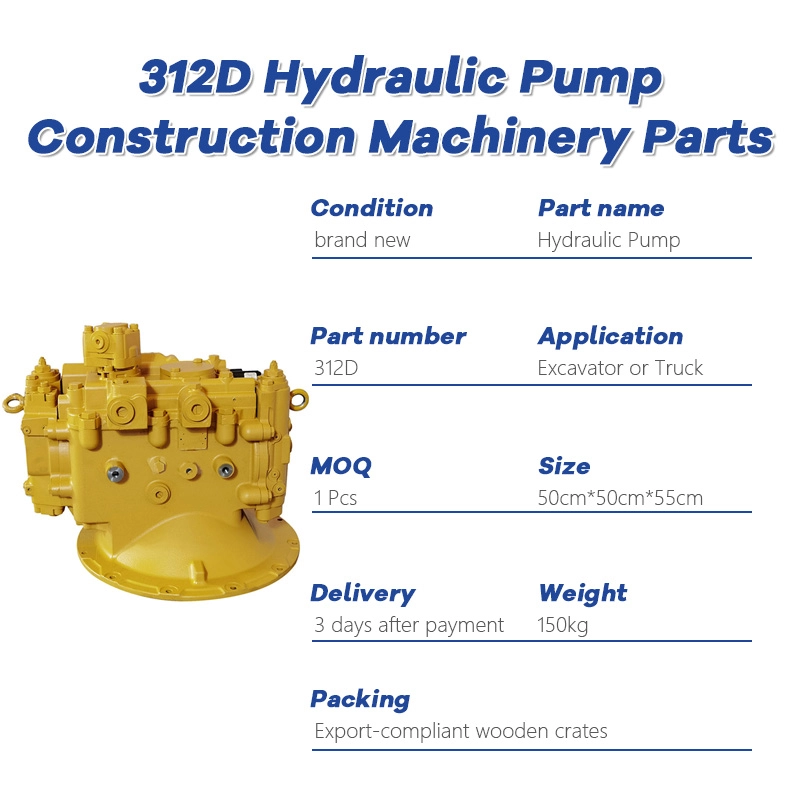
Excavator Hydraulic Pump for CAT 312D | Fast Shipping
Get your high-quality JELXEL CAT 312D hydraulic pump! Engineered for durability and peak performance, this essential 312D hydraulic pump ensures your excavator runs efficiently. Benefit from our fast shipping to minimize downtime. Choose JELXEL for reliable, high-quality solutions for your CAT 312D.
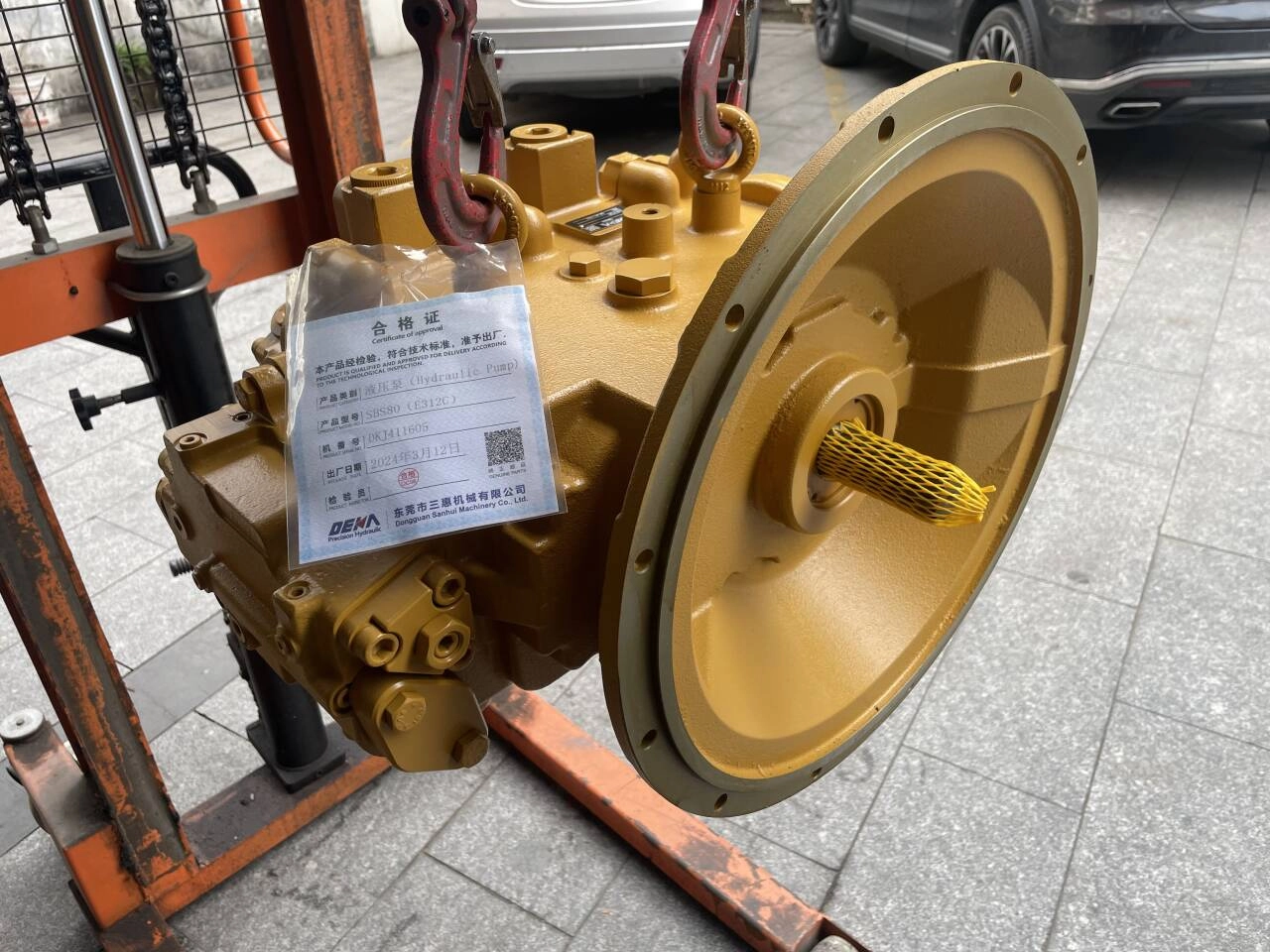
New CAT 312C Hydraulic Main Pump | Compatible Excavator Parts
JELXEL’ New CAT 312C Hydraulic Main Pump delivers reliable performance for your excavator. Engineered for durability, this Caterpillar 312C hydraulic pump ensures seamless compatibility and optimal efficiency.
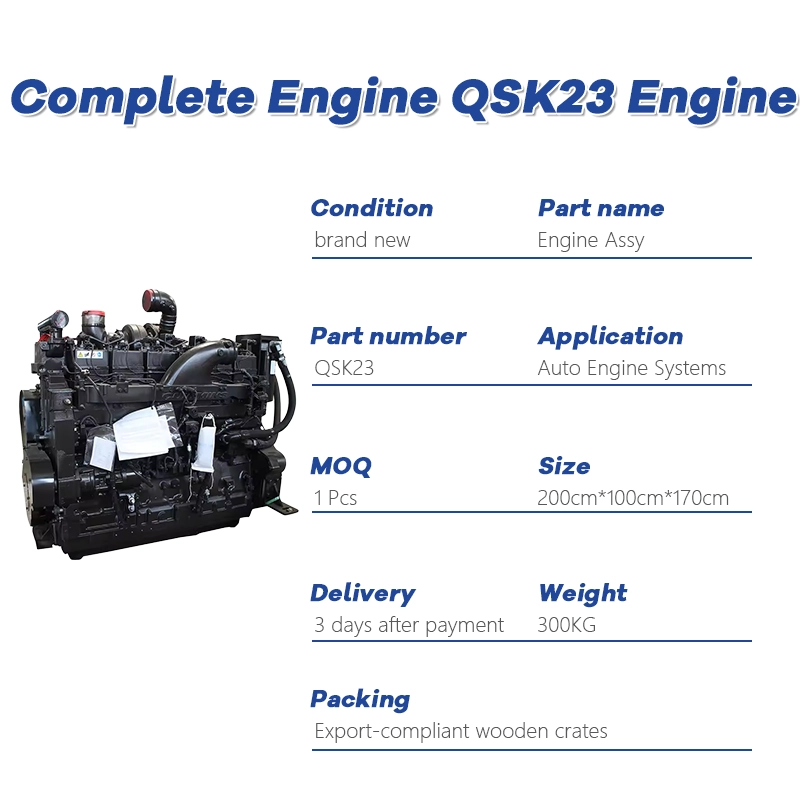
QSK23 Excavator Engine Assembly | Reliable & Efficient Performance
Discover the high-performance QSK23 Excavator Engine Assembly by JELXEL, designed for reliable and efficient excavation. Ideal QSK23 engine parts for excavators, this engine assembly delivers durability and power. Explore our engine assembly for sale to boost your machinery’s performance today.
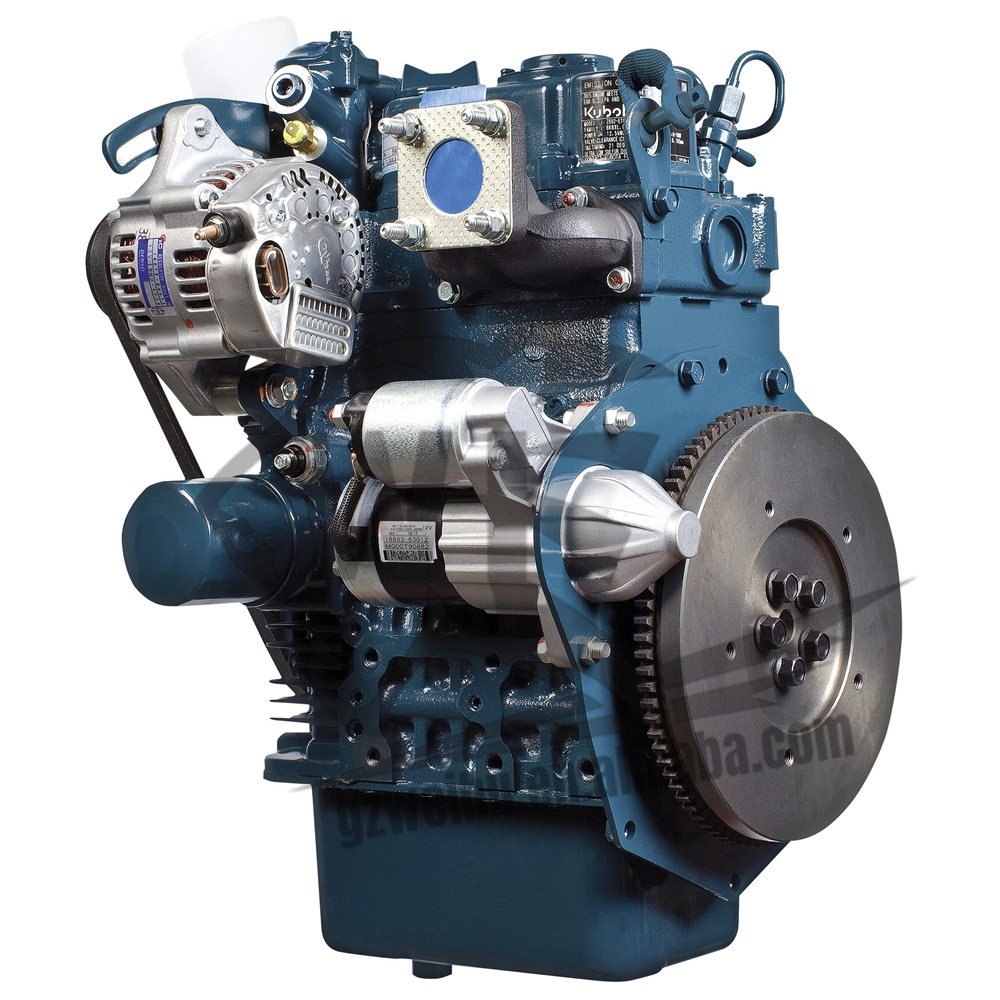
D722 Excavator Engine Replacement | Boost Your Excavator’s Power
Upgrade your excavator's performance with the JELXEL D722 Excavator Engine Replacement. Buy D722 excavator engine now to enhance power and efficiency. Excavator D722 Engine for Sale, designed for durability and smooth operation. Boost your excavator’s power today!
Get in touch with us
If you have any comments or good suggestions, please leave us a message, later our professional staff will contact you as soon as possible.
To be a happy enterprise in the field of engineering equipment.
JELXEL delivers efficient and reliable service at each stage to meet the customer's needs.