

jackhuang5919@gmail.com
Common Hydraulic Pump Problems and How to Fix Them
A practical guide for excavator owners and maintenance teams: identify common hydraulic pump problems and how to fix them. Includes troubleshooting steps, preventive maintenance, parts recommendations, and how JELXEL supports uptime with quality excavator parts.
- Introduction: Common Hydraulic Pump Problems and How to Fix Them
- Why Hydraulic Pumps Fail: Key Causes to Know
- Overview of failure drivers
- Loss of Pressure or Low Flow: Diagnosis and Fixes
- Symptoms and keywords: hydraulic pump problems, low pressure, excavator parts
- Common causes
- How to fix
- Cavitation: Causes, Effects, and Repair
- What is cavitation and why it matters
- Diagnosis
- Corrective actions
- Overheating and High Fluid Temperatures: Prevention and Repair
- Symptoms linked to overheating
- Root causes
- How to fix
- External and Internal Leaks: Identify and Replace Components
- Leak symptoms and inspection tips
- Fixes and replacement parts
- Unusual Noise and Vibration: Troubleshooting Steps
- Common acoustic symptoms
- How to troubleshoot
- Hydraulic Fluid Contamination: Diagnosis, Filtration, and Cleaning
- Why contamination is a leading cause of pump failure
- Detection and treatment
- Seal and Shaft Failures: Replacement and Prevention
- Signs and common fixes
- Incorrect Fluid Viscosity and Additives: Effects and Corrections
- Why viscosity matters for excavator hydraulic pumps
- How to fix and select fluid
- Control Valve and Accessories: When the Pump Isn’t the Issue
- Diagnosing system-level problems
- Maintenance Checklist: Keep Your Hydraulic Pump Healthy
- Routine inspections and parts to stock
- Step-by-Step Troubleshooting Flow
- Follow a logical sequence to fix issues faster
- How JELXEL Supports Your Hydraulic Pump Repairs
- Company overview and commercial services
- Why choosing quality parts matters
- Conclusion: Fix Faster, Prevent Better
- Final recommendations and next steps
- Frequently Asked Questions
Introduction: Common Hydraulic Pump Problems and How to Fix Them
Hydraulic pumps are the heart of excavator systems. When a hydraulic pump underperforms or fails, productivity drops and repair costs can climb quickly. This guide addresses the most common hydraulic pump problems and how to fix them, written for field technicians, maintenance managers, and procurement teams searching for practical solutions and reliable excavator parts. JELXEL supports customers worldwide with quality spare parts and technical guidance to keep machines running.
Why Hydraulic Pumps Fail: Key Causes to Know
Overview of failure drivers
Common reasons hydraulic pumps fail include contamination, cavitation, overheating, internal wear, incorrect fluid viscosity, air ingress, and poor installation. Excavator hydraulic systems routinely operate at 20–35 MPa (3,000–5,000 psi), so small issues can become critical quickly. Understanding root causes helps you resolve problems faster and choose the right replacement components from suppliers such as JELXEL.Loss of Pressure or Low Flow: Diagnosis and Fixes
Symptoms and keywords: hydraulic pump problems, low pressure, excavator parts
If your excavator feels weak, moves slowly, or tools lack force, you’re likely seeing low pressure or reduced flow. This is a primary symptom users search for when troubleshooting Common Hydraulic Pump Problems and How to Fix Them. Start with simple checks and work toward internal diagnostics.Common causes
Worn pump components (vanes/gear pistons), delta pressure across filters, air in the system, relief valve misadjustment, or a slipping drive coupling.How to fix
1) Check suction and return filters and replace clogged filters (common micron ratings are 10–25 µm for mobile hydraulic systems). 2) Inspect hoses and fittings for leaks or collapsed suction lines. 3) Bleed air from the system following manufacturer procedures. 4) Test relief valve settings and reset as needed. 5) If internal wear is suspected, measure pump flow against OEM specs; replace the pump or worn components. JELXEL supplies compatible pump assemblies and repair kits for many excavator models.Cavitation: Causes, Effects, and Repair
What is cavitation and why it matters
Cavitation occurs when vapor bubbles form in low-pressure sections of the hydraulic circuit—usually at the pump inlet—and collapse inside the pump. This can cause pitting, noise, vibration, and rapid pump wear. Operators commonly search Common Hydraulic Pump Problems and How to Fix Them when hearing distinctive knocking or rattling from the pump.Diagnosis
Identify cavitation by a metallic knocking noise, erratic flow, and visible damage on pump components during inspection.Corrective actions
Ensure suction line is free of restrictions and air leaks, reduce suction lift or raise reservoir level, clean or replace suction strainers, and verify correct fluid viscosity. If cavitation damage is present, repair or replace the pump. A correct spare part from a trusted supplier helps restore reliability—JELXEL offers replacement pumps and suction accessories for excavators.Overheating and High Fluid Temperatures: Prevention and Repair
Symptoms linked to overheating
Overheating causes breakdown of hydraulic fluid, increased wear, and seal failures. Common symptoms include dark or burnt-smelling oil, foaming, and reduced system efficiency.Root causes
Excessive ambient heat, overloaded system, blocked coolers, low fluid level, or incorrect fluid viscosity. Optimal operating fluid temperatures for hydraulic systems typically fall between 40°C and 60°C (104°F–140°F).How to fix
Clean or replace the hydraulic cooler, check fan and flow, maintain correct fluid levels, switch to the correct ISO VG hydraulic fluid recommended by the excavator OEM (common mobile grades include ISO VG32 and VG46), and schedule oil analysis every 250–500 operating hours to monitor degradation. If overheating caused damage, inspect seals and replace affected pump components with high-quality parts from JELXEL.External and Internal Leaks: Identify and Replace Components
Leak symptoms and inspection tips
Leaks reduce pressure, contaminate environments, and may hide internal pump damage. External leaks are visible at seals, hose fittings, and flange connections. Internal leaks often show as low efficiency or temperature rise without visible fluid loss.Fixes and replacement parts
Tighten fittings to recommended torque, replace worn seals and O-rings using OEM-equivalent kits, and examine shaft seals for wear. For internal leakage, rebuild or replace the pump using a manufacturer-approved repair kit. JELXEL provides seal kits and rebuilt pump options to simplify repairs and reduce downtime.Unusual Noise and Vibration: Troubleshooting Steps
Common acoustic symptoms
Whining, knocking, or grinding noises often indicate cavitation, air ingestion, misalignment, or worn bearings. Excessive vibration can damage pump mounts and adjacent components.How to troubleshoot
Check mounting bolts and alignment of the drive coupling, inspect bearings and shaft for wear, confirm suction line and reservoir conditions to rule out cavitation or air. Replace worn bearings and couplings; use JELXEL’ drive and bearing kits where applicable to restore smooth operation.Hydraulic Fluid Contamination: Diagnosis, Filtration, and Cleaning
Why contamination is a leading cause of pump failure
Particles, water, and degraded fluid compromise clearances and surface finishes inside pumps, accelerating wear. Contaminants are the most common root cause of premature hydraulic pump failure in excavators.Detection and treatment
Perform fluid analysis to check particle counts, water content, and acid number. Replace filters with correct micron ratings, perform a controlled flush if contamination is significant, and change oil when ISO cleanliness codes exceed recommended levels or if fluid is oxidized. Install or upgrade offline filtration where systems experience heavy contamination. JELXEL stocks filters and filtration accessories matched to many excavator models.Seal and Shaft Failures: Replacement and Prevention
Signs and common fixes
Leaking shaft seals or damaged shafts lead to oil loss and contamination ingress. Replace seals using correct material (NBR, FKM) based on fluid and temperature. Inspect shaft for scoring; if damaged, replace the shaft or pump assembly. Ensure proper assembly technique and torques to avoid premature failures. Using high-quality seals and pump shafts from JELXEL reduces repeat failures.Incorrect Fluid Viscosity and Additives: Effects and Corrections
Why viscosity matters for excavator hydraulic pumps
Hydraulic fluids must maintain appropriate viscosity across operating temperatures. Too thin a fluid increases wear and can cause cavitation; too thick a fluid reduces flow and increases power draw.How to fix and select fluid
Follow OEM recommendations for fluid grade (ISO VG32/46 are common for mobile equipment). Avoid mixing fluid types and unnecessary additives unless approved. If incorrect fluid was used, perform a complete drain and flush, then refill with the correct hydraulic oil. Regular oil analysis helps validate fluid condition.Control Valve and Accessories: When the Pump Isn’t the Issue
Diagnosing system-level problems
Sometimes the pump is blamed for issues caused by control valves, relief valves, or actuators. Verify pump performance with a flow and pressure test. If the pump meets specifications, shift focus to valves, hoses, and actuators. Replace faulty control valves or solenoids and use JELXEL’ compatible valve spares to restore performance.Maintenance Checklist: Keep Your Hydraulic Pump Healthy
Routine inspections and parts to stock
1) Daily: Check fluid level, visible leaks, and unusual noises. 2) Weekly: Inspect filters, hoses, and couplings. 3) Monthly: Record temperatures and pressures; perform visual pump inspection. 4) Every 250–500 hours: Fluid analysis and filter replacement. 5) End-of-season: Full system inspection and protective storage for components.Stocking recommendation: seals, shaft couplings, suction strainers, inline filters, and repair kits for the pump models in your fleet. JELXEL offers OEM-equivalent parts and rebuild kits to minimize downtime.Step-by-Step Troubleshooting Flow
Follow a logical sequence to fix issues faster
1) Verify the complaint (noise, loss of power, temperature). 2) Check basic items: fluid level, visible leaks, and filter condition. 3) Measure pressure and flow at pump ports and compare to OEM specs. 4) Inspect suction conditions and reservoir health. 5) If readings are outside spec, isolate components: test valves, hoses, then pump. 6) Repair or replace defective parts and retest system. Keeping a digital log of checks helps identify recurring failures and justify replacement of major components.How JELXEL Supports Your Hydraulic Pump Repairs
Company overview and commercial services
JELXEL serves as a reliable partner for global clients in the excavator spare parts sector. We provide a comprehensive selection of excavator parts designed to support routine maintenance and high-performance systems. JELXEL focuses on quality, cost-effectiveness, and timely delivery, ensuring parts availability to keep machinery running smoothly. With a dedicated R&D and technical team, JELXEL develops durable components and offers spare parts, seal kits, filtration solutions, and pump assemblies that match common excavator models.Why choosing quality parts matters
Using quality replacement parts reduces the risk of repeat hydraulic pump problems. JELXEL emphasizes fit, material selection, and manufacturing tolerances to help maintain system efficiency and extend component life. For teams searching Common Hydraulic Pump Problems and How to Fix Them, working with an experienced parts supplier accelerates repairs and ensures long-term reliability.Conclusion: Fix Faster, Prevent Better
Final recommendations and next steps
Addressing common hydraulic pump problems combines correct diagnosis, timely repairs, and preventive maintenance. Start with basic checks—fluid level, filters, and obvious leaks—then move to pressure/flow testing and component inspection. For replacement parts and technical support, partner with a reputable supplier like JELXEL to secure OEM-equivalent components and repair kits. A proactive maintenance plan, correct fluid selection, and clean systems dramatically reduce downtime and repair cost over a machine’s lifecycle.Frequently Asked Questions
Q: How quickly should I replace a hydraulic pump showing early signs of wear?A: Replace or rebuild a pump when flow or pressure tests fall outside OEM tolerances, or when noise, cavitation, or contamination has caused visible internal damage. Early intervention prevents collateral damage to valves and actuators. If the pump is underperforming but repairable, consider a rebuild kit to reduce cost and downtime.Q: Can contaminated hydraulic oil be cleaned without a full system flush?A: Minor contamination can be managed with proper filtration and offline filtration units. For heavy contamination or water intrusion, a controlled flush is recommended to avoid re-circulating contaminants and damaging the pump.Q: What filters micron rating should I use for excavator hydraulic systems?A: Mobile hydraulic systems commonly use 10–25 µm filters. Select a filter based on the excavator manufacturer’s recommendation, system cleanliness targets, and operating conditions. Use online filtration or finer micron ratings when contamination risk is high.Q: How do I tell cavitation noise from other pump noises?A: Cavitation typically produces a metallic “marbles” or “knocking” sound and may coincide with erratic pump output. Cavitation often occurs under load or at certain engine RPMs. Checking suction conditions and running a flow test helps confirm cavitation.Q: Are JELXEL components compatible with OEM standards?A: JELXEL focuses on producing high-quality, durable components that match common OEM specifications for excavator parts. For specific model compatibility, provide your machine serial number or pump part number to ensure correct selection and fitment.
Tags
kubota v2403 engine specs
kubota v2403 engine specs
K3V112DT DEKA hydraulic main pump
K3V112DT DEKA hydraulic main pump
Excavator Engine for sale
Excavator Engine for sale
Mitsubishi S4Q2 engine parts
Mitsubishi S4Q2 engine parts
C15 engine for excavator
C15 engine for excavator
6D34 excavator engine
6D34 excavator engine
Recommended for you

Genuine vs Aftermarket Cat C9 Engine Parts: Buyer Guide
Lifecycle Cost Analysis for 336D Excavator Hydraulic Pump

Fuel Efficiency Insights for ZAX870-5G 6WG1 Diesel Engine
Top 10 mini excavator parts Manufacturers and Supplier Brands
Prdoucts Categories
Question you may concern
FAQ
Do you offer bulk purchasing options?
Yes, we offer competitive pricing for bulk orders. If you are interested in purchasing large quantities of parts, please contact our sales team to discuss your requirements and receive a customized quote.
How do I know which parts I need for my excavator?
If you are unsure which parts are needed, our knowledgeable customer support team can assist you. You can provide us with your excavator model and any relevant details, and we will help you identify the correct parts.
Are your parts compatible with all excavator brands?
JELXEL strives to offer parts compatible with a wide range of excavator brands and models. However, we recommend checking the product specifications or consulting with our team to ensure compatibility with your specific excavator.
What types of excavator parts do you offer?
JELXEL provides a comprehensive range of excavator parts, including but not limited to buckets, hydraulic components, undercarriage parts, and engine components. Our goal is to be your one-stop solution for all excavator needs.
How can I place an order?
You can place an order through our user-friendly online platform or by contacting our sales team directly. Simply browse our catalog, select the parts you need, and follow the checkout process to complete your order.
You may also like
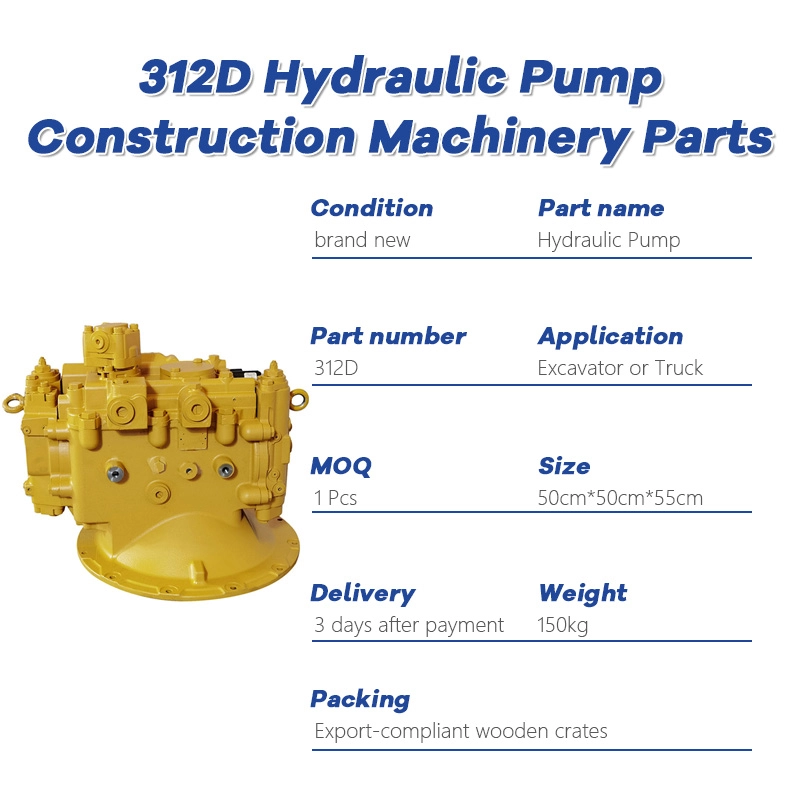
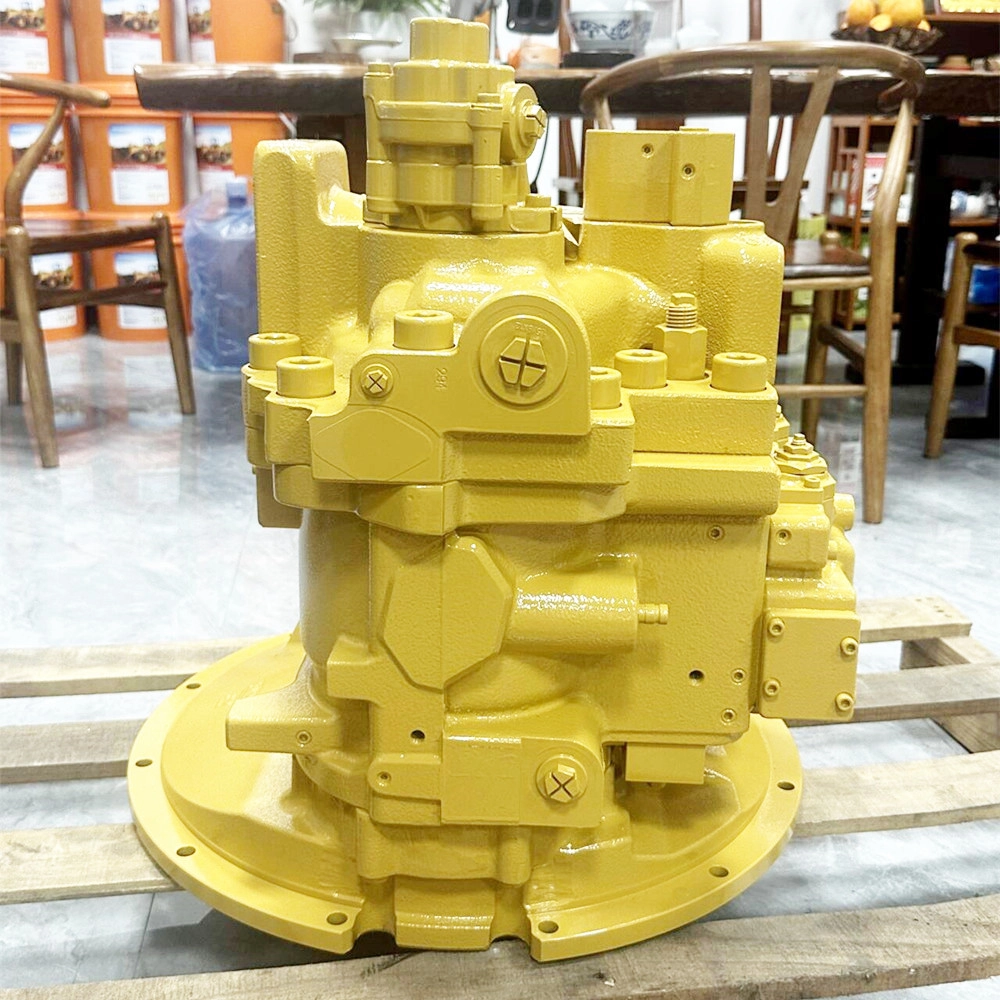
Excavator Hydraulic Pump for CAT 312D | Fast Shipping
Get your high-quality JELXEL CAT 312D hydraulic pump! Engineered for durability and peak performance, this essential 312D hydraulic pump ensures your excavator runs efficiently. Benefit from our fast shipping to minimize downtime. Choose JELXEL for reliable, high-quality solutions for your CAT 312D.
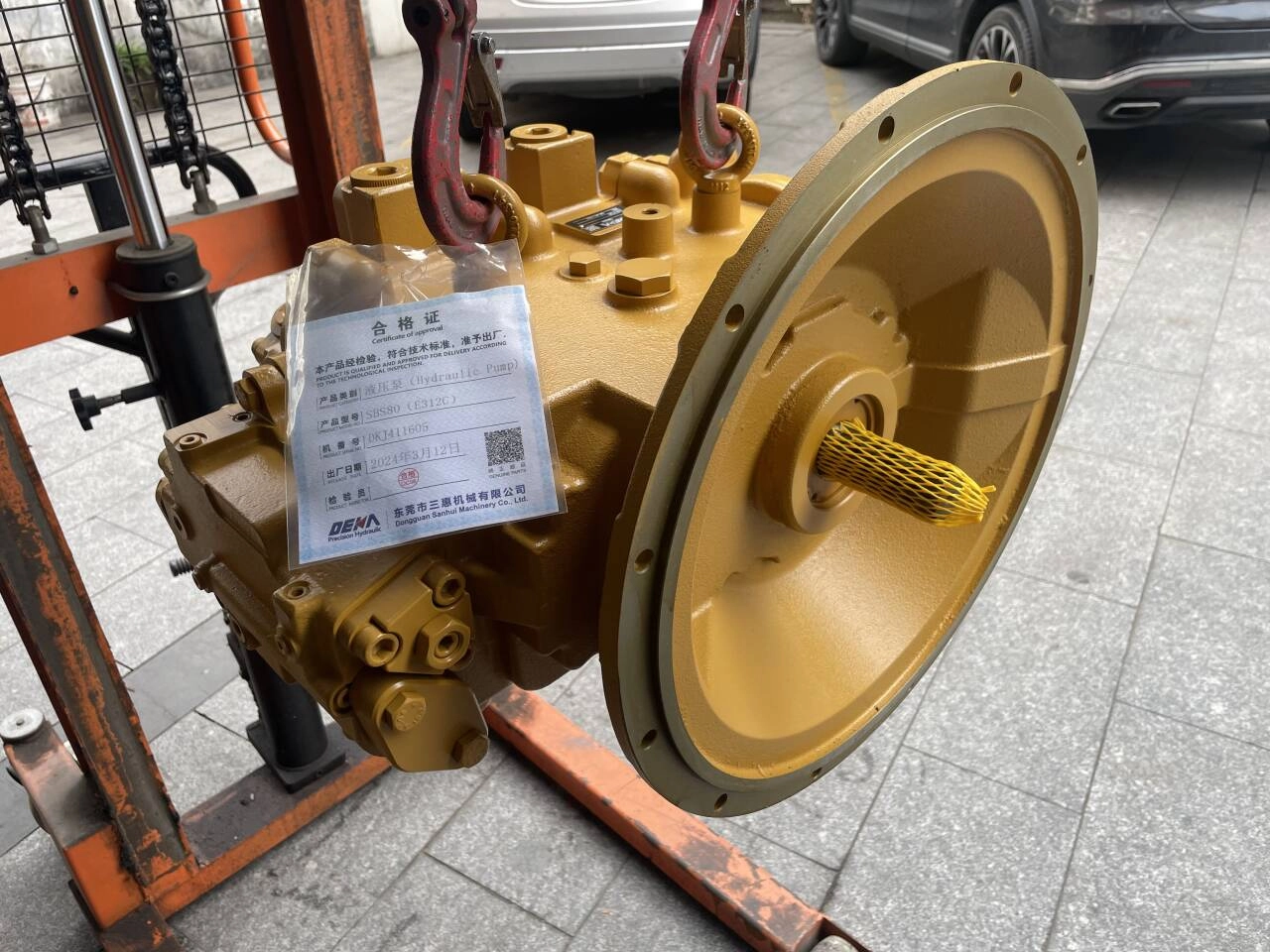
New CAT 312C Hydraulic Main Pump | Compatible Excavator Parts
JELXEL’ New CAT 312C Hydraulic Main Pump delivers reliable performance for your excavator. Engineered for durability, this Caterpillar 312C hydraulic pump ensures seamless compatibility and optimal efficiency.
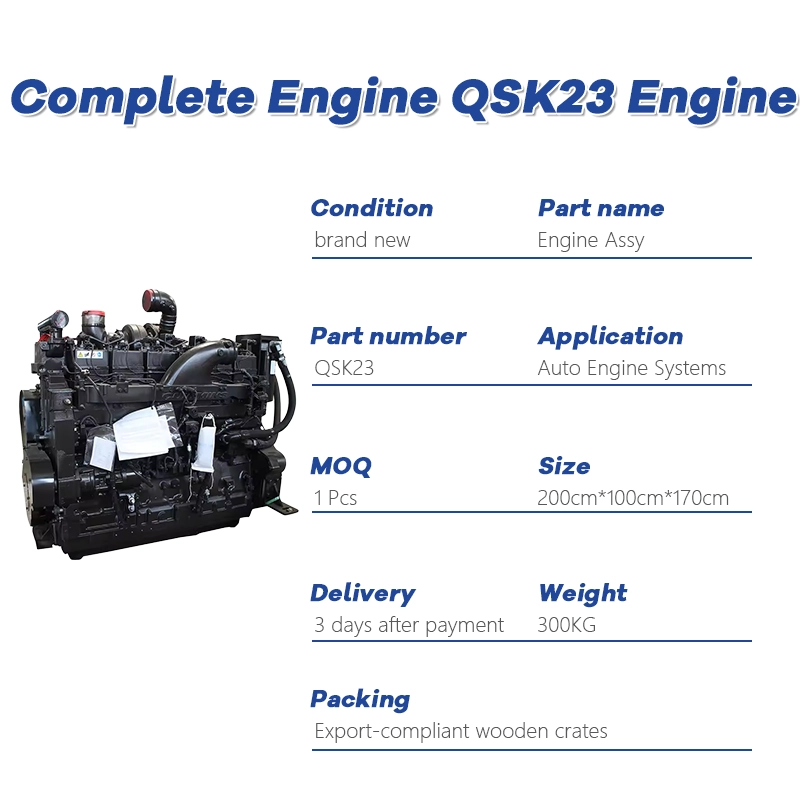
QSK23 Excavator Engine Assembly | Reliable & Efficient Performance
Discover the high-performance QSK23 Excavator Engine Assembly by JELXEL, designed for reliable and efficient excavation. Ideal QSK23 engine parts for excavators, this engine assembly delivers durability and power. Explore our engine assembly for sale to boost your machinery’s performance today.
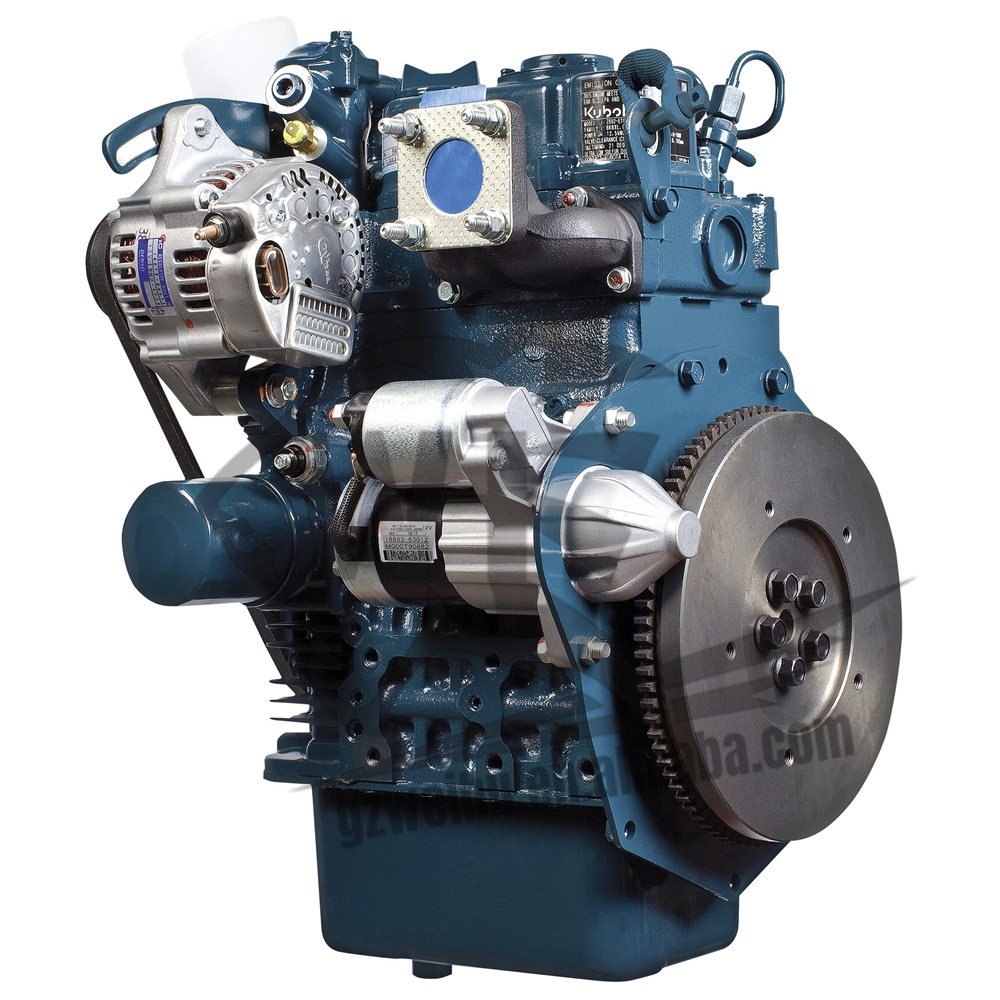
D722 Excavator Engine Replacement | Boost Your Excavator’s Power
Upgrade your excavator's performance with the JELXEL D722 Excavator Engine Replacement. Buy D722 excavator engine now to enhance power and efficiency. Excavator D722 Engine for Sale, designed for durability and smooth operation. Boost your excavator’s power today!
Get in touch with us
If you have any comments or good suggestions, please leave us a message, later our professional staff will contact you as soon as possible.
To be a happy enterprise in the field of engineering equipment.
JELXEL delivers efficient and reliable service at each stage to meet the customer's needs.