

jackhuang5919@gmail.com
Signs of Hydraulic Pump Failure Under Load: Detection, Diagnosis & Fixes
Learn how to identify and diagnose signs of hydraulic pump failure under load — loss of pressure, noise, overheating, cavitation, and contamination. This JELXEL guide explains practical tests, quick fixes, maintenance tips, and when to replace parts.
- Introduction: Why recognizing Signs of Hydraulic Pump Failure Under Load matters
- Quick context
- Top signs of hydraulic pump failure under load
- 1. Loss of pressure or weak hydraulic performance
- 2. Loud or unusual noises (whine, rattle, knock)
- 3. Overheating of hydraulic fluid or components
- 4. Fluid foaming, aeration, or cavitation signs
- 5. Visible contamination or metal particles in fluid
- 6. Intermittent or pulsating output under load
- 7. External leaks or steam near the pump
- Why hydraulic pumps fail under load
- Common root causes
- Environmental and operational contributors
- How to diagnose hydraulic pump failure under load
- Step-by-step on-site checks
- Tools and tests to prioritize
- Signs vs likely causes vs immediate actions (comparison)
- Repair, replacement, and parts considerations
- When to repair vs replace
- Choose quality replacement parts
- On-the-job fixes and temporary measures
- Short-term steps to keep operating safely
- Preventive maintenance to avoid pump failure under load
- Routine checks and service items
- Condition monitoring and predictive maintenance
- Conclusion: Act early to avoid costly failures
- Final recommendations
- About JELXEL
- Who we are
- Frequently Asked Questions
Introduction: Why recognizing Signs of Hydraulic Pump Failure Under Load matters
Quick context
Hydraulic pumps are the heart of excavator systems. When a pump starts to fail under load, operational safety, productivity, and repair costs can all be affected. This guide explains common signs of hydraulic pump failure under load, how to diagnose the root causes, immediate actions to take, and best practices to prevent recurrence — all with practical, user-focused advice you can apply on-site.
Top signs of hydraulic pump failure under load
1. Loss of pressure or weak hydraulic performance
One of the clearest signs of hydraulic pump failure under load is a sudden or progressive drop in system pressure or slow/weak actuator movement when the machine is working. If the pump cannot maintain rated pressure under load, boom speed, lifting capacity, or digging force will be reduced.
2. Loud or unusual noises (whine, rattle, knock)
Unusual noises under load — such as whining, grinding, or knocking — often indicate internal wear, cavitation, or air ingestion. Noise that appears or becomes louder only when the system is under load commonly points to a pump struggling to deliver required flow or ingesting air.
3. Overheating of hydraulic fluid or components
Persistent high fluid temperature during heavy work can result from inefficient pump compression, internal leakage, or contaminated fluid. Overheating reduces component life and can cause seals and hoses to fail.
4. Fluid foaming, aeration, or cavitation signs
Foamy fluid, bubbles in the reservoir, or a sputtering actuator often mean cavitation or air has entered the system. Cavitation under load damages pump surfaces quickly and reduces effective flow.
5. Visible contamination or metal particles in fluid
Finding metal shavings or excessive contamination during fluid checks is a major red flag. It often indicates internal wear of gears, pistons, or bearings while the pump is loaded.
6. Intermittent or pulsating output under load
Pulsation, surging, or intermittent pressure commonly result from damaged internal components, worn valves, or broken pump elements that fail under higher load demands.
7. External leaks or steam near the pump
Leaking seals or fittings that appear under load (but not at idle) point to rising internal pressure, thermal expansion, or seal degradation. Steam or mist near the pump signals overheating and requires immediate shutdown.
Why hydraulic pumps fail under load
Common root causes
Pumps fail under load for several predictable reasons: internal wear (bearings, pistons, gears), contamination, cavitation, poor lubrication, incorrect fluid viscosity, relief valve misadjustment, or mechanical drive problems (belt, coupling, shaft misalignment). Operating outside manufacturer-specified pressure/temperature limits accelerates failure.
Environmental and operational contributors
High dust, poor filtration, incorrect fluid change intervals, repeated shock loads, and extended high-temperature operation all increase the probability of pump failure when the system is put under heavy load.
How to diagnose hydraulic pump failure under load
Step-by-step on-site checks
Follow a structured diagnostic approach to find the real issue without guessing:
- Check hydraulic fluid level and condition (color, smell, presence of foam, visible particles).
- Listen for noises while operating under load and try to localize the source (pump, motor, valves).
- Measure system pressure under load and at idle using a calibrated gauge. Note differences between no-load and loaded pressure.
- Inspect suction hoses, filters, and fittings for leaks, collapsing hoses, or loose connections that can cause air ingestion or reduced suction.
- Monitor fluid temperature, and compare against manufacturer limits (many systems operate safely up to 80–90°C, but always follow OEM specs).
- Collect a fluid sample for particle analysis if metal contamination is suspected.
Tools and tests to prioritize
Essential diagnostic tools: pressure gauges, flow meters (if available), infrared thermometer, stethoscope or ultrasonic leak detector, and a particle-counting test kit. A bench test or swap test with a known-good pump is often the most conclusive method when on-site checks are inconclusive.
Signs vs likely causes vs immediate actions (comparison)
| Observed Sign | Likely Cause | Immediate Action |
|---|---|---|
| Loss of pressure under load | Internal leakage, worn pump, relief valve set low | Check pressure gauge, test relief valve, inspect for internal wear |
| Loud whining only when loaded | Cavitation or air ingestion, bearing wear | Inspect suction line & filter, check reservoir level, reduce load |
| Overheating fluid | Poor cooling, excessive internal pump friction, wrong fluid | Stop work, let system cool, verify cooler and fluid specs |
| Metal particles in fluid | Internal component wear or fatigue | Collect sample, plan pump replacement, avoid further operation |
Repair, replacement, and parts considerations
When to repair vs replace
Minor wear, seal failures, or isolated component damage can often be repaired. However, when inspection or fluid analysis shows significant metal contamination or major internal scoring, replacement is usually the most cost-effective and reliable option — especially for high-load or safety-critical machines.
Choose quality replacement parts
Using quality OEM or high-spec aftermarket components reduces repeat failures. JELXEL offers a wide range of excavator pump components and full pumps designed to meet operational demands with quality control, timely delivery, and technical support to help minimize downtime.
On-the-job fixes and temporary measures
Short-term steps to keep operating safely
If immediate replacement isn’t possible, take temporary steps: reduce load and cycle time, avoid extreme operating conditions, ensure fluid level is correct, change a clogged suction/return filter, and keep an eye on temperature and pressure. These measures can buy time but are not long-term solutions.
Preventive maintenance to avoid pump failure under load
Routine checks and service items
Maintain a preventive schedule: regular fluid changes with proper viscosity and cleanliness ratings, timely filter replacements, scheduled inspections for leaks and noises, vibration monitoring, and keeping the cooling system clean. Implementing a simple checklist that includes pressure and temperature logging under typical loads can detect degradation early.
Condition monitoring and predictive maintenance
Adopt fluid analysis (particle counts, ferrous wear testing), vibration analysis, and periodic pressure/flow testing. Predictive maintenance is often cheaper than unexpected downtime and extends pump life.
Conclusion: Act early to avoid costly failures
Final recommendations
Recognizing signs of hydraulic pump failure under load — like pressure loss, unusual noises, overheating, cavitation, or contamination — enables faster diagnosis and better decisions about repair or replacement. Use structured checks, proper tools, and quality replacement parts. If you rely on excavators for critical work, partner with a parts supplier like JELXEL to ensure access to reliable components and technical support that help keep your machines productive and safe.
About JELXEL
Who we are
JELXEL serves as a reliable partner for global clients in the excavator spare parts sector. We provide a comprehensive selection of excavator parts designed to support a variety of operational needs, whether for routine tasks or high-performance excavator systems. With a focus on quality, cost-effectiveness, and timely delivery, JELXEL is dedicated to supporting businesses by ensuring the availability of essential parts to keep machinery running smoothly. JELXEL emphasizes innovative R&D and maintains a team of engineers focused on high-quality, durable, and efficient components that meet industry standards.
Frequently Asked Questions
Q: What immediate checks should I perform when I suspect pump failure under load?A: Check fluid level and condition, listen for noises, measure pressure under load, inspect suction hoses and filters, and monitor temperature. Take the machine out of heavy duty until you confirm the cause.Q: Can cleaning the filters fix loss of pressure under load?A: If a clogged suction filter is restricting flow, cleaning or replacing it can restore performance. But if internal pump wear or cavitation is present, filters won’t solve the root problem.Q: How dangerous is operating with a failing hydraulic pump?A: It risks sudden loss of control, further component damage, and heat-related failures. Operating under these conditions can be unsafe and increase repair costs.Q: How often should hydraulic fluid be changed to prevent pump failure?A: Follow OEM recommendations; typical intervals vary by machine use and environment. Use condition monitoring (fluid analysis) to adjust intervals based on actual wear and contamination levels.Q: When should I contact JELXEL for help?A: Contact JELXEL when you need reliable replacement pumps, specific components, or technical guidance on diagnosis and parts selection to restore excavator performance.
Tags
4JG1 engine for sale
4JG1 engine for sale
D1703 engine suppliers China
D1703 engine suppliers China
K3V112DTP axial piston pump
K3V112DTP axial piston pump
Cat C3.3B-DI-T-ET04 engine
Cat C3.3B-DI-T-ET04 engine
Carter C4.4 diesel engine for sale
Carter C4.4 diesel engine for sale
hydraulic pump for K3V63DT
hydraulic pump for K3V63DT
Recommended for you

Guide to Inspecting Authentic Cat C9 Engines Before Purchase
Excavator Hydraulic Pump Fluid: Types and Recommendations
Top 5 excavator hydraulic pump Company List and Products Compared
Top Signs Your Excavator Engine Needs Repair
Prdoucts Categories
Question you may concern
FAQ
Do you provide warranties on your products?
Yes, we stand by the quality of our products. Most parts come with a warranty that covers manufacturing defects. Please refer to the specific warranty information provided with your purchase or contact our customer service team for details.
What types of excavator parts do you offer?
JELXEL provides a comprehensive range of excavator parts, including but not limited to buckets, hydraulic components, undercarriage parts, and engine components. Our goal is to be your one-stop solution for all excavator needs.
Do you provide installation services for your parts?
While we do not offer installation services directly, we can recommend qualified professionals or resources to assist you with the installation of our parts. Our customer support team can provide guidance on finding local service providers.
How do I know which parts I need for my excavator?
If you are unsure which parts are needed, our knowledgeable customer support team can assist you. You can provide us with your excavator model and any relevant details, and we will help you identify the correct parts.
Are your parts compatible with all excavator brands?
JELXEL strives to offer parts compatible with a wide range of excavator brands and models. However, we recommend checking the product specifications or consulting with our team to ensure compatibility with your specific excavator.
You may also like
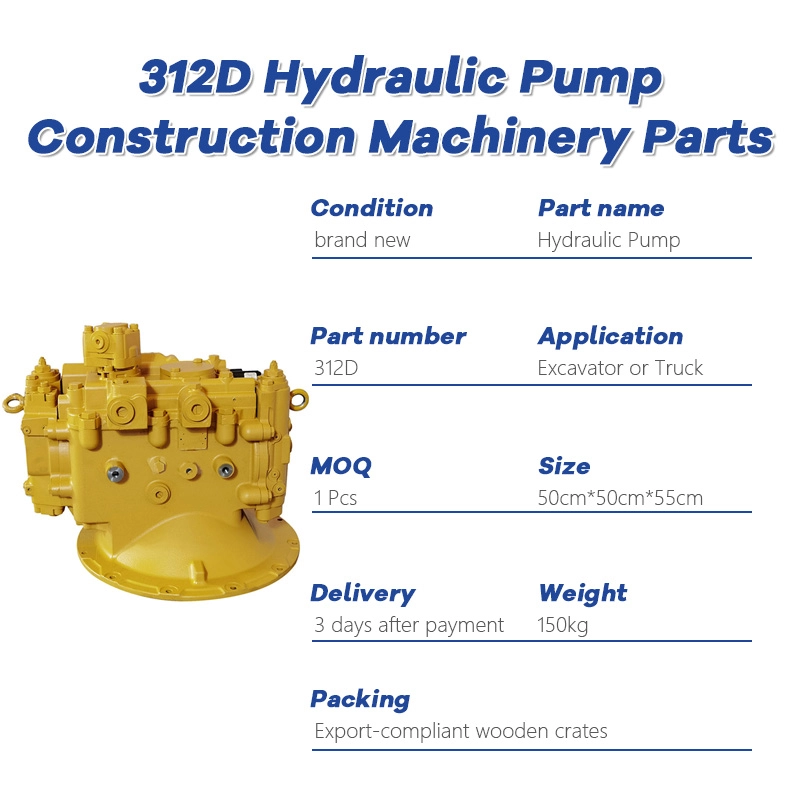
Excavator Hydraulic Pump for CAT 312D | Fast Shipping
Get your high-quality JELXEL CAT 312D hydraulic pump! Engineered for durability and peak performance, this essential 312D hydraulic pump ensures your excavator runs efficiently. Benefit from our fast shipping to minimize downtime. Choose JELXEL for reliable, high-quality solutions for your CAT 312D.
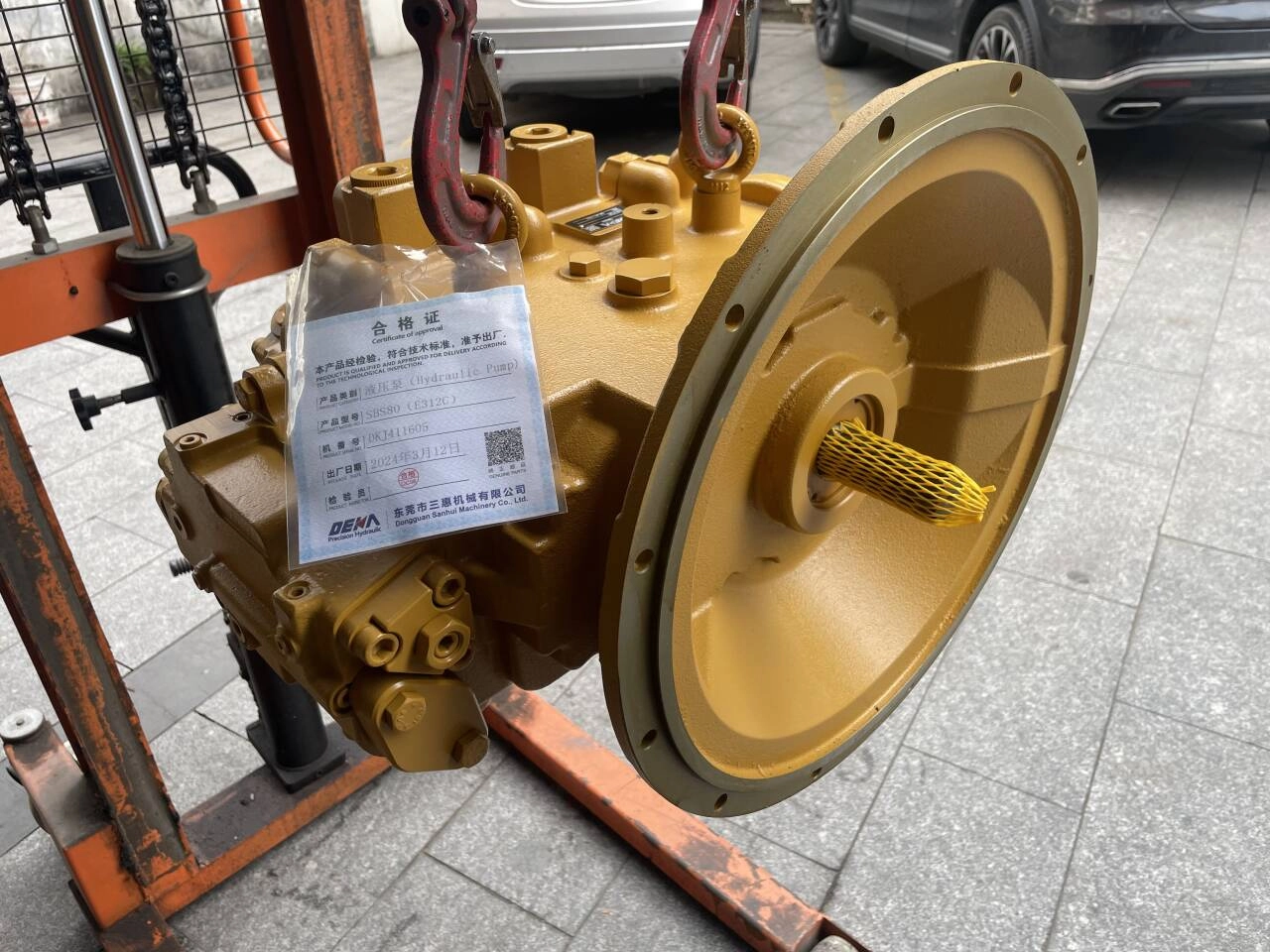
New CAT 312C Hydraulic Main Pump | Compatible Excavator Parts
JELXEL’ New CAT 312C Hydraulic Main Pump delivers reliable performance for your excavator. Engineered for durability, this Caterpillar 312C hydraulic pump ensures seamless compatibility and optimal efficiency.
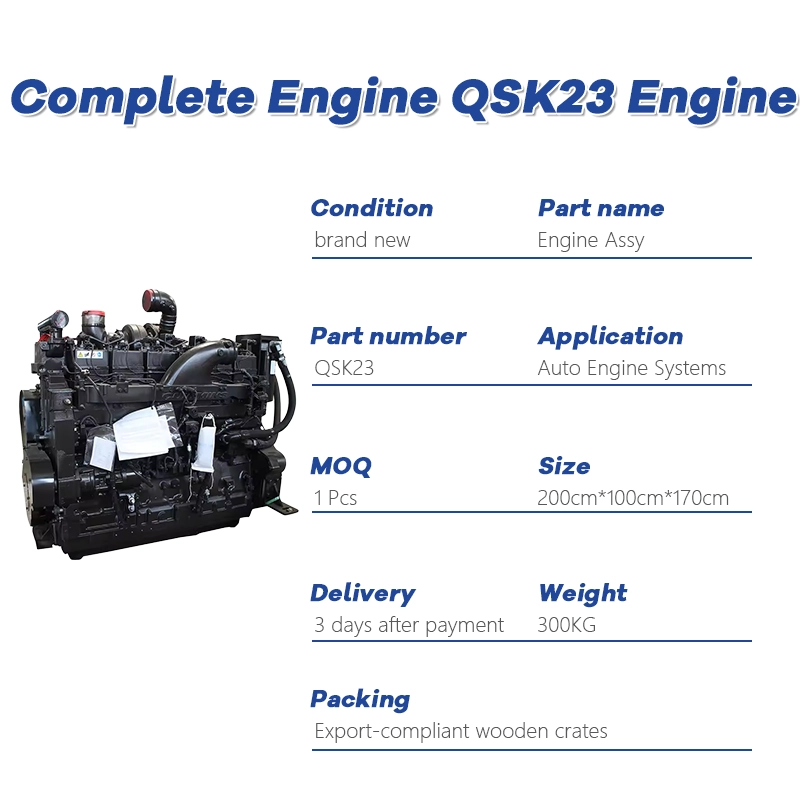
QSK23 Excavator Engine Assembly | Reliable & Efficient Performance
Discover the high-performance QSK23 Excavator Engine Assembly by JELXEL, designed for reliable and efficient excavation. Ideal QSK23 engine parts for excavators, this engine assembly delivers durability and power. Explore our engine assembly for sale to boost your machinery’s performance today.
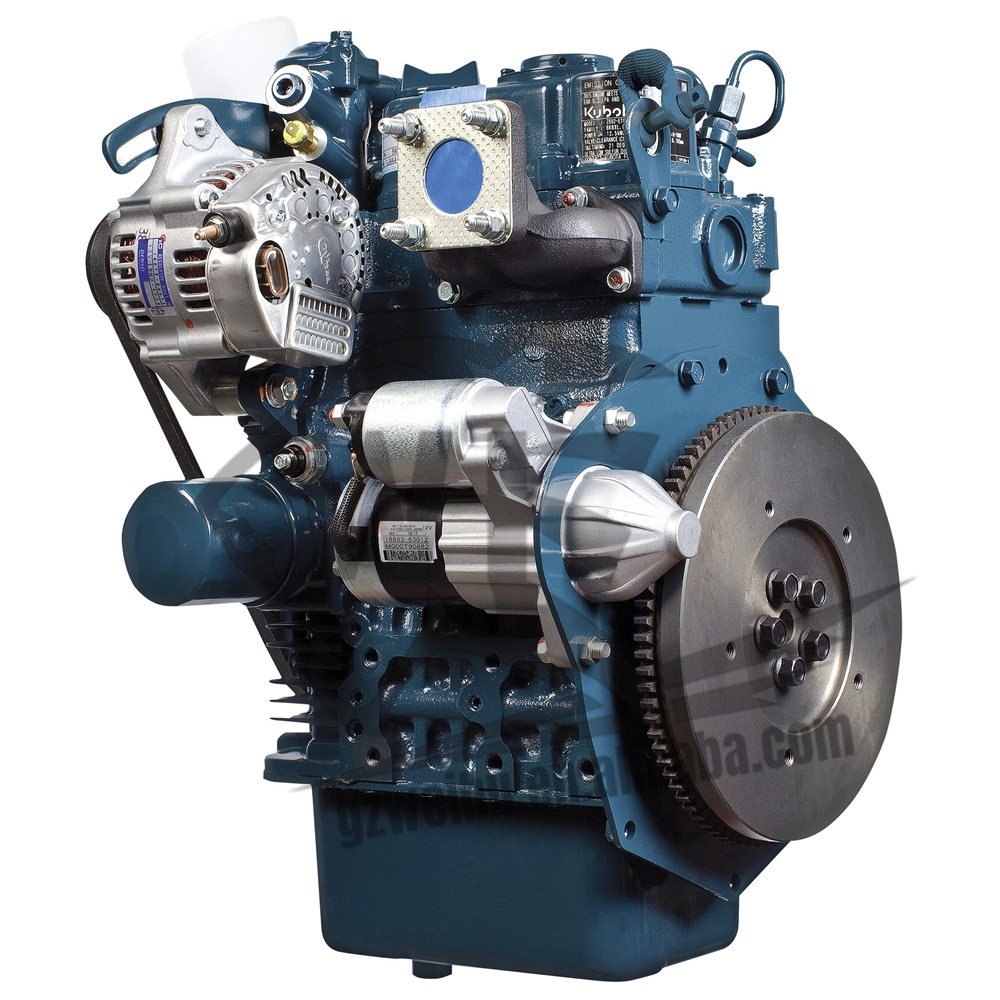
D722 Excavator Engine Replacement | Boost Your Excavator’s Power
Upgrade your excavator's performance with the JELXEL D722 Excavator Engine Replacement. Buy D722 excavator engine now to enhance power and efficiency. Excavator D722 Engine for Sale, designed for durability and smooth operation. Boost your excavator’s power today!
Get in touch with us
If you have any comments or good suggestions, please leave us a message, later our professional staff will contact you as soon as possible.
To be a happy enterprise in the field of engineering equipment.
JELXEL delivers efficient and reliable service at each stage to meet the customer's needs.