

jackhuang5919@gmail.com
Top Signs Your Excavator Engine Needs Repair
Learn the top signs that your excavator engine needs repair, how to inspect symptoms, when to repair versus replace, and practical maintenance tips from excavator parts experts JELXEL.
- Top Signs Your Excavator Engine Needs Repair
- Introduction: Why monitoring your excavator engine saves time and cost
- Excessive exhaust smoke: black, white, or blue smoke explained
- Loss of power or poor throttle response
- Unusual engine noises: knocking, tapping, or grinding
- Overheating and repeated high coolant temperature events
- Oil consumption and low oil pressure warnings
- Coolant contamination or milky oil
- Difficulty starting, misfires, or stalling
- Dashboard alarms and fault codes: use them as diagnostic clues
- Increase in fuel consumption without productivity gains
- Visible leaks: oil, fuel, or coolant on the ground or engine
- Excessive vibration or rough running
- Frequent filter clogging and soot buildup
- When to repair versus replace your excavator engine: a comparison
- Inspection checklist: how to evaluate engine condition on-site
- Immediate steps to take when you suspect engine trouble
- Preventive maintenance: reduce the chance your excavator engine needs major repairs
- Parts and support: how JELXEL helps keep excavator engines running
- Sourcing parts for excavator engine repair: tips for reliability
- Working with service providers: what to request from your mechanic
- Cost control strategies when your excavator engine needs repair
- How to tell if repair will restore expected performance
- FAQ — Common questions about excavator engine repair
- Q: What is the most common sign that an excavator engine needs repair?
- Q: Can I keep working with white or blue smoke present?
- Q: How quickly should I respond to dashboard engine warnings?
- Q: Is it cheaper to repair or replace an excavator engine?
- Q: How can JELXEL support my repair needs?
- Q: What preventive measures reduce the chance of major engine repairs?
- Q: How long does a typical engine repair take?
- Closing note: Act early to protect uptime and asset value
Top Signs Your Excavator Engine Needs Repair
Introduction: Why monitoring your excavator engine saves time and cost
Keeping an eye on the excavator engine is essential for uptime, safety, and cost control. Early detection of engine problems reduces downtime, avoids expensive breakdowns, and extends machine life. This guide helps operators, fleet managers, and maintenance technicians recognize the top signs that an excavator engine needs repair, with clear inspection steps and practical next actions.
Excessive exhaust smoke: black, white, or blue smoke explained
Visible exhaust smoke is one of the clearest signals an excavator engine needs attention. Black smoke usually indicates incomplete combustion or excessive fuel (injector faults, turbocharger issues, air restriction). White smoke on startup or continuous white smoke can point to coolant entering combustion chambers (head gasket, cracked head, or block). Blue smoke means burning oil—worn piston rings, valve guides, or turbocharger oil seals. Note the color, persistence, and when it appears (cold start vs. under load) to narrow down causes.
Loss of power or poor throttle response
When the excavator engine struggles to develop normal power—slow acceleration, poor digging performance, or inability to maintain rpm under load—this can indicate fuel delivery issues, turbocharger wear, advanced injector problems, or internal wear. Monitor engine torque and compare to baseline performance; consistent power loss under similar working conditions suggests an engine repair is required.
Unusual engine noises: knocking, tapping, or grinding
Hard knocks, metallic tapping, or grinding sounds from the engine are early warning signs of mechanical distress. Rod knock often indicates bearing wear, while tapping can point to valve-train issues such as lash or lifter problems. Grinding noises near accessory drives may signal failing alternators, water pumps, or timing components. Do not ignore persistent unusual noises—investigate promptly to prevent catastrophic failure.
Overheating and repeated high coolant temperature events
Frequent overheating is a clear indicator that either the cooling system or the engine itself needs repair. Causes include coolant leaks, blocked radiators, failing water pumps, thermostat failures, or head gasket issues. Overheating accelerates engine wear and can warp heads or damage pistons, so aim to diagnose the root cause immediately when temperatures rise above normal operating range.
Oil consumption and low oil pressure warnings
If you see oil levels dropping faster than usual or receive low oil pressure alerts, the excavator engine likely needs inspection. Causes range from external leaks to internal consumption from worn rings or valve seals. Low oil pressure can also indicate worn bearings or oil pump failure, which require urgent repair to avoid severe engine damage.
Coolant contamination or milky oil
Finding a milky or frothy appearance in engine oil is a classic sign of coolant mixing with oil—commonly caused by head gasket failure, cracked head, or other coolant-to-oil breaches. Coolant-contaminated oil loses lubricating properties quickly, accelerating engine wear. If contamination is detected, stop operation and have the engine inspected and repaired.
Difficulty starting, misfires, or stalling
Hard starts, misfires, and stalling under light load can be caused by fuel system faults (injectors, filters, fuel pump), air intake problems, or ignition/timing issues on applicable engines. Diesel excavator engines that smoke on start or fail to reach idle smoothly should be inspected for fuel quality, clogged filters, or injector damage.
Dashboard alarms and fault codes: use them as diagnostic clues
Modern excavator engines have onboard diagnostics that generate fault codes for sensors and systems. A persistent warning lamp or stored fault code should not be ignored—use a service tool to read codes, note freeze-frame data, and follow diagnostic procedures. Fault codes help isolate issues faster and avoid unnecessary parts replacement.
Increase in fuel consumption without productivity gains
When fuel burn rises while productivity stays the same or declines, the excavator engine efficiency is likely reduced. Causes include poor combustion due to injector faults, turbocharger inefficiency, or air intake leaks. Track fuel usage per hour against historical baselines—meaningful and sustained increases warrant diagnostic attention.
Visible leaks: oil, fuel, or coolant on the ground or engine
Leaks are easy-to-spot indicators that parts need repair or replacement. Oil puddles, fuel smells, or coolant stains under the machine suggest failing seals, hoses, gaskets, or cracked components. Address visible leaks quickly both for safety and to prevent secondary engine damage.
Excessive vibration or rough running
New or increased vibration and rough running often indicate imbalance, misfires, damaged mounts, or internal damage such as bent rods or worn crankshaft bearings. Vibration can also affect connected systems. Measure vibration patterns and isolate the source during operation and idle to determine if the excavator engine requires repair.
Frequent filter clogging and soot buildup
Filters that block rapidly—air, fuel, or oil—can signal increased contamination or combustion issues. A heavy soot layer in exhaust components or visible deposits inside the air intake can indicate poor combustion, turbocharger problems, or insufficient filtration. Repeated clogging should prompt an engine system inspection and possible component replacement.
When to repair versus replace your excavator engine: a comparison
Deciding whether to repair or replace depends on machine value, downtime cost, repair scope, and remaining machine life. Below is a practical comparison to guide decisions.
| Option | Typical Cost Range (USD) | Downtime | Benefit | When to choose |
|---|---|---|---|---|
| Minor Repair (injectors, seals, sensors) | $500 - $5,000 | Hours to days | Targeted fix, cost-effective | Single-system failure; machine otherwise healthy |
| Major Repair / Overhaul (pistons, bearings) | $3,000 - $25,000 | Days to weeks | Restores performance; extends life | Multiple component failures; significant wear |
| Engine Replacement (reman or new) | $15,000 - $60,000+ | Days to weeks | Quick return to like-new performance | Catastrophic damage or cost of repairs > replacement |
Inspection checklist: how to evaluate engine condition on-site
Perform a structured inspection: check oil and coolant levels and appearance, scan for leaks, observe exhaust while idle and under load, listen for abnormal noises, check air and fuel filters, read fault codes, and record fuel consumption. Keep a log to compare trends; consistent deviations indicate progressive engine issues requiring repair.
Immediate steps to take when you suspect engine trouble
If you suspect serious engine issues: reduce load, avoid high RPM, shut down if there are coolant/oil cross-contamination signs, and secure the machine. Document conditions (smoke color, sounds, fault codes) and contact a qualified service technician. Quick conservative action often prevents escalation to a catastrophic failure.
Preventive maintenance: reduce the chance your excavator engine needs major repairs
Adopt a preventive maintenance program: regular oil and filter changes per manufacturer intervals, air intake checks, fuel system maintenance, coolant monitoring, and scheduled inspections. Use quality parts and fluids and keep records. Proper maintenance lowers the probability of major repairs and enhances resale value.
Parts and support: how JELXEL helps keep excavator engines running
JELXEL serves as a reliable partner for global clients in the excavator spare parts sector. We provide a comprehensive selection of excavator parts designed to support a variety of operational needs, whether for routine tasks or high-performance excavator systems.With a focus on quality, cost-effectiveness, and timely delivery, JELXEL is dedicated to supporting businesses by ensuring the availability of essential parts to keep machinery running smoothly.JELXEL places a strong emphasis on innovative R&D, continually advancing the design and performance of excavator parts. With a dedicated team of engineers and technicians, the company focuses on developing high-quality, durable, and efficient components that meet the latest industry standards.Our vision is to be a leading excavator parts manufacturer and a pioneer in transforming the excavator industry through quality, sustainability, and innovation. We aspire to set a global standard for service and reliability in the excavator parts market, creating lasting partnerships and ensuring that our solutions contribute to the success of every project we serve.
Sourcing parts for excavator engine repair: tips for reliability
When repairing an excavator engine, source parts from reputable suppliers, verify part numbers, and prefer remanufactured or OEM-quality components for critical items like injectors, turbochargers, and bearings. Keep a core set of commonly replaced parts in inventory to shorten repair time and reduce downtime.
Working with service providers: what to request from your mechanic
Ask service providers for a clear diagnostic report, estimated repair scope, parts list with part numbers, and warranty terms. Request photos or video documentation of failures and replaced parts. A reputable technician should provide cause analysis and preventive recommendations, not only a parts replacement quote.
Cost control strategies when your excavator engine needs repair
Control costs by prioritizing repairs that restore safe operation and prevent further damage. Consider staged repairs for non-critical items if machine replacement is planned in the near term. Compare OEM, remanufactured, and high-quality aftermarket parts for cost versus expected life and warranty coverage.
How to tell if repair will restore expected performance
After repair, validate performance against pre-failure baselines: fuel consumption, power output under load, temperature stability, and absence of prior symptoms. A successful repair will eliminate root-cause symptoms, restore normal readings, and stop recurrence. If issues persist, request a re-diagnosis rather than repeated part changes.
FAQ — Common questions about excavator engine repair
Q: What is the most common sign that an excavator engine needs repair?
A: The most common early sign is abnormal exhaust smoke (color and persistence) combined with loss of power. These symptoms often point to combustion or oil/coolant issues and should trigger an immediate inspection.
Q: Can I keep working with white or blue smoke present?
A: White or blue smoke suggests coolant or oil entering combustion chambers; continuing to operate risks severe damage. Stop and inspect promptly. Limited idling may be possible for diagnostics but avoid heavy loads.
Q: How quickly should I respond to dashboard engine warnings?
A: Respond immediately. Modern engine warnings are designed to protect equipment—dismissal can allow a small fault to escalate into expensive failures.
Q: Is it cheaper to repair or replace an excavator engine?
A: Minor repairs are typically far cheaper. Major overhauls can approach replacement costs, at which point replacement with a reman or new engine may be preferable. Compare repair estimates, machine age, and future expected use to decide.
Q: How can JELXEL support my repair needs?
A: JELXEL supplies a wide range of excavator engine parts, from filters and injectors to turbochargers and seals, and offers technical support to help you source the correct components. Keeping critical parts on hand from a trusted supplier reduces downtime and ensures repair quality.
Q: What preventive measures reduce the chance of major engine repairs?
A: Regular oil and coolant changes, use of recommended fluids, timely filter replacements, scheduled inspections, and immediate correction of minor faults all reduce the risk of major repairs and extend engine life.
Q: How long does a typical engine repair take?
A: Minor repairs can take hours to a few days; major overhauls or replacements can take days to several weeks depending on part availability and the extent of work. Pre-planning parts inventory and working with experienced service teams shortens downtime.
Closing note: Act early to protect uptime and asset value
Recognizing signs that your excavator engine needs repair and taking timely action preserves productivity and reduces lifecycle costs. Use the inspection steps, compare repair options carefully, and partner with reliable parts suppliers like JELXEL to keep machines running reliably.
Tags
High-Performance Excavator 4JB1 Engine Spare Parts
High-Performance Excavator 4JB1 Engine Spare Parts
A10V071 hydraulic pump for excavator
A10V071 hydraulic pump for excavator
Excavator 4BG1T engine
Excavator 4BG1T engine
CAT 312C main hydraulic pump
CAT 312C main hydraulic pump
fuel efficient diesel engine
fuel efficient diesel engine
Cat C7 used engine
Cat C7 used engine
Recommended for you
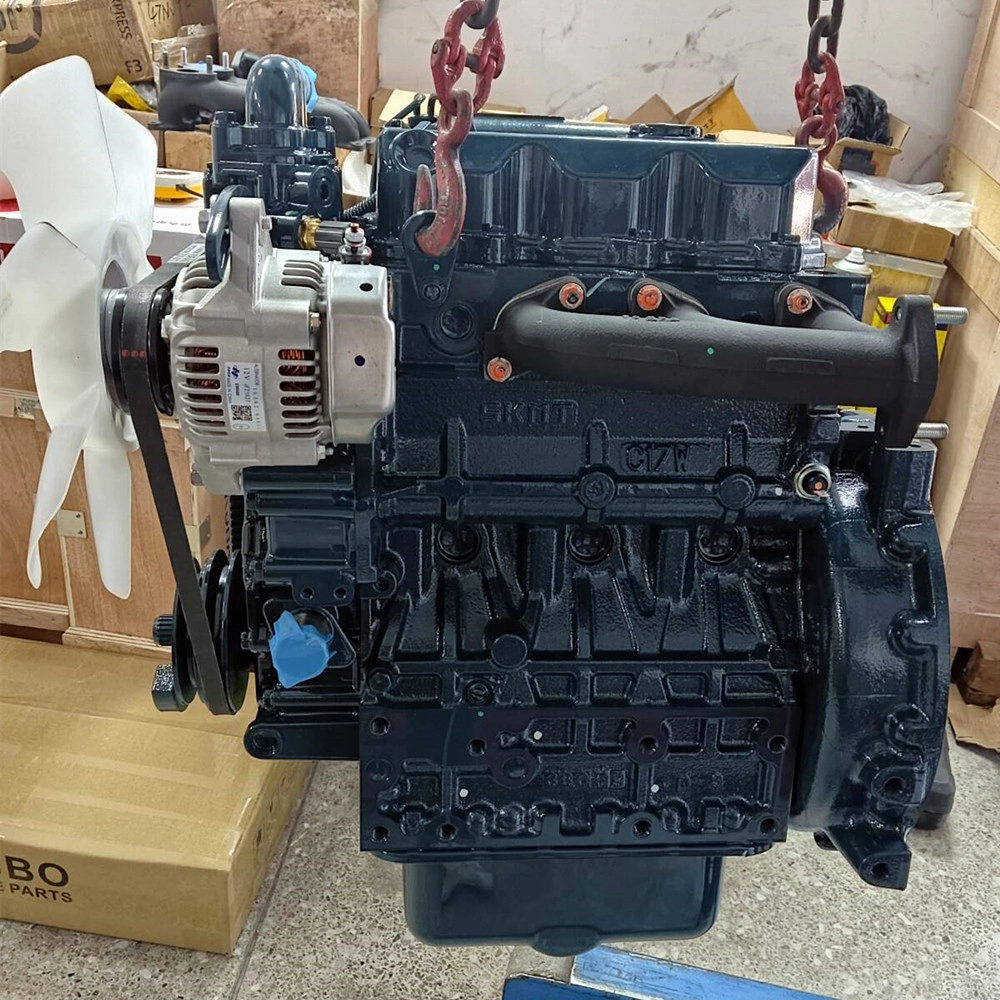
Maintenance Strategies for Isuzu D1703 Engine Assemblies
Hydraulic Pump Retrofit Options for Older Excavators 2026
Where to Buy excavator spare parts in China
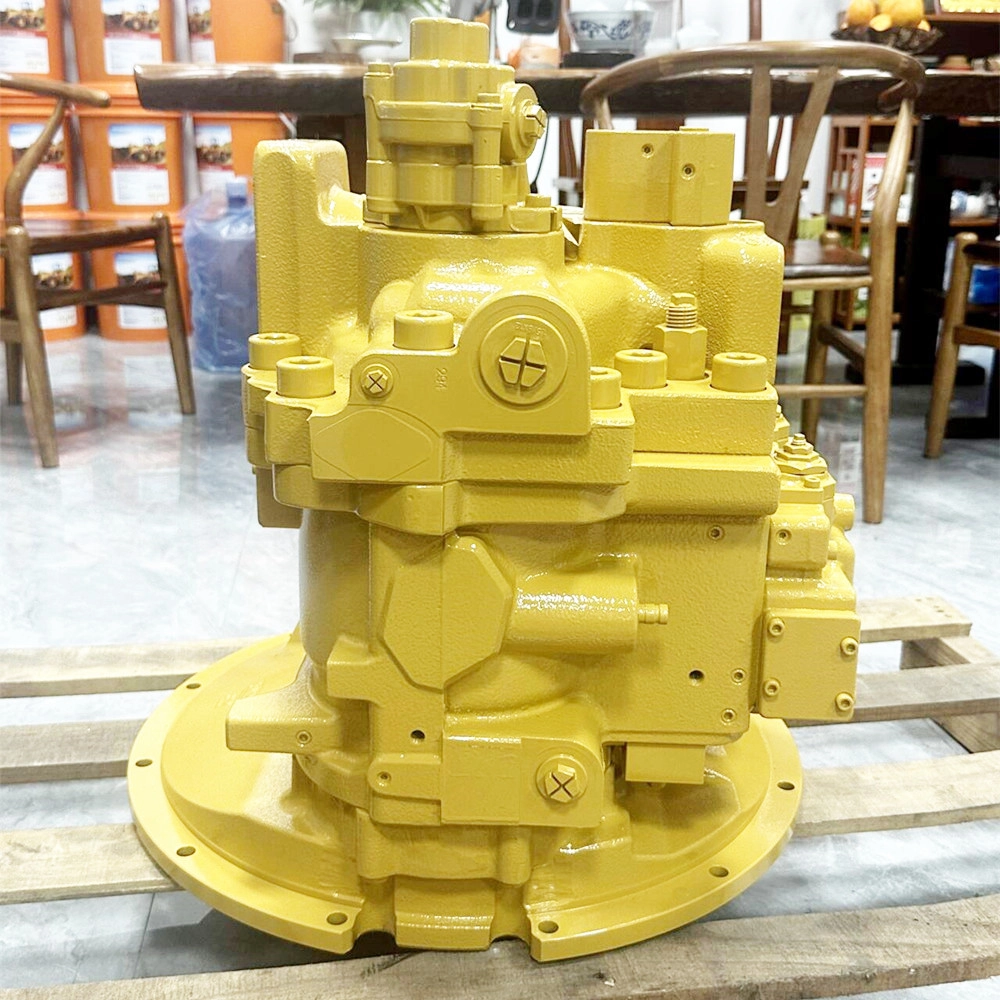
Lifecycle Cost Analysis for 336D Excavator Hydraulic Pump
Prdoucts Categories
Question you may concern
FAQ
Do you provide warranties on your products?
Yes, we stand by the quality of our products. Most parts come with a warranty that covers manufacturing defects. Please refer to the specific warranty information provided with your purchase or contact our customer service team for details.
Do you provide installation services for your parts?
While we do not offer installation services directly, we can recommend qualified professionals or resources to assist you with the installation of our parts. Our customer support team can provide guidance on finding local service providers.
Do you offer bulk purchasing options?
Yes, we offer competitive pricing for bulk orders. If you are interested in purchasing large quantities of parts, please contact our sales team to discuss your requirements and receive a customized quote.
How can I place an order?
You can place an order through our user-friendly online platform or by contacting our sales team directly. Simply browse our catalog, select the parts you need, and follow the checkout process to complete your order.
What types of excavator parts do you offer?
JELXEL provides a comprehensive range of excavator parts, including but not limited to buckets, hydraulic components, undercarriage parts, and engine components. Our goal is to be your one-stop solution for all excavator needs.
You may also like
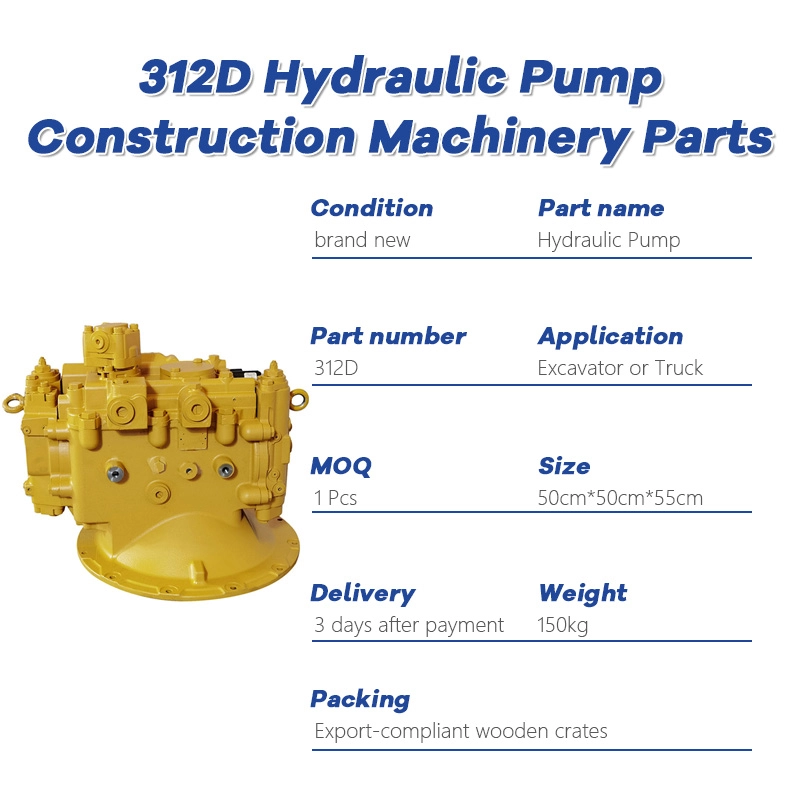
Excavator Hydraulic Pump for CAT 312D | Fast Shipping
Get your high-quality JELXEL CAT 312D hydraulic pump! Engineered for durability and peak performance, this essential 312D hydraulic pump ensures your excavator runs efficiently. Benefit from our fast shipping to minimize downtime. Choose JELXEL for reliable, high-quality solutions for your CAT 312D.
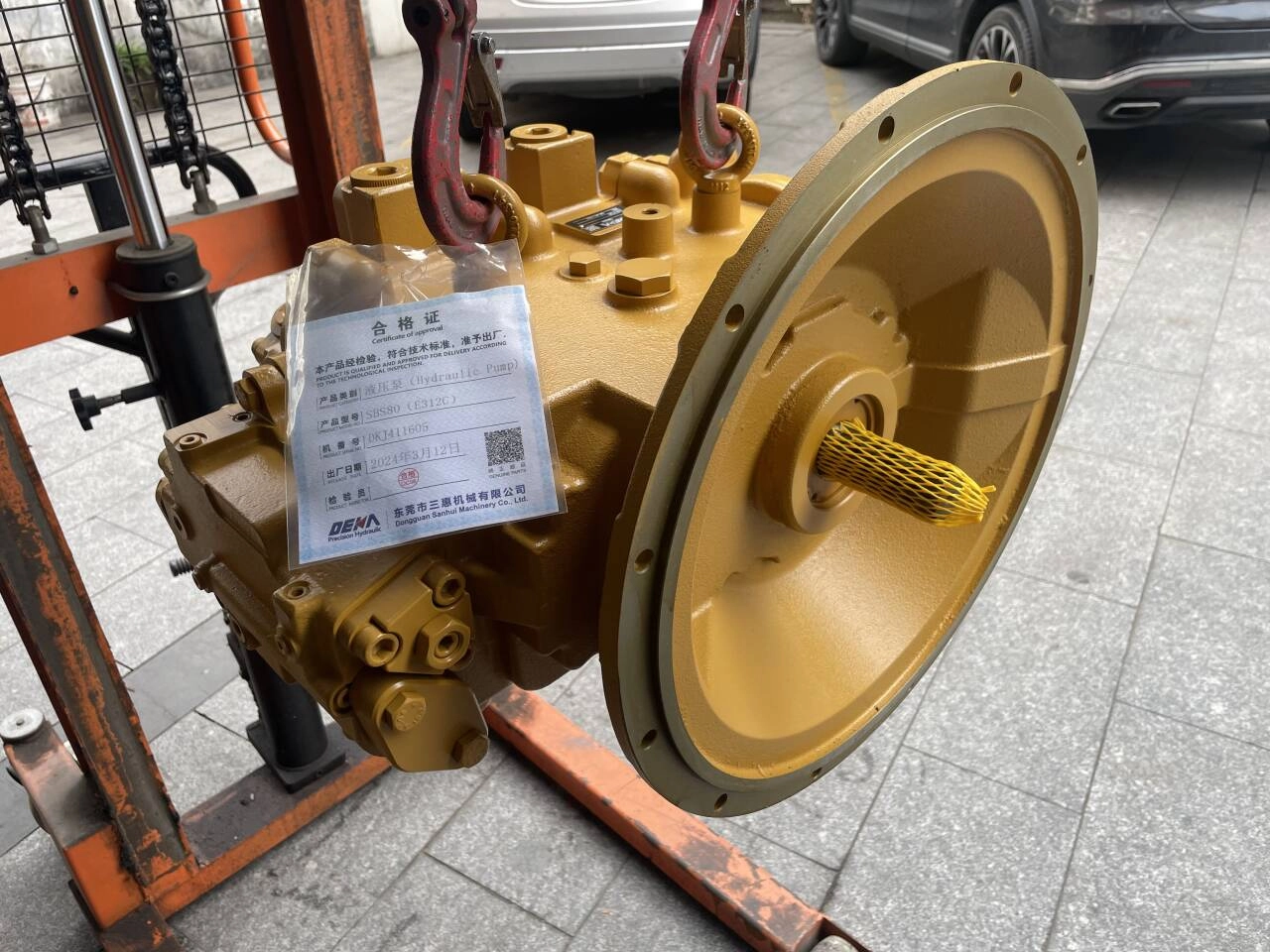
New CAT 312C Hydraulic Main Pump | Compatible Excavator Parts
JELXEL’ New CAT 312C Hydraulic Main Pump delivers reliable performance for your excavator. Engineered for durability, this Caterpillar 312C hydraulic pump ensures seamless compatibility and optimal efficiency.
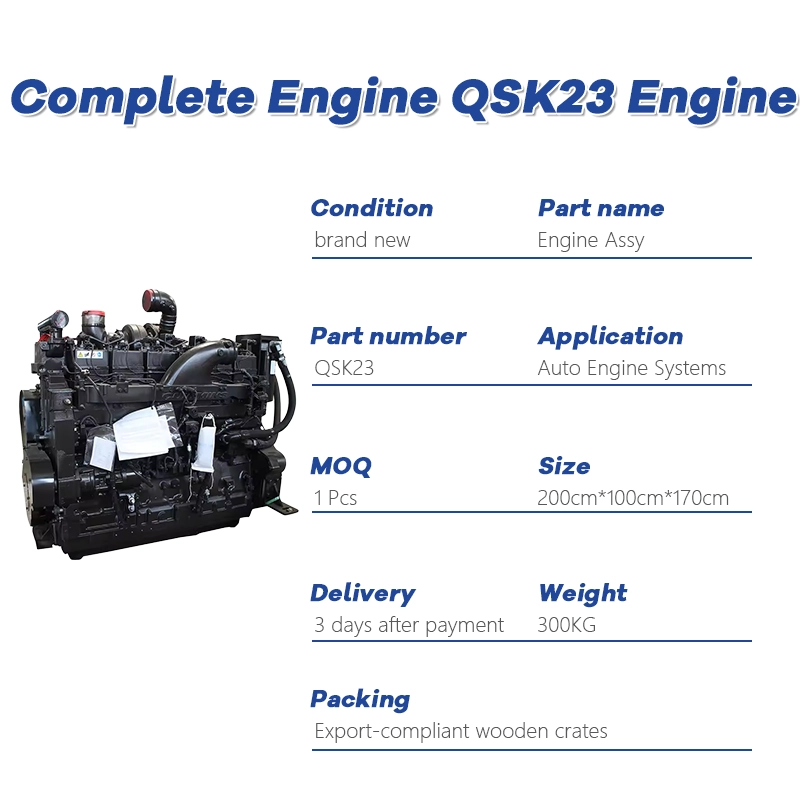
QSK23 Excavator Engine Assembly | Reliable & Efficient Performance
Discover the high-performance QSK23 Excavator Engine Assembly by JELXEL, designed for reliable and efficient excavation. Ideal QSK23 engine parts for excavators, this engine assembly delivers durability and power. Explore our engine assembly for sale to boost your machinery’s performance today.
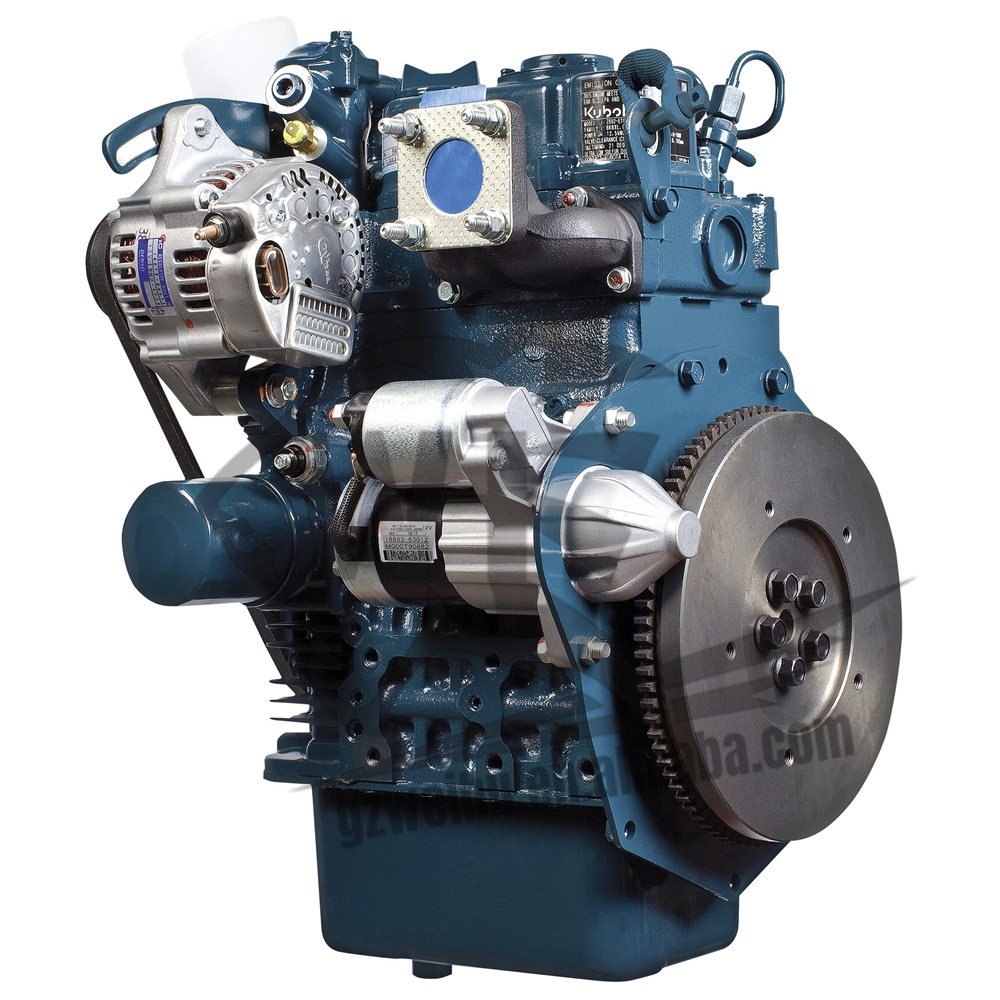
D722 Excavator Engine Replacement | Boost Your Excavator’s Power
Upgrade your excavator's performance with the JELXEL D722 Excavator Engine Replacement. Buy D722 excavator engine now to enhance power and efficiency. Excavator D722 Engine for Sale, designed for durability and smooth operation. Boost your excavator’s power today!
Get in touch with us
If you have any comments or good suggestions, please leave us a message, later our professional staff will contact you as soon as possible.
To be a happy enterprise in the field of engineering equipment.
JELXEL delivers efficient and reliable service at each stage to meet the customer's needs.