

jackhuang5919@gmail.com
Hydraulic Pump Retrofit Options for Older Excavators 2026
A detailed 2026 guide for retrofitting hydraulic pumps on older excavators. Covers diagnostic checks, retrofit pathways (OEM replacement, remanufactured pumps, high-efficiency aftermarket, variable-displacement conversions, electro-hydraulic hybrids), cost/benefit analysis, selection checklist, installation & tuning tips, maintenance, and supplier considerations. Includes JELXEL capabilities and FAQs.
- Assessing Your Excavator's Hydraulic System Before Retrofit
- Why a proper diagnostic matters for hydraulic pump replacement
- Signs It's Time to Replace or Retrofit the Hydraulic Pump
- Common failure indicators to track before buying a replacement
- Retrofit Options for Hydraulic Pump Upgrades (: hydraulic pump replacement)
- 1) Direct OEM replacement hydraulic pump
- 2) Remanufactured (reman) hydraulic pump
- 3) High-efficiency aftermarket hydraulic pump
- 4) Convert to variable-displacement or pressure-compensated pump
- 5) Hybrid or electro-hydraulic retrofit (partial electrification)
- Side-by-side Comparison: Retrofit Options
- How to Choose the Right Hydraulic Pump Retrofit (: buy hydraulic pump)
- Selection checklist for hydraulic pump replacement
- Installation, Commissioning and Pump Tuning (: retrofit services)
- Step-by-step installation and tuning notes
- Maintenance Practices After a Pump Retrofit (: excavator parts maintenance)
- Key maintenance actions to extend pump life
- Cost-Benefit Examples and Return-on-Investment (ROI) Considerations
- Case Example: Upgrading a 2010 Excavator’s Hydraulic Pump
- Why Choose JELXEL for Excavator Hydraulic Pump Needs (Brand insert — : buy excavator parts)
- JELXEL competitive strengths and product focus
- JELXEL product advantages: hydraulic pump, engine assembly, excavator engine
- Practical Buying Questions to Ask Suppliers (: buy hydraulic pump components)
- Frequently Asked Questions (FAQ)
- 1) How do I know if I should replace the hydraulic pump or just service the system?
- 2) Are remanufactured hydraulic pumps reliable for heavy construction use?
- 3) Will converting to a variable-displacement pump require changing my excavator's control valves?
- 4) How much fuel can I realistically save after a hydraulic pump retrofit?
- 5) How long does it take to install and commission a hydraulic pump replacement?
- 6) Can JELXEL supply both parts and installation support for hydraulic pump retrofits?
- Contact and Next Steps (: contact for parts and retrofit services)
- References
Assessing Your Excavator's Hydraulic System Before Retrofit
When considering a hydraulic pump retrofit for an older excavator, the first step is a methodical system assessment. This ensures the chosen hydraulic pump option aligns with operational goals (uptime, fuel efficiency, lifting performance) and avoids unnecessary spend on incompatible upgrades. Key diagnostics include leak and pressure testing, flow verification, fluid analysis, and an inspection of the hydraulic control valves and actuators. Accurate diagnosis reduces downtime and focuses investment on the parts and services that deliver the largest performance gains.
Why a proper diagnostic matters for hydraulic pump replacement
Many apparent pump failures are symptoms of system contamination, relief-valve missetting, or worn actuators. A full diagnostic—pressure/flow curves on attachment cycles, fluid cleanliness (ISO 4406), and temperature behavior—reveals whether replacing the hydraulic pump alone will fix the problem. If contamination or system wear is present, plan for filtration upgrades and actuator inspections alongside any hydraulic pump replacement to protect the new component and extend service life.
Signs It's Time to Replace or Retrofit the Hydraulic Pump
Recognizing clear, measurable signs that indicate a hydraulic pump swap or retrofit can prevent secondary damage. Prioritize retrofit when you observe persistent symptoms like low flow/pressure under load, intermittent cavitation noise, sudden drops in performance during hot cycles, elevated fuel consumption tied to hydraulic work, or frequent overheating. Documented reductions in cycle time or measurable productivity loss (e.g., >10% slower cycle times) also justify a retrofit investment.
Common failure indicators to track before buying a replacement
- Pressure drop at rated RPM under load (measured with a calibrated gauge)
- High particulate counts in fluid analysis (ISO 18/16/13 or worse)
- Visible oil foaming, indicating aeration/cavitation
- Unusual shaft play or external leaks at pump housing
- Repeated overheating events despite correct coolant/hydraulic temperatures
Retrofit Options for Hydraulic Pump Upgrades (: hydraulic pump replacement)
There are five primary retrofit pathways for older excavator hydraulic pumps. Selection depends on budget, desired performance gains, and the machine's remaining service life.
1) Direct OEM replacement hydraulic pump
Pros: Guaranteed compatibility, factory warranty, straightforward bolt-in installation. Best for operators who prefer minimal integration risk and need OEM-fit performance. Cons: Higher cost compared to aftermarket or reman units.
2) Remanufactured (reman) hydraulic pump
Pros: Lower cost, often restored to OEM tolerances, includes warranties from reputable remanufacturers. Sustainable choice—reconditioning reduces waste. Cons: Quality varies; verify remanufacturer certifications and testing procedures.
3) High-efficiency aftermarket hydraulic pump
Pros: Potential for improved efficiency, lower price, customization for higher pressures or flows. Cons: Requires careful compatibility check with control valves and hoses; warranties can be limited.
4) Convert to variable-displacement or pressure-compensated pump
Pros: Significant potential fuel savings (reduced engine load during idle or low-demand cycles), smoother control, reduced heat generation. Typical efficiency improvements range from 5–20% in field conditions depending on work profile. Cons: May require pump mounting, control-valve compatibility checks, and electronics/software updates on modern machines.
5) Hybrid or electro-hydraulic retrofit (partial electrification)
Pros: Best long-term fuel savings and emissions reduction for high-cycling applications (loading/unloading, demolition). Can enable energy recovery features and electrical control for precise control. Cons: Higher capital cost, complex integration, and not always cost-effective for low-utilization machines.
Side-by-side Comparison: Retrofit Options
Use the table below to quickly compare retrofit options for a hydraulic pump by key decision factors.
| Option | Typical Cost (relative) | Installation Complexity | Expected Efficiency Gain | Warranty/Support |
|---|---|---|---|---|
| OEM replacement | High | Low | Neutral (restores original) | Strong (OEM) |
| Reman hydraulic pump | Medium | Low–Medium | Neutral–Slight | Medium (remanufacturer) |
| Aftermarket high-efficiency | Medium | Medium | 5–15% | Variable |
| Variable-displacement conversion | Medium–High | Medium–High | 10–20% | Limited–Good (specialist) |
| Electro-hydraulic hybrid | High | High | 15–40% (application-dependent) | Specialist support required |
How to Choose the Right Hydraulic Pump Retrofit (: buy hydraulic pump)
Selecting a retrofit path requires balancing performance objectives, budget, and remaining machine life. Use the following checklist during procurement and vendor evaluation:
Selection checklist for hydraulic pump replacement
- Documented machine hours and historical productivity figures
- Fluid analysis and contamination history
- Measured pressure/flow curves under typical loads
- Compatibility with existing control valves, hoses, and couplings
- Warranty terms and reman/testing certifications
- Vendor technical support and installation capability
- Total cost of ownership estimate (fuel savings vs. retrofit cost)
Installation, Commissioning and Pump Tuning (: retrofit services)
Proper installation and commissioning are essential. Follow these best practices when replacing a hydraulic pump:
Step-by-step installation and tuning notes
- Use new seals and couplings; never reuse soft goods.
- Flush the hydraulic system to remove contamination; change or upgrade filters (target ISO 4406 target per OEM or better).
- Bleed air and verify cavitation intake conditions (suction line length, prefill, and reservoir vents).
- Set relief and control valve pressures to match pump ratings; calibrate variable-displacement controllers.
- Run a break-in protocol: low-load cycles increasing to full-load while monitoring temperature and pressures.
- Log pump performance (flow vs. rpm under load) to confirm expected curves.
Maintenance Practices After a Pump Retrofit (: excavator parts maintenance)
To protect the investment and maximize lifespan of a new or reman hydraulic pump, adopt a proactive maintenance routine:
Key maintenance actions to extend pump life
- Frequent fluid sampling (quarterly or after major projects) with ISO cleanliness targets
- Regularly replace hydraulic filters; consider higher-efficiency filter elements
- Monitor pump inlet conditions—strainers, breather caps, and tank vents
- Track torque and vibration patterns—sudden changes often indicate internal wear
- Maintain records for warranty claims and lifecycle analysis
Cost-Benefit Examples and Return-on-Investment (ROI) Considerations
Below are illustrative ROI scenarios for a 20-ton excavator working 2,000 hours/year. Numbers are example ranges; exact outcomes depend on application intensity and local fuel/pricing.
| Retrofit Option | Typical Retrofit Cost (USD) | Estimated Annual Fuel Savings | Approx. Payback (years) |
|---|---|---|---|
| OEM replacement | $8,000–$15,000 | Minimal (restores original) | N/A |
| Reman hydraulic pump | $4,000–$8,000 | Minimal–3% | 5–8 |
| Aftermarket high-efficiency pump | $5,000–$10,000 | 5–15% (~$800–$2,400) | 3–7 |
| Variable-displacement conversion | $8,000–$20,000 | 10–20% (~$1,600–$3,200) | 3–6 |
| Electro-hydraulic hybrid | $25,000+ | 15–40% (~$2,400–$6,400) | 4–10 |
Note: Fuel savings are illustrative; calculate using local fuel costs and actual machine duty cycles for precise ROI.
Case Example: Upgrading a 2010 Excavator’s Hydraulic Pump
Example scenario: A 2010 20-ton excavator was losing 12% of cycle efficiency due to a worn fixed-displacement pump and contaminated system. After system flush, filter upgrade, and a variable-displacement pump conversion, the operator observed a 14% reduction in fuel use for hydraulic work and 25% fewer overheating events across a 12-month period. Payback was achieved in approximately 3.5 years due to reduced fuel and downtime.
Why Choose JELXEL for Excavator Hydraulic Pump Needs (Brand insert — : buy excavator parts)
JELXEL serves as a reliable partner for global clients in the excavator spare parts sector. We provide a comprehensive selection of excavator parts designed to support a variety of operational needs, whether for routine tasks or high-performance excavator systems. If your retrofit project requires high-quality hydraulic pump units, reman parts, or system components, JELXEL can assist with product selection, compatibility checks, and supply logistics.
JELXEL competitive strengths and product focus
With a focus on quality, cost-effectiveness, and timely delivery, JELXEL is dedicated to supporting businesses by ensuring the availability of essential parts to keep machinery running smoothly. JELXEL places a strong emphasis on innovative R&D, continually advancing the design and performance of excavator parts. With a dedicated team of engineers and technicians, the company focuses on developing high-quality, durable, and efficient components that meet the latest industry standards.
JELXEL product advantages: hydraulic pump, engine assembly, excavator engine
- Hydraulic pump: Options for OEM-fit, reman, and high-efficiency aftermarket pumps. Technical data sheets and application support provided to ensure fit and performance.
- Engine assembly: Complete assemblies and core exchange programs supporting reliable power delivery for retrofit conversions and rebuilds.
- Excavator engine parts: Valves, gaskets, injectors, and parts designed for long life under heavy-duty cycles with quality testing and traceability.
Our vision is to be a leading excavator parts manufacturer and a pioneer in transforming the excavator industry through quality, sustainability, and innovation. We aspire to set a global standard for service and reliability in the excavator parts market, creating lasting partnerships and ensuring that our solutions contribute to the success of every project we serve.
Practical Buying Questions to Ask Suppliers (: buy hydraulic pump components)
When sourcing a hydraulic pump replacement or retrofit service, request the following from suppliers:
- Testing evidence: flow/pressure curves and end-of-line test reports for the supplied pump
- Warranty and RMA policies for reman or aftermarket units
- Compatibility sheets and any required adapter kits
- Installation support—onsite or remote commissioning
- Lead times and spare-parts availability for filters, seals, and control components
Frequently Asked Questions (FAQ)
1) How do I know if I should replace the hydraulic pump or just service the system?
Start with fluid analysis and pressure/flow testing. If pump output under load is below spec or there's mechanical noise/cavitation linked to the pump, replacement is likely required. If contamination is the primary issue, system flushing and filtration may suffice.
2) Are remanufactured hydraulic pumps reliable for heavy construction use?
Yes, when supplied by reputable remanufacturers with documented testing and warranties. Reman pumps can offer near-OEM performance at lower cost. Verify the reman's cleaning, component replacement, and testing protocols.
3) Will converting to a variable-displacement pump require changing my excavator's control valves?
Not always, but it depends on the original control architecture. Some systems accept direct conversions; others need valve adjustments or electronic controls. Perform compatibility checks before procurement.
4) How much fuel can I realistically save after a hydraulic pump retrofit?
Savings depend on duty cycle. Variable-displacement or hybrid solutions typically reduce hydraulic-related fuel consumption by 10–20% in high-cycling applications. Calculate expected fuel savings using measured duty cycles and local fuel prices for accuracy.
5) How long does it take to install and commission a hydraulic pump replacement?
Simple OEM or reman replacements may take a day or two including flushing and testing. Complex conversions (variable-displacement or hybrid) can take several days to weeks depending on integration, control calibration, and testing.
6) Can JELXEL supply both parts and installation support for hydraulic pump retrofits?
Yes. JELXEL offers a range of hydraulic pump products and can coordinate technical support, spare parts, and logistics. For complex integrations, they can advise on local service partners or provide remote engineering support.
Contact and Next Steps (: contact for parts and retrofit services)
If you're evaluating a hydraulic pump retrofit for an older excavator, contact JELXEL to discuss pump selection, reman options, and system compatibility. Provide your excavator model, serial number, and recent diagnostic data (pressure curves, fluid analysis) for the fastest evaluation. View our product catalog or request a quote for hydraulic pump units, engine assembly solutions, and excavator engine parts to plan your retrofit project.
References
- Parker Hannifin: Hydraulic Pump Selection and Efficiency — product & technical resources. https://www.parker.com (accessed 2025-11-20)
- Caterpillar Reman Program: Remanufactured Components — parts and warranty overview. https://www.cat.com (accessed 2025-10-15)
- Hydraulics & Pneumatics: Technical articles on energy efficiency and variable-displacement conversions. https://www.hydraulicspneumatics.com (accessed 2025-09-30)
- Construction Equipment News: Articles on hybrid excavator systems and industry trends. https://www.constructionequipment.com (accessed 2025-08-12)
- ISO 4406 Contamination Control guidance: cleanliness coding references. https://www.iso.org (accessed 2025-07-05)
Tags
caterpillar c7 diesel engine for sale
caterpillar c7 diesel engine for sale
Excavator 4BG1T engine
Excavator 4BG1T engine
kubota v2403 engine price
kubota v2403 engine price
HPV145 hydraulic pump single pump assembly
HPV145 hydraulic pump single pump assembly
mitsubishi s4q2 engine for sale
mitsubishi s4q2 engine for sale
C3.3B DI-T-ET04 engine
C3.3B DI-T-ET04 engine
Recommended for you
Signs Your Excavator Hydraulic Pump Needs Replacement
Excavator Engine Troubleshooting: Common Problems and Solutions

How suppliers ensure authenticity of engine assemblies
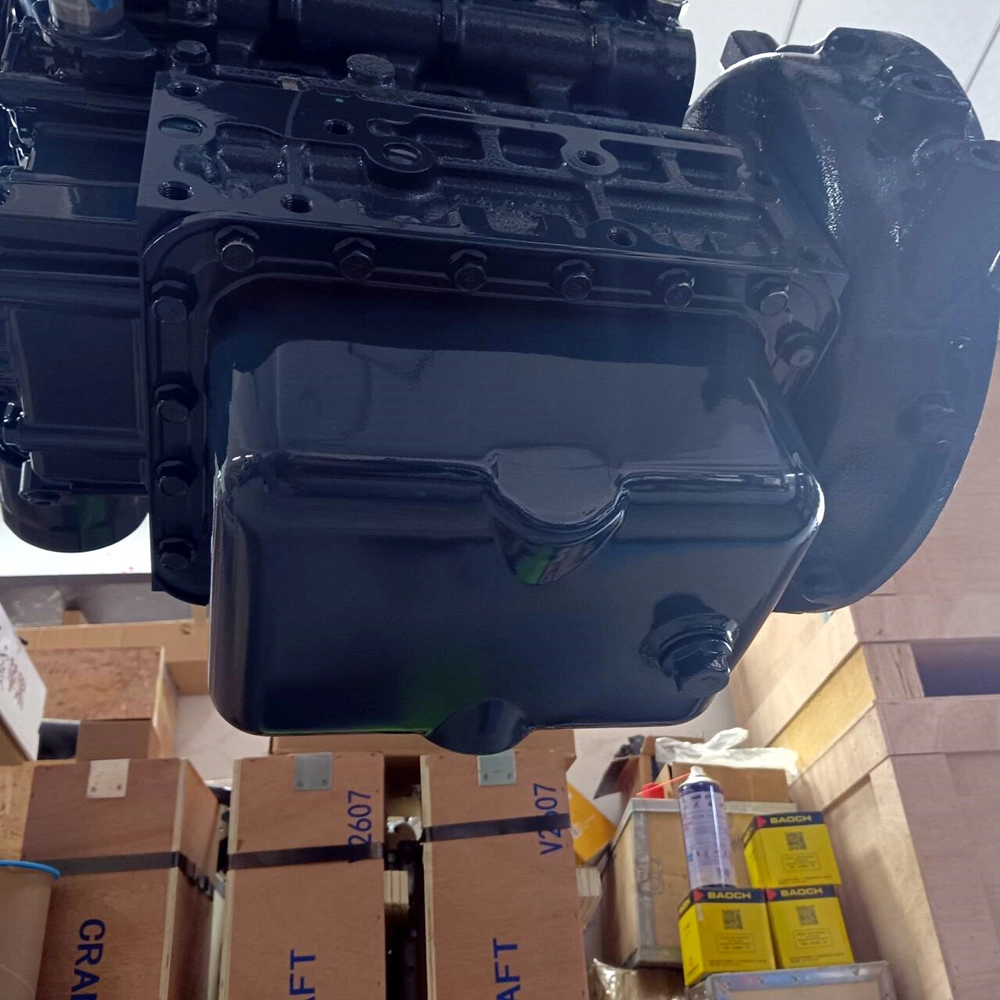
Engineered Diesel Advantages: Why Isuzu D1703 Fits Heavy Fleets
Prdoucts Categories
Question you may concern
FAQ
Do you provide warranties on your products?
Yes, we stand by the quality of our products. Most parts come with a warranty that covers manufacturing defects. Please refer to the specific warranty information provided with your purchase or contact our customer service team for details.
Are your parts compatible with all excavator brands?
JELXEL strives to offer parts compatible with a wide range of excavator brands and models. However, we recommend checking the product specifications or consulting with our team to ensure compatibility with your specific excavator.
Do you provide installation services for your parts?
While we do not offer installation services directly, we can recommend qualified professionals or resources to assist you with the installation of our parts. Our customer support team can provide guidance on finding local service providers.
How do I know which parts I need for my excavator?
If you are unsure which parts are needed, our knowledgeable customer support team can assist you. You can provide us with your excavator model and any relevant details, and we will help you identify the correct parts.
Do you offer bulk purchasing options?
Yes, we offer competitive pricing for bulk orders. If you are interested in purchasing large quantities of parts, please contact our sales team to discuss your requirements and receive a customized quote.
You may also like
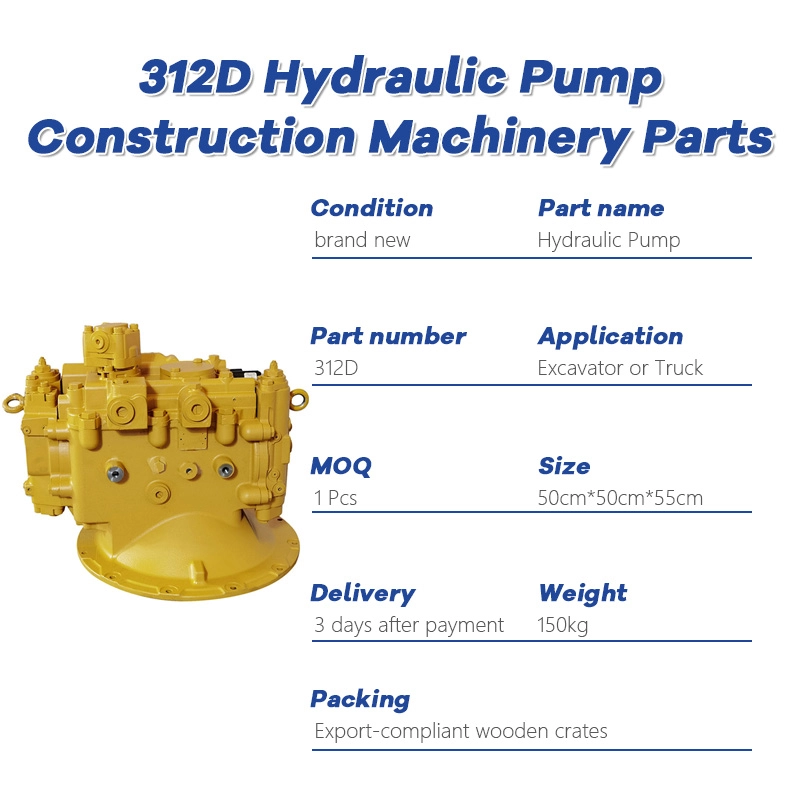
Excavator Hydraulic Pump for CAT 312D | Fast Shipping
Get your high-quality JELXEL CAT 312D hydraulic pump! Engineered for durability and peak performance, this essential 312D hydraulic pump ensures your excavator runs efficiently. Benefit from our fast shipping to minimize downtime. Choose JELXEL for reliable, high-quality solutions for your CAT 312D.
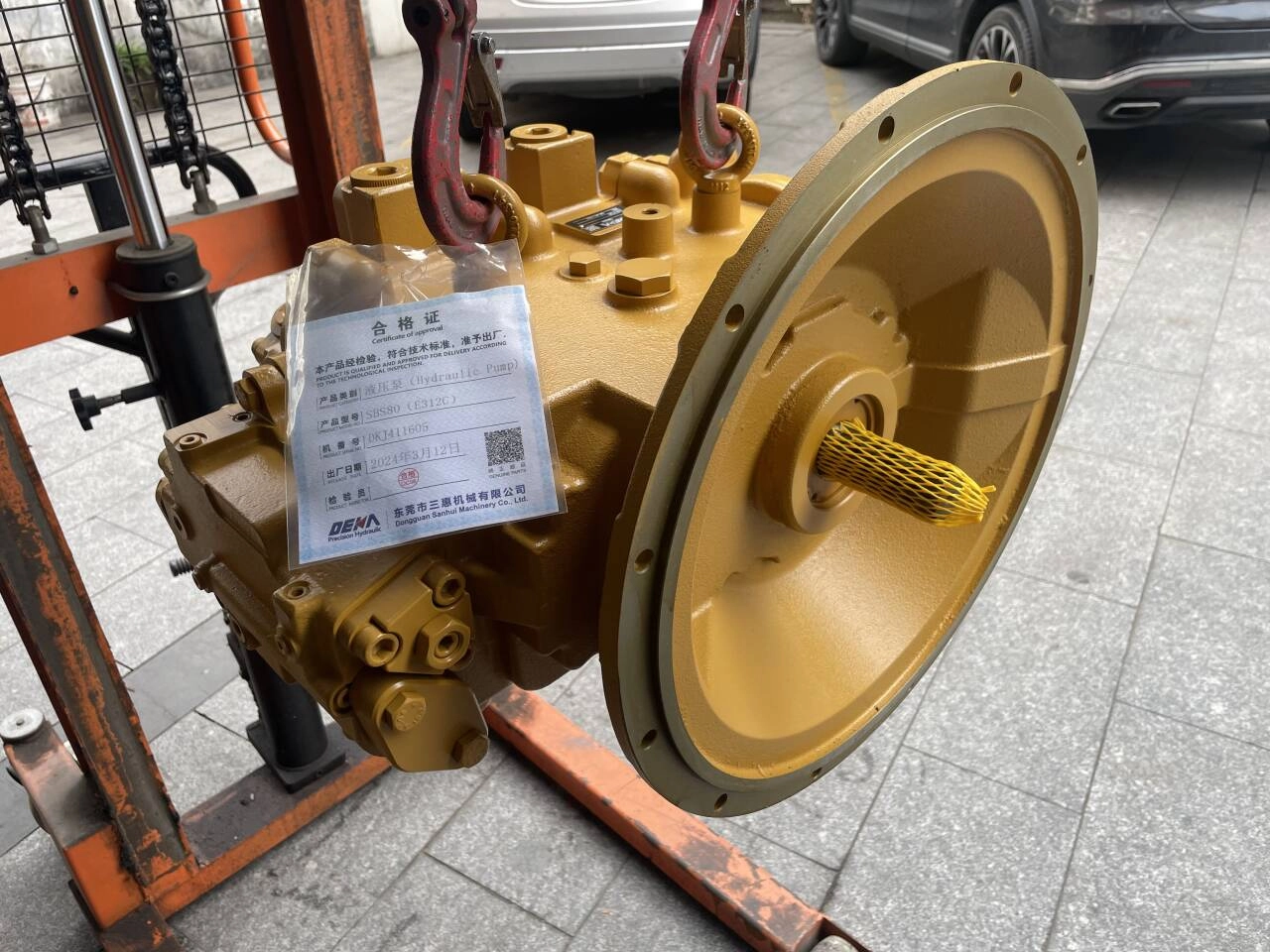
New CAT 312C Hydraulic Main Pump | Compatible Excavator Parts
JELXEL’ New CAT 312C Hydraulic Main Pump delivers reliable performance for your excavator. Engineered for durability, this Caterpillar 312C hydraulic pump ensures seamless compatibility and optimal efficiency.
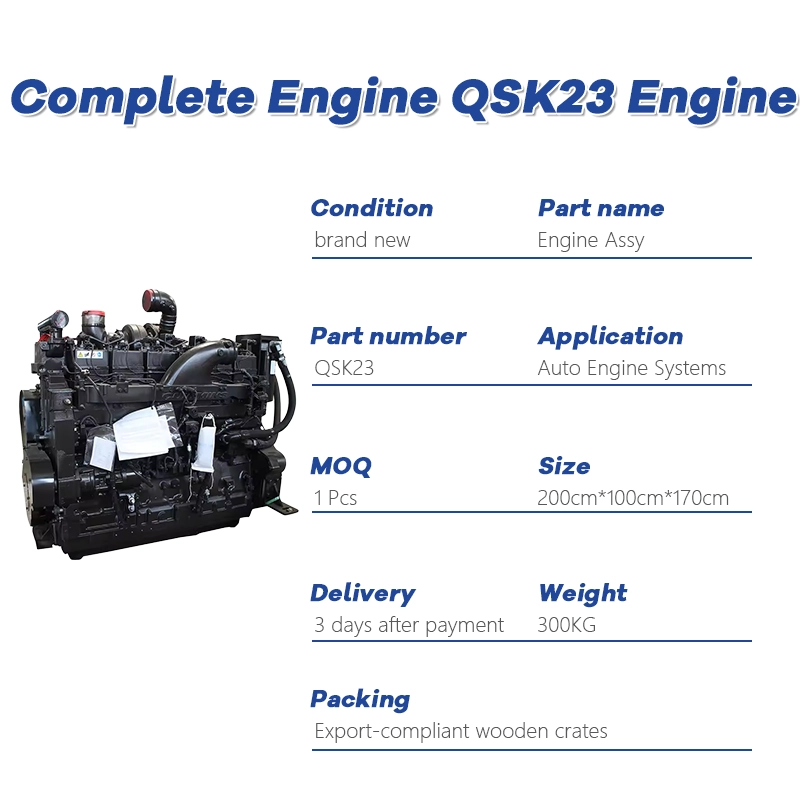
QSK23 Excavator Engine Assembly | Reliable & Efficient Performance
Discover the high-performance QSK23 Excavator Engine Assembly by JELXEL, designed for reliable and efficient excavation. Ideal QSK23 engine parts for excavators, this engine assembly delivers durability and power. Explore our engine assembly for sale to boost your machinery’s performance today.
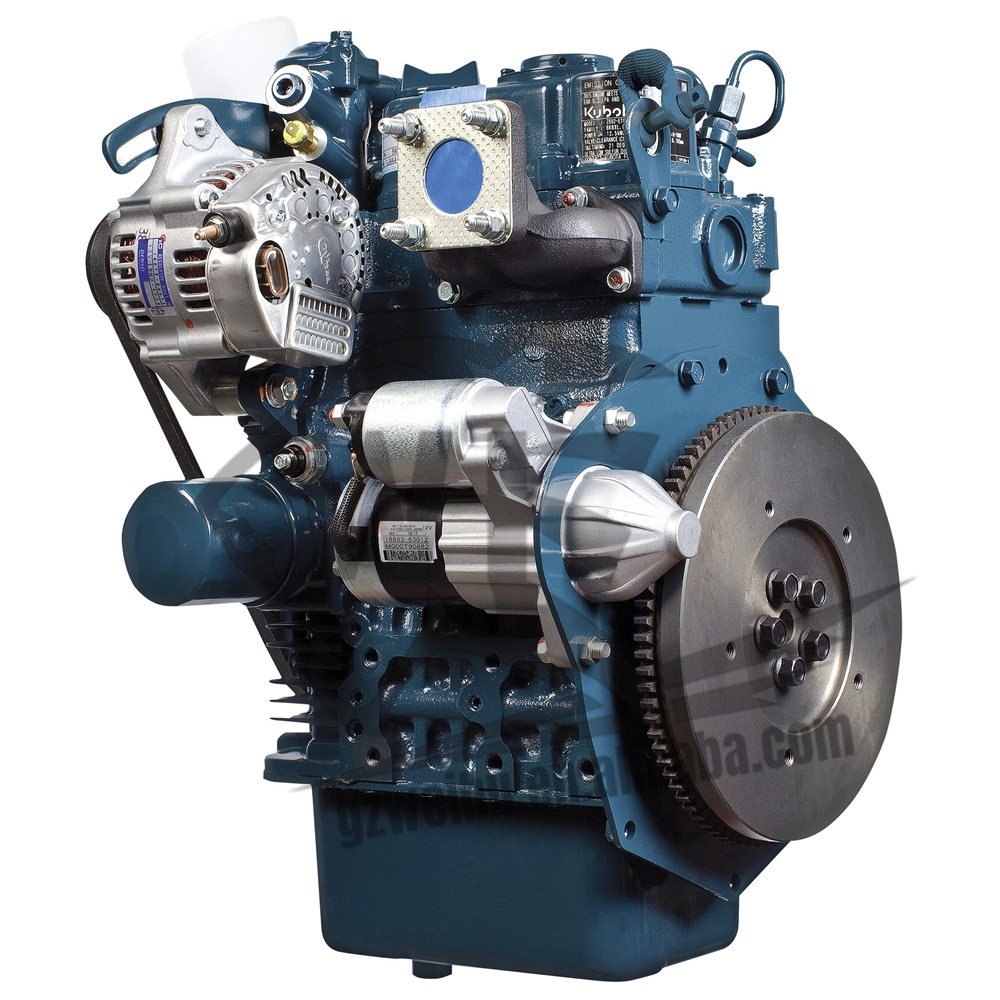
D722 Excavator Engine Replacement | Boost Your Excavator’s Power
Upgrade your excavator's performance with the JELXEL D722 Excavator Engine Replacement. Buy D722 excavator engine now to enhance power and efficiency. Excavator D722 Engine for Sale, designed for durability and smooth operation. Boost your excavator’s power today!
Get in touch with us
If you have any comments or good suggestions, please leave us a message, later our professional staff will contact you as soon as possible.
To be a happy enterprise in the field of engineering equipment.
JELXEL delivers efficient and reliable service at each stage to meet the customer's needs.