

jackhuang5919@gmail.com
Guide to Inspecting Authentic Cat C9 Engines Before Purchase
A practical, step-by-step guide to verify authenticity and condition of a CAT C9 engine before buying — covering serials, data plates, ECM checks, mechanical tests, documentation and red flags to spot counterfeit or reman units.
- 🇬🇧 English Version — Caterpillar C9 Diesel Engine Product Introduction
- Caterpillar C9 Diesel Engine Overview
- Preparation: Documents, Tools, and Key Identifiers
- What to bring and who to involve
- Primary identification points
- Visual and Physical Inspection: Signs of Genuine CAT Quality
- Data plate, casting marks, and part numbers
- Visual condition: welds, paint, and aftermarket modifications
- Turbocharger, injectors, and MEP
- Electronic and Mechanical Testing: Prove Functionality
- ECM interrogation and fault history
- Compression, leak-down, and oil analysis
- Load test and smoke inspection
- Documentation, Provenance, and Legal/Regulatory Checks
- Maintenance records and hour verification
- Warranty, remanufactured vs. new, and counterfeit avoidance
- Emissions and regulatory compliance
- Comparative Assessment: New, Reman, and Aftermarket
- Red Flags and Final Decision Checklist
- Top red flags
- Purchase decision flow
- FAQ — Common Questions About CAT C9 Engine Inspection
- Q: How can I check the engine serial number (ESN) is real?
- Q: What diagnostic tool do I need for the CAT C9 ECM?
- Q: Is a compression test enough to assess engine health?
- Q: What paperwork should I insist on when buying a used C9?
- Q: Can I install a CAT C9 from another machine without reprogramming?
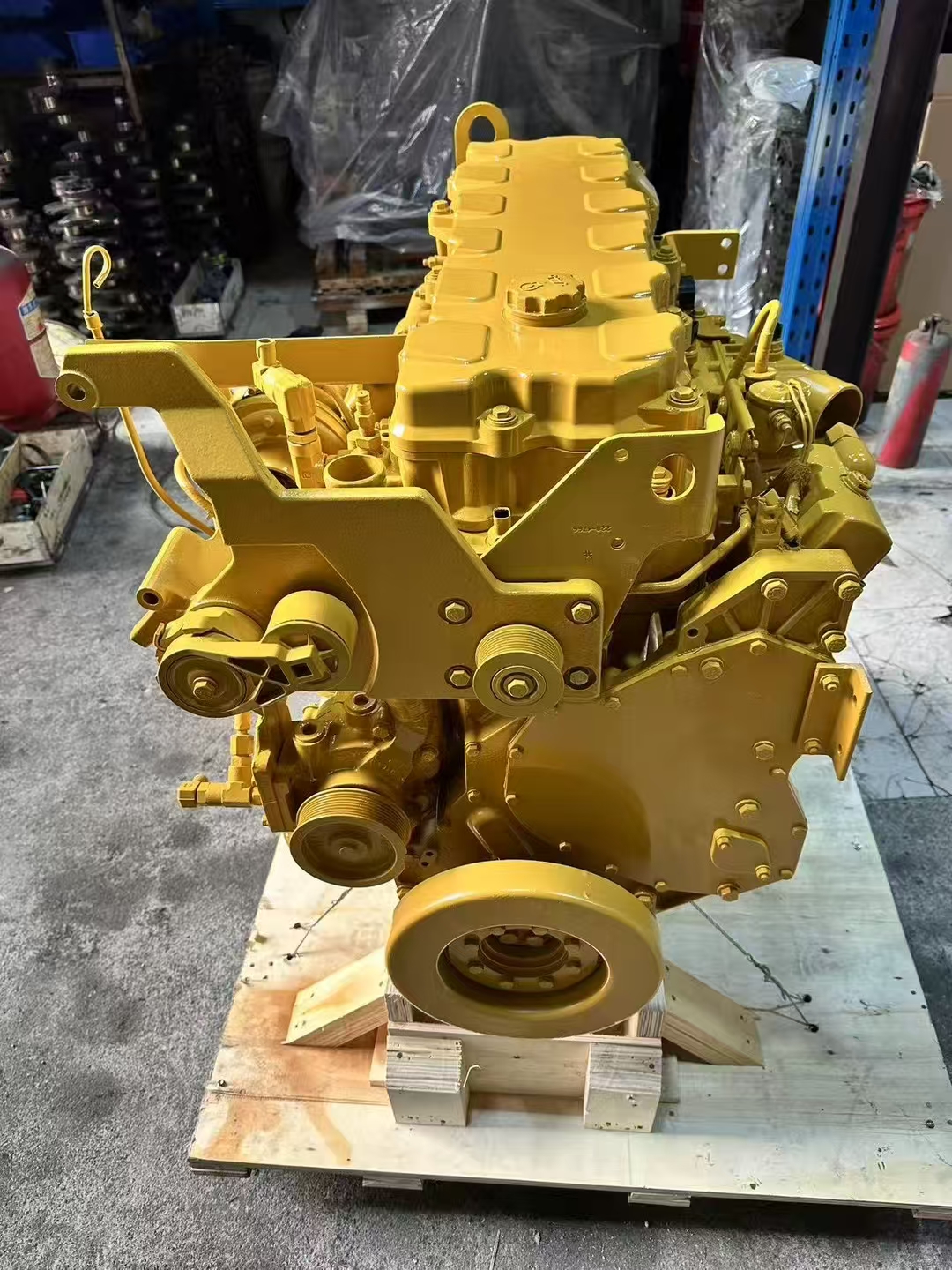
The purchase of an Original CAT C9 Engine | Genuine Caterpillar Power Solution is a significant investment for fleet owners, dealers, and heavy-equipment operators. This guide helps you quickly determine whether a used or offered CAT C9 diesel engine is authentic, correctly specified, and mechanically sound. It combines serial-number verification, visual checks, electronic diagnostics, mechanical testing, maintenance-history validation and regulatory compliance checks to reduce risk and ensure long-term reliability.
🇬🇧 English Version — Caterpillar C9 Diesel Engine Product Introduction
Caterpillar C9 Diesel Engine Overview
The CAT C9 diesel engine is a high-performance, 6-cylinder, 4-stroke engine designed to deliver superior power, efficiency, and durability. Built by Caterpillar, it is widely used in construction machinery, generators, marine equipment, and industrial power units.
With electronic fuel injection (EFI) and turbocharged technology, the C9 engine ensures optimal combustion, lower fuel consumption, and reliable performance under the toughest working conditions.
Preparation: Documents, Tools, and Key Identifiers
What to bring and who to involve
Before inspecting a CAT C9 engine, gather essential tools: a camera or smartphone, basic hand tools, a code reader compatible with Caterpillar Electronic Control Module (ECM), a compression gauge, and fluid sampling kits for oil and coolant. If possible, involve a technician experienced with Caterpillar engines or an authorized dealer. Having access to a laptop for cross-referencing part numbers and serials online is strongly recommended.
Primary identification points
On the CAT C9 engine, key unique identifiers include the engine serial number (ESN), arrangement number (A/N), and the data plate attached to the engine block or valve cover. The ESN typically consists of alphanumeric characters stamped into the block or present on a riveted data plate. Verify these identifiers against Caterpillar records or a trusted dealer. For background on Caterpillar corporate and product history, see the Caterpillar Inc. overview on Wikipedia.
Visual and Physical Inspection: Signs of Genuine CAT Quality
Data plate, casting marks, and part numbers
Genuine Caterpillar components carry consistent casting numbers, manufacturer stamps, and original part numbers (often with CAT prefixes like 206-xxxx). Inspect the data plate: it should be securely riveted, legible, and contain the ESN and arrangement number. Missing plates, sloppy re-stamping, or mismatched part numbers are red flags. Cross-check suspect part numbers against Caterpillar parts catalogs or ask an authorized dealer to confirm authenticity.
Visual condition: welds, paint, and aftermarket modifications
Look for unusual welds, inconsistent paint, or modifications to the intake/exhaust that indicate an engine has been rebuilt with non-original parts. Genuine C9 engines show specific cast shapes and bolt patterns. Excessive fresh paint over the entire engine might be an attempt to hide repairs—focus on junctions like the timing cover, cylinder head fasteners, and mounting pads.
Turbocharger, injectors, and MEP
Inspect the turbocharger for original Caterpillar or OEM markings. For the CAT C9, turbocharger model numbers and compressor/turbine housings can be cross-referenced to confirm compatibility. Fuel injectors and high-pressure lines should have readable numbers or logos; mismatched injectors can cause poor performance or damage. For technical context on diesel operation and emissions, review the diesel engine fundamentals on Wikipedia.
Electronic and Mechanical Testing: Prove Functionality
ECM interrogation and fault history
Connect a Caterpillar-compatible diagnostic tool to read the ECM. Verify the ECM part number and software level against the engine arrangement. Check stored fault codes, event logs, and hours recorded by the ECM. Persistent or repeated faults (e.g., overboost, injector misfire, or high coolant temperature) indicate underlying issues. A healthy ECM history and consistent runtime hours matching the mechanical condition are positive signs.
Compression, leak-down, and oil analysis
Perform a compression test on all six cylinders and compare values to Caterpillar service limits. Significant variance between cylinders suggests head gasket issues, valve problems, or worn rings. A leak-down test isolates the failure mode (valve sealing vs ring wear). Collect an oil sample for spectrometric analysis (metal content) and viscosity check—excess iron, copper, or aluminum points to abnormal wear.
Load test and smoke inspection
If possible, run the engine under load (e.g., on a dynamometer or connected machine). Observe startup behavior, idling stability, transient response and black/blue/white smoke under load. Blue smoke signals oil burning (ring or valve guide wear), white smoke can mean coolant in combustion (head gasket or cracked head), and persistent black smoke often indicates fuel system or turbocharger problems.
Documentation, Provenance, and Legal/Regulatory Checks
Maintenance records and hour verification
Request full service history and receipts. Genuine Caterpillar engines often have fed maintenance logs that match runtime hours recorded by the ECM. Look for regular oil/filter changes, injector servicing, and turbo rebuilds. Discrepancies between claimed hours, ECM hours, and documented services are warning signs. Reman or rebuilt cores should have paperwork specifying the remanufacturer and replaced parts.
Warranty, remanufactured vs. new, and counterfeit avoidance
Understand the difference between new, remanufactured (reman), and used cores. Reman units from Caterpillar-authorized facilities carry specific warranties and traceable paperwork. Aftermarket or counterfeit components may appear cheaper but can invalidate warranties and shorten engine life. Use authorized dealer verification for warranty eligibility.
Emissions and regulatory compliance
Confirm the engine meets local emissions rules for its installation. For example, retrofit or repower installations may require documentation to meet local environmental regulations. For a general view on diesel emissions and regulation, see the U.S. EPA diesel information hub at EPA - Diesel. Also consider quality management and manufacturing traceability standards such as ISO 9001 when evaluating remanufacturers and suppliers.
Comparative Assessment: New, Reman, and Aftermarket
Use the table below to quickly compare the most common purchasing options when considering a CAT C9 engine.
| Attribute | Original CAT C9 (New) | Caterpillar Reman | Aftermarket / Non-OEM |
|---|---|---|---|
| Warranty | Full manufacturer warranty | Remanufacturer warranty (often limited) | Varies; often limited or none |
| Parts compatibility | Guaranteed | High (OEM spec) | Risk of fitment issues |
| Price (Relative) | Highest | Moderate | Lowest initial cost |
| Traceability | Full ESN and records | Traceable if from authorized reman | Often limited |
| Life expectancy | Highest | Good if reman to OEM spec | Variable; often lower |
Red Flags and Final Decision Checklist
Top red flags
- Missing or altered data plate / ESN mismatch
- ECM hours inconsistent with physical wear
- Unexplained coolant or oil contamination
- Poorly documented service history or lack of receipts
- Unfamiliar part numbers or aftermarket components disguised as OEM
Purchase decision flow
Follow this practical sequence before signing a purchase agreement: (1) verify ESN and arrangement number with an authorized dealer; (2) read ECM logs and perform compression + leak-down tests; (3) review maintenance records and warranties; (4) insist on a documented return policy or buyback guarantee if undisclosed defects appear; (5) when in doubt, request a third-party inspection or opt for a Caterpillar reman or new engine to minimize risk.
FAQ — Common Questions About CAT C9 Engine Inspection
Q: How can I check the engine serial number (ESN) is real?
A: Locate the ESN on the data plate or the block stamping and provide it to a Caterpillar dealer or authorized parts specialist for verification. Dealers can confirm history, proper arrangement number, and whether the ESN has been re-stamped or altered.
Q: What diagnostic tool do I need for the CAT C9 ECM?
A: Use a Caterpillar Electronic Technician (Cat ET) or an approved dealer-level diagnostic interface to read ECM part numbers, fault codes, and runtime hours. Generic OBD tools usually cannot read Caterpillar-specific logs.
Q: Is a compression test enough to assess engine health?
A: Compression tests provide a quick health snapshot but should be combined with oil analysis, a leak-down test, and ECM diagnostics for a complete assessment. Compression alone may miss intermittent electronic or fuel-system issues.
Q: What paperwork should I insist on when buying a used C9?
A: Ask for the engine’s maintenance logs, receipts for major services, the ECM event history, proof of origin (bill of sale), and any warranty or reman paperwork. For reman units, request remanufacturing certificates and replaced-parts lists.
Q: Can I install a CAT C9 from another machine without reprogramming?
A: Often the ECM requires configuration or reflashing to match the host machine’s application and emissions controls. Work with a Caterpillar dealer or certified technician to ensure proper setup and legal compliance.
If you want professional verification or to view our stock of Original CAT C9 Engine | Genuine Caterpillar Power Solution units, contact our sales team or request a technical inspection today. Our specialists can run ECM checks, perform mechanical tests, and provide certified documentation to protect your purchase. Contact us now to view available engines or schedule an inspection.
References and further reading: Caterpillar company background (Wikipedia), diesel engine overview (Wikipedia), U.S. EPA diesel information (EPA), ISO quality standards (ISO 9001).
Tags
best Diesel Engine
best Diesel Engine
QSL8.9 engine manufacturer
QSL8.9 engine manufacturer
engine assembly
engine assembly
S4Q2 piston and rings
S4Q2 piston and rings
CAT 345GC hydraulic pump
CAT 345GC hydraulic pump
QSK23 engine for sale
QSK23 engine for sale
Recommended for you

Top 10 Manufacturers for Cat C9 Engine Components
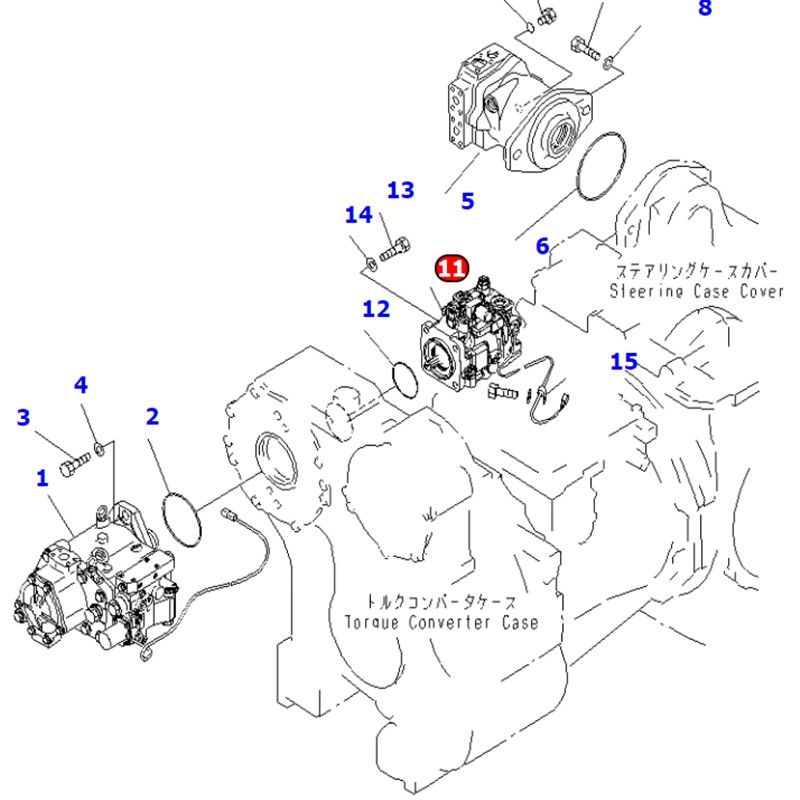
Installation Checklist for Doosan DX65 Main Hydraulic Pump
Extending the Life of Your Excavator Hydraulic Pump: Practical Guide
Top 10 mini excavator parts Manufacturers and Supplier Brands
Prdoucts Categories
Question you may concern
FAQ
How can I place an order?
You can place an order through our user-friendly online platform or by contacting our sales team directly. Simply browse our catalog, select the parts you need, and follow the checkout process to complete your order.
What types of excavator parts do you offer?
JELXEL provides a comprehensive range of excavator parts, including but not limited to buckets, hydraulic components, undercarriage parts, and engine components. Our goal is to be your one-stop solution for all excavator needs.
How do I know which parts I need for my excavator?
If you are unsure which parts are needed, our knowledgeable customer support team can assist you. You can provide us with your excavator model and any relevant details, and we will help you identify the correct parts.
Do you provide installation services for your parts?
While we do not offer installation services directly, we can recommend qualified professionals or resources to assist you with the installation of our parts. Our customer support team can provide guidance on finding local service providers.
Do you provide warranties on your products?
Yes, we stand by the quality of our products. Most parts come with a warranty that covers manufacturing defects. Please refer to the specific warranty information provided with your purchase or contact our customer service team for details.
You may also like

Original CAT C9 Engine | Genuine Caterpillar Power Solution
🇬🇧 English Version — Caterpillar C9 Diesel Engine Product Introduction
Caterpillar C9 Diesel Engine Overview
The CAT C9 diesel engine is a high-performance, 6-cylinder, 4-stroke engine designed to deliver superior power, efficiency, and durability. Built by Caterpillar, it is widely used in construction machinery, generators, marine equipment, and industrial power units.
With electronic fuel injection (EFI) and turbocharged technology, the C9 engine ensures optimal combustion, lower fuel consumption, and reliable performance under the toughest working conditions.
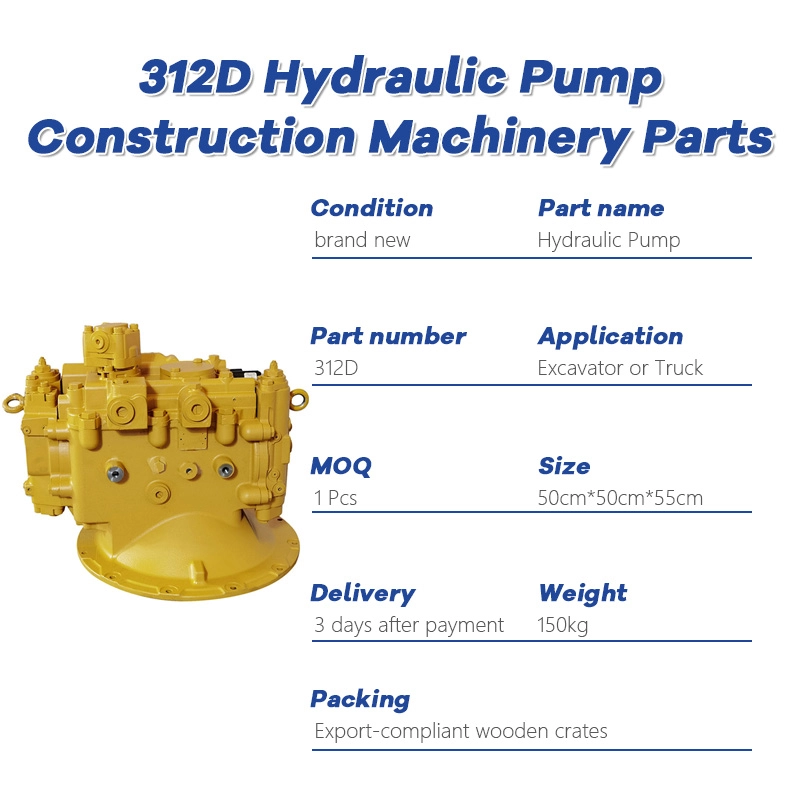
Excavator Hydraulic Pump for CAT 312D | Fast Shipping
Get your high-quality JELXEL CAT 312D hydraulic pump! Engineered for durability and peak performance, this essential 312D hydraulic pump ensures your excavator runs efficiently. Benefit from our fast shipping to minimize downtime. Choose JELXEL for reliable, high-quality solutions for your CAT 312D.
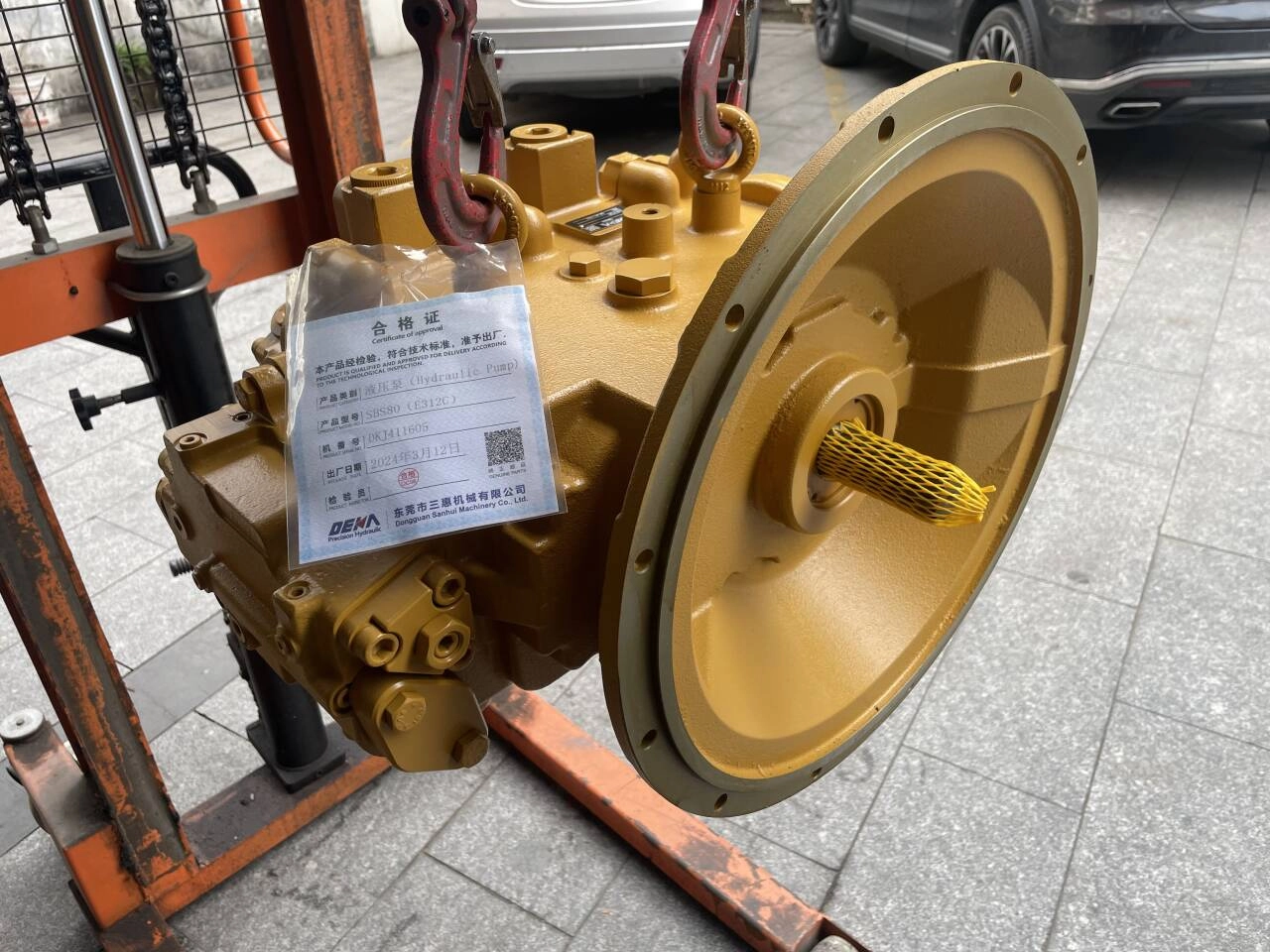
New CAT 312C Hydraulic Main Pump | Compatible Excavator Parts
JELXEL’ New CAT 312C Hydraulic Main Pump delivers reliable performance for your excavator. Engineered for durability, this Caterpillar 312C hydraulic pump ensures seamless compatibility and optimal efficiency.
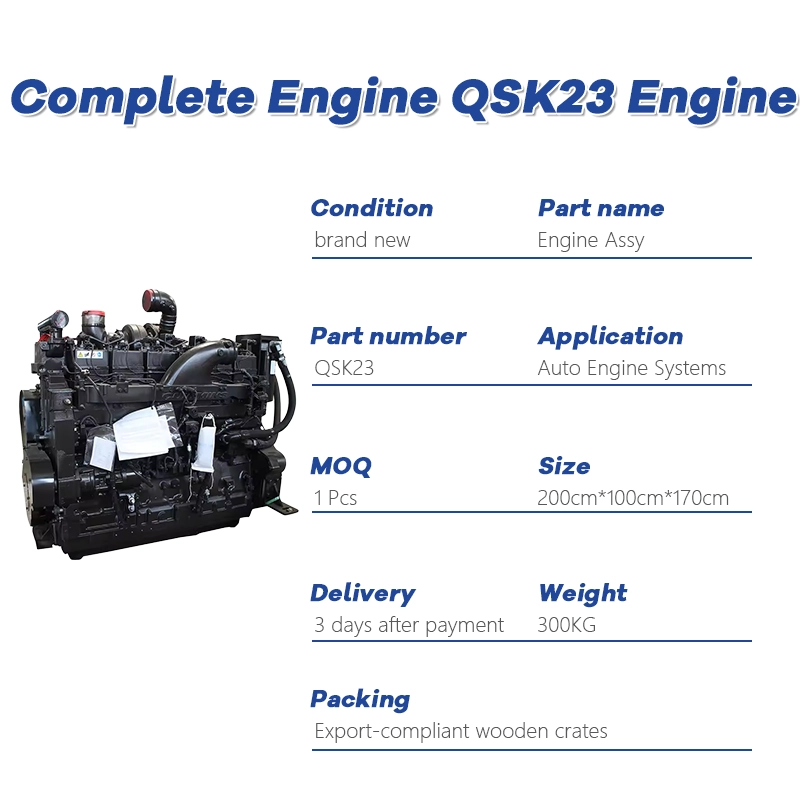
QSK23 Excavator Engine Assembly | Reliable & Efficient Performance
Discover the high-performance QSK23 Excavator Engine Assembly by JELXEL, designed for reliable and efficient excavation. Ideal QSK23 engine parts for excavators, this engine assembly delivers durability and power. Explore our engine assembly for sale to boost your machinery’s performance today.
Get in touch with us
If you have any comments or good suggestions, please leave us a message, later our professional staff will contact you as soon as possible.
To be a happy enterprise in the field of engineering equipment.
JELXEL delivers efficient and reliable service at each stage to meet the customer's needs.