

jackhuang5919@gmail.com
Tips for buy hydraulic pump
This practical guide helps you buy a hydraulic pump for excavators with confidence. Learn how to choose the right pump type (gear, vane, piston), verify compatibility, assess performance specs (flow, pressure, displacement), check fluid cleanliness and installation requirements, and evaluate warranties and suppliers. Follow a step-by-step checklist to reduce downtime, manage costs, and secure a reliable excavator hydraulic pump from trusted providers like JELXEL.
- Tips for Buying a Hydraulic Pump for Your Excavator
- Understand why the right hydraulic pump matters
- Identify common hydraulic pump types for excavators
- Check pressure and flow specifications before purchase
- Verify mechanical compatibility and mounting details
- Confirm control and displacement type for performance needs
- Assess fluid and filtration requirements before ordering
- Decide between new, remanufactured, and aftermarket pumps
- Evaluate supplier reputation and warranty coverage
- Request performance documentation and testing reports
- Inspect and prepare for installation to minimize downtime
- Consider lifecycle costs, not only upfront price
- Keep spare parts and a maintenance plan on hand
- Use diagnostics and fluid analysis to extend pump life
- Negotiate logistics, lead times, and after-sales support
- Checklist: What to confirm when you buy a hydraulic pump
- How JELXEL supports your hydraulic pump purchases
- Final considerations to ensure success
- Conclusion: Make informed purchases to protect uptime and ROI
Tips for Buying a Hydraulic Pump for Your Excavator
Understand why the right hydraulic pump matters
Choosing the proper hydraulic pump is critical to machine performance, fuel efficiency, and uptime. A correctly specified hydraulic pump delivers the right flow and pressure for your excavator's hydraulic circuits, which directly affects digging speed, control, and load-handling. When you buy hydraulic pump components that match OEM specifications or proven aftermarket standards, you reduce the risk of premature wear, catastrophic failure, and costly downtime.
Identify common hydraulic pump types for excavators
There are three primary hydraulic pump types used in excavator applications: gear pumps, vane pumps, and axial piston pumps (swashplate). Gear pumps are economical and suitable for lower-pressure auxiliary functions. Vane pumps provide smoother flow for medium-pressure systems. Axial piston pumps, especially swashplate designs, are the industry standard for main pumps in excavators because they deliver high pressure, variable displacement, and better efficiency under heavy loads. When you plan to buy hydraulic pump units, match the pump type to the excavator's system demands and operational profile.
Check pressure and flow specifications before purchase
Two performance numbers matter when you buy a hydraulic pump: flow (measured in L/min or gpm) and maximum working pressure (measured in bar or psi). Excavator hydraulic systems typically operate in the 140–250 bar (2,000–3,600 psi) range for many models, with higher-end or specialized machines running up to 350–400 bar. Confirm the pump's continuous pressure rating, peak pressure rating, and flow at rated speed. Buying a pump with the correct displacement (cc/rev or in³/rev) ensures the system can deliver expected cylinder speeds and swing torque without overstressing the engine or other components.
Verify mechanical compatibility and mounting details
Before you buy hydraulic pump replacements, inspect mounting flange patterns, shaft type (splined, keyed, or tapered), spline count, and shaft length. Also check hydraulic ports, plumbing orientation, and any integrated sensors or control valves. Differences in mounts and shaft interfaces are common between OEM models and aftermarket alternatives. A pump that doesn’t match these mechanical details will require adapters or fabrication, adding cost and risk. For seamless replacement, source pumps that explicitly list excavator model compatibility or provide cross-reference part numbers.
Confirm control and displacement type for performance needs
Excavators frequently use variable-displacement pumps with load-sensing or pressure-compensated controls to improve efficiency. If your machine uses a variable axial piston pump with a swashplate mechanism, ensure the replacement supports the same control logic (LS, PC, or combined). Buying the correct control configuration ensures you retain precision control, energy-saving features, and compatibility with the machine’s electronic or hydraulic control systems.
Assess fluid and filtration requirements before ordering
Hydraulic pump longevity depends heavily on fluid quality. Typical excavator systems use hydraulic oils with SAE/ISO viscosity grades such as ISO VG 32 or VG 46. When you buy a hydraulic pump, check the manufacturer’s viscosity and cleanliness recommendations. Many components require fluid cleanliness levels of ISO 4406 18/16/13 or better right from installation. Plan for appropriate filtration (return and pressure filters) and contamination control during replacement to protect the new pump and downstream components.
Decide between new, remanufactured, and aftermarket pumps
Cost, lead time, and expected life influence whether you buy a brand-new OEM pump, a remanufactured unit, or an aftermarket option. New OEM pumps deliver the highest assurance of fit and performance but at a High Quality. Quality remanufactured pumps can offer strong value if rebuilt to strict standards with genuine or equivalent replacement parts and bench-tested performance. Aftermarket pumps may be economical, but verify materials, tolerances, and warranty. When buying, prefer suppliers who provide test reports, inspection certificates, or performance curves to validate quality.
Evaluate supplier reputation and warranty coverage
Buying from a reputable supplier makes a measurable difference in outcome. Look for vendors with excavator parts expertise, traceable supply chains, and positive customer reviews. Warranty terms are critical—typical warranties range from 6 months for budget parts to 12–24 months for high-quality or OEM pumps. Accept suppliers who provide clear warranty clauses, return shipping policies, and responsive technical support. Companies like JELXEL emphasize quality control and timely delivery, which helps reduce downtime when you need to replace a hydraulic pump fast.
Request performance documentation and testing reports
Before finalizing a purchase, ask for pump performance curves, efficiency data, and factory bench-test reports. These documents show how flow varies with pressure, expected efficiency at operating points, and whether the pump meets specified tolerances. A validated baseline helps you set acceptance criteria on site and ensures the new pump will perform as needed in the excavator's hydraulic circuit. Buying a pump without documented tests increases risk of mismatched performance and hidden defects.
Inspect and prepare for installation to minimize downtime
Plan installation steps before the pump arrives. Prepare clean work areas, new seals and gaskets, and fresh hydraulic fluid with proper filtration. When you buy a hydraulic pump, include replacement hoses, couplings, and fasteners if they’re old or damaged. During installation, follow torque specs, priming procedures, and bleeding steps specified by the pump maker. Correct pre-installation planning reduces risk of contamination and air entrapment—two common causes of immediate pump failure.
Consider lifecycle costs, not only upfront price
Total cost of ownership includes purchase price, expected lifespan, energy efficiency, maintenance intervals, and downtime costs. Higher efficiency pumps can reduce fuel consumption and heat generation. Buying a slightly more expensive, higher-efficiency pump often pays back through fuel savings and lower repair frequency. Compare lifecycle costs and choose the pump that optimizes long-term value for your operation.
Keep spare parts and a maintenance plan on hand
To protect project schedules, maintain a stock of critical spare parts: seals, relief valves, filter elements, and a matched spare pump if possible. Establish a maintenance schedule that includes fluid sampling, filter changes, and vibration or noise inspections. Early detection of wear items—such as increasing temperature, reduced flow, or unusual noise—allows you to act before failure. When you buy hydraulic pump replacements from a supplier like JELXEL, ask about recommended spare parts kits and preventive maintenance plans.
Use diagnostics and fluid analysis to extend pump life
Regular oil analysis and system diagnostics reveal wear particles, contamination, and fluid degradation before they cause failure. Trend particle counts and spectrometric analysis to detect ferrous wear metals. When particle counts rise above recommended ISO 4406 targets or metal concentrations increase, service the system promptly. Buying a hydraulic pump is only the start—ongoing monitoring is essential for the pump to achieve its rated service life.
Negotiate logistics, lead times, and after-sales support
Fast delivery matters when downtime costs are high. Confirm lead times, shipping terms, and customs handling for international purchases. Ask about expedited shipping options or local stock availability. Also confirm who provides technical assistance for commissioning and troubleshooting. A reliable supplier will offer installation support, troubleshooting guidance, and easy access to replacement parts.
Checklist: What to confirm when you buy a hydraulic pump
Use this practical checklist before you buy hydraulic pump units: confirm pump type and control, verify flow and pressure ratings, match mounting and shaft details, check port sizes and orientation, confirm fluid viscosity and cleanliness requirements, request test certificates, review warranty and return policy, and plan installation and spare parts. This checklist helps prevent mismatches that cause downtime and extra expense.
How JELXEL supports your hydraulic pump purchases
JELXEL is positioned as a dependable partner for excavator parts procurement. We provide a wide selection of excavator hydraulic pumps and related components, backed by quality control, R&D, and responsive delivery. Whether you need OEM-equivalent replacements or remanufactured units with documented testing, JELXEL focuses on durability, cost-effectiveness, and on-time shipping to keep your fleet operating. Our technical team can assist with cross-referencing part numbers and advising on compatibility to help you buy the right hydraulic pump confidently.
Final considerations to ensure success
Buying a hydraulic pump should be a considered process, not a quick fix. Prioritize compatibility, documented performance, clean installation practices, and supplier reliability. Investing slightly more in the correct pump, proper filtration, and professional installation often delivers reduced operating costs and fewer emergency repairs. Use data—fluid analysis, performance curves, and supplier test reports—to make evidence-based decisions when you buy a hydraulic pump.
Conclusion: Make informed purchases to protect uptime and ROI
Selecting the right hydraulic pump for an excavator protects machine performance, reduces fuel and maintenance costs, and minimizes downtime. Follow the steps above: identify the correct pump type, verify mechanical and control compatibility, demand test documentation, plan for contamination control, and partner with reputable suppliers who offer solid warranties and support. With careful selection and proactive maintenance, you can extend pump life and maximize return on investment from your excavator fleet.
Frequently Asked Questions
Q: What is the most common hydraulic pump type in excavators?A: Axial piston pumps (swashplate variable-displacement) are most common for main hydraulic pumps due to their high pressure capacity, efficiency, and variable flow control.
Q: What operating pressure should I expect for an excavator hydraulic pump?A: Many excavators operate around 200–250 bar (2,900–3,600 psi); smaller machines may be lower and heavy-duty models can be higher. Always confirm the exact pressure range from the machine OEM or pump specification.
Q: Is a remanufactured hydraulic pump a good option?A: Remanufactured pumps can offer good value if rebuilt to high standards, using quality parts and bench-tested. Verify the remanufacturer’s process, test data, and warranty before buying.
Q: How important is fluid cleanliness when installing a new pump?A: Extremely important. New pumps are sensitive to contamination—target ISO 4406 cleanliness of 18/16/13 or better and use proper filtration during fill and commissioning to avoid premature failure.
Q: Can I switch pump brands if the specifications match?A: You can if mechanical mounts, shaft, control type, and performance curves match. Be cautious about subtle differences and confirm fitment and control behavior with the supplier.
Q: What documentation should I request when buying a hydraulic pump?A: Ask for performance curves, bench test reports, material certifications, compatibility lists, and warranty terms to ensure the pump meets expectations.
Q: How often should hydraulic pumps be serviced?A: Service frequency depends on operating conditions, but follow OEM recommendations. Regular checks include fluid analysis, filter changes, leak inspections, and monitoring pump temperature and noise trends.
Tags
Caterpillar C13 overhaul kit
Caterpillar C13 overhaul kit
CAT C13 rebuilt engine
CAT C13 rebuilt engine
electric hydraulic pump
electric hydraulic pump
Excavator 4JB1 Engine High Efficiency Diesel Engine
Excavator 4JB1 Engine High Efficiency Diesel Engine
6WG1 direct injection engine
6WG1 direct injection engine
QSB6.7 genuine parts
QSB6.7 genuine parts
Recommended for you

Procurement Risk Assessment for Large Diesel Engine Orders
How to Test Excavator Hydraulic Pumps: Tools & Methods
The B2B Buyer’s Guide to hydraulic pump

Best Suppliers of Original CAT C9 Engine Components
Prdoucts Categories
Question you may concern
FAQ
Do you provide warranties on your products?
Yes, we stand by the quality of our products. Most parts come with a warranty that covers manufacturing defects. Please refer to the specific warranty information provided with your purchase or contact our customer service team for details.
What types of excavator parts do you offer?
JELXEL provides a comprehensive range of excavator parts, including but not limited to buckets, hydraulic components, undercarriage parts, and engine components. Our goal is to be your one-stop solution for all excavator needs.
What is your shipping policy?
We offer a variety of shipping options to meet your needs. Orders are typically processed within [insert processing time] days, and delivery times may vary based on your location. We will provide you with tracking information once your order has shipped.
How do I know which parts I need for my excavator?
If you are unsure which parts are needed, our knowledgeable customer support team can assist you. You can provide us with your excavator model and any relevant details, and we will help you identify the correct parts.
Can I return or exchange parts if I change my mind?
Yes, we accept returns and exchanges within [insert return period, e.g., 30 days] of purchase. The items must be unused and in their original packaging. Please contact our customer service team to initiate a return or exchange.
You may also like
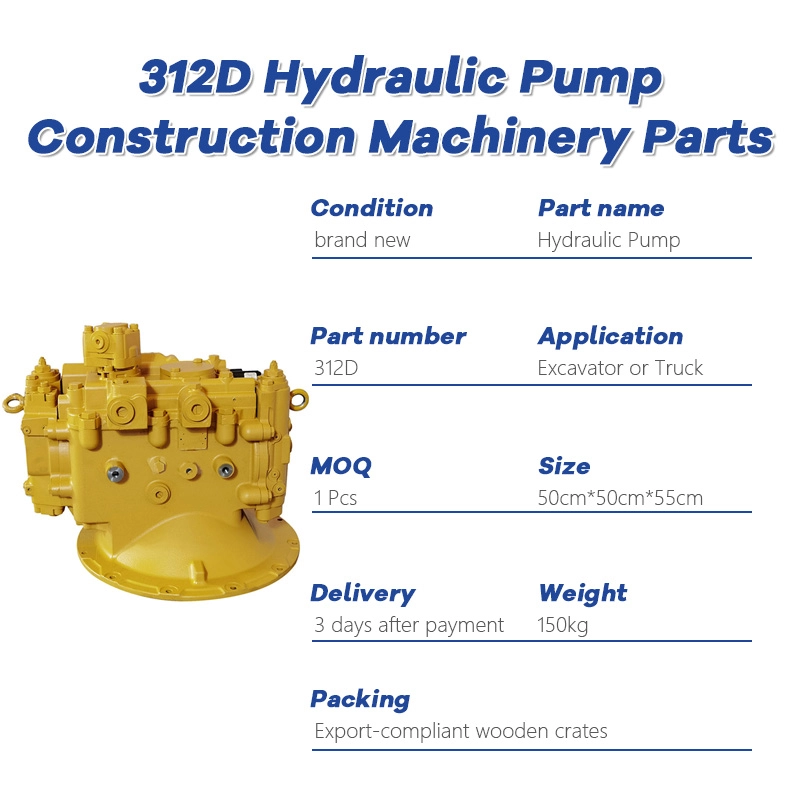
Excavator Hydraulic Pump for CAT 312D | Fast Shipping
Get your high-quality JELXEL CAT 312D hydraulic pump! Engineered for durability and peak performance, this essential 312D hydraulic pump ensures your excavator runs efficiently. Benefit from our fast shipping to minimize downtime. Choose JELXEL for reliable, high-quality solutions for your CAT 312D.
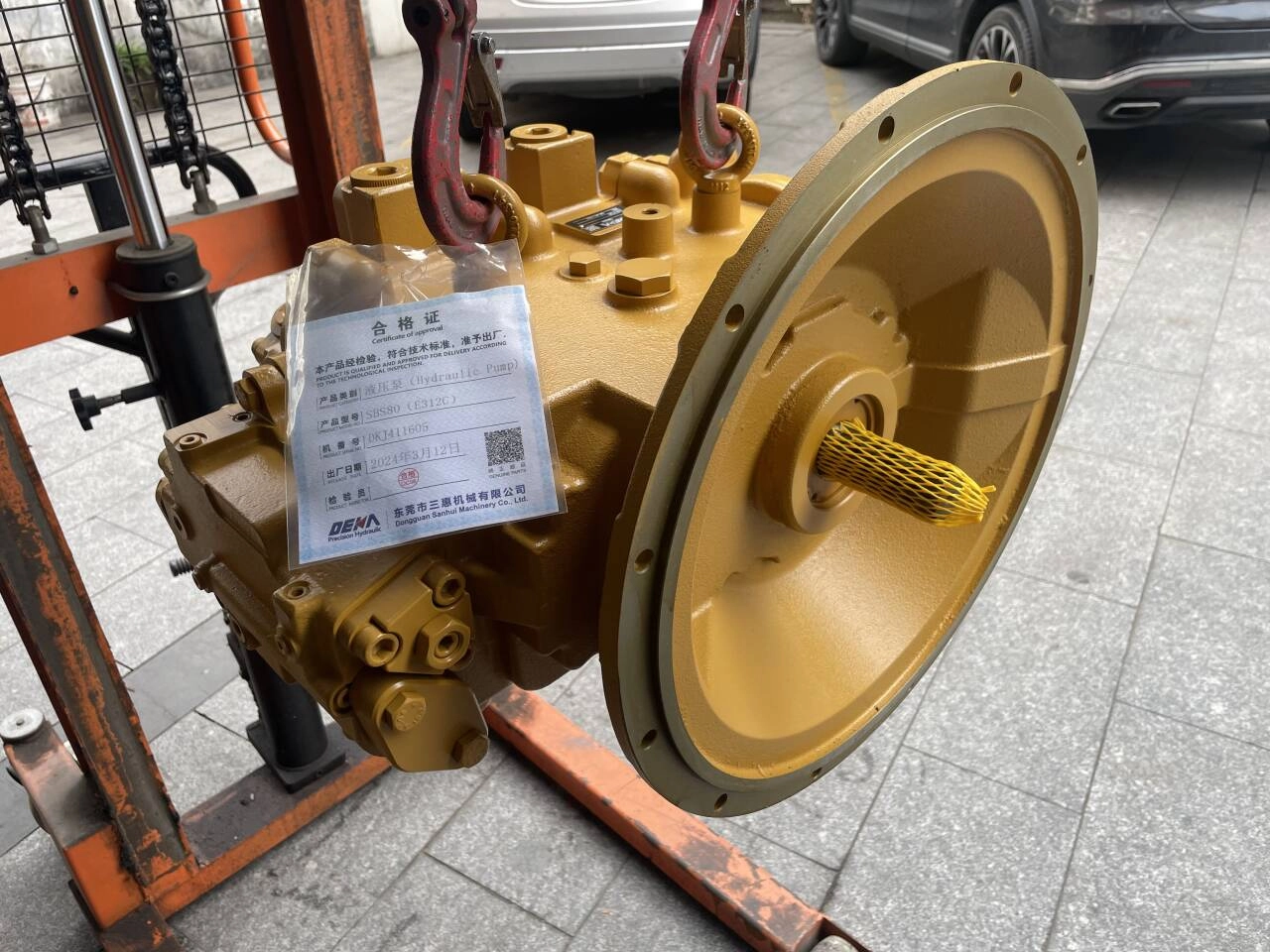
New CAT 312C Hydraulic Main Pump | Compatible Excavator Parts
JELXEL’ New CAT 312C Hydraulic Main Pump delivers reliable performance for your excavator. Engineered for durability, this Caterpillar 312C hydraulic pump ensures seamless compatibility and optimal efficiency.
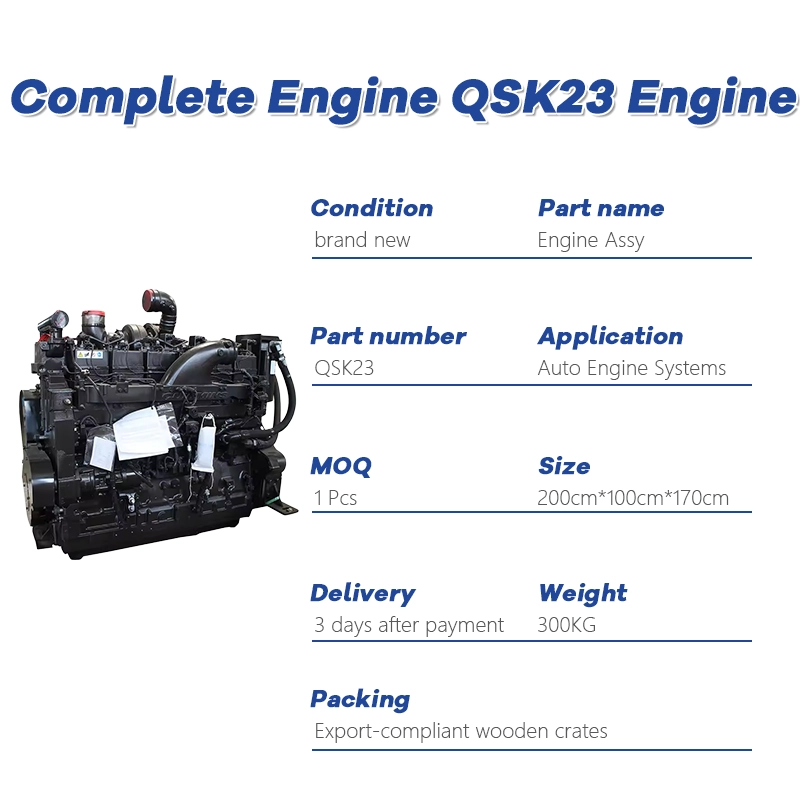
QSK23 Excavator Engine Assembly | Reliable & Efficient Performance
Discover the high-performance QSK23 Excavator Engine Assembly by JELXEL, designed for reliable and efficient excavation. Ideal QSK23 engine parts for excavators, this engine assembly delivers durability and power. Explore our engine assembly for sale to boost your machinery’s performance today.
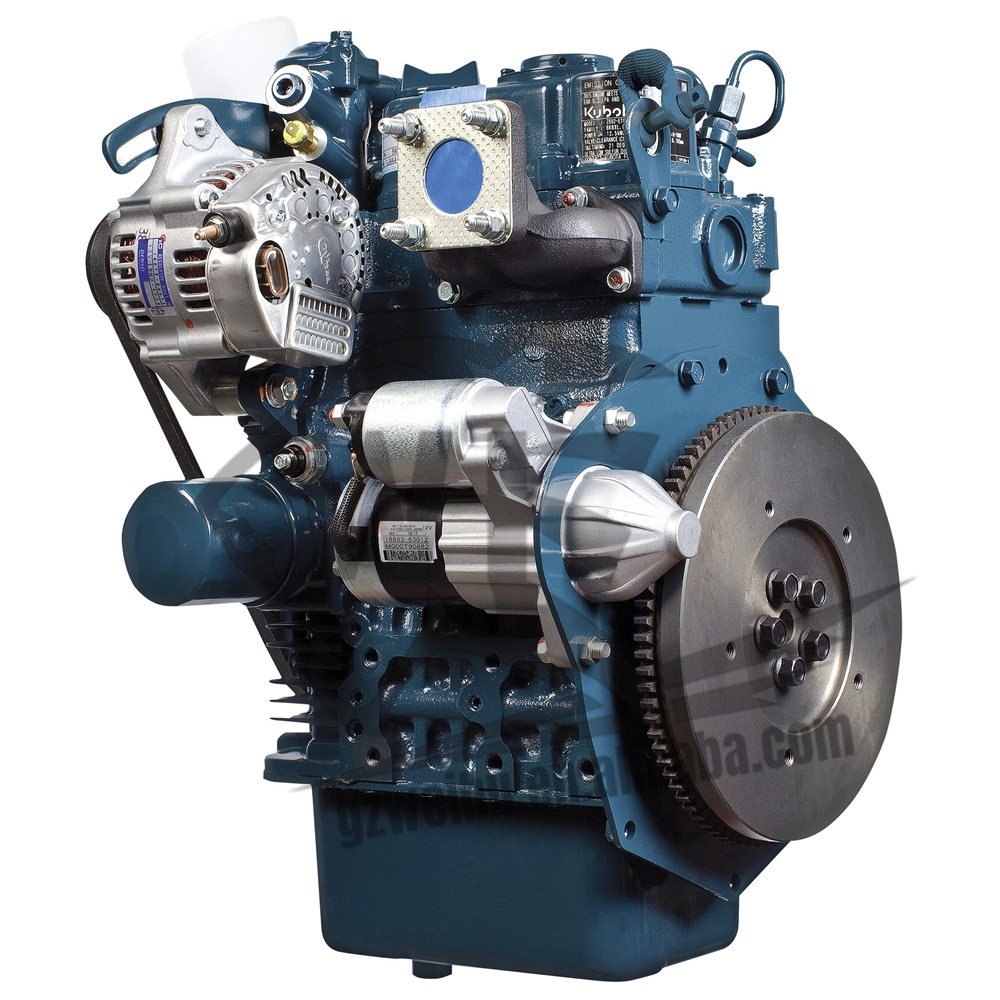
D722 Excavator Engine Replacement | Boost Your Excavator’s Power
Upgrade your excavator's performance with the JELXEL D722 Excavator Engine Replacement. Buy D722 excavator engine now to enhance power and efficiency. Excavator D722 Engine for Sale, designed for durability and smooth operation. Boost your excavator’s power today!
Get in touch with us
If you have any comments or good suggestions, please leave us a message, later our professional staff will contact you as soon as possible.
To be a happy enterprise in the field of engineering equipment.
JELXEL delivers efficient and reliable service at each stage to meet the customer's needs.