

jackhuang5919@gmail.com
How to Test Excavator Hydraulic Pumps: Tools & Methods
Practical, step-by-step guide to testing excavator hydraulic pumps—tools, field and bench methods, interpreting results, and maintenance tips to minimize downtime and repair costs.
- Introduction: Why Proper Pump Testing Matters
- Purpose and user intent
- Understanding Excavator Hydraulic Pumps
- Types and operating ranges
- Essential Tools for Testing Excavator Hydraulic Pumps
- Portable and bench tools you should have
- Preparation and Safety
- Initial checks and precautions
- Step-by-Step Field Testing Methods
- 1. Visual and basic functional inspection
- 2. Pressure testing (static and dynamic)
- 3. Flow testing and volumetric efficiency
- 4. Relief valve and control valve checks
- 5. Leak-down and cavitation checks
- Bench Testing (Removed Pump Diagnostics)
- Controlled environment for definitive diagnosis
- Advanced Diagnostic Methods
- Ultrasound, vibration, thermography, and oil analysis
- Interpreting Test Results and Common Fault Patterns
- Symptoms, likely causes, and recommended actions
- Comparison of Common Test Methods
- Choose a method based on accuracy, cost, and context
- Practical Thresholds and Expected Values
- How to judge acceptable results
- Maintenance Tips to Extend Pump Life
- Simple habits that reduce failures
- JELXEL: How We Support Your Pump Testing and Repair Needs
- Company capabilities and value
- Conclusion: A Practical Testing Roadmap
- Summary action plan
- FAQ
- Sources and References
Introduction: Why Proper Pump Testing Matters
Purpose and user intent
Operators, maintenance technicians, and fleet managers searching for How to Test Excavator Hydraulic Pumps: Tools & Methods want practical instructions to identify pump faults, confirm performance, and decide whether repair or replacement is needed. This guide gives clear, safety-focused testing workflows, the essential tools you need, and how to interpret results so you can minimize downtime and avoid unnecessary parts replacement.
Understanding Excavator Hydraulic Pumps
Types and operating ranges
Excavator hydraulic pumps are typically gear, vane, or axial-piston pumps. Most medium to large excavators run hydraulic systems within roughly 2,000–4,500 psi (14–31 MPa) depending on machine size and function. Pump health affects flow, pressure, responsiveness, and efficiency—key performance indicators for digging, swing, boom, and travel circuits.
Essential Tools for Testing Excavator Hydraulic Pumps
Portable and bench tools you should have
To test excavator hydraulic pumps reliably, gather the following tools (recommended):
- Hydraulic pressure gauge/test gauge (0–5,000 psi range) with quick-connect couplings
- Flow meter for hydraulic systems (L/min or GPM)
- Portable hydraulic test kit or manifold block to isolate circuits
- Temperature gun or thermocouple data logger
- Vibration meter and ultrasonic leak detector (for early fault detection)
- Oil analysis kit (particle count, viscosity, water content)
- Torque wrench and tachometer (for RPM verification)
- Bench test stand (for removed pumps) with speed control and load valve
Preparation and Safety
Initial checks and precautions
Before testing, follow these steps: ensure the machine is on level ground, hydraulic oil is at operating temperature (typically 40–60°C), check fluid level and reservoir breather, wear PPE, relieve system pressure, and follow manufacturer lockout/tagout. Record ambient and oil temperature because viscosity affects flow and pressure readings.
Step-by-Step Field Testing Methods
1. Visual and basic functional inspection
Start with a visual check: look for external leaks, loose fittings, damaged hoses, and abnormal noise while running. Confirm control responses and note slow or weak actuators, which can indicate low flow or low pressure.
2. Pressure testing (static and dynamic)
Connect a calibrated hydraulic pressure gauge to the pump outlet or test port. With the pump running at rated RPM, measure system pressure at idle and under commanded loads (e.g., boom lift or bucket curl). Compare readings with OEM specs. Significant pressure drop under load or inability to reach relief pressure points to internal leakage, worn pump elements, or relief valve issues.
3. Flow testing and volumetric efficiency
Use a flow meter inline at a known RPM to measure output flow (L/min). Calculate volumetric efficiency: actual flow ÷ (theoretical displacement × RPM) × 100%. Low volumetric efficiency suggests internal leakage or worn components. Bench and field data together help distinguish wear from external restrictions.
4. Relief valve and control valve checks
Isolate the pump and use a test manifold to check relief valve setpoint and stability. Fluctuating or out-of-spec relief settings can mimic pump failure—always verify valve function before condemning a pump.
5. Leak-down and cavitation checks
With actuators held in position, monitor pressure decay (leak-down) to detect internal or external leakage. Listen for cavitation (a distinct rattling or sucking sound) and check inlet pressure—low suction or clogged filters can cause cavitation, reducing pump life.
Bench Testing (Removed Pump Diagnostics)
Controlled environment for definitive diagnosis
On a bench test stand you can safely apply controlled RPM and load. Measure pressure, flow, noise, temperature rise, and vibration across the pump's speed range. Bench testing reveals internal mechanical wear (piston scoring, port plate wear) and allows precise measurement of displacement and efficiency without system variables.
Advanced Diagnostic Methods
Ultrasound, vibration, thermography, and oil analysis
Supplement mechanical tests with condition monitoring tools: ultrasound detects early cavitation and internal leakage; vibration analysis identifies bearing or imbalance issues; thermography spots hotspots from friction or relief chatter. Oil analysis (particle counts per ISO 4406, water, and viscosity) shows contamination and wear-metal trends that often precede pump failure.
Interpreting Test Results and Common Fault Patterns
Symptoms, likely causes, and recommended actions
- Low pressure but good flow: likely relief valve mis-set or pressure control valve issue.
- Low flow at rated RPM: internal wear (pistons/vanes) or swash plate damage—consider overhaul or replacement.
- Rapid temperature rise: excessive internal leakage or high load conditions—check oil viscosity, cooler, and system load.
- Cavitation noise: restricted suction, clogged strainer, or low reservoir level—inspect inlet lines and filters.
- Intermittent pressure spikes: controller malfunction or relief valve chatter—perform valve bench checks.
Comparison of Common Test Methods
Choose a method based on accuracy, cost, and context
| Method | Accuracy | Portability | Typical Cost | When to Use |
|---|---|---|---|---|
| Visual & functional checks | Low | High | Low | Daily inspection, first-line diagnosis |
| Pressure & flow testing (field) | Medium–High | Medium | Medium | Confirm performance under real load |
| Bench test stand | High | Low | High | Definitive diagnosis after removal |
| Ultrasonic & vibration | High (trend-based) | Medium | Medium–High | Predictive maintenance and early fault detection |
| Oil analysis | High for contamination/wear trends | High | Low–Medium | Ongoing health monitoring |
Practical Thresholds and Expected Values
How to judge acceptable results
Always use OEM specs when possible. General guidance: if pump volumetric efficiency drops more than 10–15% from OEM values, or if there's persistent inability to reach normal system pressure under load, prepare for repair or replacement. Oil contamination of ISO 4406 code 21/19/16 or worse indicates poor filtration and accelerated wear—address contamination control first.
Maintenance Tips to Extend Pump Life
Simple habits that reduce failures
Change filters on schedule, use correct viscosity fluid, maintain reservoir cleanliness, avoid extended operation at extremely high loads, monitor for vibration/noise changes, and keep a log of pressure and flow test results to spot trends early. Proper filtration and routine oil analysis are among the most cost-effective preventative measures.
JELXEL: How We Support Your Pump Testing and Repair Needs
Company capabilities and value
JELXEL serves as a reliable partner for global clients in the excavator spare parts sector. We provide a comprehensive selection of excavator parts designed to support routine maintenance and high-performance systems. Our product range, engineering support, and parts availability help you minimize downtime and ensure correct replacement parts for pumps and valves. JELXEL emphasizes quality, timely delivery, and R&D—supporting accurate diagnostics and long-term reliability.
Conclusion: A Practical Testing Roadmap
Summary action plan
To test excavator hydraulic pumps effectively: start with visual inspection and functional checks, perform pressure and flow tests in the field, verify valves and inlet conditions, and use bench testing for definitive diagnosis. Complement mechanical checks with oil analysis, thermography, and vibration monitoring for a predictive maintenance program. Use OEM specs for pass/fail judgments and keep trend data to avoid sudden failures.
FAQ
How often should I test my excavator's hydraulic pump?For active machines, perform basic visual and functional checks daily or per-shift, pressure/flow checks monthly or after noticing performance loss, and oil analysis quarterly. Adjust frequency based on machine hours, operating conditions, and historical trends.
Can I rely on field pressure tests to decide replacement?Field pressure tests help identify issues but may not reveal internal mechanical wear precisely. If results are borderline, conduct a bench test or oil analysis for a definitive decision.
What is a normal hydraulic oil temperature?Typical operating oil temperatures are 40–60°C in many climates. Repeated operation above ~80°C can accelerate oil degradation and pump wear—investigate cooling and load conditions if high temperatures persist.
Does oil contamination really affect pump life that much?Yes. Contaminants abrade internal components, reduce tolerances, and can quickly degrade pump performance. Maintaining ISO 4406 cleanliness levels recommended by the OEM helps maximize pump life.
When should I choose overhaul versus replacement?Choose overhaul when core components (housing, shafts) are in good condition and repair costs are significantly lower than replacement. Replace when damage is extensive, parts availability is limited, or downtime cost favors a new unit. Use bench test data and cost analysis to decide.
Sources and References
- Parker Hannifin — Hydraulics service and maintenance literature
- Bosch Rexroth — Pump testing and troubleshooting guides
- Hydraulics & Pneumatics magazine — articles on pump diagnostics and predictive maintenance
- Machinery Lubrication — oil analysis and contamination control guidance
- ISO 4406 — Hydraulic fluid contamination code standard
- Industry technical bulletins from leading OEMs on pump performance and testing
Tags
Excavator Engine QSL8.9 for Sale
Excavator Engine QSL8.9 for Sale
Mitsubishi S4Q2 water pump
Mitsubishi S4Q2 water pump
Cat C7 engine parts
Cat C7 engine parts
K3V63DT excavator hydraulic pump
K3V63DT excavator hydraulic pump
Cat C7 used engine
Cat C7 used engine
Isuzu 4JJ1 diesel engine
Isuzu 4JJ1 diesel engine
Recommended for you

Maintenance schedules for ZAX870-5G 6WG1 engine assemblies
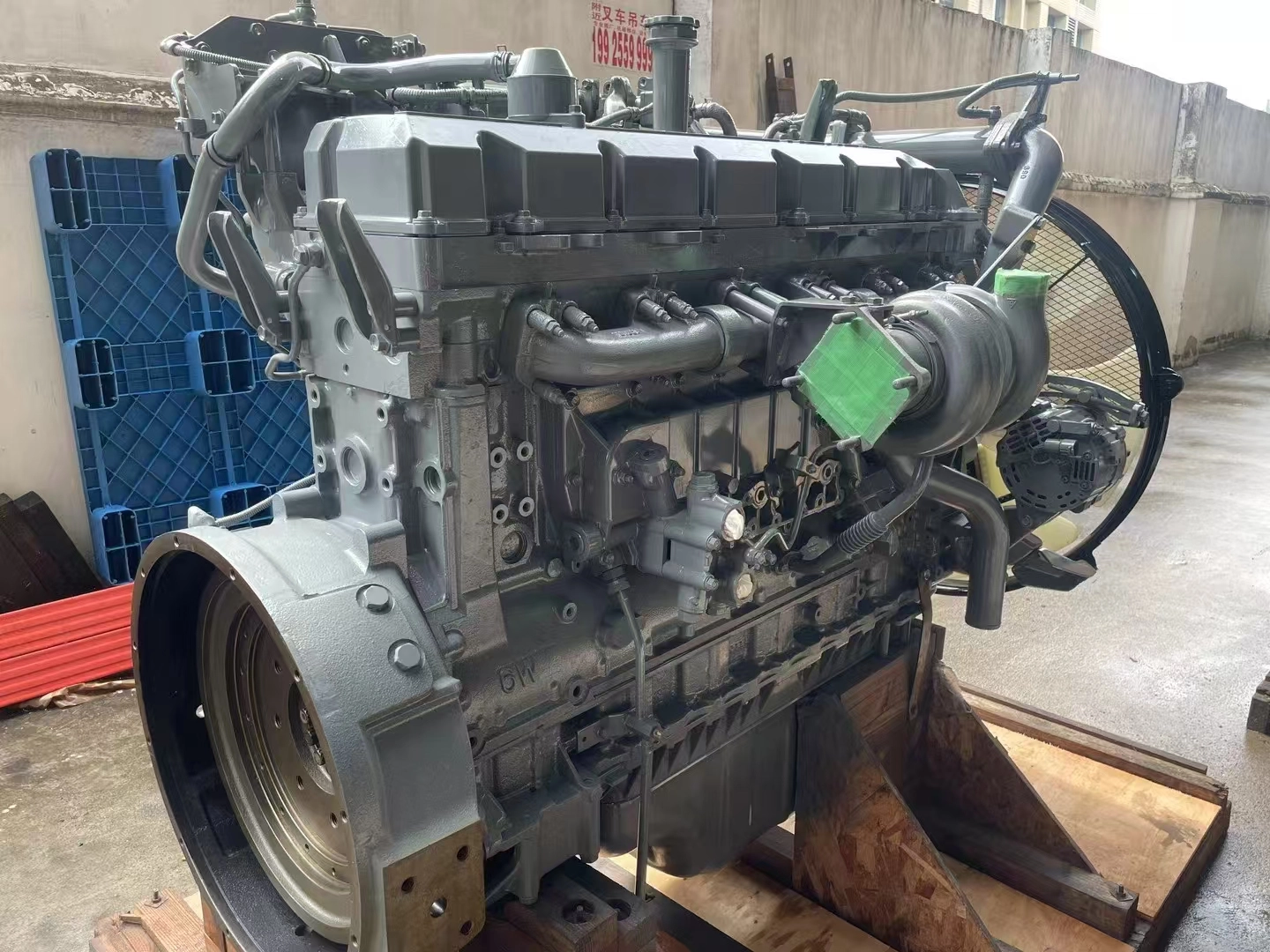
How SY550 6WG1 Improves Uptime and Maintenance Efficiency
Top 10 mini excavator parts Manufacturers and Supplier Brands
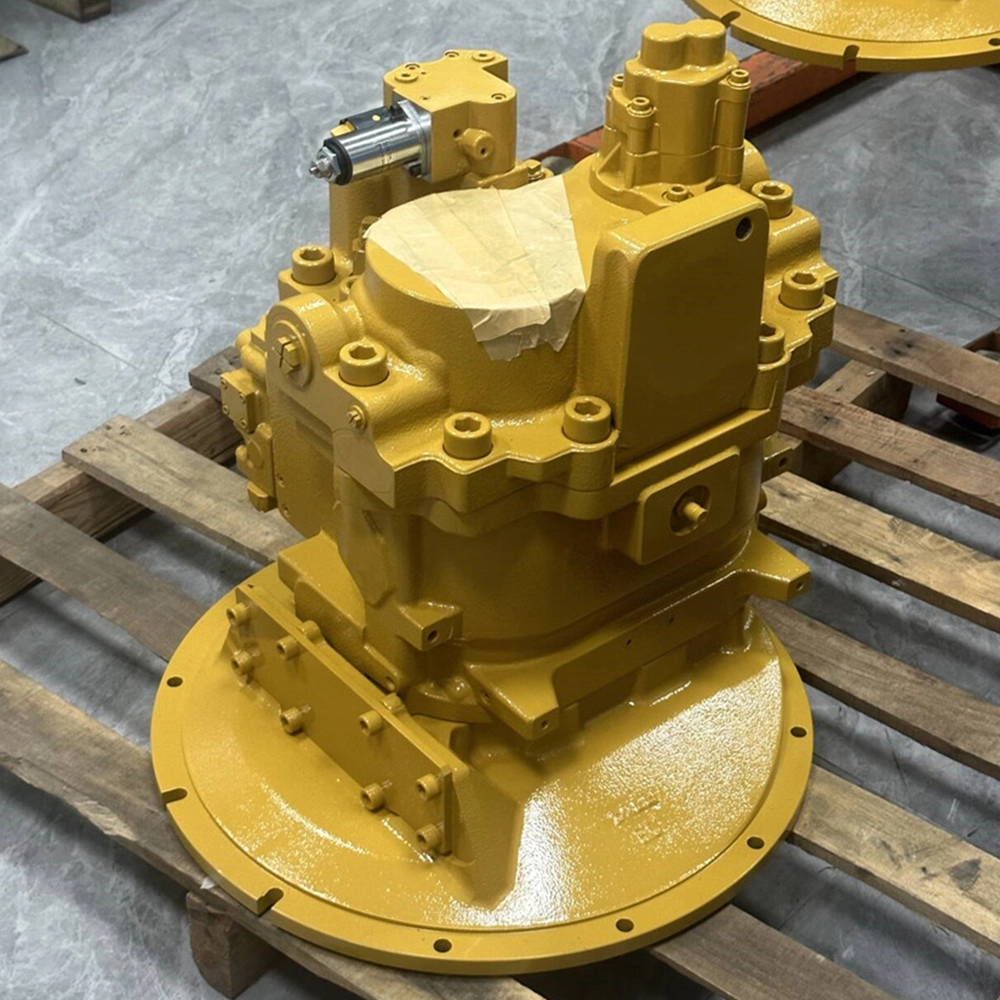
Inspection & Testing Protocols for New Excavator Hydraulic Pumps
Prdoucts Categories
Question you may concern
FAQ
How do I know which parts I need for my excavator?
If you are unsure which parts are needed, our knowledgeable customer support team can assist you. You can provide us with your excavator model and any relevant details, and we will help you identify the correct parts.
How can I place an order?
You can place an order through our user-friendly online platform or by contacting our sales team directly. Simply browse our catalog, select the parts you need, and follow the checkout process to complete your order.
Are your parts compatible with all excavator brands?
JELXEL strives to offer parts compatible with a wide range of excavator brands and models. However, we recommend checking the product specifications or consulting with our team to ensure compatibility with your specific excavator.
Can I return or exchange parts if I change my mind?
Yes, we accept returns and exchanges within [insert return period, e.g., 30 days] of purchase. The items must be unused and in their original packaging. Please contact our customer service team to initiate a return or exchange.
What types of excavator parts do you offer?
JELXEL provides a comprehensive range of excavator parts, including but not limited to buckets, hydraulic components, undercarriage parts, and engine components. Our goal is to be your one-stop solution for all excavator needs.
You may also like
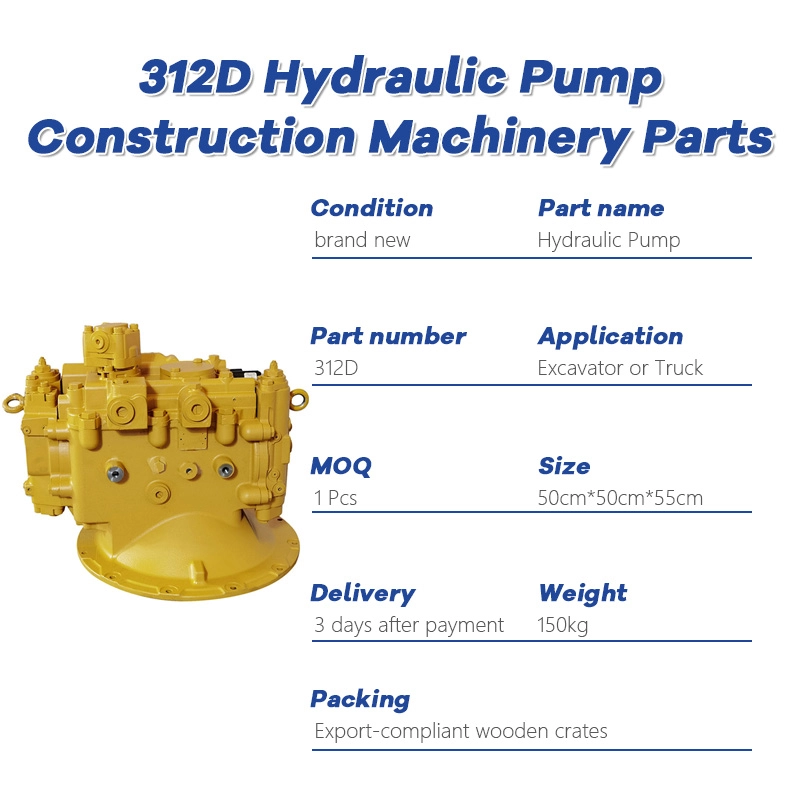
Excavator Hydraulic Pump for CAT 312D | Fast Shipping
Get your high-quality JELXEL CAT 312D hydraulic pump! Engineered for durability and peak performance, this essential 312D hydraulic pump ensures your excavator runs efficiently. Benefit from our fast shipping to minimize downtime. Choose JELXEL for reliable, high-quality solutions for your CAT 312D.
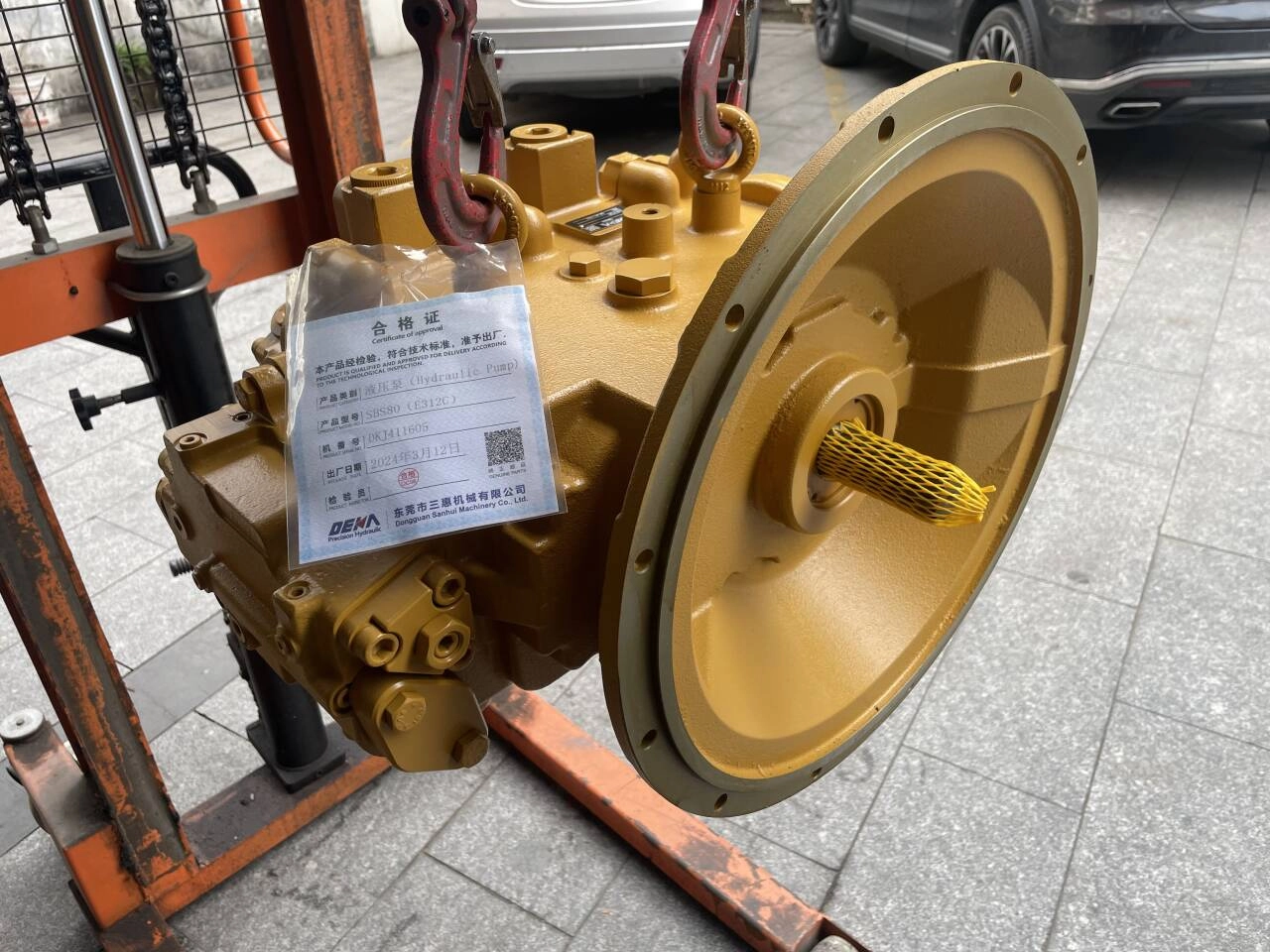
New CAT 312C Hydraulic Main Pump | Compatible Excavator Parts
JELXEL’ New CAT 312C Hydraulic Main Pump delivers reliable performance for your excavator. Engineered for durability, this Caterpillar 312C hydraulic pump ensures seamless compatibility and optimal efficiency.
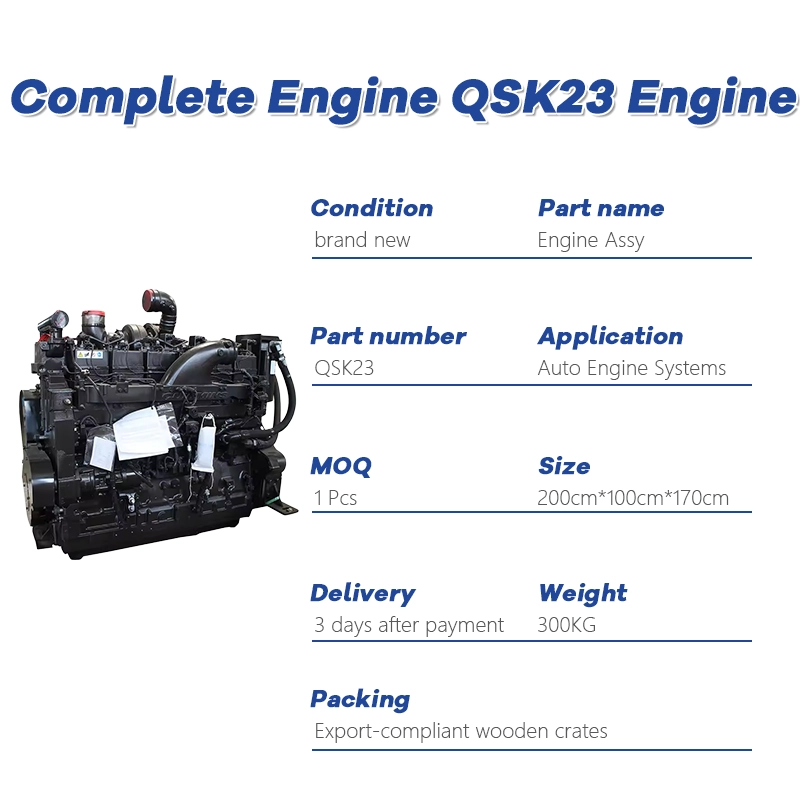
QSK23 Excavator Engine Assembly | Reliable & Efficient Performance
Discover the high-performance QSK23 Excavator Engine Assembly by JELXEL, designed for reliable and efficient excavation. Ideal QSK23 engine parts for excavators, this engine assembly delivers durability and power. Explore our engine assembly for sale to boost your machinery’s performance today.
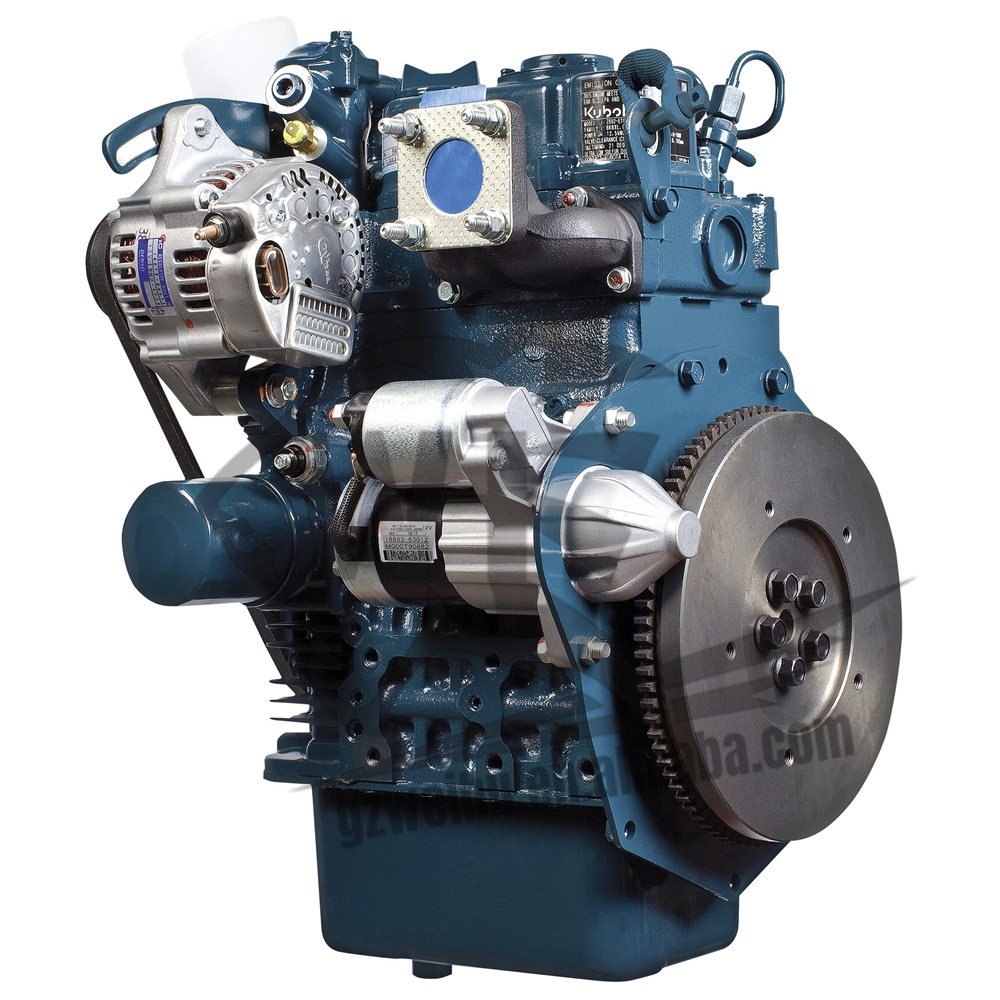
D722 Excavator Engine Replacement | Boost Your Excavator’s Power
Upgrade your excavator's performance with the JELXEL D722 Excavator Engine Replacement. Buy D722 excavator engine now to enhance power and efficiency. Excavator D722 Engine for Sale, designed for durability and smooth operation. Boost your excavator’s power today!
Get in touch with us
If you have any comments or good suggestions, please leave us a message, later our professional staff will contact you as soon as possible.
To be a happy enterprise in the field of engineering equipment.
JELXEL delivers efficient and reliable service at each stage to meet the customer's needs.