

jackhuang5919@gmail.com
The B2B Buyer’s Guide to hydraulic pump
A practical B2B buyer's guide to selecting, sourcing, and maintaining excavator hydraulic pumps. Covers pump types, key specs, OEM vs aftermarket choices, procurement checklist, testing, cost drivers, and how JELXEL supports buyers.
- Introduction: Why the right hydraulic pump matters for your excavator fleet
- Understanding the role of a hydraulic pump in excavator systems
- Common pump types used in excavators
- Key hydraulic pump specifications buyers must verify
- Maximum pressure and continuous working pressure
- Displacement and flow (L/min or GPM)
- Efficiency and volumetric performance
- Mounting, shaft, and flange compatibility
- Fluid compatibility and operating temperature
- Contamination and cleanliness standards
- OEM vs aftermarket vs remanufactured hydraulic pumps: pros and cons
- OEM hydraulic pump
- Aftermarket new hydraulic pump
- Remanufactured hydraulic pump
- How to evaluate and qualify a hydraulic pump supplier
- Quality management and inspection procedures
- Traceability and part identification
- Warranty, returns, and technical support
- Lead time, inventory and logistics
- Technical due diligence: questions to ask before you buy
- Inspection and testing on receipt: reduce installation risk
- Cost drivers and lifecycle-cost analysis for hydraulic pumps
- Typical price ranges and replacement intervals
- Common procurement pitfalls and how to avoid them
- Incorrect part identification
- Neglecting cleanliness and break-in procedures
- Ignoring lifecycle and operational cost
- Why choose JELXEL as your hydraulic pump partner
- Engineering and quality focus
- Commercial reliability and support
- Conclusion: Make buying decisions that reduce risk and improve uptime
- Frequently Asked Questions (FAQ)
Introduction: Why the right hydraulic pump matters for your excavator fleet
Choosing the correct hydraulic pump is a critical business decision for any company that operates or repairs excavators. The hydraulic pump powers the boom, arm, bucket, travel motors and slewing systems — it directly affects machine productivity, fuel efficiency, and downtime. For buyers with commercial intent, this guide explains how to specify, evaluate, and procure the right hydraulic pump for excavators while minimizing risk and total cost of ownership.
Understanding the role of a hydraulic pump in excavator systems
At its core, a hydraulic pump converts engine power into hydraulic flow and pressure. This flow drives actuators and motors across the excavator. For B2B buyers, evaluating hydraulic pump performance means looking beyond the pump itself to system compatibility, operating pressures, and duty cycles. Accurate specification ensures reliability and prevents premature failures.
Common pump types used in excavators
Knowing pump types helps you match performance to application. The three most common types are axial piston, gear, and vane pumps:
- Axial piston pumps (swashplate): Widely used in modern excavators for high pressure and efficiency. Many variable-displacement axial piston pumps provide precise control and are standard on mid- to large-class machines.
- Gear pumps: Simpler and lower cost, suitable for low-to-medium pressure auxiliary circuits or small machines. Less efficient at higher pressures.
- Vane pumps: Used where quiet operation and moderate pressures are needed; less common in main drive systems of larger excavators.
Key hydraulic pump specifications buyers must verify
When evaluating a hydraulic pump, focus on objective specs that influence performance, compatibility, and lifecycle.
Maximum pressure and continuous working pressure
Excavator systems commonly operate in ranges of approximately 20–35 MPa (2,900–5,075 psi) depending on machine class. Verify both the pump's maximum allowable pressure and its recommended continuous operating range to ensure safe, long-lasting operation.
Displacement and flow (L/min or GPM)
Displacement determines potential flow at given engine speed. Variable displacement pumps change flow while maintaining pressure, enabling smoother control and fuel savings. Match pump displacement to your hydraulic circuit needs and control system requirements.
Efficiency and volumetric performance
Volumetric efficiency (how much of theoretical flow is delivered) impacts machine responsiveness and fuel consumption. Higher efficiency pumps reduce heat generation and extend component life.
Mounting, shaft, and flange compatibility
Physical compatibility is a common procurement pitfall. Confirm shaft type, spline counts, mounting flange pattern, and rotation direction to avoid retrofit issues. Cross-reference OEM part numbers whenever possible.
Fluid compatibility and operating temperature
Ensure the pump materials and seals are compatible with your hydraulic fluid and the expected ambient and operating temperatures. High-temperature environments or synthetic fluids may require specific seal compounds.
Contamination and cleanliness standards
Hydraulic components are sensitive to contamination. Industry standard ISO 4406 is commonly used to express fluid cleanliness. For new or reman pumps, inspect for cleanliness and demand proper flushing and filtration during installation.
OEM vs aftermarket vs remanufactured hydraulic pumps: pros and cons
Companies frequently decide between OEM, aftermarket new, and remanufactured (reman) pumps. Each option has commercial implications.
OEM hydraulic pump
Pros: Direct fit, proven compatibility, consistent performance and documentation. Cons: Typically higher price and potentially longer lead times for low-volume parts.
Aftermarket new hydraulic pump
Pros: Cost-competitive, wider supplier options, often faster availability. Cons: Quality varies—vet suppliers for material quality, tolerances, and testing protocols.
Remanufactured hydraulic pump
Pros: Lower cost and sustainability advantages. Cons: Quality depends on reman processes; ask for component replacement lists, testing results, and warranty terms.
How to evaluate and qualify a hydraulic pump supplier
Supplier selection should balance price, quality controls, lead time, logistics, and after-sales support. Use the following criteria for B2B procurement decisions.
Quality management and inspection procedures
Ask suppliers for test reports: pressure/flow curves, noise/vibration tests, leak and endurance tests. Request documentation of manufacturing controls and sample inspection data for bearings, machining tolerances, and seal materials.
Traceability and part identification
Traceability is crucial for warranty and maintenance. Ensure pumps are clearly labeled with part numbers, serial numbers, and date codes. Proper documentation simplifies future spare ordering and warranty claims.
Warranty, returns, and technical support
Evaluate warranty periods, what is covered, and the supplier’s RMA process. Fast technical support and clear returns policies reduce project risk and downtime.
Lead time, inventory and logistics
Ask about standard lead times, on-hand inventory levels, and expedited shipping options. For large fleets, multi-shipment contracts or consigned inventory can reduce downtime and carrying costs.
Technical due diligence: questions to ask before you buy
Use this checklist in RFQs and supplier discussions to ensure you receive the correct hydraulic pump:
- Exact part number and cross-reference to OEM numbers.
- Maximum pressure and recommended operating pressure.
- Displacement at rated speed and flow curves.
- Mounting and shaft details (splines, keyways, flange patterns).
- Sealing materials and fluid compatibility.
- Efficiency and measured test data.
- ISO cleanliness level at shipment and recommended filtration on installation.
- Warranty terms and sample test certificates.
Inspection and testing on receipt: reduce installation risk
Even with trusted suppliers, inspect pumps on arrival. Typical incoming checks include visual inspection, rotation check, verification of serial numbers, and documentation of test results. For critical systems, bench testing before installation is recommended.
Cost drivers and lifecycle-cost analysis for hydraulic pumps
Price per unit is only one factor. Consider total cost of ownership (TCO): purchase price, installation labor, fuel or energy efficiency, maintenance, downtime cost, and parts life. An efficient pump that costs more up front may deliver savings in fuel and maintenance over thousands of operating hours.
Typical price ranges and replacement intervals
Hydraulic pump prices vary by type, size and whether they are OEM, aftermarket, or reman. Smaller gear pumps can cost a few hundred dollars, while large axial piston pumps for heavy excavators typically run into the low thousands of dollars. Replacement intervals depend on application and maintenance; with proper filtration and oil care, pumps can last several thousand operating hours.
Common procurement pitfalls and how to avoid them
Several frequent mistakes increase cost and downtime. Avoid them by applying discipline in specification and supplier selection.
Incorrect part identification
Cross-check serial numbers and machine model years. An incorrectly ordered pump can cause fitment issues or degrade system performance.
Neglecting cleanliness and break-in procedures
Contaminated fluids cause premature wear. Follow recommended flushing, filtration, and initial break-in operating procedures to protect the new pump.
Ignoring lifecycle and operational cost
Buying the lowest-cost pump without assessing long-term costs can lead to more frequent replacements and higher downtime costs.
Why choose JELXEL as your hydraulic pump partner
JELXEL serves as a reliable partner for global clients in the excavator spare parts sector. We provide a wide selection of excavator components, including hydraulic pumps, engineered to support routine maintenance and high-performance systems. With a focus on quality, cost-effectiveness, and timely delivery, JELXEL helps ensure parts availability to keep machines productive.
Engineering and quality focus
JELXEL emphasizes innovative R&D and continuous improvement. A dedicated team of engineers and technicians works to refine pump designs for durability and efficiency. For B2B buyers, this translates to parts designed to meet demanding operating conditions and to integrate with common OEM systems.
Commercial reliability and support
JELXEL understands B2B purchasing needs: competitive pricing, consistent lead times, technical documentation, and responsive after-sales support. Buyers can request test reports, compatibility confirmations, and tailored fulfillment plans to match fleet requirements.
Conclusion: Make buying decisions that reduce risk and improve uptime
Selecting the right hydraulic pump requires a balance of technical fit, supplier reliability, and total cost analysis. Follow a structured procurement process: verify specifications, insist on test documentation, confirm compatibility, and evaluate warranty and logistics. Partnering with experienced suppliers like JELXEL can reduce procurement friction and help maintain excavator productivity through quality parts, engineering support, and dependable delivery.
Frequently Asked Questions (FAQ)
Q: What is the most common hydraulic pump type for excavators?A: Axial piston pumps (swashplate, often variable displacement) are the most common in medium and large excavators due to their high-pressure capability and control precision.
Q: How do I confirm a hydraulic pump will fit my excavator?A: Cross-reference the OEM part number, check shaft/flange specifications, confirm rotation and mounting pattern, and request mechanical drawings or photos if unsure.
Q: Should I buy OEM or aftermarket hydraulic pumps?A: It depends on priorities. OEM gives guaranteed fit and documentation. Aftermarket can offer cost savings and faster availability if you vet quality and testing credentials. For critical circuits, OEM or qualified reman may be preferable.
Q: What maintenance practices extend pump life?A: Maintain proper fluid cleanliness (ISO 4406 targets), follow scheduled oil changes, use correct fluid types, ensure correct filtration, and avoid overheating and cavitation by keeping proper reservoir levels and intake conditions.
Q: How long does a typical hydraulic pump last?A: Lifespan varies by application and maintenance. With good filtration and proper operating conditions, pumps commonly last several thousand operating hours. Heavy contamination or improper use can drastically shorten life.
Tags
engineered diesel
engineered diesel
Excavator 4JB1 Engine High Efficiency Diesel Engine
Excavator 4JB1 Engine High Efficiency Diesel Engine
CAT 345GC hydraulic pump
CAT 345GC hydraulic pump
Cummins B5.9 diesel engine
Cummins B5.9 diesel engine
cummins qsm11 engine for sale
cummins qsm11 engine for sale
excavator pump K3V112DTP
excavator pump K3V112DTP
Recommended for you
Top excavator spare parts Manufacturers and Suppliers in China
Where to Buy excavator parts in China
The hydraulic pumps Cost Guide
Hydraulic Pump Contamination Prevention for Excavator Systems 2026
Prdoucts Categories
Question you may concern
FAQ
Do you provide installation services for your parts?
While we do not offer installation services directly, we can recommend qualified professionals or resources to assist you with the installation of our parts. Our customer support team can provide guidance on finding local service providers.
Do you offer bulk purchasing options?
Yes, we offer competitive pricing for bulk orders. If you are interested in purchasing large quantities of parts, please contact our sales team to discuss your requirements and receive a customized quote.
How can I place an order?
You can place an order through our user-friendly online platform or by contacting our sales team directly. Simply browse our catalog, select the parts you need, and follow the checkout process to complete your order.
What types of excavator parts do you offer?
JELXEL provides a comprehensive range of excavator parts, including but not limited to buckets, hydraulic components, undercarriage parts, and engine components. Our goal is to be your one-stop solution for all excavator needs.
Do you provide warranties on your products?
Yes, we stand by the quality of our products. Most parts come with a warranty that covers manufacturing defects. Please refer to the specific warranty information provided with your purchase or contact our customer service team for details.
You may also like
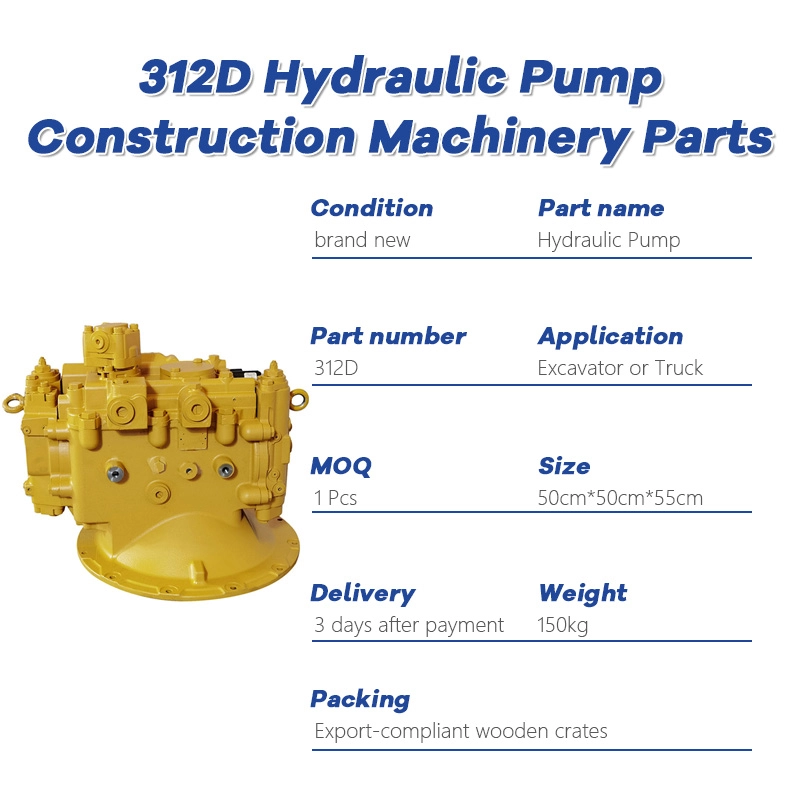
Excavator Hydraulic Pump for CAT 312D | Fast Shipping
Get your high-quality JELXEL CAT 312D hydraulic pump! Engineered for durability and peak performance, this essential 312D hydraulic pump ensures your excavator runs efficiently. Benefit from our fast shipping to minimize downtime. Choose JELXEL for reliable, high-quality solutions for your CAT 312D.
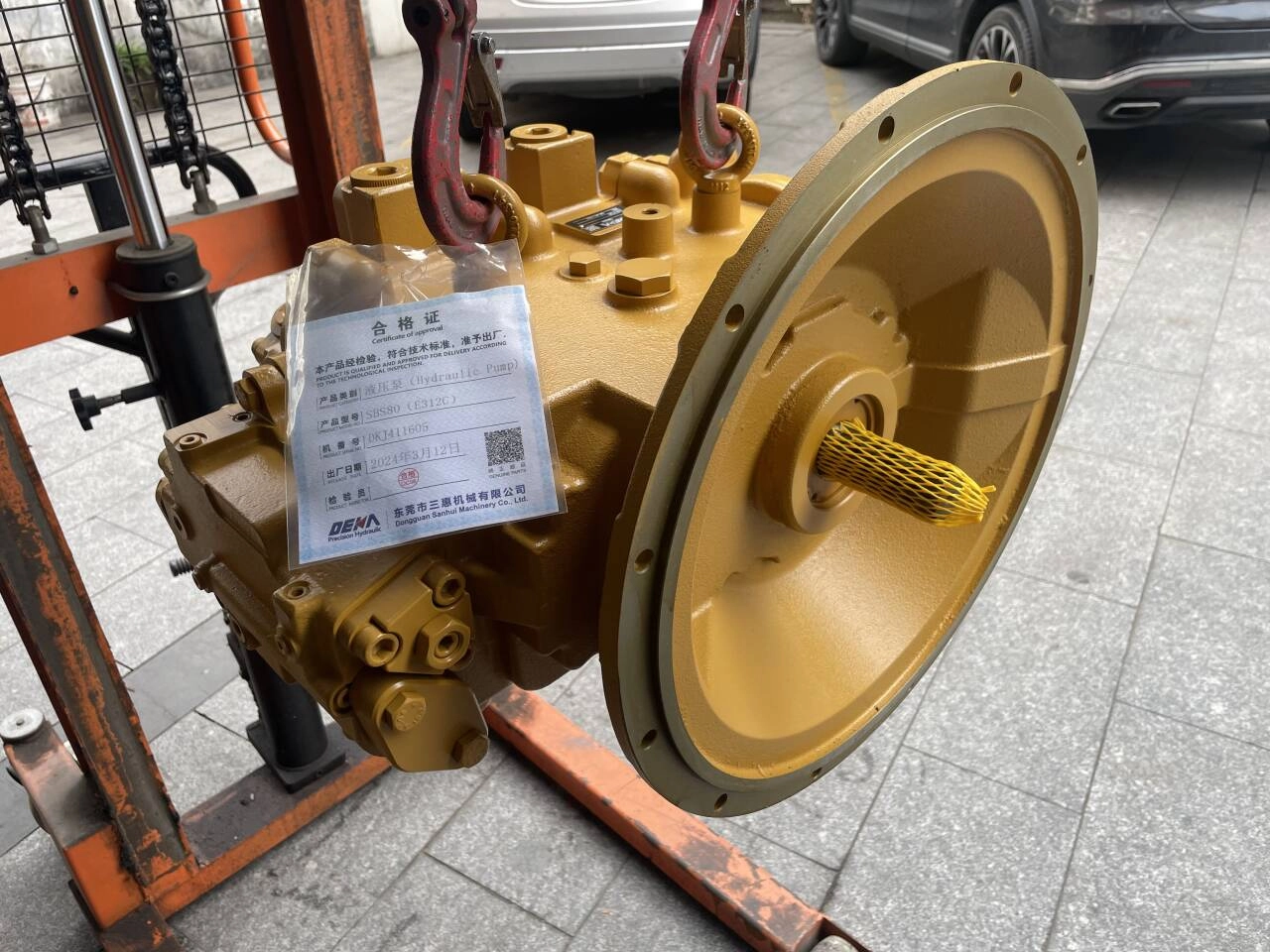
New CAT 312C Hydraulic Main Pump | Compatible Excavator Parts
JELXEL’ New CAT 312C Hydraulic Main Pump delivers reliable performance for your excavator. Engineered for durability, this Caterpillar 312C hydraulic pump ensures seamless compatibility and optimal efficiency.
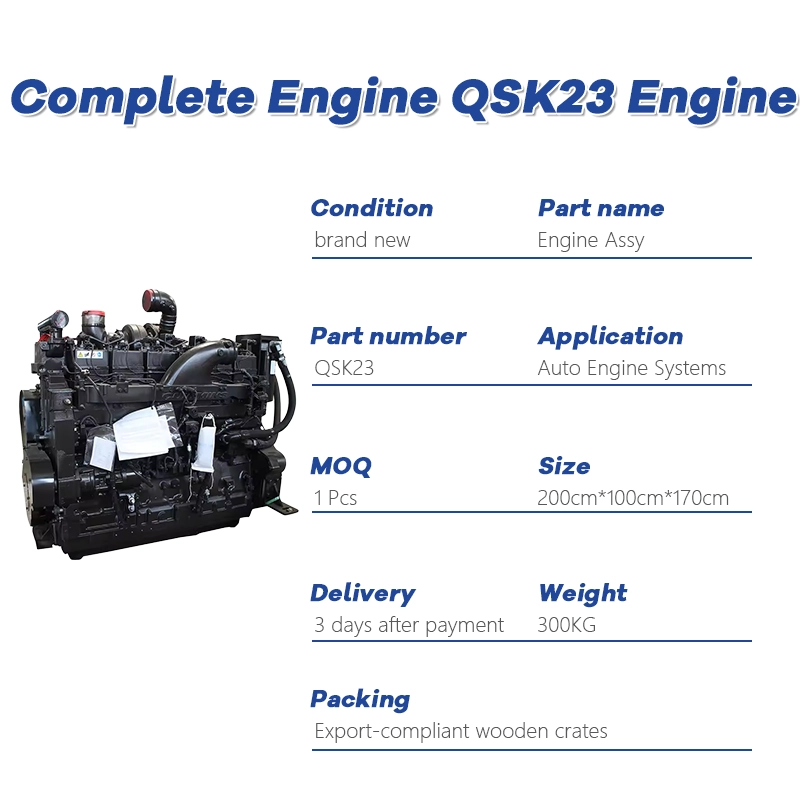
QSK23 Excavator Engine Assembly | Reliable & Efficient Performance
Discover the high-performance QSK23 Excavator Engine Assembly by JELXEL, designed for reliable and efficient excavation. Ideal QSK23 engine parts for excavators, this engine assembly delivers durability and power. Explore our engine assembly for sale to boost your machinery’s performance today.
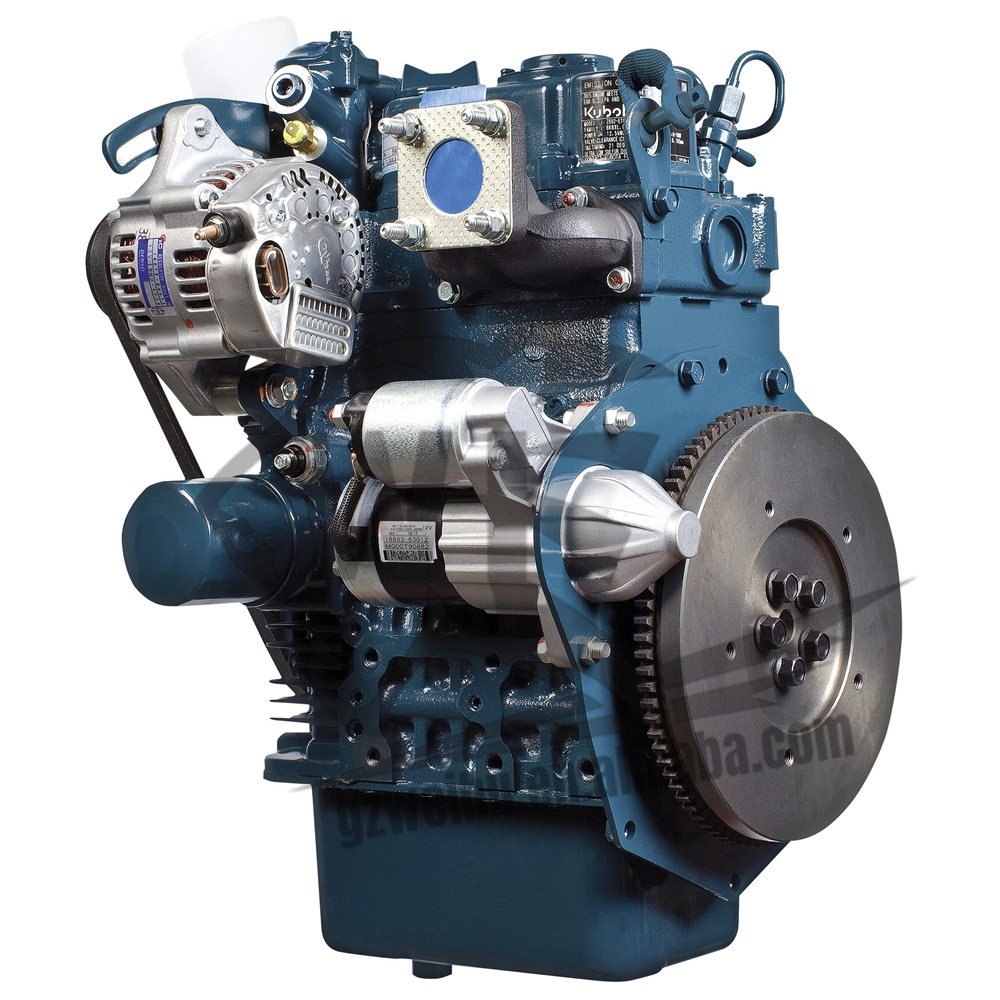
D722 Excavator Engine Replacement | Boost Your Excavator’s Power
Upgrade your excavator's performance with the JELXEL D722 Excavator Engine Replacement. Buy D722 excavator engine now to enhance power and efficiency. Excavator D722 Engine for Sale, designed for durability and smooth operation. Boost your excavator’s power today!
Get in touch with us
If you have any comments or good suggestions, please leave us a message, later our professional staff will contact you as soon as possible.
To be a happy enterprise in the field of engineering equipment.
JELXEL delivers efficient and reliable service at each stage to meet the customer's needs.