

jackhuang5919@gmail.com
Ultimate Guide to Excavator Hydraulic Pumps: Types & Uses
Comprehensive guide to excavator hydraulic pumps: types (gear, vane, piston), applications, performance ranges, selection tips, maintenance, costs, and OEM vs aftermarket choices—plus how JELXEL supports reliable parts supply.
- Introduction: Why Hydraulic Pumps Matter for Excavators
- Understanding Excavator Hydraulic Pump Types
- Gear Pumps: Cost-effective solutions for light work
- Vane Pumps: Smooth flow for medium-duty systems
- Piston Pumps (Axial & Bent-Axis): High pressure for heavy-duty use
- Variable vs Fixed Displacement Pumps: Control and efficiency
- Performance Specs & Typical Operating Ranges
- Common Uses & Applications in Excavator Systems
- Main Pump: Powering boom, arm, bucket, and travel
- Auxiliary & Attachment Pumps: Power for breakers, thumbs, and grapples
- Swing and Travel Pumps: Specialized motor drive
- How to Choose the Right Excavator Hydraulic Pump
- Step 1 — Identify application and duty cycle
- Step 2 — Match pressure, flow, and mounting
- Step 3 — Consider control and efficiency needs
- Step 4 — Inspect serial numbers and compatibility
- Maintenance, Troubleshooting & Longevity Tips
- Routine maintenance: fluids, filters, and inspection
- Common symptoms of pump problems
- Basic troubleshooting steps
- OEM vs Aftermarket Pumps & Cost Considerations
- OEM pumps: guaranteed fit and support
- Aftermarket pumps: value and availability
- When to repair vs replace
- Why Choose JELXEL for Excavator Hydraulic Pump Needs
- Conclusion: Make Informed Choices to Maximize Uptime
- Frequently Asked Questions
Introduction: Why Hydraulic Pumps Matter for Excavators
Hydraulic pumps are the heart of any excavator hydraulic system. Choosing the right excavator hydraulic pump affects machine performance, fuel efficiency, and uptime—whether you're looking to buy an OEM pump, an aftermarket replacement, or schedule a repair service. This guide explains types, typical uses, performance ranges, selection tips, and maintenance best practices so you can make informed decisions when sourcing replacement pumps or planning maintenance.
Understanding Excavator Hydraulic Pump Types
Gear Pumps: Cost-effective solutions for light work
Gear pumps are simple, rugged, and commonly used on compact excavators or as auxiliary pumps. They offer straightforward construction and lower purchase cost, making them attractive when buying excavator hydraulic pump replacements on a budget. Typical characteristics: moderate pressure capability, lower efficiency than piston pumps, and easy repair.
Vane Pumps: Smooth flow for medium-duty systems
Vane pumps deliver steady flow and quieter operation than gear pumps. They are often used in medium-size machines and auxiliary circuits where consistent flow is important. Vane pumps provide a balance between cost and performance, suitable when you need a reliable aftermarket excavator hydraulic pump with good transient response.
Piston Pumps (Axial & Bent-Axis): High pressure for heavy-duty use
Piston pumps—especially axial and bent-axis designs—are the standard for main pumps on medium to large excavators. They handle higher pressures and flows with superior volumetric efficiency, making them ideal for primary drive, boom, arm, and travel circuits where high performance and fuel efficiency matter most.
Variable vs Fixed Displacement Pumps: Control and efficiency
Variable displacement pumps adjust output flow based on demand and improve fuel efficiency and control. Fixed displacement pumps give a constant flow and are simpler. For modern excavators that require precise control and better fuel economy, variable axial-piston pumps are common for main hydraulics.
Performance Specs & Typical Operating Ranges
When selecting an excavator hydraulic pump, key specifications include maximum pressure (bar or psi), continuous flow rate (L/min), displacement (cc/rev), and volumetric/mechanical efficiency. Below are practical typical ranges used in the industry for reference when comparing products or replacement options.
| Pump Type | Typical Max Pressure | Typical Flow Range | Typical Efficiency | Typical Cost Range (approx.) |
|---|---|---|---|---|
| Gear Pump | Up to ~200–250 bar (2,900–3,600 psi) | 10–150 L/min (small to medium systems) | 70–85% | USD $200–$1,000 |
| Vane Pump | Up to ~210–250 bar (3,000–3,600 psi) | 20–200 L/min | 80–90% | USD $500–$1,800 |
| Piston Pump (Axial/Bent-Axis) | Up to ~350–450 bar (5,000–6,500 psi) | 50–600+ L/min (depending on size) | 85–95%+ | USD $1,000–$6,000+ |
Note: these figures are typical ranges. Exact specs vary by model and OEM. Large mining excavators and heavy equipment may operate at the upper extremes; compact units sit at the lower end.
Common Uses & Applications in Excavator Systems
Main Pump: Powering boom, arm, bucket, and travel
The main hydraulic pump supplies high-pressure flow to the control valves that operate the boom, arm, bucket, swing, and travel motors. For main circuits, operators usually prefer high-efficiency piston pumps to maintain performance under heavy load.
Auxiliary & Attachment Pumps: Power for breakers, thumbs, and grapples
Auxiliary hydraulic pumps feed attachments. Gear or vane pumps are often used for these circuits when attachments demand moderate flow and pressure. When attachments require high flow (hydraulic breakers or multi-function grapples), a high-capacity piston pump or a dedicated auxiliary circuit is necessary.
Swing and Travel Pumps: Specialized motor drive
Swing and travel functions may use separate pumps or dedicated sections within a multi-section piston pump, depending on design. For high torque travel motors and swing drives, pumps must meet both flow and pressure requirements to avoid sluggish response or overheating.
How to Choose the Right Excavator Hydraulic Pump
Step 1 — Identify application and duty cycle
Match the pump to the machine class (compact, medium, heavy) and the typical workload. High-cycle, heavy-duty applications benefit from high-pressure piston pumps with high service factors.
Step 2 — Match pressure, flow, and mounting
Check OEM specifications for maximum system pressure, required flow at engine speed, displacement, mounting flange, shaft type, and porting. Ensuring correct mechanical fit avoids costly downtime and modification.
Step 3 — Consider control and efficiency needs
If fuel efficiency and precise control are priorities, choose a variable displacement piston pump. For lower upfront cost, gear or vane pumps may suffice for auxiliary circuits.
Step 4 — Inspect serial numbers and compatibility
If replacing a pump, record model/serial numbers, OEM part numbers, and any electronic control modules. JELXEL and reputable suppliers can cross-reference numbers to find compatible OEM or high-quality aftermarket alternatives.
Maintenance, Troubleshooting & Longevity Tips
Routine maintenance: fluids, filters, and inspection
Maintain hydraulic fluid cleanliness—it's the single largest factor affecting pump life. Follow OEM guidance; many systems require hydraulic oil changes every 1,000–2,000 engine hours depending on conditions, with filter changes at 500–1,000 hours. Use recommended oil viscosity and monitor particle counts where possible.
Common symptoms of pump problems
Watch for these warning signs: reduced lift/force, sluggish response, abnormal noise (cavitation/rattling), overheating, and visible contamination in oil. Early detection (oil analysis, pressure checks) prevents catastrophic failure.
Basic troubleshooting steps
Start with fluid level and condition, check for air ingress or cavitation, verify relief valve settings, inspect hoses and connections, and measure system pressure with gauges. For complex failures, consult qualified hydraulic technicians or the pump manufacturer.
OEM vs Aftermarket Pumps & Cost Considerations
OEM pumps: guaranteed fit and support
OEM pumps provide exact fit and full documentation, but typically at higher cost. They are ideal when you need guaranteed compatibility and original manufacturer warranty.
Aftermarket pumps: value and availability
High-quality aftermarket pumps can offer cost savings and faster lead times. When choosing aftermarket options, evaluate material quality, test standards, warranty, and supplier reputation. JELXEL positions itself as a reliable partner for global clients by offering a wide selection of excavator spare parts, emphasizing quality, cost-effectiveness, and timely delivery.
When to repair vs replace
Minor wear (seals, bearings) can often be repaired economically, but heavily worn or damaged internal components—scored housings, bent shafts—usually justify replacement. Consider downtime cost when deciding.
Why Choose JELXEL for Excavator Hydraulic Pump Needs
JELXEL serves as a reliable partner for global clients in the excavator spare parts sector. We provide comprehensive selections of excavator parts designed for routine tasks and high-performance systems. JELXEL emphasizes innovative R&D, quality control, and timely delivery, helping keep machinery running smoothly. Whether you need OEM-matched pumps, high-quality aftermarket replacements, or assistance cross-referencing part numbers, JELXEL offers technical support and global logistics to minimize downtime.
Conclusion: Make Informed Choices to Maximize Uptime
Choosing the right excavator hydraulic pump means balancing performance, cost, and reliability. Understand the differences among gear, vane, and piston pumps, match pump specs to your machine and workload, and prioritize fluid cleanliness and scheduled maintenance. For reliable parts supply, technical support, and engineered replacements, a trusted partner like JELXEL can help you source the correct pump, reduce lead times, and improve fleet uptime.
Frequently Asked Questions
Q: What is the most common pump type for excavator main systems?A: Axial piston variable displacement pumps are most common for excavator main systems because they deliver high pressure, better efficiency, and precise control needed for boom, arm, and travel functions.
Q: How do I check if a replacement pump is compatible with my excavator?A: Record the original pump's model/serial numbers, mounting flange, shaft type, displacement, pressure rating, and porting. Provide these details to a parts supplier (like JELXEL) for cross-referencing. Verify electrical or control interfaces if your pump has electronic controls.
Q: How often should hydraulic fluid and filters be changed?A: Typical guidance is hydraulic oil change every 1,000–2,000 engine hours and filter changes every 500–1,000 hours, but follow your machine OEM recommendations and adjust for harsh working conditions.
Q: Can I repair a worn piston pump or is replacement required?A: Minor wear (seals, valves, bearings) can be repaired, but severe wear like scored housings or damaged pistons often requires replacement. Consider repair cost vs replacement and the criticality of minimizing downtime.
Q: What pressure do excavator hydraulic systems usually run at?A: Most excavators operate between roughly 200–350 bar (2,900–5,000 psi) depending on size and application; heavy mining or specialized machines can run higher. Always confirm with OEM specs.
Q: Are aftermarket pumps reliable compared to OEM?A: High-quality aftermarket pumps can be reliable and cost-effective if sourced from reputable suppliers who provide testing, warranties, and proper documentation. Evaluate material and manufacturing standards when choosing aftermarket solutions.
Tags
Kubota V2403 engine suppliers China
Kubota V2403 engine suppliers China
chinese excavator hydraulic pump
chinese excavator hydraulic pump
oem diesel engine
oem diesel engine
caterpillar engine c9
caterpillar engine c9
Axial piston hydraulic pump
Axial piston hydraulic pump
DX65 Hydraulic Main Pump
DX65 Hydraulic Main Pump
Recommended for you
How to Choose the Right Excavator Parts for Your Machine — Practical Guide
Common Hydraulic Pump Problems and How to Fix Them
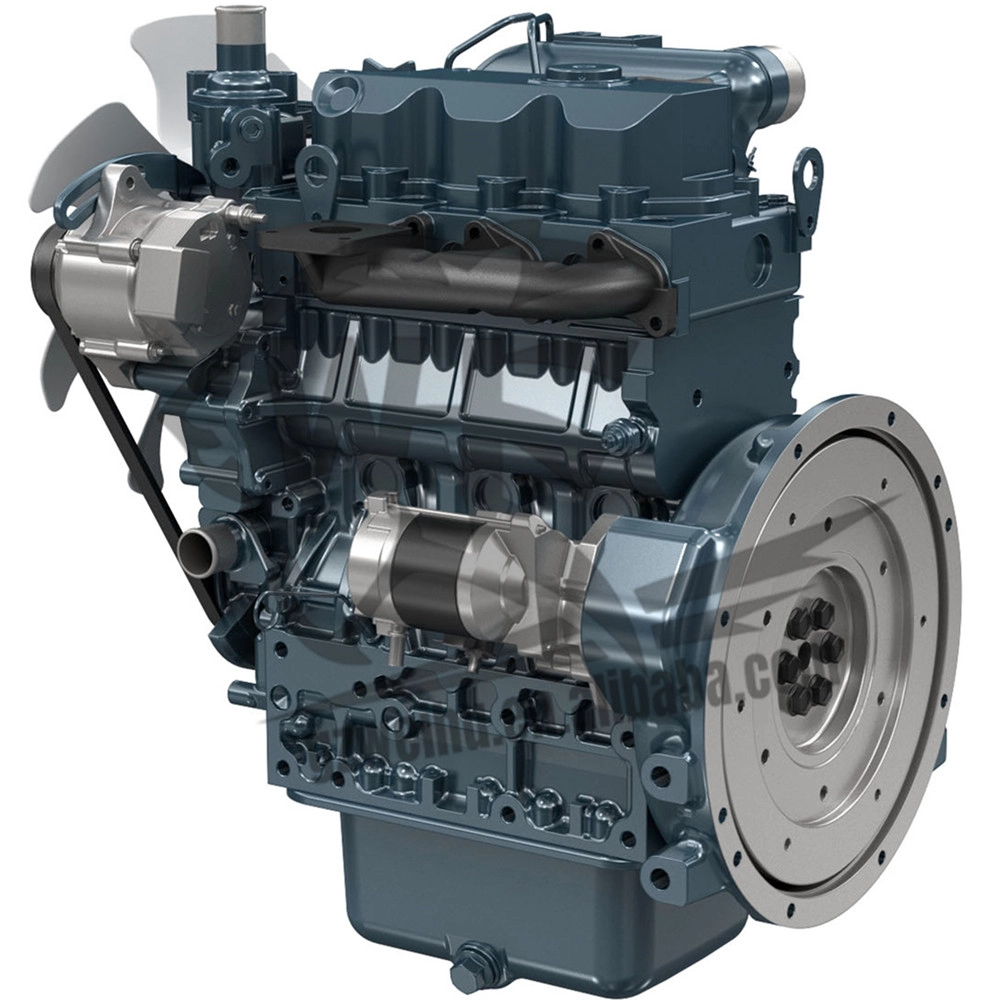
Warranty, Testing and Quality Controls for Isuzu D1703
The B2B Buyer’s Guide to electric hydraulic pressure pump
Prdoucts Categories
Question you may concern
FAQ
Do you provide installation services for your parts?
While we do not offer installation services directly, we can recommend qualified professionals or resources to assist you with the installation of our parts. Our customer support team can provide guidance on finding local service providers.
How can I place an order?
You can place an order through our user-friendly online platform or by contacting our sales team directly. Simply browse our catalog, select the parts you need, and follow the checkout process to complete your order.
Do you provide warranties on your products?
Yes, we stand by the quality of our products. Most parts come with a warranty that covers manufacturing defects. Please refer to the specific warranty information provided with your purchase or contact our customer service team for details.
Do you offer bulk purchasing options?
Yes, we offer competitive pricing for bulk orders. If you are interested in purchasing large quantities of parts, please contact our sales team to discuss your requirements and receive a customized quote.
Can I return or exchange parts if I change my mind?
Yes, we accept returns and exchanges within [insert return period, e.g., 30 days] of purchase. The items must be unused and in their original packaging. Please contact our customer service team to initiate a return or exchange.
You may also like
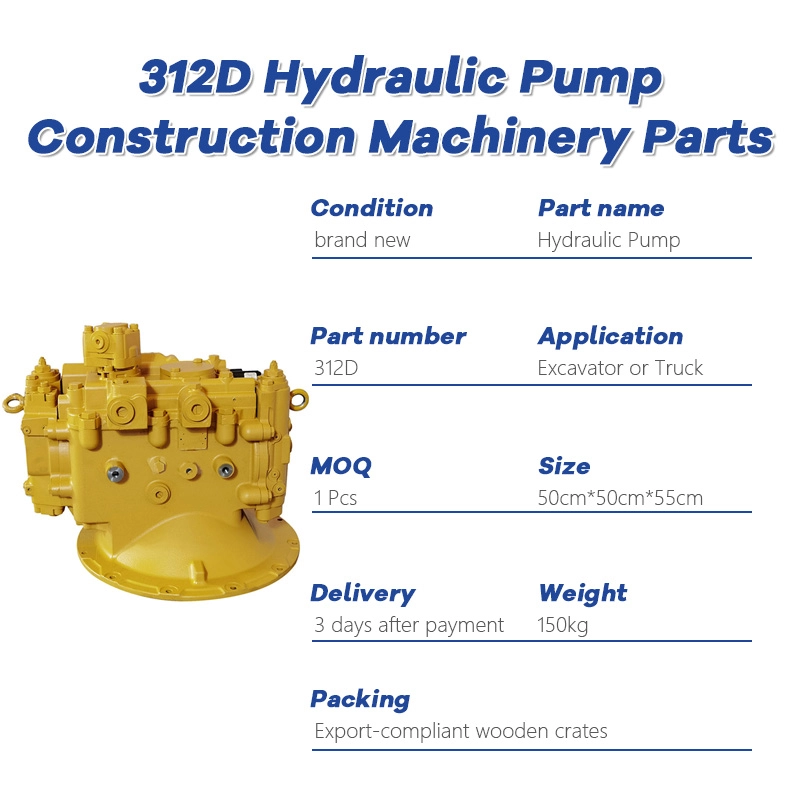
Excavator Hydraulic Pump for CAT 312D | Fast Shipping
Get your high-quality JELXEL CAT 312D hydraulic pump! Engineered for durability and peak performance, this essential 312D hydraulic pump ensures your excavator runs efficiently. Benefit from our fast shipping to minimize downtime. Choose JELXEL for reliable, high-quality solutions for your CAT 312D.
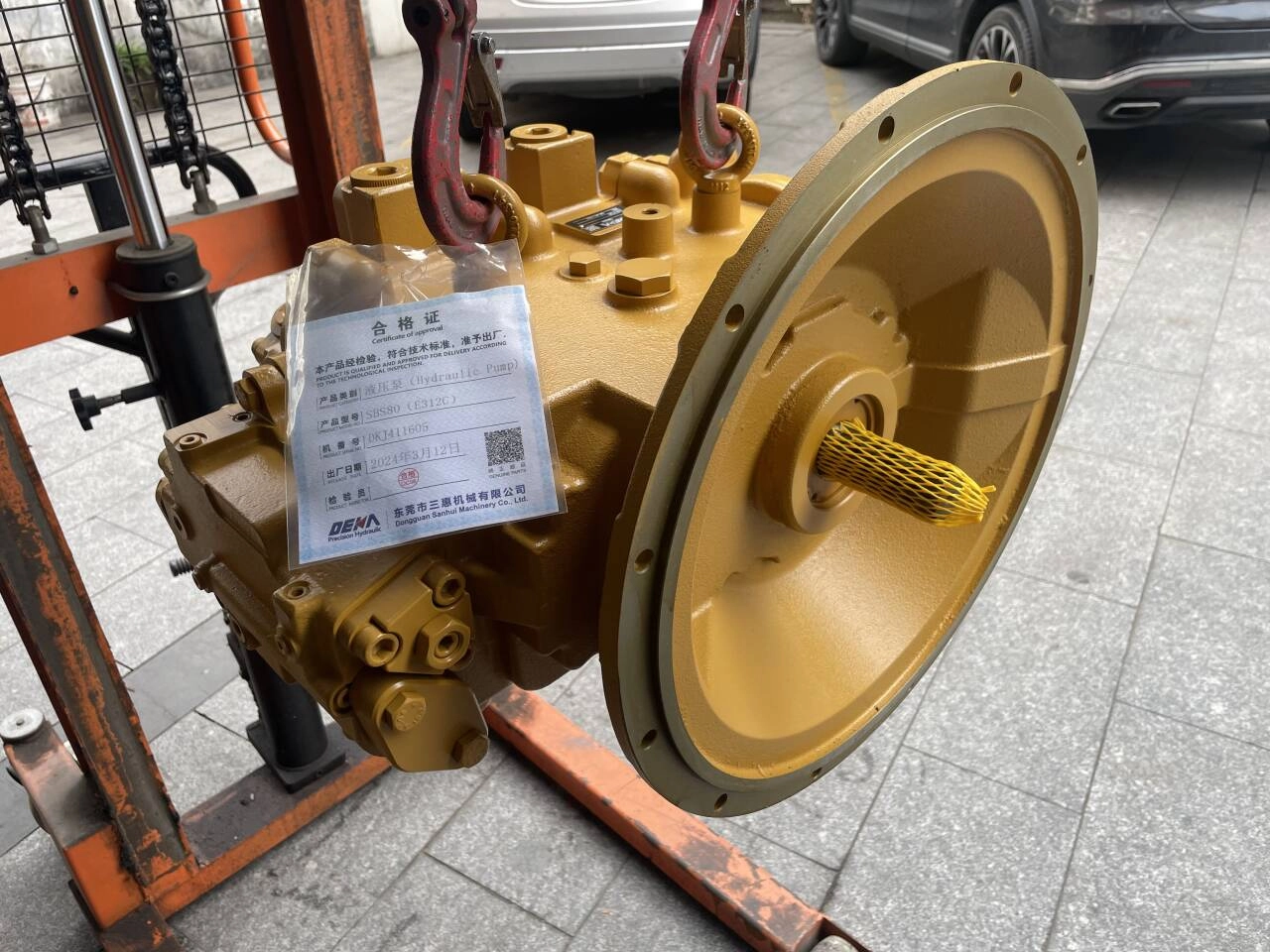
New CAT 312C Hydraulic Main Pump | Compatible Excavator Parts
JELXEL’ New CAT 312C Hydraulic Main Pump delivers reliable performance for your excavator. Engineered for durability, this Caterpillar 312C hydraulic pump ensures seamless compatibility and optimal efficiency.
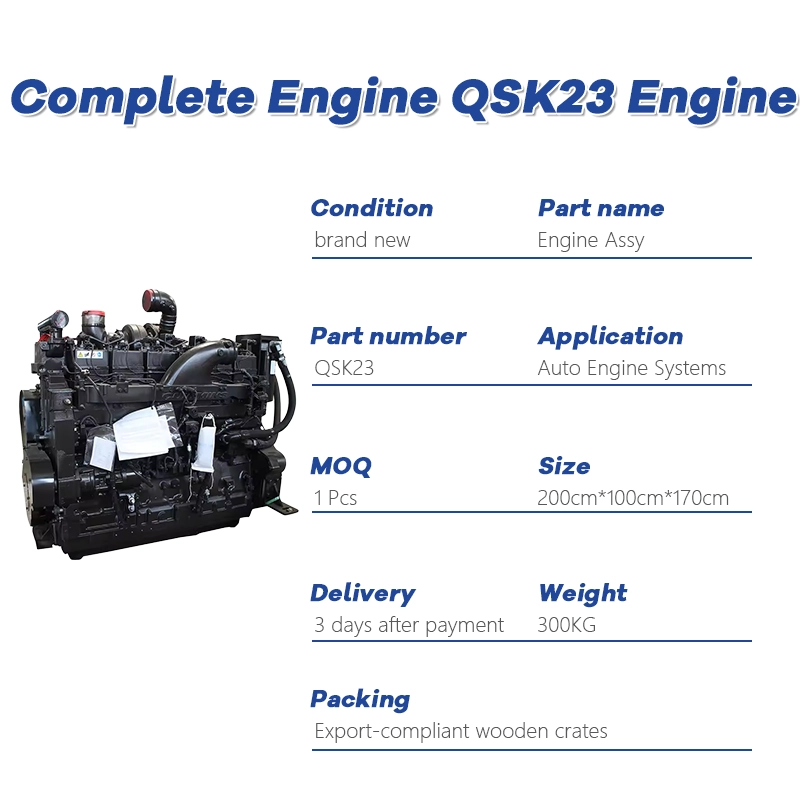
QSK23 Excavator Engine Assembly | Reliable & Efficient Performance
Discover the high-performance QSK23 Excavator Engine Assembly by JELXEL, designed for reliable and efficient excavation. Ideal QSK23 engine parts for excavators, this engine assembly delivers durability and power. Explore our engine assembly for sale to boost your machinery’s performance today.
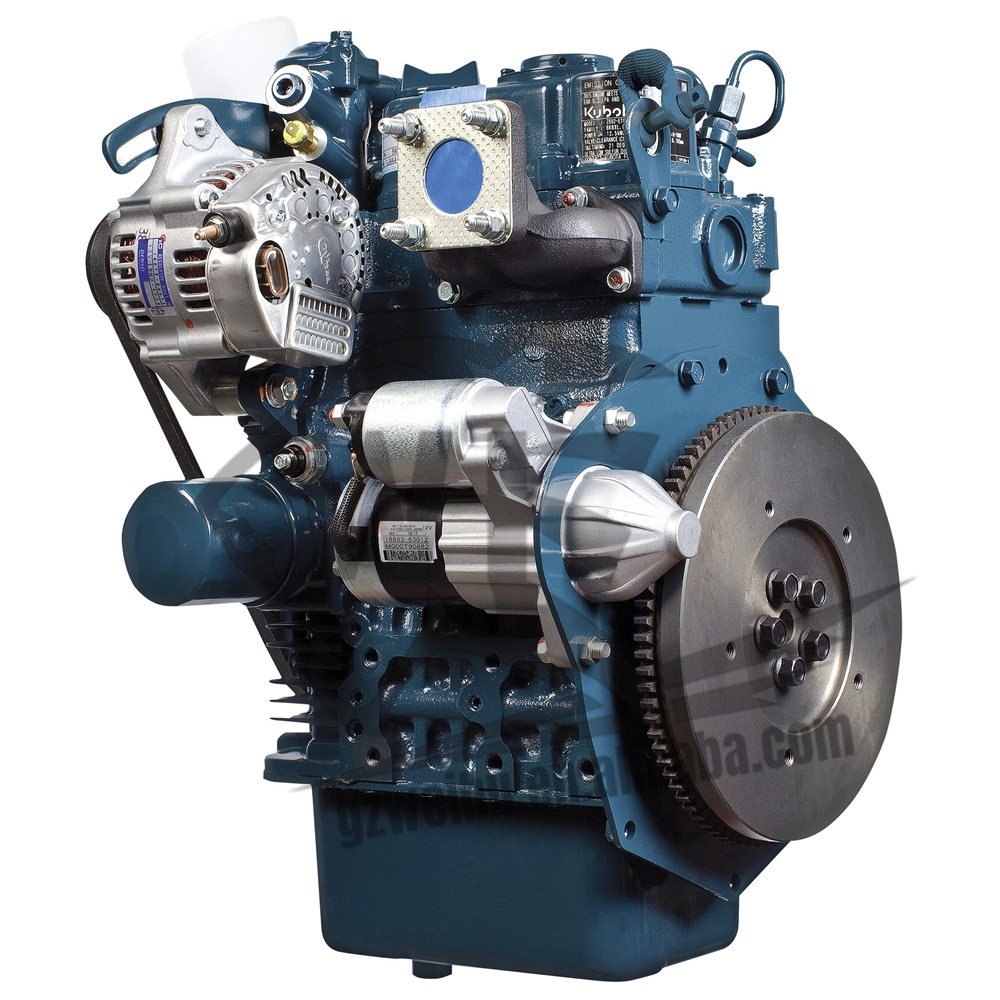
D722 Excavator Engine Replacement | Boost Your Excavator’s Power
Upgrade your excavator's performance with the JELXEL D722 Excavator Engine Replacement. Buy D722 excavator engine now to enhance power and efficiency. Excavator D722 Engine for Sale, designed for durability and smooth operation. Boost your excavator’s power today!
Get in touch with us
If you have any comments or good suggestions, please leave us a message, later our professional staff will contact you as soon as possible.
To be a happy enterprise in the field of engineering equipment.
JELXEL delivers efficient and reliable service at each stage to meet the customer's needs.