

jackhuang5919@gmail.com
The B2B Buyer’s Guide to electric hydraulic pressure pump
A practical B2B guide to selecting electric hydraulic pressure pumps for excavator applications. Learn key specs, integration tips, sourcing checklists, maintenance best practices, and why JELXEL is a reliable supplier.
- Introduction: Why this guide matters for B2B buyers
- What is an electric hydraulic pressure pump?
- Key advantages of electric hydraulic pressure pumps for excavator applications
- Typical operating ranges you should expect
- Pressure rating: the primary technical spec
- Flow rate and controllability: matching the attachment
- Motor type and electrical compatibility
- Duty cycle, thermal management, and continuous rating
- Controls and electronics: connectivity matters
- Mounting, footprint, and retrofit compatibility
- Noise and environmental considerations
- Safety features and compliance
- Serviceability and spare parts availability
- Total cost of ownership: more than purchase price
- Sourcing strategy: evaluating suppliers and partners
- Why choose JELXEL as your supplier
- Procurement checklist: what to include in your RFQ
- Integration tips: electrical and hydraulic coupling
- Installation and commissioning best practices
- Maintenance schedule and common failure modes
- Case scenarios: where electric hydraulic pumps make the most sense
- How to validate performance: testing and KPIs
- Warranty, support, and long-term partnership considerations
- Conclusion: making a confident B2B buying decision
- Next steps: how to move from evaluation to purchase
- Frequently Asked Questions
Introduction: Why this guide matters for B2B buyers
As construction, demolition, and utility operations push toward cleaner, quieter, and more controllable hydraulic solutions, electric hydraulic pressure pumps have become a key component for modern excavator systems and attachments. This guide helps procurement managers, OEMs, rental companies, and fleet owners understand how to evaluate, source, and deploy electric hydraulic pressure pumps in a B2B context.
What is an electric hydraulic pressure pump?
An electric hydraulic pressure pump is a motor-driven unit that converts electrical energy into hydraulic pressure and flow, powering cylinders, motors, and hydraulic attachments. Unlike engine-driven hydraulic pumps, electric units run off AC mains or battery systems and include an electric motor, hydraulic pump element (gear, vane, or piston), control valves, sensors, and safety reliefs.
Key advantages of electric hydraulic pressure pumps for excavator applications
Electric hydraulic pressure pumps offer benefits that matter to B2B buyers: lower onsite emissions when used with battery power, quieter operation suitable for urban environments, cleaner installation with no direct engine exhaust, precise control for sensitive attachment work, and easier integration with electrified power systems for hybrid or fully electric excavators.
Typical operating ranges you should expect
Understanding expected performance ranges helps you match pumps to applications. Typical nominal pressures for excavator hydraulic systems fall roughly between 200 and 350 bar (2,900–5,075 psi), while electric pump flow rates for attachments commonly range from about 10 to 150 liters per minute depending on the attachment and machine class. These ranges guide spec decisions but always verify exact ratings with the vendor for the target use case.
Pressure rating: the primary technical spec
Pressure rating determines what attachments and functions the pump can safely support. Always choose a pump with a maximum working pressure that exceeds peak system pressure by a safe margin (commonly 10–20%). For example, a pump rated 350 bar is appropriate for heavy-duty attachments that may spike in pressure.
Flow rate and controllability: matching the attachment
Flow rate (L/min or GPM) sets how fast a hydraulic actuator moves. Many excavator attachments (hydraulic breakers, thumbs, grapples, tilt-rotators) require specific flow bands for optimal operation. Look for pumps offering variable flow control or proportional valves to tune performance for different tools and to reduce energy waste.
Motor type and electrical compatibility
Select pumps with motor types and voltages that align to your fleet’s electrical architecture. Options include AC induction motors for mains-powered sites and brushless DC (BLDC) motors for battery-electric systems. Verify supply voltage (e.g., 400 V three-phase, 48–800 V DC for battery systems), starting currents, and whether soft-start or VFD (variable frequency drive) compatibility is required.
Duty cycle, thermal management, and continuous rating
Duty cycle (intermittent vs continuous) and thermal limits determine how long a pump can run before overheating. B2B buyers should specify continuous duty ratings if the application involves long cycles. Check cooling methods (air-cooled vs liquid-cooled) and built-in thermal protection to prevent downtime.
Controls and electronics: connectivity matters
Modern electric hydraulic pumps often include electronic control modules, proportional control inputs, and digital communication (CANbus, Modbus). For fleet integration and telematics, choose pumps that support the control protocols used by your excavators and automation systems to enable remote monitoring and precise control.
Mounting, footprint, and retrofit compatibility
B2B procurement often involves retrofitting existing machines. Confirm mechanical mounting points, footprint, and hydraulic/electrical connection locations. Compact, skid-mounted units simplify retrofits, while modular designs help integrate pumps into diverse machine frames and attachment plates.
Noise and environmental considerations
Noise levels are a practical procurement factor for urban and night-shift operations. Electric pumps typically run quieter than engine-driven units, but noise ratings (dB at 1 m) vary. Also check IP (Ingress Protection) ratings for dust/water resistance and emissions advantages when using battery or mains power to meet site environmental requirements.
Safety features and compliance
Essential safety features include pressure relief valves, overload protection, emergency stop integration, and fail-safe controls. Ensure the pump meets relevant certifications (CE, ISO 9001 manufacturing processes, and local electrical safety standards). Certifications demonstrate a supplier’s commitment to quality and regulatory compliance.
Serviceability and spare parts availability
For B2B buyers minimizing downtime, serviceability is critical. Choose pumps designed for easy access to wear parts (seals, filters, valves), with clear maintenance intervals and an available spare parts supply. Suppliers with global logistics networks shorten lead times for replacement components.
Total cost of ownership: more than purchase price
Evaluate lifecycle costs: initial purchase, installation, energy consumption, maintenance, spare parts, and expected service life. Electric pumps can reduce fuel and idle costs and simplify emissions compliance, but electricity costs and battery lifecycle (for electric excavators) must be considered in TCO calculations.
Sourcing strategy: evaluating suppliers and partners
When sourcing electric hydraulic pumps, assess supplier quality systems, engineering support, lead times, MOQ, and after-sales service. Request references from industrial clients with similar applications and check for documented test results and factory acceptance testing (FAT) procedures.
Why choose JELXEL as your supplier
JELXEL delivers a wide selection of excavator components and has focused R&D to support robust, durable hydraulic systems. As a partner for global clients, JELXEL emphasizes quality, timely delivery, and cost-effective solutions—making them a practical option for integrating electric hydraulic pump solutions into existing excavator fleets or new builds.
Procurement checklist: what to include in your RFQ
Include the following in any RFQ to get comparable quotes: required maximum pressure, nominal flow and peak flow, power supply and voltages, duty cycle, control interface (analog/proportional, CANbus), mounting dimensions, hydraulic port types, required certifications, warranty terms, lead time, and spare parts availability.
Integration tips: electrical and hydraulic coupling
Plan integration early to avoid costly rework. Coordinate electrical engineers and hydraulic technicians to size cables, fuses, and drives, and ensure hydraulic hoses and couplers match the pump ports. Validate control signal mappings and safety interlocks during a factory acceptance test or bench integration before field installation.
Installation and commissioning best practices
Commissioning should include: verifying electrical connections and grounding, bleeding and flushing hydraulic circuits, checking for leaks, verifying pressure relief settings, calibrating electronic controls, and running acceptance tests under simulated load. Keep detailed commissioning records for warranty and future troubleshooting.
Maintenance schedule and common failure modes
Adopt preventive maintenance: daily visual checks, filter replacement per hours of operation (often 250–500 hours), fluid analysis annually, and scheduled valve/motor checks. Common failures result from contamination, overheating, seal wear, or improper electrical protection. Following manufacturer service intervals keeps TCO predictable.
Case scenarios: where electric hydraulic pumps make the most sense
Electric pumps are especially attractive for: (1) urban rental fleets requiring low noise and no emissions, (2) retrofit kits for attachments that need precise control without engine idling, (3) hybrid excavator systems where an electric pump supplements engine hydraulics, and (4) static or shop-based hydraulic needs driven by mains power.
How to validate performance: testing and KPIs
Before acceptance, define KPIs such as peak pressure, flow stability under load, thermal rise during continuous operation, noise level, and control latency. Request test reports or conduct on-site performance tests. Bench tests and FAT help ensure the supplied unit meets contractual specs.
Warranty, support, and long-term partnership considerations
Review warranty terms carefully: what parts are covered, service response time, and whether on-site support is included. A supplier that offers engineering support, spare parts logistics, and training is a strategic partner. Long-term relationships reduce procurement friction and improve uptime.
Conclusion: making a confident B2B buying decision
Electric hydraulic pressure pumps are becoming essential components for modern excavator operations where control, noise, emissions, and integration with electrified power systems matter. B2B buyers should evaluate pressure and flow specs, motor and electrical compatibility, duty cycle, controls, serviceability, and supplier capabilities. JELXEL combines industry-focused R&D, a broad spare parts offering, and global delivery capabilities to support buyers seeking reliable electric hydraulic pump solutions and seamless integration into excavator systems.
Next steps: how to move from evaluation to purchase
Start by compiling your RFQ checklist, matching pump specs to the intended attachments, and requesting detailed technical datasheets and FAT options from shortlisted suppliers. Consider ordering a prototype unit for field verification if your application has unusual duty cycles or tight integration needs. Contact JELXEL to discuss custom configurations, lead times, and spare parts support to ensure a fast, reliable deployment.
Frequently Asked Questions
Q: What is the difference between an electric hydraulic pressure pump and an engine-driven pump?A: Electric pumps use electric motors powered by mains or batteries and offer quieter, cleaner, and often more precise control. Engine-driven pumps use internal combustion engines and are typically used where high power and onboard independence are required.
Q: Can electric hydraulic pumps deliver the same pressure as engine-driven pumps?A: Yes. Modern electric pumps can achieve comparable pressures (commonly up to 200–350 bar for excavator-class systems). Ensure the pump’s maximum working pressure and safety margins match your application.
Q: Are electric hydraulic pumps suitable for retrofit applications?A: Many electric pump units are designed for retrofit with compact footprints and standardized hydraulic/electrical connections, but you should confirm mounting, control compatibility, and electrical supply before purchase.
Q: How do I calculate the required pump flow for an attachment?A: Determine the actuator volume needed to move the attachment at desired speed and the cycle frequency. Match those needs to a pump’s continuous and peak flow ratings, allowing margin for control losses and system inefficiencies.
Q: What maintenance does an electric hydraulic pump need?A: Regular maintenance includes checking hydraulic fluid condition, replacing filters at scheduled intervals, inspecting seals and hoses, verifying cooling systems, and monitoring electrical connections. Follow the manufacturer’s maintenance schedule.
Q: How should I evaluate a supplier’s reliability?A: Review their quality certifications, factory test reports, spare parts lead times, client references, warranty terms, and availability of technical support and field service.
Q: Do electric hydraulic pumps require special electrical protection?A: Yes. Use appropriately rated circuit protection (fuses, breakers), soft-start or VFDs as required, proper grounding, and surge protection to safeguard motors and electronic controls.
Q: What are typical failure causes for hydraulic pumps and how can they be prevented?A: Common causes include fluid contamination, overheating, and electrical faults. Prevent with proper filtration, fluid maintenance, cooling management, and ensuring correct electrical protection and installation.
Tags
caterpillar c13 engine for sale
caterpillar c13 engine for sale
Excavator 4BG1T Engine
Excavator 4BG1T Engine
Carter C2.4 engine dimensions
Carter C2.4 engine dimensions
Cat C7.1 used engine
Cat C7.1 used engine
cummins qsm11 industrial engine
cummins qsm11 industrial engine
Caterpillar C9 engine parts
Caterpillar C9 engine parts
Recommended for you
Top 5 excavator engine Company List and Products Compared
Upgrading Your Excavator Engine for More Power
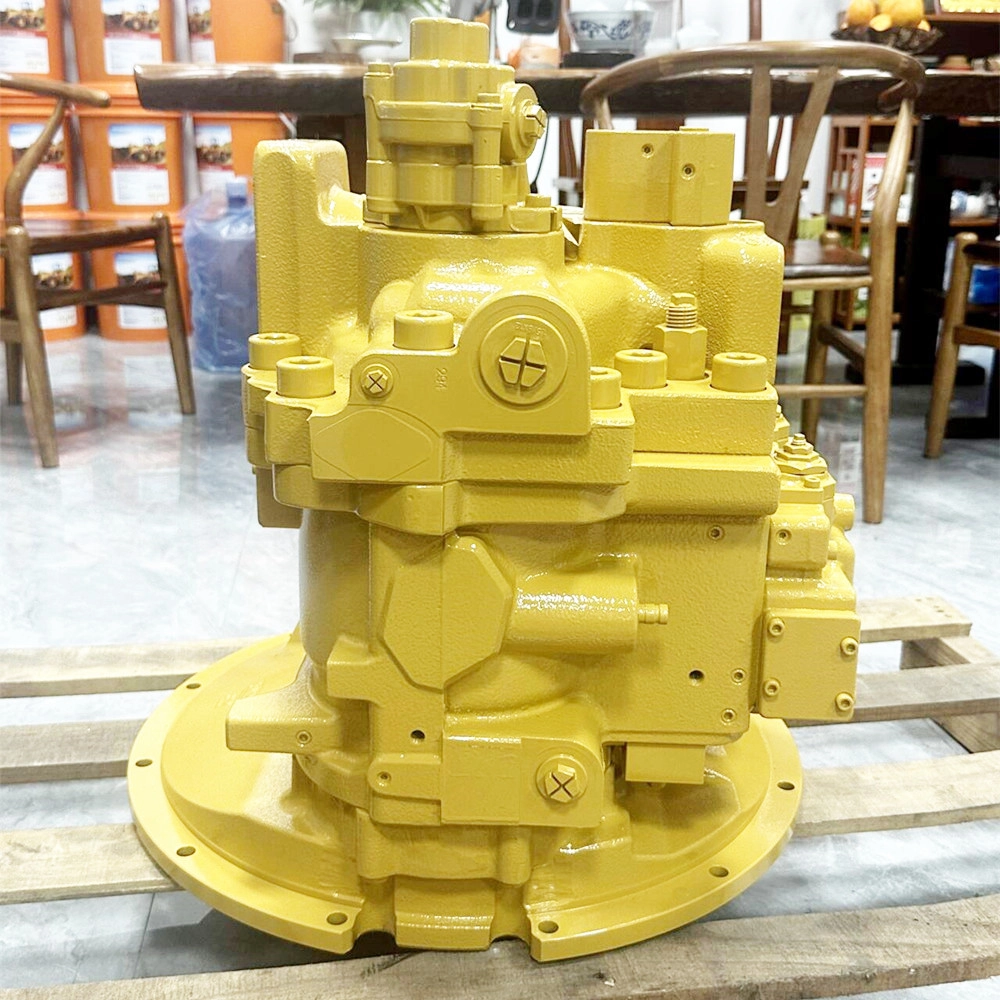
Selecting the Right Hydraulic Pump for CAT 336D Excavators
How to Test an Excavator Hydraulic Pump Performance: Practical Guide
Prdoucts Categories
Question you may concern
FAQ
Do you provide installation services for your parts?
While we do not offer installation services directly, we can recommend qualified professionals or resources to assist you with the installation of our parts. Our customer support team can provide guidance on finding local service providers.
Can I return or exchange parts if I change my mind?
Yes, we accept returns and exchanges within [insert return period, e.g., 30 days] of purchase. The items must be unused and in their original packaging. Please contact our customer service team to initiate a return or exchange.
What is your shipping policy?
We offer a variety of shipping options to meet your needs. Orders are typically processed within [insert processing time] days, and delivery times may vary based on your location. We will provide you with tracking information once your order has shipped.
Do you provide warranties on your products?
Yes, we stand by the quality of our products. Most parts come with a warranty that covers manufacturing defects. Please refer to the specific warranty information provided with your purchase or contact our customer service team for details.
Do you offer bulk purchasing options?
Yes, we offer competitive pricing for bulk orders. If you are interested in purchasing large quantities of parts, please contact our sales team to discuss your requirements and receive a customized quote.
You may also like
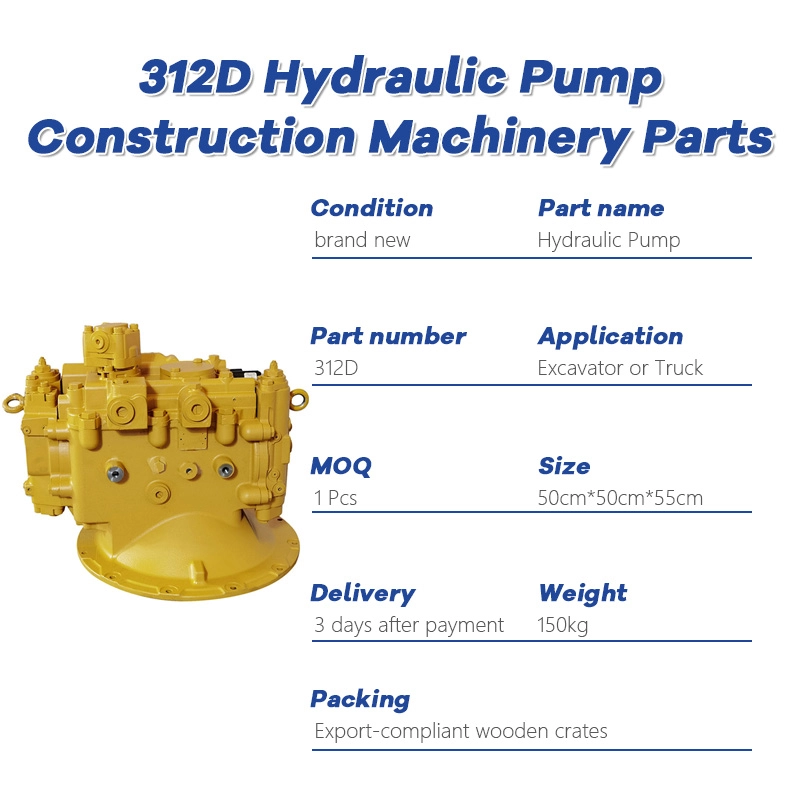
Excavator Hydraulic Pump for CAT 312D | Fast Shipping
Get your high-quality JELXEL CAT 312D hydraulic pump! Engineered for durability and peak performance, this essential 312D hydraulic pump ensures your excavator runs efficiently. Benefit from our fast shipping to minimize downtime. Choose JELXEL for reliable, high-quality solutions for your CAT 312D.
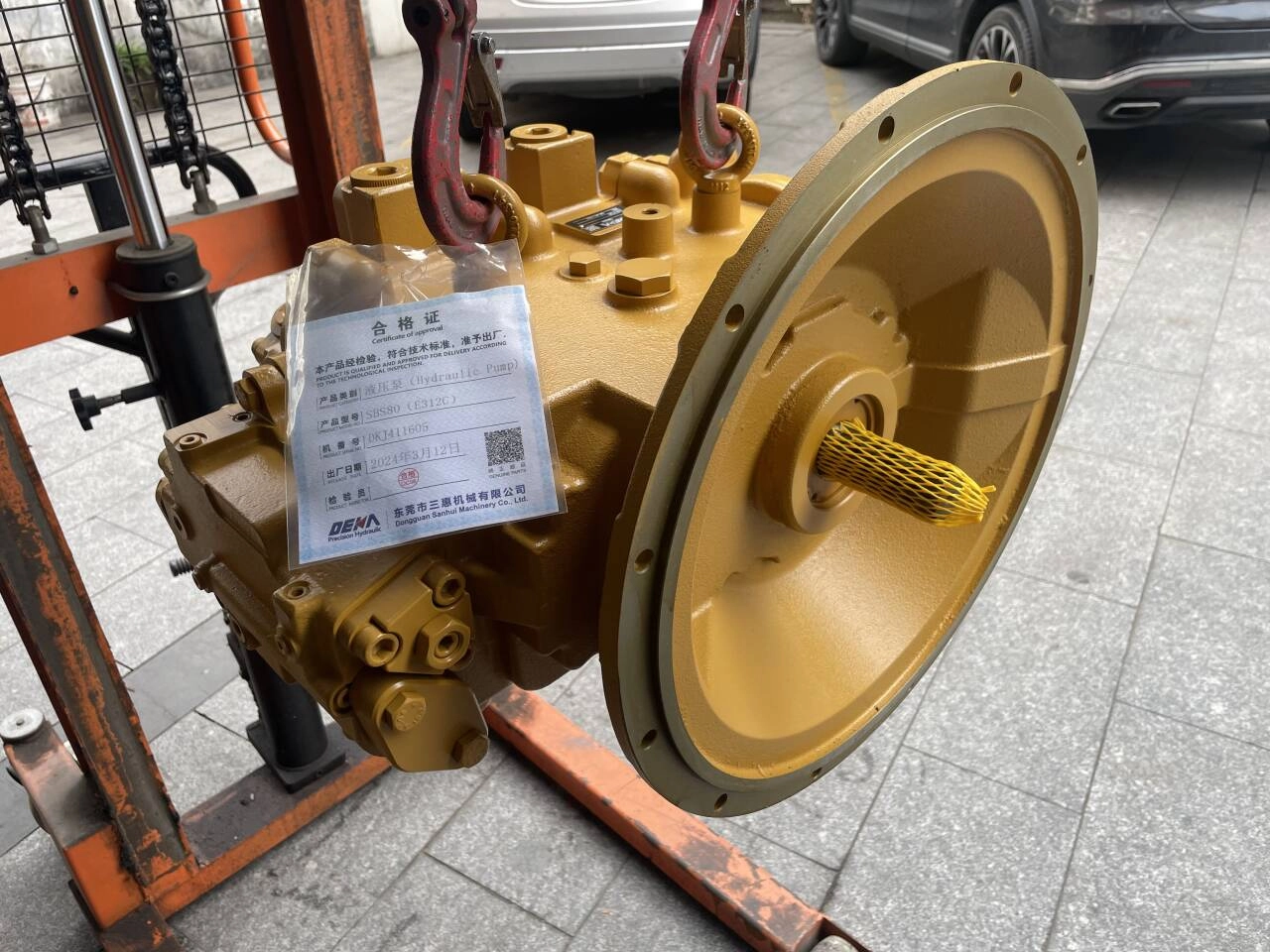
New CAT 312C Hydraulic Main Pump | Compatible Excavator Parts
JELXEL’ New CAT 312C Hydraulic Main Pump delivers reliable performance for your excavator. Engineered for durability, this Caterpillar 312C hydraulic pump ensures seamless compatibility and optimal efficiency.
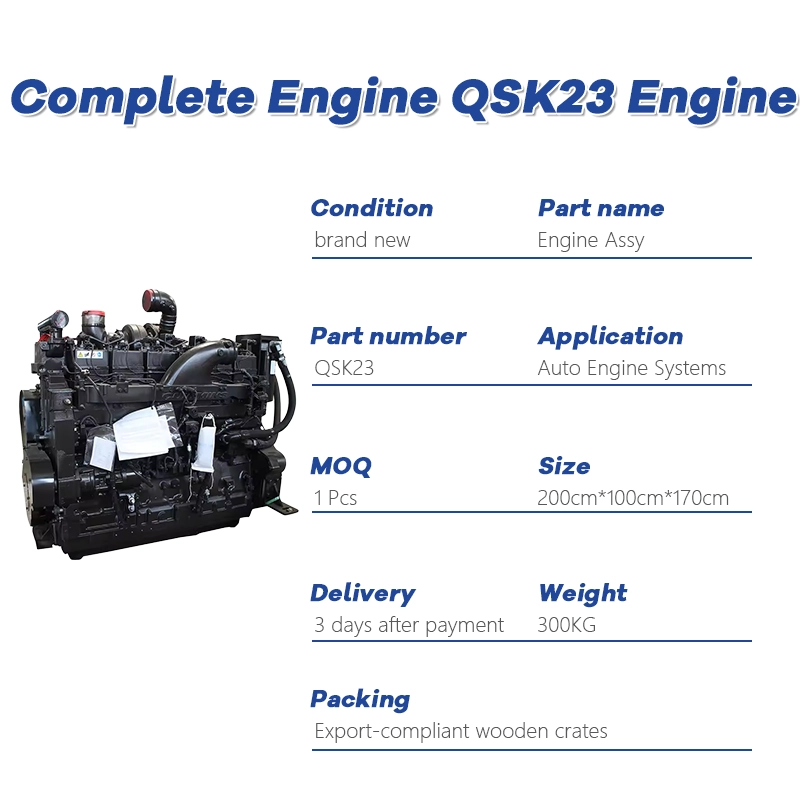
QSK23 Excavator Engine Assembly | Reliable & Efficient Performance
Discover the high-performance QSK23 Excavator Engine Assembly by JELXEL, designed for reliable and efficient excavation. Ideal QSK23 engine parts for excavators, this engine assembly delivers durability and power. Explore our engine assembly for sale to boost your machinery’s performance today.
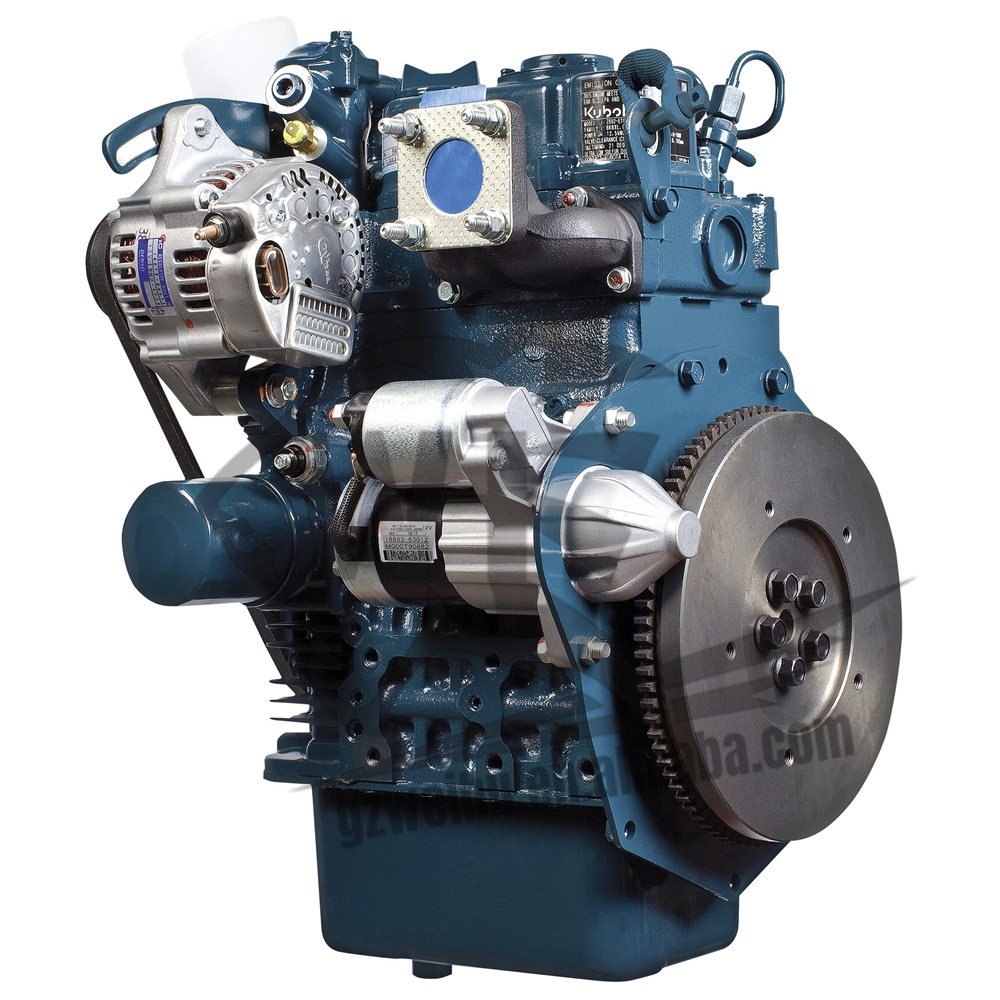
D722 Excavator Engine Replacement | Boost Your Excavator’s Power
Upgrade your excavator's performance with the JELXEL D722 Excavator Engine Replacement. Buy D722 excavator engine now to enhance power and efficiency. Excavator D722 Engine for Sale, designed for durability and smooth operation. Boost your excavator’s power today!
Get in touch with us
If you have any comments or good suggestions, please leave us a message, later our professional staff will contact you as soon as possible.
To be a happy enterprise in the field of engineering equipment.
JELXEL delivers efficient and reliable service at each stage to meet the customer's needs.