

jackhuang5919@gmail.com
How to Test an Excavator Hydraulic Pump Performance: Practical Guide
Step-by-step guide to test an excavator hydraulic pump performance. Learn required tools, pressure and flow tests, diagnostics, pass/fail thresholds, maintenance tips, and when to replace or order parts from JELXEL.
- Introduction
- Why test excavator hydraulic pump performance?
- Tools and data you need before testing
- Essential diagnostic tools for accurate hydraulic pump testing
- Step-by-step testing procedure
- 1. Safety checks and pre-test inspection
- 2. Fluid and filter condition check
- 3. Static pressure test (relief and system pressure)
- 4. Flow test and pump displacement check
- 5. Load test and operational performance evaluation
- 6. Leakage, efficiency and mechanical input checks
- 7. Electronic diagnostics and sensor checks
- Tools and cost comparison
- Comparing testing instruments for practical procurement
- Interpreting test results and thresholds
- What constitutes pass/fail during pump testing?
- Common failure causes and remedies
- Typical root causes and practical fixes
- Maintenance best practices to extend pump life
- Routine checks and preventive actions
- Repair vs replace: decision guide
- When to order a replacement pump or buy excavator spare parts
- Conclusion
- Practical summary for testing excavator hydraulic pump performance
- Frequently Asked Questions
Introduction
Why test excavator hydraulic pump performance?
Testing excavator hydraulic pump performance is essential to maintain uptime, avoid costly breakdowns, and ensure safe operation. For fleet managers and technicians searching How to Test an Excavator Hydraulic Pump Performance, this guide provides a practical, user-focused workflow to diagnose pump issues, verify pump output against OEM specs, and decide whether to repair or replace parts. If you need replacement parts, JELXEL supplies quality excavator spare parts with reliable delivery and R&D-backed components.
Tools and data you need before testing
Essential diagnostic tools for accurate hydraulic pump testing
Before testing, gather the right tools and reference data. Common tools include a high-pressure hydraulic gauge, flow meter or flow bench, digital multimeter, thermal camera or infrared thermometer, stethoscope for leak/noise detection, and a diagnostic scanner for electronic excavator systems. Always have the excavator's OEM specs (pressure, flow, relief valve setting) on hand—these are the baselines to compare your measurements.
Step-by-step testing procedure
1. Safety checks and pre-test inspection
Start with safety: park on level ground, engage parking brake, lower attachments to the ground, isolate the hydraulic system, and relieve stored pressure. Inspect hoses, couplings, filters, reservoir level, and look for obvious contamination or metallic particles. These quick checks can reveal easy fixes and reduce the risk of injury during testing.
2. Fluid and filter condition check
Check hydraulic oil level, color, and smell—dark, burnt oil or metal flakes indicate contamination or wear. Verify filter service intervals and replace filters if overdue. Target fluid cleanliness per OEM; many systems require ISO 4406 cleanliness codes around 18/16/13 or better depending on machine age and application.
3. Static pressure test (relief and system pressure)
Install a calibrated pressure gauge at the pump pressure port or test port. Start the machine and slowly increase throttle to test idle and max RPM. Compare measured relief pressure to OEM specs. Typical excavator systems operate roughly between 200–300 bar (2,900–4,350 psi), with some high-pressure machines up to 350 bar (5,075 psi). If the pump cannot reach or hold relief pressure, or pressure fluctuates more than ~10% under steady throttle, suspect worn pump components or relief valve issues.
4. Flow test and pump displacement check
Measure flow with an inline flow meter or use a flow bench at given RPM values. Compare flow (L/min or GPM) to the OEM rated flow at the same RPM. Typical flow ranges: mini-excavators 20–60 L/min, medium 100–200 L/min, and large machines 300–500 L/min. A sustained flow loss greater than 10–15% often indicates internal leakage or wear.
5. Load test and operational performance evaluation
Run the machine under typical load (digging, lifting) and observe pressure and flow behavior. If the pump stalls under load, cavitates (sucking sound), or temperatures rise quickly (above normal operating temp, often ~60–80°C depending on load), the pump may be failing. Measure how pressure and flow change under load and compare to the expected values in the OEM chart.
6. Leakage, efficiency and mechanical input checks
Internal leakage reduces hydraulic efficiency. Estimate pump efficiency using hydraulic power vs mechanical input power: hydraulic power (kW) ≈ (Pressure (bar) × Flow (L/min)) / 600. If you can measure engine RPM and torque or use a dynamometer, calculate mechanical power. A significantly low hydraulic-to-mechanical power ratio indicates worn internal components. Also check return lines for excessive pressure (which suggests internal leakage).
7. Electronic diagnostics and sensor checks
Modern excavators use load-sensing pumps and electronic controls (CAN bus). Use OEM diagnostic tools or generic scanner to check for error codes, sensor faults, or logic faults that can affect pump performance. Faulty pressure sensors, flow sensors, or control valves can mimic pump failure.
Tools and cost comparison
Comparing testing instruments for practical procurement
Below is a concise comparison of common tools used when testing hydraulic pumps. Choose tools based on accuracy and expected testing frequency.
| Tool | Purpose | Typical cost (USD) |
|---|---|---|
| High-pressure hydraulic gauge | Measure system/relief pressure | $100–$400 |
| Inline flow meter / flow bench | Measure pump flow at RPM | $300–$2,500 |
| Thermal camera / IR thermometer | Detect overheating and hot spots | $150–$1,500 |
| Hydraulic test kit (pressure/return adapters) | Fast connections for tests | $50–$300 |
| Diagnostic scanner (OEM/generic) | Read fault codes and sensor data | $200–$2,000+ |
Interpreting test results and thresholds
What constitutes pass/fail during pump testing?
Use these practical thresholds as guidelines: flow loss >10–15% at rated RPM, inability to reach relief pressure, pressure fluctuation >10% under steady throttle, sustained high return-line pressure, or evidence of cavitation are strong indicators of pump failure or imminent replacement. Always reference OEM limits—some manufacturers specify stricter tolerances.
Common failure causes and remedies
Typical root causes and practical fixes
Most hydraulic pump problems stem from contamination (dirty fluid), cavitation (air in system), overheating, or normal wear. Remedies include fluid and filter replacement, ensuring proper suction line and reservoir ventilation, replacing worn pump components or entire pump assemblies, and correcting control valve or relief valve faults. For high-value repairs, consider JELXEL for OEM-quality replacement parts and technical support.
Maintenance best practices to extend pump life
Routine checks and preventive actions
Prevent failures with scheduled fluid analysis, filter changes, reservoir cleaning, and monitoring temperatures and pressures. Maintain cleanliness (target ISO cleanliness recommended by OEM), avoid overheating, and inspect seals and couplings regularly. Proactive maintenance reduces downtime and parts costs over the machine lifecycle.
Repair vs replace: decision guide
When to order a replacement pump or buy excavator spare parts
Decide based on age, severity of wear, downtime costs, and repairability. If internal components (gear/ring vanes) are severely worn, or if repair cost approaches ~50–70% of a new pump price, replacement is usually more cost-effective. JELXEL offers competitive replacement pumps and components to minimize downtime and ensure quality performance.
Conclusion
Practical summary for testing excavator hydraulic pump performance
Testing an excavator hydraulic pump performance requires a mix of visual inspection, fluid checks, pressure and flow measurement, load testing, and electronic diagnostics. Use OEM specs as baselines, watch for >10–15% flow loss or pressure instability, and follow safety procedures. When repair is impractical, source reliable replacement parts from suppliers like JELXEL to restore performance quickly and affordably.
Frequently Asked Questions
How often should I test my excavator hydraulic pump?Perform a basic inspection and fluid check daily or weekly depending on utilization. Conduct a full pressure/flow test quarterly for heavy-use machines or after any performance issues.
What pressure and flow numbers indicate a bad pump?If measured flow is consistently >10–15% below the OEM-rated flow at the same RPM, or if the pump cannot reach or hold specified relief/system pressure, consider the pump failing. Confirm with additional tests (leakage, return-line pressure).
Can I test the pump without removing it from the machine?Yes. Most tests (pressure, flow, load, and electronic diagnostics) can be performed in-situ with the right adapters and tools. Only severe internal inspections require pump removal.
How do I detect cavitation during testing?Listen for a distinct sucking or gravelly noise during high flow demand, check for foamy oil or air bubbles in return lines, and monitor sudden temperature rises. Use a stethoscope and thermal camera for confirmation.
Is it better to repair or replace a worn hydraulic pump?Minor wear and external faults can be repaired cost-effectively. If internal wear is severe or repair costs approach a large fraction of replacement cost, replace the pump—this often restores efficiency and reliability faster.
Where can I buy quality excavator hydraulic pumps and spare parts?JELXEL provides a full range of excavator spare parts, including pumps and components. We focus on quality, cost-effectiveness, and prompt delivery to help you get machines back to work quickly.
Tags
Cummins B5.9 marine engine
Cummins B5.9 marine engine
best diesel engine
best diesel engine
cummins qsm11 engine for sale
cummins qsm11 engine for sale
Carter C7.1 diesel engine
Carter C7.1 diesel engine
CAT 980H replacement pump
CAT 980H replacement pump
best Diesel Engine
best Diesel Engine
Recommended for you
Hydraulic Pump Maintenance Guide for Excavator Parts 2026

Best Maintenance Products for Cat C9 Engine Longevity
Choosing the Right Hydraulic Pump for Heavy-Duty Excavators
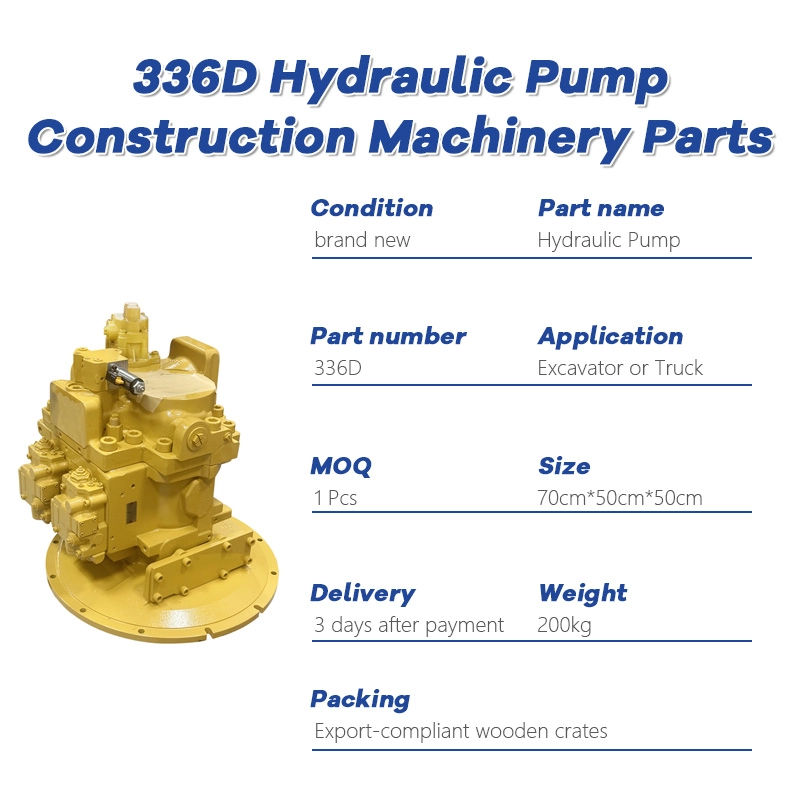
Compliance & Testing Standards for Hydraulic Pump Procurement
Prdoucts Categories
Question you may concern
FAQ
Can I return or exchange parts if I change my mind?
Yes, we accept returns and exchanges within [insert return period, e.g., 30 days] of purchase. The items must be unused and in their original packaging. Please contact our customer service team to initiate a return or exchange.
How do I know which parts I need for my excavator?
If you are unsure which parts are needed, our knowledgeable customer support team can assist you. You can provide us with your excavator model and any relevant details, and we will help you identify the correct parts.
Do you offer bulk purchasing options?
Yes, we offer competitive pricing for bulk orders. If you are interested in purchasing large quantities of parts, please contact our sales team to discuss your requirements and receive a customized quote.
What is your shipping policy?
We offer a variety of shipping options to meet your needs. Orders are typically processed within [insert processing time] days, and delivery times may vary based on your location. We will provide you with tracking information once your order has shipped.
Are your parts compatible with all excavator brands?
JELXEL strives to offer parts compatible with a wide range of excavator brands and models. However, we recommend checking the product specifications or consulting with our team to ensure compatibility with your specific excavator.
You may also like
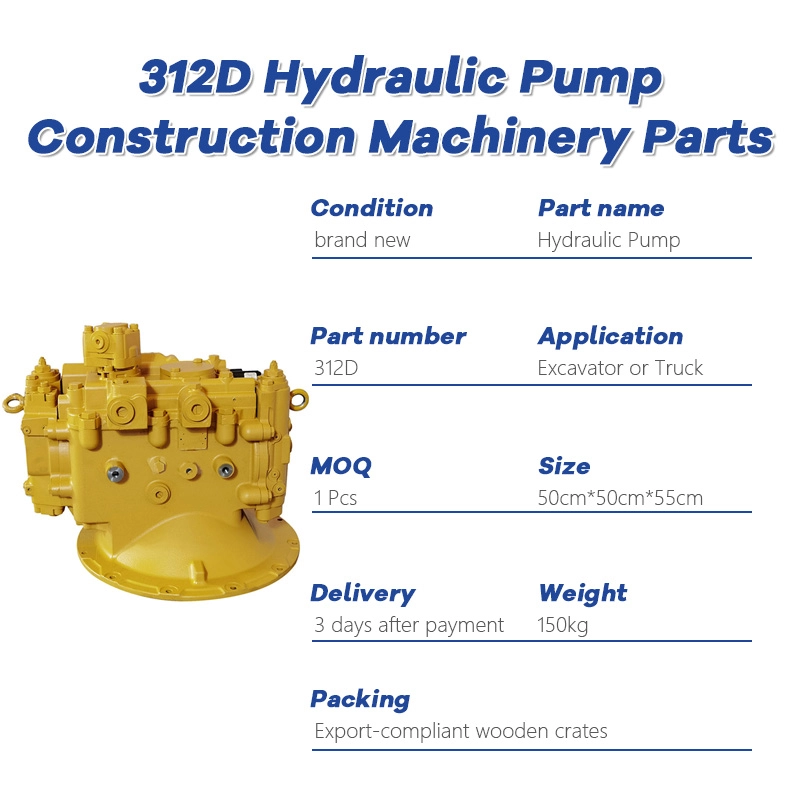
Excavator Hydraulic Pump for CAT 312D | Fast Shipping
Get your high-quality JELXEL CAT 312D hydraulic pump! Engineered for durability and peak performance, this essential 312D hydraulic pump ensures your excavator runs efficiently. Benefit from our fast shipping to minimize downtime. Choose JELXEL for reliable, high-quality solutions for your CAT 312D.
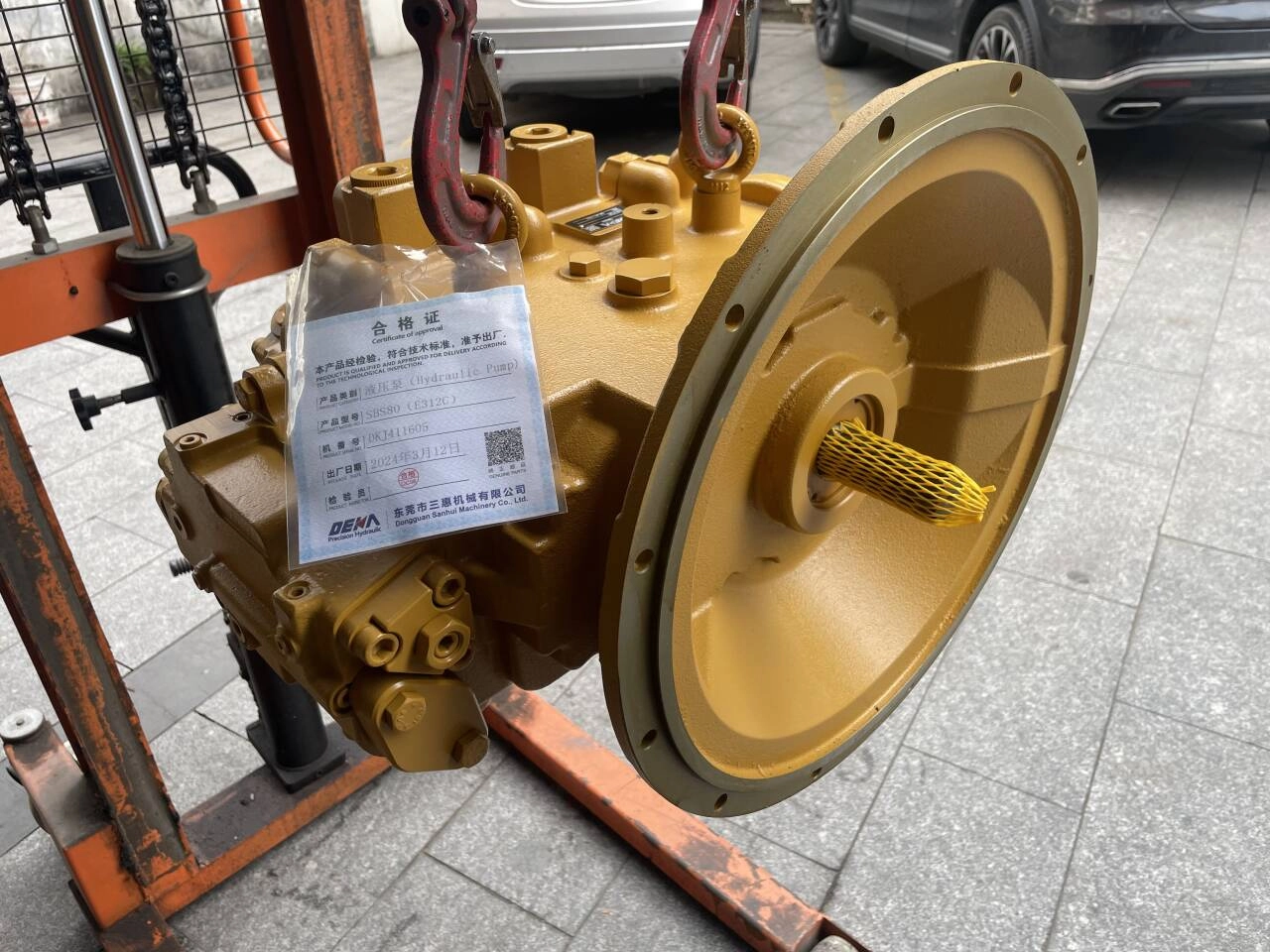
New CAT 312C Hydraulic Main Pump | Compatible Excavator Parts
JELXEL’ New CAT 312C Hydraulic Main Pump delivers reliable performance for your excavator. Engineered for durability, this Caterpillar 312C hydraulic pump ensures seamless compatibility and optimal efficiency.
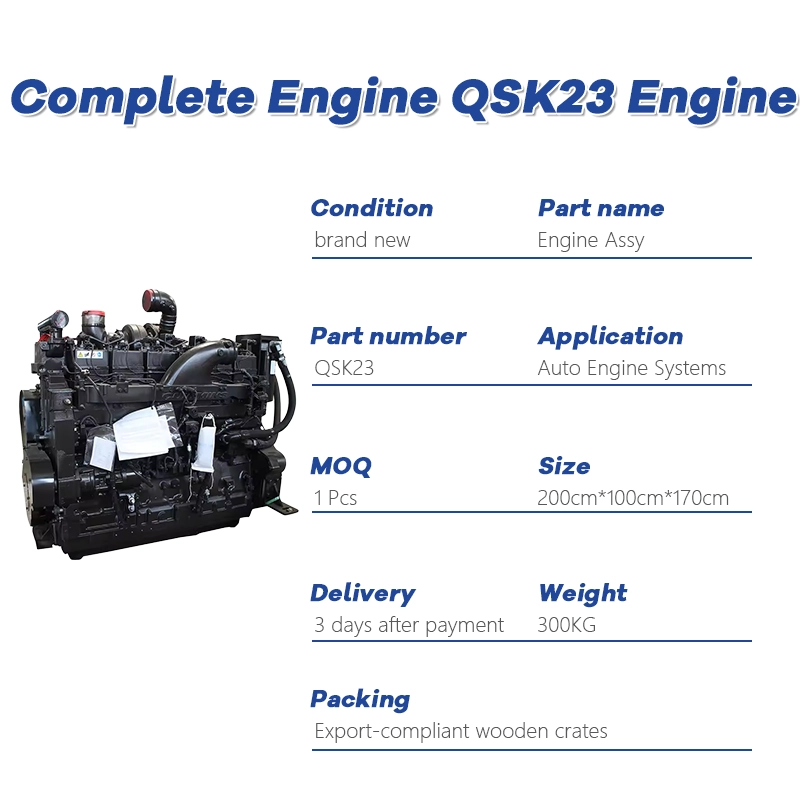
QSK23 Excavator Engine Assembly | Reliable & Efficient Performance
Discover the high-performance QSK23 Excavator Engine Assembly by JELXEL, designed for reliable and efficient excavation. Ideal QSK23 engine parts for excavators, this engine assembly delivers durability and power. Explore our engine assembly for sale to boost your machinery’s performance today.
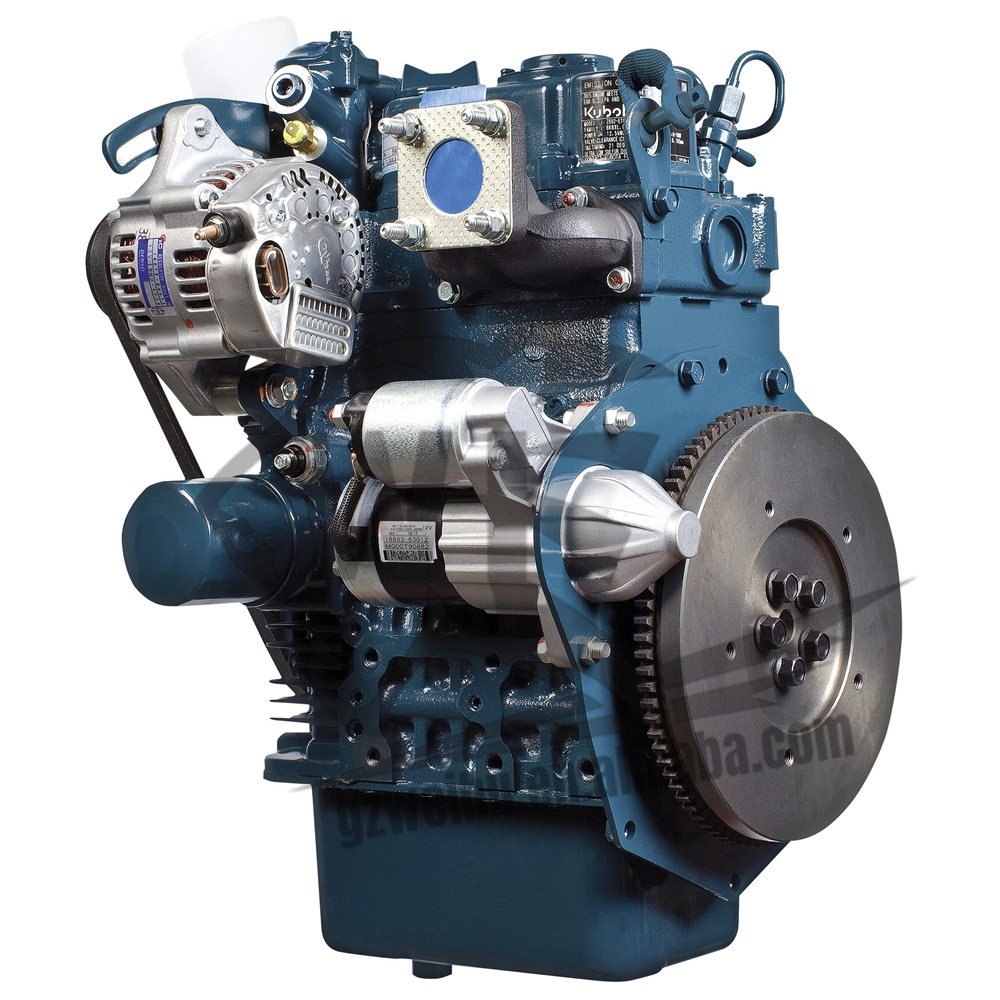
D722 Excavator Engine Replacement | Boost Your Excavator’s Power
Upgrade your excavator's performance with the JELXEL D722 Excavator Engine Replacement. Buy D722 excavator engine now to enhance power and efficiency. Excavator D722 Engine for Sale, designed for durability and smooth operation. Boost your excavator’s power today!
Get in touch with us
If you have any comments or good suggestions, please leave us a message, later our professional staff will contact you as soon as possible.
To be a happy enterprise in the field of engineering equipment.
JELXEL delivers efficient and reliable service at each stage to meet the customer's needs.