

jackhuang5919@gmail.com
Upgrading Your Excavator Engine for More Power
Practical guide to upgrading an excavator engine for more power, efficiency and longevity. Covers upgrade options, costs, emissions compliance, performance trade-offs, ROI examples, and how JELXEL supports parts and expertise.
- Upgrading Your Excavator Engine for More Power
- Why upgrade your excavator engine?
- Common goals when improving excavator engine performance
- Overview of upgrade options for excavator engines
- Assessing your excavator before upgrade
- ECU remapping and electronic tuning
- Upgrading turbochargers and air systems
- Replacing fuel system components
- Full engine replacement with higher-rated unit
- Hybrid and electric-assist solutions
- Cost ranges and typical returns
- Example comparison: stock vs. tuned vs. full replacement
- Emissions and regulatory compliance
- Reliability, warranty and service considerations
- Integrating upgrades with hydraulics and drivetrain
- How to choose the right supplier for parts and upgrades
- Why choose JELXEL for excavator engine upgrades and parts?
- Step-by-step upgrade checklist
- Practical tips to maximize ROI
- Case study snapshot: mid-size excavator upgrade (summary)
- Maintenance after upgrade
- Final recommendations
- FAQ
- Will an ECU remap void my engine warranty?
- How much more power can I realistically get without replacing the engine?
- Do upgrades affect emissions compliance?
- What is the typical payback period for an upgrade?
- Can JELXEL provide parts and technical support for upgrades?
Upgrading Your Excavator Engine for More Power
Why upgrade your excavator engine?
Upgrading an excavator engine can deliver clearer performance benefits: higher power and torque for demanding tasks, better fuel economy under load, improved reliability, and longer productive life for the machine. Owners upgrade engines to meet new job requirements, reduce cycle times, or comply with stricter emissions and fuel-efficiency targets. Choosing the right upgrade path is essential to avoid wasted investment and to protect machine longevity.
Common goals when improving excavator engine performance
Typical objectives include increased horsepower/torque for heavy lifting or deep digging, reduced fuel consumption per hour, smoother response for precise work, and meeting emissions regulations (for example, EU Stage V or EPA Tier 4 for many markets). Some customers also prioritize fewer maintenance stops and improved uptime — objectives that influence which upgrade option is best.
Overview of upgrade options for excavator engines
There are several practical ways to increase excavator performance: engine remapping/ECU tuning, adding or upgrading turbochargers and air systems, replacing worn components (injectors, pumps), installing a higher-spec replacement engine, or integrating hybrid/electric assist systems where available. Each option varies in cost, expected gains, and compliance considerations.
Assessing your excavator before upgrade
Before any modification to your excavator engine, inspect machine health: oil analysis, compression tests, turbo condition, fuel-system pressure, hydraulic system state, and overall drivetrain condition. An engine with underlying mechanical wear will not deliver long-term gains even after tuning. A professional diagnostic will prevent spending on an upgrade that shortens service life.
ECU remapping and electronic tuning
Remapping the engine control unit (ECU) can unlock moderate power increases (commonly 5–15%) by optimizing fuel delivery and injection timing. Benefits usually include better throttle response and sometimes improved fuel efficiency if the machine is frequently operating under moderate-to-high load. Remapping is lower-cost than a full engine swap but should be performed by experienced technicians and validated for emissions compliance in regulated regions.
Upgrading turbochargers and air systems
Installing a higher-capacity turbocharger or upgrading the intake and intercooler can raise power and torque while keeping reliability. This approach often provides more immediate gains than remapping alone, especially for machines that work at high altitudes or under continuous heavy load. Proper matching of turbocharger size to the engine and application is critical to avoid lag or excessive thermal stress.
Replacing fuel system components
Worn injectors, fuel pumps, or clogged filters reduce power and increase fuel consumption. Replacing these with OEM-quality or high-spec aftermarket parts can restore original output and efficiency. For many operators, this basic service yields significant returns at modest cost before considering more invasive upgrades.
Full engine replacement with higher-rated unit
A full engine replacement is the most definitive way to increase power. Installing a higher-rated or newer-compliant engine can add substantial horsepower/torque and bring emissions compliance up to current standards (e.g., upgrading from older Stage III engines to Stage V or EPA Tier 4 Final). This is the most expensive path but can be justifiable for heavy-duty fleets where increased capability or emissions compliance is essential.
Hybrid and electric-assist solutions
Where available, hybrid or electric-assist systems can improve peak-power delivery and reduce fuel consumption. These solutions are increasingly relevant for urban jobsites with emissions restrictions. Adoption depends on machine compatibility, available retrofit kits, and cost-benefit for the specific application.
Cost ranges and typical returns
Costs vary widely by machine size and chosen path. Typical cost ranges (global industry norms): ECU remap or tuning: $1,000–$5,000; turbo upgrade: $3,000–$12,000; fuel system overhaul: $1,000–$8,000; full engine replacement: $15,000–$80,000+. Fuel savings from effective upgrades commonly range 5–20% depending on duty cycle. Payback periods can be months to a few years depending on operating hours, fuel price, and productivity gains.
Example comparison: stock vs. tuned vs. full replacement
Below is an illustrative comparison for a mid-size excavator (~20–25 metric tons). These are representative figures to help planning; exact numbers depend on engine model and working conditions.
| Specification | Stock Engine | After ECU Remap + Turbo | After Full Replacement (higher-rated) |
|---|---|---|---|
| Rated Power | 200 hp | 230 hp (≈15% increase) | 260 hp (≈30% increase) |
| Peak Torque | 900 Nm | 1,050 Nm | 1,200 Nm |
| Fuel Consumption (typical) | 22 L/hr | 20 L/hr (≈9% lower) | 21 L/hr (improved efficiency through newer design) |
| Estimated Cost (parts & labor) | Baseline | $8,000–$18,000 | $35,000–$60,000 |
| Expected Payback | N/A | 1–3 years (depending on hours & fuel price) | 2–5 years |
Emissions and regulatory compliance
Any engine modification or replacement must consider emissions rules. Many regions require certified engines or verified emissions control systems (e.g., aftertreatment for NOx/PM). Upgrading an older engine to increase power may unintentionally increase emissions unless the solution includes compliant aftertreatment or is a certified replacement engine (e.g., engines meeting EU Stage V or EPA Tier 4 Final). Consult local regulations and use certified parts where required.
Reliability, warranty and service considerations
Increased power typically stresses drivetrain components (transmission, undercarriage, hydraulic pumps). Upgrades should be accompanied by a systems review. Choose parts with manufacturer backing when possible; warranties on remaps or aftermarket turbochargers vary. For fleets, standardized upgrades and documented maintenance schedules are recommended to avoid uneven reliability.
Integrating upgrades with hydraulics and drivetrain
Power upgrades must be balanced with hydraulic pump capacity and cooling systems. If engine power increases without matching hydraulic and cooling upgrades, you risk overheating, reduced hydraulic life, or transmission slippage. A calibrated systems upgrade plan ensures the entire machine benefits from added engine output.
How to choose the right supplier for parts and upgrades
Look for suppliers that provide documentation, OEM-equivalent or certified parts, installation support, and clear warranty terms. Suppliers should offer application-specific expertise: matching turbo sizes, ECU maps, and replacement engines to the excavator model. Focus on suppliers that can demonstrate Engineering, Experience, Authority, and Trustworthiness (E-E-A-T) through case studies, certifications, and after-sales support.
Why choose JELXEL for excavator engine upgrades and parts?
JELXEL serves as a reliable partner for global clients in the excavator spare parts sector. We supply a comprehensive selection of parts to support routine maintenance or high-performance systems. JELXEL emphasizes quality, cost-effectiveness, and timely delivery, backed by an R&D team and technicians dedicated to improving part design and performance. For upgrades, JELXEL provides compatible components, technical guidance, and sourcing support to ensure upgrades meet performance and compliance goals.
Step-by-step upgrade checklist
1) Conduct a full machine diagnostic (engine, hydraulics, cooling, transmission). 2) Define performance goals: more torque, faster cycles, lower fuel consumption, or emissions compliance. 3) Select upgrade path (tune, turbo, component replacement, full swap). 4) Confirm regulatory compliance and warranty impacts. 5) Procure OEM or verified parts (JELXEL can assist). 6) Install with experienced technicians and run a validation test under typical loads. 7) Monitor performance and adjust maintenance intervals as needed.
Practical tips to maximize ROI
Prioritize upgrades that restore original performance first (injectors, filters, turbo repair). Monitor telematics and fuel-use data to quantify improvements. Where fuel savings are a major driver, calculate ROI using real fuel prices and actual machine hours. Maintain records of upgrades and validate them with before-and-after performance tests to support resale value.
Case study snapshot: mid-size excavator upgrade (summary)
A contractor upgraded a 22-ton excavator with ECU remap and a matched turbocharger. Post-upgrade data over 2,000 operating hours showed a 12% average reduction in fuel consumed per cubic meter of material moved and a 14% increase in cycle speed on digging tasks. The project paid back upgrade costs in under 18 months thanks to reduced fuel spend and improved productivity. Results like this are achievable when upgrades are planned and executed with proper diagnostics and quality parts.
Maintenance after upgrade
After any engine upgrade, follow a tightened maintenance schedule for the first 500–1,000 hours: oil/change intervals, turbo inspection, fuel filter replacement, and ECU health checks. Early detection of issues protects the investment and prolongs component life.
Final recommendations
Upgrading an excavator engine can deliver measurable gains in power and efficiency, but success depends on a systems approach: diagnostics, matched components, regulatory compliance, and post-upgrade maintenance. For fleet operators and owners seeking reliable parts and technical support, partnering with a supplier like JELXEL—which focuses on quality parts, R&D, and service—helps ensure upgrades deliver the expected performance and value.
FAQ
Will an ECU remap void my engine warranty?
It can. Many OEM warranties are voided by unauthorized ECU changes. Use certified remapping providers and verify warranty terms with the manufacturer or parts supplier before proceeding. JELXEL can help source certified options and advise on warranty implications.
How much more power can I realistically get without replacing the engine?
With safe, professionally done ECU tuning and turbo matching, many excavators see 5–15% more power and torque. Larger gains typically require hardware changes or full replacement.
Do upgrades affect emissions compliance?
Yes. Some tuning can increase emissions. If you operate in regulated regions, choose certified replacement engines or approved upgrades that maintain emissions compliance (e.g., Stage V or Tier 4 Final).
What is the typical payback period for an upgrade?
Payback depends on fuel savings, increased productivity, operating hours, and upgrade cost. Typical payback ranges from under 1 year (high-utilization fleets) to several years for lower-use machines. Use actual fuel prices and operating hours to model ROI.
Can JELXEL provide parts and technical support for upgrades?
Yes. JELXEL provides a wide range of excavator parts, technical consultation, and support for selecting components for upgrades. Our engineering team helps match parts to specific models and compliance needs.
Tags
kubota v2403 engine price
kubota v2403 engine price
Caterpillar C18 engine
Caterpillar C18 engine
Isuzu 6BG1T diesel engine
Isuzu 6BG1T diesel engine
Excavator Engine V2607 Diesel Replacement Engine for Sale
Excavator Engine V2607 Diesel Replacement Engine for Sale
CAT C9 industrial engine
CAT C9 industrial engine
Excavator Engine V2607 Direct Factory Supply
Excavator Engine V2607 Direct Factory Supply
Recommended for you
Top excavator spare parts Manufacturers and Suppliers in China
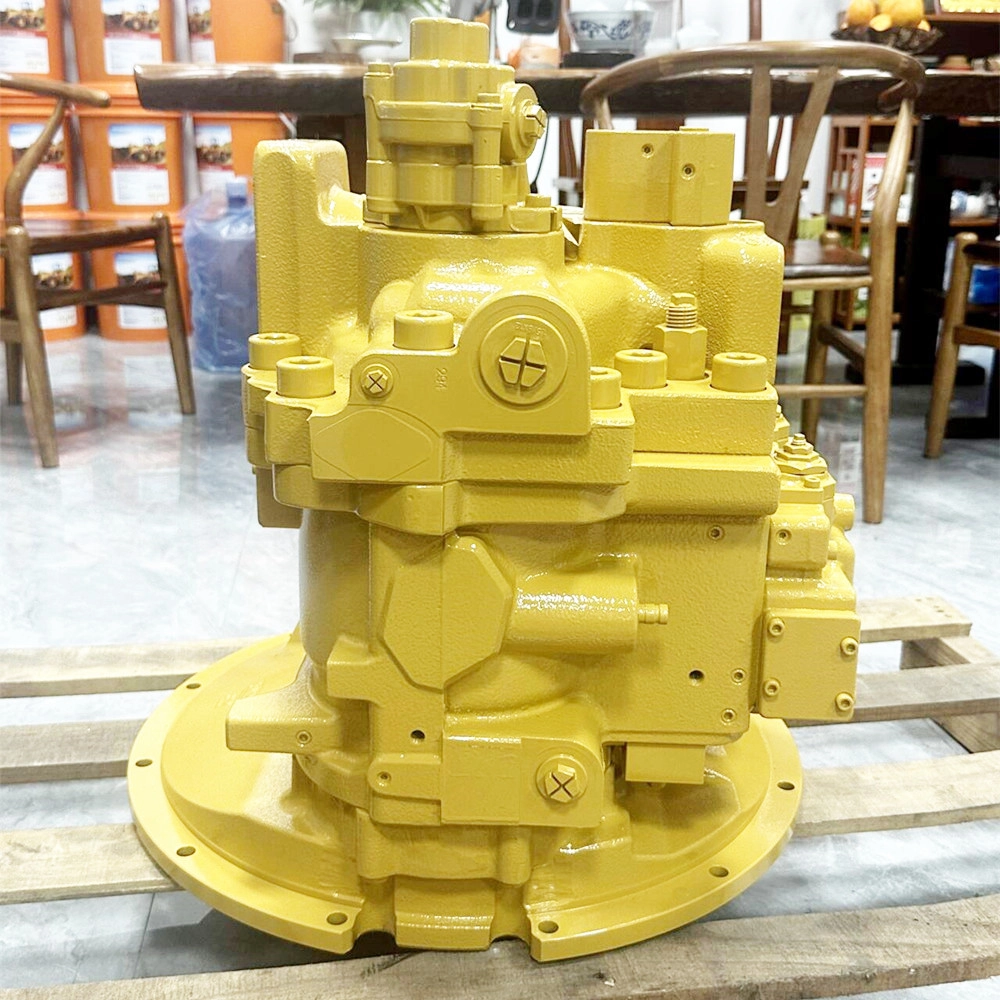
Supplier Evaluation: Heavy Duty CAT Replacement Pumps
Hydraulic Pump Troubleshooting Flow and Pressure Guide 2026
Excavator Hydraulic Pump vs Motor: Key Differences and How to Choose
Prdoucts Categories
Question you may concern
FAQ
Are your parts compatible with all excavator brands?
JELXEL strives to offer parts compatible with a wide range of excavator brands and models. However, we recommend checking the product specifications or consulting with our team to ensure compatibility with your specific excavator.
How can I place an order?
You can place an order through our user-friendly online platform or by contacting our sales team directly. Simply browse our catalog, select the parts you need, and follow the checkout process to complete your order.
How do I know which parts I need for my excavator?
If you are unsure which parts are needed, our knowledgeable customer support team can assist you. You can provide us with your excavator model and any relevant details, and we will help you identify the correct parts.
What is your shipping policy?
We offer a variety of shipping options to meet your needs. Orders are typically processed within [insert processing time] days, and delivery times may vary based on your location. We will provide you with tracking information once your order has shipped.
What types of excavator parts do you offer?
JELXEL provides a comprehensive range of excavator parts, including but not limited to buckets, hydraulic components, undercarriage parts, and engine components. Our goal is to be your one-stop solution for all excavator needs.
You may also like
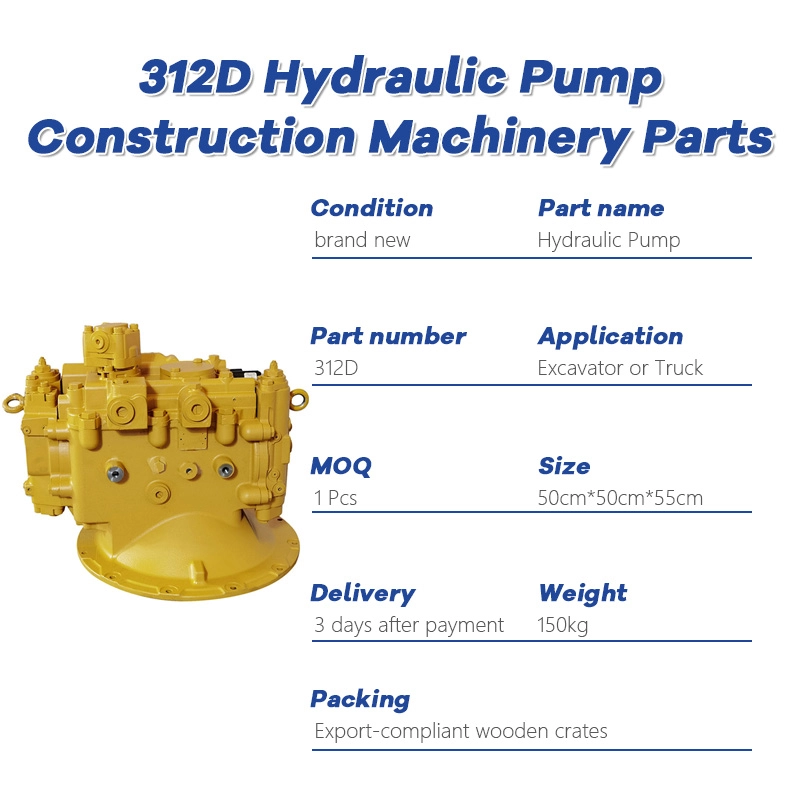
Excavator Hydraulic Pump for CAT 312D | Fast Shipping
Get your high-quality JELXEL CAT 312D hydraulic pump! Engineered for durability and peak performance, this essential 312D hydraulic pump ensures your excavator runs efficiently. Benefit from our fast shipping to minimize downtime. Choose JELXEL for reliable, high-quality solutions for your CAT 312D.
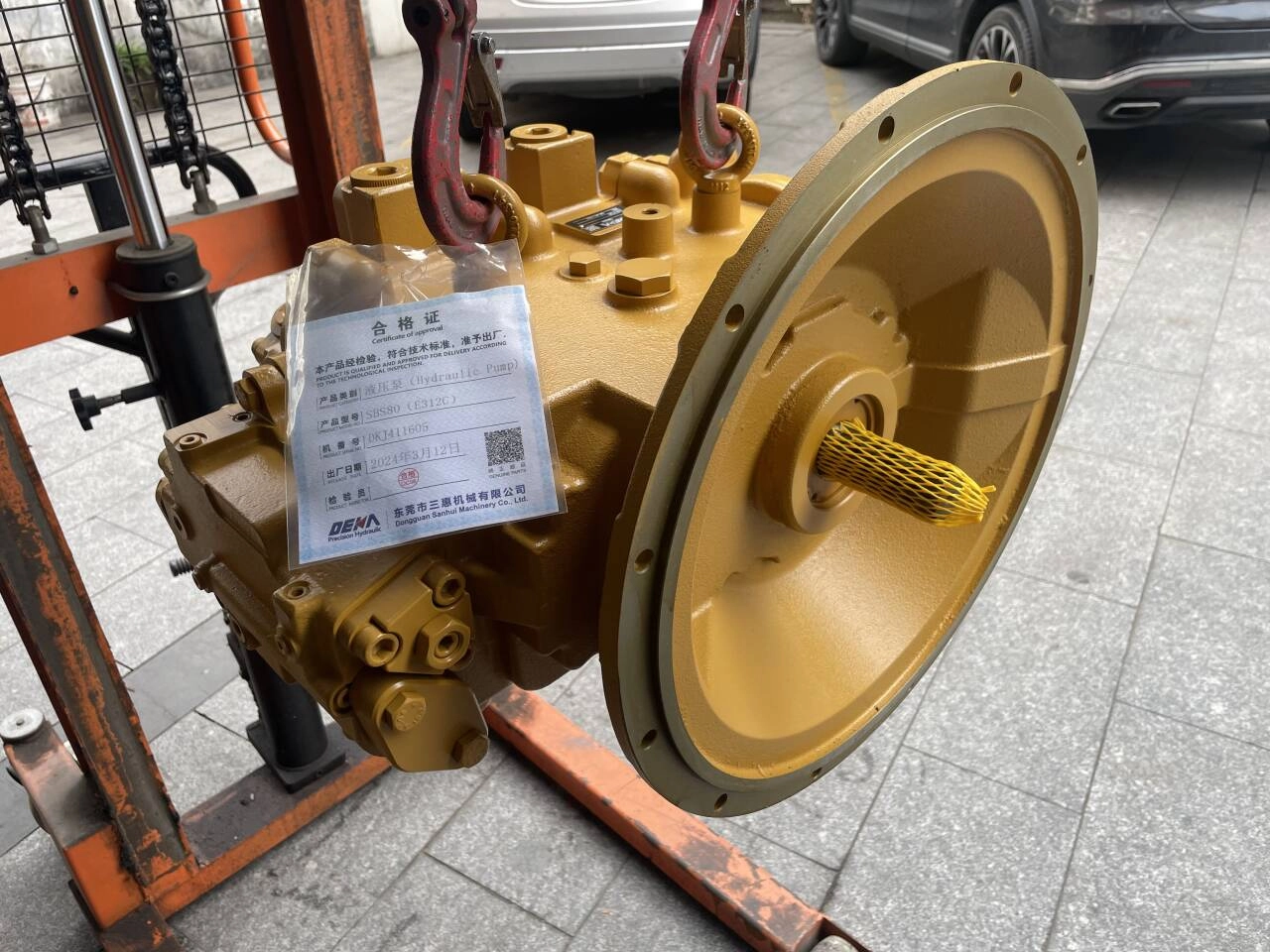
New CAT 312C Hydraulic Main Pump | Compatible Excavator Parts
JELXEL’ New CAT 312C Hydraulic Main Pump delivers reliable performance for your excavator. Engineered for durability, this Caterpillar 312C hydraulic pump ensures seamless compatibility and optimal efficiency.
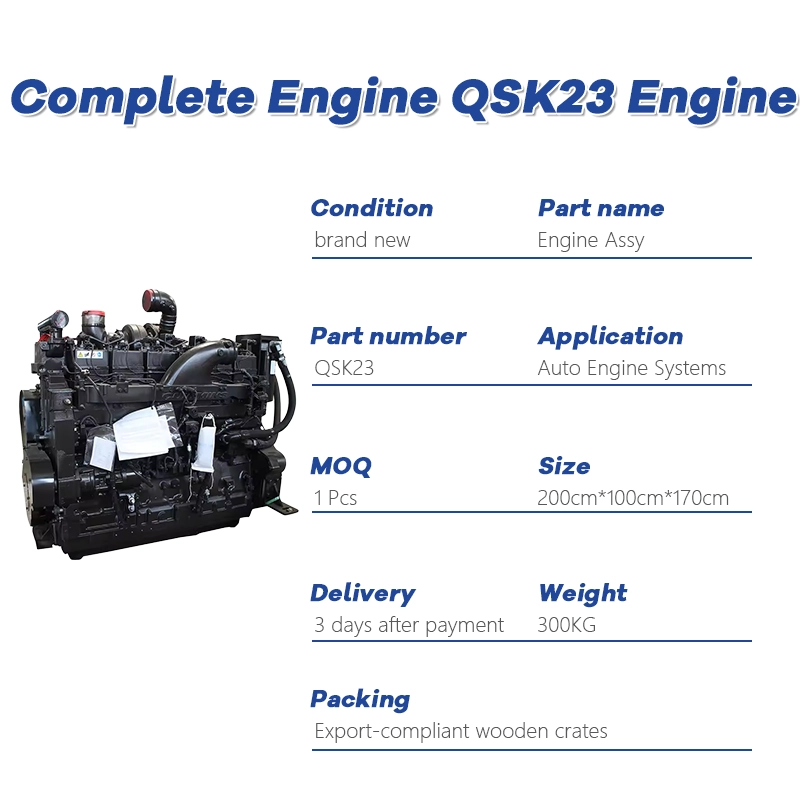
QSK23 Excavator Engine Assembly | Reliable & Efficient Performance
Discover the high-performance QSK23 Excavator Engine Assembly by JELXEL, designed for reliable and efficient excavation. Ideal QSK23 engine parts for excavators, this engine assembly delivers durability and power. Explore our engine assembly for sale to boost your machinery’s performance today.
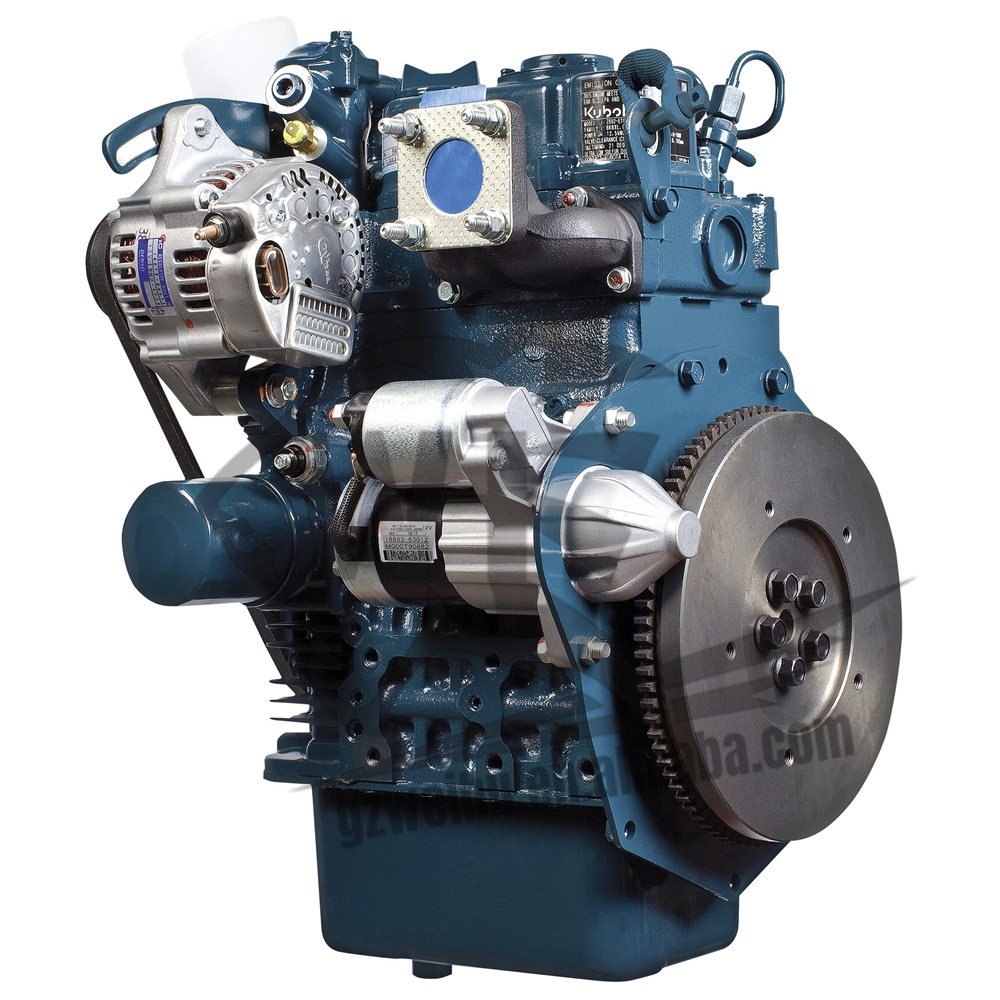
D722 Excavator Engine Replacement | Boost Your Excavator’s Power
Upgrade your excavator's performance with the JELXEL D722 Excavator Engine Replacement. Buy D722 excavator engine now to enhance power and efficiency. Excavator D722 Engine for Sale, designed for durability and smooth operation. Boost your excavator’s power today!
Get in touch with us
If you have any comments or good suggestions, please leave us a message, later our professional staff will contact you as soon as possible.
To be a happy enterprise in the field of engineering equipment.
JELXEL delivers efficient and reliable service at each stage to meet the customer's needs.