

jackhuang5919@gmail.com
Excavator Hydraulic Pump vs Motor: Key Differences and How to Choose
A practical guide comparing excavator hydraulic pumps and motors: functions, types, performance, selection tips, maintenance, and troubleshooting. Learn how to match pumps and motors for reliable excavator operation.
- Excavator Hydraulic Pump vs Motor: Key Differences
- What a Hydraulic Pump Does
- Function and role
- Common pump types
- What a Hydraulic Motor Does
- Function and role
- Common motor types
- Key Differences at a Glance
- How to Read Performance: Flow, Pressure, Torque, and Power
- Basic hydraulic power formula
- Example calculation
- Efficiency and Real-World Performance
- Typical efficiencies
- Practical Selection Criteria for Excavator Owners
- Match pump and motor to application
- Commercial keywords to guide purchasing
- Maintenance, Troubleshooting, and Lifespan
- Common maintenance tips
- Typical longevity
- When to Repair vs Replace
- JELXEL: Your Partner for Excavator Pumps and Motors
- About JELXEL
- Decision Flow: How to Choose Between Pump or Motor Options
- Quick Comparison Table: Pump vs Motor (Selection Focus)
- Conclusion
- Frequently Asked Questions
- References
Excavator Hydraulic Pump vs Motor: Key Differences
Understanding the difference between an excavator hydraulic pump and a hydraulic motor is fundamental for operators, technicians, and purchasing managers. Although they are complementary components in hydraulic systems, their roles, performance metrics, failure modes, and selection criteria differ significantly. This article explains those differences in clear, actionable terms, offers selection and maintenance guidance, and helps you choose the right components for optimal excavator performance.
What a Hydraulic Pump Does
Function and role
An excavator hydraulic pump converts mechanical energy from the engine or prime mover into hydraulic energy (flow and pressure). It supplies pressurized hydraulic fluid to valves, cylinders, and motors. In short, the pump is the source of hydraulic power.
Common pump types
Excavators typically use three main pump types:
- Axial piston pumps (variable or fixed displacement) — high pressure, high efficiency, used in modern mid-to-large excavators.
- Vane pumps — moderate pressure, quieter, used in some mid-range systems.
- Gear pumps — simple, robust, lower cost, typically used in auxiliary circuits or small machines.
What a Hydraulic Motor Does
Function and role
A hydraulic motor converts hydraulic energy (pressure and flow) back into mechanical rotational energy (torque and speed). Hydraulic motors drive travel motors, swing drives, winches, and attachments. Where the pump is the power source, the motor is the actuator that performs motion work.
Common motor types
Hydraulic motors mirror pump types: gear motors (simple, lower torque), vane motors (smoother operation), and piston motors (high torque and efficiency for heavy-duty travel and swing applications).
Key Differences at a Glance
Below is a focused comparison that highlights the commercial and technical differences important for buyers and technicians.
| Aspect | Hydraulic Pump | Hydraulic Motor |
|---|---|---|
| Primary function | Convert mechanical to hydraulic energy (creates flow) | Convert hydraulic to mechanical energy (produces torque) |
| Direction of energy | Engine → Hydraulic circuit | Hydraulic circuit → Mechanical output |
| Key specs | Displacement, flow (L/min), max pressure (bar), efficiency | Displacement, speed (RPM), torque (Nm), efficiency |
| Common failure modes | Cavitation, wear, leakage, overheating | Seizure, internal leakage, shaft wear, overheating |
| Typical use in excavator | Primary main pumps, pilot pumps, auxiliary pumps | Final drives (travel), swing motors, attachment motors |
How to Read Performance: Flow, Pressure, Torque, and Power
Basic hydraulic power formula
Hydraulic power (kW) can be calculated as: Power (kW) = Pressure (bar) × Flow (L/min) / 600.This simple formula helps you estimate the hydraulic power a pump must supply and the theoretical power a motor can deliver before accounting for losses.
Example calculation
If a pump provides 200 bar at 100 L/min, hydraulic power = (200 × 100) / 600 = 33.33 kW. With a motor efficiency of 90%, the motor’s mechanical output ≈ 33.33 × 0.90 = 30.0 kW. These calculations help choose compatible pump and motor sizes.
Efficiency and Real-World Performance
Typical efficiencies
Efficiencies vary with type and condition. General guidance:
- Axial piston pumps/motors: mechanical efficiencies often 85–95% when new and well-maintained.
- Vane pumps/motors: around 80–90% in good condition.
- Gear pumps/motors: typically 70–85% (lower at higher pressures).
System efficiency is the product of pump and motor efficiencies; realistic system output is lower than nominal hydraulic power due to leakage and parasitic losses.
Practical Selection Criteria for Excavator Owners
Match pump and motor to application
Consider the following checklist when purchasing or specifying components:
- Required flow and pressure based on implement demands and machine size.
- Peak vs continuous duty cycles—choose piston units for sustained heavy use.
- Efficiency needs to minimize fuel consumption and heat generation.
- Space, weight, and mounting constraints on the machine.
- Availability and cost of spare parts and service support.
Commercial keywords to guide purchasing
When searching or requesting quotes, use targeted phrases like “high-pressure axial piston pump,” “excavator travel motor replacement,” “115 kW hydraulic pump for excavators,” or “reliable swing motor for hydraulic excavators” to find suitable commercial suppliers and parts.
Maintenance, Troubleshooting, and Lifespan
Common maintenance tips
- Keep hydraulic fluid clean: replace filters per manufacturer schedule and monitor fluid cleanliness (ISO 4406 codes).
- Monitor operating temperatures—overheating accelerates wear.
- Check for cavitation noise (pumps) and loss of torque or jerky movement (motors).
- Follow recommended oil types and viscosities—incorrect fluids reduce efficiency and life.
Typical longevity
With proper maintenance, modern hydraulic pumps and motors can last 5–10+ years in heavy equipment applications. Life expectancy depends on operating hours, duty cycle, fluid cleanliness, and environmental conditions.
When to Repair vs Replace
Decide based on cost, downtime, and residual life. Minor leakage or seal wear can usually be repaired. Severe internal wear, bent shafts, or repeated failures often justify replacement. For high-cycle travel motors or main pumps, consider replacement with upgraded designs (e.g., piston technology) if uptime is critical.
JELXEL: Your Partner for Excavator Pumps and Motors
About JELXEL
JELXEL serves as a reliable partner for global clients in the excavator spare parts sector. We offer a comprehensive selection of excavator parts designed to support routine tasks and high-performance systems. JELXEL emphasizes quality, cost-effectiveness, and timely delivery to keep machines running smoothly. Our R&D team focuses on durable, efficient components that meet industry standards. Whether you need main pumps, travel motors, swing motors, or hydraulic accessories, JELXEL provides compatible parts and technical support to help you make the right choice.
Decision Flow: How to Choose Between Pump or Motor Options
Use this step-by-step approach:
- Define machine application and duty cycle (light, intermittent, continuous heavy).
- Calculate required flow and pressure using implement specs and the hydraulic power formula.
- Choose pump type that matches pressure/flow needs and efficiency targets (piston for high pressure, gear for simple/low-cost circuits).
- Select motor type based on torque and speed needs (piston motors for travel/swing; gear motors for auxiliary drives).
- Verify compatibility (mountings, shaft, displacement) and plan for maintenance accessibility.
Quick Comparison Table: Pump vs Motor (Selection Focus)
| Selection Factor | Pump Considerations | Motor Considerations |
|---|---|---|
| Primary spec to check | Maximum flow (L/min), max pressure (bar), displacement | Displacement, rated torque (Nm), rated speed (RPM) |
| Best for | Generating system power: main circuits, variable flow control | Driving wheels, tracks, swing, attachments |
| Typical cost driver | Materials and complexity (variable-displacement adds cost) | Torque capacity and sealing technology |
Conclusion
Hydraulic pumps and motors perform opposite but complementary roles in excavator hydraulic systems. Pumps generate hydraulic power; motors convert that power into useful mechanical output. Choosing the right pump and motor depends on duty cycle, required flow/pressure, efficiency goals, and maintenance capabilities. By understanding the differences and applying simple calculations, you can specify components that improve machine uptime, reduce operating cost, and match performance requirements. For reliable parts and technical support, consider suppliers like JELXEL that focus on quality, innovation, and global service.
Frequently Asked Questions
Q: What is the main difference between a hydraulic pump and a motor?A: A pump converts mechanical energy into hydraulic energy (flow and pressure); a motor converts hydraulic energy back into mechanical rotational energy (torque and speed).
Q: How do I calculate hydraulic power for matching components?A: Use Power (kW) = Pressure (bar) × Flow (L/min) / 600. Then factor in pump and motor efficiencies to estimate mechanical output.
Q: Which is more efficient, piston or gear designs?A: Piston (axial) designs are generally more efficient and better for high-pressure, continuous-duty applications; gear units are simpler and cheaper but usually less efficient.
Q: How often should hydraulic oil and filters be changed?A: Follow the equipment manufacturer's schedule; typical heavy-duty guidance is filter changes every 250–500 operating hours and oil changes every 1,000–2,000 hours depending on contamination levels and operating conditions.
Q: Can I replace a failed motor with a different displacement motor?A: You can if it meets torque and speed requirements and fits mounting and coupling constraints, but mismatched displacement may affect system balance and control. It's best to verify compatibility with a technician or supplier.
References
- Parker Hannifin technical articles and pump/motor catalogs (industry reference for hydraulic components).
- Bosch Rexroth product literature and engineering guides on hydraulic pumps and motors.
- ISO 1219 and ISO 4406 cleanliness standards summaries (industry standards for hydraulic systems and fluid cleanliness).
- Hydraulics & Pneumatics magazine technical articles and case studies.
- Manufacturer maintenance manuals (Komatsu, Caterpillar) for hydraulic excavator best practices.
Tags
hydraulic pump for sale
hydraulic pump for sale
CAT 336D excavator spare parts
CAT 336D excavator spare parts
Hydraulic pump for excavator
Hydraulic pump for excavator
hydraulics pumps
hydraulics pumps
CAT 320D spare parts
CAT 320D spare parts
diesel engine
diesel engine
Recommended for you
Warranty, Support and Service Options for Diesel Engine Purchases
Hydraulic Pump Noise Diagnosis and Fixes for 2026
Top 5 excavator hydraulic pump Company List and Products Compared
How Hydraulic Pump Efficiency Impacts Excavator Performance 2026
Prdoucts Categories
Question you may concern
FAQ
Do you offer bulk purchasing options?
Yes, we offer competitive pricing for bulk orders. If you are interested in purchasing large quantities of parts, please contact our sales team to discuss your requirements and receive a customized quote.
Do you provide installation services for your parts?
While we do not offer installation services directly, we can recommend qualified professionals or resources to assist you with the installation of our parts. Our customer support team can provide guidance on finding local service providers.
Can I return or exchange parts if I change my mind?
Yes, we accept returns and exchanges within [insert return period, e.g., 30 days] of purchase. The items must be unused and in their original packaging. Please contact our customer service team to initiate a return or exchange.
Are your parts compatible with all excavator brands?
JELXEL strives to offer parts compatible with a wide range of excavator brands and models. However, we recommend checking the product specifications or consulting with our team to ensure compatibility with your specific excavator.
What types of excavator parts do you offer?
JELXEL provides a comprehensive range of excavator parts, including but not limited to buckets, hydraulic components, undercarriage parts, and engine components. Our goal is to be your one-stop solution for all excavator needs.
You may also like
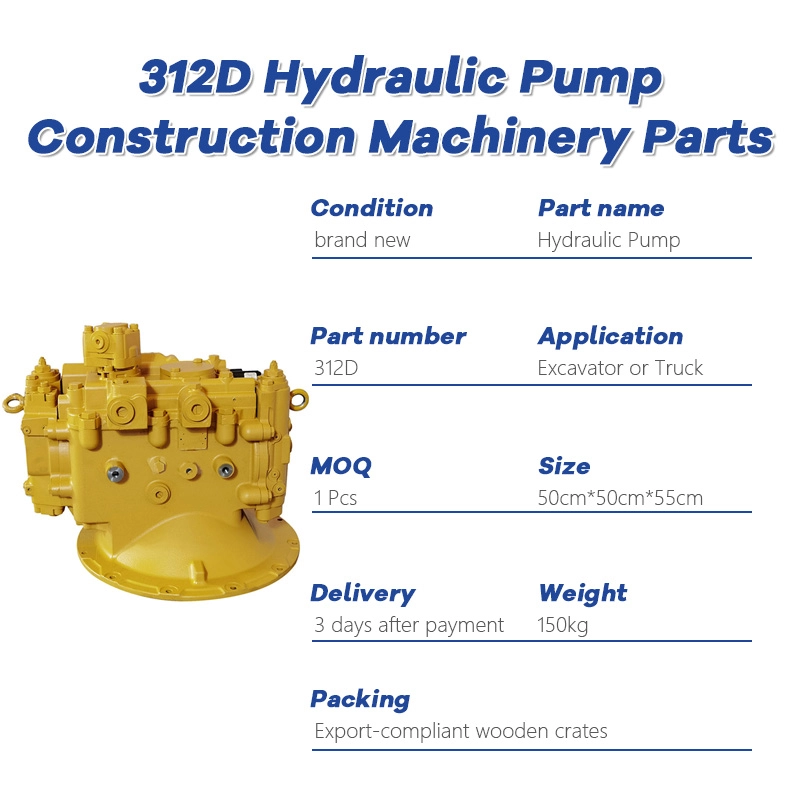
Excavator Hydraulic Pump for CAT 312D | Fast Shipping
Get your high-quality JELXEL CAT 312D hydraulic pump! Engineered for durability and peak performance, this essential 312D hydraulic pump ensures your excavator runs efficiently. Benefit from our fast shipping to minimize downtime. Choose JELXEL for reliable, high-quality solutions for your CAT 312D.
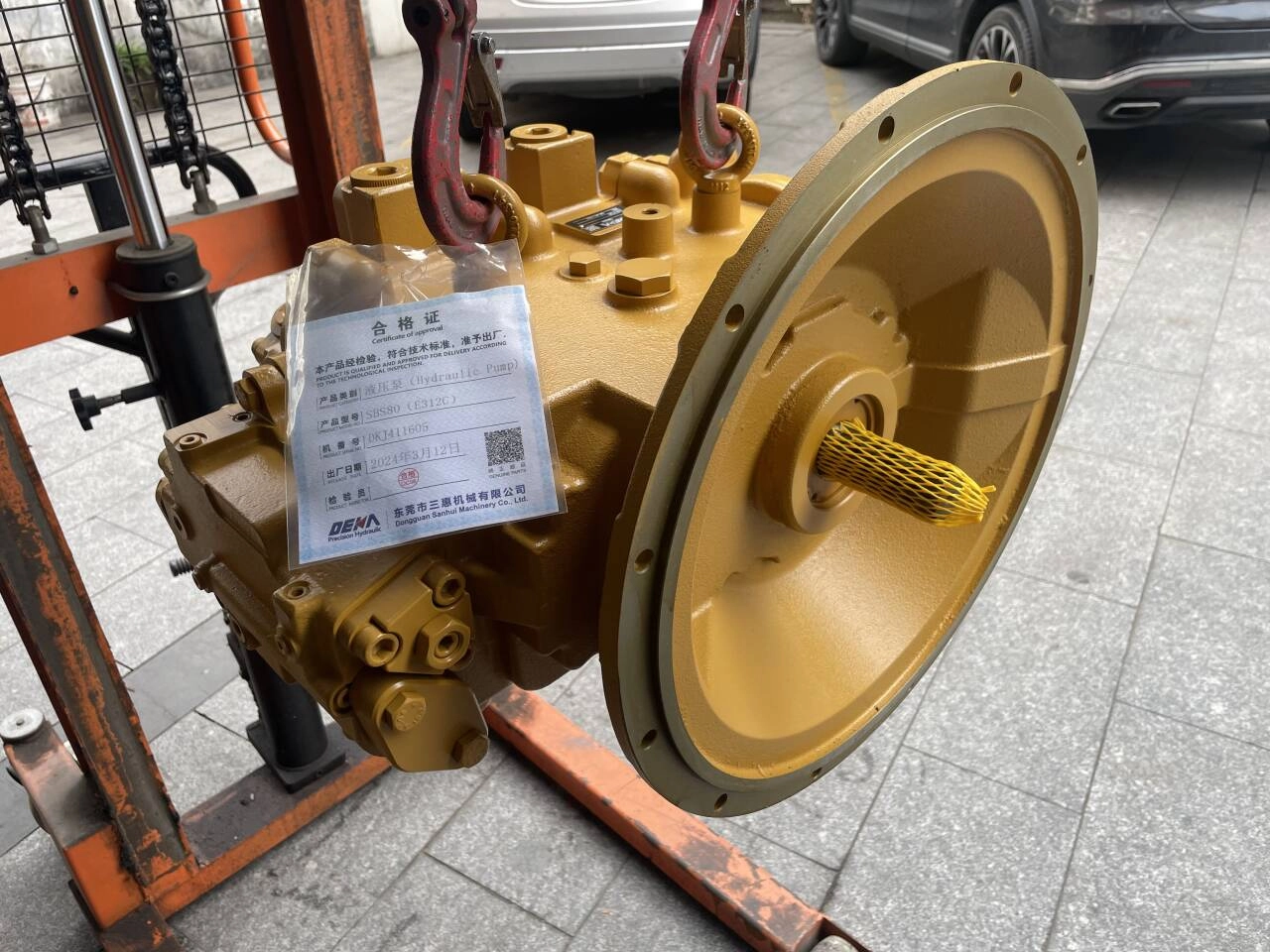
New CAT 312C Hydraulic Main Pump | Compatible Excavator Parts
JELXEL’ New CAT 312C Hydraulic Main Pump delivers reliable performance for your excavator. Engineered for durability, this Caterpillar 312C hydraulic pump ensures seamless compatibility and optimal efficiency.
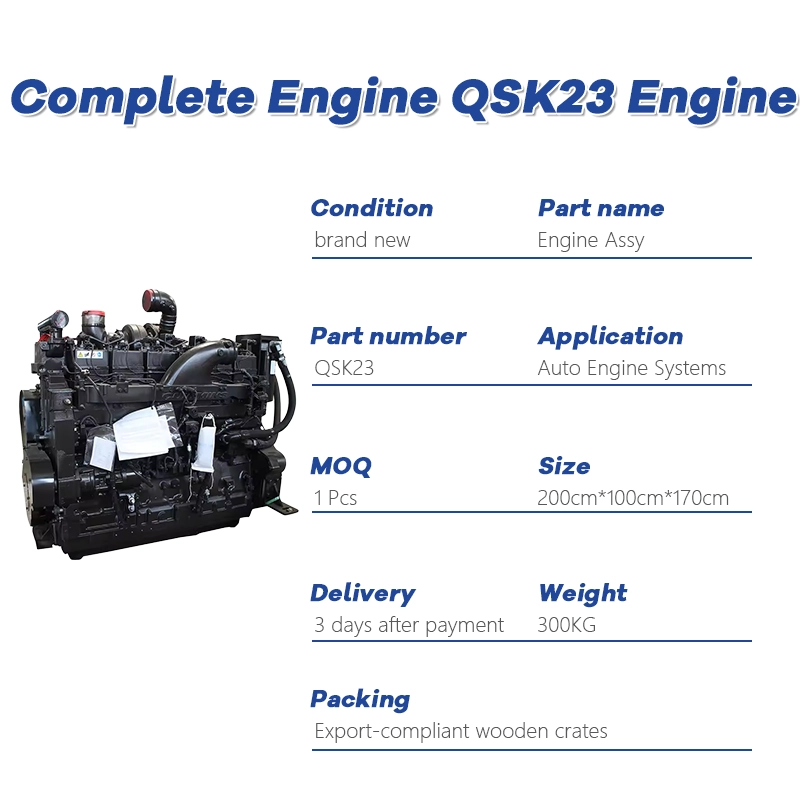
QSK23 Excavator Engine Assembly | Reliable & Efficient Performance
Discover the high-performance QSK23 Excavator Engine Assembly by JELXEL, designed for reliable and efficient excavation. Ideal QSK23 engine parts for excavators, this engine assembly delivers durability and power. Explore our engine assembly for sale to boost your machinery’s performance today.
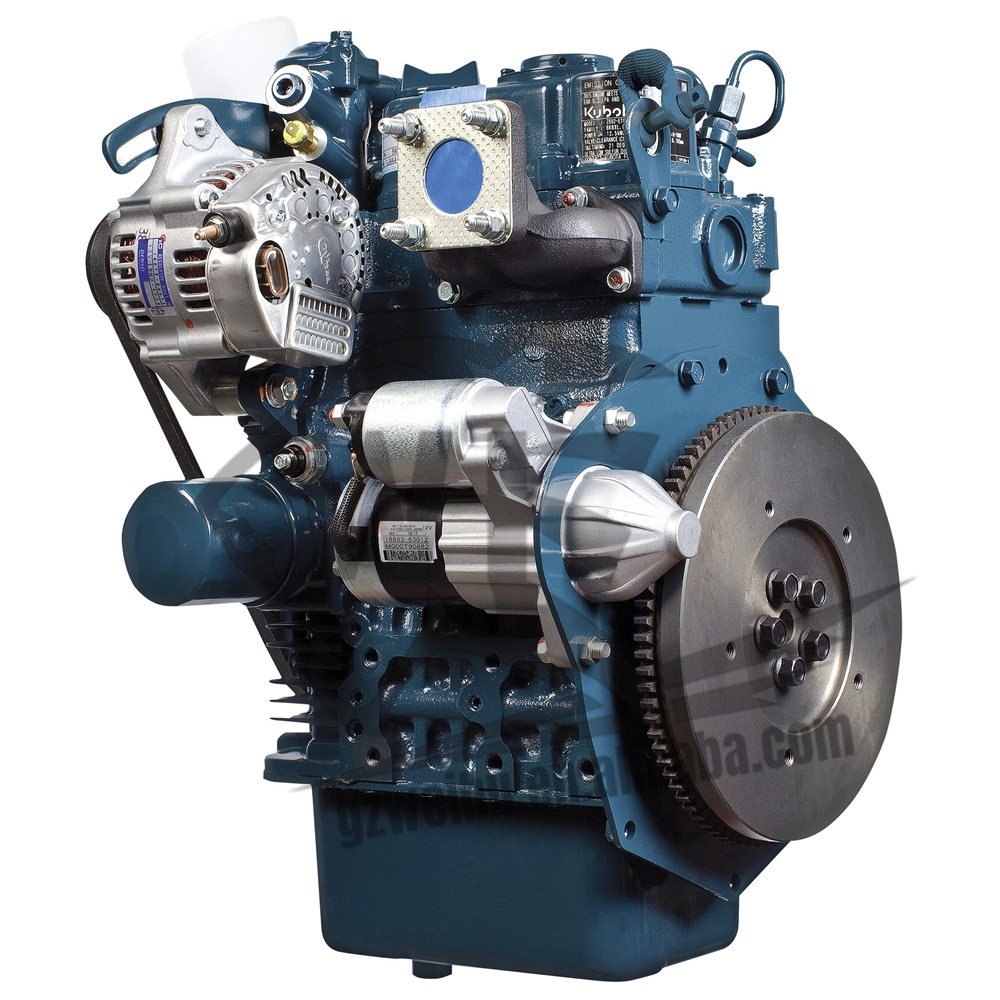
D722 Excavator Engine Replacement | Boost Your Excavator’s Power
Upgrade your excavator's performance with the JELXEL D722 Excavator Engine Replacement. Buy D722 excavator engine now to enhance power and efficiency. Excavator D722 Engine for Sale, designed for durability and smooth operation. Boost your excavator’s power today!
Get in touch with us
If you have any comments or good suggestions, please leave us a message, later our professional staff will contact you as soon as possible.
To be a happy enterprise in the field of engineering equipment.
JELXEL delivers efficient and reliable service at each stage to meet the customer's needs.