

jackhuang5919@gmail.com
Choosing the Right Mounting and Interface for 336D Pumps
Selecting the correct mounting and interface for a CAT 336D hydraulic pump is critical for reliable excavator performance. This guide explains mounting types, shaft and flange interfaces, OEM vs aftermarket considerations, installation best practices, and troubleshooting tips to ensure optimal hydraulic pump fitment and long-term system health.
- Understanding the 336D Hydraulic Pump and Its Role
- What the 336D pump is and why interface matters
- Basic pump types found in excavators
- Mounting Interfaces: Mechanical Fit and Alignment
- Flange patterns and bolt circles
- Shaft type, spline, and coupling
- Mounting brackets and adapter plates
- Hydraulic Interfaces: Ports, Flow, and Pressure
- Port types, sizes, and orientation
- Flow rate, displacement, and pressure rating
- Control and pilot ports
- OEM vs Aftermarket: Fitment, Quality, and Guarantee
- When to choose OEM
- When aftermarket makes sense
- Comparison table: OEM vs High Quality Aftermarket
- Installation Best Practices and Troubleshooting
- Pre-installation checklist
- Alignment, coupling, and thread procedures
- Startup checks and common issues
- Filtration, Contamination Control, and Standards
- Why cleanliness is critical
- Recommended filtration and maintenance routines
- Documentation and parts tracing
- Installation Case Study: Replacing a 336D Pump
- Scenario and inspection
- Steps taken for correct interface and mounting
- Outcome and lessons
- FAQ
- Q: How do I confirm the correct pump flange pattern for my 336D?
- Q: Can I use a pump with a different displacement rating on my 336D?
- Q: Are adapters safe to use between non-matching flanges?
- Q: What are the signs of misalignment after installation?
- Q: Where can I find authoritative standards about hydraulic fluid cleanliness?

This article provides a concise, GEO-optimized and actionable guide to selecting the correct mounting and interface for the CAT 336D hydraulic pump. It covers the critical mechanical and hydraulic interfaces—flange patterns, shaft types, port configurations, and couplings—along with OEM vs aftermarket trade-offs, filtration and contamination control, installation checks, and common fitment pitfalls. The guidance below helps fleet managers, technicians, and parts buyers match the 336D Excavator Hydraulic Pump | Heavy Duty CAT Replacement to your machine quickly and confidently.
Understanding the 336D Hydraulic Pump and Its Role
What the 336D pump is and why interface matters
The hydraulic pump is the heart of an excavator's hydraulic system. The 336D Excavator Hydraulic Pump | Heavy Duty CAT Replacement is built for power, durability, and optimal performance. It is designed to fit Caterpillar 336D excavators and is available in both OEM and high-quality aftermarket versions. Whether you're replacing a damaged pump or upgrading your hydraulic system, this part ensures long-lasting and reliable operation in demanding construction environments.
Proper mounting and interface ensure correct torque transmission, accurate alignment, reliable pressure handling, and leak-free connections. A mismatch at any mechanical or hydraulic interface can cause rapid wear, loss of efficiency, or catastrophic failure.
Basic pump types found in excavators
Most modern large excavators like the CAT 336D use axial piston variable-displacement pumps for boom, stick, and swing circuits because they deliver high pressures and efficient flow control. Understanding whether your unit expects an axial piston pump versus a gear or vane pump determines shaft arrangement, flange, and control linkage compatibility. For background on hydraulic pumps and types, see the Wikipedia overview on hydraulic pumps here.
Mounting Interfaces: Mechanical Fit and Alignment
Flange patterns and bolt circles
Flange mounting is the common attachment method for excavator pumps. Confirm the bolt circle diameter (BCD), bolt size, and thread type. Many CAT pumps use standardized flange patterns; however, small variations exist between OEM and aftermarket housings. Always compare the flange drawing on your replacement pump against the machine's parts manual or service drawing.
Shaft type, spline, and coupling
Identify the drive shaft interface: splined shaft (count and module), keyed shaft, or tapered shaft. Shaft spline count and profile must match the excavator's drive coupling. A mismatched spline will either not fit or create backlash and early wear. When using couplings, ensure proper axial clearance and use approved torque specifications. For couplings and drive compatibility standards, industry resources like the Hydraulic Institute and SAE provide useful reference material (Hydraulic Institute, SAE International).
Mounting brackets and adapter plates
Sometimes an adapter plate or custom bracket is required when using a high-quality aftermarket pump that doesn't match the original flange exactly. Use precision plates to maintain concentricity and avoid misalignment. When an adapter is necessary, ensure it is machined to tolerance and checked for flatness; poor adapter surfaces cause premature bearing and seal failure.
Hydraulic Interfaces: Ports, Flow, and Pressure
Port types, sizes, and orientation
Confirm port type (SAE straight thread, JIC, BSPP, ORB, or metric) and size. Orientation matters: port locations dictate hose routing and can affect stress on fittings. Check for correct port adapters if you must transition thread types. Incorrect port connections can cause cavitation, leaks, or line chafing.
Flow rate, displacement, and pressure rating
Match pump displacement (cc/rev), maximum pressure rating, and expected flow range to the machine's hydraulic circuit. A pump with higher displacement or different displacement curve can overload hydraulic components or reduce controllability. If you are considering a performance upgrade, validate that valves, hoses, and actuators can safely handle the increased flow or pressure.
Control and pilot ports
Variable-displacement pumps require proper pilot control lines and feedback linkages. Ensure pilot pressure ports, control valves, and servo linkages align with your replacement. Missing or incorrectly plumbed pilot lines will render displacement control inoperative and cause unsafe operation.
OEM vs Aftermarket: Fitment, Quality, and Guarantee
When to choose OEM
OEM pumps are manufactured to the machine maker's exact specifications and typically include guaranteed fitment. Choose OEM when alignment features, proprietary couplings, or warranty coverage are critical. OEM parts simplify sourcing and reduce installation time because they match original mounting holes, shaft splines, and port layouts.
When aftermarket makes sense
High-quality aftermarket pumps can offer cost savings and comparable performance. The 336D Excavator Hydraulic Pump | Heavy Duty CAT Replacement is available in OEM and High Quality aftermarket options. When selecting an aftermarket unit, verify technical drawings, tolerance specifications, material quality, testing standards, and seller reputation. Look for suppliers with third-party testing and clear return policies.
Comparison table: OEM vs High Quality Aftermarket
| Aspect | OEM | High Quality Aftermarket |
|---|---|---|
| Fitment Accuracy | High — direct-fit for models (usually) | High to Moderate — verify flange and shaft details |
| Warranty | Manufacturer-backed | Vendor-backed; varies |
| Price | Higher | Lower to Moderate |
| Testing & QA | Standardized to OEM protocols | Often 100% tested by reputable suppliers |
| Lead Time | Variable | Often faster availability |
Installation Best Practices and Troubleshooting
Pre-installation checklist
- Verify pump model and part numbers against the excavator serial number and parts manual.
- Inspect flange faces and shaft splines for damage; clean mounting surfaces thoroughly.
- Confirm hydraulic fluid cleanliness and compatibility (viscosity, anti-wear additives).
- Gather correct torque specs, gasket materials, and threadlocker if required.
Alignment, coupling, and thread procedures
Align pump to drive coupling within manufacturer tolerances. Use a dial indicator to verify runout if possible. Tighten flange bolts in a cross pattern to specified torque. For shaft couplings, ensure proper key seating, correct spline depth engagement, and apply recommended lubricants to sliding splines.
Startup checks and common issues
On first startup, run the pump at low idle and pressurize the system slowly. Check for leaks at all port connections and ensure no abnormal noises (cavitation, knocking). Monitor temperature and pressure transients. Typical issues related to incorrect mounting or interface include:
- High bearing temperatures — usually caused by misalignment.
- Seal failure and leaks — incorrect flange face sealing or wrong gasket material.
- Reduced flow or cavitation — air in system or incorrect suction plumbing.
Filtration, Contamination Control, and Standards
Why cleanliness is critical
Hydraulic component life is highly dependent on fluid cleanliness. Contaminants accelerate wear on pump pistons, valves, and bearings. Follow ISO contamination codes for hydraulic fluids and maintain proper filtration upstream of the pump's suction and downstream in return lines. For guidance on standards, consult ISO resources here and relevant industry publications.
Recommended filtration and maintenance routines
Install a suction strainer and a high-efficiency return-line filter. Change filters on recommended intervals and sample fluid for particle counts. Keep spare seals, O-rings, and a complete gasket kit during pump replacement. For best practices on pumps and system care, the Hydraulic Institute provides useful resources here.
Documentation and parts tracing
Keep installation photos, torque records, and part numbers linked to the machine's service history. This supports warranty claims and helps future troubleshooting. When in doubt about a specific interface drawing, refer to the manufacturer parts manual or technical support: Caterpillar support pages are a good starting point here.
Installation Case Study: Replacing a 336D Pump
Scenario and inspection
A fleet operator noted decreased lift speed and unusual pump noise on a CAT 336D. Inspection revealed uneven wear on the drive spline and a leaking port seal. The team sourced a High Quality aftermarket replacement with confirmed flange and spline dimensions.
Steps taken for correct interface and mounting
- Verified part compatibility against the serial number and parts manual.
- Cleaned and machined the adapter plate for perfect flatness.
- Used a coupling spacer to ensure correct axial engagement.
- Installed new filtration and flushed the system before startup.
Outcome and lessons
Post-installation tests showed restored flow and quiet operation. The key lessons: always validate spline engagement depth, use correctly spec'd gaskets, and maintain fluid cleanliness to protect the new hydraulic pump.
FAQ
Q: How do I confirm the correct pump flange pattern for my 336D?
A: Cross-reference the excavator serial number with the parts manual or OEM schematic. If using aftermarket, request detailed flange drawings and compare bolt circle diameter, bolt size, and hole spacing. When unsure, consult a qualified technician or the supplier's technical team.
Q: Can I use a pump with a different displacement rating on my 336D?
A: Replacing with a pump of different displacement affects flow and system behavior. Minor differences may be manageable, but significant changes require evaluation of valves, hoses, and actuators. Consult the hydraulic system engineer or parts specialist for compatibility checks.
Q: Are adapters safe to use between non-matching flanges?
A: Properly machined adapter plates are acceptable if they maintain concentricity and meet thickness/tolerance requirements. Avoid makeshift adapters. Poor adapters introduce misalignment and reduce pump life.
Q: What are the signs of misalignment after installation?
A: Excessive vibration, abnormal bearing temperature, early seal leaks, and unusual shaft noise are common signs. Stop operation immediately and recheck alignment and coupling installation.
Q: Where can I find authoritative standards about hydraulic fluid cleanliness?
A: ISO standards and industry guidance are primary references. See the ISO homepage for standards and the Hydraulic Institute for pump system best practices: ISO, Hydraulic Institute.
Product reminder: The 336D Excavator Hydraulic Pump | Heavy Duty CAT Replacement is designed as a direct fit for CAT 336D excavators, available in OEM or High Quality aftermarket versions, and engineered for high-pressure, heavy-duty operation. Key benefits include high-pressure performance, smooth hydraulic flow, and rigorous testing for durability.
Need help confirming fitment or placing an order? Contact our technical sales team or view the product page for detailed diagrams, part numbers, and availability. View product details or contact us for a personalized fitment check and quote.
References: Wikipedia on hydraulic pumps https://en.wikipedia.org/wiki/Hydraulic_pump, Wikipedia on excavators https://en.wikipedia.org/wiki/Excavator, ISO https://www.iso.org/home., Hydraulic Institute https://www.pumps.org/, SAE International https://www.sae.org/.
Tags
C15 engine for 374D excavator
C15 engine for 374D excavator
HPV145 excavator main pump
HPV145 excavator main pump
High-Performance QSK23 Engine Assembly
High-Performance QSK23 Engine Assembly
CAT 345GC pump assembly
CAT 345GC pump assembly
Isuzu D1703 engine
Isuzu D1703 engine
C3.3B DI-T-ET04 engine
C3.3B DI-T-ET04 engine
Recommended for you
The B2B Buyer’s Guide to excavator engine
How to Choose the Right Excavator Hydraulic Pump
How Hydraulic Pump Efficiency Impacts Excavator Performance 2026
Benefits of Heavy Duty CAT Replacement Hydraulic Pumps
Prdoucts Categories
Question you may concern
FAQ
How can I place an order?
You can place an order through our user-friendly online platform or by contacting our sales team directly. Simply browse our catalog, select the parts you need, and follow the checkout process to complete your order.
Do you provide warranties on your products?
Yes, we stand by the quality of our products. Most parts come with a warranty that covers manufacturing defects. Please refer to the specific warranty information provided with your purchase or contact our customer service team for details.
Do you offer bulk purchasing options?
Yes, we offer competitive pricing for bulk orders. If you are interested in purchasing large quantities of parts, please contact our sales team to discuss your requirements and receive a customized quote.
How do I know which parts I need for my excavator?
If you are unsure which parts are needed, our knowledgeable customer support team can assist you. You can provide us with your excavator model and any relevant details, and we will help you identify the correct parts.
Do you provide installation services for your parts?
While we do not offer installation services directly, we can recommend qualified professionals or resources to assist you with the installation of our parts. Our customer support team can provide guidance on finding local service providers.
You may also like
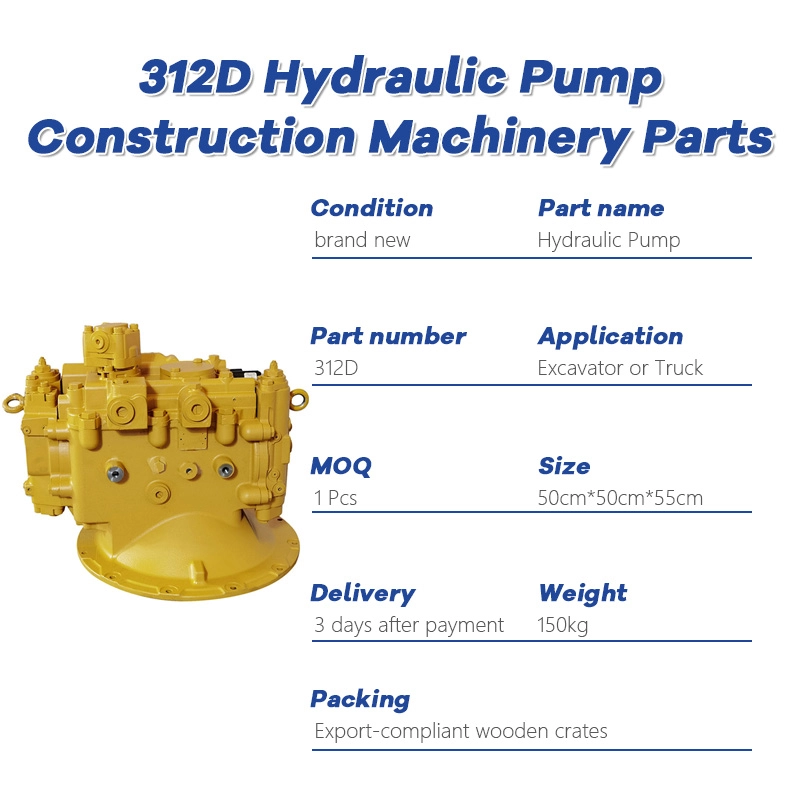
Excavator Hydraulic Pump for CAT 312D | Fast Shipping
Get your high-quality JELXEL CAT 312D hydraulic pump! Engineered for durability and peak performance, this essential 312D hydraulic pump ensures your excavator runs efficiently. Benefit from our fast shipping to minimize downtime. Choose JELXEL for reliable, high-quality solutions for your CAT 312D.
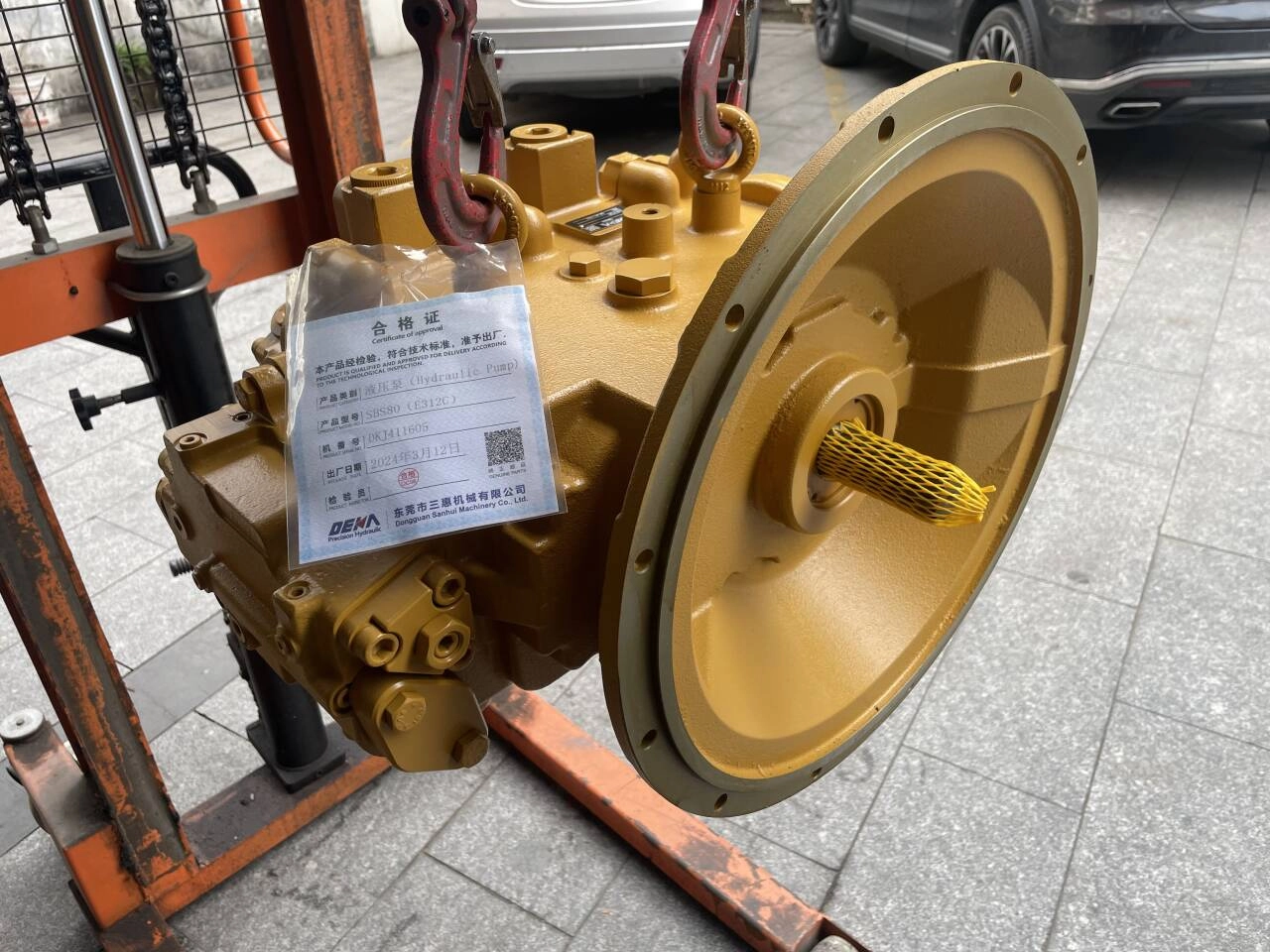
New CAT 312C Hydraulic Main Pump | Compatible Excavator Parts
JELXEL’ New CAT 312C Hydraulic Main Pump delivers reliable performance for your excavator. Engineered for durability, this Caterpillar 312C hydraulic pump ensures seamless compatibility and optimal efficiency.
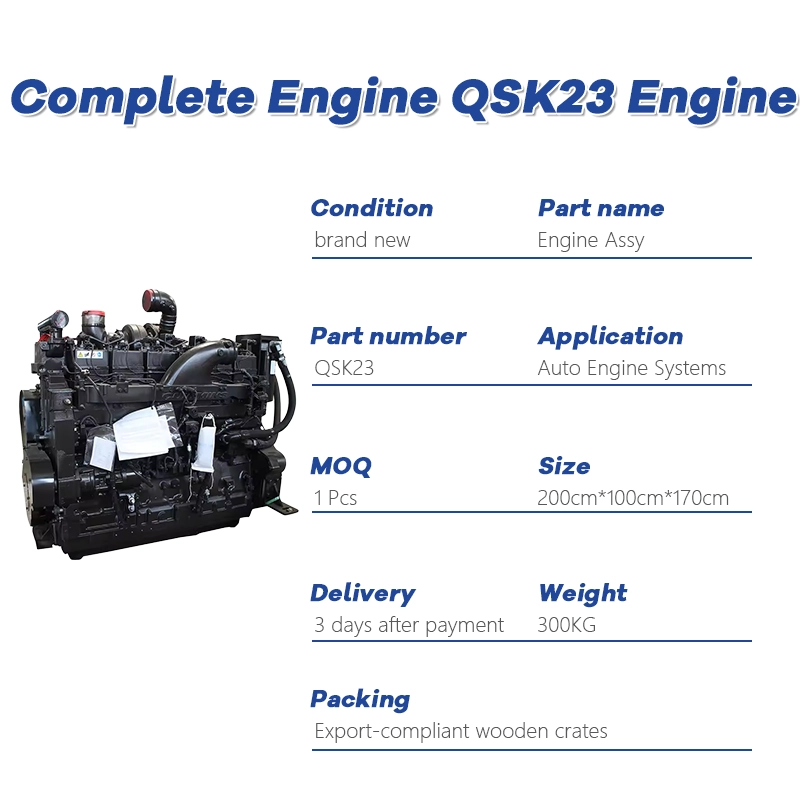
QSK23 Excavator Engine Assembly | Reliable & Efficient Performance
Discover the high-performance QSK23 Excavator Engine Assembly by JELXEL, designed for reliable and efficient excavation. Ideal QSK23 engine parts for excavators, this engine assembly delivers durability and power. Explore our engine assembly for sale to boost your machinery’s performance today.
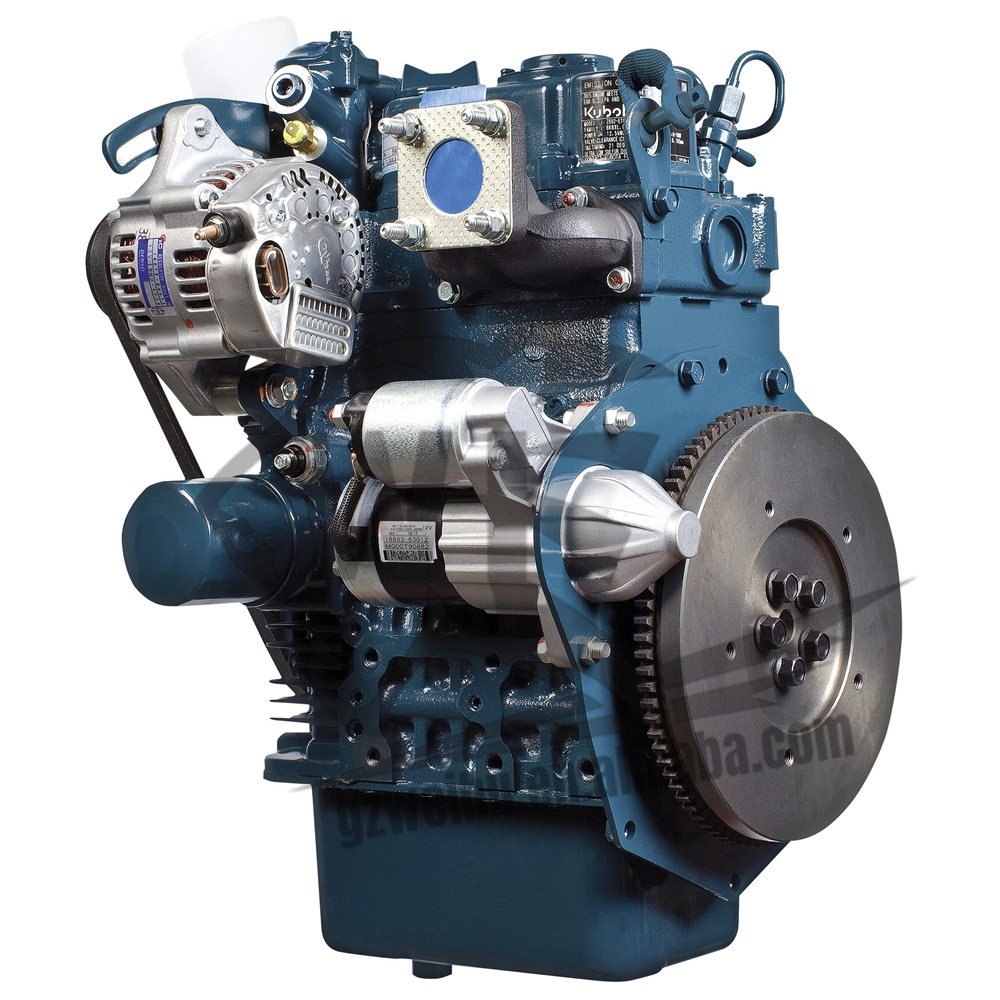
D722 Excavator Engine Replacement | Boost Your Excavator’s Power
Upgrade your excavator's performance with the JELXEL D722 Excavator Engine Replacement. Buy D722 excavator engine now to enhance power and efficiency. Excavator D722 Engine for Sale, designed for durability and smooth operation. Boost your excavator’s power today!
Get in touch with us
If you have any comments or good suggestions, please leave us a message, later our professional staff will contact you as soon as possible.
To be a happy enterprise in the field of engineering equipment.
JELXEL delivers efficient and reliable service at each stage to meet the customer's needs.