

jackhuang5919@gmail.com
The B2B Buyer’s Guide to excavator engine
A comprehensive B2B guide to selecting, specifying, and sourcing excavator engines. Covers engine types, emissions, OEM vs aftermarket, compatibility checks, procurement best practices, testing, warranty, and maintenance for reliable operations.
- Introduction: Why the Right Excavator Engine Matters for B2B Buyers
- Commercial importance of choosing the correct excavator engine
- Understanding Excavator Engine Types and Power Ranges
- Diesel remains the dominant engine type
- Typical power ranges by machine class
- Emissions Regulations and Compliance
- Key regulatory standards to consider
- How emissions affect procurement and maintenance
- OEM vs Aftermarket: Choosing Your Supply Strategy
- Pros and cons of OEM engines and parts
- Pros and cons of aftermarket and remanufactured engines
- Key Technical and Commercial Specs to Verify
- Essential technical specifications
- Compatibility and integration checklist
- Sourcing and Procurement Best Practices for B2B Buyers
- Define business requirements and use cases
- Request for Quotation (RFQ) essentials
- Negotiate on warranty, spare parts, and lead times
- Inspection, Testing, and Quality Assurance
- Pre-shipment verification and factory testing
- On-site checks and commissioning
- Maintenance, Fuel Efficiency, and TCO Considerations
- Maintenance intervals and recommended practices
- Fuel consumption benchmarks
- Warranty, Spare Parts Strategy, and After-sales Support
- Warranty clauses to prioritize
- Spare parts stocking and logistics
- Supplier Selection: What to Look for in an Excavator Engine Partner
- Supplier credentials and industry experience
- Service network and technical support
- Risk Management and Total Cost of Ownership
- Assess operational risks and mitigation steps
- Calculate TCO beyond purchase price
- About JELXEL: Your B2B Partner for Excavator Engines and Parts
- JELXEL’ value proposition for buyers
- Conclusion: Making Confident B2B Purchases of Excavator Engines
- Summarizing the strategic approach
- Next steps for procurement teams
Introduction: Why the Right Excavator Engine Matters for B2B Buyers
Commercial importance of choosing the correct excavator engine
For businesses that buy, operate, or repair construction equipment, the excavator engine is the heart of machine availability, fuel efficiency, and total cost of ownership (TCO). A well-chosen engine reduces downtime, meets regulatory requirements, and impacts project profitability. This guide helps procurement managers, fleet owners, and parts distributors make informed B2B decisions when purchasing an excavator engine.
Understanding Excavator Engine Types and Power Ranges
Diesel remains the dominant engine type
Most excavators use diesel engines because they deliver high torque at low RPM, which suits earthmoving demands. Cleaner alternatives (hybrid and electric) are emerging in niche markets, but diesel engines continue to dominate commercial fleets globally.
Typical power ranges by machine class
When specifying an excavator engine, match the power to the machine class: mini and compact excavators typically use engines from ~10–50 kW (15–70 hp); midi and standard construction machines commonly operate in the 50–200 kW range (70–270 hp); large and mining excavators can exceed 200 kW (270+ hp). Selecting an undersized or oversized engine affects fuel consumption and component wear.
Emissions Regulations and Compliance
Key regulatory standards to consider
When procuring engines for international or regional fleets, ensure compliance with emissions standards: EU Stage V (Europe) and EPA Tier 4 Final (USA) are the most common for modern machines. Regions with older fleets may accept Tier 2–3 or Stage IIIA engines, but buyers must verify local legal and client requirements. Compliance affects aftertreatment systems (DOC/DPF/SCR), ECU calibration, and parts availability.
How emissions affect procurement and maintenance
Engines meeting Stage V or Tier 4 Final require additional aftertreatment parts and service routines. B2B buyers should factor in potential increased upfront costs and aftertreatment maintenance into the TCO. Ask suppliers for documentation that confirms emissions certification and expected maintenance intervals.
OEM vs Aftermarket: Choosing Your Supply Strategy
Pros and cons of OEM engines and parts
OEM engines and components are designed and tested by the original manufacturer. Advantages include guaranteed compatibility, manufacturer warranties, and integrated support. However, OEM parts can be more expensive and have longer lead times—typical lead times for OEM engines can range from 4 to 12 weeks depending on make, model, and factory schedules.
Pros and cons of aftermarket and remanufactured engines
Aftermarket engines and remanufactured units often offer cost savings and faster availability. Reputable aftermarket suppliers can provide competitive warranties and quality certifications. Risks include variable quality across suppliers and potential compatibility issues. For B2B buyers, choose aftermarket partners with traceable manufacturing records, ISO 9001 certification, and documented testing procedures.
Key Technical and Commercial Specs to Verify
Essential technical specifications
When evaluating an excavator engine, confirm: rated power (kW/HP), rated torque and RPM, displacement, turbocharging/intercooling, emissions level (Stage V/Tier 4), fuel system (common rail vs mechanical), and cooling system capacity. Also check physical dimensions and weight for fitment.
Compatibility and integration checklist
Compatibility is critical for retrofit or replacements. Verify mounts, flywheel housing pattern, PTO connections, alternator fit, starter motor alignment, ECU interfaces, and sensor locations. Request part numbers or serial numbers for cross-referencing. Mismatches can lead to costly rework and downtime.
Sourcing and Procurement Best Practices for B2B Buyers
Define business requirements and use cases
Start procurement by documenting operating hours, typical load cycles, fuel quality, site conditions (dust, temperature), and planned service intervals. This operational profile informs the engine spec, warranty needs, and maintenance planning.
Request for Quotation (RFQ) essentials
Include the following in your RFQ: exact engine spec and serial or model cross-reference, emissions level, expected delivery time, warranty terms (hours and duration), spare parts availability, test reports, and logistics terms (Incoterms). Ask for references from clients in similar markets.
Negotiate on warranty, spare parts, and lead times
For B2B purchases, negotiate warranty hours and exclusions, minimum spare parts kits, first delivery lead times, and penalty clauses for late shipments. Consider staged deliveries for large orders to reduce inventory burden and improve cash flow.
Inspection, Testing, and Quality Assurance
Pre-shipment verification and factory testing
Insist on documented bench tests (idle, rated load tests), emissions test records, and a full parts list. Quality certificates (ISO 9001) and material traceability reports strengthen supplier credibility. Where possible, arrange third-party inspections before shipment.
On-site checks and commissioning
After engine installation, perform commissioning checks: oil pressure and temperature at idle and under load, cooling system verification, leak tests, and ECU fault code scans. Confirm fuel consumption readings in initial operating hours to match expected performance figures.
Maintenance, Fuel Efficiency, and TCO Considerations
Maintenance intervals and recommended practices
Maintenance frequency varies by engine and duty cycle. Typical guidance: engine oil and filter change every 250–500 hours, fuel filters every 250–500 hours, air filter checks every 100–500 hours depending on dust levels, and coolant checks every 1,000 hours. Always follow the engine manufacturer’s manual for exact intervals.
Fuel consumption benchmarks
Fuel burn depends on size and activity. Approximate ranges: small compact excavators may consume 1–5 L/hr; mid-size units typically 6–20 L/hr; large machines often 20–60+ L/hr under heavy load. Use these as ballpark figures and verify real-world consumption with telematics or fuel logs to manage operating costs.
Warranty, Spare Parts Strategy, and After-sales Support
Warranty clauses to prioritize
Focus on warranty length (months/years and hours), coverage scope (parts and labor), permissible fuel quality, maintenance compliance, and exclusions. For high-utilization fleets, seek extended warranties or service contracts that cover critical components like turbochargers and fuel systems.
Spare parts stocking and logistics
Establish a critical spare parts list (filters, belts, sensors, gaskets, injectors) based on mean time between failures (MTBF) and supplier lead times. For international procurement, consider bonded warehousing or regional distribution hubs to shorten replenishment cycles.
Supplier Selection: What to Look for in an Excavator Engine Partner
Supplier credentials and industry experience
Choose suppliers with proven track records in excavator engines and parts. Look for third-party certifications (ISO 9001), emissions compliance documentation, and case studies from similar projects. Long-term partnerships typically deliver better pricing, priority production slots, and coordinated support.
Service network and technical support
Prefer vendors that provide technical documentation, training, and regional service support. Remote diagnostic capability and access to replacement parts reduce downtime and are meaningful differentiators for B2B relationships.
Risk Management and Total Cost of Ownership
Assess operational risks and mitigation steps
Evaluate fuel quality risks, spare parts availability, regulatory changes, and supply chain disruptions. Mitigation strategies include stockpiling critical spares, dual-sourcing, and selecting engines with proven robustness in similar operating environments.
Calculate TCO beyond purchase price
TCO should include purchase price, fuel consumption over expected life, scheduled maintenance costs, downtime cost per hour, and resale value. Use conservative estimates when modeling scenarios for budgeting and ROI calculations.
About JELXEL: Your B2B Partner for Excavator Engines and Parts
JELXEL’ value proposition for buyers
JELXEL serves as a reliable partner for global clients in the excavator spare parts sector. We offer a wide selection of excavator engines and engine components designed to support both routine operations and high-performance systems. JELXEL emphasizes quality control, cost-effectiveness, and timely delivery. Our R&D and engineering teams focus on durable, efficient components that meet international standards. For B2B buyers, JELXEL provides technical support, parts traceability, and flexible supply solutions tailored to fleet needs.
Conclusion: Making Confident B2B Purchases of Excavator Engines
Summarizing the strategic approach
Buying an excavator engine for business use requires aligning technical specifications with operational needs, verifying emissions compliance, choosing the right supplier strategy (OEM vs aftermarket), and planning for spare parts and maintenance. A structured RFQ, rigorous testing, negotiated warranty terms, and a clear TCO analysis will reduce risk and ensure long-term reliability.
Next steps for procurement teams
Document your operational profile, assemble a detailed RFQ, shortlist suppliers with validated credentials, and require test and compliance documentation. If you need supplier support, warranty negotiations, or technical compatibility checks, consider reaching out to specialists—such as JELXEL—for tailored B2B solutions and reliable parts availability.
Frequently Asked Questions
What engine emissions standards should I require for new excavator engines?Require EU Stage V or EPA Tier 4 Final for modern fleets operating in regulated markets. For less regulated regions, confirm local rules. Always ask suppliers for certification documents.
How do I choose between an OEM engine and a remanufactured unit?Choose OEM for guaranteed compatibility, integrated support, and long-term reliability. Consider remanufactured or aftermarket engines when budget or lead time is constrained; vet the supplier’s quality records and warranties.
What are the typical lead times for excavator engines?OEM lead times commonly range from 4 to 12 weeks; aftermarket or local remanufactured units can be faster (days to a few weeks) depending on inventory and customization.
Which spare parts should I stock to minimize downtime?Stock critical items: oil and fuel filters, air filters, injectors, belts, thermostats, sensors (temperature, pressure), gaskets, and a small kit of common fasteners and seals.
How often should I schedule maintenance on excavator engines?Follow manufacturer recommendations. Typical intervals: oil/filter changes every 250–500 hours; fuel filter changes every 250–500 hours; air filter monitoring every 100–500 hours. Adjust intervals for site conditions.
Can JELXEL help with compatibility checks and technical documentation?Yes. JELXEL provides technical documentation, part cross-references, and engineering support to verify compatibility and simplify procurement for B2B buyers.
Tags
qsm11 cummins engine
qsm11 cummins engine
hydraulic pumps
hydraulic pumps
diesel engine water cooled
diesel engine water cooled
kubota v2403 engine supplier
kubota v2403 engine supplier
Carter C7.1 engine
Carter C7.1 engine
best Diesel Engine
best Diesel Engine
Recommended for you
Where to Buy engine assembly
Performance Under Load: Isuzu D1703 Engineered Diesel Review

Top 10 Chinese Manufacturers of Cat C9 Engine Parts

Performance Benchmarks: Comparing Top Excavator Diesel Engines
Prdoucts Categories
Question you may concern
FAQ
What is your shipping policy?
We offer a variety of shipping options to meet your needs. Orders are typically processed within [insert processing time] days, and delivery times may vary based on your location. We will provide you with tracking information once your order has shipped.
How can I place an order?
You can place an order through our user-friendly online platform or by contacting our sales team directly. Simply browse our catalog, select the parts you need, and follow the checkout process to complete your order.
Do you offer bulk purchasing options?
Yes, we offer competitive pricing for bulk orders. If you are interested in purchasing large quantities of parts, please contact our sales team to discuss your requirements and receive a customized quote.
What types of excavator parts do you offer?
JELXEL provides a comprehensive range of excavator parts, including but not limited to buckets, hydraulic components, undercarriage parts, and engine components. Our goal is to be your one-stop solution for all excavator needs.
Can I return or exchange parts if I change my mind?
Yes, we accept returns and exchanges within [insert return period, e.g., 30 days] of purchase. The items must be unused and in their original packaging. Please contact our customer service team to initiate a return or exchange.
You may also like
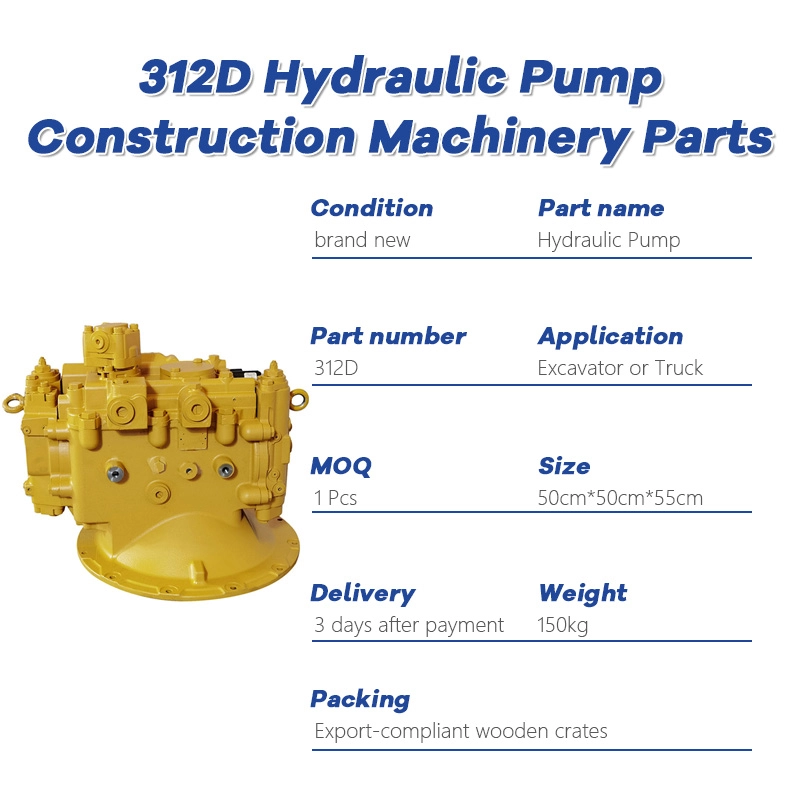
Excavator Hydraulic Pump for CAT 312D | Fast Shipping
Get your high-quality JELXEL CAT 312D hydraulic pump! Engineered for durability and peak performance, this essential 312D hydraulic pump ensures your excavator runs efficiently. Benefit from our fast shipping to minimize downtime. Choose JELXEL for reliable, high-quality solutions for your CAT 312D.
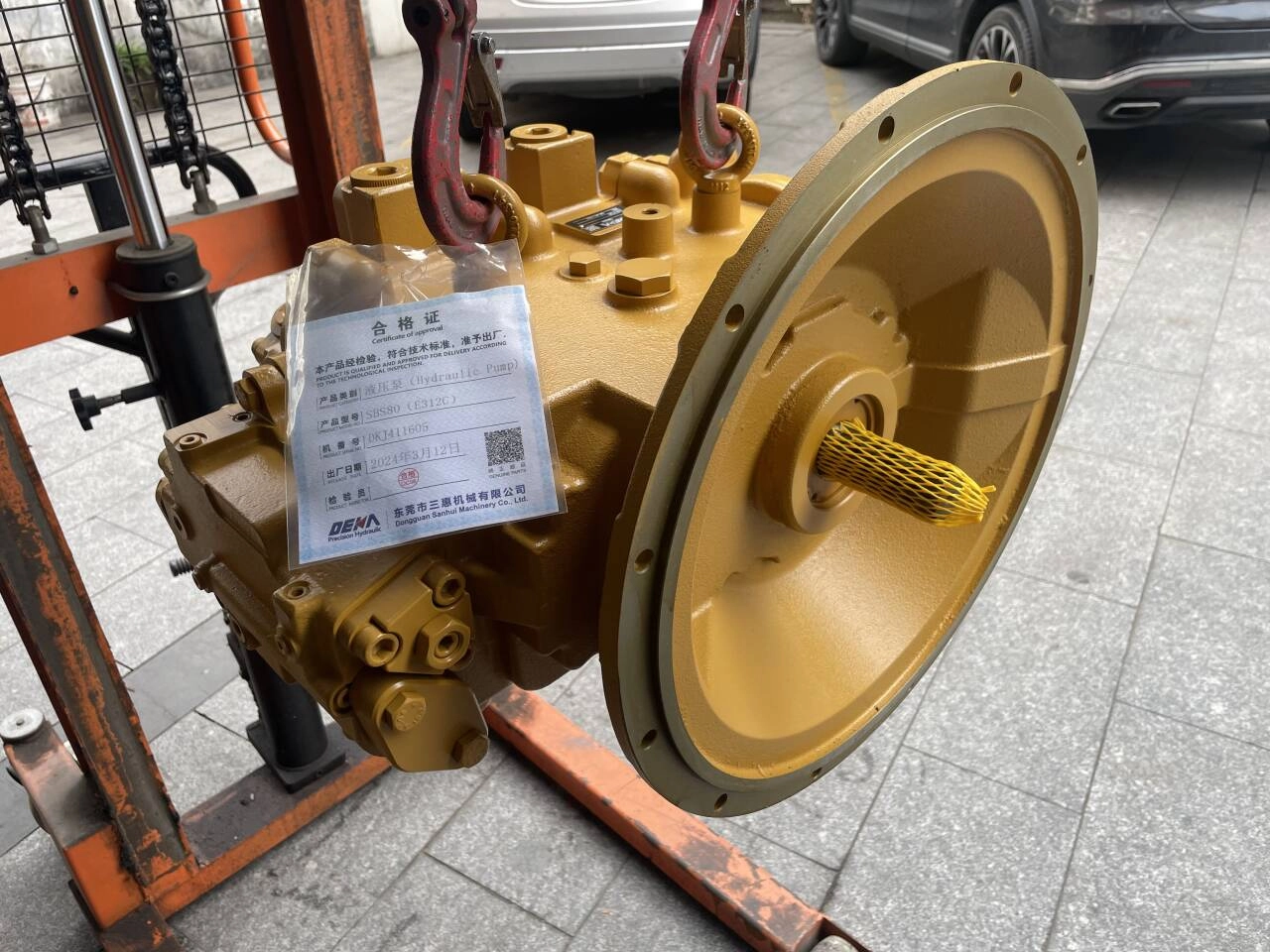
New CAT 312C Hydraulic Main Pump | Compatible Excavator Parts
JELXEL’ New CAT 312C Hydraulic Main Pump delivers reliable performance for your excavator. Engineered for durability, this Caterpillar 312C hydraulic pump ensures seamless compatibility and optimal efficiency.
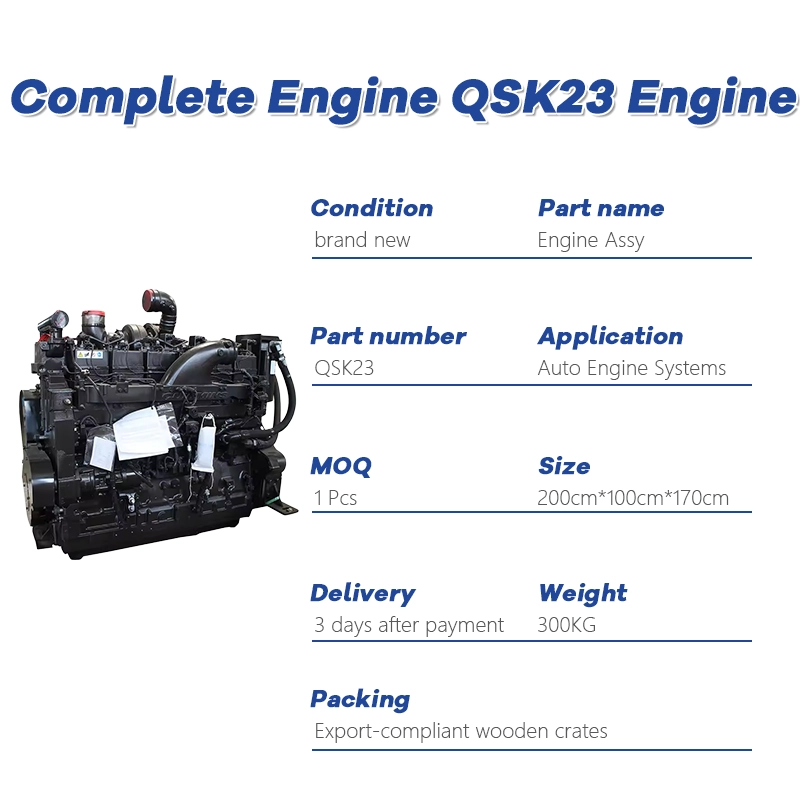
QSK23 Excavator Engine Assembly | Reliable & Efficient Performance
Discover the high-performance QSK23 Excavator Engine Assembly by JELXEL, designed for reliable and efficient excavation. Ideal QSK23 engine parts for excavators, this engine assembly delivers durability and power. Explore our engine assembly for sale to boost your machinery’s performance today.
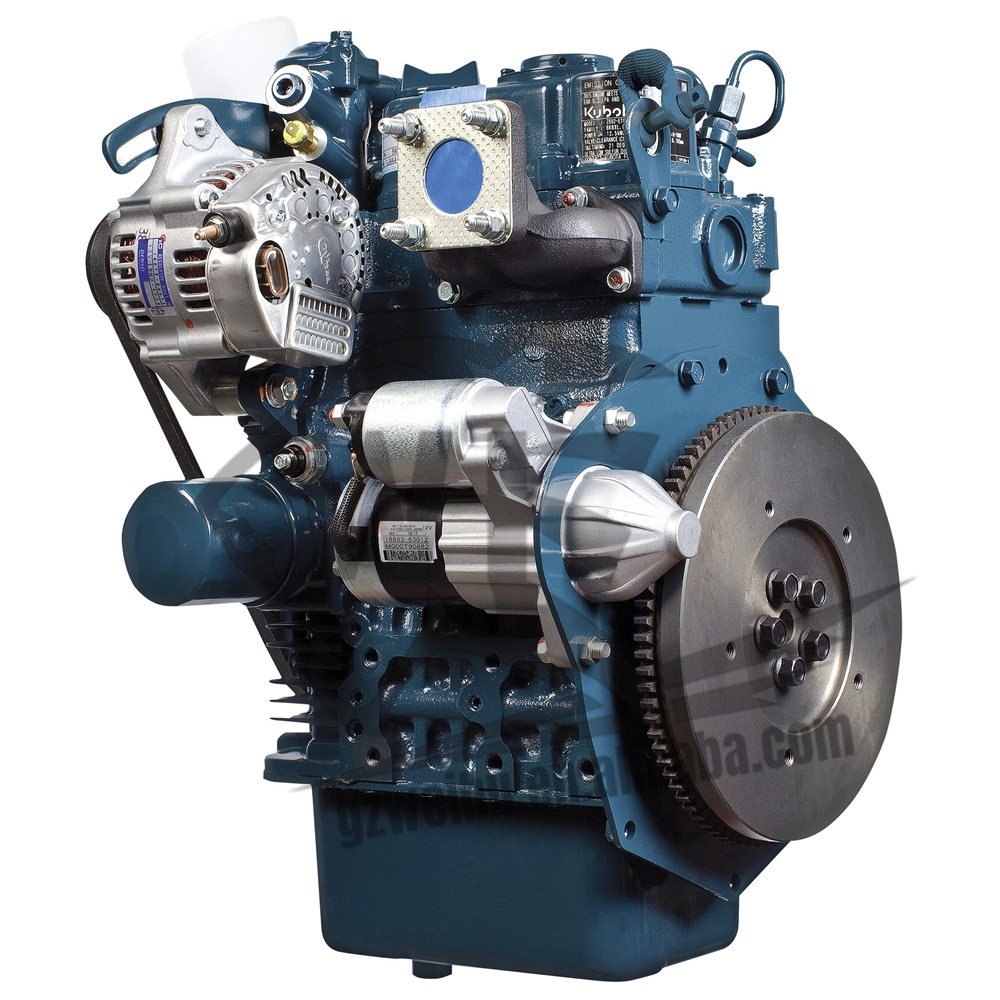
D722 Excavator Engine Replacement | Boost Your Excavator’s Power
Upgrade your excavator's performance with the JELXEL D722 Excavator Engine Replacement. Buy D722 excavator engine now to enhance power and efficiency. Excavator D722 Engine for Sale, designed for durability and smooth operation. Boost your excavator’s power today!
Get in touch with us
If you have any comments or good suggestions, please leave us a message, later our professional staff will contact you as soon as possible.
To be a happy enterprise in the field of engineering equipment.
JELXEL delivers efficient and reliable service at each stage to meet the customer's needs.