

jackhuang5919@gmail.com
How to Choose the Right Excavator Hydraulic Pump
A practical, user-focused guide on how to choose the right excavator hydraulic pump — covering pump types, sizing calculations, pressure and flow requirements, compatibility checks, maintenance, and buying tips to ensure performance and value.
- How to Choose the Right Excavator Hydraulic Pump
- Introduction: Why selecting the right pump matters
- Understand common pump types and
- Compare pump types: pros, cons and typical specs
- Calculate the required flow and pressure: key formulas
- Verify compatibility: shaft, flange, and control interfaces
- Assess performance, efficiency and operating costs
- Durability, materials and seal technology
- Controls and system integration: fixed vs variable displacement
- Testing, installation and commissioning checklist
- Maintenance best practices to extend pump life
- Purchasing tips: warranties, lead times and supplier reputation
- Cost vs value: choosing the right balance
- Conclusion: a step-by-step selection checklist
- Frequently used resources and standards
- Final note on risk mitigation
- About JELXEL
- Conclusion: smart buying reduces downtime and cost
- Frequently Asked Questions
How to Choose the Right Excavator Hydraulic Pump
Introduction: Why selecting the right pump matters
Choosing the right excavator hydraulic pump is a critical decision for uptime, fuel efficiency, and work performance. Whether you are replacing a failed unit or upgrading for higher productivity, understanding pump types, flow and pressure requirements, and compatibility requirements helps you avoid costly downtime. This guide explains practical steps and commercial considerations for buyers and maintenance teams looking to buy or replace excavator hydraulic pumps.
Understand common pump types and
There are three common hydraulic pump types used in excavators: gear, vane, and axial piston pumps. When deciding which to buy, consider cost, expected duty cycle, and compatibility with your machine. Gear pumps are cost-effective for light-duty machines, vane pumps balance cost and efficiency, while axial piston pumps (especially variable displacement) are the industry standard for medium-to-large excavators and high-performance systems. If your is to purchase or replace, prioritize axial piston variable pumps for modern machines and look for reputable suppliers like JELXEL for OEM-quality replacements.
Compare pump types: pros, cons and typical specs
Use the following comparison when evaluating options for purchase or replacement. This helps match the pump to your operational needs and budget.
| Pump Type | Typical Max Pressure | Typical Volumetric Efficiency | Typical Cost Level | Best Use |
|---|---|---|---|---|
| Gear Pump | Up to 160–210 bar | 70–85% | Low | Light-duty machines, simple circuits |
| Vane Pump | Up to 200–250 bar | 80–90% | Medium | Medium duty, quieter operation than gear |
| Axial Piston (Fixed/Variable) | 200–350+ bar | 88–95% | High | High-performance excavators, load-sensing systems |
Calculate the required flow and pressure: key formulas
Accurate sizing prevents underperformance or wasted cost. Pump flow and system pressure are the two core metrics. Use these practical formulas when you need to confirm specifications before ordering a replacement pump:
- Flow (L/min) = Displacement (cc/rev) × Pump Speed (rev/min) / 1000. Example: 50 cc/rev × 1000 rpm = 50 L/min.
- Hydraulic Power (kW) = (Pressure (bar) × Flow (L/min)) / 600. Example: 250 bar × 120 L/min / 600 = 50 kW.
Many modern excavators use variable displacement axial piston pumps with load-sensing controls. Typical system pressures range from 250 bar (~3,625 psi) to 350 bar (~5,076 psi) for heavy equipment — always confirm the OEM or machine manual for exact pressure recommendations.
Verify compatibility: shaft, flange, and control interfaces
Compatibility checks avoid fitment problems and long lead times. Verify the pump’s mounting flange, input shaft type (splined/ keyed), rotation direction, and control interface (electro-hydraulic valve, mechanical lever, or electronic CAN bus). If you search to buy replacement pumps, ask suppliers for a cross-reference using the original pump part number, machine VIN, or serial number. JELXEL can support compatibility checks for many mainstream models and provide cross-match guidance.
Assess performance, efficiency and operating costs
Efficiency has a direct impact on fuel consumption and heat generation. High-efficiency axial piston pumps typically cost more upfront but reduce operating costs through lower fuel use and less cooling demand. Consider the total cost of ownership (TCO): purchase price, expected life (typical life varies widely by maintenance but many well-maintained pumps deliver 3,000–8,000 operating hours), energy/fuel savings, and repairability.
Durability, materials and seal technology
For harsh environments choose pumps with hardened components, quality bearings, and advanced seal materials (e.g., polyurethane or high-performance nitrile). Salt, dust, and high ambient temperatures shorten seal life; confirm that seals and coatings meet the expected environment. Suppliers providing warranty and R&D support, like JELXEL, can help specify corrosion-resistant finishes and upgraded seals for extreme conditions.
Controls and system integration: fixed vs variable displacement
Decide between fixed-displacement pumps (simpler, lower cost) and variable-displacement pumps (more efficient under varying loads). Variable pumps paired with load-sensing (LS) systems offer better fuel economy and smoother operation in modern excavators. If your excavator has proportionate hydraulic control or CVT-like demands, a variable axial piston pump with LS control is typically the correct choice.
Testing, installation and commissioning checklist
After acquiring a pump, follow a commissioning checklist: verify correct oil viscosity and cleanliness (ISO 4406 target cleanliness typically 18/16/13 or better depending on component sensitivity), bleed air from the system, check shaft rotation and mounting torque, set relief valve/pressure settings per OEM spec, and run the machine under light load for initial break-in. Monitor temperature (normally below 80°C operating oil temp) and check for unusual noise or vibration during the first 10 hours of operation.
Maintenance best practices to extend pump life
Routine maintenance keeps pumps lasting longer. Key practices: regular fluid analysis every 250–500 hours, replace filters to maintain recommended contamination levels, use OEM-recommended hydraulic fluid, and schedule planned inspections of couplings, seals, and mounting hardware. Quick detection of contamination or cavitation signs (noise, foaming, elevated inlet temp) prevents catastrophic failures.
Purchasing tips: warranties, lead times and supplier reputation
If your intent is to buy, prioritize suppliers that offer documented warranties, parts traceability, and technical support. Fast shipping and local stock reduce downtime costs. Compare warranty lengths (12–24 months common) and ask about remanufactured vs new options. JELXEL emphasizes quality, timely delivery, and R&D-backed components to support both standard replacements and high-performance needs.
Cost vs value: choosing the right balance
While aftermarket gear pumps may be cheaper, investing in higher-efficiency axial piston pumps or OEM-grade replacements often pays off in reduced fuel use and longer service intervals. When is to optimize cost-effectiveness, calculate the break-even based on expected fuel savings and downtime reduction over the pump’s service life.
Conclusion: a step-by-step selection checklist
Follow this practical checklist to choose the right excavator hydraulic pump: 1) Confirm OEM part number or cross-reference; 2) Calculate required flow and pressure; 3) Choose the appropriate pump type (axial piston for heavy-duty/variable needs); 4) Verify mechanical and control compatibility; 5) Inspect materials, seals and efficiency ratings; 6) Confirm warranty, lead time and supplier support; 7) Plan installation and initial testing. For reliable spare parts and technical guidance, suppliers like JELXEL can provide comprehensive options and cross-reference assistance to keep your excavator productive.
Frequently used resources and standards
Helpful references include machine OEM manuals, ISO 11171 (hydraulic fluid cleanliness), and hydraulic component datasheets. Use these to match pressure, flow and cleanliness targets precisely.
Final note on risk mitigation
When replacing a hydraulic pump, the biggest risks are incorrect sizing, contamination, and improper commissioning. Mitigate these by working with experienced suppliers, testing new pumps before full-load operation, and following a disciplined maintenance plan.
About JELXEL
JELXEL serves global clients in excavator spare parts, offering a full selection of pumps and components designed for routine and high-performance systems. With a strong focus on quality, cost-effectiveness, timely delivery, and continuous R&D, JELXEL supports businesses to keep machinery running smoothly and efficiently.
Conclusion: smart buying reduces downtime and cost
A correct pump selection based on flow, pressure, compatibility and durability ensures optimal excavator performance and lower lifecycle costs. Use the calculations, checklist, and supplier evaluation guidance above to make an informed purchase and installation decision. If you need assistance matching a pump to a specific excavator model, consult suppliers with technical support and cross-reference capabilities such as JELXEL.
Frequently Asked Questions
Q: How do I know whether my excavator needs a fixed or variable pump?A: Check the machine’s hydraulic control type and OEM specs. Machines with load-sensing controls or variable-speed requirements typically use variable axial piston pumps; simpler machines may use fixed pumps. If unsure, provide the machine serial number to a parts specialist for confirmation.Q: What is the easiest way to calculate required pump flow?A: Use Flow (L/min) = Displacement (cc/rev) × RPM / 1000. Confirm displacement from the pump plate or component datasheet and use the engine/pump speed during peak operation.Q: Can I replace my OEM pump with a cheaper aftermarket model?A: Yes, but weigh short-term savings against potential efficiency loss, reduced durability, and warranty differences. For heavy use, an OEM-grade or high-quality aftermarket pump with warranty from a reputable supplier is recommended.Q: What maintenance intervals should I follow after installing a new pump?A: Perform initial fluid and filter checks at 10–50 hours, then schedule routine fluid analysis and filter replacement every 250–500 hours depending on operating conditions. Follow OEM guidelines for specifics.Q: What signs indicate my hydraulic pump is failing?A: Common signs include reduced performance, increased fuel consumption, unusual noise (cavitation or whining), overheating, and hydraulic oil contamination. Address issues quickly to prevent secondary damage.Q: How important is hydraulic fluid cleanliness?A: Extremely important. Contamination causes wear and early pump failure. Target ISO cleanliness levels per component sensitivity (commonly 18/16/13 or better) and use proper filtration to protect pump life.
Tags
small diesel engines
small diesel engines
312C hydraulic pump
312C hydraulic pump
Cat C7.1 used engine
Cat C7.1 used engine
6BG1 engine assembly
6BG1 engine assembly
Volvo D7E engine for sale
Volvo D7E engine for sale
isuzu excavator engine
isuzu excavator engine
Recommended for you
Where to Buy hydraulic fluid pump
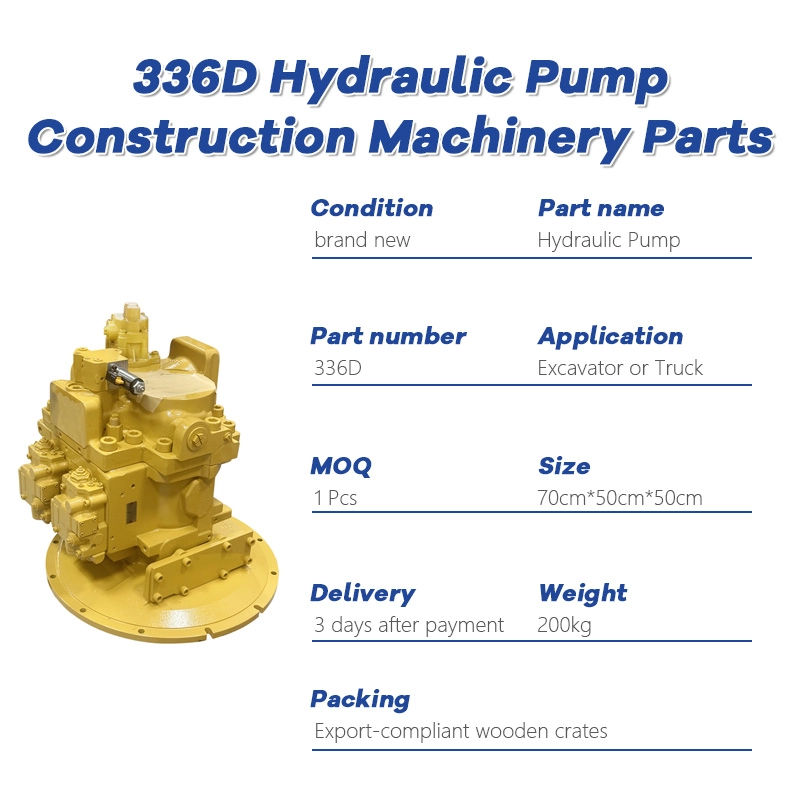
Choosing the Right Mounting and Interface for 336D Pumps

Engine assemblies: Why ZAX870-5G 6WG1 excels in reliability
Tips for buy electric hydraulic pump
Prdoucts Categories
Question you may concern
FAQ
How can I place an order?
You can place an order through our user-friendly online platform or by contacting our sales team directly. Simply browse our catalog, select the parts you need, and follow the checkout process to complete your order.
What types of excavator parts do you offer?
JELXEL provides a comprehensive range of excavator parts, including but not limited to buckets, hydraulic components, undercarriage parts, and engine components. Our goal is to be your one-stop solution for all excavator needs.
Do you provide installation services for your parts?
While we do not offer installation services directly, we can recommend qualified professionals or resources to assist you with the installation of our parts. Our customer support team can provide guidance on finding local service providers.
Are your parts compatible with all excavator brands?
JELXEL strives to offer parts compatible with a wide range of excavator brands and models. However, we recommend checking the product specifications or consulting with our team to ensure compatibility with your specific excavator.
Do you offer bulk purchasing options?
Yes, we offer competitive pricing for bulk orders. If you are interested in purchasing large quantities of parts, please contact our sales team to discuss your requirements and receive a customized quote.
You may also like
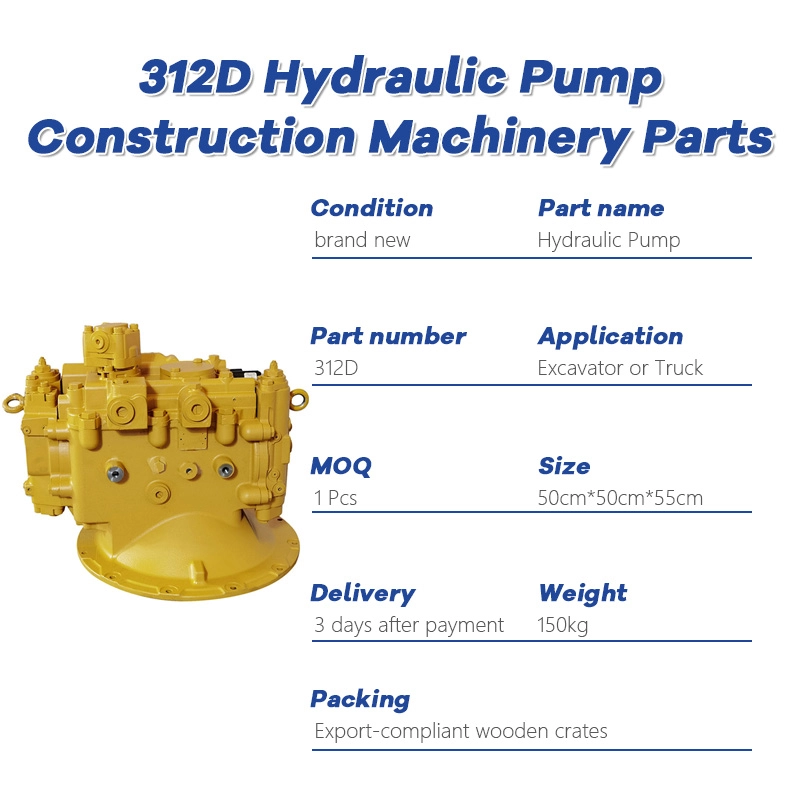
Excavator Hydraulic Pump for CAT 312D | Fast Shipping
Get your high-quality JELXEL CAT 312D hydraulic pump! Engineered for durability and peak performance, this essential 312D hydraulic pump ensures your excavator runs efficiently. Benefit from our fast shipping to minimize downtime. Choose JELXEL for reliable, high-quality solutions for your CAT 312D.
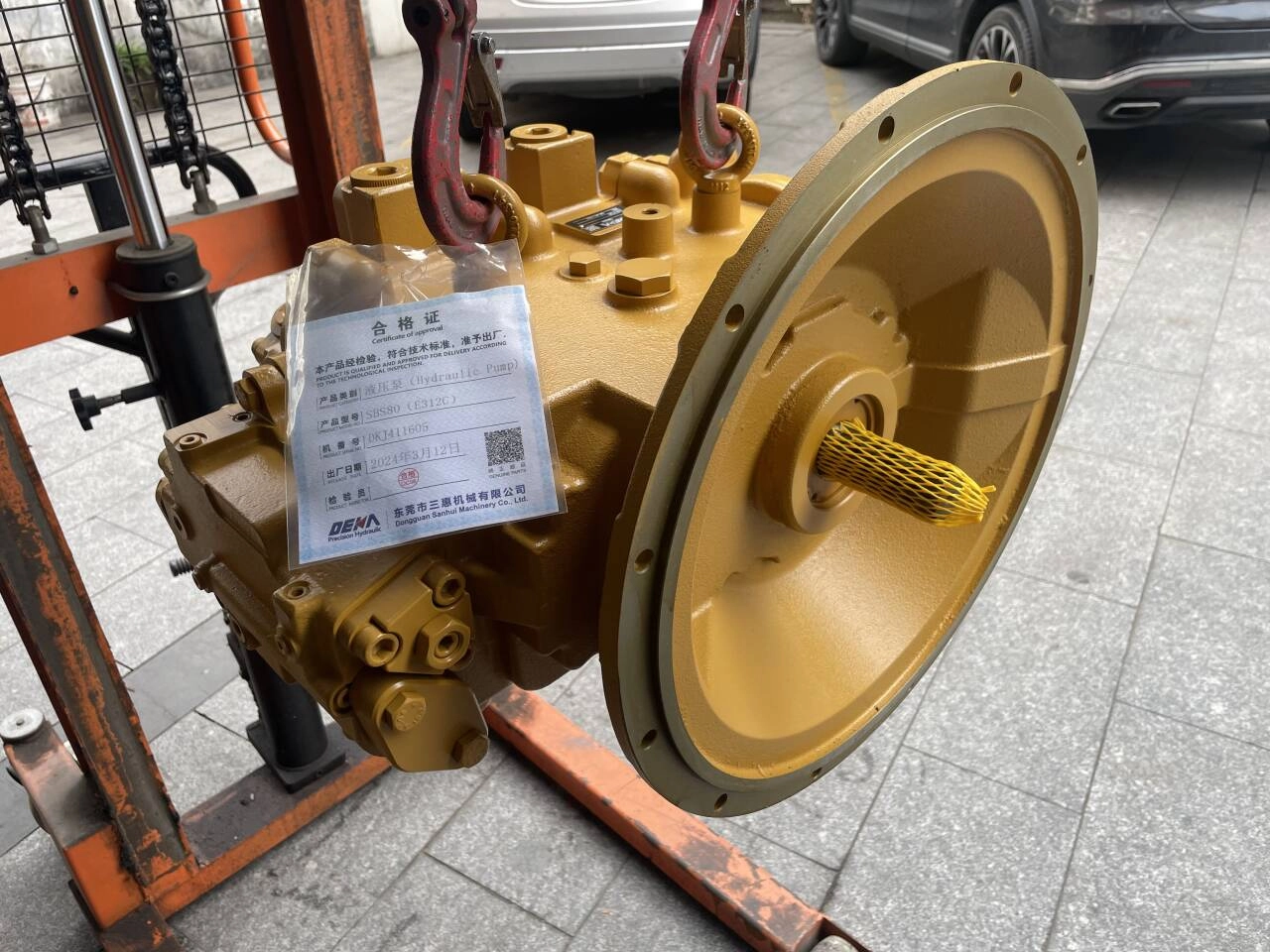
New CAT 312C Hydraulic Main Pump | Compatible Excavator Parts
JELXEL’ New CAT 312C Hydraulic Main Pump delivers reliable performance for your excavator. Engineered for durability, this Caterpillar 312C hydraulic pump ensures seamless compatibility and optimal efficiency.
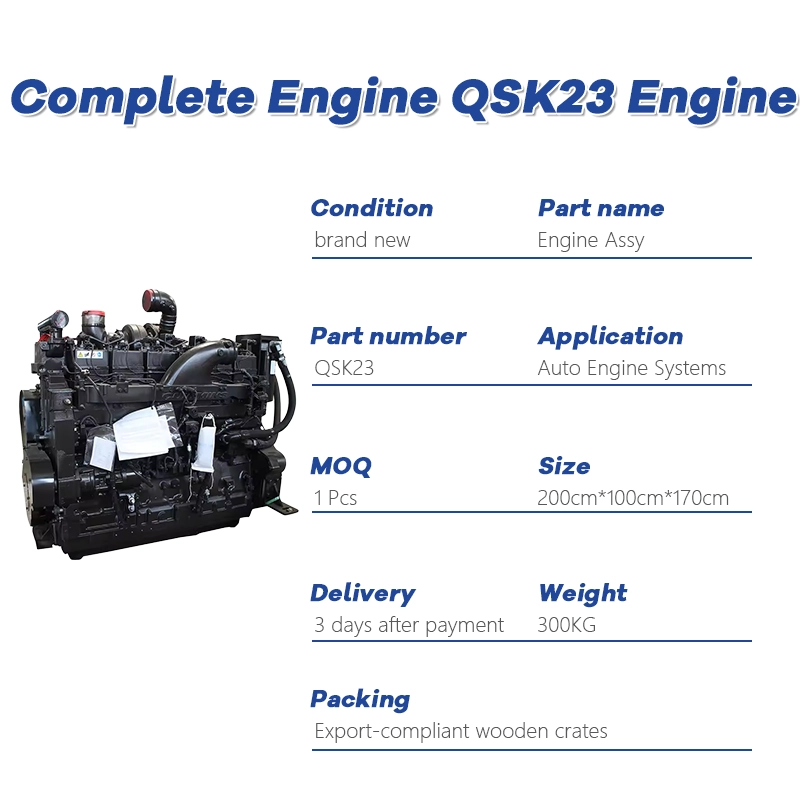
QSK23 Excavator Engine Assembly | Reliable & Efficient Performance
Discover the high-performance QSK23 Excavator Engine Assembly by JELXEL, designed for reliable and efficient excavation. Ideal QSK23 engine parts for excavators, this engine assembly delivers durability and power. Explore our engine assembly for sale to boost your machinery’s performance today.
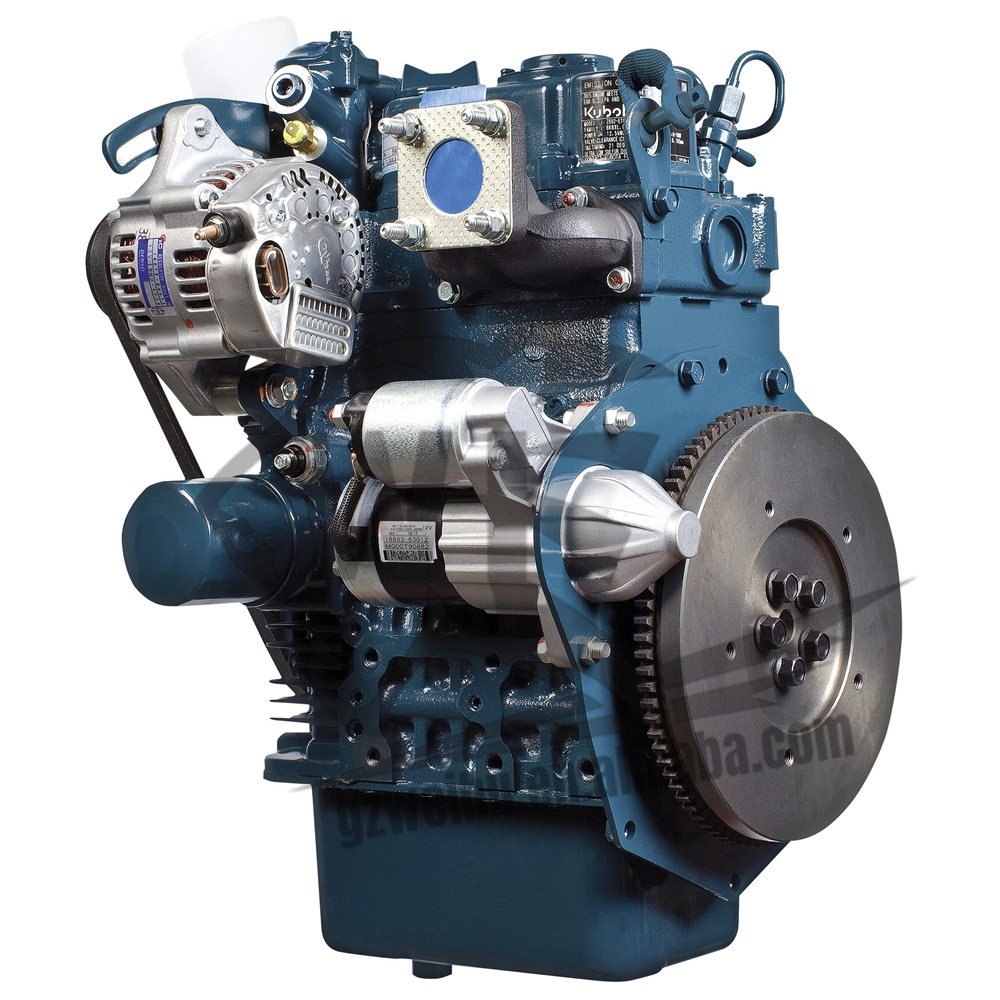
D722 Excavator Engine Replacement | Boost Your Excavator’s Power
Upgrade your excavator's performance with the JELXEL D722 Excavator Engine Replacement. Buy D722 excavator engine now to enhance power and efficiency. Excavator D722 Engine for Sale, designed for durability and smooth operation. Boost your excavator’s power today!
Get in touch with us
If you have any comments or good suggestions, please leave us a message, later our professional staff will contact you as soon as possible.
To be a happy enterprise in the field of engineering equipment.
JELXEL delivers efficient and reliable service at each stage to meet the customer's needs.