

jackhuang5919@gmail.com
Buying Guide: Where to Source Excavator Hydraulic Pumps
A practical buying guide to help fleet managers and maintenance teams source reliable excavator hydraulic pumps — covering OEM, aftermarket, remanufactured, surplus, and online channels, plus quality checks, costs, and delivery tips.
- Buying Guide: Where to Source Excavator Hydraulic Pumps
- Introduction — Why sourcing the right hydraulic pump matters
- Understanding excavator hydraulic pumps
- Types and functional role
- Key specifications to check before sourcing
- Primary sources for excavator hydraulic pumps
- 1. OEM dealers and authorized distributors
- 2. Aftermarket manufacturers
- 3. Remanufactured (reman) pumps
- 4. Local salvage yards and surplus parts
- 5. Online marketplaces and global suppliers
- Comparing sources: quality, cost, delivery, and warranty
- Quick comparison table
- How to evaluate suppliers and pump quality
- Vendor vetting checklist
- On-site inspection and testing tips
- Cost considerations and lifecycle value
- Balancing upfront cost and total cost of ownership
- Spare parts planning and inventory strategy
- Shipping, logistics, and regulatory considerations
- Packaging and transport risks
- Compliance and environmental rules
- Why choose JELXEL as your sourcing partner
- Company strengths aligned with buyer needs
- R&D, quality focus, and customer support
- Practical buying steps: from identification to installation
- Step-by-step procurement checklist
- Maintenance tips to extend pump life
- Conclusion — Make sourcing decisions that fit your operational goals
- Final recommendations
- Frequently Asked Questions
Buying Guide: Where to Source Excavator Hydraulic Pumps
Introduction — Why sourcing the right hydraulic pump matters
Excavator hydraulic pumps are core components that determine machine performance, fuel efficiency, and uptime. Choosing the right source for replacement or spare pumps influences maintenance costs, reliability, and project timelines. This guide explains where to source excavator hydraulic pumps, compares common supply channels, and provides actionable steps to select parts that meet your operational and financial goals.
Understanding excavator hydraulic pumps
Types and functional role
Hydraulic pumps convert engine power into hydraulic flow. The main pump types used in excavators are axial piston pumps, gear pumps, and vane pumps. Axial piston pumps are common in medium-to-large excavators for their high pressure and efficiency; gear pumps are simpler and often found in auxiliary circuits; vane pumps are used when smoother flow with moderate pressures is needed.
Key specifications to check before sourcing
Before you buy, verify displacement (cc/rev), maximum pressure (bar or psi), flow rate (L/min), mounting and shaft type, port size, and control options (fixed vs. variable). Matching these specs to your machine’s hydraulic schematic avoids performance loss or damage.
Primary sources for excavator hydraulic pumps
1. OEM dealers and authorized distributors
Buying from the original equipment manufacturer (OEM) or an authorized dealer ensures exact-fit parts designed for your machine. OEM pumps typically come with manufacturer warranties, technical support, and traceable serial numbers. This option is best when machine warranty coverage or strict specifications are required.
2. Aftermarket manufacturers
Aftermarket pump makers produce compatible pumps that often cost less than OEM while offering comparable performance. Reputable aftermarket suppliers follow industry standards and may offer improved lead times. Evaluate their testing procedures, materials, and warranty terms before purchase.
3. Remanufactured (reman) pumps
Reman pumps are refurbished units where worn parts are replaced and tolerances restored. Remanufacturing can provide OEM-level performance at a lower cost and with shorter lead times than new OEM parts. Ensure remanufacturers provide test reports, replacement-part lists, and a clear warranty.
4. Local salvage yards and surplus parts
Salvage yards provide used pumps at low cost, suitable for short-term or budget-limited fixes. However, quality varies widely; inspect units for wear, scoring, and contamination, or buy from yards that test and certify components.
5. Online marketplaces and global suppliers
Platforms like specialized parts marketplaces and direct manufacturer websites expand your sourcing options, especially for hard-to-find models. Online buying can offer competitive pricing and faster comparisons, but verify seller reputation, shipping terms, and import regulations.
Comparing sources: quality, cost, delivery, and warranty
Quick comparison table
The table below summarizes typical trade-offs across sourcing channels to help you choose based on priorities such as uptime, budget, or project schedule.
| Source | Quality | Typical Cost | Lead Time | Warranty/Support | Best for |
|---|---|---|---|---|---|
| OEM / Authorized Dealer | Very High | Higher | Medium | Strong (manufacturer) | Critical systems, warranty-covered machines |
| Aftermarket Manufacturer | High (varies by brand) | Medium | Short–Medium | Manufacturer warranty (varies) | Cost-conscious fleets needing reliable replacements |
| Remanufacturer | High (if reputable) | Medium–Low | Short | Limited warranty, test reports | When OEM is costly or lead-times are long |
| Salvage / Surplus | Variable | Low | Immediate | Often none or limited | Emergency fixes; budget projects |
| Online Marketplaces | Variable | Competitive | Short–Medium | Depends on seller | Finding hard-to-source or specialty pumps |
How to evaluate suppliers and pump quality
Vendor vetting checklist
Ask suppliers for: product datasheets, serial-number traceability, quality certifications (e.g., ISO 9001), material specifications, testing and calibration reports, and warranty terms. For remanufactured pumps, request photos of teardown, replaced components, and a final bench test record.
On-site inspection and testing tips
If possible, bench-test pumps before installation using the correct test rig to verify displacement, pressure, leakage, and noise. Inspect for contamination, shaft runout, and seal condition. For used pumps, check for scoring on bores and evidence of overheating.
Cost considerations and lifecycle value
Balancing upfront cost and total cost of ownership
Lower upfront cost may increase downtime or shorten service life—raising lifecycle costs. Prioritize parts that reduce unscheduled downtime and offer reliable warranty support. Sometimes paying more for a pump with verified testing and support reduces overall operational expense.
Spare parts planning and inventory strategy
Maintain a parts strategy: critical machines may need spare pumps on-hand to avoid project downtime. For fleets, a mix of OEM and high-quality aftermarket/reman parts often delivers resilience while controlling costs.
Shipping, logistics, and regulatory considerations
Packaging and transport risks
Hydraulic pumps must be protected from contamination and physical shock during transit. Insist on sealed packaging, desiccants, and clear labeling. For international shipments, verify customs documentation and HS codes to avoid delays.
Compliance and environmental rules
When sourcing reman or surplus parts across borders, confirm local regulations on used machinery components and waste disposal. For companies pursuing sustainability goals, remanufactured parts can lower environmental impact by reducing raw-material consumption.
Why choose JELXEL as your sourcing partner
Company strengths aligned with buyer needs
JELXEL serves global clients in the excavator spare parts sector with a broad selection of parts designed to support routine tasks and high-performance systems. JELXEL emphasizes quality, cost-effectiveness, and timely delivery to keep customers’ machinery running smoothly.
R&D, quality focus, and customer support
With a dedicated engineering team, JELXEL continuously improves part designs to meet evolving industry standards. The company focuses on producing durable, efficient components and offers technical support to help customers match pumps to machine requirements and ensure correct installation and maintenance.
Practical buying steps: from identification to installation
Step-by-step procurement checklist
1) Identify pump model and required specifications from machine plates or hydraulic schematics.2) Decide sourcing priority (cost vs. uptime vs. sustainability).3) Shortlist suppliers and request datasheets, test reports, and warranty terms.4) Compare total cost, lead time, and logistical constraints.5) Test bench the pump on delivery or inspect reman reports.6) Install with recommended filtration and commissioning checks.
Maintenance tips to extend pump life
Maintain clean hydraulic fluid with correct filtration and scheduled oil analysis, monitor temperature and contamination, and adhere to recommended service intervals. Proper maintenance dramatically extends pump life and protects your investment.
Conclusion — Make sourcing decisions that fit your operational goals
Final recommendations
Choosing where to source excavator hydraulic pumps depends on priorities: OEM for maximum assurance, reputable aftermarket or remanufactured suppliers for better cost-value, and salvage or marketplaces for constrained budgets or emergencies. Vet suppliers carefully, insist on testing and warranties, and include logistics and lifecycle costs in your decision. For a balance of quality, cost, and support, consider partners like JELXEL that combine R&D capabilities, global supply reach, and aftermarket options.
Frequently Asked Questions
What are the main types of excavator hydraulic pumps and when is each used?Axial piston pumps (high pressure/efficiency) are common in main circuits for medium-to-large excavators; gear pumps are simpler and used in low-pressure or auxiliary circuits; vane pumps offer smoother flow at moderate pressure.
Is it safe to use aftermarket pumps instead of OEM?Yes—if you choose reputable aftermarket manufacturers who provide datasheets, testing, and warranties. Many aftermarket pumps match OEM performance at lower cost.
When should I choose a remanufactured pump?Choose reman when OEM lead times are long or costs are high, and when the remanufacturer provides detailed test reports and a reliable warranty.
How can I verify a pump’s compatibility before purchase?Match displacement, maximum pressure, flow rate, mounting, shaft type, and port sizes with your machine’s hydraulic schematic. Request supplier documentation and test certificates.
What logistical issues should I watch for when buying internationally?Check customs rules, HS codes, import duties, transit times, and packaging standards. Ensure sealed packaging to prevent contamination and get clear return/warranty terms for cross-border claims.
Tags
excavator engine parts for sale
excavator engine parts for sale
Cat C7.1 turbocharger
Cat C7.1 turbocharger
A10V071 Hydraulic main pump
A10V071 Hydraulic main pump
K3V63DT axial piston pump
K3V63DT axial piston pump
Diesel Engine
Diesel Engine
Kubota V2403 diesel engine wholesale
Kubota V2403 diesel engine wholesale
Recommended for you
Performance Benchmarks: Heavy Duty Excavator Hydraulic Pumps
Top 10 Excavator Engine Brands for Commercial Construction Projects
Hydraulic Pump Flow Control Valve Optimization 2026
Maintenance Tips to Extend the Lifespan of Your Hydraulic Pump
Prdoucts Categories
Question you may concern
FAQ
Do you provide warranties on your products?
Yes, we stand by the quality of our products. Most parts come with a warranty that covers manufacturing defects. Please refer to the specific warranty information provided with your purchase or contact our customer service team for details.
Do you offer bulk purchasing options?
Yes, we offer competitive pricing for bulk orders. If you are interested in purchasing large quantities of parts, please contact our sales team to discuss your requirements and receive a customized quote.
How do I know which parts I need for my excavator?
If you are unsure which parts are needed, our knowledgeable customer support team can assist you. You can provide us with your excavator model and any relevant details, and we will help you identify the correct parts.
Can I return or exchange parts if I change my mind?
Yes, we accept returns and exchanges within [insert return period, e.g., 30 days] of purchase. The items must be unused and in their original packaging. Please contact our customer service team to initiate a return or exchange.
What is your shipping policy?
We offer a variety of shipping options to meet your needs. Orders are typically processed within [insert processing time] days, and delivery times may vary based on your location. We will provide you with tracking information once your order has shipped.
You may also like
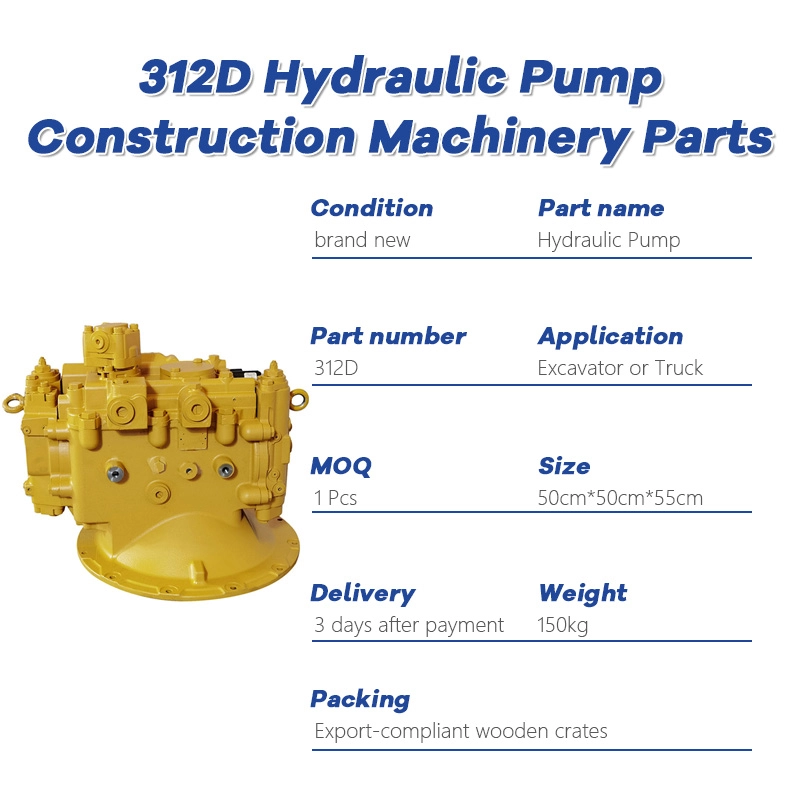
Excavator Hydraulic Pump for CAT 312D | Fast Shipping
Get your high-quality JELXEL CAT 312D hydraulic pump! Engineered for durability and peak performance, this essential 312D hydraulic pump ensures your excavator runs efficiently. Benefit from our fast shipping to minimize downtime. Choose JELXEL for reliable, high-quality solutions for your CAT 312D.
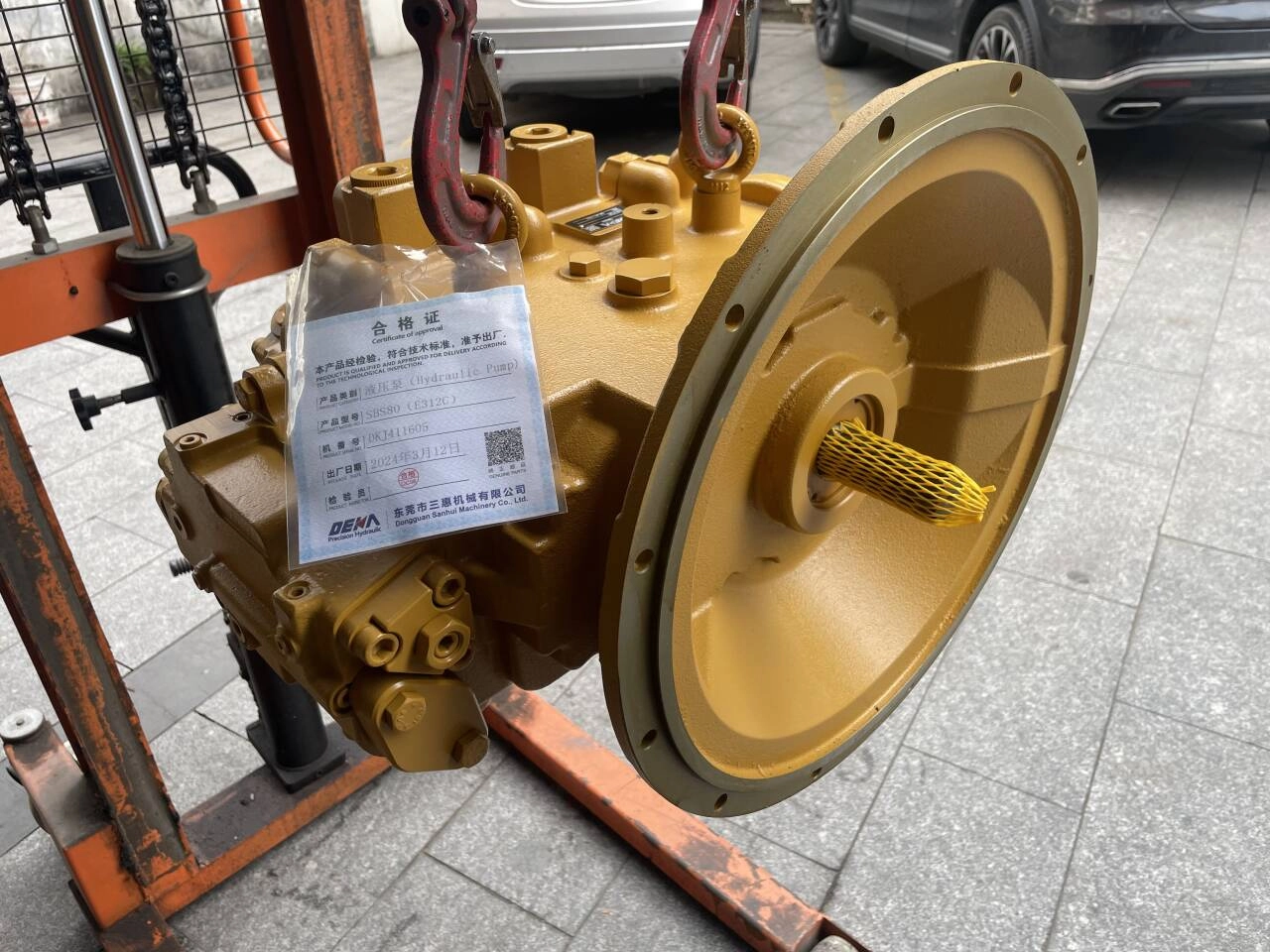
New CAT 312C Hydraulic Main Pump | Compatible Excavator Parts
JELXEL’ New CAT 312C Hydraulic Main Pump delivers reliable performance for your excavator. Engineered for durability, this Caterpillar 312C hydraulic pump ensures seamless compatibility and optimal efficiency.
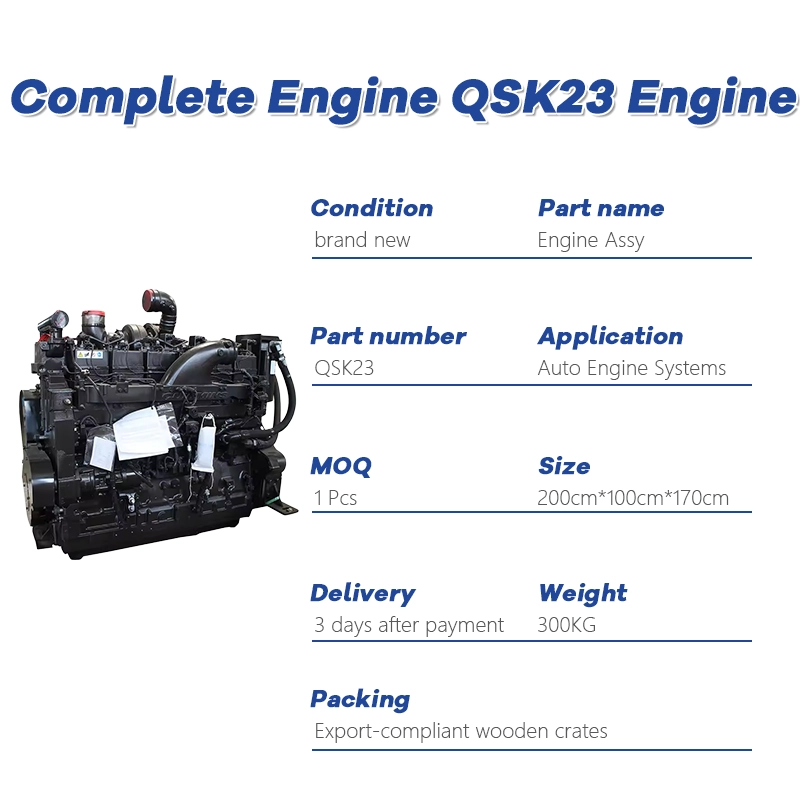
QSK23 Excavator Engine Assembly | Reliable & Efficient Performance
Discover the high-performance QSK23 Excavator Engine Assembly by JELXEL, designed for reliable and efficient excavation. Ideal QSK23 engine parts for excavators, this engine assembly delivers durability and power. Explore our engine assembly for sale to boost your machinery’s performance today.
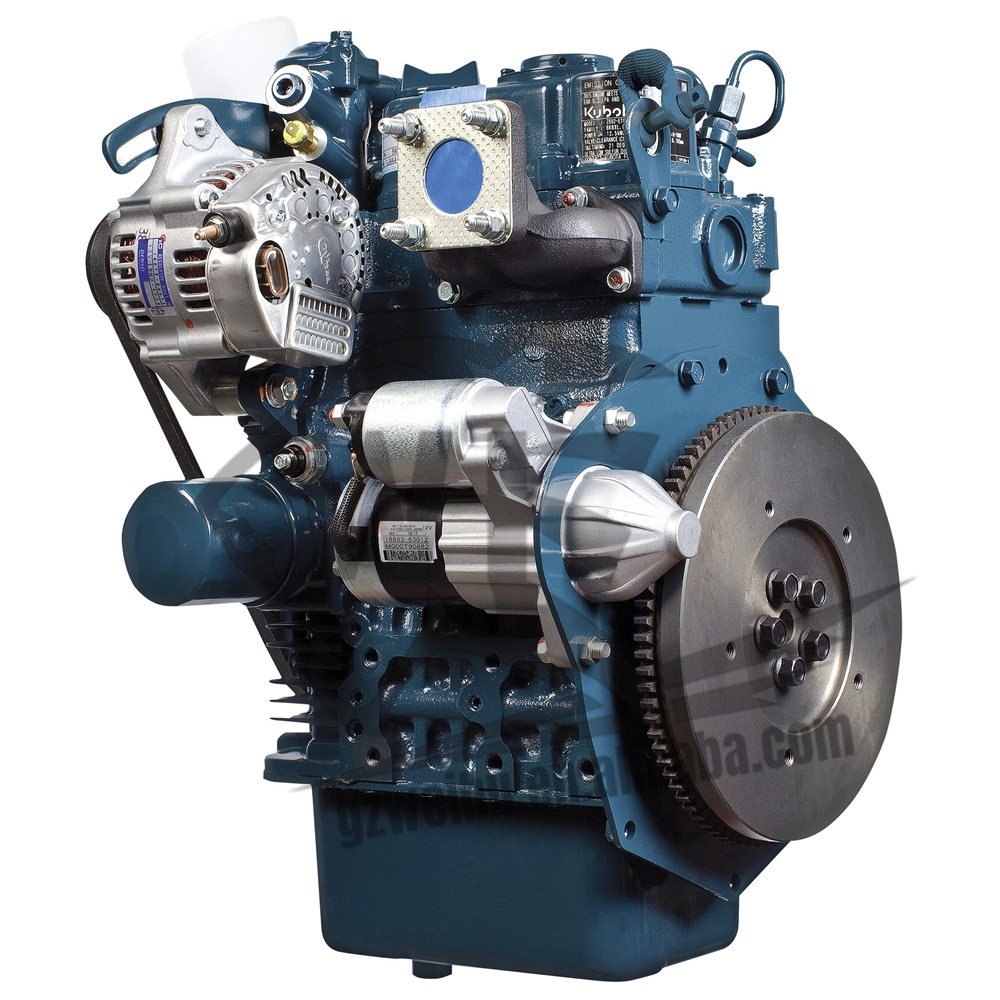
D722 Excavator Engine Replacement | Boost Your Excavator’s Power
Upgrade your excavator's performance with the JELXEL D722 Excavator Engine Replacement. Buy D722 excavator engine now to enhance power and efficiency. Excavator D722 Engine for Sale, designed for durability and smooth operation. Boost your excavator’s power today!
Get in touch with us
If you have any comments or good suggestions, please leave us a message, later our professional staff will contact you as soon as possible.
To be a happy enterprise in the field of engineering equipment.
JELXEL delivers efficient and reliable service at each stage to meet the customer's needs.