

jackhuang5919@gmail.com
Hydraulic Pump Flow Control Valve Optimization 2026
This article explains practical strategies and engineering choices to optimize hydraulic pump flow control valves for excavators and mobile machinery in 2026. It covers valve and pump selection, control strategies (proportional, servo, pressure-compensated), retrofits, diagnostics, maintenance best practices, and a supplier overview including JELXEL' strengths in hydraulic pump and excavator spare parts.
- Optimizing Flow Control for Hydraulic Pumps: Practical Strategies for 2026
- Understanding the problem: why hydraulic pump flow control matters for excavator systems
- Key valve and pump types used with hydraulic pump systems ( keyword: hydraulic pump)
- Comparison of flow control valve technologies and suitability for excavator hydraulic pump systems ( keyword: excavator parts)
- Optimization strategy #1 — define KPIs and map to pump/valve specs ( keyword: hydraulic pump)
- Optimization strategy #2 — control topology: open-loop vs closed-loop
- Optimization strategy #3 — pump displacement and variable-displacement systems ( keyword: excavator parts)
- Optimization strategy #4 — valve sizing, pilot systems, and thermal management
- Optimization strategy #5 — diagnostics, predictive maintenance and data-driven tuning ( keyword: hydraulic pump)
- Retrofit considerations and cost-benefit analysis (table)
- Practical maintenance checklist for maintaining valve and pump performance ( keyword: hydraulic pump)
- Case example — productivity improvement through valve optimization
- Supplier and sourcing considerations for excavator hydraulic pump parts ( keyword: excavator spare parts)
- JELXEL: a partner for hydraulic pump and excavator system optimization
- JELXEL advantages and core products — hydraulic pump, engine assembly, excavator engine ( keyword: hydraulic pump)
- Implementation roadmap — step-by-step to optimized flow control ( keyword: hydraulic pump)
- Regulatory and reliability considerations
- Conclusion and final recommendations ( keyword: excavator parts)
- Frequently Asked Questions (FAQ)
- 1. What is the most cost-effective valve upgrade for older excavators?
- 2. How can I tell if my hydraulic pump is cavitating?
- 3. Do I need servo valves for precise excavator arm control?
- 4. What maintenance steps improve valve lifetime?
- 5. How much fuel savings can I expect from upgrading flow control?
- 6. Can JELXEL supply compatible hydraulic pump and valve parts for retrofits?
- References
Optimizing Flow Control for Hydraulic Pumps: Practical Strategies for 2026
Understanding the problem: why hydraulic pump flow control matters for excavator systems
The hydraulic pump is the heart of every excavator’s hydraulic system. Precise flow control valves determine machine responsiveness, fuel efficiency, cycle times, and component life. Incorrect valve selection, poor integration with the pump, or suboptimal control logic can cause cavitation, overheating, jerky motions, and premature wear. For fleet managers and maintenance engineers who buy excavator parts or optimize systems, improving flow control valve performance is one of the highest-impact interventions for lowering operating cost and increasing uptime.
Key valve and pump types used with hydraulic pump systems ( keyword: hydraulic pump)
Matching the hydraulic pump to the right flow control valve type is the first step. Common pump families and control-valve pairings include gear, vane, and axial-piston pumps. Each has trade-offs in efficiency, pressure capability and control responsiveness:
| Pump Type | Typical Flow Range | Max Pressure | Typical Efficiency | Best Valve Pairing |
|---|---|---|---|---|
| Gear pump | 10–120 L/min | up to 150 bar | 60–85% | On/off, pressure-compensated |
| Vane pump | 20–200 L/min | up to 200 bar | 70–90% | Proportional, pressure-compensated |
| Axial-piston pump | 40–600+ L/min | up to 350–420 bar | 80–95% | Closed-loop proportional/servo |
Sources: Eaton, Parker (see references). Selection must align with excavator requirements for pressure, speed, and control resolution.
Comparison of flow control valve technologies and suitability for excavator hydraulic pump systems ( keyword: excavator parts)
Choose valve technology based on precision, dynamic response, and cost. The table below summarizes typical characteristics relevant for hydraulic pump-driven excavator systems.
| Valve Type | Accuracy | Response Time | Relative Cost | Best Applications |
|---|---|---|---|---|
| On/off (solenoid) | Low | 10–50 ms | Low | Simple on/off tasks, safety shutoffs |
| Pressure-compensated flow control | Medium | 20–100 ms | Medium | Load-independent flow control, simple proportional tasks |
| Proportional valve | ±1–5% typical | 5–50 ms | Medium–High | Speed control, smooth operator feel |
| Servo-valve | ±0.1–0.5% | <5–20 ms | High | High-precision motion control, closed-loop systems |
Note: accuracy and response ranges depend on manufacturer and system integration. Source: Hydraulics & Pneumatics, vendor datasheets (see references).
Optimization strategy #1 — define KPIs and map to pump/valve specs ( keyword: hydraulic pump)
Before changing valves or pumps, establish measurable KPIs tied to business outcomes: cycle time reduction, fuel consumption per hour, mean time between failures (MTBF), operator satisfaction scores, and downtime hours per month. Translate KPIs into technical specs: required flow range, maximum working pressure, response time, and acceptable steady-state error. This prevents over-specifying expensive servo solutions where a pressure-compensated proportional valve would meet needs.
Optimization strategy #2 — control topology: open-loop vs closed-loop
Open-loop systems are simpler and cheaper but sacrifice repeatability when load varies. Closed-loop control (flow or velocity feedback using flow meters or position sensors) improves accuracy and reduces cycling variability—particularly valuable when excavator tasks require repeatable digging profiles or coordinated multi-actuator movements. Closed-loop systems typically pair axial-piston pumps with proportional/servo valves and ECU-level control logic.
Optimization strategy #3 — pump displacement and variable-displacement systems ( keyword: excavator parts)
Using variable-displacement pumps reduces throttling losses and improves fuel efficiency by matching pump output to demand. Two common strategies:
- Load-sensing (LS) pumps with pressure-compensated flow control — maintain flow to actuators while minimizing excess pressure.
- Electronically controlled variable-displacement pumps — integrate with machine electronics for demand-based control and energy recovery strategies.
Where retrofit is possible, converting a constant-displacement system with throttling to a variable-displacement pump plus a proportional valve often yields 10–25% fuel savings under typical cycle profiles (industry case studies, see references).
Optimization strategy #4 — valve sizing, pilot systems, and thermal management
Oversized valves create dead volume and slow response; undersized valves saturate and overheat. Match nominal flow ratings of valves to the pump’s flow at expected operating speed, and ensure pilot circuits can reliably drive proportional/servo valves at temperature extremes. Use heat exchangers and monitor oil temperature — thermal degradation affects viscosity and valve response. Regularly test pressure drops across valves and hoses to detect flow restrictions early.
Optimization strategy #5 — diagnostics, predictive maintenance and data-driven tuning ( keyword: hydraulic pump)
Modern optimization depends on data. Key sensors: pump inlet pressure (cavitation detection), outlet pressure, flow rate, oil temperature, and actuator position. Implement thresholds that trigger alarms and automated de-rating to avoid catastrophic failure. Use trend analysis to detect gradual valve spool wear or pump efficiency decline. Example metrics to track:
- Inlet pressure spikes — early sign of cavitation
- Uncommanded flow drift — indicates spool leakage
- Increased oil temperature under identical duty cycles — suggests inefficiency or increased internal leakage
Retrofit considerations and cost-benefit analysis (table)
When evaluating retrofits, compare capital cost, installation time, fuel savings, and downtime. The simplified analysis below shows typical payback ranges observed in field projects.
| Retrofit Option | Typical Cost (USD) | Expected Fuel Savings | Typical Payback |
|---|---|---|---|
| Install pressure-compensated flow valves | 2,000–6,000 | 5–10% | 12–36 months |
| Upgrade to proportional valves + ECU tuning | 6,000–18,000 | 10–20% | 8–24 months |
| Variable-displacement pump + closed-loop control | 12,000–40,000 | 15–30% | 6–18 months |
Actual figures depend on machine hours, fuel cost, and operational profile. Use pilot trials to validate assumptions before fleet-wide rollouts.
Practical maintenance checklist for maintaining valve and pump performance ( keyword: hydraulic pump)
- Weekly: visual inspection for leaks, check oil level and basic filter indicators.
- Monthly: measure oil cleanliness (ISO cleanliness codes), record inlet/outlet pressures and temperatures.
- Quarterly: check valve spool leakage, pilot pressure, and control signal integrity.
- Annually: vibration analysis on pumps, full oil analysis (viscosity, water content, wear metals) and valve recalibration if required.
Case example — productivity improvement through valve optimization
A medium-sized construction contractor retrofitted four excavators with proportional valves and electronic pump control. After ECU tuning and operator training, they reported a 15% reduction in fuel use, a 12% faster cycle time on average, and a 25% drop in hydraulic-related downtime over 12 months. The improvements stemmed from reduced throttling losses and more predictable machine behavior, enabling operators to complete tasks faster and with less corrective movement.
Supplier and sourcing considerations for excavator hydraulic pump parts ( keyword: excavator spare parts)
Choose suppliers with transparent test data, ISO-quality certifications, consistent spare availability, and engineering support. For global fleets, logistics reliability and OEM-form, fit, function compatibility matter as much as price. Warranties and on-site technical support reduce total cost of ownership.
JELXEL: a partner for hydraulic pump and excavator system optimization
JELXEL serves as a reliable partner for global clients in the excavator spare parts sector. We provide a comprehensive selection of excavator parts designed to support a variety of operational needs, whether for routine tasks or high-performance excavator systems.
With a focus on quality, cost-effectiveness, and timely delivery, JELXEL is dedicated to supporting businesses by ensuring the availability of essential parts to keep machinery running smoothly.
JELXEL places a strong emphasis on innovative R&D, continually advancing the design and performance of excavator parts. With a dedicated team of engineers and technicians, the company focuses on developing high-quality, durable, and efficient components that meet the latest industry standards.
Our vision is to be a leading excavator parts manufacturer and a pioneer in transforming the excavator industry through quality, sustainability, and innovation. We aspire to set a global standard for service and reliability in the excavator parts market, creating lasting partnerships and ensuring that our solutions contribute to the success of every project we serve.
JELXEL advantages and core products — hydraulic pump, engine assembly, excavator engine ( keyword: hydraulic pump)
JELXEL distinguishes itself through:
- Comprehensive product range: hydraulic pump assemblies, valve bodies, engine assembly kits, and complete excavator engines.
- Quality assurance: strict incoming inspection, performance testing, and material traceability.
- R&D capabilities: continuous improvement programs and custom engineering for performance upgrades and retrofit compatibility.
- Global logistics: optimized warehousing and expedited shipping to minimize machine downtime.
These strengths translate into competitive pricing without sacrificing reliability — particularly valuable when replacing critical hydraulic pump components or upgrading control valves to improve fleet performance.
Implementation roadmap — step-by-step to optimized flow control ( keyword: hydraulic pump)
- Audit: collect baseline KPIs (fuel, cycle times, temperatures, failure modes).
- Define targets: select cost-to-benefit ratio and pilot candidate machines.
- Design: choose pump/valve topology, sensors, and control logic; size thermal and hydraulic circuits.
- Pilot: retrofit 1–3 machines, instrument thoroughly, and tune control parameters.
- Evaluate: measure against KPIs, refine, and develop training materials for operators.
- Rollout: staged fleet upgrade with supplier-managed spare parts and support agreements.
Regulatory and reliability considerations
Hydraulic systems must meet safety and emissions-related requirements indirectly (fuel efficiency, leak minimization, noise). Follow ISO 4413 and relevant national standards for system design and maintenance. Document changes and maintain a parts traceability log, particularly when retrofitting non-OEM components.
Conclusion and final recommendations ( keyword: excavator parts)
Optimizing hydraulic pump flow control valves in 2026 is a systems exercise: correct hardware selection (pump and valve), proper control architecture (closed-loop where necessary), robust diagnostics, and disciplined maintenance. For most fleets, incremental upgrades—pressure-compensated valves, ECU tuning, and pilot closed-loop control—deliver strong ROI. For high-precision or high-utilization fleets, investing in variable-displacement pumps with proportional or servo valves and predictive maintenance will maximize efficiency and uptime.
Frequently Asked Questions (FAQ)
1. What is the most cost-effective valve upgrade for older excavators?
For many older machines, installing pressure-compensated flow control valves or proportional valves (if electrics are available) offers the best short-term ROI. These reduce throttling losses and improve control with relatively low capital cost compared to full pump replacements.
2. How can I tell if my hydraulic pump is cavitating?
Common signs of cavitation include audible knocking, sudden drops in pump output, increased inlet-line vibration, and foamy oil. Monitor inlet pressure and compare to pump manufacturer’s Net Positive Suction Head (NPSH) requirements. Early detection prevents pump damage.
3. Do I need servo valves for precise excavator arm control?
Servo valves provide the highest accuracy and fastest response, but they are more expensive and sensitive to contamination. For most excavator applications, a well-integrated proportional valve with closed-loop feedback provides a practical balance between precision and cost.
4. What maintenance steps improve valve lifetime?
Maintain oil cleanliness (replace filters on schedule, monitor ISO cleanliness codes), control oil temperature, ensure correct pilot pressure, and regularly inspect for internal leakage and spool sticking. Proper filtration and clean assembly practices are essential.
5. How much fuel savings can I expect from upgrading flow control?
Savings vary by duty cycle. Typical field results: 5–10% for pressure-compensated valve installations, 10–20% for proportional valve upgrades with ECU tuning, and up to 30% when moving from throttled constant-displacement systems to variable-displacement closed-loop solutions.
6. Can JELXEL supply compatible hydraulic pump and valve parts for retrofits?
Yes. JELXEL supplies a broad range of hydraulic pump components, valve assemblies, and related excavator spare parts. The company supports engineering selection, provides product testing data, and can assist with logistics and warranty services to smooth retrofits and replacements.
For consultation, spare parts catalog or custom retrofit quotes, contact JELXEL — keep your fleet running with quality hydraulic pump components and professional technical support. View products or request a quote: https://www.JELXEL.com/contact (or email sales@JELXEL.com)
References
- ISO 4413:2010 — Hydraulic fluid power — General rules and safety requirements for systems and their components. ISO. https://www.iso.org/standard/51751. (accessed 2025-11-30).
- Parker Hannifin — Hydraulic pump and system selection resources. Parker. https://www.parker.com (accessed 2025-11-30).
- Eaton Hydraulics — Pump and valve technical guides. Eaton. https://www.eaton.com/us/en-us/products/hydraulics. (accessed 2025-11-30).
- Hydraulics & Pneumatics — Articles on proportional vs servo valves and control strategies. Hydraulics & Pneumatics. https://www.hydraulicspneumatics.com (accessed 2025-11-28).
- Caterpillar — Hydraulic system and maintenance guidance for construction equipment. Caterpillar. https://www.cat.com/en_US/support/operations. (accessed 2025-11-28).
Tags
K3V63DT hydraulic pump
K3V63DT hydraulic pump
QSK23 Engine Parts for Excavators
QSK23 Engine Parts for Excavators
Cat C7 used engine
Cat C7 used engine
cummins qsm11 engine for sale
cummins qsm11 engine for sale
best diesel engine
best diesel engine
qsm11 cummins engine
qsm11 cummins engine
Recommended for you
Where to Buy excavator engines in China
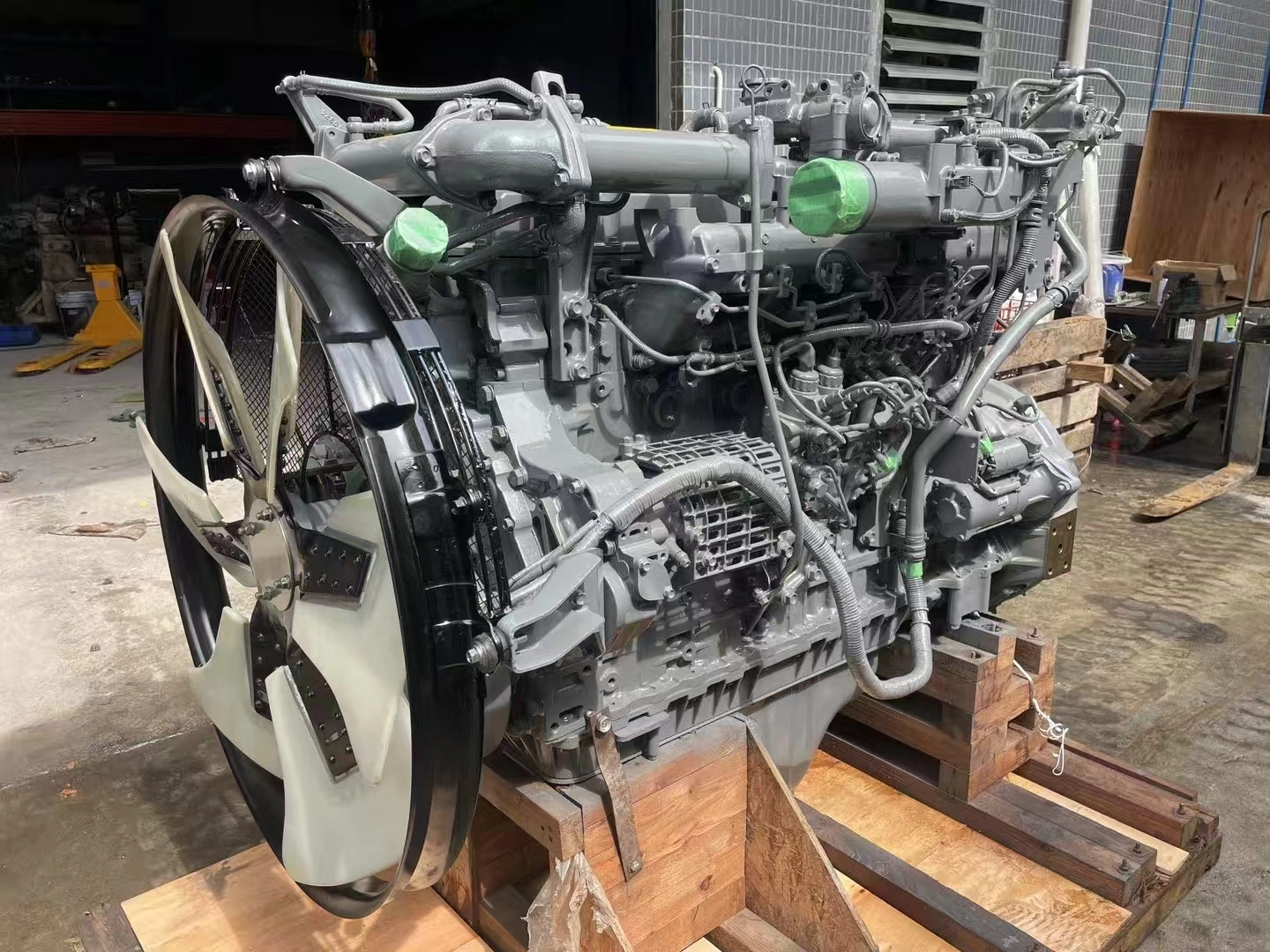
Integration Guide: Installing SY550 6WG1 into Existing Fleets
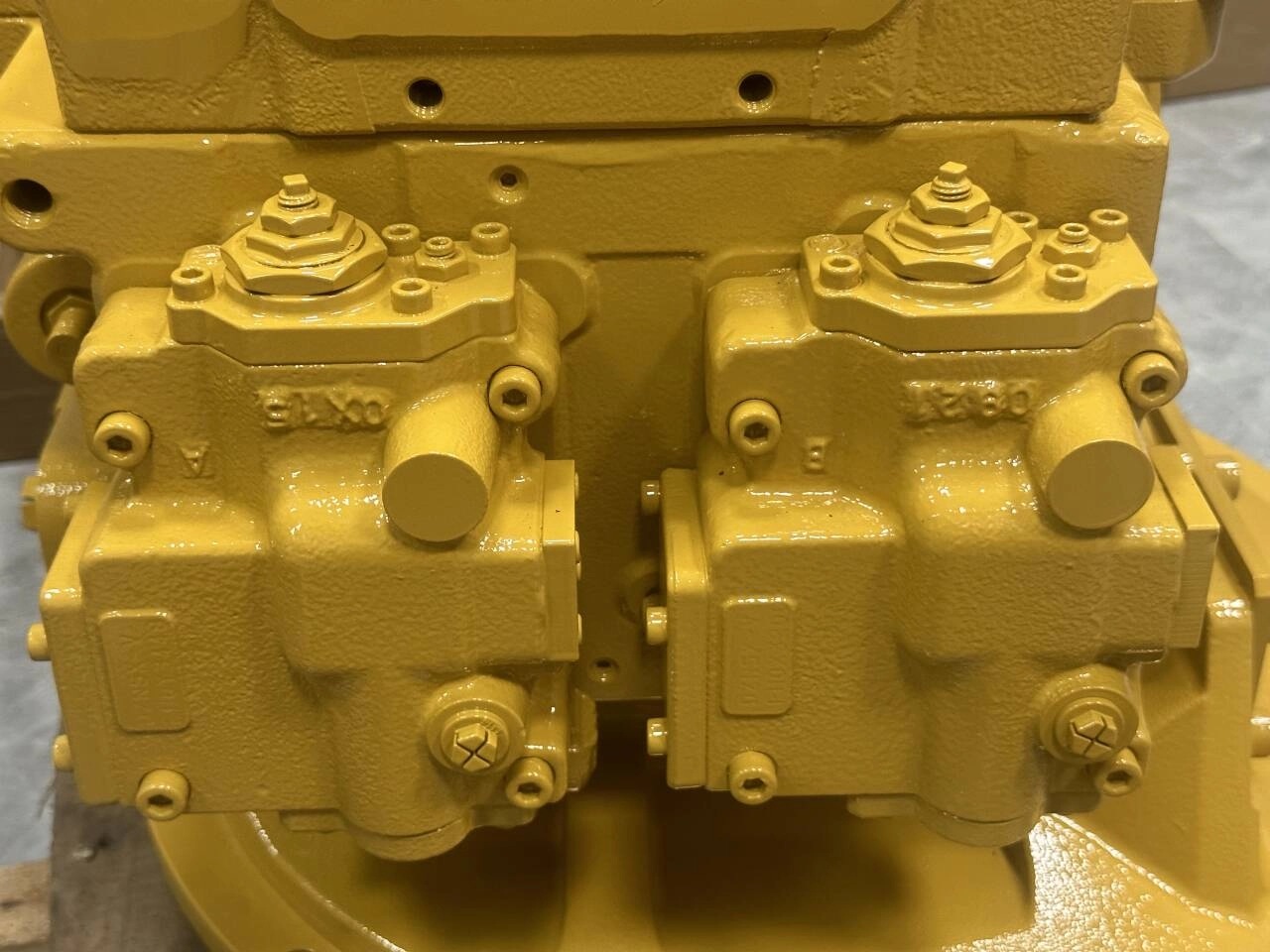
Total Cost of Ownership: Excavator Hydraulic Pump for Fleet Managers
Choosing the Right Excavator Engine for Your Machine
Prdoucts Categories
Question you may concern
FAQ
Can I return or exchange parts if I change my mind?
Yes, we accept returns and exchanges within [insert return period, e.g., 30 days] of purchase. The items must be unused and in their original packaging. Please contact our customer service team to initiate a return or exchange.
Are your parts compatible with all excavator brands?
JELXEL strives to offer parts compatible with a wide range of excavator brands and models. However, we recommend checking the product specifications or consulting with our team to ensure compatibility with your specific excavator.
How do I know which parts I need for my excavator?
If you are unsure which parts are needed, our knowledgeable customer support team can assist you. You can provide us with your excavator model and any relevant details, and we will help you identify the correct parts.
How can I place an order?
You can place an order through our user-friendly online platform or by contacting our sales team directly. Simply browse our catalog, select the parts you need, and follow the checkout process to complete your order.
Do you provide installation services for your parts?
While we do not offer installation services directly, we can recommend qualified professionals or resources to assist you with the installation of our parts. Our customer support team can provide guidance on finding local service providers.
You may also like
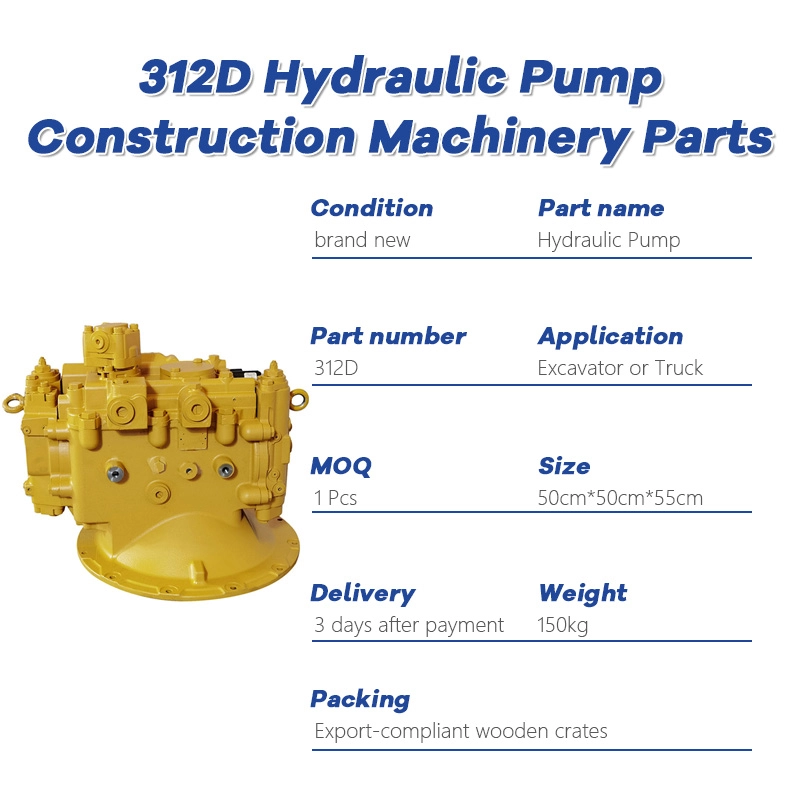
Excavator Hydraulic Pump for CAT 312D | Fast Shipping
Get your high-quality JELXEL CAT 312D hydraulic pump! Engineered for durability and peak performance, this essential 312D hydraulic pump ensures your excavator runs efficiently. Benefit from our fast shipping to minimize downtime. Choose JELXEL for reliable, high-quality solutions for your CAT 312D.
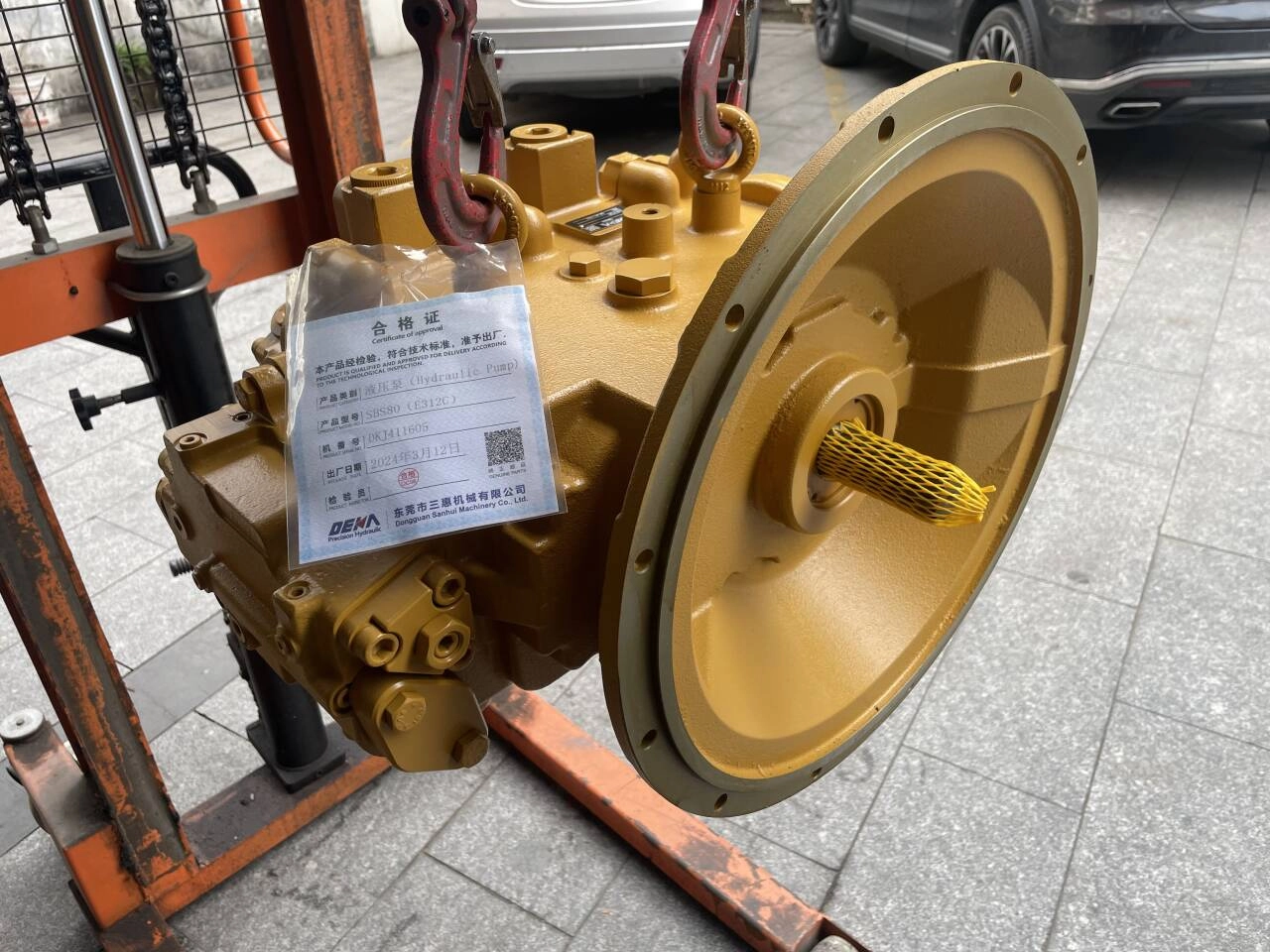
New CAT 312C Hydraulic Main Pump | Compatible Excavator Parts
JELXEL’ New CAT 312C Hydraulic Main Pump delivers reliable performance for your excavator. Engineered for durability, this Caterpillar 312C hydraulic pump ensures seamless compatibility and optimal efficiency.
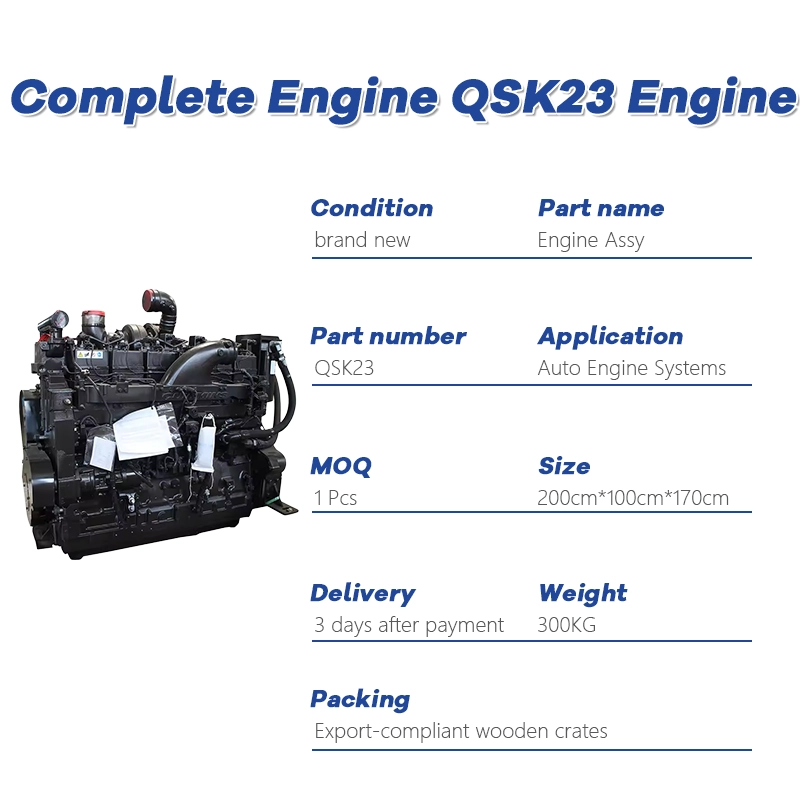
QSK23 Excavator Engine Assembly | Reliable & Efficient Performance
Discover the high-performance QSK23 Excavator Engine Assembly by JELXEL, designed for reliable and efficient excavation. Ideal QSK23 engine parts for excavators, this engine assembly delivers durability and power. Explore our engine assembly for sale to boost your machinery’s performance today.
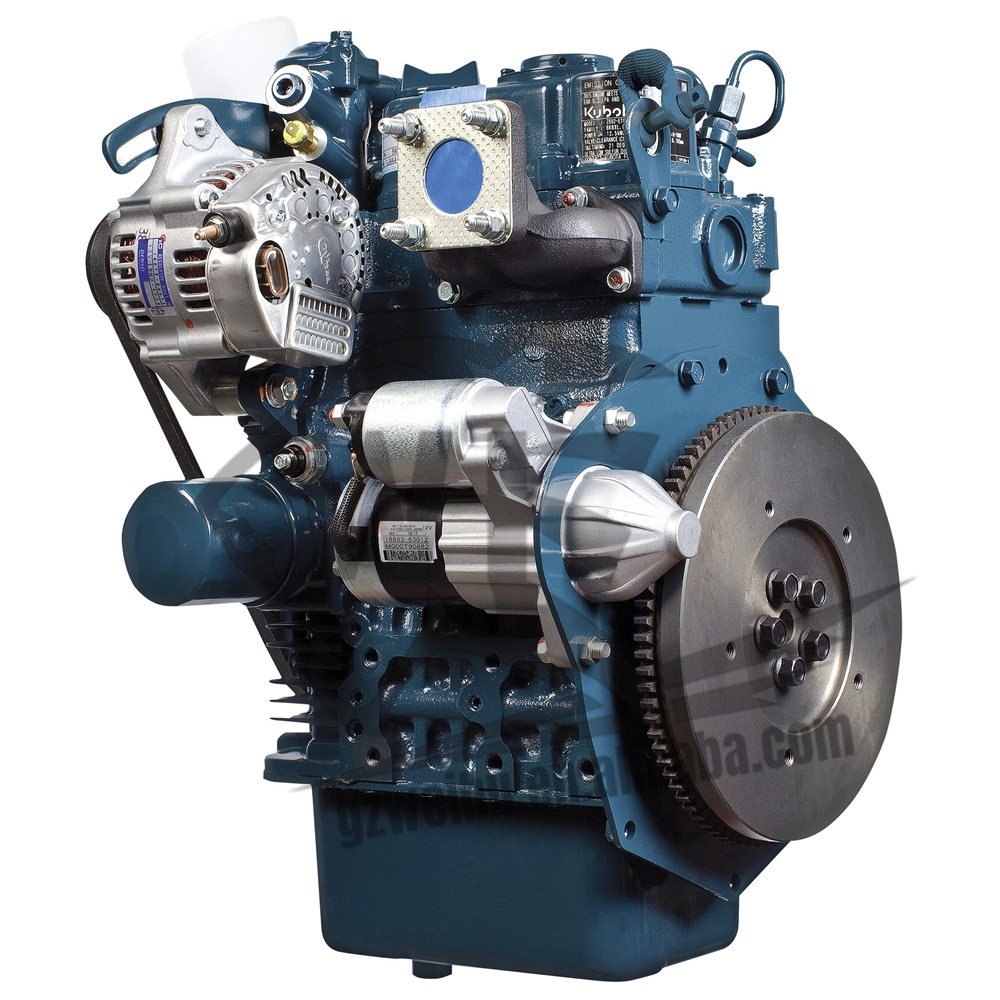
D722 Excavator Engine Replacement | Boost Your Excavator’s Power
Upgrade your excavator's performance with the JELXEL D722 Excavator Engine Replacement. Buy D722 excavator engine now to enhance power and efficiency. Excavator D722 Engine for Sale, designed for durability and smooth operation. Boost your excavator’s power today!
Get in touch with us
If you have any comments or good suggestions, please leave us a message, later our professional staff will contact you as soon as possible.
To be a happy enterprise in the field of engineering equipment.
JELXEL delivers efficient and reliable service at each stage to meet the customer's needs.