

jackhuang5919@gmail.com
How to Improve Fuel Efficiency of Excavator Engines
Practical, expert-backed guide to improving excavator engine fuel efficiency through maintenance, operator training, parts selection, telematics and upgrades. Save fuel, lower emissions, and extend equipment life.
- How to Improve Fuel Efficiency of Excavator Engines
- Introduction: Why excavator engine fuel efficiency matters
- Understand your baseline and set targets
- Measure current fuel use and operating profile
- Define realistic fuel-efficiency targets
- Regular engine and fuel system maintenance
- Keep air and fuel filters clean
- Regular oil and coolant maintenance
- Maintain fuel injectors and pumps
- Operator habits and training
- Train operators in fuel-smart techniques
- Reduce idle and use auto-shutdown features
- Optimize hydraulics, attachments and load management
- Match attachment size to the task
- Keep hydraulic systems efficient
- Mechanical adjustments and machine setup
- Maintain correct track tension and undercarriage
- Ensure proper tire pressure for wheeled machines
- Use quality parts and correct consumables
- Choose high-quality replacement parts
- Use the correct fuel and lubricants
- Telematics, monitoring and data-driven optimization
- Implement telematics to find inefficiencies
- Use alerts and predictive maintenance
- Upgrades and retrofits that improve fuel economy
- Consider engine tune-ups and ECM optimization
- Evaluate hybrid and energy-recovery options
- Cost-benefit comparison: typical machines and expected savings
- Baseline fuel use and estimated savings table
- Interpreting the numbers
- Practical implementation checklist
- Step-by-step actions for quick wins
- JELXEL’ role in sustaining excavator engine efficiency
- Quality parts and technical support
- Partnering for fleet-level efficiency
- FAQ — Frequently Asked Questions
- Q: What is the single most effective step to reduce an excavator engine's fuel consumption?
- Q: How often should I change filters to keep fuel efficiency optimal?
- Q: Can telematics really pay for itself through fuel savings?
- Q: Do aftermarket parts affect fuel efficiency?
- Q: Will Tier 4/Stage V emission systems hurt fuel economy?
- Q: How much can I reasonably expect to save across a fleet?
- Closing: Practical next steps
- Start with measurement and quick wins
How to Improve Fuel Efficiency of Excavator Engines
Introduction: Why excavator engine fuel efficiency matters
Fuel is one of the largest operating costs for construction fleets. Improving the fuel efficiency of an excavator engine reduces operating expenses, cuts CO2 emissions, and extends equipment life. This guide offers practical, industry-proven measures—maintenance, operator practices, parts choices, and technology upgrades—to deliver measurable savings on real sites. JELXEL supports these efforts by supplying quality parts that help sustain peak engine performance.
Understand your baseline and set targets
Measure current fuel use and operating profile
Before making changes, establish a baseline: litres (or gallons) per hour, litres per ton moved, or litres per shift. Typical fuel burn varies by machine size and task—mini excavators often consume ~2–6 L/h, medium 10–20 t machines ~6–15 L/h, and large 20–50 t models ~15–30 L/h. Accurate tracking allows you to quantify savings from interventions.
Define realistic fuel-efficiency targets
Set staged targets (e.g., 5% in 3 months, 15% in 12 months). Targets should reflect machine age, site conditions, and achievable actions like maintenance and operator coaching. JELXEL can help identify parts that contribute directly to efficiency improvements.
Regular engine and fuel system maintenance
Keep air and fuel filters clean
Dirty air filters restrict airflow and force the engine to run rich, increasing fuel use. Replace or clean filters per the manufacturer schedule and more often in dusty conditions. High-quality replacement filters can restore optimal combustion and reduce fuel consumption.
Regular oil and coolant maintenance
Fresh engine oil reduces friction and heat, improving fuel economy by a few percent. Use OEM or equivalent viscosity oils recommended for your excavator engine. Maintain coolant levels and proper thermostat operation to keep the engine in its most efficient temperature range.
Maintain fuel injectors and pumps
Worn injectors or a poorly performing fuel pump cause incomplete combustion and higher fuel usage. Periodic inspection, cleaning, or replacement of injectors and fuel system components (available from JELXEL) maintains precise fuel delivery and better economy.
Operator habits and training
Train operators in fuel-smart techniques
Operator behavior has immediate impact: smooth cycles, avoiding excessive idling, and using appropriate throttle settings can reduce consumption significantly. Coach operators to match engine RPM to work demand rather than running at max power continuously.
Reduce idle and use auto-shutdown features
Excessive idling wastes fuel—many fleets see 5–10% reductions by enforcing idle limits and using automatic shutdown/idle-reduction settings available on modern excavator engines. Implement policies and monitor compliance via telematics.
Optimize hydraulics, attachments and load management
Match attachment size to the task
Using an oversized bucket or attachment forces the engine and hydraulics to work harder. Select attachments sized to the job to reduce hydraulic load and fuel consumption. Quick-couplers and matched tooling improve cycle efficiency.
Keep hydraulic systems efficient
Regular hydraulic maintenance (filter changes, correct fluid levels, leak repairs) reduces parasitic losses. Check for worn hoses, cavitation, and mismatched pumps that can increase engine load and fuel burn.
Mechanical adjustments and machine setup
Maintain correct track tension and undercarriage
For tracked excavators, improper track tension increases rolling resistance and fuel consumption. Regular undercarriage inspections and timely replacement of worn track components keep resistance low. JELXEL stocks undercarriage components for reliable replacements.
Ensure proper tire pressure for wheeled machines
For wheeled excavators or carrier vehicles, underinflated tires raise rolling resistance and fuel use. Maintain manufacturer-recommended pressures and monitor regularly.
Use quality parts and correct consumables
Choose high-quality replacement parts
Genuine or high-quality aftermarket parts—filters, injectors, turbochargers, sensors—ensure correct fit and function. Inferior parts can degrade combustion, increase friction, and harm fuel economy. JELXEL provides engineered parts aimed at sustaining engine efficiency and uptime.
Use the correct fuel and lubricants
Use fuels that meet engine manufacturer specs and low-sulfur diesel where required by emissions equipment. Modern synthetic lubricants can reduce friction and improve fuel economy slightly; always confirm compatibility with the engine manual.
Telematics, monitoring and data-driven optimization
Implement telematics to find inefficiencies
Telematics systems record fuel usage, idle time, load factors and operator habits. Analysis identifies high-consumption machines, inefficient operators, and maintenance needs. Many fleets achieve 5–15% savings after implementing telematics and acting on the data.
Use alerts and predictive maintenance
Set telematics alerts for abnormal fuel burn, extended idle, or diagnostic codes. Predictive maintenance—triggered by runtime hours or sensor data—prevents performance degradation before fuel economy is affected.
Upgrades and retrofits that improve fuel economy
Consider engine tune-ups and ECM optimization
ECM (engine control module) updates and professional tune-ups can optimize fuel maps for specific site conditions. Work with qualified technicians and OEM guidelines—improper remaps can violate emissions rules.
Evaluate hybrid and energy-recovery options
Hybrid excavators and energy-recovery systems (e.g., boom-holding valves that reduce hydraulic losses) are increasingly available for high-cycle operations. These technologies can reduce fuel consumption by 10–30% depending on duty cycle and machine class.
Cost-benefit comparison: typical machines and expected savings
Baseline fuel use and estimated savings table
Below is a conservative summary of typical fuel consumption ranges and estimated savings from combined best practices (maintenance, operator training, telematics, and parts upgrades). Actual results depend on duty cycle and site conditions.
| Machine Class | Typical Fuel Use (L/h) | Common Tasks | Estimated Savings from Measures | Expected Fuel Use After Improvements (L/h) |
|---|---|---|---|---|
| Mini (1–6 t) | 2–6 | Utility, landscaping | 5–15% | 1.7–5.7 |
| Medium (10–20 t) | 6–15 | General construction | 10–20% | 4.8–13.5 |
| Large (20–50 t) | 15–30 | Heavy excavation, mining | 10–25% | 11.3–22.5 |
Interpreting the numbers
Savings are cumulative when you combine maintenance, operator training, and telematics. For fleets, even 10% fuel savings translates to significant annual cost reductions and lower emissions.
Practical implementation checklist
Step-by-step actions for quick wins
- Establish fuel-use baselines with metered refueling or telematics. - Implement a scheduled maintenance checklist (air/fuel filters, oil, injectors). - Train operators on fuel-efficient techniques and reduce idling. - Use high-quality replacement parts from suppliers such as JELXEL. - Install telematics and set alerts for idle time and abnormal fuel use. - Audit attachments and match them to tasks. - Consider ECM updates or hybrid options for high-hour machines.
JELXEL’ role in sustaining excavator engine efficiency
Quality parts and technical support
JELXEL supplies a broad selection of excavator components—filters, injectors, pumps, turbos, sensors, and undercarriage parts—helping operators maintain peak excavator engine performance. The company emphasizes R&D and durable designs to meet OEM standards and improve machine uptime.
Partnering for fleet-level efficiency
JELXEL can advise on parts selection, supply schedules, and stocking strategies to minimize downtime. Reliable parts and timely logistics are essential to keep machines running efficiently and capture fuel savings consistently.
FAQ — Frequently Asked Questions
Q: What is the single most effective step to reduce an excavator engine's fuel consumption?
A: Operator training and reducing unnecessary idling generally deliver the fastest, lowest-cost improvement. Combining behavioral changes with regular maintenance yields reliable savings.
Q: How often should I change filters to keep fuel efficiency optimal?
A: Follow the machine manufacturer’s schedule as a baseline, then shorten intervals in dusty or harsh conditions. Inspect filters visually at each service interval and replace if clogged.
Q: Can telematics really pay for itself through fuel savings?
A: Yes. Many fleets report payback within 6–18 months through reduced idle, optimized routes, and preventive maintenance that preserves fuel efficiency.
Q: Do aftermarket parts affect fuel efficiency?
A: High-quality aftermarket parts that meet OEM specifications can maintain or improve efficiency. Avoid low-quality components that may impair combustion or increase friction.
Q: Will Tier 4/Stage V emission systems hurt fuel economy?
A: Modern emission systems are designed to balance emissions reductions with fuel efficiency. Some Tier 4 systems may use SCR and DPF; correct maintenance (e.g., using right diesel and regenerations) ensures minimal impact on fuel economy and compliance with regulations.
Q: How much can I reasonably expect to save across a fleet?
A: With a combined program (maintenance, operator training, telematics, and parts replacement), many fleets achieve 10–20% fuel savings. Exact results depend on current practices and machine types.
Closing: Practical next steps
Start with measurement and quick wins
Begin by measuring fuel consumption and implementing simple steps: reduce idle, clean filters, and train operators. Contact JELXEL to source the right replacement parts and plan a parts-stock strategy to support ongoing efficiency improvements. Over time, layer in telematics and targeted upgrades to realize deeper, sustainable fuel savings for your excavator fleet.
Tags
K3V112DT DEKA hydraulic main pump
K3V112DT DEKA hydraulic main pump
genuine V2607 engine for sale
genuine V2607 engine for sale
c9 caterpillar engine for sale
c9 caterpillar engine for sale
Kubota D782 Excavator Engine
Kubota D782 Excavator Engine
Cummins QSL8.9 Engine for Excavator
Cummins QSL8.9 Engine for Excavator
Cummins B5.9 industrial engine
Cummins B5.9 industrial engine
Recommended for you
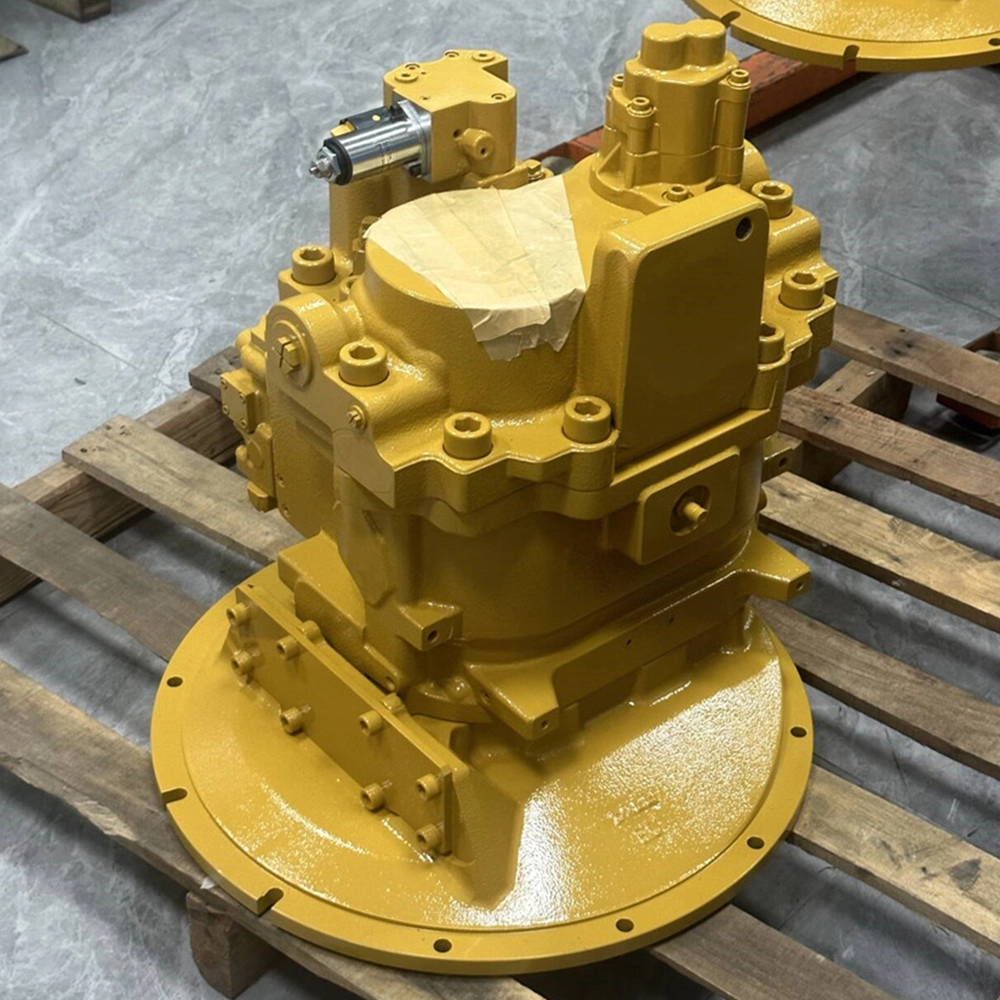
Hydraulic Pump Part Numbers and Identification Tips
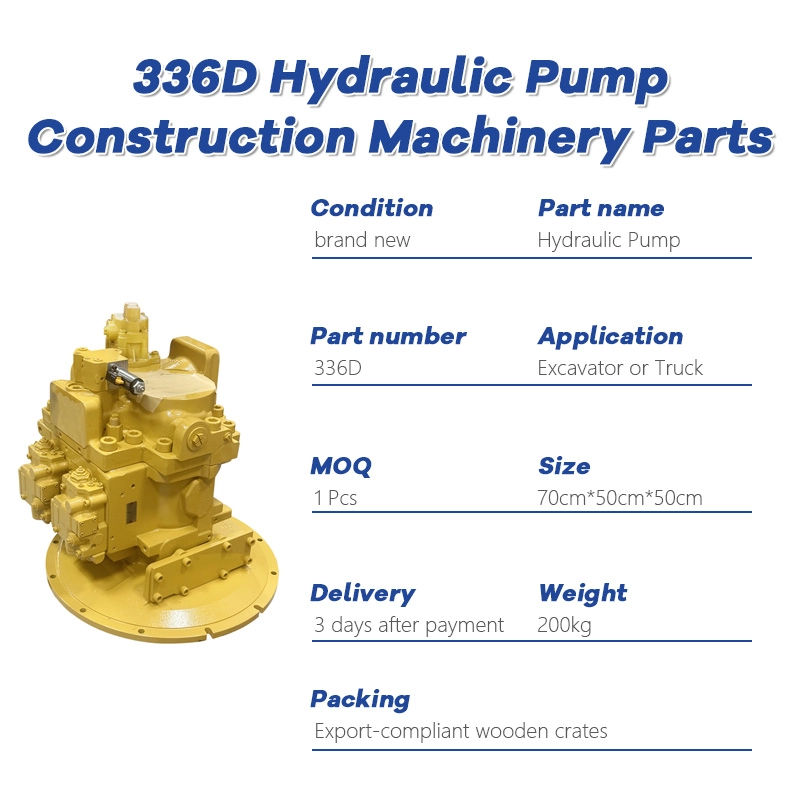
Choosing the Right Mounting and Interface for 336D Pumps
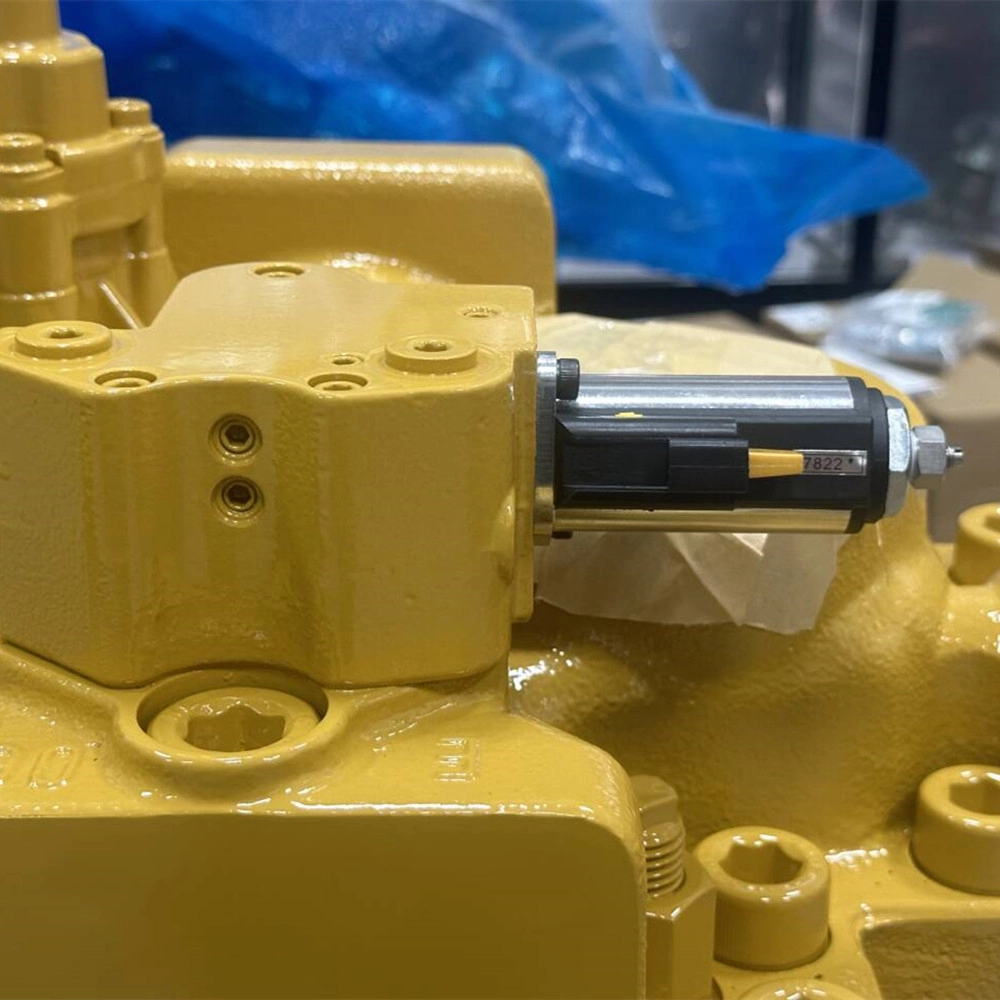
How Procurement Teams Evaluate Heavy Duty CAT Hydraulic Pumps

Best Maintenance Products for Cat C9 Engine Longevity
Prdoucts Categories
Question you may concern
FAQ
Are your parts compatible with all excavator brands?
JELXEL strives to offer parts compatible with a wide range of excavator brands and models. However, we recommend checking the product specifications or consulting with our team to ensure compatibility with your specific excavator.
What is your shipping policy?
We offer a variety of shipping options to meet your needs. Orders are typically processed within [insert processing time] days, and delivery times may vary based on your location. We will provide you with tracking information once your order has shipped.
Do you provide installation services for your parts?
While we do not offer installation services directly, we can recommend qualified professionals or resources to assist you with the installation of our parts. Our customer support team can provide guidance on finding local service providers.
How do I know which parts I need for my excavator?
If you are unsure which parts are needed, our knowledgeable customer support team can assist you. You can provide us with your excavator model and any relevant details, and we will help you identify the correct parts.
Can I return or exchange parts if I change my mind?
Yes, we accept returns and exchanges within [insert return period, e.g., 30 days] of purchase. The items must be unused and in their original packaging. Please contact our customer service team to initiate a return or exchange.
You may also like
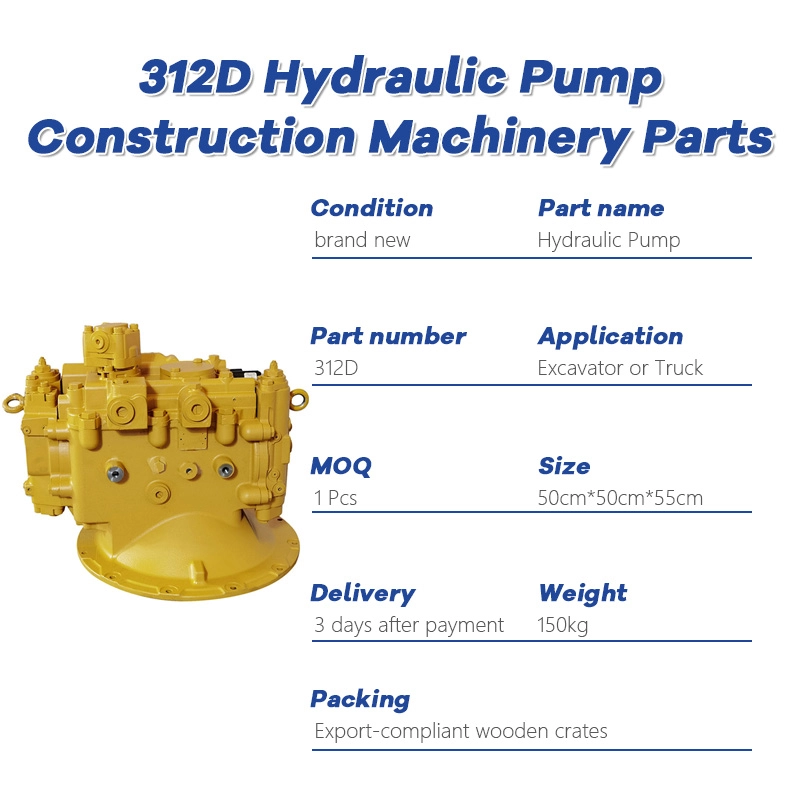
Excavator Hydraulic Pump for CAT 312D | Fast Shipping
Get your high-quality JELXEL CAT 312D hydraulic pump! Engineered for durability and peak performance, this essential 312D hydraulic pump ensures your excavator runs efficiently. Benefit from our fast shipping to minimize downtime. Choose JELXEL for reliable, high-quality solutions for your CAT 312D.
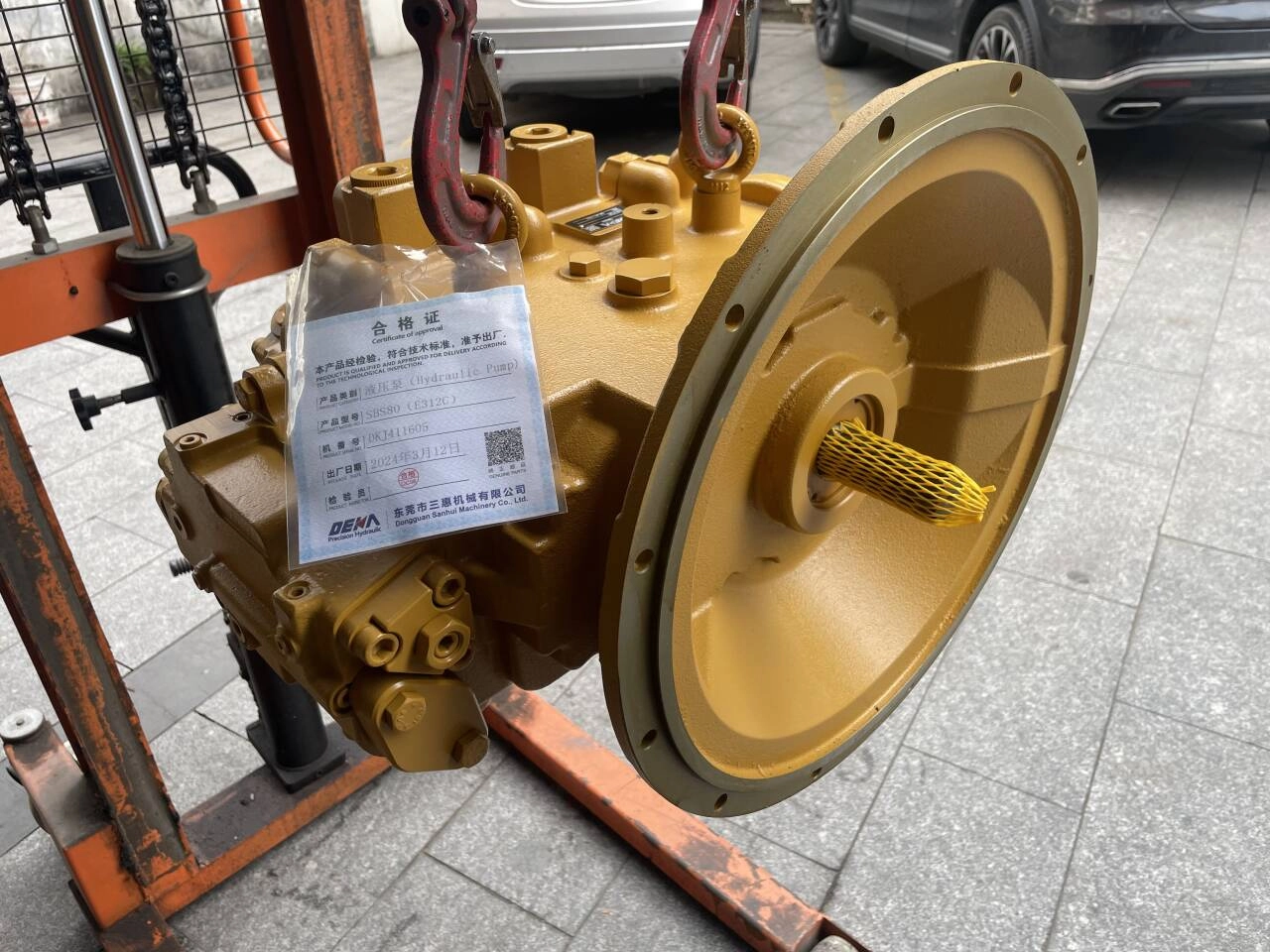
New CAT 312C Hydraulic Main Pump | Compatible Excavator Parts
JELXEL’ New CAT 312C Hydraulic Main Pump delivers reliable performance for your excavator. Engineered for durability, this Caterpillar 312C hydraulic pump ensures seamless compatibility and optimal efficiency.
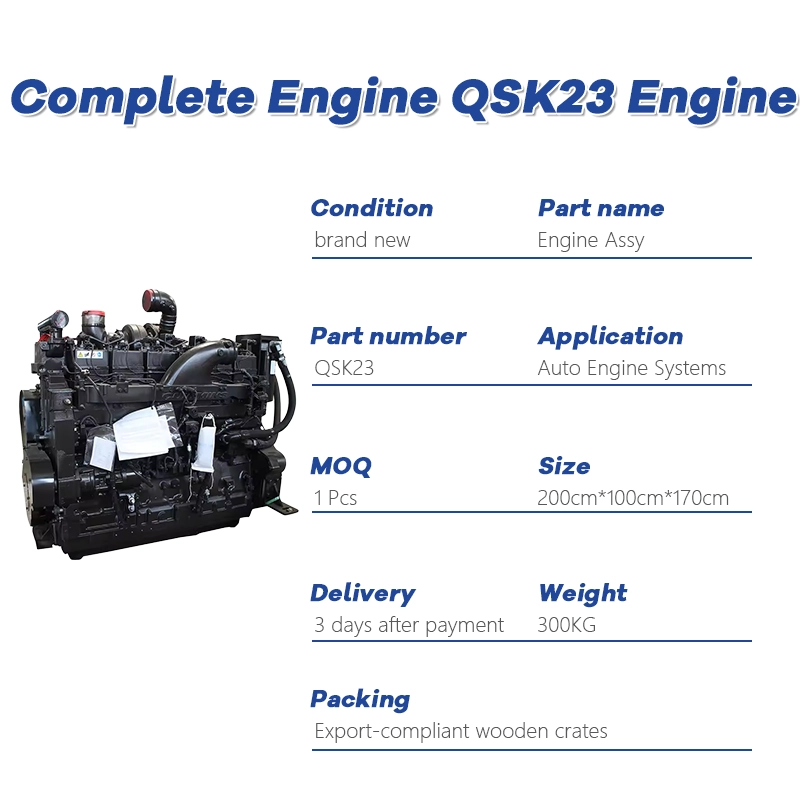
QSK23 Excavator Engine Assembly | Reliable & Efficient Performance
Discover the high-performance QSK23 Excavator Engine Assembly by JELXEL, designed for reliable and efficient excavation. Ideal QSK23 engine parts for excavators, this engine assembly delivers durability and power. Explore our engine assembly for sale to boost your machinery’s performance today.
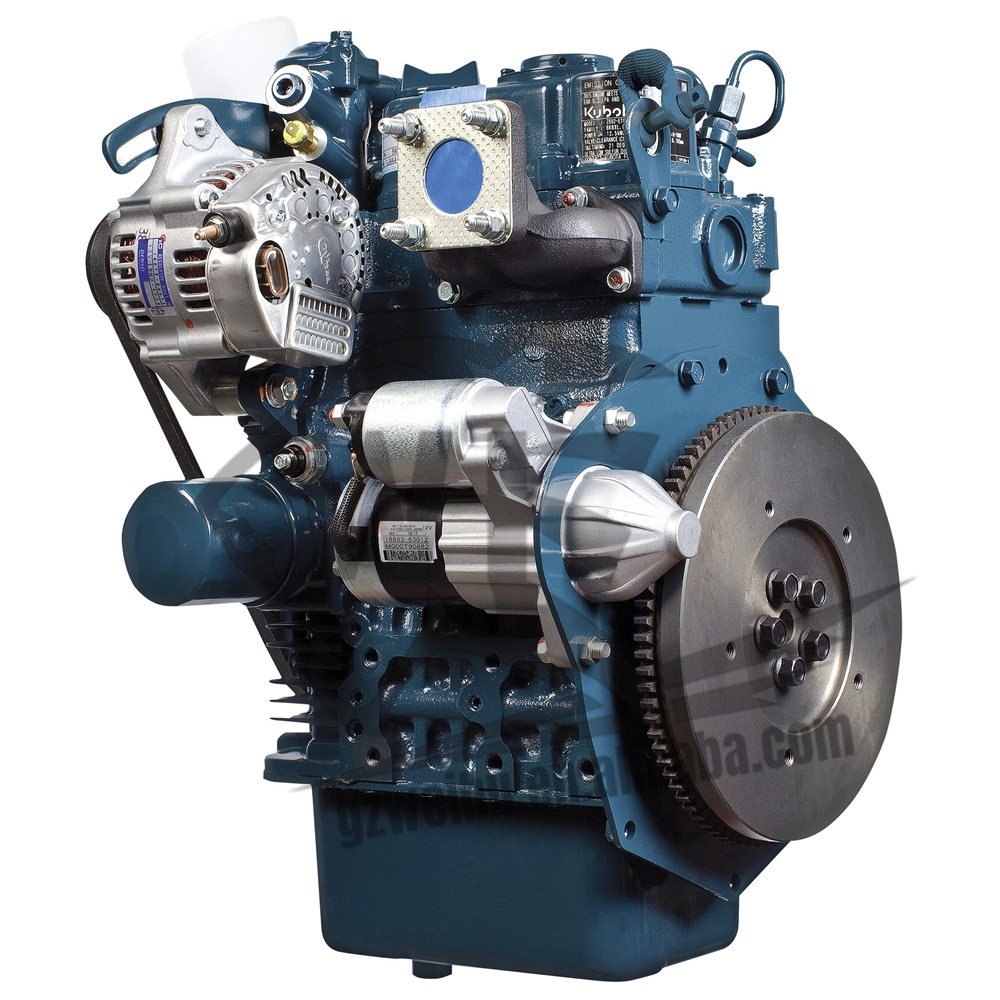
D722 Excavator Engine Replacement | Boost Your Excavator’s Power
Upgrade your excavator's performance with the JELXEL D722 Excavator Engine Replacement. Buy D722 excavator engine now to enhance power and efficiency. Excavator D722 Engine for Sale, designed for durability and smooth operation. Boost your excavator’s power today!
Get in touch with us
If you have any comments or good suggestions, please leave us a message, later our professional staff will contact you as soon as possible.
To be a happy enterprise in the field of engineering equipment.
JELXEL delivers efficient and reliable service at each stage to meet the customer's needs.