

jackhuang5919@gmail.com
Hydraulic Pump Seal and Leak Repair for Excavators: Complete Practical Guide
Learn how to diagnose and repair hydraulic pump seal leaks on excavators, choose the right replacement parts, and reduce downtime. Practical steps, cost comparisons, and preventive maintenance tips from JELXEL.
- Hydraulic Pump Seal and Leak Repair for Excavators: Complete Practical Guide
- Introduction: Why addressing hydraulic pump seal leaks matters
- Understanding the problem: What causes hydraulic pump seal failures
- How to diagnose leaks: Practical inspection steps
- Safety first: pre-repair precautions
- Step-by-step repair: Replacing hydraulic pump seals
- Choosing seals and parts: OEM vs aftermarket vs remanufactured
- Cost and downtime comparison: Repair options at a glance
- When to repair seals and when to replace the pump
- Preventive maintenance: Reduce future hydraulic pump seal leaks
- Why choose JELXEL for excavator pump seals and repair support
- Case comparison: OEM vs aftermarket performance (summary table)
- Environmental and regulatory considerations
- Conclusion: Make informed choices to stop leaks and protect uptime
- Frequently Asked Questions
Hydraulic Pump Seal and Leak Repair for Excavators: Complete Practical Guide
Introduction: Why addressing hydraulic pump seal leaks matters
Hydraulic pump seal and leak repair for excavators is a high-priority maintenance task for fleet owners and operators. Leaks reduce system pressure, lower performance, increase fuel consumption, and can contaminate the environment. This guide explains how to diagnose leaks, repair pump seals, choose replacement parts from a trusted excavator spare parts supplier, and adopt preventive measures that keep machines working longer. JELXEL provides quality excavator parts and technical support to reduce downtime and total cost of ownership.
Understanding the problem: What causes hydraulic pump seal failures
Common causes of hydraulic pump seal failures include abrasive contamination, thermal degradation, chemical attack from improper fluids, mechanical wear, incorrect installation, and system overpressure. Identifying the root cause is essential: replacing seals without solving contamination or pressure issues will only produce repeated failures. Common keywords users search with include excavator hydraulic seal repair, buy hydraulic seals, and hydraulic pump leak repair service.
How to diagnose leaks: Practical inspection steps
Start with a visual inspection: look for external oil traces around the pump flange, fittings, and shaft. Use clean-rag tests to localize fresh seepage. Check hydraulic oil level and color for contamination or overheating signs. Measure system pressure with a calibrated gauge at idle and under load to see if the pump is losing pressure. Listen for whining or cavitation noises, which often accompany internal seal failure. Accurate diagnosis prevents unnecessary part replacements and supports decisions like repair vs replace pump.
Safety first: pre-repair precautions
Before performing any hydraulic pump seal and leak repair for excavators, relieve system pressure, lock out the machine, and follow manufacturer safety protocols. Hot oil and pressurized fluid pose burn and injection hazards. Use protective gloves, eye protection, and proper tools. Keeping a clear manual or repair procedure reduces the risk of wrong installation, which is a common cause of early seal failure.
Step-by-step repair: Replacing hydraulic pump seals
1) Isolate and drain the hydraulic circuit near the pump; collect fluid for reuse or disposal per local rules. 2) Remove pump from the machine if required by the repair procedure. 3) Disassemble the pump housing carefully, marking components and noting orientations. 4) Clean all parts with manufacturer-approved solvent to remove contamination. 5) Inspect shafts, bearings, ports, and surfaces for scoring or wear—replace damaged components. 6) Install high-quality replacement seals (proper size and material), lubricating per guidelines to avoid dry installation. 7) Reassemble and bench-test the pump for leaks before reinstalling. 8) Refill the hydraulic system with correct fluid and bleed air from the system following the machine’s service manual. These steps align with good practice keywords like hydraulic pump seal replacement and excavator pump rebuild.
Choosing seals and parts: OEM vs aftermarket vs remanufactured
Selecting the right parts influences reliability. OEM parts typically match original specifications and may carry longer warranties. Quality aftermarket seals can provide cost savings if sourced from reputable suppliers and tested to the same material standards (e.g., NBR, HNBR, FKM). Remanufactured pumps offer a middle ground—reduced cost with professional rebuild standards. JELXEL emphasizes R&D-driven parts and keeps a broad inventory of excavator spare parts to support different budgets and performance needs.
Cost and downtime comparison: Repair options at a glance
| Option | Typical Parts Cost | Labor / Downtime | Reliability |
|---|---|---|---|
| DIY seal replacement | $20 - $200 (seals & small parts) | 1–2 days (depends on skill) | Variable — risk of rework |
| Shop rebuild (professional) | $300 - $1,500 (parts + service) | 1–3 days | High if performed by specialist |
| Full pump replacement (new OEM) | $800 - $5,000+ (model dependent) | 1–2 days (part availability dependent) | Very high — full warranty |
Note: costs vary significantly by excavator model, pump size, and regional labor rates. These ranges are typical market estimates to help with budgeting and planning.
When to repair seals and when to replace the pump
If damage is limited to seals and mating surfaces are in good condition, a seal replacement or professional rebuild is economical. Replace the entire pump if internal components (rotors, vanes, gears, shafts, bearings) show scoring, excessive wear, or if repeated failures occur. Also consider replacing the pump when downtime costs exceed the High Quality of a new unit. This decision ties to commercial keywords like buy new excavator pump and pump rebuild service.
Preventive maintenance: Reduce future hydraulic pump seal leaks
Implement a maintenance plan: regular oil analysis, scheduled filter replacement, correct fluid grade, and contamination control (breathers, clean fill procedures). Monitor system pressures and temperatures. Training operators to avoid running pumps dry and to maintain steady loads helps extend seal life. These preventive actions reduce total cost of ownership and support sustainability goals.
Why choose JELXEL for excavator pump seals and repair support
JELXEL serves global clients with a wide selection of excavator spare parts, emphasizing quality, cost-effectiveness, and timely delivery. The company invests in R&D to improve part durability and performance and offers engineering support to help with part selection, ensuring compatibility and reliability. For businesses seeking reliable sources of replacement seals or pump components, JELXEL positions itself as a partner in minimizing downtime.
Case comparison: OEM vs aftermarket performance (summary table)
| Attribute | OEM | Quality Aftermarket | Remanufactured |
|---|---|---|---|
| Fit & tolerance | Exact | Often very good | Depends on rebuild quality |
| Warranty | Longer | Shorter to moderate | Varies (usually moderate) |
| Cost | High | Lower | Moderate |
| Availability | Model-dependent | Often faster | Lead-time varies |
Environmental and regulatory considerations
Hydraulic oil spills are regulated in many jurisdictions. When performing hydraulic pump seal and leak repair for excavators, collect and dispose of used fluid and contaminated materials per local laws. Using sealed waste containers and licensed waste handlers prevents fines and environmental harm. Choosing durable parts reduces leak frequency and environmental risk.
Conclusion: Make informed choices to stop leaks and protect uptime
Hydraulic pump seal and leak repair for excavators requires accurate diagnosis, quality parts, and proper installation. Simple steps—inspection, cleanliness, correct seal material, and pressure checks—deliver long-term reliability. JELXEL offers a range of excavator spare parts and technical support, helping operators choose OEM, aftermarket, or remanufactured solutions to match budget and performance needs. Prioritize preventive maintenance to reduce recurring leaks and total lifecycle costs.
Frequently Asked Questions
Q: How can I tell if a leak is coming from the hydraulic pump or another component?A: Start by cleaning the suspected area and running the machine briefly to localize fresh oil. Use clean rags to trace flow paths, inspect fittings and hoses, and measure system pressure. If oil appears at the pump flange or shaft under load, the pump is likely the source.
Q: Are replacement seals universal across excavator models?A: No. Seal dimensions, materials, and pressure ratings vary. Always match part numbers or consult a parts specialist like JELXEL to ensure compatibility with your pump model and operating conditions.
Q: Can I repair a leaking pump on-site to avoid towing the machine?A: Minor external seal replacements can sometimes be done on-site if safe access exists and you have the right tools and parts. For internal damage or complex disassembly, removing the pump to a controlled shop environment is safer and often recommended.
Q: How often should I inspect hydraulic seals on an excavator?A: Perform a basic visual inspection daily during machine checks and schedule detailed inspections during routine service intervals (e.g., every 250 operating hours) or sooner if performance issues occur.
Q: What hydraulic fluid should I use after replacing pump seals?A: Use the fluid grade specified by the excavator manufacturer. Fluid viscosity, additive package, and cleanliness affect seal life. If unsure, consult your machine manual or JELXEL technical support.
Q: How long do good-quality replacement seals last?A: Seal life varies with operating conditions, contamination levels, pressure cycles, and installation quality. In well-maintained systems, seals can last thousands of operating hours; in contaminated or overpressured systems, life is much shorter.
Tags
Carter C2.4 diesel engine
Carter C2.4 diesel engine
excavator engine
excavator engine
Isuzu 4BG1T engine
Isuzu 4BG1T engine
CAT 320GC excavator engine
CAT 320GC excavator engine
SY550 6WG1 engine
SY550 6WG1 engine
Hydraulic pump pressure rating
Hydraulic pump pressure rating
Recommended for you
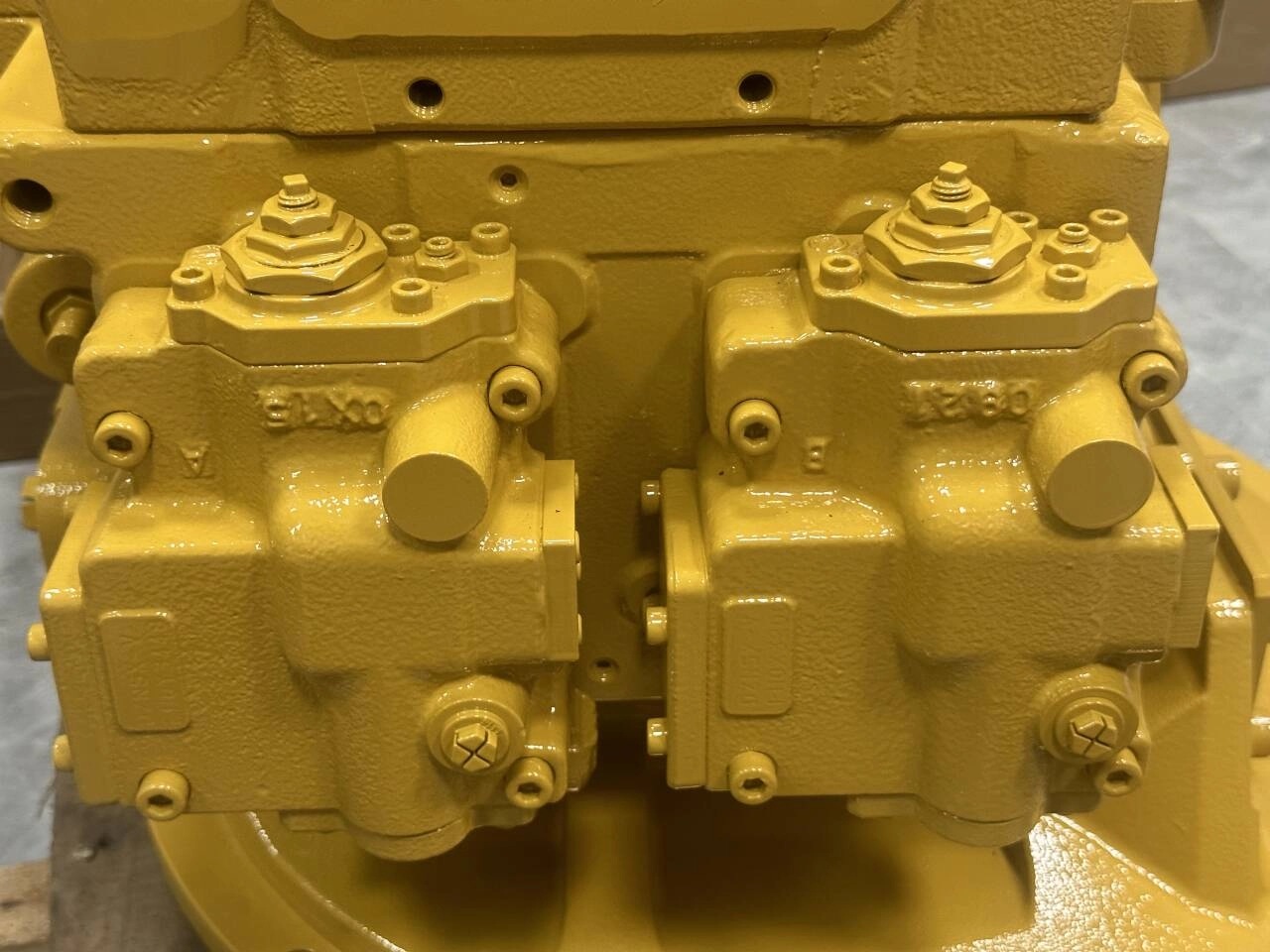
Seal and Bearing Upgrades for Heavy Duty Hydraulic Pumps

Genuine Parts and Support: Benefits of Hitachi Original Engines
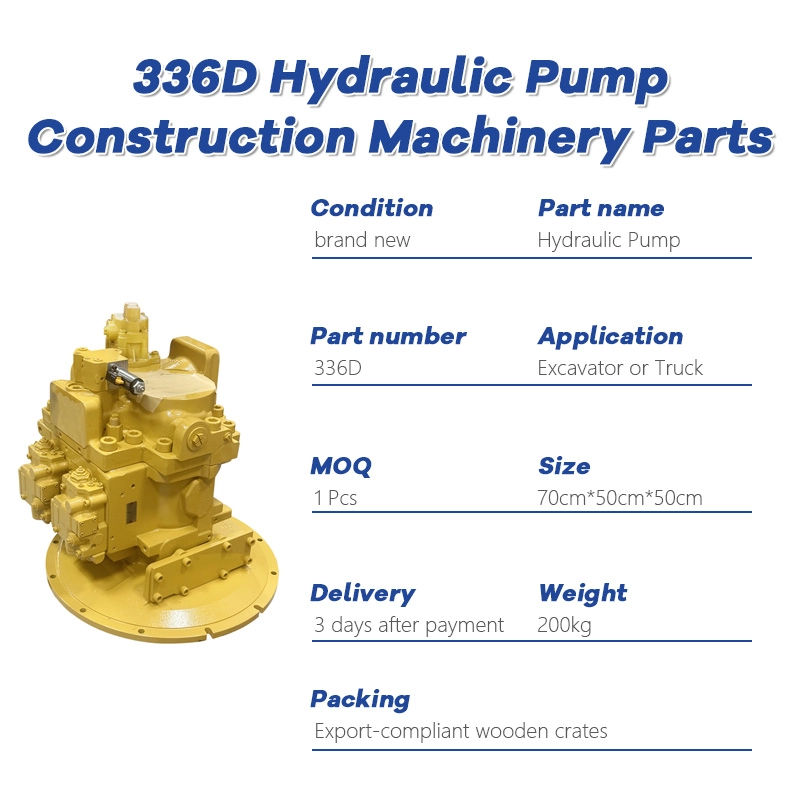
Partnering with Suppliers for 336D Hydraulic Pump Supply

How ZAX870-5G 6WG1 engine assemblies improve fuel economy
Prdoucts Categories
Question you may concern
FAQ
Do you offer bulk purchasing options?
Yes, we offer competitive pricing for bulk orders. If you are interested in purchasing large quantities of parts, please contact our sales team to discuss your requirements and receive a customized quote.
Are your parts compatible with all excavator brands?
JELXEL strives to offer parts compatible with a wide range of excavator brands and models. However, we recommend checking the product specifications or consulting with our team to ensure compatibility with your specific excavator.
How do I know which parts I need for my excavator?
If you are unsure which parts are needed, our knowledgeable customer support team can assist you. You can provide us with your excavator model and any relevant details, and we will help you identify the correct parts.
How can I place an order?
You can place an order through our user-friendly online platform or by contacting our sales team directly. Simply browse our catalog, select the parts you need, and follow the checkout process to complete your order.
Can I return or exchange parts if I change my mind?
Yes, we accept returns and exchanges within [insert return period, e.g., 30 days] of purchase. The items must be unused and in their original packaging. Please contact our customer service team to initiate a return or exchange.
You may also like
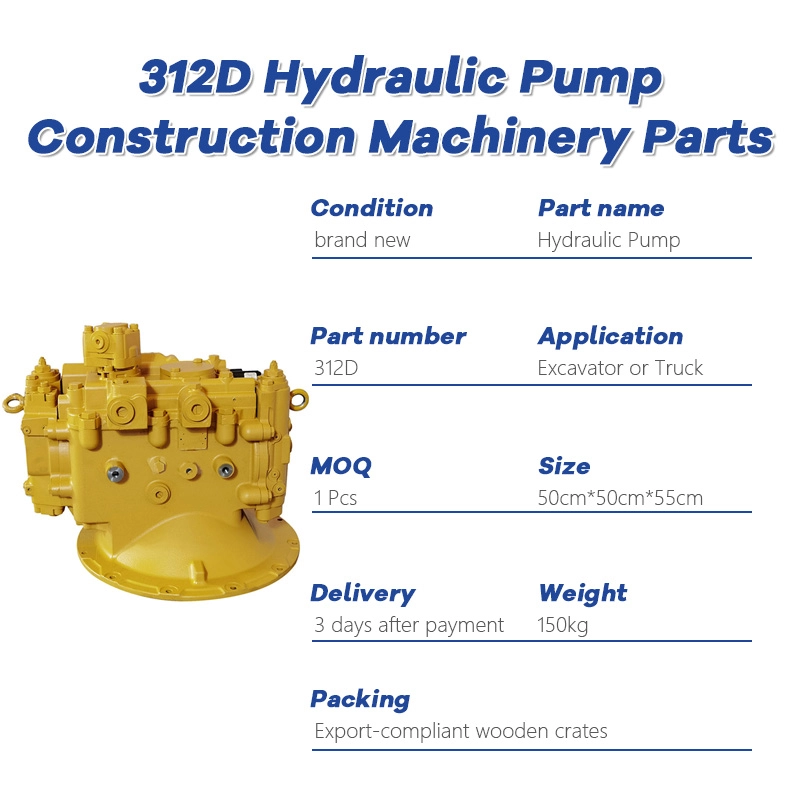
Excavator Hydraulic Pump for CAT 312D | Fast Shipping
Get your high-quality JELXEL CAT 312D hydraulic pump! Engineered for durability and peak performance, this essential 312D hydraulic pump ensures your excavator runs efficiently. Benefit from our fast shipping to minimize downtime. Choose JELXEL for reliable, high-quality solutions for your CAT 312D.
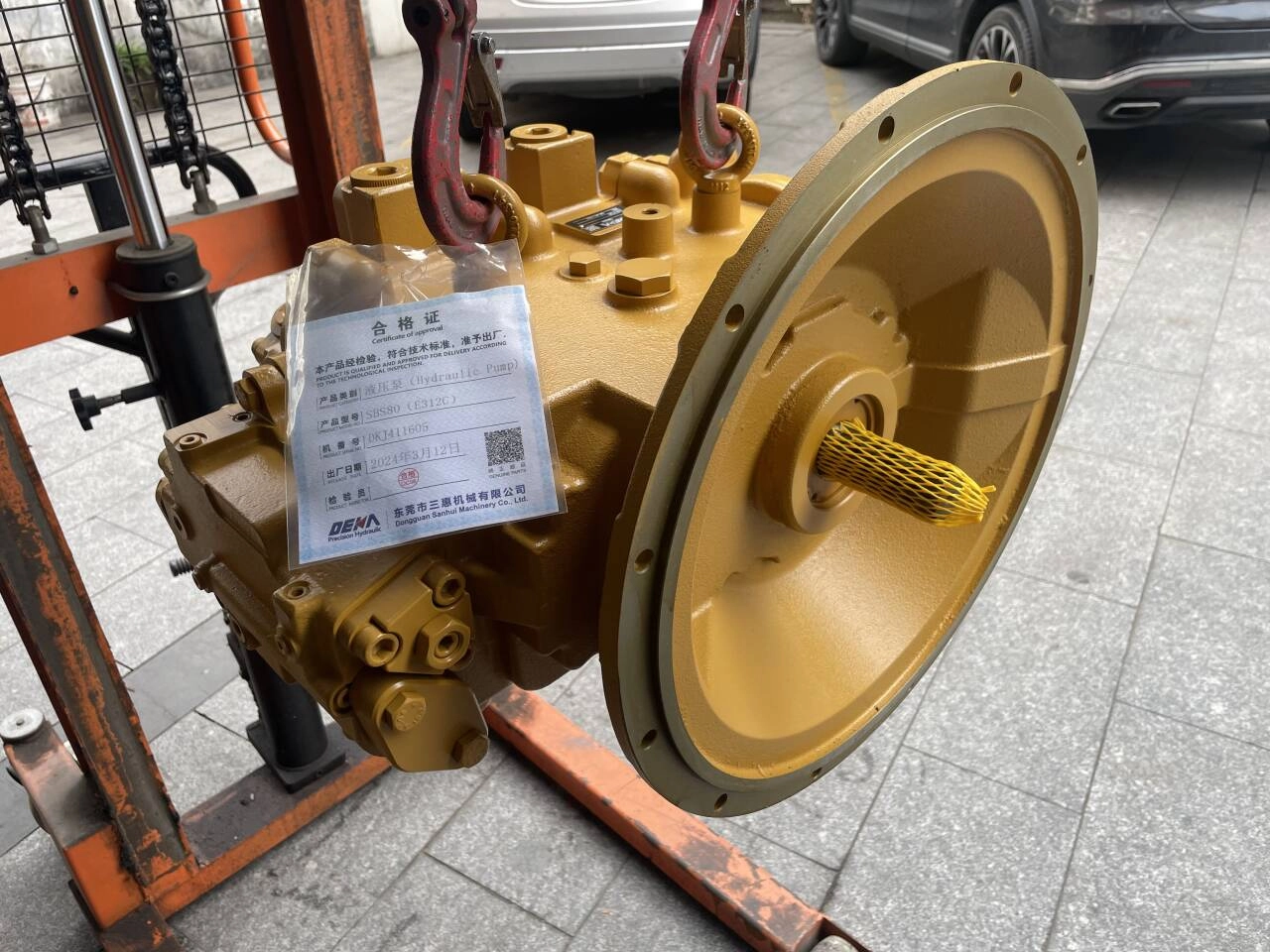
New CAT 312C Hydraulic Main Pump | Compatible Excavator Parts
JELXEL’ New CAT 312C Hydraulic Main Pump delivers reliable performance for your excavator. Engineered for durability, this Caterpillar 312C hydraulic pump ensures seamless compatibility and optimal efficiency.
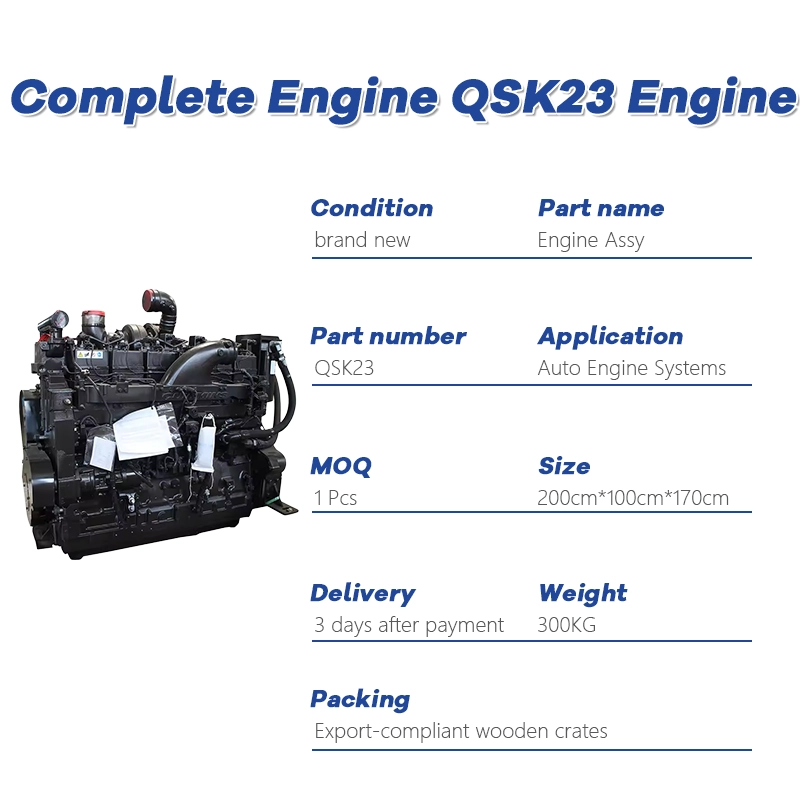
QSK23 Excavator Engine Assembly | Reliable & Efficient Performance
Discover the high-performance QSK23 Excavator Engine Assembly by JELXEL, designed for reliable and efficient excavation. Ideal QSK23 engine parts for excavators, this engine assembly delivers durability and power. Explore our engine assembly for sale to boost your machinery’s performance today.
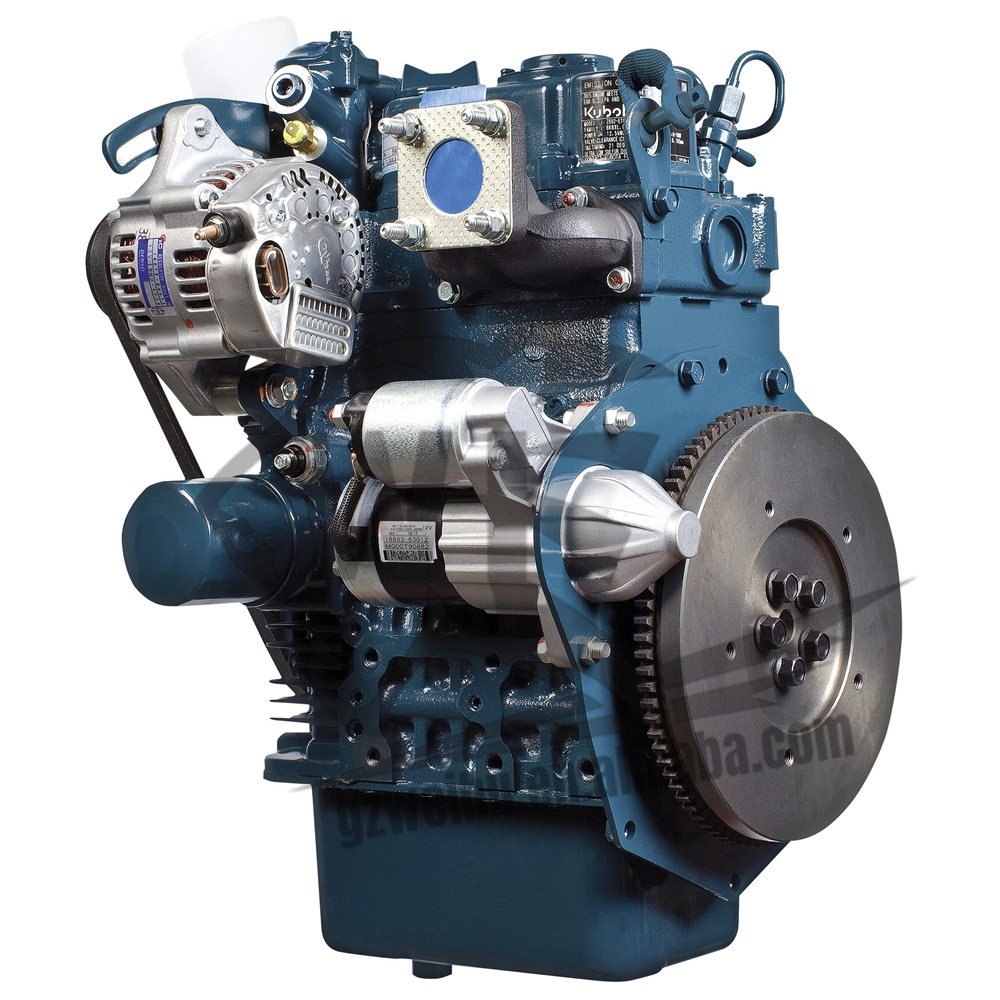
D722 Excavator Engine Replacement | Boost Your Excavator’s Power
Upgrade your excavator's performance with the JELXEL D722 Excavator Engine Replacement. Buy D722 excavator engine now to enhance power and efficiency. Excavator D722 Engine for Sale, designed for durability and smooth operation. Boost your excavator’s power today!
Get in touch with us
If you have any comments or good suggestions, please leave us a message, later our professional staff will contact you as soon as possible.
To be a happy enterprise in the field of engineering equipment.
JELXEL delivers efficient and reliable service at each stage to meet the customer's needs.