

jackhuang5919@gmail.com
Partnering with Suppliers for 336D Hydraulic Pump Supply
Strategic supplier partnerships ensure reliable supply of CAT 336D hydraulic pumps worldwide. This guide covers sourcing, OEM vs aftermarket choices, quality control, inventory strategy, testing standards and actionable steps to secure high-pressure, long-life hydraulic pump supply for heavy-duty excavators.
- Choosing the Right Supplier for Your 336D Hydraulic Pump Needs
- Defining performance and compatibility requirements
- Vendor qualification: credentials, traceability and certifications
- OEM vs aftermarket suppliers — evaluating total lifecycle impact
- Quality Assurance, Testing and Documentation for Hydraulic Pumps
- Standardized testing: what to require from suppliers
- Incoming inspection and acceptance criteria
- Remanufactured and rebuilt pump quality control
- Supply Chain Strategies: Inventory, Logistics and Lead Times
- Buffer stock and consignment models
- Regional warehousing and global shipping considerations
- Lead time reduction: co-development and blanket orders
- Commercial Terms, Warranty and Partnership Models
- Warranty, returns and repair policies
- Performance-based contracts and KPIs
- Collaborative risk management and contingency planning
- Technical Comparison: OEM vs High-Quality Aftermarket 336D Hydraulic Pumps
- Implementation Roadmap: From Evaluation to Ongoing Partnership
- Step 1 — Requirements and initial RFQ
- Step 2 — Audits, sample orders and pilot runs
- Step 3 — Contracting, inventory planning and go-live
- Case Example: Reducing Downtime for a Regional Fleet
- References and Further Reading
- Product Spotlight: 336D Excavator Hydraulic Pump | Heavy Duty CAT Replacement
- Frequently Asked Questions (FAQ)
- Q: How do I confirm compatibility of a 336D hydraulic pump with my excavator?
- Q: Is it safe to use an aftermarket or remanufactured pump instead of OEM?
- Q: What are typical lead times and how can I shorten them?
- Q: What test data should be provided with each hydraulic pump delivery?
- Q: How do I manage warranty claims and returns effectively?
- Contact and Next Steps

This article explains how construction fleets, parts distributors, and maintenance teams can build dependable supplier relationships for 336D hydraulic pump supply that meet global demand and regional service needs. It covers vendor qualification, OEM vs aftermarket trade-offs, test and inspection protocols, logistics and inventory strategies, and contract terms—helping operations reduce downtime, manage lifecycle costs, and maintain hydraulic system performance for Caterpillar 336D excavators across markets from North America and Europe to Asia and Africa.
Choosing the Right Supplier for Your 336D Hydraulic Pump Needs
Defining performance and compatibility requirements
Before engaging suppliers, define the hydraulic pump performance targets you require: flow rate (L/min), pressure rating (bar/psi), displacement, and efficiency under load. For the 336D Excavator Hydraulic Pump | Heavy Duty CAT Replacement, ensure the pump's pressure and flow curves match the excavator's hydraulic system to avoid cavitation, overheating, or control lag. Document serial ranges and machine production years—the CAT 336D has subvariants and control packages, and exact fitment is essential for direct-fit pump replacements.
Vendor qualification: credentials, traceability and certifications
Effective supplier selection relies on verifiable credentials: ISO 9001 quality management, production traceability, and evidence of hydraulic testing facilities. Ask suppliers for production records, lot traceability, material certificates, and test bench reports. Prefer vendors who can demonstrate adherence to international standards (for example, ISO 9001) and publish quality policies. See ISO's overview of quality management standards here: ISO 9001 — Quality management.
OEM vs aftermarket suppliers — evaluating total lifecycle impact
Deciding between OEM and aftermarket hydraulic pumps should be based on total cost of ownership, not just purchase price. OEM pumps from Caterpillar typically offer guaranteed fitment, original materials, and integrated warranty support. High-quality aftermarket options can provide competitive pricing, shorter lead times, and tailored remanufacturing programs. Require performance testing reports and warranty commitments from aftermarket suppliers; a third-party test or in-house dyno validation can confirm pressure, flow and volumetric efficiency.
Quality Assurance, Testing and Documentation for Hydraulic Pumps
Standardized testing: what to require from suppliers
Hydraulic pump test protocols should include pressure, flow, leakage, noise/vibration, and endurance runs under representative loads. Suppliers should supply test certificates showing measured flow (L/min) at specified RPMs and pressures, volumetric efficiency, and leakage rates. Where possible, require accelerated life testing or run-in cycles to surface early-life failures. For general technical context on hydraulic pumps, see the Wikipedia overview: Hydraulic pump — Wikipedia.
Incoming inspection and acceptance criteria
Establish incoming inspection checklists that include part number verification, external visual inspection, dimensional checks, connector and shaft tolerances, nameplate data, and review of test certificates. Use a sample-testing regime for batch deliveries and retain traceability records. Require suppliers to include batch IDs and serial numbers on packaging for warranty and recall management.
Remanufactured and rebuilt pump quality control
When using remanufactured pumps, insist on documentation of replaced components, machining tolerances, bearing and seal replacements, and clear acceptance criteria for reused parts. A proven remanufacture program will reference original specifications and provide a warranty comparable to new aftermarket options. Consider third-party audits of remanufacturing facilities to verify processes and controls.
Supply Chain Strategies: Inventory, Logistics and Lead Times
Buffer stock and consignment models
For high-utilization fleets, a hybrid inventory model reduces downtime: maintain a minimum on-site buffer of critical hydraulic pumps and arrange vendor-managed inventory (VMI) or consignment agreements for rapid replenishment. Buffer levels should be based on mean time to failure (MTTF), regional lead times, and critical-path analysis of downtime costs. Use a service-level target (e.g., 95% uptime) to size your safety stock for pumps and related hydraulic components such as hoses, seals, and valves.
Regional warehousing and global shipping considerations
Establish regional stocking hubs in strategic markets to lower transit time and customs delays. For international shipments, work with suppliers who provide export documentation, CE/CCC markings where applicable, and customs support. Partner with logistics providers experienced in heavy parts shipping to ensure proper crating and protection against contamination—hydraulic pumps must be free of particulate ingress to avoid early failure.
Lead time reduction: co-development and blanket orders
Reduce lead times by creating blanket purchase orders, forecast sharing, and supplier co-development programs. Early visibility into your demand profile allows suppliers to plan capacity and raw material procurement, reducing production bottlenecks. Contractual terms can include priority production windows and penalties for critical late deliveries where downtime costs are significant.
Commercial Terms, Warranty and Partnership Models
Warranty, returns and repair policies
Negotiate clear warranty terms that define coverage scope (material defects, workmanship), duration, and remedies (repair, replacement, pro rata). Include defined RMA procedures, turnaround times for repairs, and responsibilities for shipping costs. For remanufactured pumps, specify minimum warranty periods and performance criteria upon return.
Performance-based contracts and KPIs
Use KPIs in supplier contracts to drive performance: on-time delivery rate, parts quality (PPM/defects per million), average repair turnaround, and first-time-fit rates. Include clauses for regular performance reviews and continuous improvement plans. Performance-based contracts align incentives and create a stable supply base for high-demand items such as hydraulic pumps for CAT 336D machines.
Collaborative risk management and contingency planning
Build contingency plans for raw material shortages, geopolitical disruptions, or sudden demand spikes. Dual-sourcing strategies—keeping a qualified backup vendor—reduce single-source risk. Include escalation procedures and pre-agreed stock releases in case of emergency. Collaborative risk assessments with suppliers can highlight vulnerabilities in the pump supply chain before they impact operations.
Technical Comparison: OEM vs High-Quality Aftermarket 336D Hydraulic Pumps
Below is a concise comparison to help procurement teams evaluate options:
| Criteria | OEM (Caterpillar) | High-Quality Aftermarket / Remanufactured |
|---|---|---|
| Fitment & Compatibility | Guaranteed direct fit and compatibility with CAT 336D systems | Often direct-fit; require verification and serial-match testing |
| Warranty | Manufacturer-backed warranty and dealer support | Varying warranties; top suppliers offer comparable terms with testing records |
| Price | Higher upfront cost | Lower purchase cost; potential life-cycle savings |
| Lead Time | Variable; dependent on dealer stock | Often faster if local reman or stocked by distributor |
| Quality Documentation | Full OEM documentation and production traceability | Depends on supplier—insist on test certificates and material traceability |
| Service & Support | Extensive dealer network and global parts support | Good regional support from reputable suppliers; may require pre-negotiated service |
Implementation Roadmap: From Evaluation to Ongoing Partnership
Step 1 — Requirements and initial RFQ
Create a comprehensive Request for Quotation (RFQ) that lists technical specifications, performance targets, test requirements, packaging, delivery windows, and warranty expectations for the 336D hydraulic pump. Include expected annual volumes and any seasonal demand fluctuations.
Step 2 — Audits, sample orders and pilot runs
Shortlist vendors and perform capability audits. Request engineering samples or pilot runs and execute pump bench tests and field trials on representative machines. Use pilot performance to finalize acceptance criteria and contract terms.
Step 3 — Contracting, inventory planning and go-live
Sign supply agreements that cover volumes, pricing formulae, KPIs, warranty, and escalation procedures. Implement inventory plans—safety stock, reorder points, and consignment where applicable. Plan a phased roll-out and ensure technician training on new pump models or installation differences.
Case Example: Reducing Downtime for a Regional Fleet
A regional contractor with 50+ CAT 336D excavators reduced mean downtime by 40% after switching to a hybrid model: they kept 5 OEM pumps as critical spares and used a qualified aftermarket remanufacturer for routine replacements. With vendor-managed inventory at a local depot and agreed-on test certificates for each pump, repair cycles shortened and average cost-per-hour dropped substantially—demonstrating the value of strategic supplier partnerships.
References and Further Reading
- Hydraulic pump technical overview: Hydraulic pump — Wikipedia
- ISO quality management: ISO 9001 — Quality management
- Hydraulics industry standards and best practices: Hydraulic Institute
- Caterpillar parts and support resources: Cat | Official Site
Product Spotlight: 336D Excavator Hydraulic Pump | Heavy Duty CAT Replacement
This CAT 336D hydraulic pump is built for power, durability, and optimal performance. It is designed to fit Caterpillar 336D excavators and is available in both OEM and high-quality aftermarket versions. Whether you're replacing a damaged pump or upgrading your hydraulic system, this part ensures long-lasting and reliable operation in demanding construction environments.
- ✔️ Direct fit for CAT 336D excavators
- ✔️ Available in OEM or High Quality aftermarket
- ✔️ High-pressure performance for heavy-duty operations
- ✔️ Smooth and efficient hydraulic flow
- ✔️ Rigorously tested for quality and durability
- ✔️ Global shipping and responsive support
Frequently Asked Questions (FAQ)
Q: How do I confirm compatibility of a 336D hydraulic pump with my excavator?
A: Verify the pump part number, machine serial number and hydraulic system variant. Request supplier fitment confirmation and a cross-reference to your machine’s service manual. When possible, supply your OEM part number to avoid mismatch.
Q: Is it safe to use an aftermarket or remanufactured pump instead of OEM?
A: Yes—if the aftermarket supplier provides test certificates, guarantees performance parameters and offers a clear warranty. High-quality remanufactured pumps can match OEM performance at lower cost; validate with dyno test results and field trials before full deployment.
Q: What are typical lead times and how can I shorten them?
A: Lead times vary by region, stock levels and supplier capacity. To shorten them, maintain safety stock, use VMI, negotiate priority production slots, or source regionally stocked aftermarket/rebuild options. Forecast sharing with suppliers also helps reduce lead times.
Q: What test data should be provided with each hydraulic pump delivery?
A: Require test certificates showing flow vs. pressure curves, volumetric efficiency, leakage rates, and results from an endurance or run-in test. Batch and serial numbers should be recorded for traceability.
Q: How do I manage warranty claims and returns effectively?
A: Define RMA procedures in the contract: required documentation, return shipping responsibilities, evaluation timelines, and remedies. Keep clear records linking failed parts to serial numbers and operating history to expedite claims.
Contact and Next Steps
If you need a reliable supplier for the 336D Excavator Hydraulic Pump | Heavy Duty CAT Replacement, or want to evaluate OEM vs aftermarket options for your fleet, contact our parts team for a quote, technical datasheets, and test certificates. We provide global shipping, vendor-managed inventory options, and responsive after-sales support to minimize downtime and optimize lifecycle costs.
Contact us: Request a quote or speak with a product specialist today — sales@example.com or call +1-800-XXX-XXXX. View the product details and availability on our product page or request sample test reports to validate performance before purchase.
Tags
6WG1 diesel engine wholesale
6WG1 diesel engine wholesale
Kubota D1703 Engine for Excavator
Kubota D1703 Engine for Excavator
4LE2 engine for excavator
4LE2 engine for excavator
CAT 345GC main pump
CAT 345GC main pump
Kubota V2403 engine distributor
Kubota V2403 engine distributor
best diesel engine
best diesel engine
Recommended for you
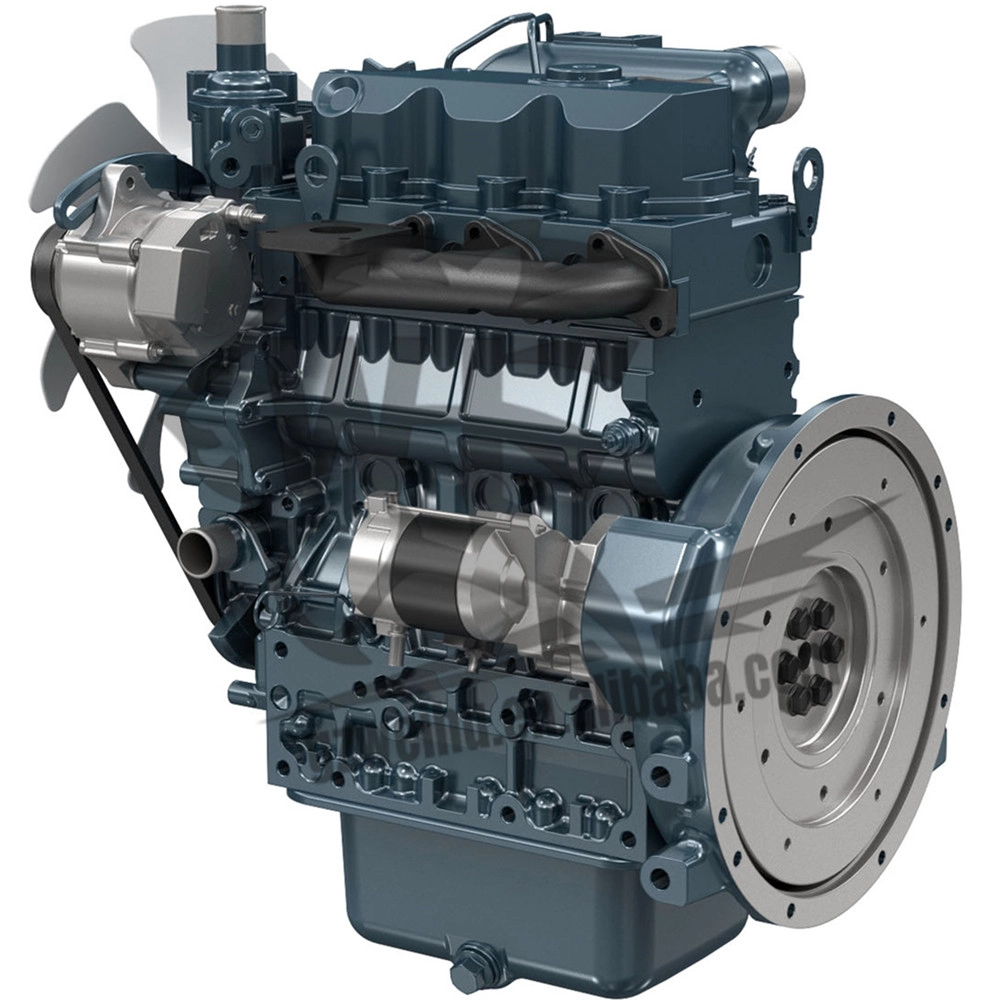
Compatibility Checklist for Isuzu D1703 in Heavy Machinery
Top Signs Your Excavator Engine Needs Repair

Fuel Efficiency Metrics: Selecting the Best Diesel Engine

How suppliers ensure authenticity of engine assemblies
Prdoucts Categories
Question you may concern
FAQ
Are your parts compatible with all excavator brands?
JELXEL strives to offer parts compatible with a wide range of excavator brands and models. However, we recommend checking the product specifications or consulting with our team to ensure compatibility with your specific excavator.
What types of excavator parts do you offer?
JELXEL provides a comprehensive range of excavator parts, including but not limited to buckets, hydraulic components, undercarriage parts, and engine components. Our goal is to be your one-stop solution for all excavator needs.
Do you provide warranties on your products?
Yes, we stand by the quality of our products. Most parts come with a warranty that covers manufacturing defects. Please refer to the specific warranty information provided with your purchase or contact our customer service team for details.
How can I place an order?
You can place an order through our user-friendly online platform or by contacting our sales team directly. Simply browse our catalog, select the parts you need, and follow the checkout process to complete your order.
Do you provide installation services for your parts?
While we do not offer installation services directly, we can recommend qualified professionals or resources to assist you with the installation of our parts. Our customer support team can provide guidance on finding local service providers.
You may also like
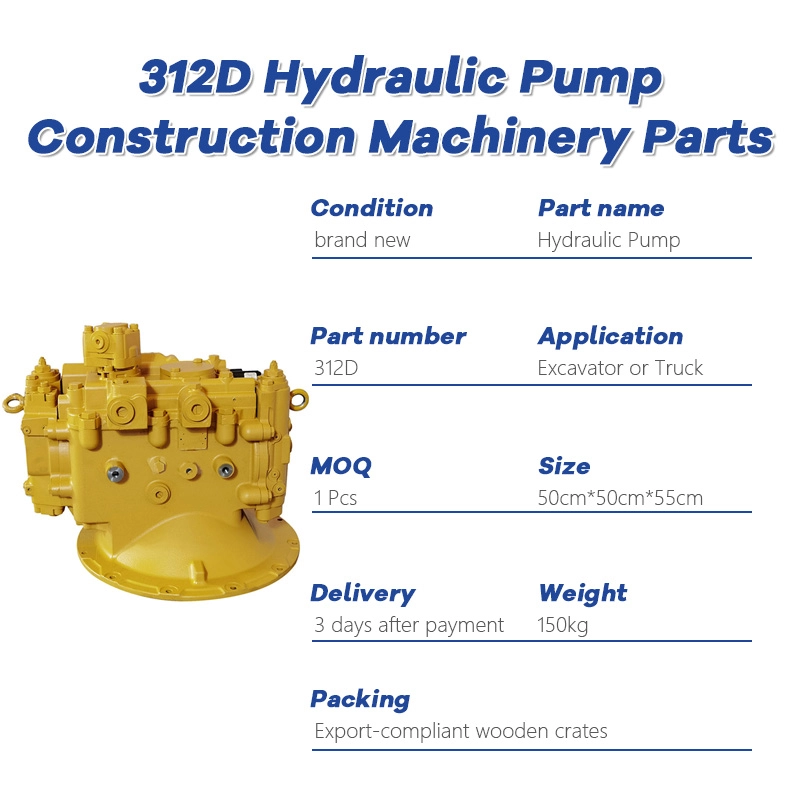
Excavator Hydraulic Pump for CAT 312D | Fast Shipping
Get your high-quality JELXEL CAT 312D hydraulic pump! Engineered for durability and peak performance, this essential 312D hydraulic pump ensures your excavator runs efficiently. Benefit from our fast shipping to minimize downtime. Choose JELXEL for reliable, high-quality solutions for your CAT 312D.
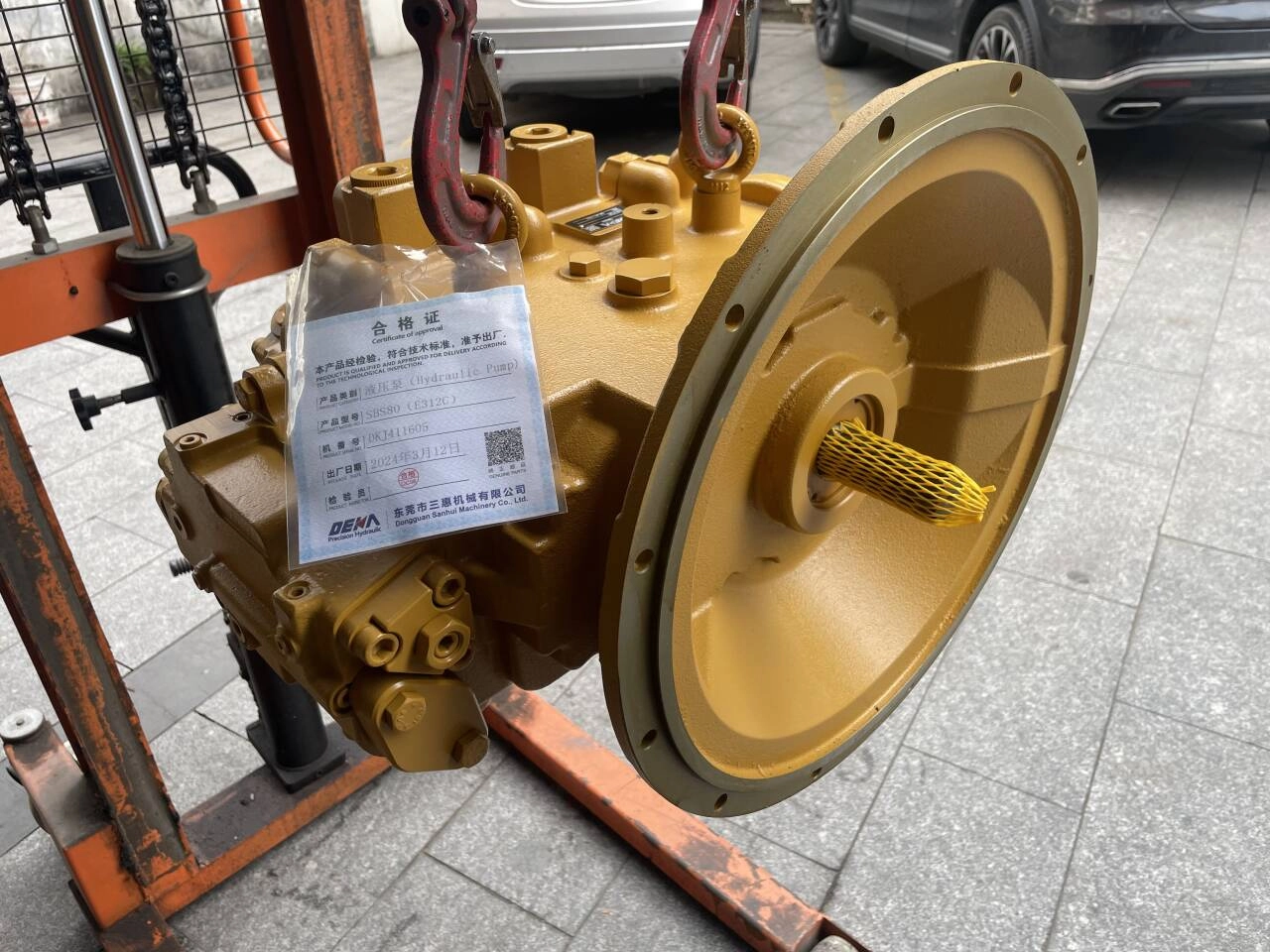
New CAT 312C Hydraulic Main Pump | Compatible Excavator Parts
JELXEL’ New CAT 312C Hydraulic Main Pump delivers reliable performance for your excavator. Engineered for durability, this Caterpillar 312C hydraulic pump ensures seamless compatibility and optimal efficiency.
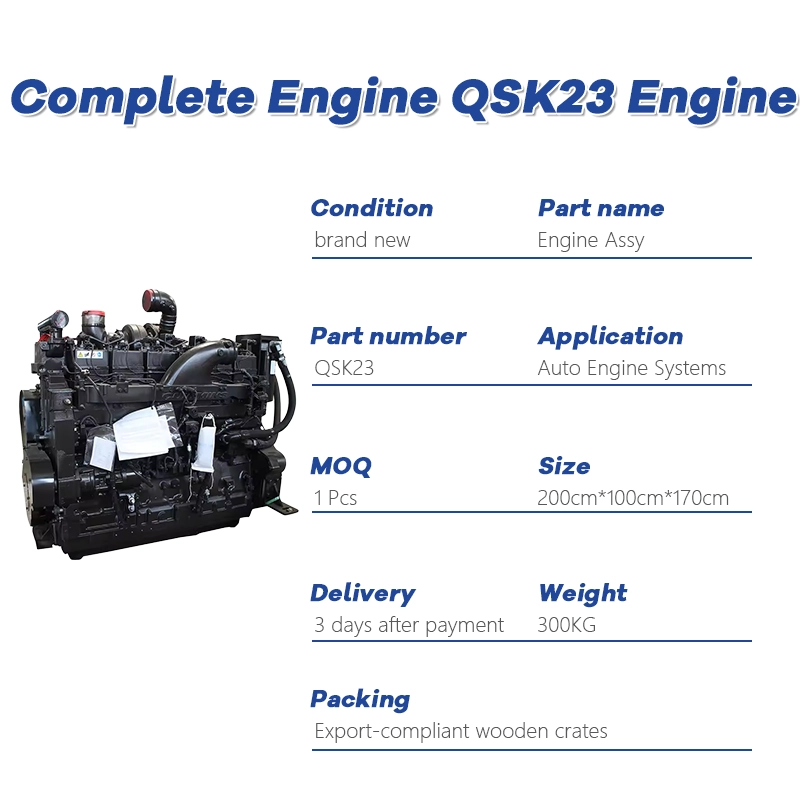
QSK23 Excavator Engine Assembly | Reliable & Efficient Performance
Discover the high-performance QSK23 Excavator Engine Assembly by JELXEL, designed for reliable and efficient excavation. Ideal QSK23 engine parts for excavators, this engine assembly delivers durability and power. Explore our engine assembly for sale to boost your machinery’s performance today.
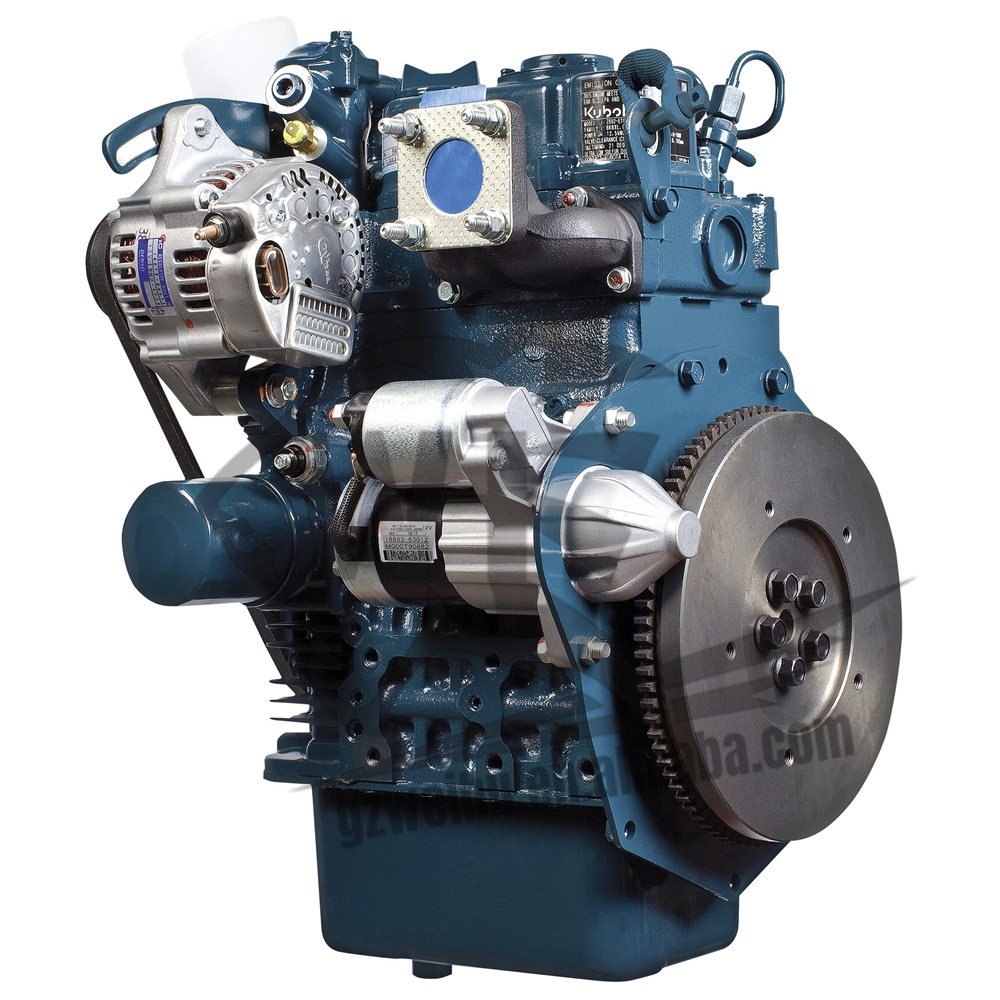
D722 Excavator Engine Replacement | Boost Your Excavator’s Power
Upgrade your excavator's performance with the JELXEL D722 Excavator Engine Replacement. Buy D722 excavator engine now to enhance power and efficiency. Excavator D722 Engine for Sale, designed for durability and smooth operation. Boost your excavator’s power today!
Get in touch with us
If you have any comments or good suggestions, please leave us a message, later our professional staff will contact you as soon as possible.
To be a happy enterprise in the field of engineering equipment.
JELXEL delivers efficient and reliable service at each stage to meet the customer's needs.