

jackhuang5919@gmail.com
Step-by-Step Hydraulic Pump Installation for Excavators
A practical, safety-focused guide to installing hydraulic pumps for excavators. Covers preparation, removal, installation, testing, and maintenance with OEM best practices and parts sourcing tips from JELXEL.
- Introduction: Hydraulic Pump Installation for Excavators
- Why Choose Quality Excavator Hydraulic Pumps and Parts
- Preparation: Tools, Parts, and Safety for Pump Installation
- Inspecting and Selecting the Right Excavator Hydraulic Pump
- Step-by-Step Hydraulic Pump Installation for Excavators
- 1. Secure the Machine and Isolate the Hydraulic System
- 2. Remove Hydraulic Lines and Electrical Connections
- 3. Support and Remove the Old Pump
- 4. Inspect Drive Couplings and Mounting Interfaces
- 5. Install New Seals, Gaskets, and Prepare the Replacement Pump
- 6. Mount and Torque the New Pump Correctly
- 7. Reconnect Hydraulic Hoses, Lines, and Electricals
- 8. Refill, Bleed, and Purge Air from the Hydraulic System
- 9. Functional Testing and Monitoring After Installation
- Maintenance Tips to Prolong Hydraulic Pump Life
- OEM vs Aftermarket Excavator Hydraulic Pumps: Comparison Table
- JELXEL: Partner for Excavator Hydraulic Pump Replacement
- Troubleshooting Common Issues After Pump Installation
- Conclusion: Confident Excavator Hydraulic Pump Installation
- Frequently Asked Questions
Introduction: Hydraulic Pump Installation for Excavators
Installing a hydraulic pump on an excavator is a critical maintenance task that affects machine performance, uptime, and safety. This step-by-step hydraulic pump installation for excavators guide is written for technicians, fleet managers, and procurement professionals who need reliable, practical instructions and commercial guidance for buying quality excavator hydraulic pumps. It emphasizes safety, correct procedures, and selecting the right spare parts—key concerns when working with heavy equipment.
Why Choose Quality Excavator Hydraulic Pumps and Parts
Choosing a high-quality excavator hydraulic pump reduces downtime, improves efficiency, and lowers total cost of ownership. Poor-quality pumps can cause excess heat, cavitation, leakage, and premature failure. For commercial operations, sourcing parts from reputable suppliers like JELXEL ensures consistency, warranty support, and compatibility—especially important for high-performance excavator systems.
Preparation: Tools, Parts, and Safety for Pump Installation
Before starting the hydraulic pump installation for excavators, gather the correct replacement pump, seals, gaskets, mounting bolts, hydraulic fluid, and filters. Essential tools include torque wrenches, seal drivers, alignment tools, flanges, hydraulic line caps, pressure gauges, and an appropriate lifting device. Always read the OEM service manual for model-specific instructions and safety procedures. Isolate energy, release system pressure, and wear PPE (gloves, eye protection, and steel-toe boots).
Inspecting and Selecting the Right Excavator Hydraulic Pump
Inspection and correct pump selection ensure compatibility and performance. Verify pump part number, displacement, rotation (clockwise or counterclockwise), shaft type, flange pattern, and relief valve characteristics. If replacing an OEM pump with an aftermarket unit, confirm that flow rate and pressure ratings match or exceed OEM requirements and that mounting interfaces are identical. When in doubt, consult JELXEL' technical team to confirm fitment and performance expectations.
Step-by-Step Hydraulic Pump Installation for Excavators
1. Secure the Machine and Isolate the Hydraulic System
Park the excavator on level ground, engage parking brakes, and shut down the engine. Lower attachments to the ground. Relieve residual hydraulic pressure by cycling the controls with the engine off as per the service manual. Block or cap open hydraulic lines to prevent contamination and fluid loss.
2. Remove Hydraulic Lines and Electrical Connections
Carefully label and photograph hose and tube locations before removal to ensure correct reassembly. Clean around fittings to prevent dirt ingress. Use appropriate tools to remove hoses; cap ports immediately. For pumps with sensors or solenoids, disconnect electrical connectors and secure them away from the work area.
3. Support and Remove the Old Pump
Use a lifting device to support the pump’s weight and prevent strain on lines and mounting points. Remove mounting bolts evenly to avoid misalignment. Extract the pump straight from the mounting flange to prevent damage to shafts or splines. Inspect the mounting face, shafts, and coupling for wear or damage.
4. Inspect Drive Couplings and Mounting Interfaces
Check the coupling, keys, splines, and pilot bore for wear or misalignment. Replace worn couplings or keys to maintain concentricity. Clean the mounting face, remove old gasket material, and verify alignment of bolt holes. Proper alignment prevents premature seal and bearing failure.
5. Install New Seals, Gaskets, and Prepare the Replacement Pump
Fit new O-rings, shaft seals, and gaskets supplied with the pump. Lightly lubricate seals with compatible hydraulic oil to ease installation and reduce initial run-in wear. Ensure the replacement pump’s rotation and displacement match documented specifications and that ports are clean and protected until assembly.
6. Mount and Torque the New Pump Correctly
Position the pump onto the flange, align it carefully, and insert bolts by hand. Use a calibrated torque wrench to tighten bolts in a star pattern to the OEM-specified torque values. Correct torque prevents leaks and maintains flange integrity. If exact torque values are not available, mark the screws and consult the manufacturer or service manual.
7. Reconnect Hydraulic Hoses, Lines, and Electricals
Reconnect hydraulic hoses using the photographed labels as a guide. Replace any damaged fittings or hose clamps. For flanged or threaded connections, use appropriate sealants recommended by the OEM—avoid over-tightening. Reattach sensors and connectors, checking for secure electrical contacts and proper routing to avoid abrasion.
8. Refill, Bleed, and Purge Air from the Hydraulic System
Refill the hydraulic reservoir with the manufacturer-specified fluid grade and viscosity. Purge air from the system by following the OEM bleeding procedure—typically running pumps at low idle and cycling controls through full travel while monitoring fluid level. Air in the system can cause spongy response, noise, and cavitation damage to the new pump.
9. Functional Testing and Monitoring After Installation
Start the engine and run the pump at low idle to check for leaks, unusual noises, or vibration. Monitor hydraulic pressure and temperature, and compare to expected operating ranges for your machine. If available, use pressure gauges at key test points to verify system pressures. Gradually apply load and perform operational checks under no-load and full-load conditions. Re-check torque on mounting bolts after initial run-in hours.
Maintenance Tips to Prolong Hydraulic Pump Life
Preventive maintenance extends pump life and reduces unscheduled repairs. Key practices include keeping hydraulic fluid clean with regular filter changes, monitoring fluid condition (viscosity, contamination, and water content), checking for leaks, and maintaining correct system pressure and relief valve settings. Schedule periodic vibration and temperature checks to detect early bearing or internal wear.
OEM vs Aftermarket Excavator Hydraulic Pumps: Comparison Table
Below is a concise comparison to help commercial buyers decide which pump type fits operational needs.
| Feature | OEM Pumps | Aftermarket Pumps (Quality Supplier) |
|---|---|---|
| Fit & Compatibility | Guaranteed fit for specific models | Often compatible; verify specifications and fitment |
| Warranty & Support | Manufacturer-backed warranty and direct OEM support | Varies by supplier; reputable suppliers offer warranties and technical assistance |
| Price | Typically higher | Usually lower cost; can offer best value |
| Availability | May have longer lead times for some models | Often more readily available via distributors like JELXEL |
| Quality Consistency | Consistent per OEM standards | High-quality aftermarket options exist; verify certifications |
JELXEL: Partner for Excavator Hydraulic Pump Replacement
JELXEL serves global clients seeking reliable excavator spare parts, including hydraulic pumps, seals, and related components. JELXEL emphasizes quality, cost-effectiveness, and timely delivery, backed by an R&D team focused on durable, efficient parts. For businesses that require consistent uptime, JELXEL provides technical support to confirm pump fitment and performance before purchase—reducing installation risk and ensuring correct part selection for your excavator model.
Troubleshooting Common Issues After Pump Installation
If you detect noise, low flow, overheating, or persistent leaks after installation, verify hose routing, looseness at fittings, trapped air, or incorrect pump rotation. Use diagnostic pressure checks to isolate faults—pressure drops upstream suggest pump internal issues, while downstream drops may indicate valve or actuator problems. If problems persist, contact the parts supplier or a certified technician for advanced diagnostics.
Conclusion: Confident Excavator Hydraulic Pump Installation
Correct hydraulic pump installation for excavators combines careful preparation, precise mechanical work, and thorough testing. Prioritize safety, use correct parts, follow OEM guidance, and work with reputable suppliers like JELXEL to ensure the pump meets performance needs and uptime goals. With proper installation and maintenance, a hydraulic pump will deliver reliable service and protect your fleet investment.
Frequently Asked Questions
What tools are essential for a safe hydraulic pump installation?A calibrated torque wrench, lifting device, seal drivers, pressure gauges, clean rags, line caps, and PPE (gloves, eye protection). Always reference the OEM manual for model-specific tools.
How do I confirm pump compatibility before purchase?Check pump part numbers, displacement, rotation, shaft and flange type, and pressure/flow ratings. Provide machine serial numbers to suppliers like JELXEL for verification.
Can I replace an OEM pump with an aftermarket pump?Yes, if specifications match and the supplier provides fitment confirmation. Quality aftermarket pumps can offer cost savings, but verify warranty and technical support.
How do I avoid air in the hydraulic system after installation?Follow the OEM bleeding procedure: run pumps at low idle, cycle all controls through full travel repeatedly, and top up the reservoir as air is purged. Inspect for suction leaks that can draw air into the system.
When should I retorque pump mounting bolts?Re-check torque after the initial run-in period (typically after a few hours of operation) and during scheduled maintenance. Always use OEM torque specifications when available.
What are early signs of hydraulic pump failure?Unusual noise, reduced flow, overheating, excessive cavitation, leaking seals, and increased fuel consumption under load. Early detection via vibration and temperature monitoring helps avoid catastrophic failure.
Tags
OEM K3V112DTP hydraulic pump
OEM K3V112DTP hydraulic pump
Carter C7.1 diesel engine
Carter C7.1 diesel engine
SBS120 hydraulic pump
SBS120 hydraulic pump
Carter 320D2GC engine
Carter 320D2GC engine
High performance K3V112DT DEKA pump
High performance K3V112DT DEKA pump
Yanmar 3TNV74F-SPFN rebuilt engine
Yanmar 3TNV74F-SPFN rebuilt engine
Recommended for you
Excavator Hydraulic Pump Maintenance Checklist: A Practical Guide
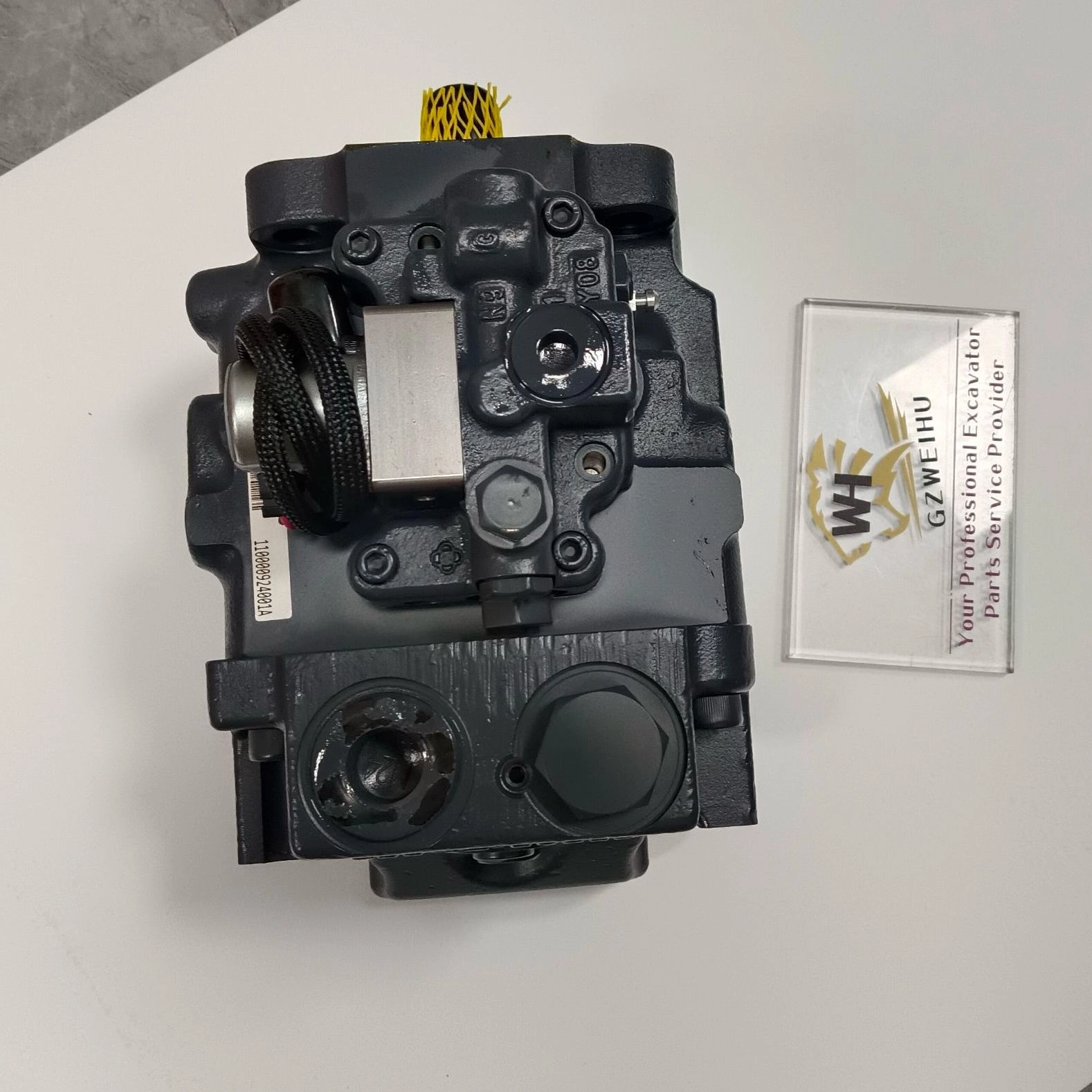
Compatibility Guide: Doosan DX65 Hydraulic Pump Fitment
How Cold Starts Affect Excavator Engine Performance
Hydraulic Pump Performance Metrics to Track in 2026
Prdoucts Categories
Question you may concern
FAQ
Do you offer bulk purchasing options?
Yes, we offer competitive pricing for bulk orders. If you are interested in purchasing large quantities of parts, please contact our sales team to discuss your requirements and receive a customized quote.
What types of excavator parts do you offer?
JELXEL provides a comprehensive range of excavator parts, including but not limited to buckets, hydraulic components, undercarriage parts, and engine components. Our goal is to be your one-stop solution for all excavator needs.
How do I know which parts I need for my excavator?
If you are unsure which parts are needed, our knowledgeable customer support team can assist you. You can provide us with your excavator model and any relevant details, and we will help you identify the correct parts.
Do you provide installation services for your parts?
While we do not offer installation services directly, we can recommend qualified professionals or resources to assist you with the installation of our parts. Our customer support team can provide guidance on finding local service providers.
What is your shipping policy?
We offer a variety of shipping options to meet your needs. Orders are typically processed within [insert processing time] days, and delivery times may vary based on your location. We will provide you with tracking information once your order has shipped.
You may also like
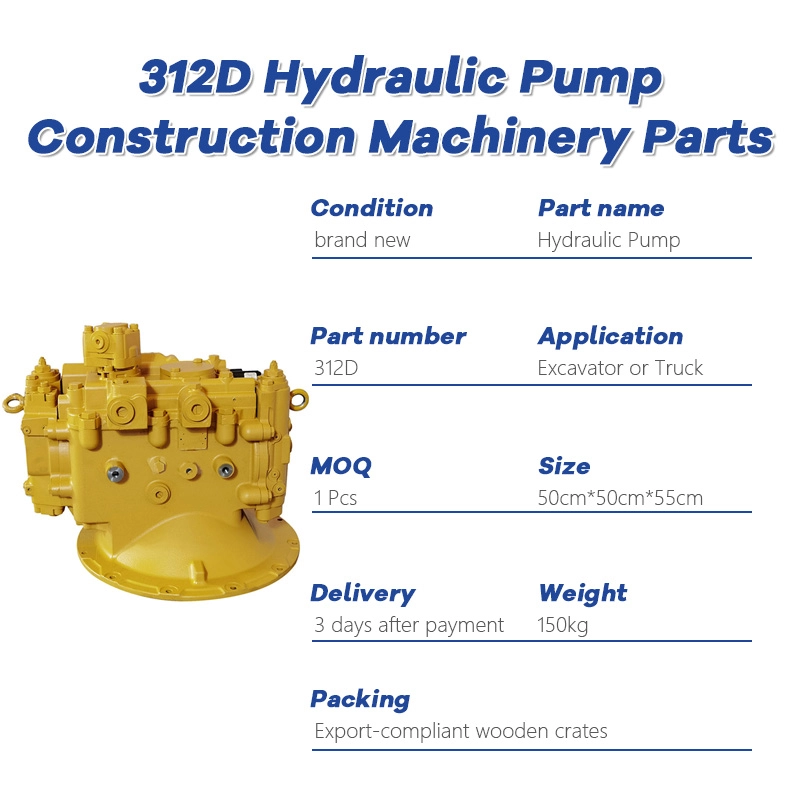
Excavator Hydraulic Pump for CAT 312D | Fast Shipping
Get your high-quality JELXEL CAT 312D hydraulic pump! Engineered for durability and peak performance, this essential 312D hydraulic pump ensures your excavator runs efficiently. Benefit from our fast shipping to minimize downtime. Choose JELXEL for reliable, high-quality solutions for your CAT 312D.
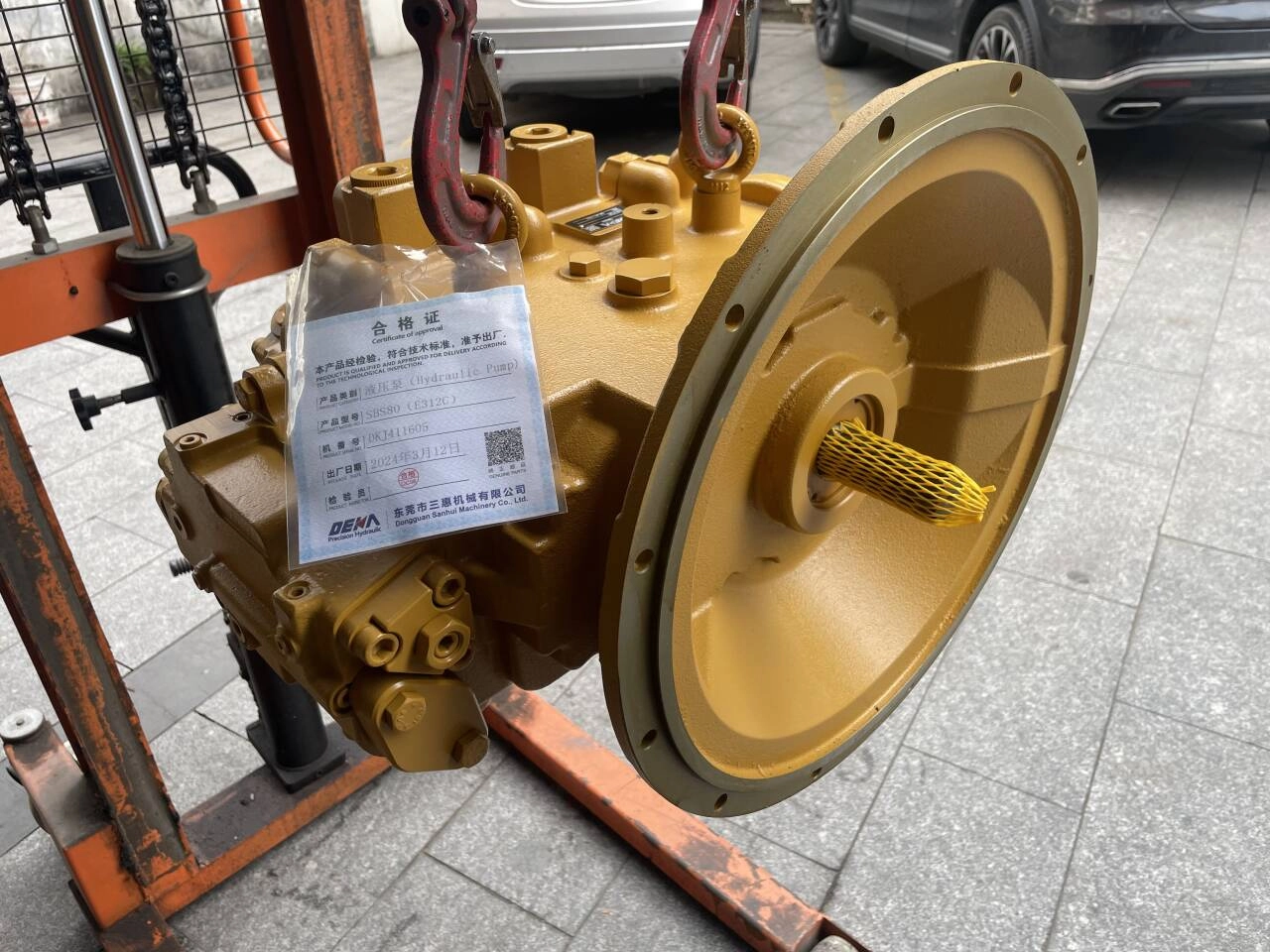
New CAT 312C Hydraulic Main Pump | Compatible Excavator Parts
JELXEL’ New CAT 312C Hydraulic Main Pump delivers reliable performance for your excavator. Engineered for durability, this Caterpillar 312C hydraulic pump ensures seamless compatibility and optimal efficiency.
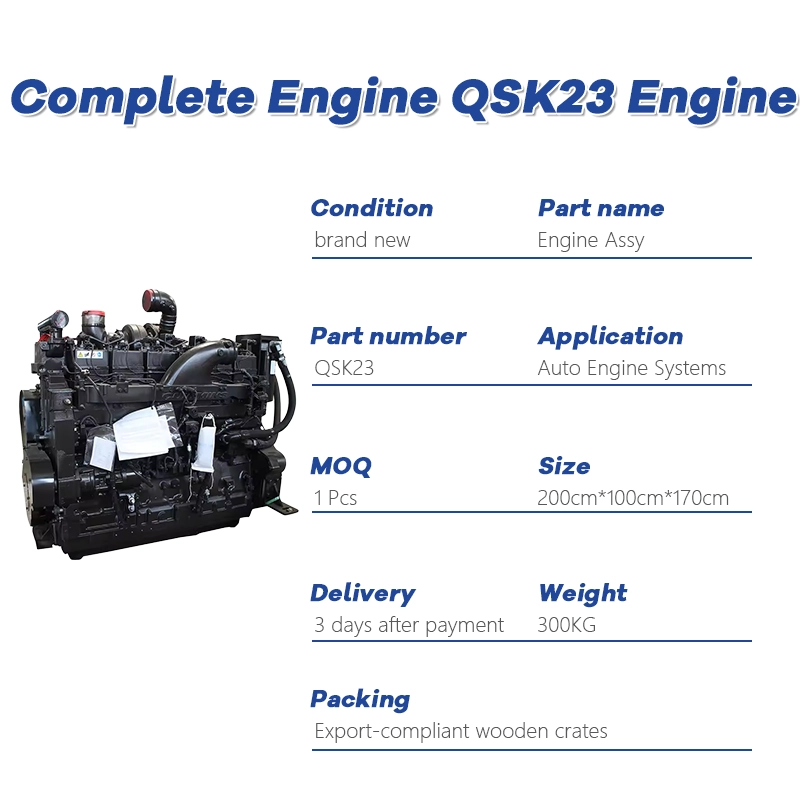
QSK23 Excavator Engine Assembly | Reliable & Efficient Performance
Discover the high-performance QSK23 Excavator Engine Assembly by JELXEL, designed for reliable and efficient excavation. Ideal QSK23 engine parts for excavators, this engine assembly delivers durability and power. Explore our engine assembly for sale to boost your machinery’s performance today.
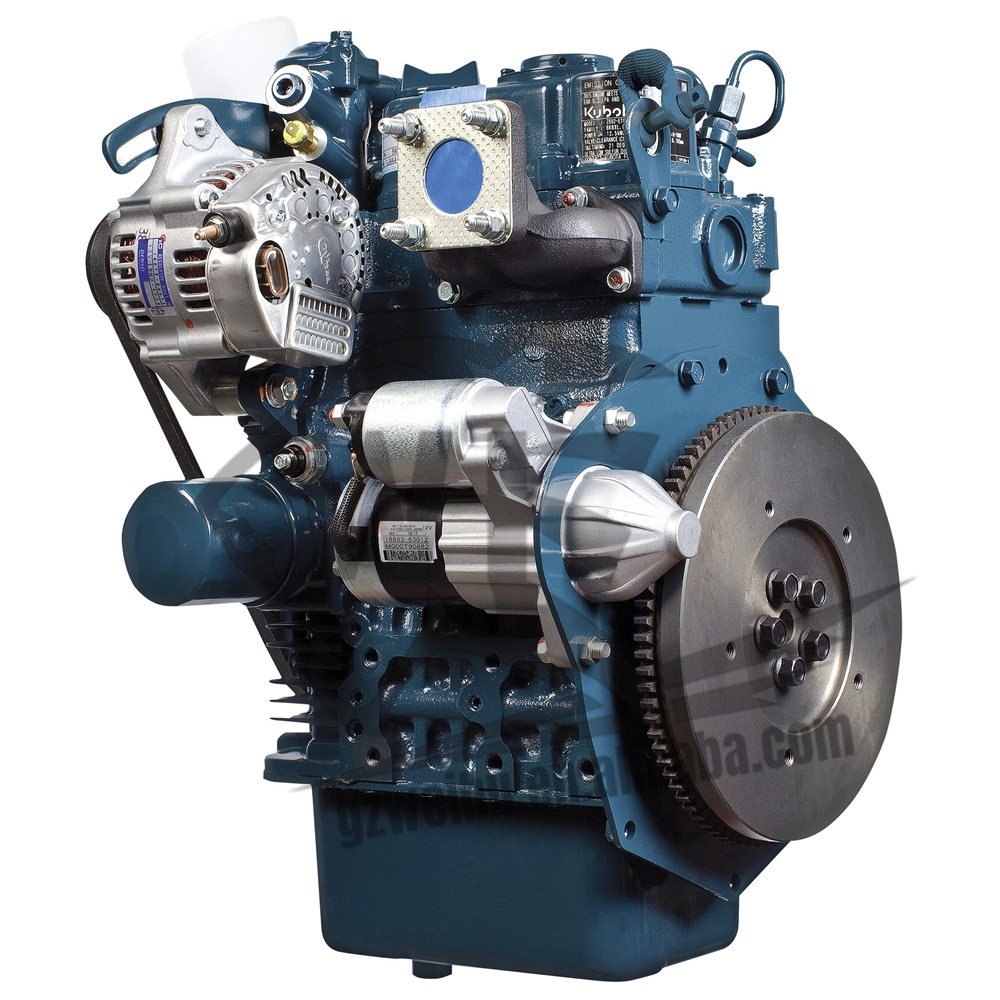
D722 Excavator Engine Replacement | Boost Your Excavator’s Power
Upgrade your excavator's performance with the JELXEL D722 Excavator Engine Replacement. Buy D722 excavator engine now to enhance power and efficiency. Excavator D722 Engine for Sale, designed for durability and smooth operation. Boost your excavator’s power today!
Get in touch with us
If you have any comments or good suggestions, please leave us a message, later our professional staff will contact you as soon as possible.
To be a happy enterprise in the field of engineering equipment.
JELXEL delivers efficient and reliable service at each stage to meet the customer's needs.