

jackhuang5919@gmail.com
Excavator Hydraulic Pump Maintenance Checklist: A Practical Guide
A practical, step-by-step Excavator Hydraulic Pump Maintenance Checklist to reduce downtime, extend pump life, and improve efficiency. Includes daily-to-annual checks, common failure signs, recommended service intervals, troubleshooting tips, and a parts supplier note from JELXEL.
- Excavator Hydraulic Pump Maintenance Checklist: Why It Matters
- How to Use This Excavator Hydraulic Pump Maintenance Checklist
- Daily Checks: Prevent Immediate Failures
- 1. Visual Inspection for Leaks
- 2. Hydraulic Fluid Level and Appearance
- 3. Operating Noise and Vibration
- Weekly Checks: Basic Performance Monitoring
- 4. Temperature and Pressure Checks
- 5. Filter Indicators and Breath Filters
- Monthly Checks: In-Depth Inspections
- 6. Hydraulic Fluid Sampling and Analysis
- 7. Inspect Hoses, Fittings, and Couplings
- 8. Check Pump Mounting and Alignment
- Quarterly or 500–1,000 Hour Checks: Replace Wear Items
- 9. Replace Filters
- 10. Inspect Relief Valve and Control Valves
- Annual or Major Service: Overhaul and Calibration
- 11. Perform a Full Pump Performance Test
- 12. Rebuild or Replace Worn Pumps
- Common Signs of Hydraulic Pump Wear and Failure
- Troubleshooting Quick Guide
- Problem: Excessive Noise
- Problem: Low Pressure or Loss of Power
- Maintenance Intervals: Typical Recommendations
- Best Practices to Extend Hydraulic Pump Life
- Use the Right Hydraulic Fluid and Keep It Clean
- Warm Up Before Heavy Use
- Train Operators and Document Maintenance
- Selecting Replacement Parts: OEM vs Aftermarket
- How JELXEL Supports Your Hydraulic Pump Maintenance
- Conclusion: Follow the Checklist to Reduce Downtime and Cost
- Frequently Asked Questions
Excavator Hydraulic Pump Maintenance Checklist: Why It Matters
Hydraulic pumps are the heart of an excavator’s powertrain. Proper maintenance of the excavator hydraulic pump prevents unexpected failures, reduces repair costs, and keeps projects on schedule. This Excavator Hydraulic Pump Maintenance Checklist is designed for operators, maintenance technicians, and fleet managers who want a practical, reliable routine to maintain hydraulic pump health.
How to Use This Excavator Hydraulic Pump Maintenance Checklist
Follow this checklist as a tiered program: daily, weekly, monthly, and annual tasks. Adjust intervals based on operating hours, environment (dusty, wet, or high-temperature conditions), and OEM recommendations. Document each check in your equipment log for informed decision-making and trend analysis.
Daily Checks: Prevent Immediate Failures
1. Visual Inspection for Leaks
Check the pump housing, seals, fittings, hoses, and nearby hydraulic lines for oil leaks. Even small wet spots can indicate seal wear or loose fittings. Address leaks immediately to avoid contamination and loss of hydraulic fluid.
2. Hydraulic Fluid Level and Appearance
Verify reservoir level using the sight glass or dipstick. Look at fluid color and clarity; milky, foamy, or heavily darkened fluid can signal contamination or breakdown. Maintaining correct fluid level reduces cavitation risk and helps maintain pump pressure.
3. Operating Noise and Vibration
Listen for unusual noises—grinding, whining, or knocking—during warm-up and under load. Excessive vibration or noise often precedes mechanical failure such as worn bearings, internal wear, or cavitation.
Weekly Checks: Basic Performance Monitoring
4. Temperature and Pressure Checks
Record operating temperature and hydraulic system pressure. Normal operating temperature typically ranges within manufacturer guidelines; persistent overheating reduces fluid life and accelerates component wear. Monitor pressure consistency to spot leaking valves or internal pump wear.
5. Filter Indicators and Breath Filters
Check filter change indicators and breathers for clogging. Replace indicators or primary filters as needed. A clogged breather can create vacuum conditions and draw contaminants into the reservoir.
Monthly Checks: In-Depth Inspections
6. Hydraulic Fluid Sampling and Analysis
Take a fluid sample for analysis to detect contamination (water, metal particles, and glycol) and to evaluate fluid condition. Fluid analysis helps predict failures before visible symptoms appear.
7. Inspect Hoses, Fittings, and Couplings
Look for abrasion, swelling, cracks, and loose fittings. Replace hoses showing wear. Tighten loose fittings to the recommended torque—but avoid over-tightening, which can strip threads or damage seals.
8. Check Pump Mounting and Alignment
Ensure the pump is securely mounted and aligned. Misalignment can cause shaft wear, bearing failure, and leaks at mechanical seals.
Quarterly or 500–1,000 Hour Checks: Replace Wear Items
9. Replace Filters
Change hydraulic filters based on your equipment’s duty cycle. A common practice is replacing filters every 500–1,000 operating hours, or sooner in harsh environments. Clean filters maximize fluid cleanliness and protect pump internals.
10. Inspect Relief Valve and Control Valves
Ensure relief valves are set to manufacturer specifications and check for sticking or wear. Malfunctioning relief valves can lead to overpressure and pump damage.
Annual or Major Service: Overhaul and Calibration
11. Perform a Full Pump Performance Test
Run a hydraulic pump performance test to evaluate volumetric and mechanical efficiency. Testing can quantify internal leakage, wear, and reduced output so you can plan repairs or rebuilds.
12. Rebuild or Replace Worn Pumps
If test results or physical inspection show significant internal wear, rebuild or replace the pump. Rebuild kits are available for many popular pump models but choose OEM or high-quality aftermarket parts to ensure reliability.
Common Signs of Hydraulic Pump Wear and Failure
Watch for these warning signs: decreased flow or power, increased system noise (whine or knock), overheating, foaming fluid, and visible contamination in samples. Address the root cause quickly—often contamination, cavitation, or improper maintenance.
Troubleshooting Quick Guide
Problem: Excessive Noise
Possible causes: cavitation, air ingress, worn bearings, or misalignment. Check fluid level and breathers, inspect suction lines for restrictions, and verify pump mounting.
Problem: Low Pressure or Loss of Power
Possible causes: internal wear, clogged filters, leaking valves, or pump displacement loss. Check filters, measure pressure at pump and implement controlled load tests.
Maintenance Intervals: Typical Recommendations
Intervals vary by OEM, operating conditions, and fluid type. Below is a general comparison of common maintenance tasks and typical intervals. Use this table as a baseline—always follow your machine’s service manual for exact intervals.
| Task | Typical Interval | Notes |
|---|---|---|
| Visual daily check (leaks, level, noise) | Daily | Critical for early detection |
| Filter inspection / indicator | Weekly to monthly | Change as indicated or every 500–1,000 hours |
| Hydraulic oil level & temperature | Daily | Maintain correct level and monitor trends |
| Hydraulic fluid analysis | Every 500–1,000 hours | Detect contamination early |
| Filter change | 500–1,000 hours | Shorten interval in harsh conditions |
| Full pump test & overhaul | Annually or at performance decline | Plan rebuild/replacement when efficiency drops |
Best Practices to Extend Hydraulic Pump Life
Use the Right Hydraulic Fluid and Keep It Clean
Use fluids that meet OEM viscosity and additive specifications. Contaminants (water, dirt, glycol) shorten component life—use quality filtration and breathers and store fluids in clean containers.
Warm Up Before Heavy Use
Allow the system to reach operating temperature before applying heavy loads. Cold fluid is more viscous and increases stress on the pump and components.
Train Operators and Document Maintenance
Operator behavior affects pump life. Train operators to avoid abrupt loads and to report anomalies. Maintain inspection logs and fluid analysis records to identify trends and make informed maintenance decisions.
Selecting Replacement Parts: OEM vs Aftermarket
Choosing replacement pumps, seals, and filters influences reliability and cost. OEM parts generally guarantee fit and performance; reputable aftermarket parts can offer cost savings but insist on vendor traceability, material quality, and warranty—especially for high-wear items like pump pistons, bearings, and seals.
How JELXEL Supports Your Hydraulic Pump Maintenance
JELXEL serves as a reliable partner for global clients in the excavator spare parts sector. We provide a comprehensive selection of excavator parts designed to support routine maintenance and high-performance requirements. With a focus on quality, cost-effectiveness, and timely delivery, JELXEL offers replacement pump components, filters, seals, and rebuild kits that help you follow this Excavator Hydraulic Pump Maintenance Checklist precisely.
Conclusion: Follow the Checklist to Reduce Downtime and Cost
Implementing this Excavator Hydraulic Pump Maintenance Checklist reduces the risk of costly failures and extends pump life. A disciplined program—daily visual checks, scheduled filter changes, fluid analysis, and annual performance testing—keeps pumps operating efficiently and saves money over the machine lifecycle. Combine these practices with genuine, high-quality parts and responsive support from a trusted supplier like JELXEL to maximize uptime and productivity.
Frequently Asked Questions
Q: How often should I change hydraulic oil in an excavator?A: Typical OEM guidance varies, but many operators change hydraulic oil between 2,000–4,000 hours based on fluid condition and fluid analysis. More frequent changes may be necessary under severe conditions.
Q: What are the top causes of hydraulic pump failure?A: The most common causes are contamination, cavitation (air in the system), overheating, improper fluid viscosity, and mechanical wear from poor alignment or inadequate maintenance.
Q: Can I rebuild my hydraulic pump instead of replacing it?A: Yes. Rebuilding with high-quality kits can restore pump performance and reduce cost compared to full replacement. Evaluate rebuild vs replacement based on performance tests, cost, and downtime requirements.
Q: What level of filtration should I use for excavator hydraulics?A: Use filtration rating and types recommended by your OEM. Common practices include multi-stage filtration with micron ratings appropriate for the pump and control valves—fluid analysis will help determine if upgrades are needed.
Q: How can I detect early cavitation symptoms?A: Early signs include a distinct high-pitched whining noise, decreased system performance, and small air bubbles in returned fluid. Check suction line restrictions, pump inlet height, fluid level, and breather condition.
If you need parts, technical specifications, or help building a tailored maintenance schedule for your fleet, contact JELXEL for expert support and reliable excavator parts.
Tags
buy CAT 320D SBS120 hydraulic pump online
buy CAT 320D SBS120 hydraulic pump online
C4.4 engine OEM supplier
C4.4 engine OEM supplier
Carter 3306 engine
Carter 3306 engine
Caterpillar C18 engine parts
Caterpillar C18 engine parts
CAT 320D SBS120 hydraulic pump replacement
CAT 320D SBS120 hydraulic pump replacement
kubota v2403 engine price
kubota v2403 engine price
Recommended for you
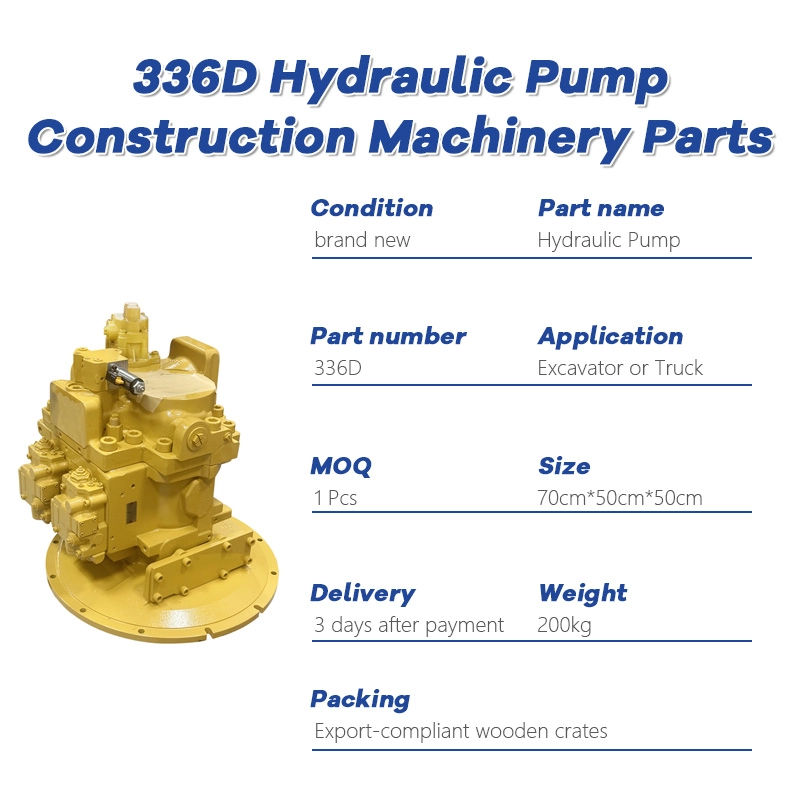
Comparing Heavy Duty CAT Replacement Hydraulic Pumps
How to Choose the Right Hydraulic Pump for Your System
Signs Your Excavator Hydraulic Pump Needs Replacement
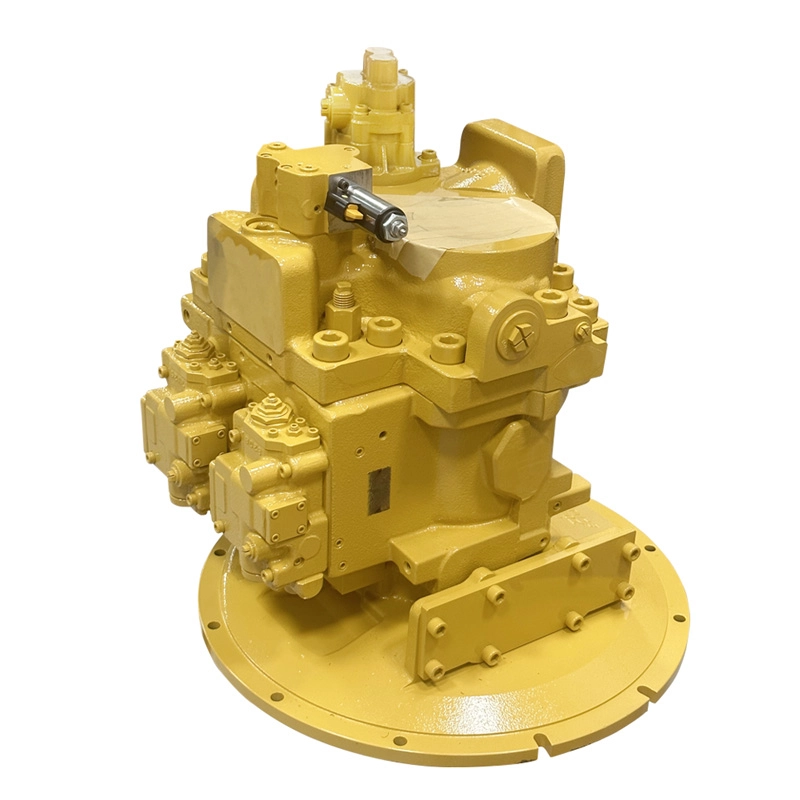
Warranty & Service Agreements for 336D Hydraulic Pump Buyers
Prdoucts Categories
Question you may concern
FAQ
Do you offer bulk purchasing options?
Yes, we offer competitive pricing for bulk orders. If you are interested in purchasing large quantities of parts, please contact our sales team to discuss your requirements and receive a customized quote.
What types of excavator parts do you offer?
JELXEL provides a comprehensive range of excavator parts, including but not limited to buckets, hydraulic components, undercarriage parts, and engine components. Our goal is to be your one-stop solution for all excavator needs.
Can I return or exchange parts if I change my mind?
Yes, we accept returns and exchanges within [insert return period, e.g., 30 days] of purchase. The items must be unused and in their original packaging. Please contact our customer service team to initiate a return or exchange.
Are your parts compatible with all excavator brands?
JELXEL strives to offer parts compatible with a wide range of excavator brands and models. However, we recommend checking the product specifications or consulting with our team to ensure compatibility with your specific excavator.
Do you provide warranties on your products?
Yes, we stand by the quality of our products. Most parts come with a warranty that covers manufacturing defects. Please refer to the specific warranty information provided with your purchase or contact our customer service team for details.
You may also like
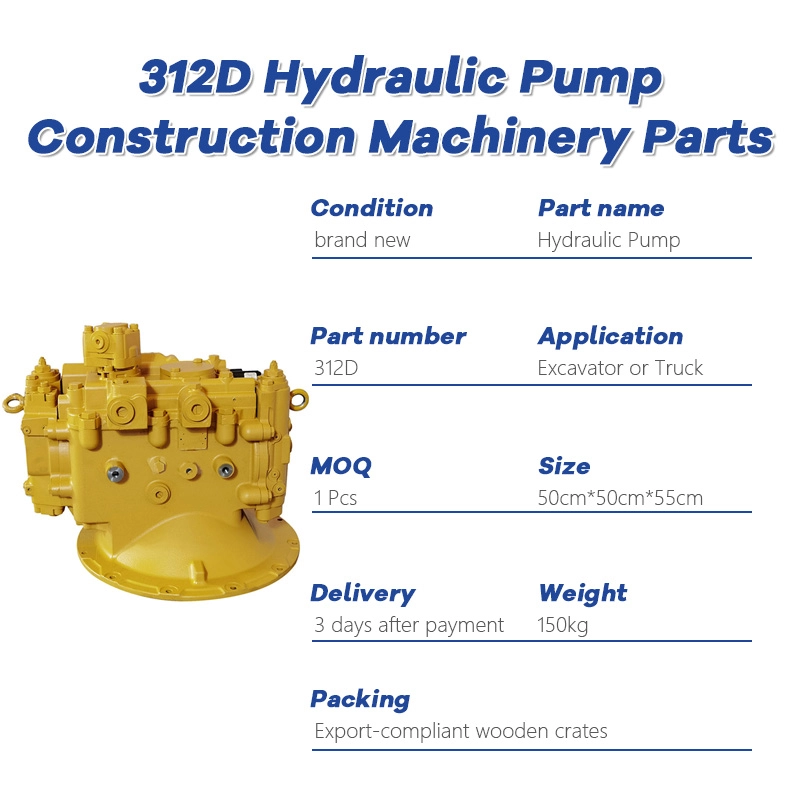
Excavator Hydraulic Pump for CAT 312D | Fast Shipping
Get your high-quality JELXEL CAT 312D hydraulic pump! Engineered for durability and peak performance, this essential 312D hydraulic pump ensures your excavator runs efficiently. Benefit from our fast shipping to minimize downtime. Choose JELXEL for reliable, high-quality solutions for your CAT 312D.
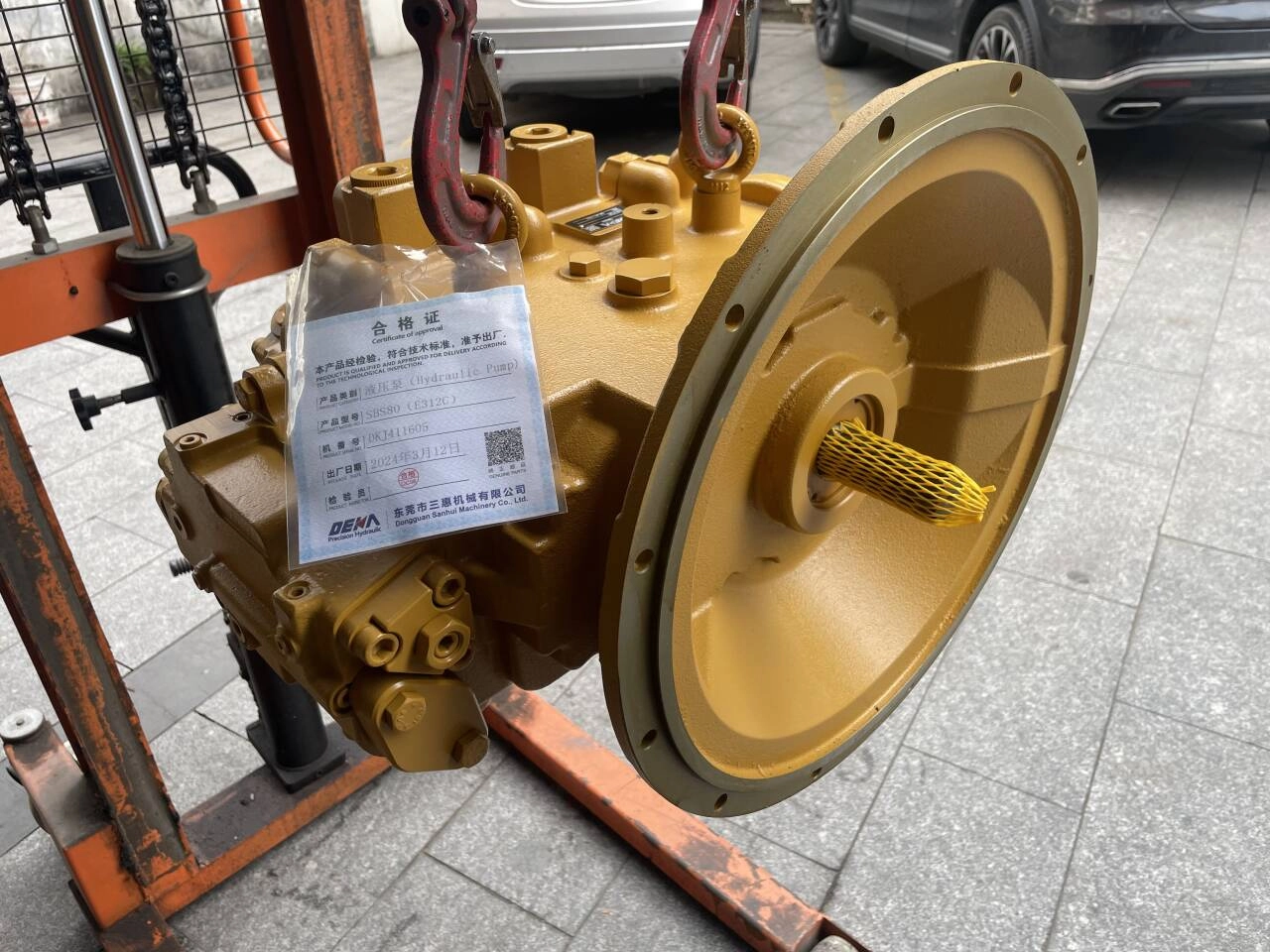
New CAT 312C Hydraulic Main Pump | Compatible Excavator Parts
JELXEL’ New CAT 312C Hydraulic Main Pump delivers reliable performance for your excavator. Engineered for durability, this Caterpillar 312C hydraulic pump ensures seamless compatibility and optimal efficiency.
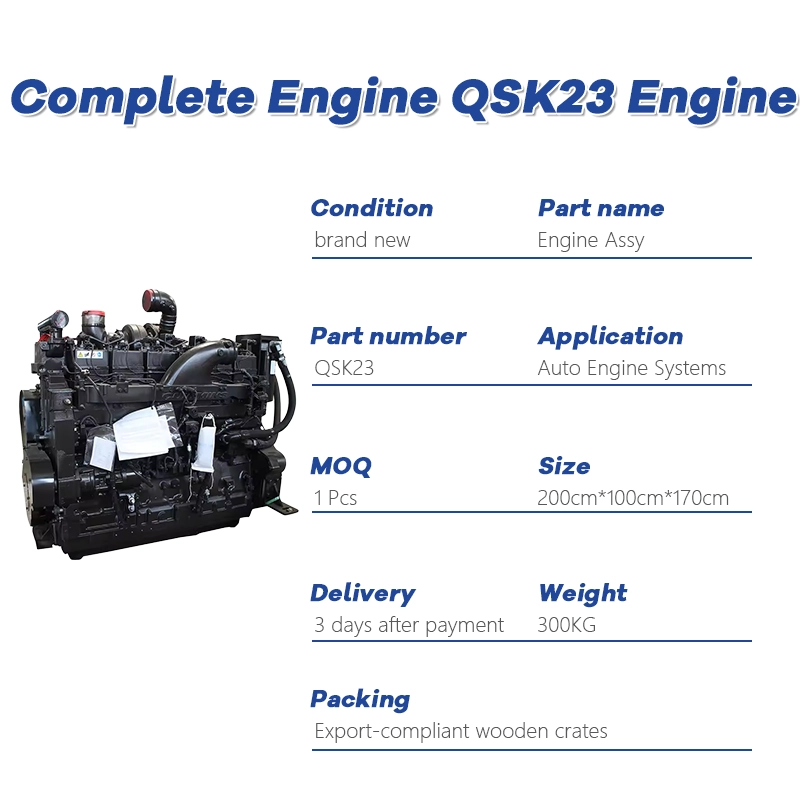
QSK23 Excavator Engine Assembly | Reliable & Efficient Performance
Discover the high-performance QSK23 Excavator Engine Assembly by JELXEL, designed for reliable and efficient excavation. Ideal QSK23 engine parts for excavators, this engine assembly delivers durability and power. Explore our engine assembly for sale to boost your machinery’s performance today.
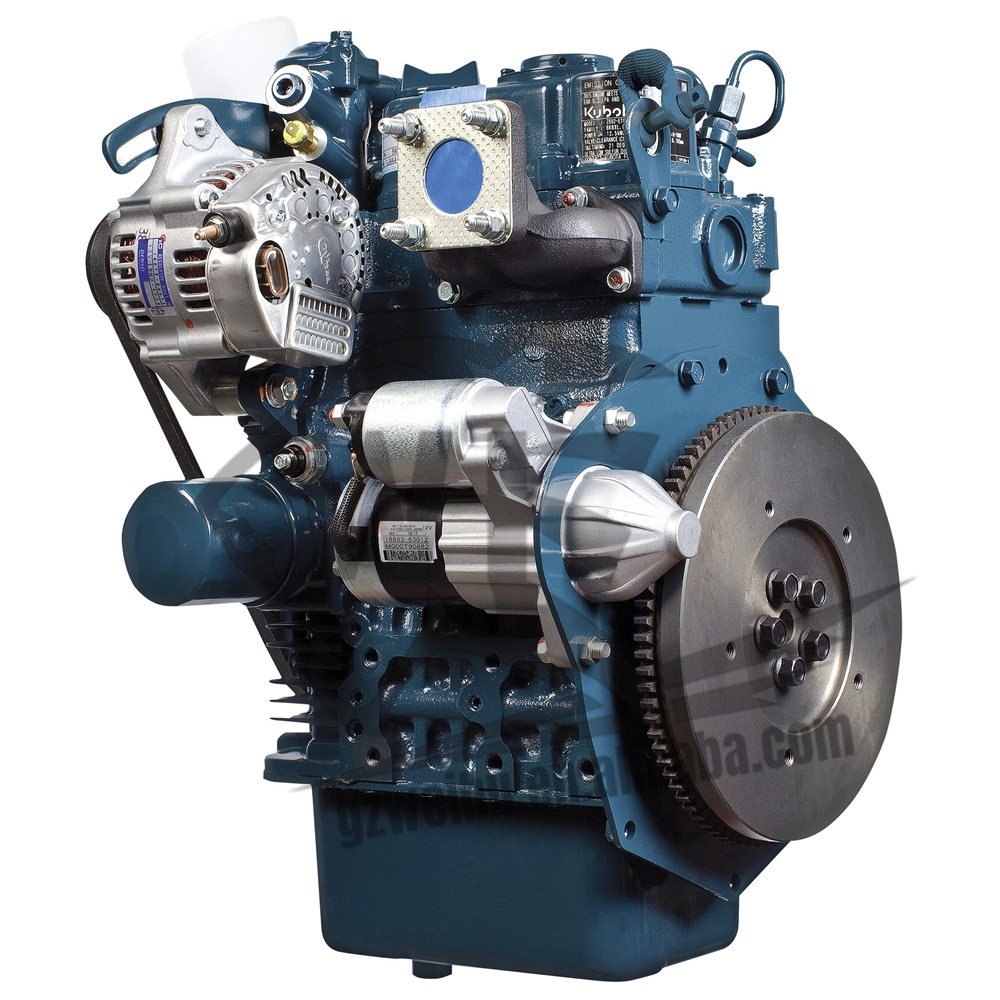
D722 Excavator Engine Replacement | Boost Your Excavator’s Power
Upgrade your excavator's performance with the JELXEL D722 Excavator Engine Replacement. Buy D722 excavator engine now to enhance power and efficiency. Excavator D722 Engine for Sale, designed for durability and smooth operation. Boost your excavator’s power today!
Get in touch with us
If you have any comments or good suggestions, please leave us a message, later our professional staff will contact you as soon as possible.
To be a happy enterprise in the field of engineering equipment.
JELXEL delivers efficient and reliable service at each stage to meet the customer's needs.