

jackhuang5919@gmail.com
Excavator Engine Maintenance: Essential Checklist
A practical, expert checklist for excavator engine maintenance covering daily checks, scheduled services, diagnostics, spare parts, troubleshooting, and safety. Follow OEM guidance and stock critical parts to maximize uptime.
- Excavator Engine Maintenance: Essential Checklist
- Why proper excavator engine maintenance matters
- About JELXEL and our role in excavator engine upkeep
- Daily and pre-shift checks
- Visual inspection and fluid level checks
- Air intake and exhaust system checks
- Fuel system quick checks
- Scheduled maintenance by operating hours
- Engine oil and oil filter replacement (typical 250–500 hours)
- Fuel filter and water separator service (around 250 hours)
- Air filter service (100–500 hours depending on environment)
- Coolant and cooling system maintenance (1000–2000 hours)
- Belts, hoses, and clamps inspection
- Diagnostic and performance checks
- Monitoring engine performance and fault codes
- Compression and leak-down checks
- Preventive practices to extend engine life
- Use the right lubricants and fuels
- Maintain cooling efficiency
- Operator training and sensible load management
- Parts and components to keep in stock
- Critical spare parts list for excavator engine maintenance
- Troubleshooting common excavator engine issues
- Overheating: common causes and corrective steps
- Hard starting or misfiring
- Excessive smoke and what it indicates
- Maintenance interval comparison
- Typical maintenance interval comparison table
- Safety and environmental best practices
- Safe maintenance procedures
- Spill prevention and responsible disposal
- How JELXEL supports your excavator engine maintenance
- Quality parts, engineering support and R&D
- Ordering parts and specifying components
- Conclusion: keep your excavator engine running strong
- Key takeaways for practical engine maintenance
- FAQ
- How often should I change engine oil in an excavator engine?
- Can I extend maintenance intervals if I use High Quality oil and filters?
- What are early warning signs of engine trouble?
- Which replacement parts should I stock to minimize downtime?
- Where can I get parts recommended for my excavator engine?
Excavator Engine Maintenance: Essential Checklist
Why proper excavator engine maintenance matters
Maintaining your excavator engine is essential to ensuring reliable field performance, lowering operating costs, and extending machine life. An optimally maintained engine consumes less fuel, emits fewer pollutants, reduces downtime, and protects major components such as the turbocharger, injectors, and cooling system. Whether your operation is in construction, mining, or utilities, following a solid maintenance checklist helps you meet production targets and protect asset value.
About JELXEL and our role in excavator engine upkeep
JELXEL serves as a reliable partner for global clients in the excavator spare parts sector, offering quality components designed to support routine maintenance and high-performance systems. We emphasize durable parts, timely delivery, and engineering support so fleet managers and technicians can keep excavator engines running efficiently. Use OEM recommendations together with High Quality replacement parts to maintain engine integrity.
Daily and pre-shift checks
Visual inspection and fluid level checks
Start each shift with a visual inspection. Check engine oil, coolant, hydraulic fluid and fuel levels before operating the machine. Look for visible leaks around the engine block, oil pan, hoses, and fittings. Maintaining correct fluid levels reduces risk of overheating and lubrication-related damage.
Air intake and exhaust system checks
Inspect the air intake, pre-cleaners and air filter housings for blockage or heavy dust buildup. Check the exhaust for visible smoke patterns during warm-up—excessive black, blue, or white smoke indicates different engine problems. A clean air system prevents abrasive particles from entering the combustion chamber and causing wear.
Fuel system quick checks
Check fuel lines and quick drains for water or sediment in the fuel/water separator. Drain the sediment bowls where fitted and verify there are no loose connections. Fuel contamination is a common cause of injector and pump failure in excavator engines.
Scheduled maintenance by operating hours
Engine oil and oil filter replacement (typical 250–500 hours)
Most medium- to heavy-duty excavators require engine oil and filter changes within a range of roughly 250 to 500 operating hours depending on load and environment. Heavy dust, high temperatures, or continuous heavy loading push intervals toward the shorter end. Always follow the OEM service manual and use the correct viscosity and specification of oil for your engine.
Fuel filter and water separator service (around 250 hours)
Changing fuel filters and servicing water separators at intervals like 250 hours prevents injector clogging and fuel pump wear. In poor fuel conditions or high-moisture environments, shorten these intervals and keep spare filters on hand to avoid extended downtime.
Air filter service (100–500 hours depending on environment)
Air filter maintenance varies widely: in very dusty sites change or clean filters as often as every 100 hours; in cleaner environments service may be needed every 300–500 hours. Use the correct filter element and monitor restriction indicators if equipped.
Coolant and cooling system maintenance (1000–2000 hours)
Coolant change intervals commonly fall between 1,000 and 2,000 hours depending on coolant type and engine manufacturer. Inspect radiator fins, hoses, and clamps regularly. Flushing and refilling with the correct coolant and inhibitor keeps corrosion in check and maintains heat transfer performance.
Belts, hoses, and clamps inspection
Inspect belts for wear, glazing, and proper tension. Check all hoses and clamps for soft spots, cracks, or leaks. Replace any component showing signs of deterioration to prevent sudden failures that can lead to overheating or loss of accessory function.
Diagnostic and performance checks
Monitoring engine performance and fault codes
Use onboard diagnostics and telematics where available to monitor engine hours, temperatures, fuel consumption and fault codes. Early detection of abnormal parameters—such as rising coolant temperatures or reduced fuel pressure—allows proactive intervention before failure occurs.
Compression and leak-down checks
Perform compression or leak-down tests during scheduled major services or when performance drops. These tests reveal cylinder health, valve sealing, and head gasket integrity. Addressing low compression early can prevent catastrophic failures.
Preventive practices to extend engine life
Use the right lubricants and fuels
Select lubricants and fuels that meet engine manufacturer's specifications. Using low-quality fuel or incorrect oil accelerates wear and increases maintenance needs. Keep accurate records of oil types and change dates for traceability.
Maintain cooling efficiency
Keep radiators and coolers free of debris and maintain proper coolant concentration. Check fan clutches and water pumps for correct operation. Efficient cooling reduces thermal stress on pistons, liners, and bearings.
Operator training and sensible load management
Train operators on warm-up, idling, and optimal RPM ranges. Avoid prolonged heavy idle or operating at extreme loads without breaks. Operator habits directly influence engine life and fuel economy.
Parts and components to keep in stock
Critical spare parts list for excavator engine maintenance
Keep a short list of high-failure or wear items in stock to minimize downtime. Typical inventory items include engine oil and filters, fuel filters, air filter elements, coolant, belts, hose clamps, thermostats, and common gaskets and seals. For higher uptime, include injectors and turbocharger seals appropriate to your fleet.
Troubleshooting common excavator engine issues
Overheating: common causes and corrective steps
Overheating may result from low coolant, clogged radiator fins, blocked coolant passages, failing water pump, or malfunctioning fan. Start with coolant level and visual inspection, then check coolant concentration and radiator condition. Replace worn belts and repair leaks promptly.
Hard starting or misfiring
Hard starting can be caused by poor fuel quality, clogged fuel filters, weak batteries, or failing starter circuits. Misfires often relate to injector wear or fuel delivery issues. Use fuel and electrical diagnostics to isolate the cause and replace filters and injectors as required.
Excessive smoke and what it indicates
Black smoke typically signals rich fuel mixture or turbo/air supply issues. Blue smoke suggests oil burning from worn rings or valve guides. White smoke may indicate coolant entering the combustion chamber (possible head gasket or crack). Identify smoke color and follow a diagnostic flow to prevent further damage.
Maintenance interval comparison
Typical maintenance interval comparison table
| Component | Typical Interval (hours) | Notes |
|---|---|---|
| Engine oil & filter | 250–500 | Shorten in dusty or heavy-load conditions; follow OEM |
| Fuel filter & water separator | 200–300 | Drain water daily or per shift in high-moisture regions |
| Air filter element | 100–500 | Frequency depends on airborne dust; use restriction indicators |
| Coolant change | 1000–2000 | Depends on coolant type and OEM recommendations |
| Drive belts & hoses | Inspect every 250 | Replace as soon as any damage or softening is found |
Safety and environmental best practices
Safe maintenance procedures
Always de-energize the machine, follow lockout/tagout procedures, and allow the engine to cool before performing maintenance. Use the correct personal protective equipment and proper lifting methods for heavy components. Keep clear, documented procedures for technicians to reduce accident risk.
Spill prevention and responsible disposal
Collect used oil, coolant, and contaminated filters in sealed containers and dispose of them per local regulations. Prevent spills by using drip trays and absorbent materials. Proper environmental practices reduce regulatory risk and protect site safety.
How JELXEL supports your excavator engine maintenance
Quality parts, engineering support and R&D
JELXEL focuses on innovation and quality control to supply durable replacement parts that meet industry standards. Our engineering team supports component selection and offers guidance to help you match parts to your specific excavator engine model and operating conditions.
Ordering parts and specifying components
When ordering, provide engine model, serial number and operating context (environment, typical loads). JELXEL can advise on High Quality or heavy-duty options for filters, seals and cooling components to suit harsh environments. Keep a spare parts list aligned with your maintenance schedule to reduce lead times.
Conclusion: keep your excavator engine running strong
Key takeaways for practical engine maintenance
Preventive maintenance of the excavator engine combines daily inspections, scheduled service by operating hours, good operator practices, and use of quality parts. Follow OEM guidance, monitor performance data, and keep critical spare parts in inventory. These measures reduce downtime, control costs, and extend engine service life.
FAQ
How often should I change engine oil in an excavator engine?
Typical intervals are 250–500 operating hours depending on engine manufacturer and site conditions. In dusty or heavy-duty applications, use the shorter interval and follow the OEM service manual for exact recommendations.
Can I extend maintenance intervals if I use High Quality oil and filters?
High Quality oils and filters can improve performance and protection, but they do not eliminate the need to follow OEM service schedules. Any extension should be validated with condition monitoring (oil analysis, filter restriction indicators) and approved by the engine manufacturer.
What are early warning signs of engine trouble?
Watch for rising coolant temperature, increased exhaust smoke, reduced power, higher fuel consumption, unusual sounds, and fault codes. Address signs early to avoid expensive repairs.
Which replacement parts should I stock to minimize downtime?
Stock engine oil and filters, fuel filters, air filters, coolant, belts, hoses, clamps, thermostats, and commonly failing gaskets. Consider keeping critical items like injectors or turbo seals for high-use fleets.
Where can I get parts recommended for my excavator engine?
JELXEL supplies a broad range of excavator parts and can advise on component selection. Provide your machine's engine model and serial number to get matched parts and delivery options tailored to your maintenance plan.
Tags
diesel engines for sale
diesel engines for sale
Excavator 4BG1T engine
Excavator 4BG1T engine
d902 diesel engine
d902 diesel engine
CAT 3306 engine
CAT 3306 engine
Volvo D7E used engine price
Volvo D7E used engine price
QSB6.7 genuine parts
QSB6.7 genuine parts
Recommended for you
Hydraulic Pump Filtration and Contamination Control Tips

Compatibility checklist for ZAX870-5G 6WG1 engine assemblies
Supply Chain Risks When Sourcing Engineered Diesel Engines
Sourcing Strategy: Reliable Suppliers for Hydraulic Hydraulic Pump Parts
Prdoucts Categories
Question you may concern
FAQ
What is your shipping policy?
We offer a variety of shipping options to meet your needs. Orders are typically processed within [insert processing time] days, and delivery times may vary based on your location. We will provide you with tracking information once your order has shipped.
What types of excavator parts do you offer?
JELXEL provides a comprehensive range of excavator parts, including but not limited to buckets, hydraulic components, undercarriage parts, and engine components. Our goal is to be your one-stop solution for all excavator needs.
How do I know which parts I need for my excavator?
If you are unsure which parts are needed, our knowledgeable customer support team can assist you. You can provide us with your excavator model and any relevant details, and we will help you identify the correct parts.
Are your parts compatible with all excavator brands?
JELXEL strives to offer parts compatible with a wide range of excavator brands and models. However, we recommend checking the product specifications or consulting with our team to ensure compatibility with your specific excavator.
Do you offer bulk purchasing options?
Yes, we offer competitive pricing for bulk orders. If you are interested in purchasing large quantities of parts, please contact our sales team to discuss your requirements and receive a customized quote.
You may also like
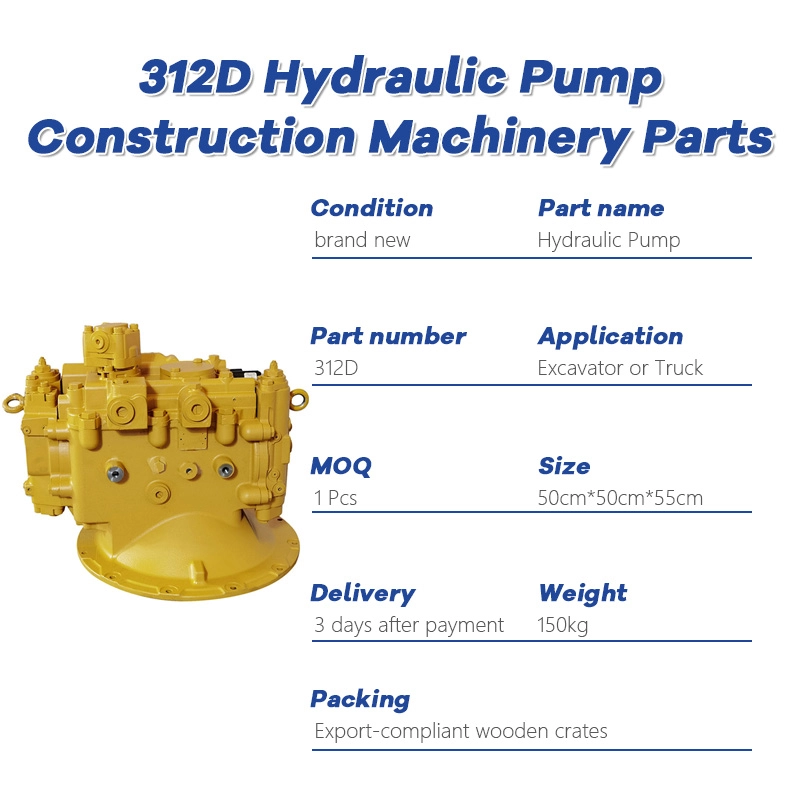
Excavator Hydraulic Pump for CAT 312D | Fast Shipping
Get your high-quality JELXEL CAT 312D hydraulic pump! Engineered for durability and peak performance, this essential 312D hydraulic pump ensures your excavator runs efficiently. Benefit from our fast shipping to minimize downtime. Choose JELXEL for reliable, high-quality solutions for your CAT 312D.
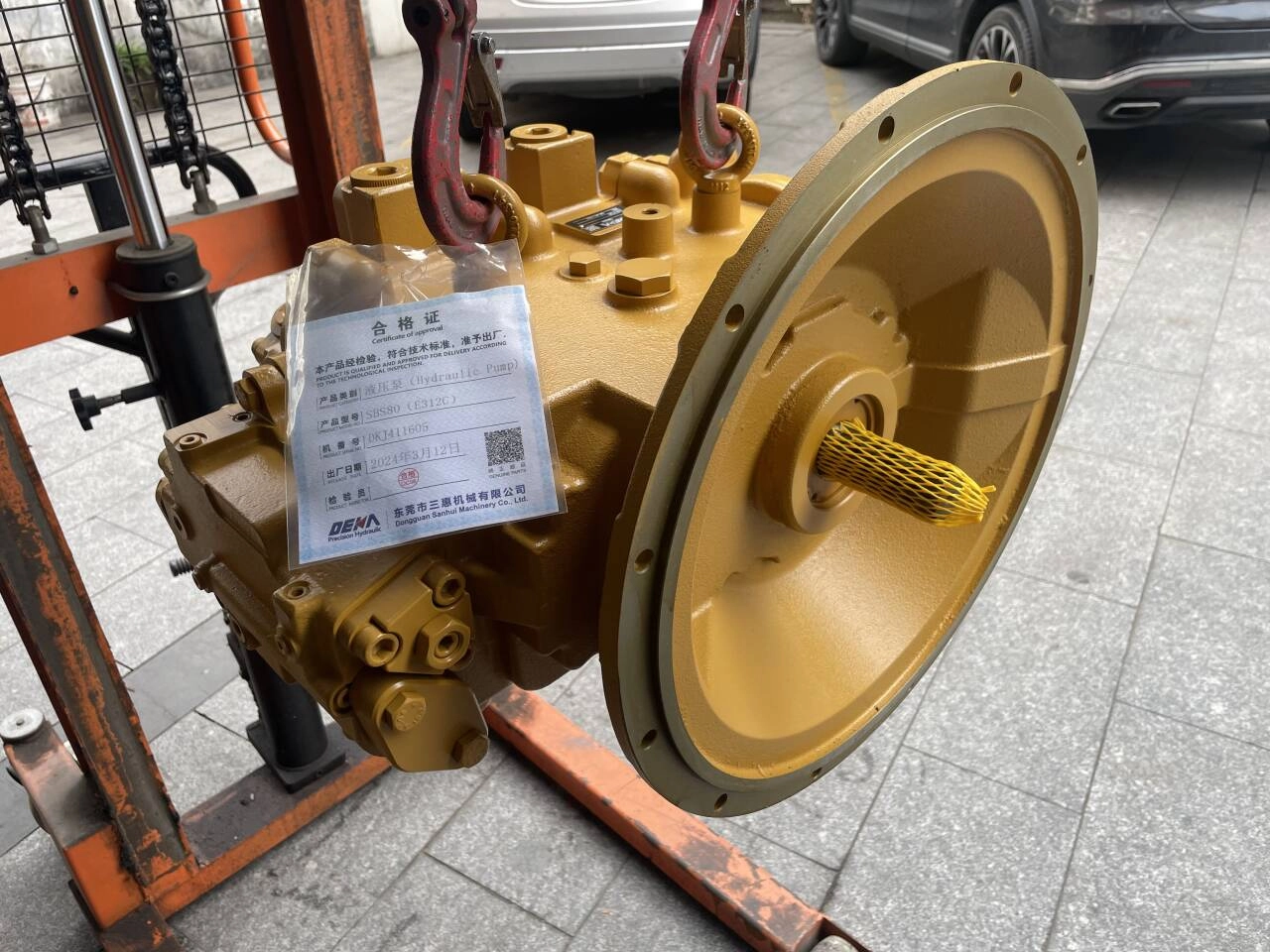
New CAT 312C Hydraulic Main Pump | Compatible Excavator Parts
JELXEL’ New CAT 312C Hydraulic Main Pump delivers reliable performance for your excavator. Engineered for durability, this Caterpillar 312C hydraulic pump ensures seamless compatibility and optimal efficiency.
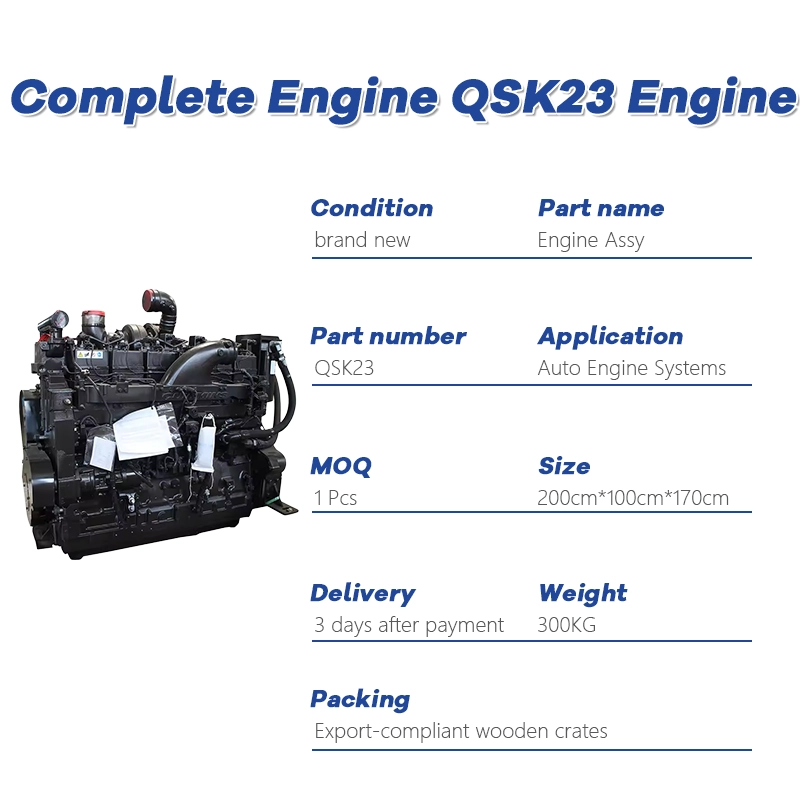
QSK23 Excavator Engine Assembly | Reliable & Efficient Performance
Discover the high-performance QSK23 Excavator Engine Assembly by JELXEL, designed for reliable and efficient excavation. Ideal QSK23 engine parts for excavators, this engine assembly delivers durability and power. Explore our engine assembly for sale to boost your machinery’s performance today.
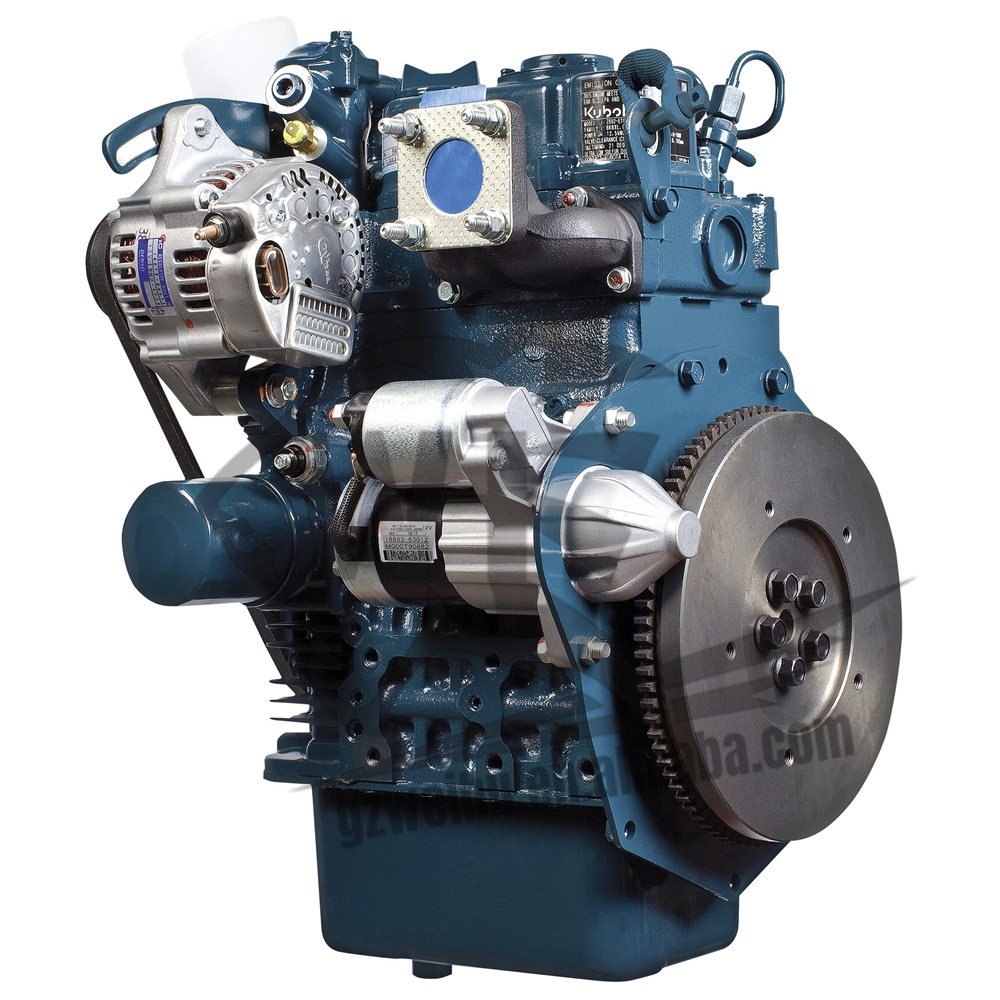
D722 Excavator Engine Replacement | Boost Your Excavator’s Power
Upgrade your excavator's performance with the JELXEL D722 Excavator Engine Replacement. Buy D722 excavator engine now to enhance power and efficiency. Excavator D722 Engine for Sale, designed for durability and smooth operation. Boost your excavator’s power today!
Get in touch with us
If you have any comments or good suggestions, please leave us a message, later our professional staff will contact you as soon as possible.
To be a happy enterprise in the field of engineering equipment.
JELXEL delivers efficient and reliable service at each stage to meet the customer's needs.