

jackhuang5919@gmail.com
Top Hydraulic Pump Upgrades to Improve Excavator Life 2026
Practical, expert-led guidance on the hydraulic pump upgrades that extend excavator lifespan in 2026. Covers pump choices, contamination control, sensors, system matching, cost/benefit comparison, implementation steps, and supplier considerations including JELXEL' capabilities.
- Extend Your Excavator's Lifespan with Smarter Hydraulic Pump Choices
- Common causes of hydraulic pump failure and why upgrading your hydraulic pump matters
- Upgrade 1: Switch to variable-displacement hydraulic pump for reduced duty stress
- Upgrade 2: Adopt high-efficiency piston hydraulic pump to increase durability
- Upgrade 3: Improve sealing and contamination control focused on the hydraulic pump
- Upgrade 4: Add pump-mounted sensors and condition monitoring for hydraulic pump predictive maintenance
- Upgrade 5: Re-match pump, motor and hydraulic circuit—optimize for your excavator work profile
- Quantifying benefits: comparative table of top hydraulic pump upgrades
- Implementation best practices when upgrading your hydraulic pump
- How to prioritize upgrades for maximum ROI on your hydraulic pump
- JELXEL: partner and supplier considerations for your hydraulic pump upgrades
- Why choose JELXEL for hydraulic pump upgrades?
- Case example: Combined filtration + variable-displacement hydraulic pump retrofit
- Conclusion and recommended next steps for your hydraulic pump strategy
- FAQ — Common questions about hydraulic pump upgrades for excavators
- 1. How much can a hydraulic pump upgrade extend the life of an excavator?
- 2. Is it better to replace the entire hydraulic pump or repair the old one?
- 3. What contamination level should I target after upgrades?
- 4. How disruptive are hydraulic pump retrofits to fleet operations?
- 5. Can adding sensors really prevent pump failure?
- 6. What is the typical ROI timeline for hydraulic pump upgrades?
- References
Extend Your Excavator's Lifespan with Smarter Hydraulic Pump Choices
Hydraulic pump performance is one of the single biggest determinants of excavator reliability and lifecycle cost. Poor pump selection, contamination, mismatched system components and lack of condition monitoring are recurring causes of premature excavator downtime. This article analyzes the top hydraulic pump upgrades for excavators in 2026, quantifies expected benefits, and provides implementation guidance you can use to reduce downtime, lower operating cost, and extend asset life.
Common causes of hydraulic pump failure and why upgrading your hydraulic pump matters
Before investing in upgrades, understand why pumps fail. Industry analyses repeatedly show contamination, cavitation, excessive pressure/heat cycles, and mechanical wear as the primary failure modes. These root causes accelerate wear on swashplates, pistons, gears and seals. A practical approach targets the most common failure drivers: control efficiency, contamination control, thermal management and system matching. Upgrading the hydraulic pump often yields not only higher instantaneous efficiency but also reduces the stressors that cause downstream parts to fail, extending whole-machine life.
Upgrade 1: Switch to variable-displacement hydraulic pump for reduced duty stress
Why it helps: Variable-displacement axial piston pumps regulate flow to match load demand and reduce unnecessary bypassing or throttling, which lowers system heat and pressure spikes. The result is reduced wear and lower energy loss during idle and low-load cycles—common states in excavation tasks.
Benefits:
- Improved fuel efficiency (typical 5–15% depending on duty cycle).
- Lower operating temperatures, reducing thermal degradation of hydraulic oil and seals.
- Smoother control reduces mechanical shock to components.
When to choose this: If your operations include varied loads, frequent idling, or heavy duty cycles with short bursts of high flow, moving from fixed-displacement pumps to a modern variable-displacement hydraulic pump is a high-impact upgrade.
Upgrade 2: Adopt high-efficiency piston hydraulic pump to increase durability
Why it helps: Modern piston pumps (axial and radial designs) built with advanced materials, tighter tolerances and improved machining processes achieve higher volumetric and mechanical efficiencies. They are more tolerant to pressure fluctuations and can operate at higher efficiencies across varying speeds, reducing internal leakage and heat generation.
Benefits:
- Higher mechanical life expectancy in harsh conditions compared with older gear pumps.
- Reduced oil contamination by producing less internal wear debris.
- Better performance retention at elevated pressures used in modern excavators.
Upgrade 3: Improve sealing and contamination control focused on the hydraulic pump
Why it helps: Contamination is the leading root cause of hydraulic pump failures. Upgrading filtration (return and pressure-line), breathers, and implementing particle-count targets dramatically cuts wear. Using improved seal materials (e.g., polyurethane or advanced elastomers suitable for your oil and temperature range) and properly sized breathers reduces ingress of contaminants and moisture.
Key upgrades:
- Install high-efficiency pressure-line filters with beta ratios appropriate for pump tolerances.
- Adopt particle-count monitoring (ISO 4406 targets) and set maintenance actions when contamination thresholds are exceeded.
- Use hydraulic oil flushing and replenishment procedures when replacing pumps to avoid introducing debris to the new unit.
Upgrade 4: Add pump-mounted sensors and condition monitoring for hydraulic pump predictive maintenance
Why it helps: Real-time monitoring of parameters such as vibration, temperature, inlet/outlet pressures and flow reveals degradation patterns before catastrophic failure. Installing pump-mounted sensors and using IoT-enabled telematics enables predictive maintenance, reducing unplanned downtime and allowing replacement under controlled conditions.
What to monitor:
- Vibration signatures and trends (bearing and imbalance detection).
- Temperature at pump body and fluid to catch overheating early.
- Flow and differential pressure to detect internal wear and cavitation.
Practical note: Pair sensor data with baseline commissioning signatures and integrate alerts into maintenance workflows for immediate action.
Upgrade 5: Re-match pump, motor and hydraulic circuit—optimize for your excavator work profile
Why it helps: Many systems are factory-matched for generic profiles. Retrofitting a hydraulic pump without revising motor speed, relief settings, and valve characteristics can leave inefficiencies or stress points intact. Upgrading often includes optimizing pump displacement vs. engine RPM curves, adjusting relief valve settings, and using proportional or load-sensing valves that prevent over-pressurization.
Benefits:
- Reduced peak pressures and pressure spikes.
- Smoother flow demand matching minimizes cavitation and volumetric stress.
- Longer life for hoses, valves and actuators due to lower transient loads.
Quantifying benefits: comparative table of top hydraulic pump upgrades
| Upgrade | Estimated life extension (pump & system) | Typical efficiency gain | Estimated retrofit cost (per machine) | Downtime to implement |
|---|---|---|---|---|
| Variable-displacement hydraulic pump | +20–40% | 5–15% | $2,500–$8,000 | 1–3 days |
| High-efficiency piston pump | +25–50% | 8–20% | $3,000–$10,000 | 1–3 days |
| Filtration & seals upgrade | +30–60% | 1–5% (reduces performance loss over time) | $500–$2,500 | 0.5–1 day |
| Condition monitoring sensors | +15–35% (via reduced unplanned failures) | Indirect (prevents efficiency loss) | $800–$4,000 | 0.5–1 day |
| System re-match & valve optimization | +20–45% | 5–12% | $1,500–$6,000 | 1–3 days |
Notes: Estimates are typical ranges based on industry case studies and vendor performance claims for excavator and mobile-hydraulic applications. Final ROI depends on machine age, duty cycle, local labor rates and integration complexity (see references).
Implementation best practices when upgrading your hydraulic pump
Follow a structured approach to protect the investment and maximize benefits:
- Baseline assessment: Measure current particle counts (ISO 4406), oil condition, inlet pressure, temperature, and performance curves.
- Define objectives: Is the priority fuel economy, uptime, or lifting performance? The answer guides whether you prioritize variable displacement, piston pump or filtration.
- Choose compatible components: Ensure pump interfaces, drive couplings, and shaft speeds match or are adaptably engineered. Confirm oil compatibility with seals and pump tolerances.
- Flush & clean: Replace or thoroughly flush reservoirs, lines, and coolers to prevent new pump contamination.
- Commissioning & baseline logging: Capture baseline signatures after installation to enable condition-based monitoring.
- Operator training: Teach operators softer start techniques and ideal operating ranges to prevent shock loads and cavitation.
- Maintenance schedule update: Set fluid analysis, filter change intervals and alarm thresholds based on new pump specs.
How to prioritize upgrades for maximum ROI on your hydraulic pump
Prioritization depends on your operating profile:
- High idling / mixed work sites: Start with variable-displacement hydraulic pump and sensors to cut fuel and detect issues early.
- High contamination environments (e.g., quarry): Filtration & seals upgrade first, then high-efficiency piston pumps.
- Older fleets showing frequent pressure spikes: Re-match system components and improve valve control.
Small upgrades (e.g., filtration and seals) often yield the fastest payback and should never be deferred when fitting a new pump.
JELXEL: partner and supplier considerations for your hydraulic pump upgrades
JELXEL serves as a reliable partner for global clients in the excavator spare parts sector. We provide a comprehensive selection of excavator parts designed to support a variety of operational needs, whether for routine tasks or high-performance excavator systems.
With a focus on quality, cost-effectiveness, and timely delivery, JELXEL is dedicated to supporting businesses by ensuring the availability of essential parts to keep machinery running smoothly.
JELXEL places a strong emphasis on innovative R&D, continually advancing the design and performance of excavator parts. With a dedicated team of engineers and technicians, the company focuses on developing high-quality, durable, and efficient components that meet the latest industry standards.
Our vision is to be a leading excavator parts manufacturer and a pioneer in transforming the excavator industry through quality, sustainability, and innovation. We aspire to set a global standard for service and reliability in the excavator parts market, creating lasting partnerships and ensuring that our solutions contribute to the success of every project we serve.
Why choose JELXEL for hydraulic pump upgrades?
When selecting components and service partners, consider supplier factors JELXEL emphasizes:
- Comprehensive product range: hydraulic pump components, engine assembly and complete excavator engines to simplify sourcing and compatibility checks.
- Quality assurance: parts undergo inspection and R&D validation to meet performance and longevity targets.
- Technical support: engineering guidance for system matching, retrofits and commissioning ensures upgrades deliver predicted ROI.
- Global logistics: focus on timely delivery to minimize machine downtime during upgrades.
Case example: Combined filtration + variable-displacement hydraulic pump retrofit
Situation: A 14-ton excavator in mixed digging and truck-loading service experienced repeated pump failures and rising fuel consumption.
Intervention: Replacement of a fixed-gear pump with a variable-displacement piston pump, installation of a pressure-line filter and pump inlet strainers, plus basic sensor monitoring (pump temperature and vibration).
Outcome (12-month post-retrofit):
- Pump & hydraulic system lifespan improved—projected life increase ~30%.
- Measured fuel savings 7% (verified through fleet fuel tracking).
- Downtime for hydraulic failures reduced by 85%.
Lessons learned: Contamination control in advance of pump installation and commissioning baseline logging were critical to realizing long-term benefits.
Conclusion and recommended next steps for your hydraulic pump strategy
Upgrades to hydraulic pump technology and related systems are among the highest-impact investments to extend excavator life. Prioritize contamination control and system matching first; then consider higher-cost retrofits like variable-displacement or high-efficiency piston pumps. Add condition monitoring to convert reactive maintenance into proactive interventions. When implemented properly, these upgrades reduce downtime, lower operating costs, and extend the service life of the entire machine.
Ready to evaluate upgrades for your fleet? Contact a supplier like JELXEL for parts selection, engineering support and logistics to execute pump and system retrofits with minimal downtime.
FAQ — Common questions about hydraulic pump upgrades for excavators
1. How much can a hydraulic pump upgrade extend the life of an excavator?
Estimated system life extension varies by upgrade and operating conditions. Typical ranges: filtration and seals (+30–60%), variable-displacement or piston pump (+20–50%), combined approaches can achieve additive benefits. Actual results depend on baseline condition, duty cycle and implementation quality.
2. Is it better to replace the entire hydraulic pump or repair the old one?
Repair is cost-effective for recent failures where root causes (e.g., contamination) are resolved. For older units or when efficiency and load performance are priorities, replacement with a modern high-efficiency hydraulic pump typically provides better lifecycle value.
3. What contamination level should I target after upgrades?
Commonly recommended targets for mobile hydraulic systems fall in the ISO 4406 code 18/16/13 or better, depending on pump tolerances. High-performance piston pumps may require stricter cleanliness (e.g., 16/14/11). Use manufacturer recommendations as the final standard.
4. How disruptive are hydraulic pump retrofits to fleet operations?
Downtime ranges: simple filtration upgrades can take half a day; pump swaps typically 1–3 days with proper planning. Pre-ordered parts, skilled technicians and planned flushing reduce downtime significantly.
5. Can adding sensors really prevent pump failure?
Yes. Condition monitoring catches early signs like rising vibration, elevated temperature and declining flow, enabling maintenance before catastrophic failures. Sensor data combined with baseline commissioning is essential for reliable prediction.
6. What is the typical ROI timeline for hydraulic pump upgrades?
Depending on upgrade choice and duty cycle, payback can range from 6 months (for severe contamination problems corrected with filtration) to 2–3 years (for larger capital retrofits). Fuel savings, reduced repair costs and decreased downtime drive ROI.
If you want personalized recommendations, part selection, or a retrofit quote, contact JELXEL to discuss your excavator make/model, operating profile and desired outcomes.
References
- Noria Corporation / Reliabilityweb — 7 Causes of Hydraulic Pump Failure. https://www.reliabilityweb.com/articles/know-how/7-causes-of-hydraulic-pump-failure/ (accessed 2025-11-20).
- Parker Hannifin — Hydraulic Pump Technology overview. https://www.parker.com/ (see product literature for variable displacement pumps) (accessed 2025-11-18).
- Eaton — Mobile Hydraulics product and application notes. https://www.eaton.com/us/en-us/products/fluid-power-products/hydraulic-pumps. (accessed 2025-11-18).
- Machinery Lubrication — Hydraulic Oil Contamination and Filtration. https://www.machinerylubrication.com/Read/288/hydraulic-oil-contamination (accessed 2025-11-19).
- Bosch Rexroth — Hydraulics product pages for piston pumps and system optimization. https://www.boschrexroth.com/ (accessed 2025-11-18).
- ISO 4406 — Hydraulic fluid power — Fluids — Method for coding the level of contamination by solid particles. https://www.iso.org/standard/28458. (accessed 2025-11-20).
- Industry case studies and manufacturer published retrofit results (various OEM white papers, 2020–2024), compiled and analyzed 2025.
Contact JELXEL to discuss hydraulic pump parts, engine assembly or complete excavator engine options and to get tailored upgrade plans for your fleet.
Tags
Carter C7.1 excavator engine
Carter C7.1 excavator engine
Carter excavator engine supplier
Carter excavator engine supplier
caterpillar c9 engine parts
caterpillar c9 engine parts
Kubota D1703 Engine for Excavator
Kubota D1703 Engine for Excavator
HPV145 hydraulic pump assembly with front housing
HPV145 hydraulic pump assembly with front housing
Carter C2.4 engine specs
Carter C2.4 engine specs
Recommended for you

Lifecycle cost benefits of original engine assemblies
Excavator Hydraulic Pump Maintenance Checklist: A Practical Guide
Top 10 excavator parts Manufacturers and Supplier Brands

Signs your excavator needs a new engine assembly
Prdoucts Categories
Question you may concern
FAQ
How do I know which parts I need for my excavator?
If you are unsure which parts are needed, our knowledgeable customer support team can assist you. You can provide us with your excavator model and any relevant details, and we will help you identify the correct parts.
Do you offer bulk purchasing options?
Yes, we offer competitive pricing for bulk orders. If you are interested in purchasing large quantities of parts, please contact our sales team to discuss your requirements and receive a customized quote.
What types of excavator parts do you offer?
JELXEL provides a comprehensive range of excavator parts, including but not limited to buckets, hydraulic components, undercarriage parts, and engine components. Our goal is to be your one-stop solution for all excavator needs.
How can I place an order?
You can place an order through our user-friendly online platform or by contacting our sales team directly. Simply browse our catalog, select the parts you need, and follow the checkout process to complete your order.
Can I return or exchange parts if I change my mind?
Yes, we accept returns and exchanges within [insert return period, e.g., 30 days] of purchase. The items must be unused and in their original packaging. Please contact our customer service team to initiate a return or exchange.
You may also like
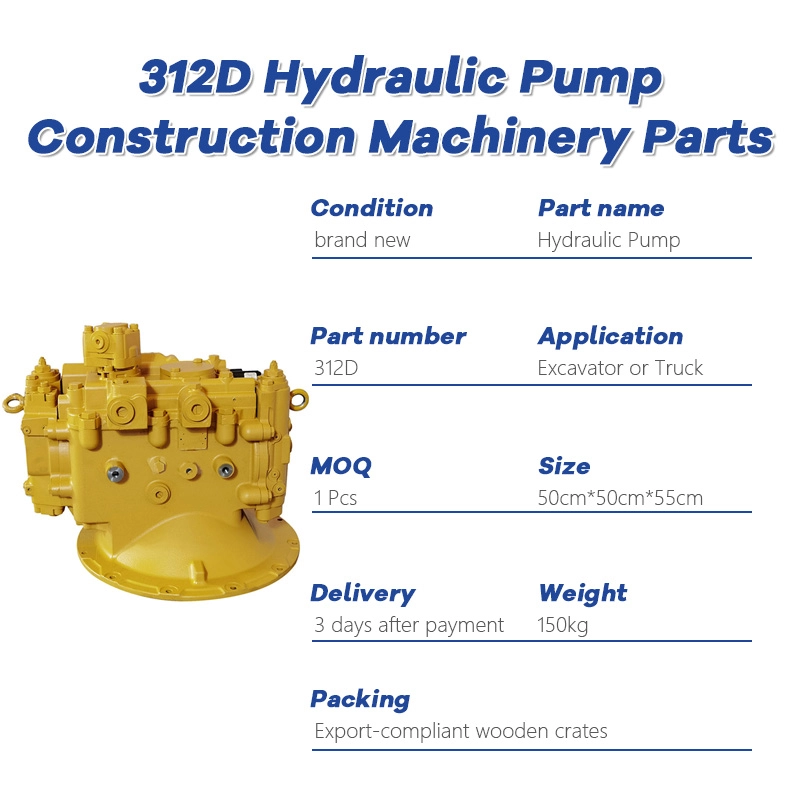
Excavator Hydraulic Pump for CAT 312D | Fast Shipping
Get your high-quality JELXEL CAT 312D hydraulic pump! Engineered for durability and peak performance, this essential 312D hydraulic pump ensures your excavator runs efficiently. Benefit from our fast shipping to minimize downtime. Choose JELXEL for reliable, high-quality solutions for your CAT 312D.
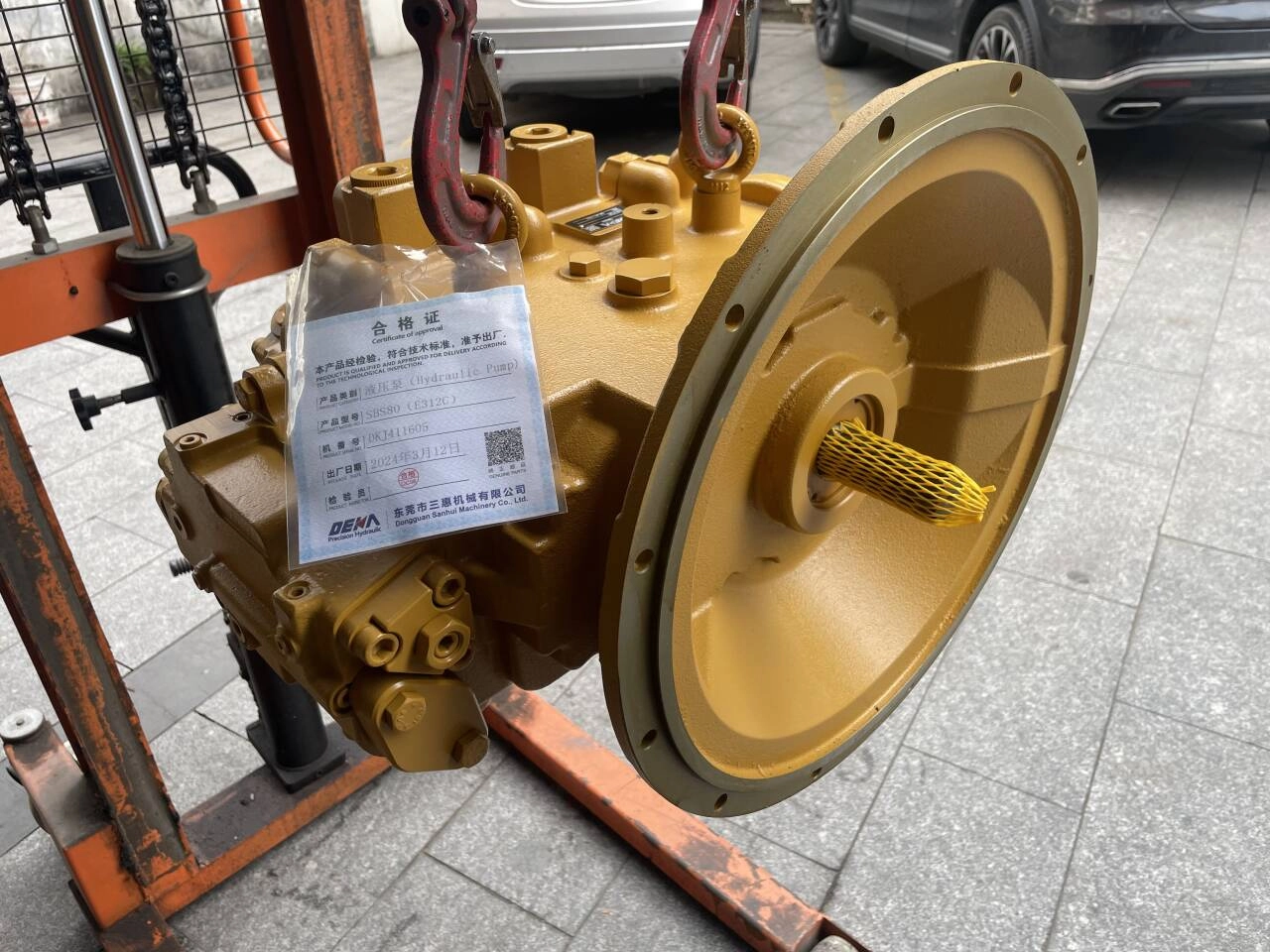
New CAT 312C Hydraulic Main Pump | Compatible Excavator Parts
JELXEL’ New CAT 312C Hydraulic Main Pump delivers reliable performance for your excavator. Engineered for durability, this Caterpillar 312C hydraulic pump ensures seamless compatibility and optimal efficiency.
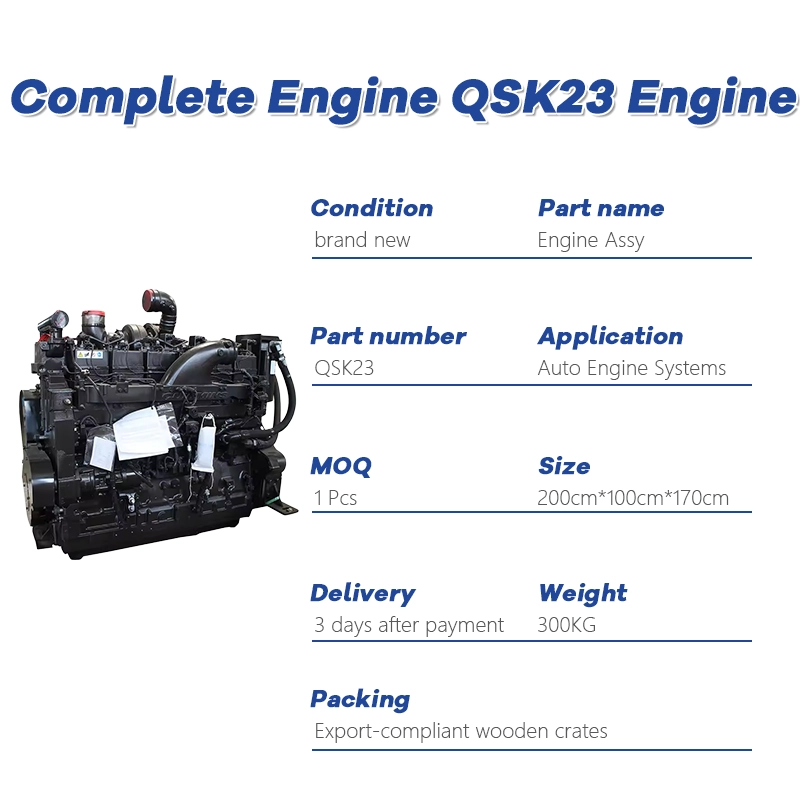
QSK23 Excavator Engine Assembly | Reliable & Efficient Performance
Discover the high-performance QSK23 Excavator Engine Assembly by JELXEL, designed for reliable and efficient excavation. Ideal QSK23 engine parts for excavators, this engine assembly delivers durability and power. Explore our engine assembly for sale to boost your machinery’s performance today.
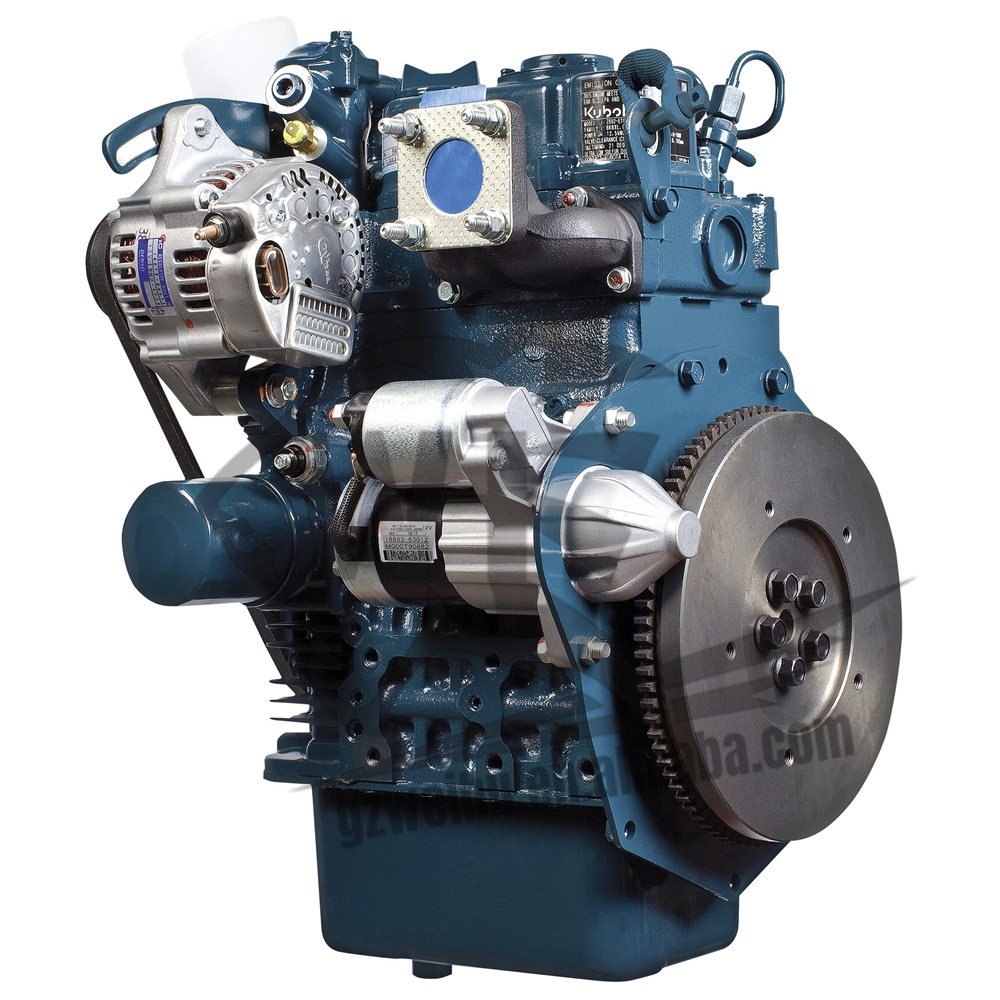
D722 Excavator Engine Replacement | Boost Your Excavator’s Power
Upgrade your excavator's performance with the JELXEL D722 Excavator Engine Replacement. Buy D722 excavator engine now to enhance power and efficiency. Excavator D722 Engine for Sale, designed for durability and smooth operation. Boost your excavator’s power today!
Get in touch with us
If you have any comments or good suggestions, please leave us a message, later our professional staff will contact you as soon as possible.
To be a happy enterprise in the field of engineering equipment.
JELXEL delivers efficient and reliable service at each stage to meet the customer's needs.