

jackhuang5919@gmail.com
Material and Seal Quality in Heavy Duty Hydraulic Pumps
Material selection and seal quality are the two most important factors determining the reliability, efficiency, and service life of heavy-duty hydraulic pumps used in excavators like the CAT 336D. Proper metallurgy, surface treatment, and elastomer selection reduce wear, resist cavitation and contamination damage, and maintain pressure and flow under extreme workloads. This article reviews materials and seals, compares OEM and premium aftermarket 336D hydraulic pump options, provides inspection and maintenance best practices, and answers common buyer questions.
- Why material selection matters in heavy-duty hydraulic pumps
- Common pump materials and their properties
- How material affects performance and lifespan
- Seal technology: the unsung hero of hydraulic reliability
- Types of seals used in excavator hydraulic pumps
- Seal materials and compatibility with hydraulic fluids
- Installation and maintenance to maximize seal life
- Comparing OEM and aftermarket 336D excavator hydraulic pump options
- Material and seal quality: OEM vs High Quality aftermarket
- Performance, testing standards, and warranty
- Practical guidelines for inspection, selection, and maintenance
- Checklist for evaluating a hydraulic pump
- Contamination control and filtration best practices
- When to replace seals and pumps
- 336D Excavator Hydraulic Pump | Heavy Duty CAT Replacement (Product Spotlight)
- References and further reading
- Frequently Asked Questions (FAQ)
- Q: How do I know if my hydraulic pump seals are failing?
- Q: Are aftermarket 336D hydraulic pumps reliable?
- Q: Which seal material is best for construction excavators?
- Q: How often should I change hydraulic fluid and filters to protect the pump?
- Q: Can surface coatings extend pump life?
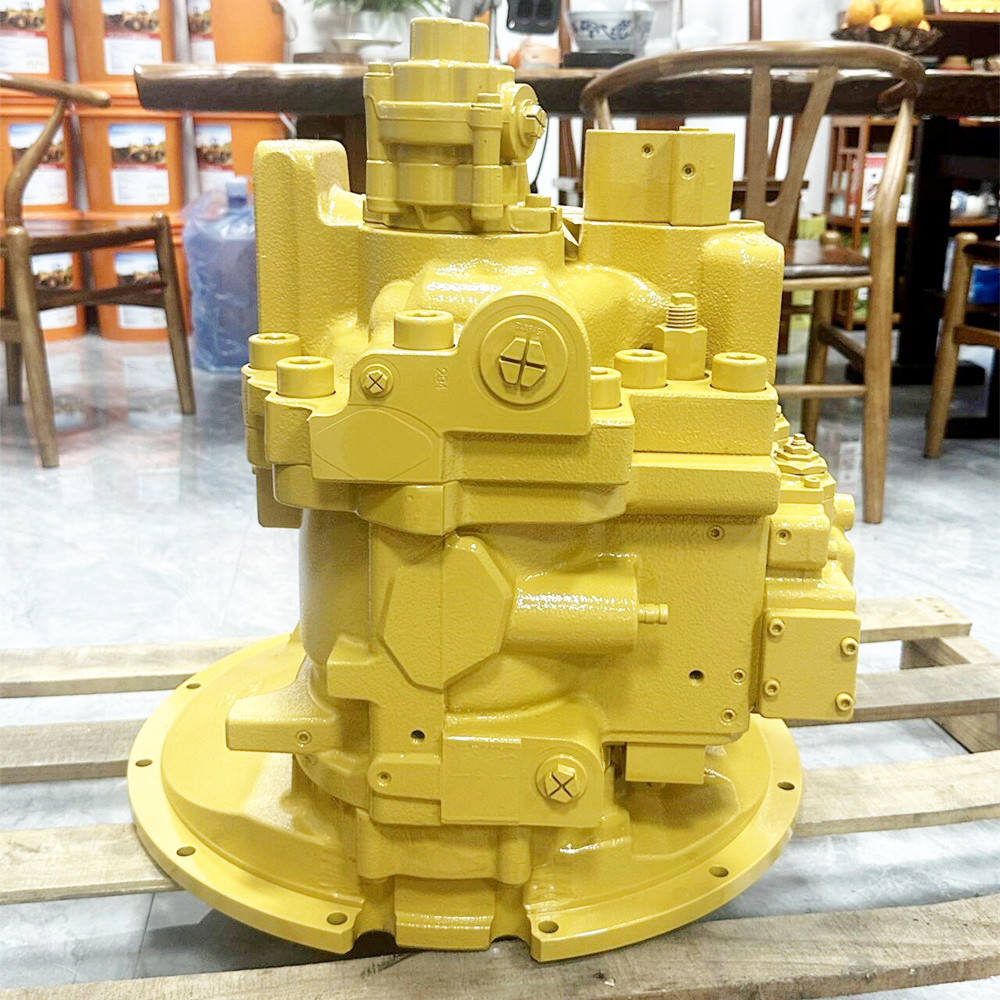
This concise, overview explains why material choices and sealing technology determine performance and total cost of ownership for heavy-duty hydraulic pumps, with a focus on excavator applications such as the CAT 336D. It highlights wear mechanisms, seal-fluid compatibility, contamination control, and selection criteria for OEM or High Quality aftermarket replacement pumps used in construction and mining environments. The guidance below supports equipment managers, technicians, and procurement teams making decisions about hydraulic pump replacement, upgrades, and preventive maintenance.
Why material selection matters in heavy-duty hydraulic pumps
Common pump materials and their properties
Hydraulic pump components are typically made from a combination of ferrous and non-ferrous materials chosen for strength, wear resistance, and compatibility with hydraulic fluid. Typical materials include:
- Carbon steels and alloy steels (for housings, shafts, gears): high strength and fatigue resistance; often nitrided or case-hardened to improve surface hardness and wear life.
- Cast iron (for some housings and gear pumps): good damping and wear resistance but heavier and less fatigue-tolerant than alloy steels.
- Bronze/brass and copper alloys (bushings and bearings): good anti-seizure behavior and compatibility with hydraulic oils.
- High-performance tool steels and surface coatings (for pistons, valve plates): used in high-pressure axial piston pumps to resist abrasive wear and galling.
How material affects performance and lifespan
Material choices directly influence these pump performance factors:
- Wear rate — harder surfaces and appropriate heat treatments slow abrasive and adhesive wear.
- Corrosion resistance — coatings and corrosion-resistant alloys maintain tolerances when water contamination or acidic breakdown products are present.
- Thermal stability — materials with good thermal conductivity and dimensional stability limit performance drift during long operating cycles.
- Compatibility with seal materials — differential thermal expansion between metal parts and elastomers can cause leaks or seal extrusion if not considered in design.
Seal technology: the unsung hero of hydraulic reliability
Types of seals used in excavator hydraulic pumps
Seals in a heavy-duty hydraulic pump include dynamic seals (shaft seals, piston seals, swashplate seals) and static seals (O-rings and flange gaskets). Common types:
- Elastomeric lip seals — for rotating shafts; require proper surface finish and lubrication.
- Piston U-cups and V-rings — used inside pistons and plungers to maintain high-pressure separation.
- O-rings and backup rings — static sealing in ports and housings; backup rings prevent extrusion at high pressures.
- Mechanical face seals (less common) — for specialized high-speed shaft applications.
Seal materials and compatibility with hydraulic fluids
Elastomer selection must match the hydraulic fluid chemistry and operating temperature range. Popular elastomers include:
- Nitrile (NBR) — economical, good resistance to mineral oils but limited high-temperature performance.
- Hydrogenated Nitrile (HNBR) — improved heat and ozone resistance; common in heavy equipment.
- Fluorocarbon (FKM/Viton) — excellent chemical and high-temperature resistance; higher cost.
- Polyurethane (AU/PU) — excellent wear resistance for dynamic seals, often used in piston seals.
Installation and maintenance to maximize seal life
Even the best seals fail if installed or maintained poorly. Best practices include:
- Use assembly tools and protect seal lips during installation to avoid nicks.
- Ensure mating surface finishes meet manufacturer tolerances (surface roughness and roundness matter).
- Maintain proper filtration and cleanliness to ISO contamination targets (see ISO 4406 guidance: ISO 4406).
- Replace backup rings when reusing elastomers in high-pressure assemblies to prevent extrusion failures.
Comparing OEM and aftermarket 336D excavator hydraulic pump options
Material and seal quality: OEM vs High Quality aftermarket
The market offers OEM CAT pumps, remanufactured cores, and High Quality aftermarket units. Key differences:
- OEM units are engineered to original specifications and often come with full technical documentation and warranty support.
- High Quality aftermarket pumps can match or exceed OEM materials and seal packages if manufactured to high-quality standards—often offering cost savings.
- Remanufactured pumps depend on the core condition and the remanufacturer's standards for replacing wear surfaces and seals.
Performance, testing standards, and warranty
Look for pumps tested for flow, leakage, noise, and endurance at rated pressures. Certifications or test reports aligned with hydraulic test standards (and internal QA procedures) give confidence. Many reputable suppliers publish test results and bench data. If warranty and parts support are priorities, OEM or authorized remanufacturers typically offer stronger coverage, while High Quality aftermarket suppliers may match or offer competitive warranties depending on build quality.
| Characteristic | OEM (CAT) | High Quality Aftermarket | Rebuilt/Reman |
|---|---|---|---|
| Base materials & treatments | Specified alloys, controlled heat treatment | Equivalent or improved alloys, optional surface coatings | Depends on core; variable |
| Seal materials | OEM elastomers suited for CAT fluids | HNBR/FKM/PU options; often upgraded | Replaced as needed; quality varies |
| Testing | Factory bench tests, traceable | Bench-tested; some publish results | Functional testing; consistency varies |
| Warranty & Support | Manufacturer warranty & dealer network | Supplier warranty; tech support varies | Limited; depends on remanufacturer |
Practical guidelines for inspection, selection, and maintenance
Checklist for evaluating a hydraulic pump
When selecting or inspecting a pump for a heavy machine like the 336D, use this checklist:
- Verify part number and fit — direct-fit pumps reduce installation time and risk of mismatched ports.
- Confirm rated pressure and displacement match machine specs.
- Ask for material and seal specifications; request test data where possible.
- Check surface finish on shafts and ports; excessive roughness shortens seal life.
- Confirm warranty terms and return policy.
Contamination control and filtration best practices
Contamination is the most common cause of hydraulic pump wear. Implement these measures:
- Follow ISO cleanliness targets for hydraulic systems and monitor using particle counters (see ISO 4406 guidance: ISO 4406).
- Use high-quality filters sized to your application (β ratios and micron ratings matter).
- Keep reservoirs sealed, use breathers with filtration, and follow clean filling procedures when changing fluids or components.
- Inspect and replace suction strainers and return-line filters on schedule.
When to replace seals and pumps
Indicators for replacing seals include persistent leakage, rising internal leakage (loss of displacement), and visible wear or hardening. Replace whole pumps when:
- Bench testing shows flow or pressure outside acceptable tolerances
- Noise and vibration indicate internal damage (pitting, gear wear, scoring)
- Repair costs approach replacement cost or core life is exceeded
336D Excavator Hydraulic Pump | Heavy Duty CAT Replacement (Product Spotlight)
Product: 336D Excavator Hydraulic Pump | Heavy Duty CAT Replacement
This CAT 336D hydraulic pump is built for power, durability, and optimal performance. It is designed to fit Caterpillar 336D excavators and is available in both OEM and high-quality aftermarket versions. Whether you're replacing a damaged pump or upgrading your hydraulic system, this part ensures long-lasting and reliable operation in demanding construction environments.
- ✔️ Direct fit for CAT 336D excavators
- ✔️ Available in OEM or High Quality aftermarket
- ✔️ High-pressure performance for heavy-duty operations
- ✔️ Smooth and efficient hydraulic flow
- ✔️ Rigorously tested for quality and durability
- ✔️ Global shipping and responsive support
References and further reading
For additional technical context and standards, see:
- Hydraulic pump — Wikipedia
- Hydraulics — Wikipedia
- ISO 4406 — Hydraulic fluid contamination coding (ISO)
- SKF — Hydraulic seals and guidance
- Caterpillar — Excavators (product information)
Frequently Asked Questions (FAQ)
Q: How do I know if my hydraulic pump seals are failing?
A: Look for external leaks, increased system temperature, reduced actuator speed under load, and loss of system pressure or flow (internal leakage). Vibration and unusual noise on start-up can also indicate internal wear. If you suspect seal failure, perform a pressure/flow bench test and visual inspection before deciding between seal replacement or full pump replacement.
Q: Are aftermarket 336D hydraulic pumps reliable?
A: Quality varies. High Quality aftermarket pumps that disclose material specs, use HNBR or polyurethane seals, and provide bench test data can be as reliable as OEM units. Verify supplier reputation, testing protocols, and warranty terms before purchasing.
Q: Which seal material is best for construction excavators?
A: HNBR and polyurethane are common choices for construction equipment due to their combination of heat resistance and wear performance. FKM (Viton) is preferred where high temperature or aggressive fluids are present. Seal selection should match hydraulic fluid type and maximum operating temperature.
Q: How often should I change hydraulic fluid and filters to protect the pump?
A: Change filters according to manufacturer recommendations and monitor cleanliness with particle counters to maintain ISO 4406 targets appropriate for the pump and servo valves in your system. Fluid changes depend on condition monitoring—typically every 1,000–2,000 hours in severe environments, but always follow the machine manufacturer’s guidance and oil analysis results.
Q: Can surface coatings extend pump life?
A: Yes. Surface coatings (nitriding, hard chrome plating, specialized PVD coatings) and advanced treatments can reduce abrasive wear and corrosion. They are particularly beneficial on high-wear sliding and rolling surfaces in axial piston pumps.
Need to evaluate or buy a reliable replacement? Contact our support team for application-specific guidance or view the product page for the 336D Excavator Hydraulic Pump | Heavy Duty CAT Replacement. Our specialists can provide fitment confirmation, material and seal specifications, test reports, and shipping options.
Tags
kubota v2403 engine specs
kubota v2403 engine specs
Carter C2.4 diesel engine
Carter C2.4 diesel engine
Caterpillar C18 engine
Caterpillar C18 engine
QSB6.7 diesel engine
QSB6.7 diesel engine
Caterpillar C3.3B engine
Caterpillar C3.3B engine
diesel engine engine
diesel engine engine
Recommended for you
Choosing the Right Excavator Hydraulic Pump for Your Model
Excavator Hydraulic Pump Replacement Cost Guide
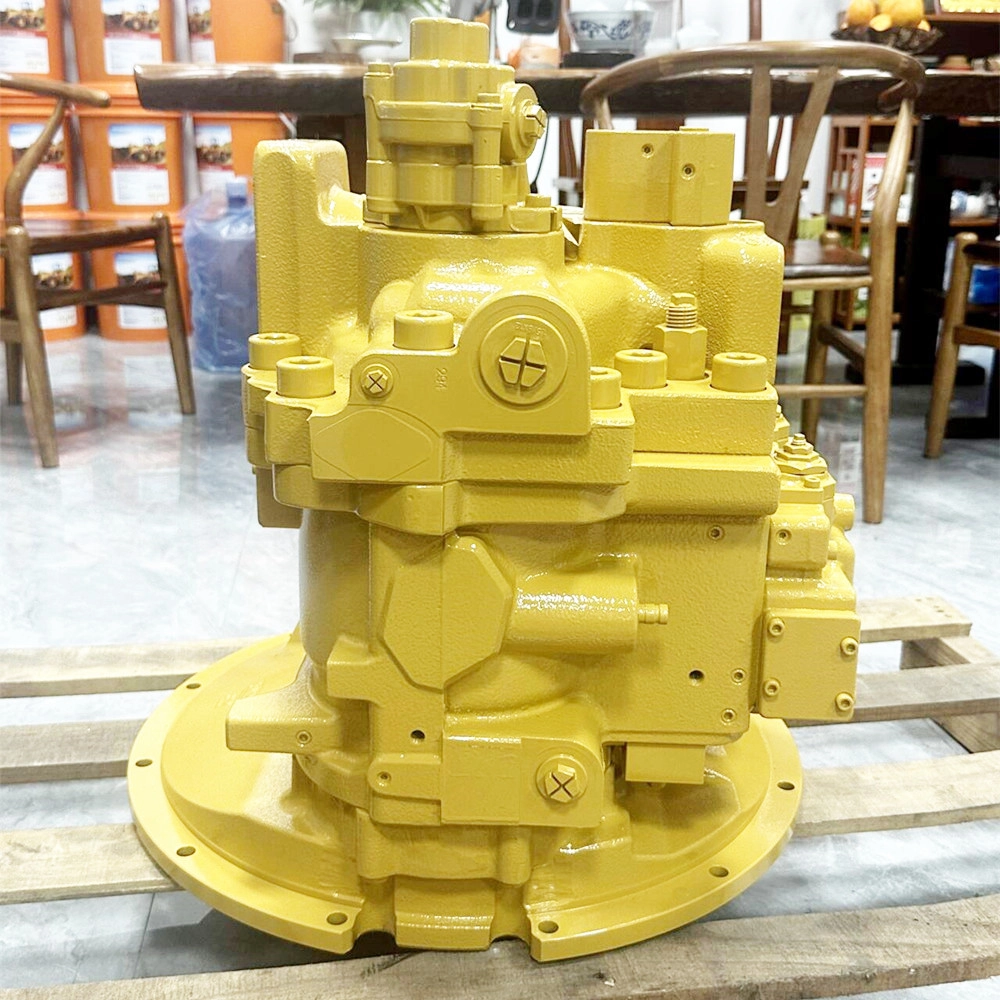
Supplier Evaluation: Heavy Duty CAT Replacement Pumps
Hydraulic Pump Noise: Causes and How to Fix It
Prdoucts Categories
Question you may concern
FAQ
How do I know which parts I need for my excavator?
If you are unsure which parts are needed, our knowledgeable customer support team can assist you. You can provide us with your excavator model and any relevant details, and we will help you identify the correct parts.
Do you provide installation services for your parts?
While we do not offer installation services directly, we can recommend qualified professionals or resources to assist you with the installation of our parts. Our customer support team can provide guidance on finding local service providers.
What is your shipping policy?
We offer a variety of shipping options to meet your needs. Orders are typically processed within [insert processing time] days, and delivery times may vary based on your location. We will provide you with tracking information once your order has shipped.
Are your parts compatible with all excavator brands?
JELXEL strives to offer parts compatible with a wide range of excavator brands and models. However, we recommend checking the product specifications or consulting with our team to ensure compatibility with your specific excavator.
Can I return or exchange parts if I change my mind?
Yes, we accept returns and exchanges within [insert return period, e.g., 30 days] of purchase. The items must be unused and in their original packaging. Please contact our customer service team to initiate a return or exchange.
You may also like
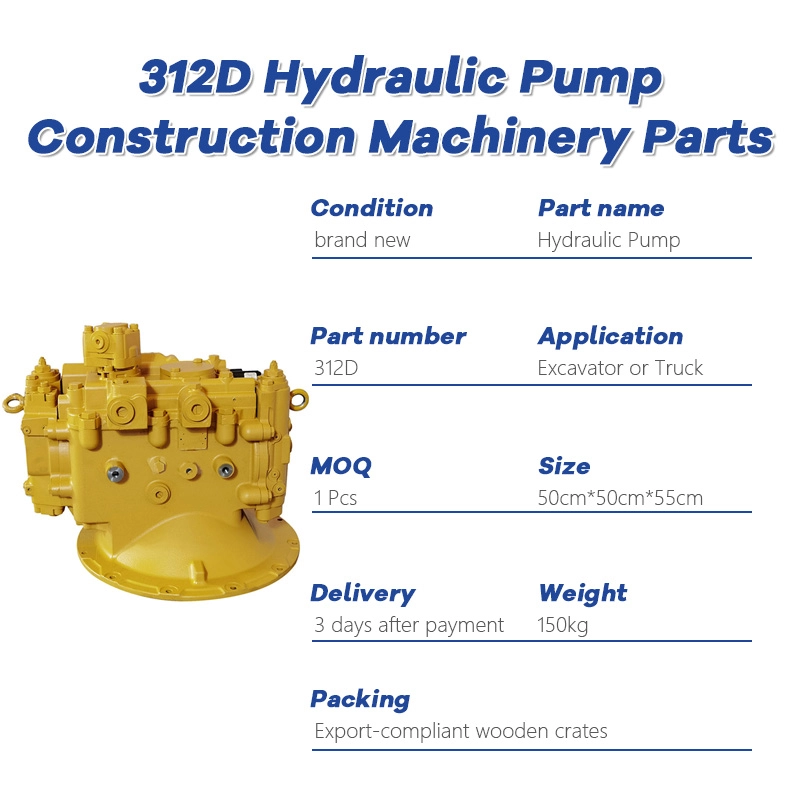
Excavator Hydraulic Pump for CAT 312D | Fast Shipping
Get your high-quality JELXEL CAT 312D hydraulic pump! Engineered for durability and peak performance, this essential 312D hydraulic pump ensures your excavator runs efficiently. Benefit from our fast shipping to minimize downtime. Choose JELXEL for reliable, high-quality solutions for your CAT 312D.
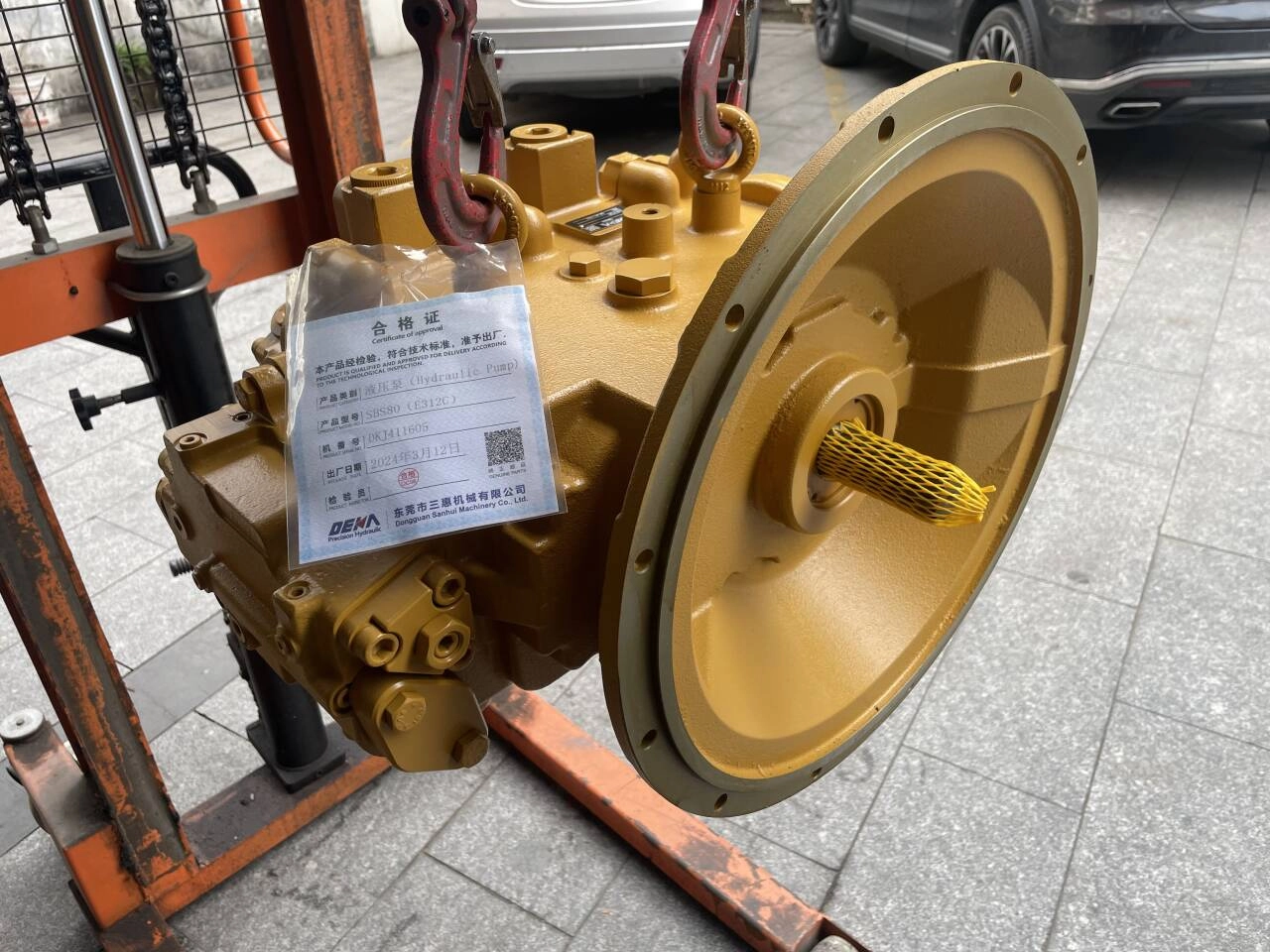
New CAT 312C Hydraulic Main Pump | Compatible Excavator Parts
JELXEL’ New CAT 312C Hydraulic Main Pump delivers reliable performance for your excavator. Engineered for durability, this Caterpillar 312C hydraulic pump ensures seamless compatibility and optimal efficiency.
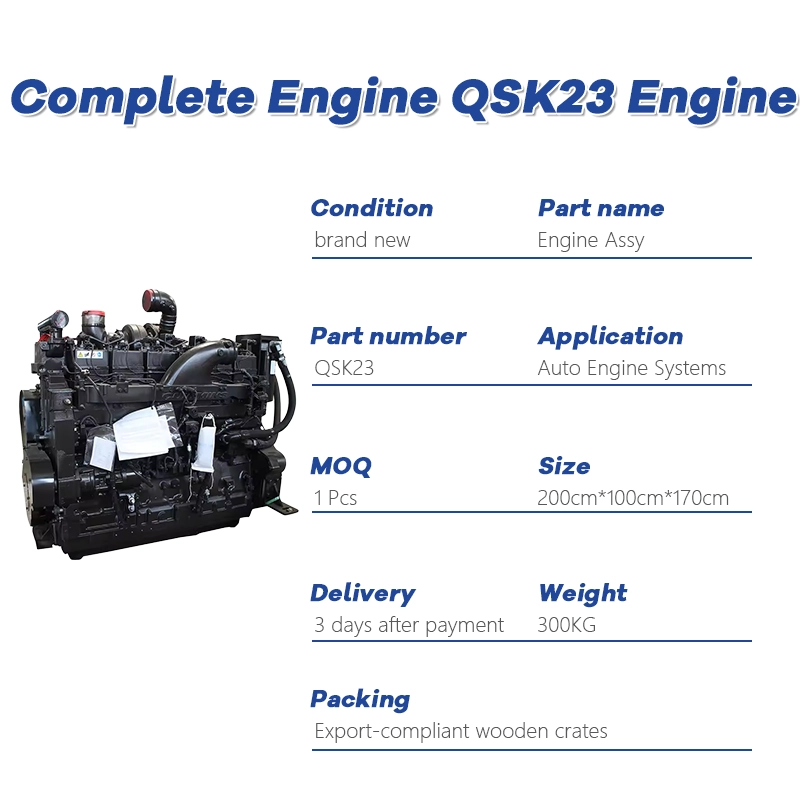
QSK23 Excavator Engine Assembly | Reliable & Efficient Performance
Discover the high-performance QSK23 Excavator Engine Assembly by JELXEL, designed for reliable and efficient excavation. Ideal QSK23 engine parts for excavators, this engine assembly delivers durability and power. Explore our engine assembly for sale to boost your machinery’s performance today.
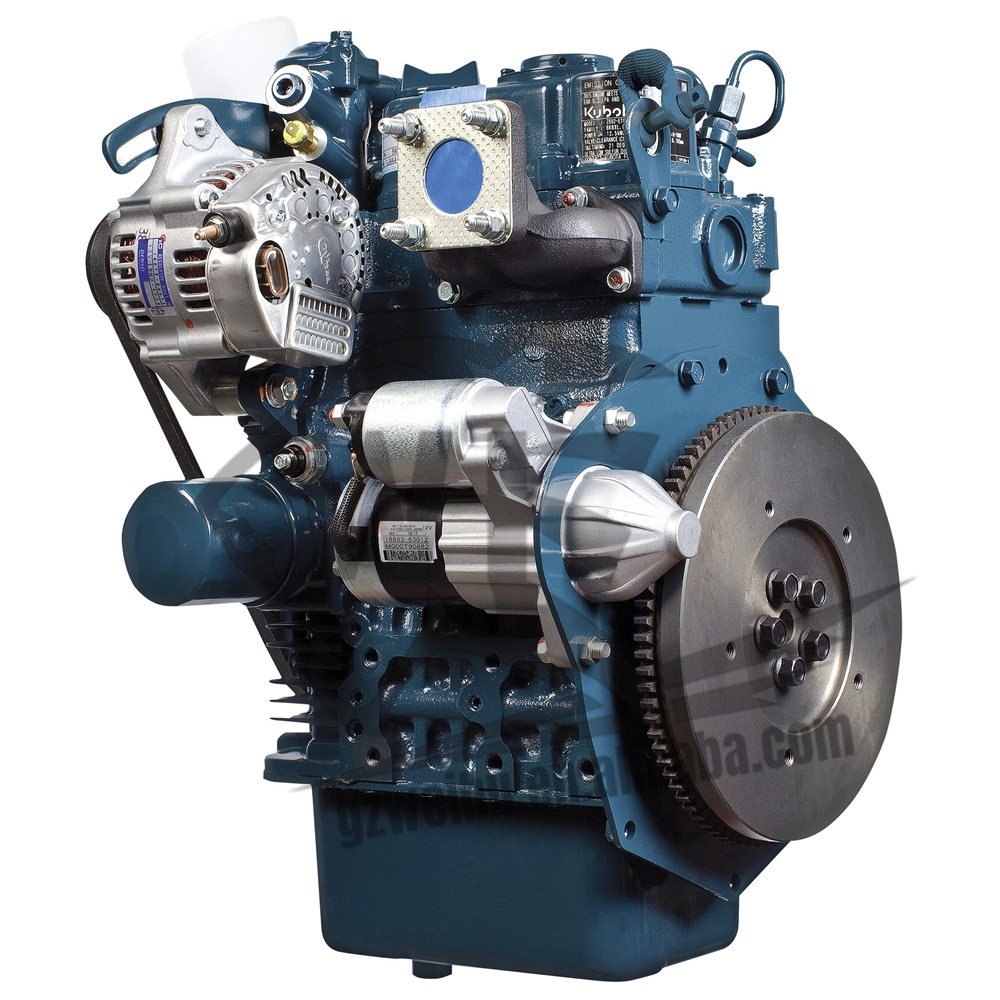
D722 Excavator Engine Replacement | Boost Your Excavator’s Power
Upgrade your excavator's performance with the JELXEL D722 Excavator Engine Replacement. Buy D722 excavator engine now to enhance power and efficiency. Excavator D722 Engine for Sale, designed for durability and smooth operation. Boost your excavator’s power today!
Get in touch with us
If you have any comments or good suggestions, please leave us a message, later our professional staff will contact you as soon as possible.
To be a happy enterprise in the field of engineering equipment.
JELXEL delivers efficient and reliable service at each stage to meet the customer's needs.