

jackhuang5919@gmail.com
Hydraulic Pump Noise: Causes and How to Fix It
A practical guide to diagnosing and fixing hydraulic pump noise. Learn common causes—cavitation, aeration, wear, relief valve chatter—step-by-step fixes, preventive maintenance, and parts recommendations from JELXEL to reduce downtime and extend pump life.
- Introduction: Why Hydraulic Pump Noise Matters for Excavator Parts
- Understanding the Impact of Hydraulic Pump Noise
- Common Causes of Hydraulic Pump Noise and Quick Checks
- Cavitation: Inlet Starvation and Noise
- Aeration: Air Entrained in Fluid
- Relief Valve Chatter
- Mechanical Wear: Bearings, Shafts, or Internal Wear
- Mounting Resonance and Loose Connections
- How to Diagnose Hydraulic Pump Noise: A Step-by-Step Approach
- 1. Safety and Baseline Measurements
- 2. Visual and Fluid Checks
- 3. Suction and Return Line Inspection
- 4. Component Isolation
- How to Fix Hydraulic Pump Noise: Practical Solutions
- Fixing Cavitation
- Resolving Aeration
- Correcting Relief Valve Chatter
- Repairing Mechanical Wear
- Addressing Mounting and Resonance
- Comparison Table: Causes vs. Symptoms vs. Fixes
- Preventive Maintenance to Keep Noise Low
- JELXEL Advantage: Parts, R&D, and Support
- When to Repair vs. When to Replace
- Conclusion: Reduce Noise, Increase Reliability
- Frequently Asked Questions
Introduction: Why Hydraulic Pump Noise Matters for Excavator Parts
Hydraulic pump noise is more than an annoyance—it's often an early warning sign of reduced efficiency, accelerated wear, or imminent failure in excavator hydraulic systems. For fleet managers, technicians, and owners, identifying and fixing pump noise quickly reduces downtime and repair costs. This guide explains the common causes of hydraulic pump noise and provides practical, step-by-step fixes you can apply using standard diagnostics and quality replacement parts from JELXEL.
Understanding the Impact of Hydraulic Pump Noise
Noise in hydraulic systems can indicate problems that affect performance, fuel consumption, and component life. OSHA sets workplace exposure limits (85 dBA for an 8-hour shift), and hydraulic systems commonly produce sound levels between about 70–100 dBA depending on load and enclosure. Persistent noise often correlates with cavitation, aeration, relief valve issues, or mechanical wear—each of which requires different remedies.
Common Causes of Hydraulic Pump Noise and Quick Checks
Below are the typical causes of hydraulic pump noise with quick diagnostic checks you can perform on-site to narrow the problem.
Cavitation: Inlet Starvation and Noise
Cause: Cavitation occurs when vapor bubbles form at the pump inlet due to low pressure and collapse inside the pump. The collapse causes a distinct metallic, knocking noise and can severely damage pump surfaces.Quick check: Inspect suction lines for restrictions, collapsed hoses, clogged filters, and low fluid level. Check pump inlet fittings for air leaks.
Aeration: Air Entrained in Fluid
Cause: Air drawn into the hydraulic fluid creates a frothy mixture that compresses and decompresses, causing a soft, choppy noise and reduced system responsiveness.Quick check: Look for foam in the reservoir, loose fittings at the suction side, or leaking return lines depositing air into the tank.
Relief Valve Chatter
Cause: Rapid firing of an improperly adjusted or worn relief valve produces a repetitive ticking or rattling noise under certain loads.Quick check: Monitor noise during load changes; if noise spikes when pressure reaches a setpoint, the relief valve may be involved.
Mechanical Wear: Bearings, Shafts, or Internal Wear
Cause: Worn bearings, shafts, or internal gears can generate grinding, whining, or growling sounds that get worse with time.Quick check: Note whether noise increases with pump speed or load consistency. Inspect for metal particles in the filter or reservoir.
Mounting Resonance and Loose Connections
Cause: Poorly mounted pumps or loose fittings amplify noise and transmit vibration to the frame.Quick check: Feel for vibration at mounts, check bolt torque, and confirm isolation mounts are intact.
How to Diagnose Hydraulic Pump Noise: A Step-by-Step Approach
Systematic diagnosis saves time and prevents unnecessary parts replacement. Follow these steps to identify the root cause:
1. Safety and Baseline Measurements
Start with safety—lockout, depressurize, and wear hearing protection. Record operating conditions: load, engine speed, fluid temperature, and fluid level. If available, measure sound level with a dBA meter and note when noise occurs.
2. Visual and Fluid Checks
Inspect reservoir fluid for foam, contamination, and degradation. Check for metal particles in return-line filters. Replace or analyze fluid if contamination or significant oxidation is present.
3. Suction and Return Line Inspection
Look for collapsed suction hoses, kinks, or clogged inlet strainers. Verify suction fittings are airtight; pressurized air leaks can be subtle but audible.
4. Component Isolation
Isolate the pump by substituting a known-good pump or using system bypass (if safe) to determine if noise is pump-internal or system-induced. Swap couplings or mount the pump on a temporary resilient mount to test for resonance.
How to Fix Hydraulic Pump Noise: Practical Solutions
After diagnosing the likely cause, apply targeted fixes. Below are pragmatic solutions you can implement in the field or shop.
Fixing Cavitation
- Increase Net Positive Suction Head Available (NPSHa): shorten suction lines, reduce bends, and eliminate restrictions.- Use correctly sized suction hoses and ensure internal diameter meets pump OEM recommendations.- Lower fluid temperature if high heat is reducing NPSHa.- Replace clogged inlet strainers and ensure tank return flow doesn't splash into the inlet.
Resolving Aeration
- Tighten or replace suction and return fittings to stop air ingress.- Repair or replace damaged return lines that entrain air into the tank.- Fit a proper fill cap with breather, and install a low-foaming hydraulic fluid if appropriate.
Correcting Relief Valve Chatter
- Adjust relief setting to manufacturer specs and confirm stable pressure transitions.- Replace worn valve spools, springs, or cartridges causing instability.- Install a pilot-operated relief or damping orifice to smooth pressure changes.
Repairing Mechanical Wear
- Inspect for bearing play and replace bearings or shafts per OEM intervals.- If internal wear (gears, vanes) is suspected, rebuild or replace the pump.- Use high-quality replacement parts to restore clearances and reduce noise.
Addressing Mounting and Resonance
- Tighten mounting bolts to recommended torque and replace missing isolators.- Add vibration dampers or rubber mounts to reduce transmitted noise.- Re-route hydraulic lines away from panels and cabins to limit noise coupling.
Comparison Table: Causes vs. Symptoms vs. Fixes
Use this quick-reference table to match symptoms with probable causes and fixes.
| Symptom | Likely Cause | Recommended Fix |
|---|---|---|
| Sharp metallic knocking | Cavitation (inlet starvation) | Check suction line, increase NPSHa, replace clogged strainer |
| Soft, choppy noise; poor response | Aeration (air in fluid) | Tighten fittings, repair return lines, degas reservoir |
| Repeated ticking under load | Relief valve chatter | Adjust or replace valve, add damping orifice |
| Grinding or whining that worsens | Mechanical wear (bearings/gears) | Inspect internals, replace worn parts or pump |
| High vibration, amplified noise | Mounting resonance | Secure mounts, add isolation pads/dampers |
Preventive Maintenance to Keep Noise Low
Regular maintenance reduces the chance of noisy failure modes. Key practices include scheduled fluid analysis, filter changes at OEM intervals, checking suction and return lines for wear, verifying relief valve settings, and performing vibration checks during routine inspections. Documenting noise trends helps identify degradation before failure.
JELXEL Advantage: Parts, R&D, and Support
JELXEL serves as a reliable partner for global clients in the excavator spare parts sector. We provide a comprehensive selection of excavator hydraulic pumps, relief valves, bearings, seals, and other critical components. With an emphasis on quality, cost-effectiveness, and timely delivery, JELXEL supports businesses by ensuring the availability of parts required to reduce downtime and keep machinery running smoothly.Our R&D and technical teams focus on durable, efficient parts that meet industry standards and often improve noise and longevity when used during rebuilds or replacements.
When to Repair vs. When to Replace
Small issues—contaminated fluid, minor leak-induced aeration, or loose mounts—are typically repairable in the field. However, pumps with extensive internal wear, severe cavitation damage, or chronic relief valve instability usually require a rebuild or replacement. If metal particles are present in filters or the pump’s efficiency has noticeably dropped, replacement with a quality JELXEL unit will often be the most cost-effective long-term solution.
Conclusion: Reduce Noise, Increase Reliability
Hydraulic pump noise is a clear indicator of system health. By using a structured diagnostic approach—checking suction conditions, fluid integrity, valve behavior, and mechanical wear—you can identify the root cause and apply targeted fixes. Preventive maintenance and high-quality replacement parts from JELXEL will help reduce noise, extend component life, and improve excavator uptime. If you face persistent noise after basic troubleshooting, consult a qualified hydraulic technician or contact JELXEL for parts and technical support.
Frequently Asked Questions
Q: What is the most common cause of hydraulic pump noise?A: The most common causes are cavitation (inlet starvation) and aeration (air in the fluid). Both create distinctive noises and reduce pump life. Inspect suction lines and reservoir conditions first.Q: Can changing hydraulic oil reduce pump noise?A: Yes. Using the correct viscosity fluid, replacing contaminated fluid, and using low-foaming additives when appropriate can reduce noise and improve performance.Q: How do I know if my pump needs replacement?A: Replace the pump if internal wear causes persistent noise, metal contamination is found in filters, efficiency drops significantly, or repeated repairs fail to resolve the issue.Q: Are there quick field fixes to stop noise immediately?A: Quick fixes include tightening suction fittings, replacing collapsed hoses, changing clogged filters, topping up fluid (with correct type), and adding temporary vibration isolation—these can reduce noise until a full repair is done.Q: Does mounting affect pump noise?A: Yes. Poor mounting or missing isolation pads amplifies noise and transmits vibration. Proper mounting and using anti-vibration pads can significantly reduce noise levels.Q: Can JELXEL supply noisy-pump replacement parts?A: JELXEL offers quality replacement pumps, relief valves, bearings, seals, and other parts designed to restore performance and reduce noise. Contact JELXEL for part selection and technical support.
Tags
Cummins B5.9 marine engine
Cummins B5.9 marine engine
d902 kubota engine for sale
d902 kubota engine for sale
QSK23 engine assembly
QSK23 engine assembly
excavator pump
excavator pump
S4Q2 engine overhaul kit
S4Q2 engine overhaul kit
Caterpillar 312C hydraulic pump
Caterpillar 312C hydraulic pump
Recommended for you
Preventive Maintenance Schedule for Excavator Engines
Top 10 Excavator Engine Brands for Commercial Construction Projects
Selecting the Right Flow and Pressure for DX65 Pump
Total Cost of Ownership: Excavator Hydraulic Pump for Fleet Managers
Prdoucts Categories
Question you may concern
FAQ
What types of excavator parts do you offer?
JELXEL provides a comprehensive range of excavator parts, including but not limited to buckets, hydraulic components, undercarriage parts, and engine components. Our goal is to be your one-stop solution for all excavator needs.
How can I place an order?
You can place an order through our user-friendly online platform or by contacting our sales team directly. Simply browse our catalog, select the parts you need, and follow the checkout process to complete your order.
Are your parts compatible with all excavator brands?
JELXEL strives to offer parts compatible with a wide range of excavator brands and models. However, we recommend checking the product specifications or consulting with our team to ensure compatibility with your specific excavator.
How do I know which parts I need for my excavator?
If you are unsure which parts are needed, our knowledgeable customer support team can assist you. You can provide us with your excavator model and any relevant details, and we will help you identify the correct parts.
Do you offer bulk purchasing options?
Yes, we offer competitive pricing for bulk orders. If you are interested in purchasing large quantities of parts, please contact our sales team to discuss your requirements and receive a customized quote.
You may also like
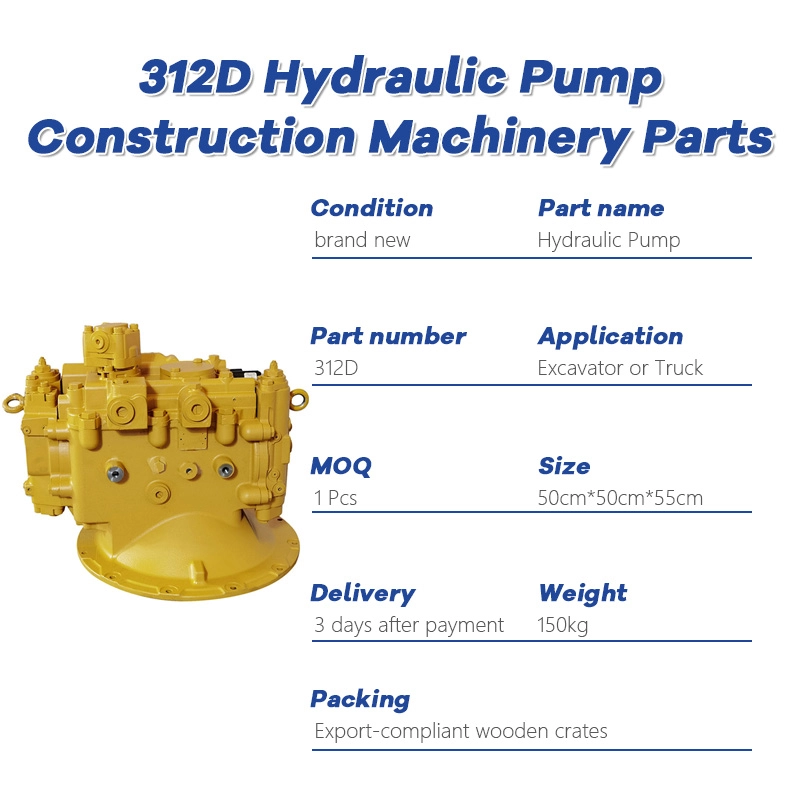
Excavator Hydraulic Pump for CAT 312D | Fast Shipping
Get your high-quality JELXEL CAT 312D hydraulic pump! Engineered for durability and peak performance, this essential 312D hydraulic pump ensures your excavator runs efficiently. Benefit from our fast shipping to minimize downtime. Choose JELXEL for reliable, high-quality solutions for your CAT 312D.
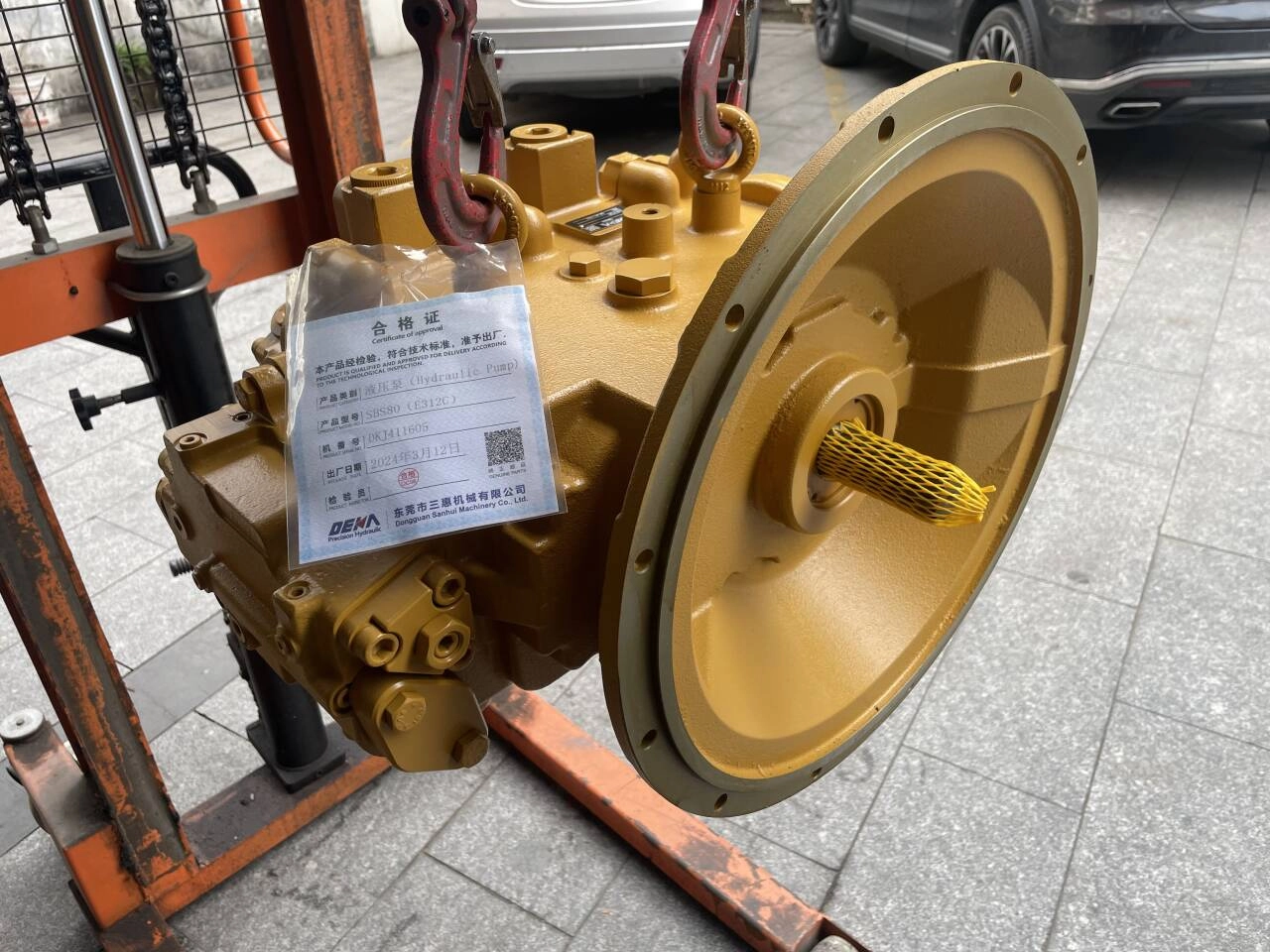
New CAT 312C Hydraulic Main Pump | Compatible Excavator Parts
JELXEL’ New CAT 312C Hydraulic Main Pump delivers reliable performance for your excavator. Engineered for durability, this Caterpillar 312C hydraulic pump ensures seamless compatibility and optimal efficiency.
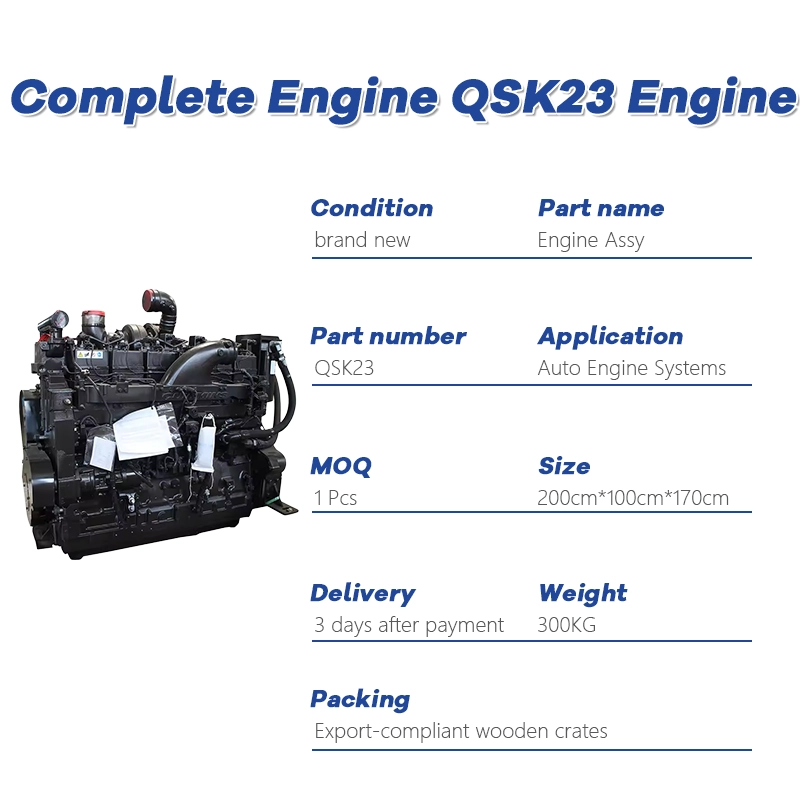
QSK23 Excavator Engine Assembly | Reliable & Efficient Performance
Discover the high-performance QSK23 Excavator Engine Assembly by JELXEL, designed for reliable and efficient excavation. Ideal QSK23 engine parts for excavators, this engine assembly delivers durability and power. Explore our engine assembly for sale to boost your machinery’s performance today.
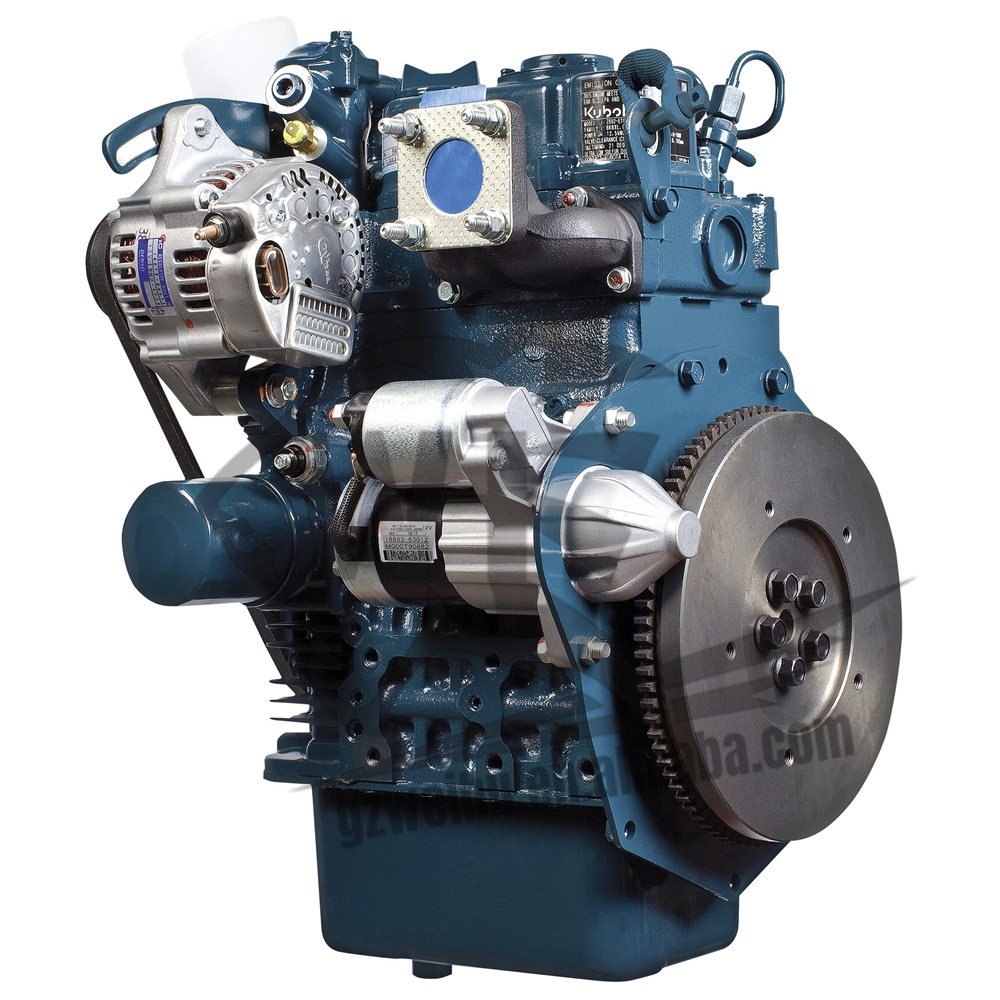
D722 Excavator Engine Replacement | Boost Your Excavator’s Power
Upgrade your excavator's performance with the JELXEL D722 Excavator Engine Replacement. Buy D722 excavator engine now to enhance power and efficiency. Excavator D722 Engine for Sale, designed for durability and smooth operation. Boost your excavator’s power today!
Get in touch with us
If you have any comments or good suggestions, please leave us a message, later our professional staff will contact you as soon as possible.
To be a happy enterprise in the field of engineering equipment.
JELXEL delivers efficient and reliable service at each stage to meet the customer's needs.