

jackhuang5919@gmail.com
Hydraulic Pump Calibration and Testing Procedures 2026
Comprehensive, practical guide to hydraulic pump calibration and testing in 2026. Covers preparation, bench and field tests, tools, acceptance criteria, troubleshooting, digital trends (IIoT, data logging) and standards. Includes recommended test ranges, a comparison table, JELXEL partner overview, FAQs and contact CTA.
- Why Precise Hydraulic Pump Calibration Matters in 2026
- Types of Hydraulic Pumps and Calibration Implications
- Preparation: Safety, Cleanliness and Documentation
- Essential Tools and Digital Test Equipment
- Step-by-Step Calibration Procedure for Hydraulic Pumps
- 1) Baseline Visual and Mechanical Check
- 2) Static Pressure and Seal Test
- 3) Flow Calibration at Multiple Points
- 4) Volumetric and Mechanical Efficiency Tests
- 5) Internal Leakage Measurement
- 6) Pressure Rise, Relief Valve and Control Response
- 7) Noise, Vibration and Temperature Profiling
- Bench Testing vs. Field Commissioning for Excavator Systems
- Field Test Checklist (Excavator-specific)
- Acceptance Criteria and Typical Test Ranges
- Troubleshooting Common Faults and Root Causes
- Data Logging, Traceability and Standards in 2026
- JELXEL: Supplier Partnership and Parts Support
- JELXEL Key Advantages & Products
- FAQ — Hydraulic Pump Calibration and Testing (2026)
- 1. How often should a hydraulic pump be calibrated?
- 2. Can a pump be fully tested in the field or is a bench test mandatory?
- 3. What are acceptable leakage values for hydraulic pumps?
- 4. How does fluid contamination affect pump calibration?
- 5. What digital tools deliver the best ROI for pump testing?
- 6. What acceptance document should I keep after testing?
- Contact, Consultation and Product Inquiry
- References
Why Precise Hydraulic Pump Calibration Matters in 2026
Hydraulic pump performance directly affects excavator uptime, fuel efficiency, and operator safety. Accurate hydraulic pump calibration and thorough testing reduce unexpected downtime, extend system life, and ensure components such as actuators and valves operate within design parameters. In 2026, with increased pressure on emission, fuel economy and lifecycle costs, calibration is no longer a “nice-to-have” — it’s integral to reliability and regulatory compliance.
Types of Hydraulic Pumps and Calibration Implications
Different pump technologies (gear, vane, axial piston, and radial piston) require tailored calibration workflows. For example, axial piston pumps typically demand higher pressure testing (200–350 bar) and tighter volumetric efficiency verification than gear pumps, while gear pumps may emphasize leak path detection and mechanical wear checks. Understanding type-specific behavior helps define acceptable tolerances for flow, pressure, leakage and efficiency during both bench and field testing.
Preparation: Safety, Cleanliness and Documentation
Before starting any calibration or test sequence, complete the following preparation steps:
- Lockout/tagout and depressurize the hydraulic circuit.
- Use clean-room practices for ports and fluid connections to maintain ISO 4406 cleanliness targets.
- Verify fluid viscosity and temperature are within test specification (typical test reference: 40 °C and ISO VG46 unless otherwise specified by manufacturer).
- Collect serial numbers, previous test reports and maintenance history for traceability.
- Ensure calibrated measurement equipment (flow meters, pressure gauges, temperature sensors) has current calibration certificates.
Essential Tools and Digital Test Equipment
Modern calibration combines traditional bench tools with digital instruments. Essential items include:
- High-precision flow meters (turbine or calorimetric) with ±1–2% accuracy.
- Electronic pressure transducers with traceable calibration (±0.25–0.5% FS).
- Torque sensors for drive coupling checks.
- Data acquisition systems (DAQ) and IIoT modules for time-synced logging of pressure, flow, temperature and vibration.
- Thermal imaging and ultrasonic leak detectors for non-invasive fault detection.
Using digital logging allows trending and future validation — critical for warranty claims and reliability programs.
Step-by-Step Calibration Procedure for Hydraulic Pumps
This procedure applies to bench and field calibration for hydraulic pumps used in heavy equipment such as excavators. Always consult the pump manufacturer’s service manual for model-specific limits.
1) Baseline Visual and Mechanical Check
Inspect shaft, mounting flange, drive coupling and ports. Check for scoring, corrosion or play in bearings. Replace seals or bearings before calibration if obvious wear is found.
2) Static Pressure and Seal Test
Pressurize the pump housing and associated external circuits to the recommended test pressure (typically 1.1× operating pressure) while monitoring for external leaks. For axial piston pumps, apply pressures up to the rated relief pressure (200–350 bar depending on model) and hold for 5–10 minutes to observe leaks and temperature rise.
3) Flow Calibration at Multiple Points
Measure pump flow at low, mid and maximum displacement settings. Recommended calibration points: 25%, 50%, 75% and 100% of rated displacement. Use a calibrated flow meter and log steady-state readings after temperature stabilizes. Acceptance typically requires flow accuracy within ±3–5% of the expected value for gear pumps and ±1–3% for piston pumps (verify manufacturer spec).
4) Volumetric and Mechanical Efficiency Tests
Volumetric efficiency (%) = (measured output flow / theoretical displacement flow) × 100. Mechanical efficiency is determined by coupling input torque and rotational speed versus hydraulic power. High-quality axial piston pumps should show volumetric efficiency often exceeding 90–95% when new; gear pumps typically range 80–92% depending on pressure and clearances.
5) Internal Leakage Measurement
With outlet blocked and pump driven at rated speed, measure internal bypass or leakage to case using a return flow meter. Acceptable leakage values vary by pump type — modern axial piston pumps: typically <50–150 ml/min at rated pressure (manufacturer dependent). Excessive leakage indicates wear or incorrect clearances.
6) Pressure Rise, Relief Valve and Control Response
Verify pressure build-up curves and relief valve setpoint. For variable-displacement pumps, test control loops (load-sensing, pressure-compensated) for hysteresis, deadband and response time. Record pressure overshoot and settling time; excessive oscillation may signal control valve problems or system compliance issues.
7) Noise, Vibration and Temperature Profiling
Use accelerometers and sound level meters to record vibration (RMS) and dB(A). Measure temperature rise in pump housing and fluid during continuous operation at rated load for 30–60 minutes. Abnormal vibration patterns or hotspots often reveal cavitation, bearing failure or misalignment.
Bench Testing vs. Field Commissioning for Excavator Systems
Bench testing provides controlled conditions to validate pump performance before installation. However, field commissioning is essential because system dynamics, mounting stiffness and connected components (valves, hoses, heat exchangers) influence real-world behavior. In-field tests should replicate operating cycles and include functional checks under typical loads (digging, swing, travel).
Field Test Checklist (Excavator-specific)
- Verify supply and return lines are correctly routed and free from restrictions.
- Confirm hydraulic fluid cleanliness and filtration are within ISO 4406 targets set by OEM.
- Run multi-mode cycle tests simulating real operational duty to spot thermal, cavitation and control interactions.
- Capture data with onboard DAQ or portable recorders to correlate pump data with valve and actuator behavior.
Acceptance Criteria and Typical Test Ranges
Below is a summary table of common test parameters and typical acceptance ranges. Values are model- and manufacturer-dependent — treat these as industry-typical baseline targets for new and serviced pumps.
| Parameter | Typical Acceptance Range | Test Method | Source |
|---|---|---|---|
| Rated Pressure | Gear: up to 210 bar; Vane: up to 210 bar; Piston: 250–350 bar | Hydraulic pressure transducer, hold test | Bosch Rexroth product specs (2024) |
| Flow Accuracy (new) | Axial piston: ±1–3%; Gear: ±3–5% | Calibrated flow meter at multiple displacements | Eaton / Manufacturer datasheets (2024) |
| Volumetric Efficiency | Piston: 90–97%; Gear: 80–92% | Measured flow vs theoretical displacement | Bosch Rexroth; Eaton (2024) |
| Internal Leakage | <50–150 ml/min at rated pressure (pump-dependent) | Return flow measurement with outlet blocked | Manufacturer service manuals (2024) |
| Temperature Rise | <30–50 °C above ambient under rated load (after stabilization) | Thermocouples / thermal imaging | Field studies & manufacturer guidance (2023–2025) |
Troubleshooting Common Faults and Root Causes
Symptoms, likely causes and immediate actions:
- Low flow or poor efficiency: worn internal clearances, contaminated fluid, incorrect viscosity. Action: inspect, clean/change fluid, check clearances.
- Overheating: high ambient load, blocked return lines, insufficient cooling. Action: verify heat exchanger, flow rate, filter condition.
- High noise / cavitation: inlet starvation, excessive inlet restrictions, high fluid vapor pressure. Action: increase inlet line diameter, add reservoir head, check filtration.
- Pressure instability / oscillation: control valve malfunction, air entrainment, compliance in lines. Action: purge air, check valve settings, stiffen lines where possible.
Data Logging, Traceability and Standards in 2026
Traceable calibration documentation is essential for warranty and regulatory compliance. Recommended best practices:
- Use DAQ with timestamped records for pressure, flow, temperature and vibration; store in secure LMS/CMMS.
- Include calibration certificates for all test instruments and a signed acceptance test report (ATR).
- Adopt contamination classification reporting to ISO 4406 levels and include particle counts where relevant.
- Where applicable, register results under the company’s digital twin or asset management platform for predictive maintenance timelines.
JELXEL: Supplier Partnership and Parts Support
JELXEL serves as a reliable partner for global clients in the excavator spare parts sector. We provide a comprehensive selection of excavator parts designed to support a variety of operational needs, whether for routine tasks or high-performance excavator systems.
With a focus on quality, cost-effectiveness, and timely delivery, JELXEL is dedicated to supporting businesses by ensuring the availability of essential parts to keep machinery running smoothly.
JELXEL places a strong emphasis on innovative R&D, continually advancing the design and performance of excavator parts. With a dedicated team of engineers and technicians, the company focuses on developing high-quality, durable, and efficient components that meet the latest industry standards.
Our vision is to be a leading excavator parts manufacturer and a pioneer in transforming the excavator industry through quality, sustainability, and innovation. We aspire to set a global standard for service and reliability in the excavator parts market, creating lasting partnerships and ensuring that our solutions contribute to the success of every project we serve.
JELXEL Key Advantages & Products
JELXEL combines manufacturing scale, quality control and R&D capabilities to support heavy-equipment operators. Key product lines include:
- Hydraulic pump: replacement units and remanufactured pumps for many excavator models, tested to meet strict volumetric and pressure criteria.
- Engine assembly: complete assemblies with tested mounts, cooling and fuel delivery components.
- Excavator engine: long-blocks and full-engine solutions optimized for durability and emissions compliance.
Competitive differentiators: controlled production processes, material traceability, test-bench validation, and global logistics capacity ensuring parts availability and fast delivery.
FAQ — Hydraulic Pump Calibration and Testing (2026)
1. How often should a hydraulic pump be calibrated?
Calibration frequency depends on duty cycle and operating environment. For critical excavator systems: initial calibration at installation, after major repairs, and annually or every 1,000–2,000 operating hours as part of a predictive maintenance program. High-contamination or high-cycle applications may require more frequent verification.
2. Can a pump be fully tested in the field or is a bench test mandatory?
Both are required for full validation. Bench tests give controlled baseline performance data; field tests validate behavior when coupled to the actual machine, under real load cycles, temperatures and system dynamics.
3. What are acceptable leakage values for hydraulic pumps?
Acceptable internal leakage varies by type and model. Typical modern axial piston pumps often measure <50–150 ml/min at rated pressure; gear pumps will usually be higher. Always use the pump manufacturer’s service limits for acceptance criteria.
4. How does fluid contamination affect pump calibration?
Contamination increases wear, leading to higher internal leakage, reduced efficiency and unpredictable control response. Calibration should be deferred until the system meets OEM-recommended cleanliness (ISO 4406) and the fluid meets viscosity/contamination specs.
5. What digital tools deliver the best ROI for pump testing?
High-value tools include calibrated flow meters, pressure transducers with digital logging, thermal imagers and portable DAQ systems that integrate into CMMS/asset platforms. IIoT modules enabling continuous condition monitoring provide the best long-term ROI by shifting from reactive to predictive maintenance.
6. What acceptance document should I keep after testing?
Maintain a signed Acceptance Test Report (ATR) including serial numbers, test instrument calibration certificates, raw logged data, test conditions (fluid type, temp), and corrective actions taken. Store digitally for trend analysis and warranty support.
Contact, Consultation and Product Inquiry
If you need on-site calibration services, test-bench validation, or replacement hydraulic pumps for excavators, contact JELXEL’ technical sales team. We provide technical consultation, custom test plans, and global logistics to support rapid spare parts replacement. Visit our product pages or request a quotation to discuss pump models, remanufacturing options, and calibration services.
References
- Bosch Rexroth — Hydraulics / Hydraulic Pumps product group. Accessed 2024-11-01. https://www.boschrexroth.com/en/xc/products/product-groups/hydraulics/hydraulic-pumps/
- Eaton — Hydraulic product information and technical resources. Accessed 2024-11-01. https://www.eaton.com/us/en-us/products/industrial-controls/hydraulics.
- Fluke — Thermal imaging and condition monitoring articles. Accessed 2025-10-20. https://www.fluke.com/en-us/learn/blog/condition-monitoring
- ISO — ISO 4406: Hydraulic fluid power — Contamination classification. Accessed 2025-10-15. https://www.iso.org/standard/59369.
- Industry technical papers and manufacturer service manuals — representative test ranges and best practices (manufacturer guidance 2023–2025).
Tags
oem diesel engine
oem diesel engine
hydraulic pumps for excavators
hydraulic pumps for excavators
Carter 320D2 C7.1 engine
Carter 320D2 C7.1 engine
Axial piston hydraulic pump
Axial piston hydraulic pump
A10V071 hydraulic pump for excavator
A10V071 hydraulic pump for excavator
cummins excavator engine for sale
cummins excavator engine for sale
Recommended for you
Best Practices for Maintaining Your Excavator Engine for Maximum Longevity
Top Signs Your Excavator Engine Needs Repair or Replacement
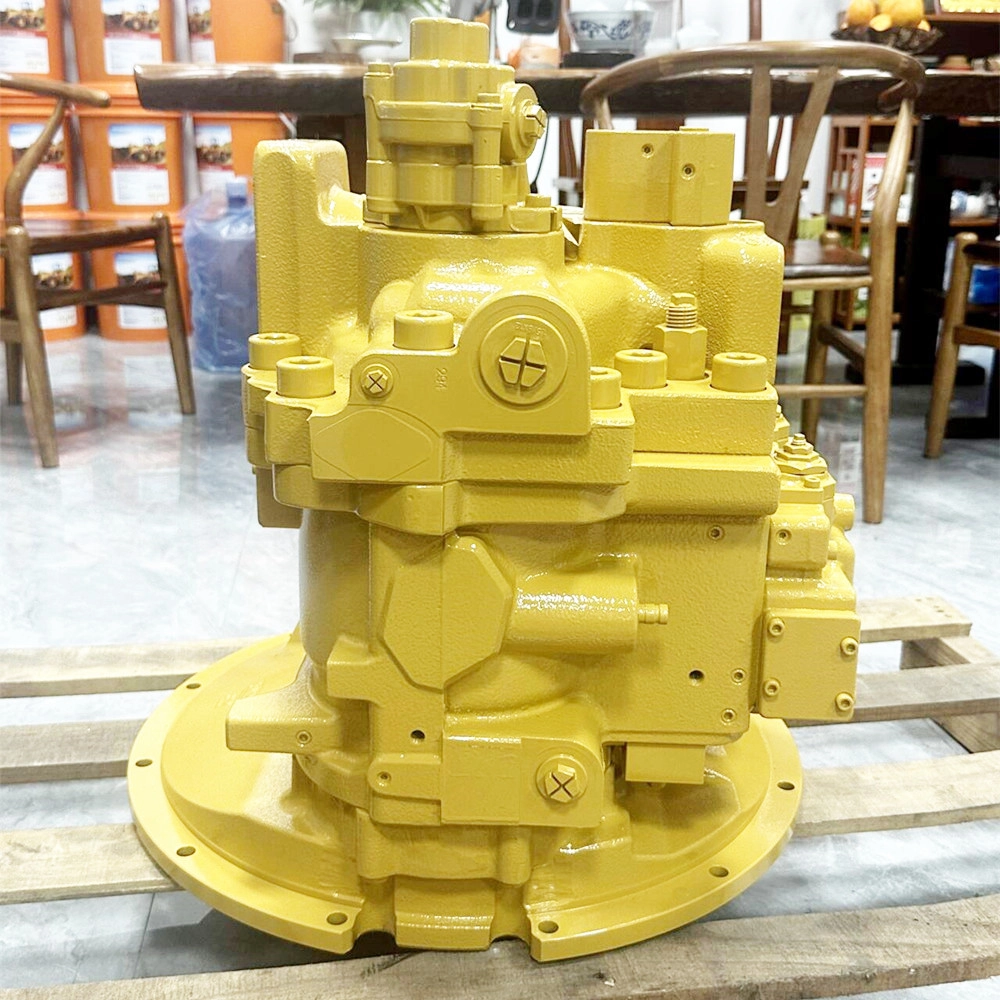
Lifecycle Cost Analysis for 336D Excavator Hydraulic Pump
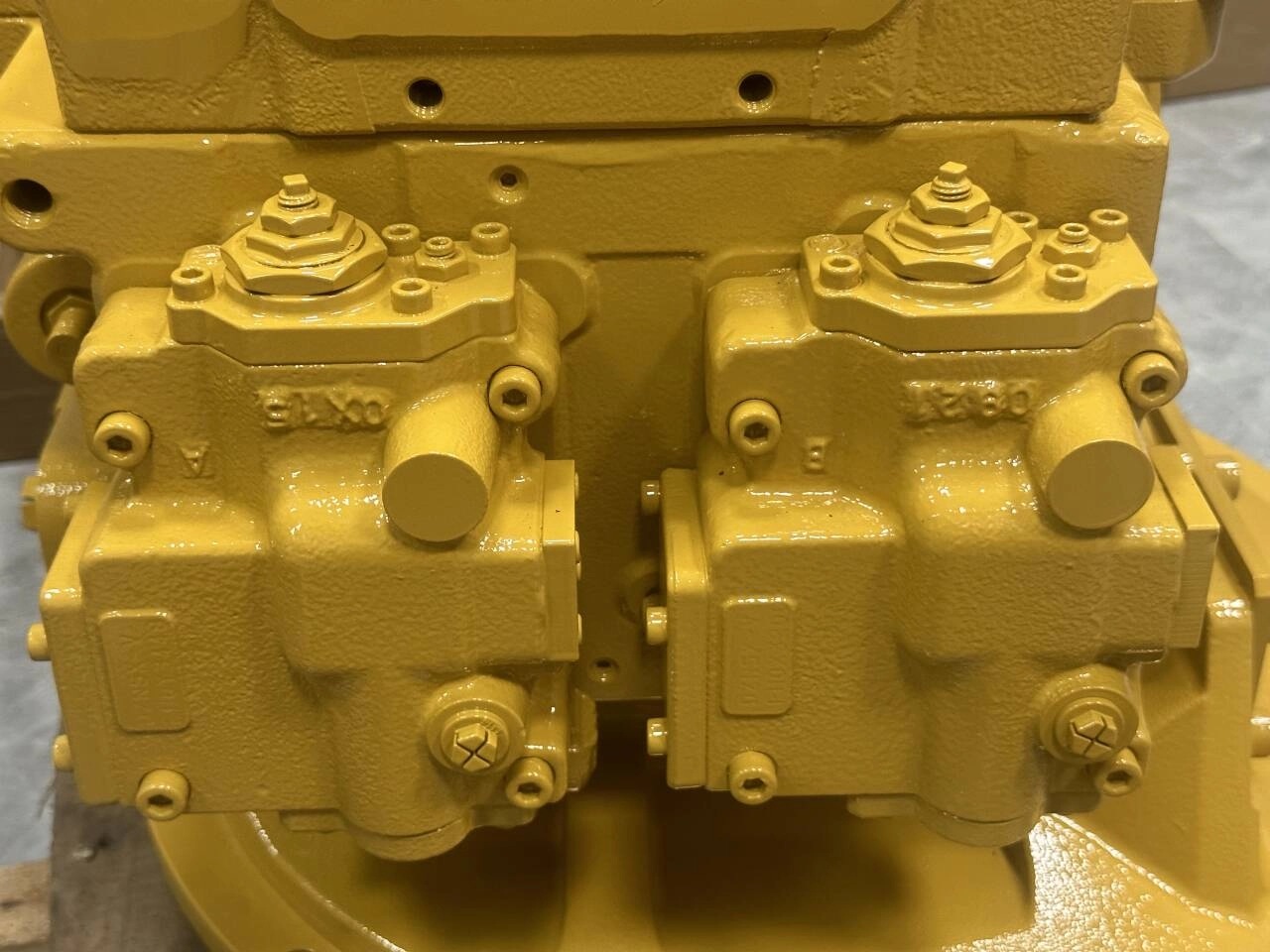
Hydraulic Pump Testing Standards Buyers Should Require
Prdoucts Categories
Question you may concern
FAQ
What types of excavator parts do you offer?
JELXEL provides a comprehensive range of excavator parts, including but not limited to buckets, hydraulic components, undercarriage parts, and engine components. Our goal is to be your one-stop solution for all excavator needs.
How do I know which parts I need for my excavator?
If you are unsure which parts are needed, our knowledgeable customer support team can assist you. You can provide us with your excavator model and any relevant details, and we will help you identify the correct parts.
Are your parts compatible with all excavator brands?
JELXEL strives to offer parts compatible with a wide range of excavator brands and models. However, we recommend checking the product specifications or consulting with our team to ensure compatibility with your specific excavator.
What is your shipping policy?
We offer a variety of shipping options to meet your needs. Orders are typically processed within [insert processing time] days, and delivery times may vary based on your location. We will provide you with tracking information once your order has shipped.
How can I place an order?
You can place an order through our user-friendly online platform or by contacting our sales team directly. Simply browse our catalog, select the parts you need, and follow the checkout process to complete your order.
You may also like
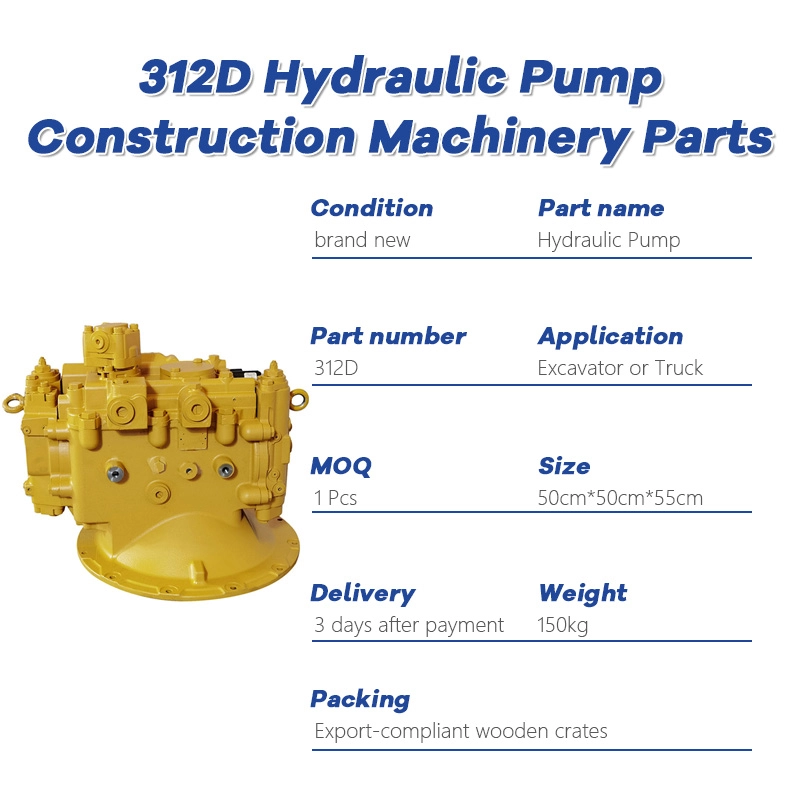
Excavator Hydraulic Pump for CAT 312D | Fast Shipping
Get your high-quality JELXEL CAT 312D hydraulic pump! Engineered for durability and peak performance, this essential 312D hydraulic pump ensures your excavator runs efficiently. Benefit from our fast shipping to minimize downtime. Choose JELXEL for reliable, high-quality solutions for your CAT 312D.
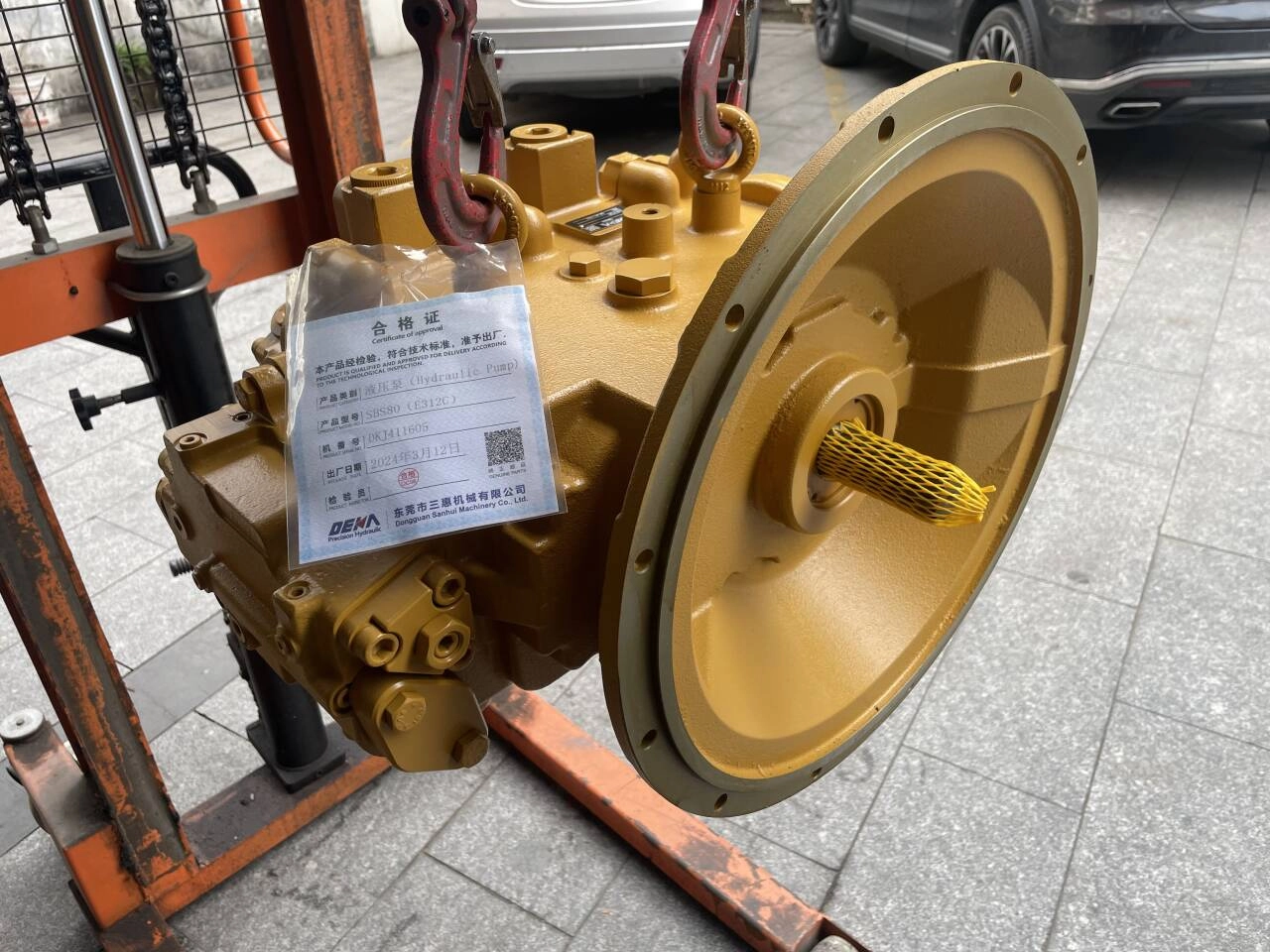
New CAT 312C Hydraulic Main Pump | Compatible Excavator Parts
JELXEL’ New CAT 312C Hydraulic Main Pump delivers reliable performance for your excavator. Engineered for durability, this Caterpillar 312C hydraulic pump ensures seamless compatibility and optimal efficiency.
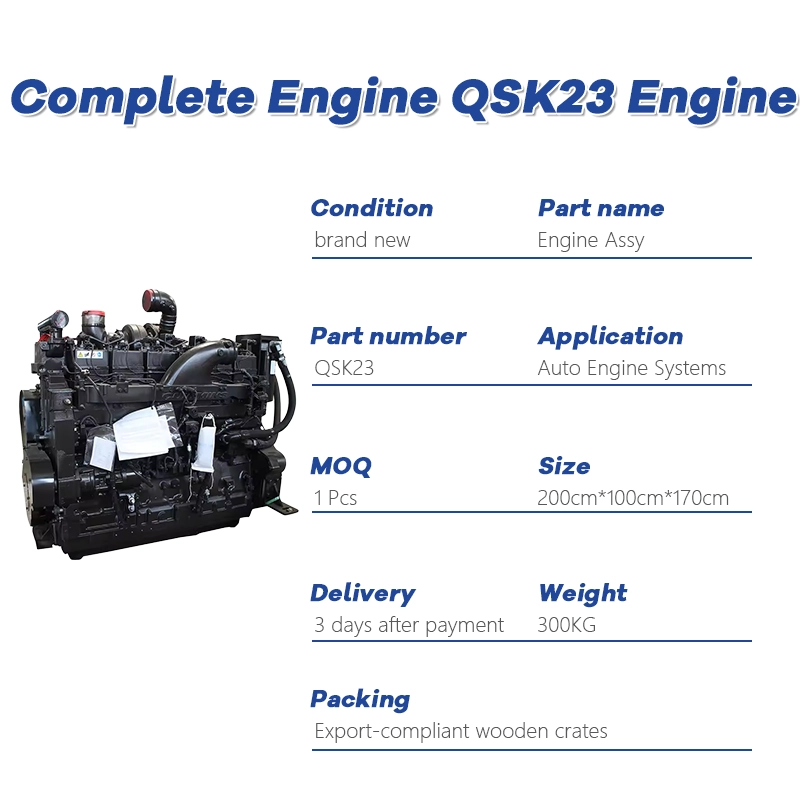
QSK23 Excavator Engine Assembly | Reliable & Efficient Performance
Discover the high-performance QSK23 Excavator Engine Assembly by JELXEL, designed for reliable and efficient excavation. Ideal QSK23 engine parts for excavators, this engine assembly delivers durability and power. Explore our engine assembly for sale to boost your machinery’s performance today.
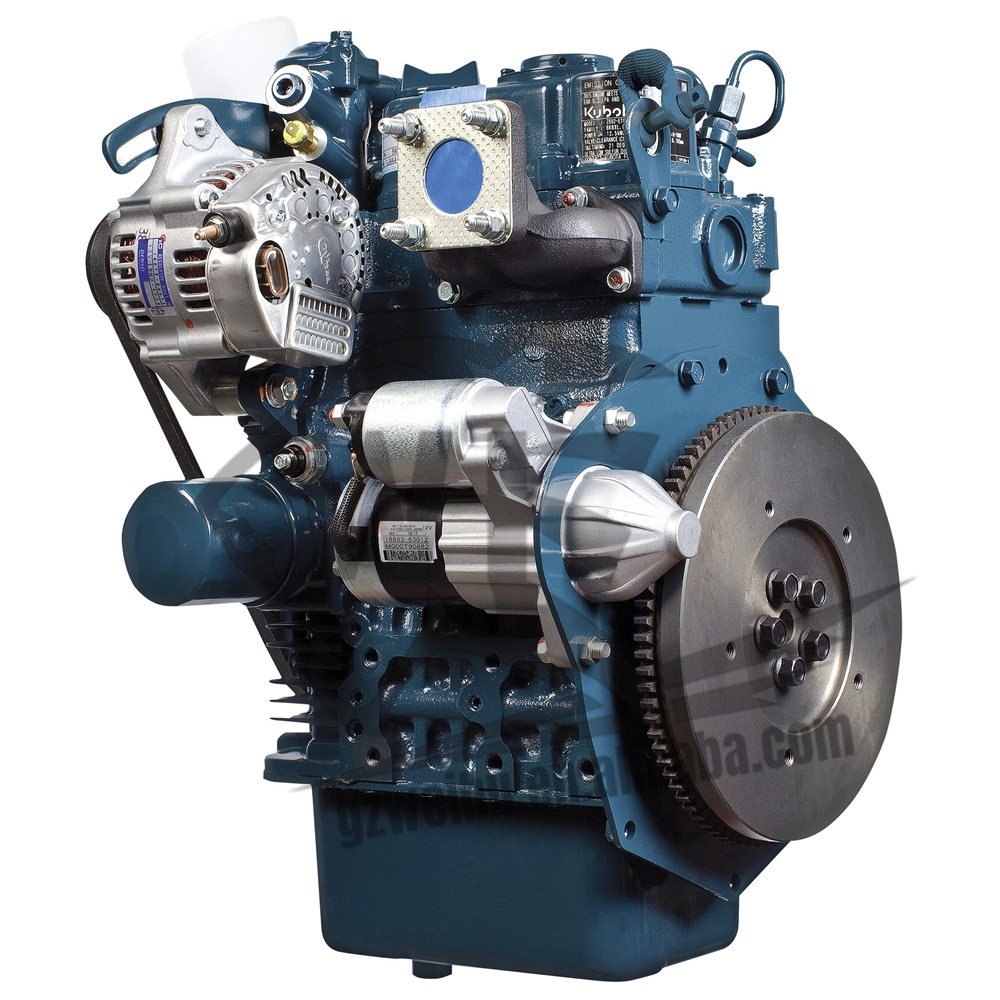
D722 Excavator Engine Replacement | Boost Your Excavator’s Power
Upgrade your excavator's performance with the JELXEL D722 Excavator Engine Replacement. Buy D722 excavator engine now to enhance power and efficiency. Excavator D722 Engine for Sale, designed for durability and smooth operation. Boost your excavator’s power today!
Get in touch with us
If you have any comments or good suggestions, please leave us a message, later our professional staff will contact you as soon as possible.
To be a happy enterprise in the field of engineering equipment.
JELXEL delivers efficient and reliable service at each stage to meet the customer's needs.