

jackhuang5919@gmail.com
Noise and Vibration Standards for Excavator Hydraulic Pumps
This article explains international noise and vibration standards relevant to excavator hydraulic pumps, measurement methods, and practical mitigation strategies. It shows how proper selection, installation, and maintenance — including using the 336D Excavator Hydraulic Pump | Heavy Duty CAT Replacement — helps meet NVH requirements and protect operators and site compliance.
- Understanding noise and vibration in excavator hydraulic systems
- Primary sources of hydraulic pump noise and vibration
- Why NVH matters: health, regulation, and machine longevity
- Standards and measurement methods for hydraulic pump noise and vibration
- Key international and occupational standards
- Measurement best practices for pumps on excavators
- Design, installation, and maintenance strategies to meet standards
- Product selection: why pump design matters
- Installation and chassis integration best practices
- Maintenance practices that reduce NVH over a pump's life
- Testing, compliance workflows, and practical tips for operators and fleet managers
- Typical testing workflow for a hydraulic pump on an excavator
- Documenting compliance and communicating risk
- Cost vs. benefit: when to repair, retrofit, or replace
- Frequently Asked Questions (FAQ)
- Q: Which standard should I use to measure pump noise on my excavator?
- Q: What noise and vibration levels are considered acceptable?
- Q: Can replacing a worn hydraulic pump reduce NVH significantly?
- Q: How often should I conduct NVH testing on fleet excavators?
- Q: What are quick field fixes for excessive pump noise?
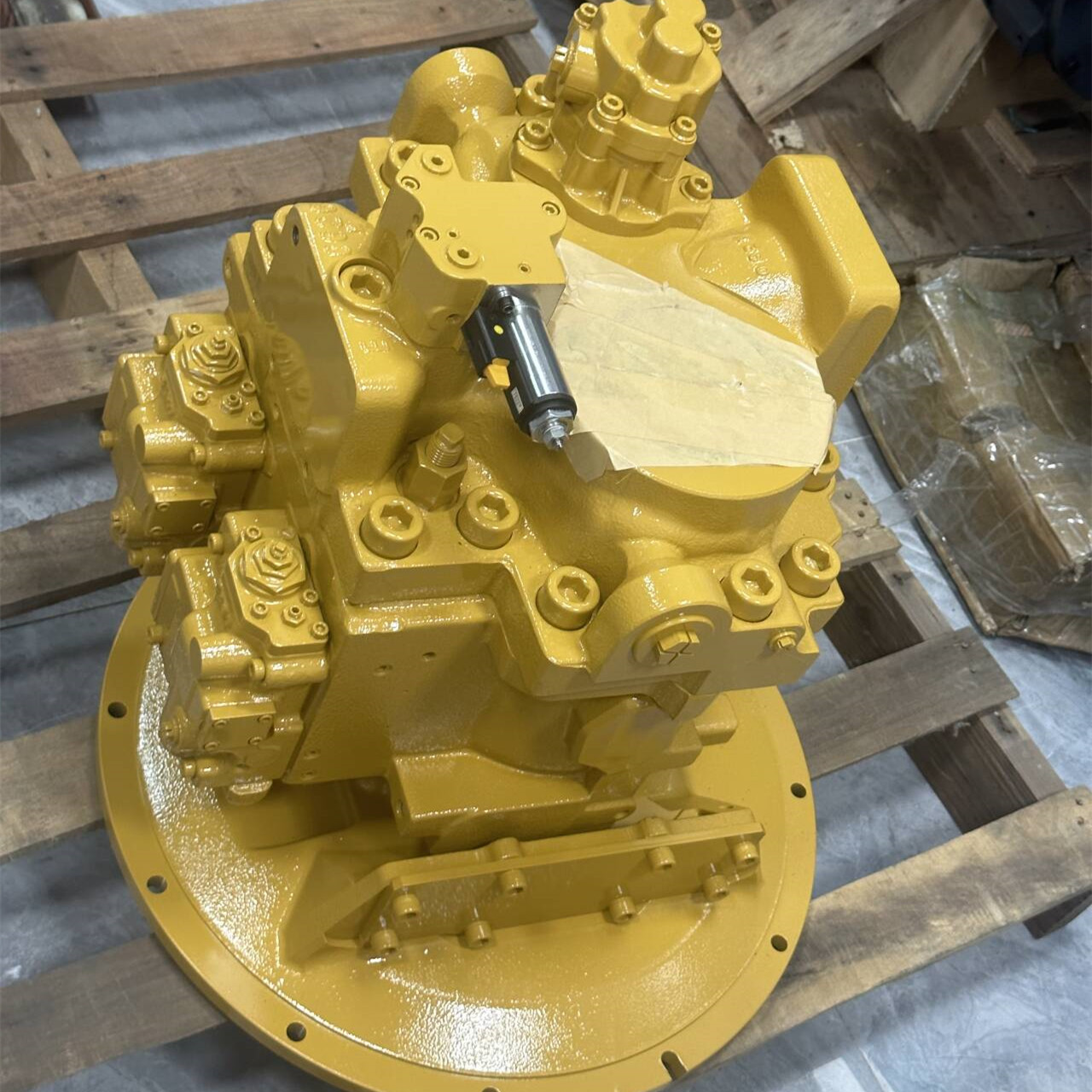
This article summarizes the noise and vibration (NVH) issues specific to excavator hydraulic pumps and provides clear, actionable guidance for equipment owners, service technicians, and fleet managers who need to measure, control, and document compliance. It covers which international and occupational standards apply, how to measure sound power and vibration correctly, design and retrofit strategies to reduce emissions, and how a robust replacement unit such as the 336D Excavator Hydraulic Pump | Heavy Duty CAT Replacement can help your hydraulic system meet operational and regulatory expectations.
This CAT 336D hydraulic pump is built for power, durability, and optimal performance. It is designed to fit Caterpillar 336D excavators and is available in both OEM and high-quality aftermarket versions. Whether you're replacing a damaged pump or upgrading your hydraulic system, this part ensures long-lasting and reliable operation in demanding construction environments.
✔️ Direct fit for CAT 336D excavators
✔️ Available in OEM or High Quality aftermarket
✔️ High-pressure performance for heavy-duty operations
✔️ Smooth and efficient hydraulic flow
✔️ Rigorously tested for quality and durability
✔️ Global shipping and responsive support
Understanding noise and vibration in excavator hydraulic systems
Primary sources of hydraulic pump noise and vibration
Hydraulic pump noise and vibration originate from several predictable sources: internal fluid pulsation, gear or piston element impacts, cavitation, pump imbalance, and structural transmission into the excavator frame. The hydraulic pump itself (the rotating and reciprocating elements) generates both airborne noise and mechanical vibration that can travel through brackets, hoses, and chassis. Typical coupling with valves, motors, and the gearbox can amplify certain frequencies. Recognizing the source is the first step for targeted mitigation.
Why NVH matters: health, regulation, and machine longevity
Excessive noise can jeopardize operator hearing and cause communication problems on busy sites; excessive vibration accelerates component wear, increases downtime, and may breach occupational exposure limits. For regulatory compliance and asset health, owners must manage both airborne sound (measured in dB(A) or sound power levels) and structural vibration (measured as velocity mm/s RMS or acceleration m/s²). Proper hydraulic pump selection and installation (for example, specifying a high-quality 336D hydraulic pump) reduce NVH at source and improve overall machine reliability.
Standards and measurement methods for hydraulic pump noise and vibration
Key international and occupational standards
Several international and national standards apply when measuring or limiting hydraulic pump noise and vibration:
- ISO 3744 – Acoustics: determination of sound power levels of noise sources in an essentially free field over a reflecting plane (useful for measuring machine sound power) (ISO 3744).
- ISO 11201 / ISO 11202 – measurement of airborne noise levels for small machinery and impulsive/noise near operators.
- ISO 10816 – Mechanical vibration — evaluation of machine vibration by measurements on non-rotating parts (useful for assessing structural vibration severity) (ISO 10816).
- Occupational exposure rules such as OSHA noise standard (29 CFR 1910.95), which sets permissible exposure limits and action levels for workplace noise (OSHA - Occupational Noise).
- EU Physical Agents (Vibration) Directive 2002/44/EC — specifies exposure limit and action values for vibration affecting workers (Directive 2002/44/EC).
These standards offer measurement procedures, reporting formats, and guidance for acceptable levels. For example, ISO 3744 is often used to derive sound power levels for a machine, which then can be compared against expected levels or contractual requirements.
Measurement best practices for pumps on excavators
Follow standardized measurement protocols to obtain repeatable, defensible results. Best practices include:
- Measure both sound pressure (dB(A)) at operator positions and sound power (LwA) of the pump assembly using ISO 3744 procedures.
- For vibration, measure on non-rotating parts close to the pump mounting per ISO 10816 guidance, reporting velocity in mm/s RMS or acceleration in m/s² as appropriate.
- Record load conditions, hydraulic pressure, flow rate, and operating RPM because pump noise and vibration vary with duty cycle.
- Use calibrated instrumentation and document the full measurement chain, ambient conditions, and microphone/accelerometer positions.
| Standard | Scope | Primary Metric | Typical Use |
|---|---|---|---|
| ISO 3744 | Machine sound power measurement | Sound power LwA (dB) | Determine machine sound power for compliance, comparison |
| ISO 10816 | Mechanical vibration on non-rotating parts | Velocity (mm/s RMS) | Assess vibration severity and need for maintenance/isolation |
| OSHA 29 CFR 1910.95 | Occupational noise exposure | Sound pressure level dB(A) over time (TWA) | Define protective measures and exposure limits on site |
| EU Directive 2002/44/EC | Worker vibration exposure limits | Daily exposure A(8) vibration metrics | Set action/limit values for operators using vibrating equipment |
Design, installation, and maintenance strategies to meet standards
Product selection: why pump design matters
The hydraulic pump's internal design (piston vs. gear vs. vane), tolerances, and manufacturing quality greatly influence NVH. High-pressure piston pumps used in heavy excavators tend to be louder than well-balanced gear pumps but offer higher efficiency and pressure capacity. Choosing a High Quality-quality replacement — such as the 336D Excavator Hydraulic Pump | Heavy Duty CAT Replacement — that is manufactured and tested to tighter tolerances can reduce pulsation, minimize cavitation, and deliver smoother flow. Buying OEM or high-quality aftermarket pumps that list NVH testing or provide sound/vibration data helps you make compliance-oriented decisions.
Installation and chassis integration best practices
Even a low-noise pump can transmit significant vibration if poorly mounted. Consider these practical steps:
- Use dedicated vibration isolation mounts sized for pump weight and dominant frequencies to decouple pump from frame.
- Design hydraulic lines with flexible sections to avoid structural-borne transmission and to dampen pressure pulses.
- Ensure proper alignment and torque of mounting bolts; soft mounting plus correct preload reduces resonant amplification.
- Fit good filtration and maintain fluid cleanliness to reduce cavitation-related noise as particles accelerate wear and disturb fluid dynamics.
Maintenance practices that reduce NVH over a pump's life
Well-planned maintenance directly affects noise and vibration performance:
- Monitor oil condition and contamination; replace filters per manufacturer intervals.
- Regularly verify pump internal clearances, shaft balance, and coupling integrity.
- Promptly repair hydraulic leaks and worn hoses to prevent pressure drops, cavitation, and erratic noise.
- Use vibration trending — portable accelerometers or permanently mounted sensors — to detect changes before failure.
Testing, compliance workflows, and practical tips for operators and fleet managers
Typical testing workflow for a hydraulic pump on an excavator
A concise testing workflow helps ensure reproducible results and regulatory defensibility:
- Define operating conditions: engine RPM, hydraulic pressure, tool attachment, and load.
- Conduct background noise and ambient vibration measurements.
- Measure sound pressure at operator ear position and sound power (ISO 3744) as required.
- Record structural vibration on pump mountings (ISO 10816) and on operator seat/platform if whole-body vibration exposure is a concern.
- Document results, compare to standard criteria or contractual limits, and create an action plan for mitigation if needed.
Documenting compliance and communicating risk
Reports should include instrument calibration certificates, measurement positions, environmental conditions, operating points, and raw data. For occupational exposure, translate measurements into time-weighted averages (TWA) and compare to OSHA or national limits. If using findings to justify retrofit or replacement (for example, upgrading to a tested 336D hydraulic pump), include before-and-after data to demonstrate effectiveness.
Cost vs. benefit: when to repair, retrofit, or replace
Decisions should balance downtime, NVH reduction potential, and long-term reliability. A typical decision matrix is:
- Repair: when vibration/noise increases are localized and caused by a single serviceable component (valve, hose, coupling).
- Retrofit: add isolation mounts, mufflers, or active damping if structural transmission is the primary cause.
- Replace pump: when internal wear, repeated cavitation, or fundamental design incompatibility causes persistent NVH and reduced efficiency — at this point a high-quality replacement like the 336D Excavator Hydraulic Pump often yields the best long-term ROI.
Frequently Asked Questions (FAQ)
Q: Which standard should I use to measure pump noise on my excavator?
A: For airborne noise and machine rating, ISO 3744 procedures are commonly used to determine sound power. For operator exposure you should also capture sound pressure levels at the cab position and compare TWA to occupational standards such as OSHA 29 CFR 1910.95. Use ISO 10816 for structural vibration measurements.
Q: What noise and vibration levels are considered acceptable?
A: Acceptable levels depend on the metric and local regulation. OSHA sets occupational exposure criteria for sound pressure (e.g., 90 dB(A) PEL; action level often 85 dB(A) per NIOSH guidance). For vibration, ISO 10816 provides severity bands for vibration velocity (mm/s). Always compare measured values to the specific standards and national regulations that apply to your site.
Q: Can replacing a worn hydraulic pump reduce NVH significantly?
A: Yes. Worn internal clearances, cavitation damage, and imbalance are common NVH drivers. Installing a properly balanced, well-manufactured replacement pump such as the 336D Excavator Hydraulic Pump | Heavy Duty CAT Replacement typically reduces pulsation and structural vibration and improves flow stability and pressure performance.
Q: How often should I conduct NVH testing on fleet excavators?
A: Best practice is baseline testing when a machine is new or after major repairs, then periodic checks during scheduled maintenance intervals or whenever operators report changes. For high-utilization fleets, quarterly to biannual checks with vibration trending can prevent failures and maintain compliance.
Q: What are quick field fixes for excessive pump noise?
A: Quick fixes include tightening mounting hardware, adding or replacing flexible hose sections, checking and replacing contaminated fluid or filters, and adding temporary isolation pads. These may lower transmitted vibration and noise short-term but should be followed by full diagnostics.
Need help selecting the right pump or completing NVH testing on your excavator fleet? Contact our support team for detailed advice, measurement service referrals, and OEM-quality replacement options. View the 336D Excavator Hydraulic Pump | Heavy Duty CAT Replacement in our catalogue or request a quote — our engineers can help match the correct hydraulic pump to your machine and compliance needs.
Contact Customer Service | View 336D Excavator Hydraulic Pump
References: ISO 3744 (iso.org), ISO 10816 (iso.org), OSHA Noise (osha.gov), EU Directive 2002/44/EC (eur-lex.europa.eu), Hydraulic pump overview (wikipedia.org).
Tags
Cat C3.3B turbocharged engine
Cat C3.3B turbocharged engine
Excavator Engine V2607 for Sale
Excavator Engine V2607 for Sale
D1703 Engine for Sale
D1703 Engine for Sale
Excavator Hydraulic Pump 345GC
Excavator Hydraulic Pump 345GC
Mitsubishi S4Q2 water pump
Mitsubishi S4Q2 water pump
CAT 3066 wholesale engine parts
CAT 3066 wholesale engine parts
Recommended for you
Seal and Bearing Upgrades for Heavy Duty Hydraulic Pumps
Ultimate Guide to Excavator Hydraulic Pumps: Types & Uses
Best Hydraulic Pumps for Mini Excavators: A Practical Buyer's Guide
Comparing OEM and Aftermarket Hydraulic Pumps for 336D
Prdoucts Categories
Question you may concern
FAQ
Are your parts compatible with all excavator brands?
JELXEL strives to offer parts compatible with a wide range of excavator brands and models. However, we recommend checking the product specifications or consulting with our team to ensure compatibility with your specific excavator.
Can I return or exchange parts if I change my mind?
Yes, we accept returns and exchanges within [insert return period, e.g., 30 days] of purchase. The items must be unused and in their original packaging. Please contact our customer service team to initiate a return or exchange.
How do I know which parts I need for my excavator?
If you are unsure which parts are needed, our knowledgeable customer support team can assist you. You can provide us with your excavator model and any relevant details, and we will help you identify the correct parts.
Do you provide warranties on your products?
Yes, we stand by the quality of our products. Most parts come with a warranty that covers manufacturing defects. Please refer to the specific warranty information provided with your purchase or contact our customer service team for details.
Do you provide installation services for your parts?
While we do not offer installation services directly, we can recommend qualified professionals or resources to assist you with the installation of our parts. Our customer support team can provide guidance on finding local service providers.
You may also like
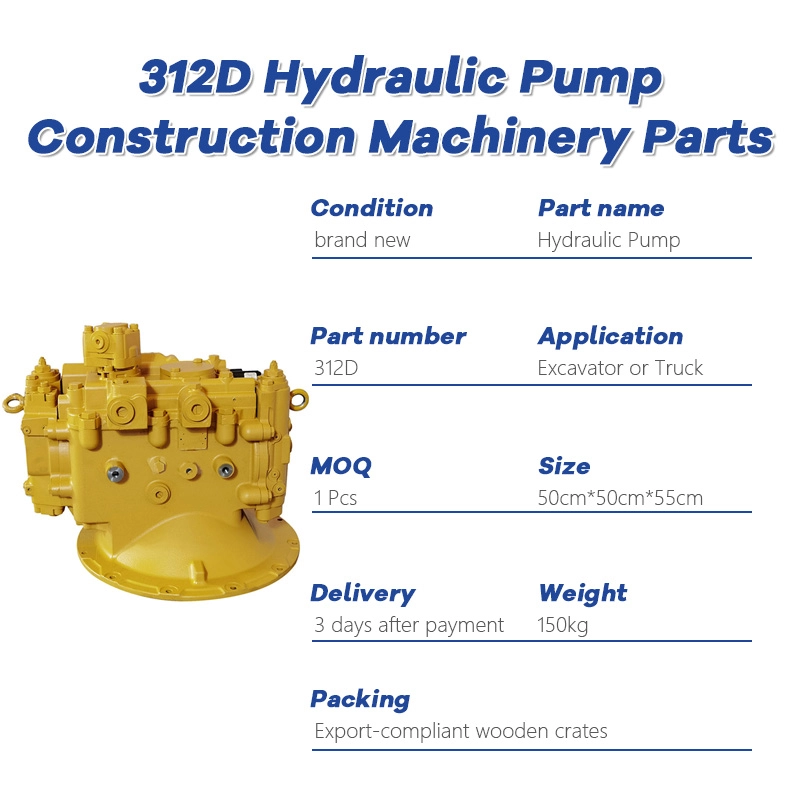
Excavator Hydraulic Pump for CAT 312D | Fast Shipping
Get your high-quality JELXEL CAT 312D hydraulic pump! Engineered for durability and peak performance, this essential 312D hydraulic pump ensures your excavator runs efficiently. Benefit from our fast shipping to minimize downtime. Choose JELXEL for reliable, high-quality solutions for your CAT 312D.
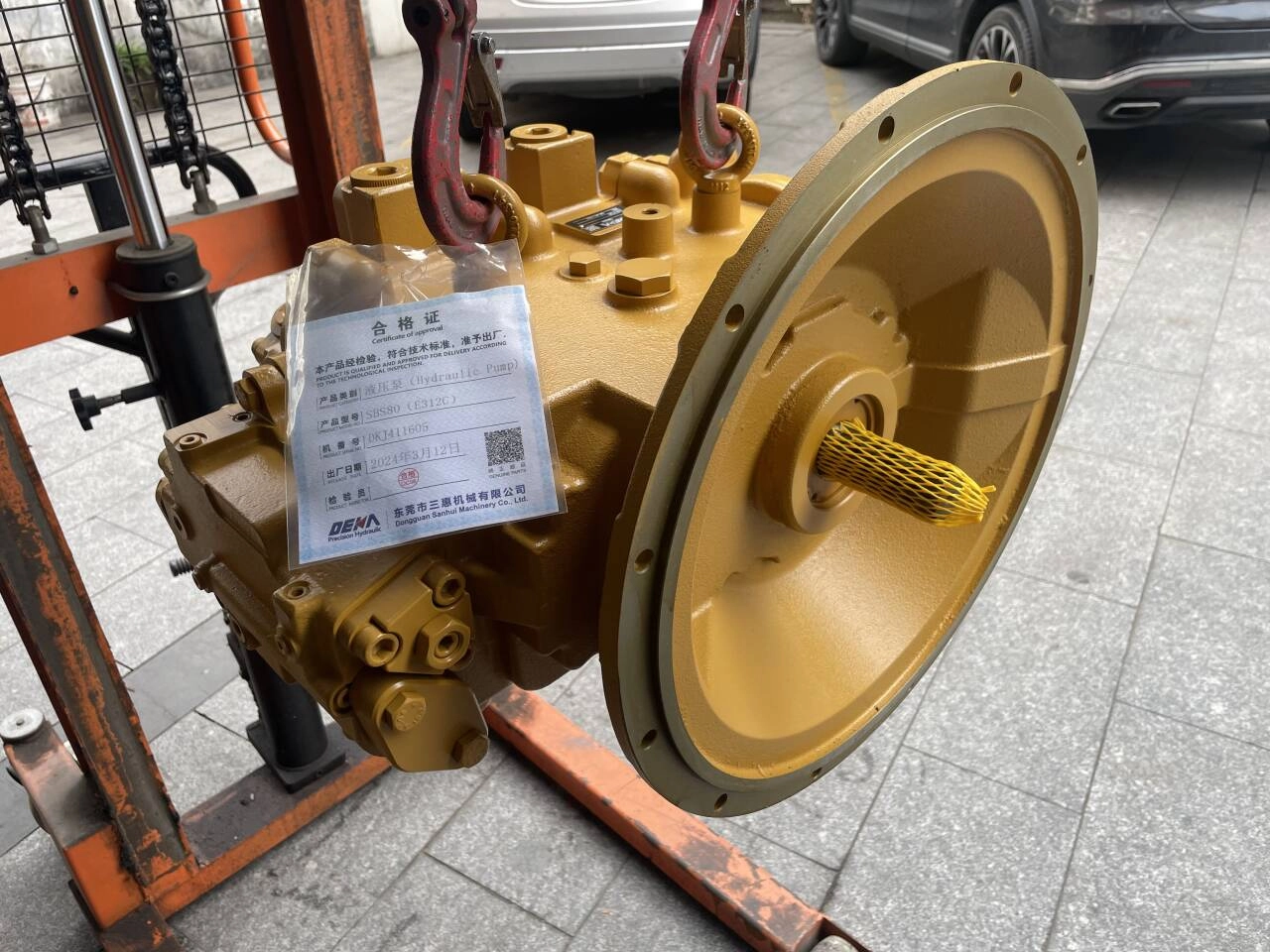
New CAT 312C Hydraulic Main Pump | Compatible Excavator Parts
JELXEL’ New CAT 312C Hydraulic Main Pump delivers reliable performance for your excavator. Engineered for durability, this Caterpillar 312C hydraulic pump ensures seamless compatibility and optimal efficiency.
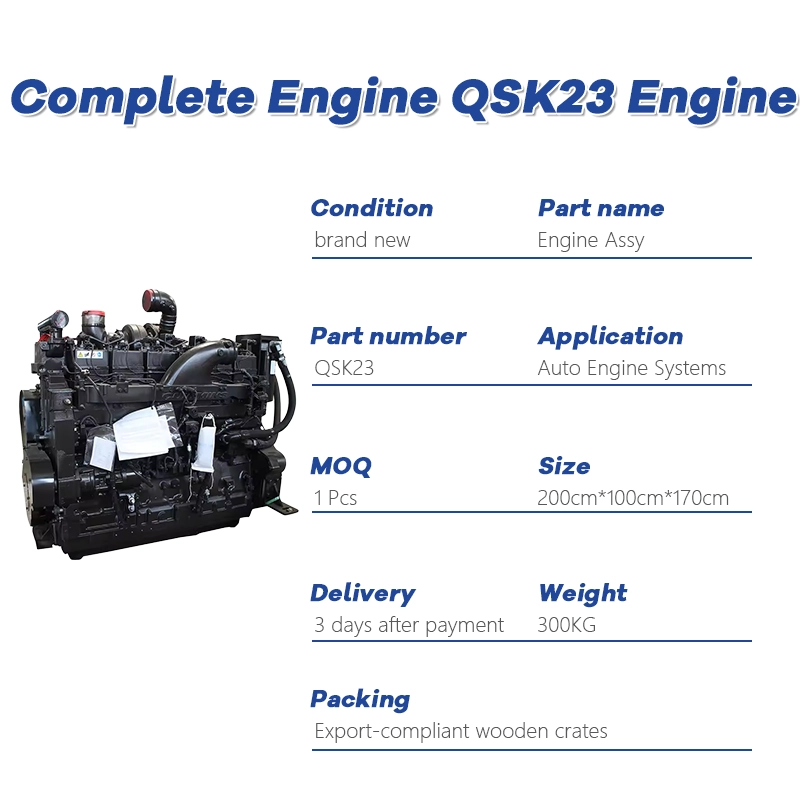
QSK23 Excavator Engine Assembly | Reliable & Efficient Performance
Discover the high-performance QSK23 Excavator Engine Assembly by JELXEL, designed for reliable and efficient excavation. Ideal QSK23 engine parts for excavators, this engine assembly delivers durability and power. Explore our engine assembly for sale to boost your machinery’s performance today.
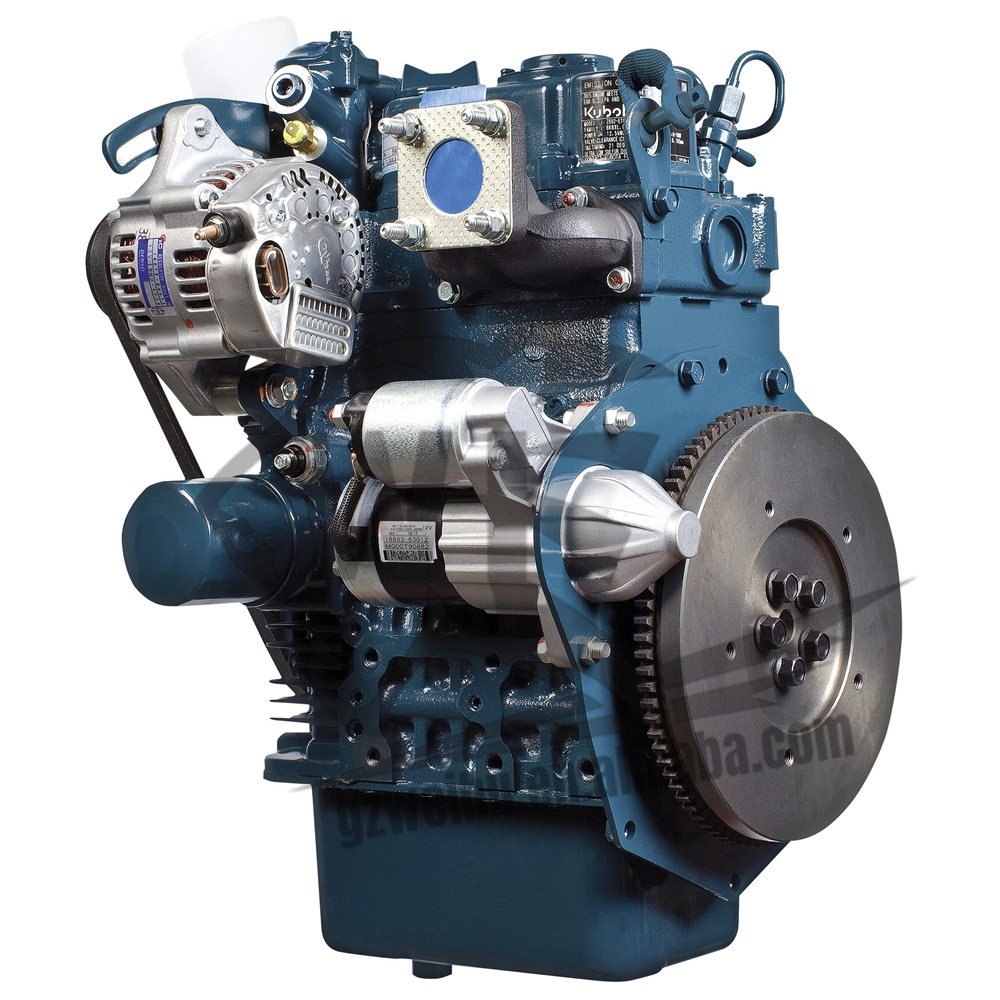
D722 Excavator Engine Replacement | Boost Your Excavator’s Power
Upgrade your excavator's performance with the JELXEL D722 Excavator Engine Replacement. Buy D722 excavator engine now to enhance power and efficiency. Excavator D722 Engine for Sale, designed for durability and smooth operation. Boost your excavator’s power today!
Get in touch with us
If you have any comments or good suggestions, please leave us a message, later our professional staff will contact you as soon as possible.
To be a happy enterprise in the field of engineering equipment.
JELXEL delivers efficient and reliable service at each stage to meet the customer's needs.