

jackhuang5919@gmail.com
Excavator Engine Replacement: When and How
Practical guidance for identifying when to replace an excavator engine, comparing replacement and rebuild options, step-by-step replacement workflow, cost and downtime expectations, and tips for choosing the right replacement to keep machines productive.
- When to Replace an Excavator Engine
- Primary Causes of Excavator Engine Failure
- Options: Repair, Rebuild, Remanufacture, or Replace
- Quick comparison of replacement options
- How to Decide: Key Selection Criteria for an Excavator Engine
- Step-by-Step: Preparing for an Excavator Engine Replacement
- 1. Diagnose and document
- 2. Choose the replacement strategy
- 3. Procure parts and plan logistics
- 4. Prepare the worksite and tools
- 5. Execute the swap
- 6. Commissioning and testing
- Common Pitfalls and How to Avoid Them
- Cost and Downtime Expectations for an Excavator Engine Swap
- Choosing Between OEM, Remanufactured, and Aftermarket Parts
- Comparison table: OEM vs Remanufactured vs Aftermarket
- Best Practices to Extend Excavator Engine Life
- How JELXEL Supports Your Excavator Engine Needs
- Checklist Before You Replace an Excavator Engine
- FAQ — Frequently Asked Questions
- Q: How long does a full excavator engine replacement take?
- Q: How much does an excavator engine replacement cost?
- Q: Can I reuse my existing ECM with a replacement engine?
- Q: Are remanufactured engines reliable?
- Q: Should I replace the whole engine or rebuild?
- Q: How do emissions regulations affect replacement choices?
- Q: What should I do with the old engine?
- Final Recommendations
When to Replace an Excavator Engine
Recognizing when an excavator engine needs replacement is critical to avoid costly downtime. Typical signs include persistent loss of power, excessive oil consumption, heavy smoke (black, blue, or white), metal debris in oil, repeated cylinder misfires, and frequent overheating. While many diesel excavator engines can run more than 10,000 hours with good maintenance, a common industry marker for considering major overhaul or replacement is recurring performance failures after 8,000–12,000 hours. Evaluate symptoms together — a single symptom may be fixable, but multiple indicators usually point to replacement or full remanufacture.
Primary Causes of Excavator Engine Failure
Understanding why an excavator engine fails helps you select the right remedy. Common causes include poor maintenance (irregular oil and filter changes), contaminated fuel or coolant, turbocharger failure, worn piston rings or liners, cylinder head damage, and inadequate air filtration. Environmental factors — extreme dust, humid conditions, or cold starts — accelerate wear. Proper root-cause diagnosis prevents replacing an engine only to face the same failure soon after.
Options: Repair, Rebuild, Remanufacture, or Replace
When an excavator engine is diagnosed as failing, you typically choose between repairing components, rebuilding the existing engine, installing a remanufactured engine, or a brand-new replacement. Each option has different cost, lead time, warranty, and lifecycle implications. Decision-making should weigh machine age, remaining useful life of the excavator, operational importance, and budget.
Quick comparison of replacement options
Below is a concise comparison of the four main options to help you decide:
| Option | Typical Cost Range (USD) | Lead Time | Warranty | Best For |
|---|---|---|---|---|
| Component repair | $500–$5,000 | Hours–Days | Short (30–90 days) | Isolated failures, budget repairs |
| Rebuild (local shop) | $3,000–$20,000 | Days–Weeks | Limited (90–180 days) | Mid-life machines with worn components |
| Remanufactured engine | $8,000–$40,000 | Days–Weeks | 1–3 years | Cost-effective replacement with warranty |
| New OEM engine | $15,000–$60,000+ | Weeks | 1–3 years | Long-term investment, high uptime needs |
How to Decide: Key Selection Criteria for an Excavator Engine
Choose an excavator engine replacement by evaluating: machine age and remaining life, operating environment, budget (initial cost vs lifecycle cost), emissions tier and regulatory compliance, availability of parts and service, and warranty coverage. For fleets that must meet emissions standards (e.g., EPA Tier 4 Final or EU Stage V), ensure replacement engines comply with local regulations. For older machines used for basic tasks, remanufactured or rebuilt engines often deliver the best balance between cost and performance.
Step-by-Step: Preparing for an Excavator Engine Replacement
Proper preparation minimizes downtime. Follow these steps to plan an effective excavator engine replacement.
1. Diagnose and document
Start with a thorough diagnostic: record error codes, fuel and oil analysis results, compression and leak-down tests, visual inspection for metal in oil, coolant contamination, and smoke characteristics. Document machine hours, service history, and recent repairs to identify trends.
2. Choose the replacement strategy
Use diagnostic data to choose repair, rebuild, remanufactured, or new engine. For critical machines where downtime is costly, prioritize remanufactured or new engines with warranty and fast delivery.
3. Procure parts and plan logistics
Order the chosen engine or parts from a reliable supplier. Coordinate shipping, customs (if importing), hoisting equipment, and disposal of the old engine. Vendors like JELXEL can supply OEM-equivalent parts and reman engines to reduce lead times and risk.
4. Prepare the worksite and tools
Set aside a clean, safe area with proper lifting gear (crane or hoist) rated for the excavator engine weight. Have engine mounts, hoses, filters, gaskets, alignments tools, and a qualified mechanic team ready. Plan for fluid containment and recycling.
5. Execute the swap
Follow manufacturer procedures for removing the old engine: disconnect batteries, drain fluids, tag and remove wiring harnesses, fuel lines, and mounting brackets. Lift the engine carefully to avoid damaging surrounding structures. Install the replacement engine, reconnect all systems, prime fuel systems, and refill fluids per specs.
6. Commissioning and testing
Start the engine and follow a staged run-in sequence: idle, light load, and progressive full-load testing while checking for leaks, abnormal noises, and error codes. Re-check torque on mounts and fittings after initial run-hours and perform a final oil change if recommended by the engine provider.
Common Pitfalls and How to Avoid Them
Many replacement failures stem from poor diagnosis, rushed installation, mismatched control modules, or ignoring emissions systems. Avoid these pitfalls by confirming ECM (engine control module) compatibility, updating software if required, replacing air and fuel filters during the swap, and ensuring proper turbo and EGR system connections. Use documented torques and sealing procedures to prevent leaks and premature wear.
Cost and Downtime Expectations for an Excavator Engine Swap
Costs vary by machine size and market. Small compact excavator engine swaps may cost a few thousand dollars, while large mining-class machine engines can exceed $100,000. Typical urban construction excavators fall in the ranges shown in the comparison table above. Expect downtime from one day (fast bolt-on reman) to several weeks (custom rebuilds or long lead OEM delivery). Factor in transport, labor, testing, and any OEM software licensing if electronic controls are involved.
Choosing Between OEM, Remanufactured, and Aftermarket Parts
When sourcing an excavator engine or parts, you’ll encounter OEM, remanufactured, and aftermarket options. OEM parts offer direct fit and original specifications — a strong choice for fleets that prioritize uniformity and warranty. Remanufactured engines provide a good warranty-to-cost ratio when performed by reputable facilities using inspected cores and replaced wear items. High-quality aftermarket parts can be cost-effective but require careful supplier vetting for material and dimensional accuracy.
Comparison table: OEM vs Remanufactured vs Aftermarket
| Type | Pros | Cons | Typical Warranty |
|---|---|---|---|
| OEM | Exact fit, manufacturer support, predictable performance | Highest cost, longer lead times | 1–3 years |
| Remanufactured | Lower cost, certified rebuild, good warranty | Quality varies by remanufacturer | 1–3 years |
| Aftermarket | Cost-effective, wide availability | Fit/quality can vary, potential compatibility issues | 90 days–1 year |
Best Practices to Extend Excavator Engine Life
To get the maximum life from your excavator engine, maintain a strict preventive program: change oil and filters per manufacturer intervals, use specified fuel and lubricants, maintain a clean air intake and pre-cleaner system, monitor coolant condition and temperature, perform regular valve lash and fuel system tuning, and use fuel additives only when recommended. Keep a digital maintenance log tied to machine hours to make data-driven decisions on overhauls and replacements.
How JELXEL Supports Your Excavator Engine Needs
JELXEL serves as a reliable partner for global clients in the excavator spare parts sector. We supply OEM-equivalent parts, remanufactured cores, and complete engine solutions to support timely replacements. With a focus on quality, cost-effectiveness, and delivery, JELXEL helps reduce machine downtime through consistent inventory and strong R&D. Our engineering team can advise on part compatibility, emissions compliance, and best-fit replacement strategies to help you extend asset life and control total cost of ownership.
Checklist Before You Replace an Excavator Engine
Use this quick checklist to avoid common mistakes when planning an excavator engine replacement:
- Have complete diagnostic records and oil/fuel test results.
- Confirm engine serial/model and ECM compatibility.
- Decide between repair, rebuild, remanufacture, or new engine.
- Secure parts, shipping, lifting gear, and hoist plan.
- Plan for disposal or return of the core engine per environmental rules.
- Allocate testing time and a qualified mechanic team for commissioning.
FAQ — Frequently Asked Questions
Q: How long does a full excavator engine replacement take?
A: A straight bolt-on reman engine can be installed and commissioned in 1–3 days if parts and hoisting gear are ready. More complex swaps, including ECM reprogramming or custom adaptors, may take several days to a few weeks.
Q: How much does an excavator engine replacement cost?
A: Costs vary widely. Expect small excavator engine swaps to start from a few thousand dollars, common construction excavator engines between $8,000 and $40,000 for remanufactured units, and brand-new OEM engines higher depending on model. Labor and ancillary parts add to the total.
Q: Can I reuse my existing ECM with a replacement engine?
A: Sometimes yes, but compatibility must be checked. New or remanufactured engines may require ECM reflashing or replacement, especially when moving between different emissions tiers or engine families.
Q: Are remanufactured engines reliable?
A: High-quality remanufactured engines can be as reliable as new ones if remanufacturers follow strict processes and replace critical wear items. Choose a reman supplier with clear inspection protocols and warranty coverage.
Q: Should I replace the whole engine or rebuild?
A: If the machine has significant remaining life and the cost of a rebuild is justified, rebuilding can be cost-effective. For critical uptime or when electronic components are failing, full replacement with a reman or new engine may be better.
Q: How do emissions regulations affect replacement choices?
A: Emissions tiers (such as EPA Tier 4 Final or EU Stage V) can limit usable replacement engines for applications where regulated equipment must meet specific standards. Always confirm local regulatory requirements before selecting an engine.
Q: What should I do with the old engine?
A: Old engines should be handled according to environmental and disposal regulations. Options include returning a core to the supplier for reman credit, selling for parts, or scrapping through certified recyclers who manage fluid and hazardous material disposal.
Final Recommendations
Replacing an excavator engine is a major decision with significant cost and operational impacts. Base the choice on solid diagnostics, total cost of ownership, and regulatory needs. Use reputable suppliers like JELXEL for compatible parts and reman options, and plan the swap carefully to minimize downtime and avoid repeat failures. With proper preparation and quality components, a well-executed engine replacement returns your machine to reliable service for many thousands of hours.
Tags
CAT 3066 rebuilt engine
CAT 3066 rebuilt engine
excavator hydraulic pump parts
excavator hydraulic pump parts
diesel engine engine
diesel engine engine
Caterpillar C9 marine engine
Caterpillar C9 marine engine
Isuzu 4HK1 diesel engine
Isuzu 4HK1 diesel engine
CAT 320D hydraulic pump
CAT 320D hydraulic pump
Recommended for you

Common causes of failure in excavator engine assemblies
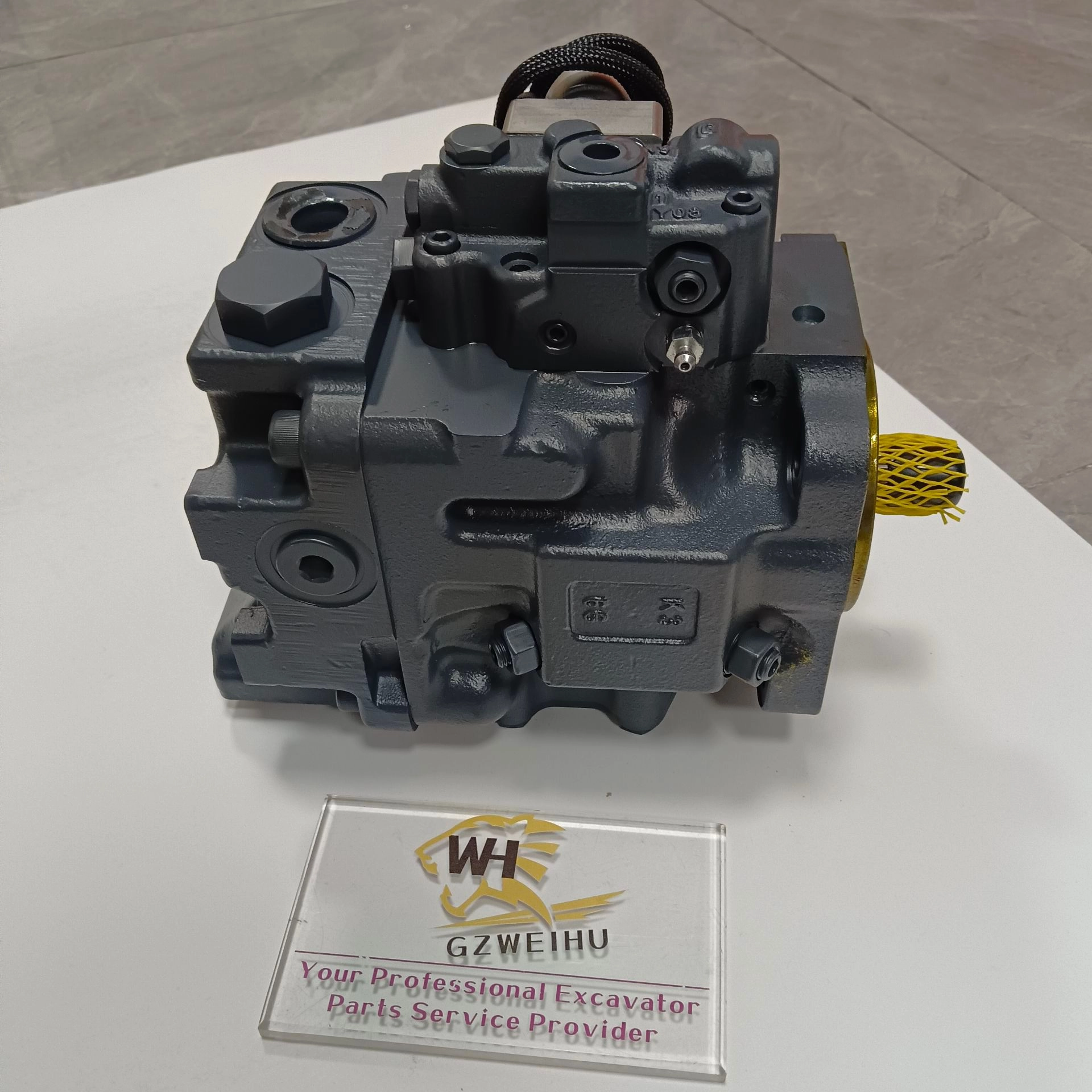
Doosan DX65 Excavator Hydraulic Pump: Performance Review
Best excavator hydraulic pump manufacturers and supplier brands
Tips for buy electric hydraulic pump
Prdoucts Categories
Question you may concern
FAQ
Do you provide warranties on your products?
Yes, we stand by the quality of our products. Most parts come with a warranty that covers manufacturing defects. Please refer to the specific warranty information provided with your purchase or contact our customer service team for details.
How do I know which parts I need for my excavator?
If you are unsure which parts are needed, our knowledgeable customer support team can assist you. You can provide us with your excavator model and any relevant details, and we will help you identify the correct parts.
Are your parts compatible with all excavator brands?
JELXEL strives to offer parts compatible with a wide range of excavator brands and models. However, we recommend checking the product specifications or consulting with our team to ensure compatibility with your specific excavator.
Do you offer bulk purchasing options?
Yes, we offer competitive pricing for bulk orders. If you are interested in purchasing large quantities of parts, please contact our sales team to discuss your requirements and receive a customized quote.
How can I place an order?
You can place an order through our user-friendly online platform or by contacting our sales team directly. Simply browse our catalog, select the parts you need, and follow the checkout process to complete your order.
You may also like
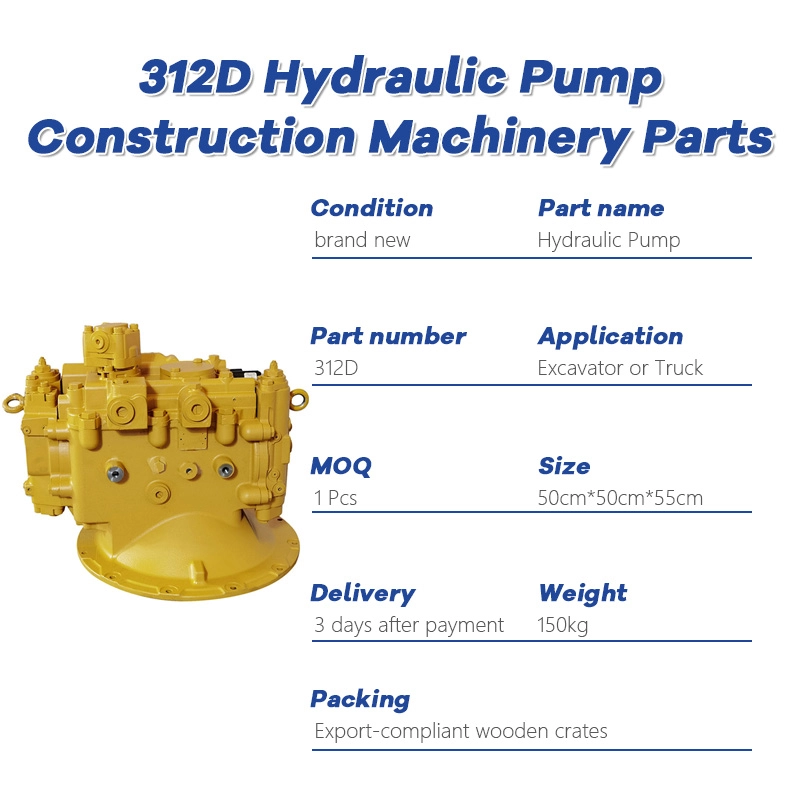
Excavator Hydraulic Pump for CAT 312D | Fast Shipping
Get your high-quality JELXEL CAT 312D hydraulic pump! Engineered for durability and peak performance, this essential 312D hydraulic pump ensures your excavator runs efficiently. Benefit from our fast shipping to minimize downtime. Choose JELXEL for reliable, high-quality solutions for your CAT 312D.
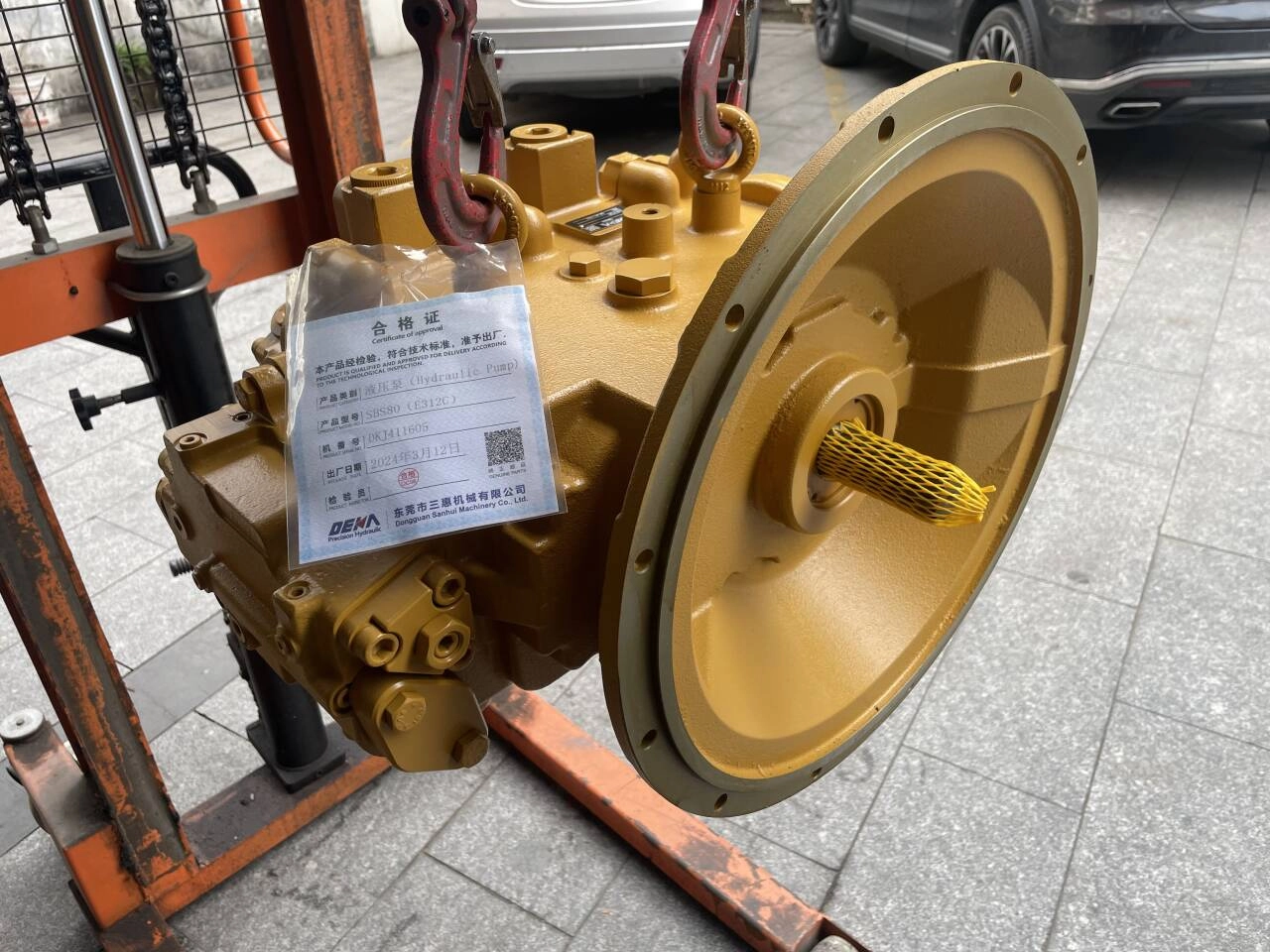
New CAT 312C Hydraulic Main Pump | Compatible Excavator Parts
JELXEL’ New CAT 312C Hydraulic Main Pump delivers reliable performance for your excavator. Engineered for durability, this Caterpillar 312C hydraulic pump ensures seamless compatibility and optimal efficiency.
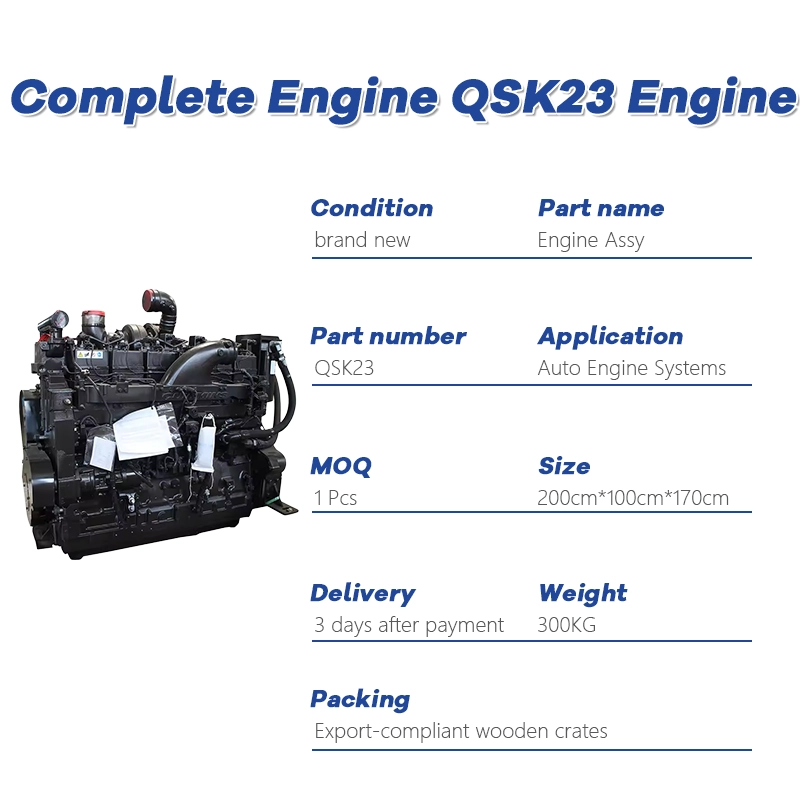
QSK23 Excavator Engine Assembly | Reliable & Efficient Performance
Discover the high-performance QSK23 Excavator Engine Assembly by JELXEL, designed for reliable and efficient excavation. Ideal QSK23 engine parts for excavators, this engine assembly delivers durability and power. Explore our engine assembly for sale to boost your machinery’s performance today.
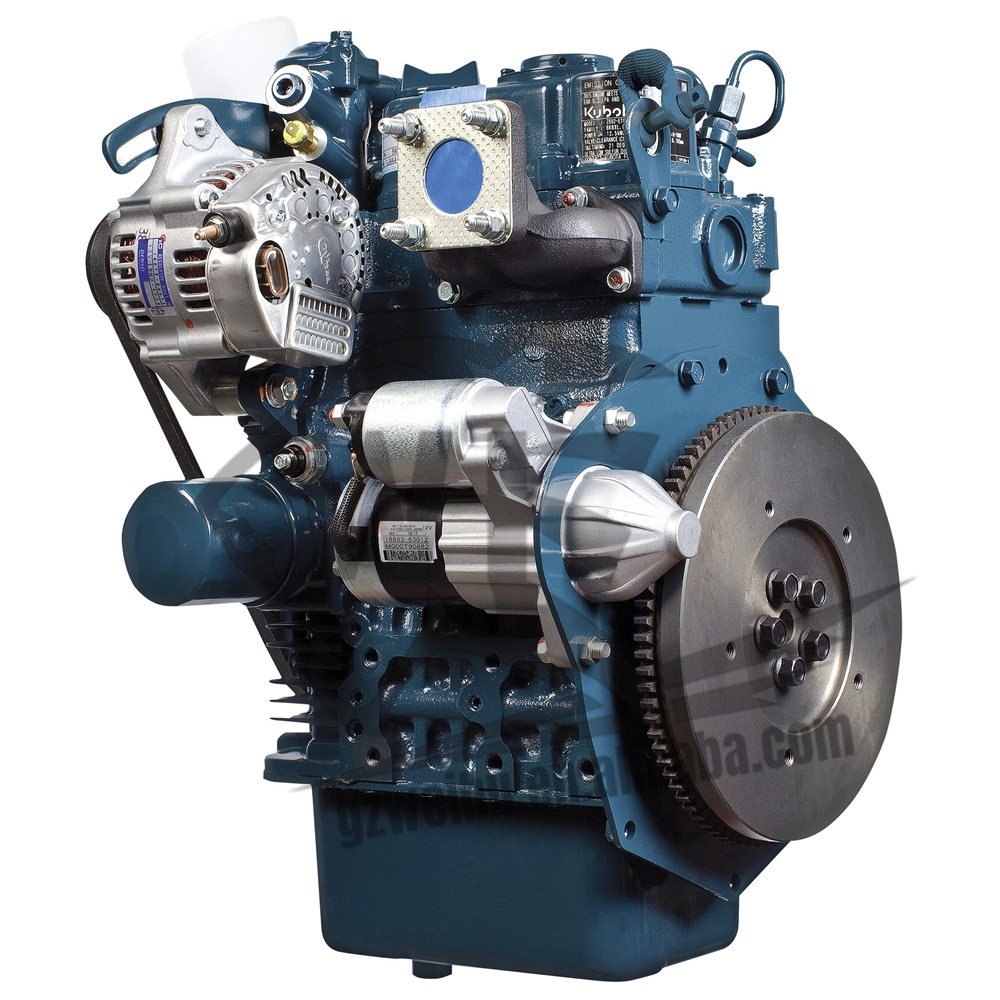
D722 Excavator Engine Replacement | Boost Your Excavator’s Power
Upgrade your excavator's performance with the JELXEL D722 Excavator Engine Replacement. Buy D722 excavator engine now to enhance power and efficiency. Excavator D722 Engine for Sale, designed for durability and smooth operation. Boost your excavator’s power today!
Get in touch with us
If you have any comments or good suggestions, please leave us a message, later our professional staff will contact you as soon as possible.
To be a happy enterprise in the field of engineering equipment.
JELXEL delivers efficient and reliable service at each stage to meet the customer's needs.