

jackhuang5919@gmail.com
The excavator engine parts Cost Guide
A practical cost guide to excavator engine parts, covering typical price ranges, labor, OEM vs aftermarket choices, procurement strategies, and maintenance tips to control lifecycle costs for construction fleets.
- Introduction: Why understanding excavator engine parts costs matters
- Overview of common excavator engine parts and their roles
- Typical price ranges for major excavator engine parts
- Engine assembly and remanufactured engines
- Turbochargers, injectors and combustion components
- Top-end parts: cylinder heads, pistons and crankshafts
- Labor and shop costs that affect total repair budgets
- OEM vs aftermarket vs remanufactured: cost and value trade-offs
- When to choose OEM
- When aftermarket or remanufactured parts are appropriate
- Warranty, quality assurance and supplier selection
- Lead times, inventory strategy and logistics impact on costs
- Maintenance practices that lower long-term engine costs
- Cost-saving procurement strategies for excavator engine parts
- Financing, warranties and total cost of ownership (TCO)
- Case study snapshot: Replacing a mid-size excavator engine
- Environmental and regulatory considerations affecting parts choice
- How JELXEL supports cost-effective excavator engine parts procurement
- Checklist: Building a realistic excavator engine parts budget
- Conclusion: Making informed choices to control excavator engine parts costs
Introduction: Why understanding excavator engine parts costs matters
Managing costs for excavator engine parts is essential for fleet uptime and project profitability. Whether you're a rental company, contractor, or parts buyer, knowing realistic price ranges, labor implications, and sourcing options for excavator engine parts helps you budget accurately and reduce downtime. This guide uses industry norms and procurement best practices to give clear, actionable guidance.
Overview of common excavator engine parts and their roles
Key excavator engine parts include the engine assembly, turbocharger, fuel injectors, cylinder head, pistons, crankshaft, gasket and seal kits, pumps (water, oil, fuel), starter, alternator, and sensors. Each part plays a critical role: for example, injectors control combustion efficiency, turbochargers increase power density, and water pumps protect against overheating. Understanding function helps prioritize spending on high-risk components when planning maintenance budgets.
Typical price ranges for major excavator engine parts
When budgeting, expect wide price ranges depending on machine size, make (mini to large excavators) and whether parts are OEM, aftermarket, remanufactured, or new. Approximate U.S. dollar ranges are below to help build a cost model: engine assembly/remanufactured engines $5,000–$25,000; turbocharger $300–$1,500; fuel injector $100–$500 each; cylinder head $800–$3,000; piston $100–$400 each; crankshaft $1,000–$5,000; full gasket/seal kit $200–$800; water pump $100–$400; oil pump $200–$800; fuel pump $150–$600; starter $200–$800; alternator $150–$600; filters and sensors $10–$200 each. Use these ranges as starting points and adjust for your model, location, and supply chain conditions.
Engine assembly and remanufactured engines
Complete engine replacements are the highest single-item cost. New OEM engines for medium to large excavators can exceed $20,000, while remanufactured engines typically range from $5,000 to $15,000. Remanufactured options often provide a balance of cost and warranty—look for core-return programs and reman warranties to secure value.
Turbochargers, injectors and combustion components
Turbochargers are a cost-effective performance item — $300–$1,500 depending on model and whether it's new or remanufactured. Fuel injectors are critical for efficient combustion and emissions compliance; expect $100–$500 per injector. Replacing injectors in banks (multiple cylinders) raises costs proportionally but often restores fuel economy and power.
Top-end parts: cylinder heads, pistons and crankshafts
Cylinder heads and crankshafts are expensive to replace and often indicate high-severity engine issues. Cylinder head prices vary from $800 to $3,000, while crankshafts can be $1,000–$5,000. Piston costs are lower per unit but can add up across multiple cylinders. Inspect cooling and lubrication systems to prevent catastrophic failures that lead to these replacements.
Labor and shop costs that affect total repair budgets
Parts are only part of the equation. Labor rates for heavy equipment mechanics typically range from $75 to $150 per hour depending on region and shop. A full engine rebuild can require 20–100 hours of labor, translating to $1,500–$15,000 in labor alone. Field repairs or emergency call-outs may incur High Quality rates. Include diagnostic time, teardown, testing, and reassembly in your labor budget.
OEM vs aftermarket vs remanufactured: cost and value trade-offs
Choosing between OEM, aftermarket, and remanufactured excavator engine parts requires balancing upfront cost, reliability, warranty, and long-term performance. OEM parts usually carry higher prices but predictable fitment and longer manufacturer support. Quality aftermarket parts can offer significant savings (often 20–50% less than OEM) but vary in durability—purchase from reputable suppliers with documented quality controls. Remanufactured components reduce cost while restoring original specifications when performed by certified remanufacturers.
When to choose OEM
OEM parts make sense for critical components where reliability, warranty coverage, or compliance (emissions, OEM warranties) are essential. Projects with strict uptime requirements or newer machines often justify OEM spend to protect resale value and service agreements.
When aftermarket or remanufactured parts are appropriate
For older machines out of warranty or non-critical parts like filters, pumps, and some engine accessories, high-quality aftermarket parts provide excellent cost savings. Remanufactured engines or major components are a strong option if they come with a clear warranty and documented rebuild process—these can deliver up to 40–70% savings versus new OEM parts.
Warranty, quality assurance and supplier selection
Warranty terms heavily influence total cost of ownership. Aim for at least 6–12 months on parts and 12 months or more for remanufactured engines. Verify supplier quality through certifications, traceability (part numbers, serials), test reports, and return policies. JELXEL emphasizes R&D and quality checks to ensure parts meet industry standards—partnering with suppliers that offer testing, clear warranty terms, and technical support reduces long-term risk.
Lead times, inventory strategy and logistics impact on costs
Lead time affects whether you pay expedited shipping or face machine downtime. Standard lead times vary from 3–14 days for common parts in-stock to 4–12+ weeks for specialty or OEM items. Maintain a critical spare parts inventory for high-failure items (filters, belts, pumps, injectors) to minimize downtime. Use a parts classification system (A, B, C items by failure frequency and cost) to optimize stock levels and capital allocation.
Maintenance practices that lower long-term engine costs
Preventive maintenance reduces the likelihood of major engine repairs. Regular oil and filter changes, fuel filtration, coolant management, and scheduled inspections extend engine life and avoid costly component failures. Track runtime hours, vibration, and fuel consumption to detect developing issues early. Small investments in proper maintenance deliver outsized returns in reduced parts and labor costs over the equipment lifecycle.
Cost-saving procurement strategies for excavator engine parts
Buy smarter by negotiating volume discounts, locking long-term supply agreements, and using consolidated orders to lower shipping costs. Consider vendor-managed inventory for frequently used parts and explore remanufactured cores to offset part pricing. Validate suppliers through sample orders and performance reviews—quality issues cost more in the long run than modest savings on cheap parts.
Financing, warranties and total cost of ownership (TCO)
Break down TCO to include parts, labor, downtime costs (lost revenue), and residual value implications. Financing options like parts leasing or pay-over-time arrangements can smooth cash flow for large engine replacements. When evaluating quotes, calculate a 3–5 year TCO rather than focusing solely on purchase price to reveal the true value of higher-quality parts or extended warranties.
Case study snapshot: Replacing a mid-size excavator engine
For a typical 10–20 ton excavator, a remanufactured engine replacement may cost $8,000 for the engine, $3,000–$6,000 for labor and diagnostics, plus $500–$1,000 for associated gaskets, hoses and small parts—totaling roughly $11,500–$15,000. Choosing a new OEM engine could push the part cost to $18,000–$25,000 and increase TCO. This snapshot illustrates how remanufactured options and proactive parts policies can reduce immediate capital outlays while maintaining performance.
Environmental and regulatory considerations affecting parts choice
Emissions regulations and fuel standards can affect component choice—injectors and turbochargers must meet emission tuning parameters for regulated engines. Using parts that preserve or improve emissions performance avoids regulatory fines and potential rework. Remanufacturing and recycling cores also support sustainability objectives and may align with corporate ESG goals.
How JELXEL supports cost-effective excavator engine parts procurement
JELXEL serves global clients with a broad catalog of excavator parts focused on quality, cost-effectiveness, and timely delivery. With an experienced R&D and technical team, JELXEL develops durable components designed to meet industry standards. The company offers remanufactured options, warranty coverage, and logistical support to help buyers reduce downtime and manage parts spend. Partnering with a supplier that provides technical guidance and consistent delivery is a practical way to control lifecycle costs.
Checklist: Building a realistic excavator engine parts budget
Use this checklist to prepare a parts budget: 1) Inventory high-failure items and on-hand spares; 2) Collect model-specific price quotes for OEM, aftermarket and reman parts; 3) Estimate labor hours for likely repairs and rebuilds; 4) Add contingency 10–25% for unexpected failures and expedited shipping; 5) Include diagnostics and testing costs; 6) Factor warranty terms and potential downtime losses; 7) Revisit budgets quarterly based on usage and parts lead times.
Conclusion: Making informed choices to control excavator engine parts costs
Effectively managing excavator engine parts costs means combining accurate price expectations, proactive maintenance, smart sourcing, and reliable supplier partnerships. Use realistic part price ranges, plan for labor and downtime, and prioritize quality for critical components. Suppliers like JELXEL that focus on quality, R&D and responsive delivery can help reduce TCO and keep equipment running. With structured procurement and preventive maintenance, you can significantly lower the risk of expensive, unplanned engine repairs.
FAQ:What are the most expensive excavator engine parts and why?Crankshafts, cylinder heads and complete engine assemblies are typically the most expensive because they require extensive material, precision machining, and often indicate severe internal failures. Replacing these parts involves significant labor and teardown costs.
How much should I budget for a remanufactured engine replacement?For a mid-size excavator, budget roughly $8,000–$15,000 for a remanufactured engine plus $2,000–$6,000 for labor and ancillary parts. Prices vary with machine size, location, and supplier.
Are aftermarket parts safe to use in excavator engines?Quality aftermarket parts can be safe and cost-effective when sourced from reputable manufacturers with traceability and testing. Avoid unusually cheap, unverified parts—quality issues can raise total repair costs.
How can I reduce lead time for critical engine parts?Maintain a local stock of high-failure small items, establish supplier agreements with guaranteed lead times, and work with suppliers offering regional warehouses or expedited shipping options. Planning and vendor-managed inventory also reduce emergency orders.
What warranty should I expect for remanufactured engine components?Expect 6–24 months depending on supplier and component. Look for warranties that cover workmanship and provide clear return policies. Longer warranties often indicate stronger confidence in the remanufacturing process.
How often should I replace fuel injectors and filters?Filters should be replaced per manufacturer intervals—typically every 250–500 hours depending on operating conditions. Injectors may last several thousand hours but should be diagnosed if you notice increased fuel consumption, rough idle, or smoke. Proactive replacement schedules depend on operating environment and fuel quality.
Can I save money by rebuilding parts in-house?If you have skilled technicians, tooling and quality controls, in-house rebuilds can save money for frequent repairs. However, ensure you have the diagnostic capabilities, test benches and quality assurance to prevent rework costs or reliability issues.
What documentation should I request from a parts supplier?Request part numbers, test reports, remanufacture documentation (if applicable), warranty terms, material certifications, and compatibility confirmation for your machine model. Good documentation reduces installation errors and warranty disputes.
Tags
Carter 3306 engine for sale
Carter 3306 engine for sale
V2607 engine supplier China
V2607 engine supplier China
Caterpillar 320D2 engine
Caterpillar 320D2 engine
Mitsubishi S4Q2 engine parts
Mitsubishi S4Q2 engine parts
Caterpillar 3306 rebuilt engine
Caterpillar 3306 rebuilt engine
Caterpillar C13 turbocharger
Caterpillar C13 turbocharger
Recommended for you
Top Excavator Hydraulic Pump Brands in 2025: Expert Guide
Top 10 excavator parts Manufacturers and Supplier Brands
Performance Benchmarks: Heavy Duty Excavator Hydraulic Pumps
Top 10 excavator spare parts Manufacturers and Supplier Brands
Prdoucts Categories
Question you may concern
FAQ
What types of excavator parts do you offer?
JELXEL provides a comprehensive range of excavator parts, including but not limited to buckets, hydraulic components, undercarriage parts, and engine components. Our goal is to be your one-stop solution for all excavator needs.
What is your shipping policy?
We offer a variety of shipping options to meet your needs. Orders are typically processed within [insert processing time] days, and delivery times may vary based on your location. We will provide you with tracking information once your order has shipped.
Can I return or exchange parts if I change my mind?
Yes, we accept returns and exchanges within [insert return period, e.g., 30 days] of purchase. The items must be unused and in their original packaging. Please contact our customer service team to initiate a return or exchange.
Do you provide warranties on your products?
Yes, we stand by the quality of our products. Most parts come with a warranty that covers manufacturing defects. Please refer to the specific warranty information provided with your purchase or contact our customer service team for details.
Are your parts compatible with all excavator brands?
JELXEL strives to offer parts compatible with a wide range of excavator brands and models. However, we recommend checking the product specifications or consulting with our team to ensure compatibility with your specific excavator.
You may also like
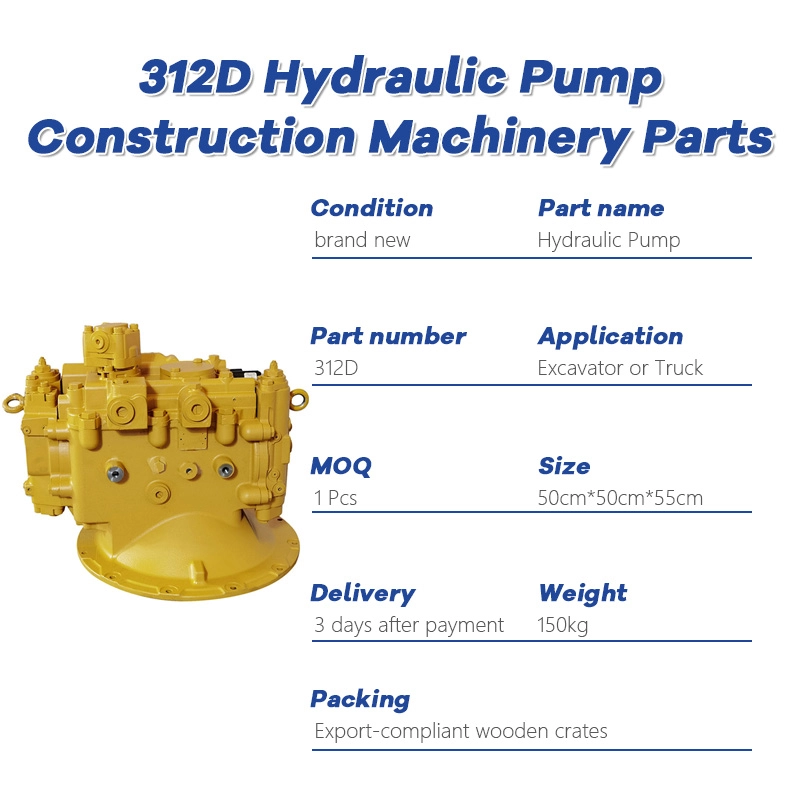
Excavator Hydraulic Pump for CAT 312D | Fast Shipping
Get your high-quality JELXEL CAT 312D hydraulic pump! Engineered for durability and peak performance, this essential 312D hydraulic pump ensures your excavator runs efficiently. Benefit from our fast shipping to minimize downtime. Choose JELXEL for reliable, high-quality solutions for your CAT 312D.
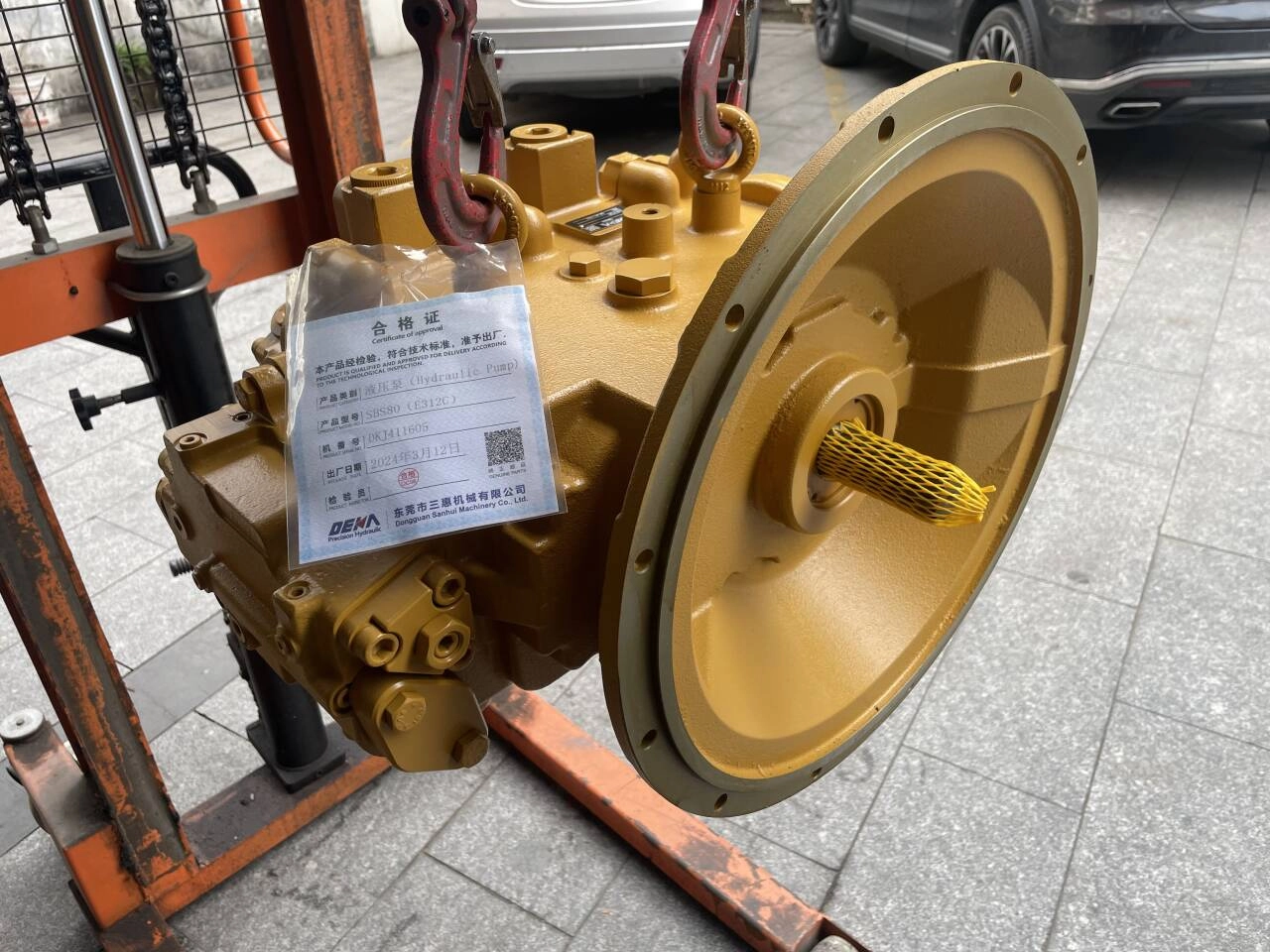
New CAT 312C Hydraulic Main Pump | Compatible Excavator Parts
JELXEL’ New CAT 312C Hydraulic Main Pump delivers reliable performance for your excavator. Engineered for durability, this Caterpillar 312C hydraulic pump ensures seamless compatibility and optimal efficiency.
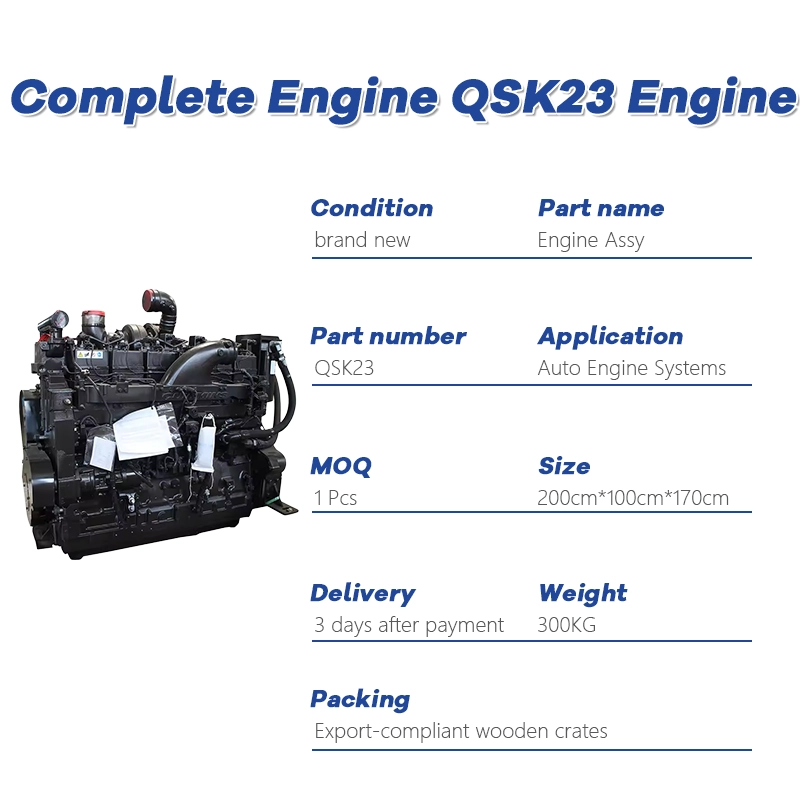
QSK23 Excavator Engine Assembly | Reliable & Efficient Performance
Discover the high-performance QSK23 Excavator Engine Assembly by JELXEL, designed for reliable and efficient excavation. Ideal QSK23 engine parts for excavators, this engine assembly delivers durability and power. Explore our engine assembly for sale to boost your machinery’s performance today.
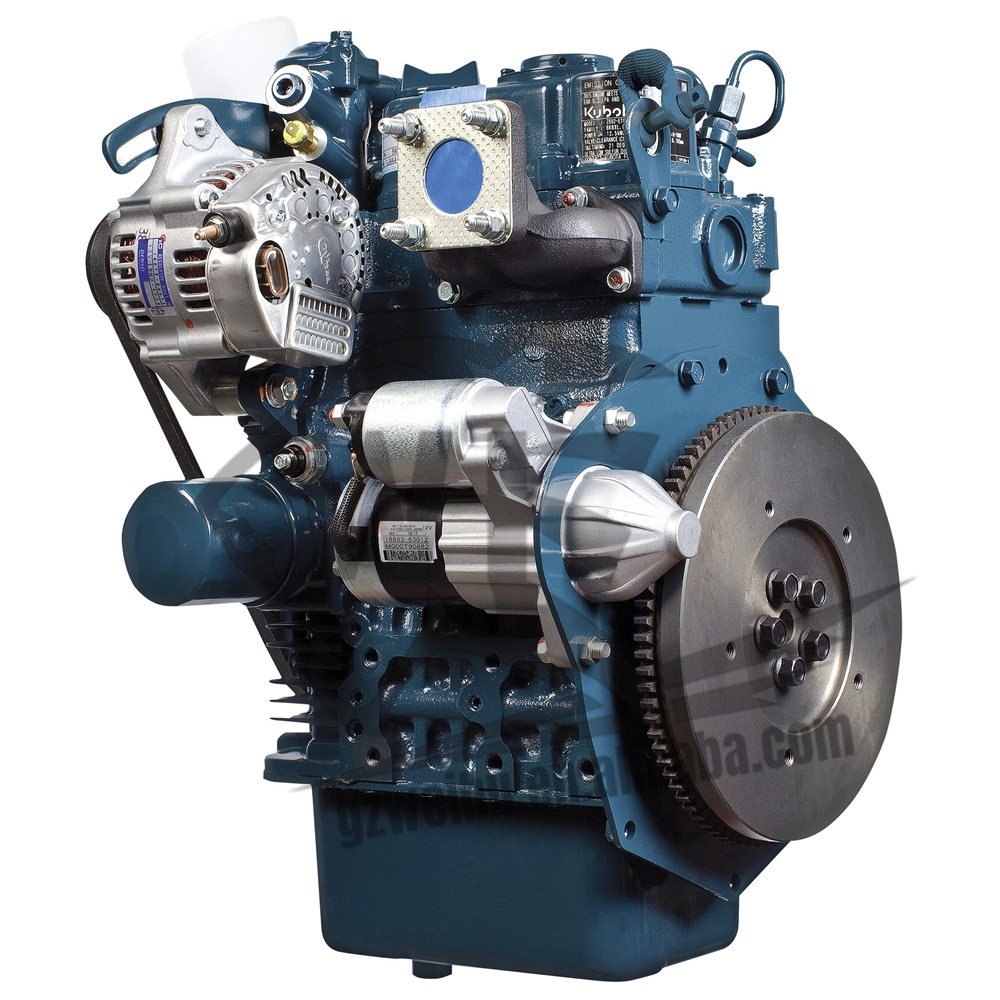
D722 Excavator Engine Replacement | Boost Your Excavator’s Power
Upgrade your excavator's performance with the JELXEL D722 Excavator Engine Replacement. Buy D722 excavator engine now to enhance power and efficiency. Excavator D722 Engine for Sale, designed for durability and smooth operation. Boost your excavator’s power today!
Get in touch with us
If you have any comments or good suggestions, please leave us a message, later our professional staff will contact you as soon as possible.
To be a happy enterprise in the field of engineering equipment.
JELXEL delivers efficient and reliable service at each stage to meet the customer's needs.