

jackhuang5919@gmail.com
Excavator Engine Overheating: Causes and Fixes
Practical guide to diagnosing and fixing excavator engine overheating. Learn causes, step-by-step troubleshooting, repair options, preventive maintenance, cost estimates, and when to contact professionals. Includes parts checklist and FAQs.
- Excavator Engine Overheating: Quick overview
- Why overheating matters for the excavator engine
- Common Causes of Excavator Engine Overheating
- Cooling-system failures are the top cause
- Fuel and combustion issues that raise engine temperature
- Lubrication and oil-related causes
- Operational and environmental factors
- Step-by-Step Troubleshooting and Quick Fixes
- Immediate actions to protect the excavator engine
- Basic on-site checks you can perform
- Diagnostic tests for a thorough evaluation
- Repair and Replacement Solutions
- Cleaning and minor repairs
- When parts should be replaced
- Key excavator engine parts to keep in stock
- Preventive Maintenance to Avoid Overheating
- Simple daily and scheduled checks
- Maintain correct coolant and lubrication
- Cost and Downtime Considerations
- Typical repair cost and downtime ranges
- Reducing total cost of ownership
- Comparison: Cleaning vs. Replacing Cooling Components
- When to clean and when to replace — a quick comparison
- About JELXEL
- Partnering for reliable excavator engine parts
- Quality, R&D and service you can trust
- When to call professional service
- Signs you should stop DIY and call a technician
- Frequently Asked Questions (FAQ)
- What temperature is too hot for an excavator engine?
- What should I do immediately when my excavator engine overheats?
- Can I keep operating at a slightly elevated temperature?
- How often should I flush or change the coolant?
- Which parts should I keep as spares to reduce downtime?
- Does aftermarket parts quality affect overheating risk?
- How can I reduce overheating risk in dusty or hot environments?
- Final advice
Excavator Engine Overheating: Quick overview
Why overheating matters for the excavator engine
An overheated excavator engine reduces productivity, increases repair costs, and can cause catastrophic engine damage if left unchecked. Typical diesel excavator engines run in the general range of 80–105°C (176–221°F), with many modern units stabilizing near ~90°C (194°F). Temperatures consistently above the normal range indicate a cooling-system, combustion, or lubrication problem that should be diagnosed immediately.
Common Causes of Excavator Engine Overheating
Cooling-system failures are the top cause
Problems with the cooling system account for the majority of overheating events. Key issues include clogged radiators or fins (from dust, mud, and debris), failed water pumps, worn or slipping fan belts, broken fan clutches, collapsed or leaking hoses, faulty thermostats, and air pockets that prevent coolant circulation. Blocked airflow to the radiator (grille blocked by debris or attachments) also reduces heat dissipation.
Fuel and combustion issues that raise engine temperature
Incorrect fuel injection timing, dirty injectors, poor fuel quality, a malfunctioning turbocharger, or excessive idling under load can increase combustion temperatures. Overloading the machine (digging above capacity, long continuous heavy loads) forces the engine to produce more power and heat than the cooling system can remove.
Lubrication and oil-related causes
Engine oil carries and dissipates heat as well as lubricates. Low oil level, degraded oil (exceeded service interval), or oil cooler failures reduce oil's ability to cool and protect the engine. Insufficient lubrication increases friction and localized heat, accelerating wear on bearings and cylinder walls.
Operational and environmental factors
High ambient temperatures, working at slow speeds or in confined areas with poor airflow, high altitude (which affects turbo performance), and continuous operation in dusty conditions increase the likelihood of overheating. Even a blocked exhaust or malfunctioning aftertreatment system can raise operating temperatures.
Step-by-Step Troubleshooting and Quick Fixes
Immediate actions to protect the excavator engine
If the temperature gauge rises into the danger zone: stop the machine in a safe location, raise the boom to reduce load, idle the engine (do not shut down immediately if heavy load or towing required — follow the manufacturer’s cool-down procedures), and switch on cabin fans or auxiliary cooling if available. Do not open the radiator cap while hot — wait until temperature falls to avoid scalding. Note any visible leaks, steam, or unusual noises.
Basic on-site checks you can perform
1) Check coolant level in the expansion tank when the engine is cool. 2) Inspect radiator and oil cooler fins for debris; clean as needed. 3) Check fan belt tension and condition. 4) Look for coolant or oil leaks around hoses, water pump, and radiator. 5) Verify engine oil level and condition. 6) Observe fan operation (electric or hydraulic) and fan clutch engagement. 7) Read fault codes from the machine’s ECU — many modern excavators show high-temp related codes that pinpoint sensors or controls.
Diagnostic tests for a thorough evaluation
For deeper diagnostics: pressure-test the coolant system to reveal leaks; perform a coolant flow test or infrared scan to identify cold spots; test the thermostat by measuring temperature before and after it opens; inspect the water pump for bearing play or impeller damage; and conduct a cylinder compression or leak-down test if head gasket failure is suspected. Use manufacturer-specified coolant concentration (normally 40–50% ethylene-glycol mix) and correct freeze/boil protection for your environment.
Repair and Replacement Solutions
Cleaning and minor repairs
Often the simplest fixes restore normal operation: cleaning radiator and oil cooler fins with low-pressure air or water, replacing collapsed or brittle hoses, tightening or replacing drive belts, and replacing thermostat or radiator cap. Backflushing and chemical coolant flushing can remove internal scale if coolant maintenance was neglected.
When parts should be replaced
Replace the radiator when there is irreparable core damage, persistent internal scaling, or multiple leaks. Replace water pumps if the impeller is corroded, the bearing is noisy, or the pump is leaking. Fan clutches, temperature sensors, oil coolers, and thermostats are relatively low-cost items that should be replaced at signs of failure. For turbocharger or head gasket issues, consult a qualified technician immediately—these can indicate deeper engine damage.
Key excavator engine parts to keep in stock
Maintain a small inventory of high-failure or quick-replace parts: thermostats, radiator caps, coolant hoses, fan belts, water pumps, coolant (pre-mixed or concentrate), temperature sensors, and hydraulic/mechanical fan clutches. Access to OEM-grade replacement parts reduces downtime and risk of repeat failures.
Preventive Maintenance to Avoid Overheating
Simple daily and scheduled checks
Daily: walk-around inspection, check coolant and oil levels, visually inspect hoses and belts. Weekly: clean radiator and grille, check fan operation. At service intervals (commonly 250, 500, and 1,000 hours depending on manufacturer): change oil and filter, replace fuel filters, inspect and test coolant condition, flush cooling system as recommended. Always follow your machine’s service manual for exact intervals—preventive maintenance is the best ROI against overheating failures.
Maintain correct coolant and lubrication
Use the coolant type and concentration specified by the excavator manufacturer. For many diesel engines, a 40–50% ethylene-glycol/water mix is standard; additives and extended-life coolants may be required for specific engines. Change coolant and oil at recommended intervals and monitor for contamination (oil in coolant or coolant in oil indicates head gasket or crack issues).
Cost and Downtime Considerations
Typical repair cost and downtime ranges
Costs vary widely by machine size and part quality. Approximate ballpark (USD): coolant hose replacement $50–$300 and 1–4 hours downtime; thermostat replacement $100–$400 and 1–3 hours; water pump $200–$1,200 and 3–8 hours; radiator replacement $500–$5,000 and 4–24 hours depending on accessibility and whether recon core work is needed; turbocharger repair or head gasket jobs can run $2,000–$20,000 with multiple days of downtime. These ranges depend on OEM vs aftermarket parts, labor rates, and machine model.
Reducing total cost of ownership
Regular inspections, immediate response to early signs of overheating, and stocking critical spare parts significantly reduce repair costs and lost production time. Investing in quality replacement parts (OEM or verified aftermarket) and professional installation reduces the risk of repeat failures.
Comparison: Cleaning vs. Replacing Cooling Components
When to clean and when to replace — a quick comparison
Use the following table to evaluate whether to clean, repair, or replace common cooling components based on condition, cost, and expected downtime.
| Component | Condition | Recommended action | Typical cost (USD) | Downtime |
|---|---|---|---|---|
| Radiator/core | External debris or clogged fins | Clean fins, blow out debris | $0–$200 (cleaning) | 1–4 hours |
| Radiator/core | Internal scaling or multiple leaks | Replace or professional re-core | $800–$5,000 | 4–24 hours |
| Water pump | Weeping seal or noisy bearing | Replace pump | $200–$1,200 | 3–8 hours |
| Thermostat | Stuck closed or slow opening | Replace thermostat | $80–$400 | 1–3 hours |
| Fan clutch / belt | Worn or slipping belt; failing clutch | Replace belt or clutch | $50–$600 | 1–6 hours |
About JELXEL
Partnering for reliable excavator engine parts
JELXEL serves as a reliable partner for global clients in the excavator spare parts sector. We provide a comprehensive selection of excavator parts designed to support a variety of operational needs, whether for routine tasks or high-performance excavator systems. With a focus on quality, cost-effectiveness, and timely delivery, JELXEL helps businesses keep machinery running smoothly by ensuring the availability of essential parts.
Quality, R&D and service you can trust
JELXEL emphasizes innovative R&D, continually advancing the design and performance of excavator parts. Our dedicated team of engineers and technicians develops high-quality, durable, and efficient components that meet industry standards. If your excavator engine requires replacement parts—radiators, water pumps, thermostats, oil coolers, sensors, or hoses—JELXEL can supply OEM-grade or compatible components and technical guidance to minimize downtime.
When to call professional service
Signs you should stop DIY and call a technician
Contact a professional if you observe persistent overheating after basic fixes, coolant contaminated with oil (or vice versa), white smoke from the exhaust, loss of coolant with no visible leaks (possible head gasket), persistent high-temperature fault codes, or if you lack specialized diagnostic tools. Major repairs like head gasket replacement, turbocharger rebuilds, and engine overhauls require shop facilities and experienced technicians.
Frequently Asked Questions (FAQ)
What temperature is too hot for an excavator engine?
Most diesel excavator engines operate around 80–105°C (176–221°F). Temperatures consistently above 105°C (221°F) should be investigated immediately. Always refer to the manufacturer's specified operating range for your model.
What should I do immediately when my excavator engine overheats?
Stop in a safe spot, reduce load by lowering attachments, idle the engine to allow cool-down (follow the manual), inspect for visible leaks or steam, and do not open the radiator cap while hot. Perform the on-site checks listed above once temperatures have fallen.
Can I keep operating at a slightly elevated temperature?
No. Even mildly elevated temperatures accelerate wear and can lead to severe failures. Address the root cause as soon as possible and avoid prolonged operation until resolved.
How often should I flush or change the coolant?
Follow your excavator manufacturer’s schedule. As a general guideline, coolant change intervals often range from 1,000 to 2,000 hours for conventional coolants—extended-life coolants vary. Regular coolant testing (pH, freeze/boil protection, presence of contaminants) helps determine the right interval.
Which parts should I keep as spares to reduce downtime?
Thermostat, radiator cap, coolant hoses, fan belts, water pump, temperature sensors, coolant, and a basic toolkit. For larger fleets, keep a spare radiator or water pump to minimize downtime during peak seasons.
Does aftermarket parts quality affect overheating risk?
Yes. Poor-quality parts may fail sooner or not meet thermal performance specifications, increasing the risk of overheating. Choose reputable suppliers, OEM-equivalent parts, or trusted aftermarket brands. JELXEL supplies quality parts and technical support to help reduce risk.
How can I reduce overheating risk in dusty or hot environments?
Increase inspection frequency, clean radiators and air intakes daily or as needed, ensure proper coolant concentration, and reduce continuous heavy loads during the hottest hours. Consider installing protective screens that prevent debris while maintaining airflow.
Final advice
Proactive maintenance, quick response to early signs, and access to quality excavator engine parts are the most effective strategies to prevent overheating and costly repairs. If you need replacement parts or technical support, JELXEL can assist with components and guidance to get your excavator back to reliable operation.
Tags
Excavator Engine D722 Replacement
Excavator Engine D722 Replacement
Kubota V2403 engine suppliers China
Kubota V2403 engine suppliers China
Deutz BF4M2012 diesel engine
Deutz BF4M2012 diesel engine
QSK23 engine assembly price
QSK23 engine assembly price
Carter 320D2 engine
Carter 320D2 engine
Excavator 4JG1 engine
Excavator 4JG1 engine
Recommended for you
Common Excavator Engine Problems and Solutions
Top 10 excavator engine Manufacturers and Supplier Brands

Troubleshooting engine assemblies: noise, smoke, and leaks
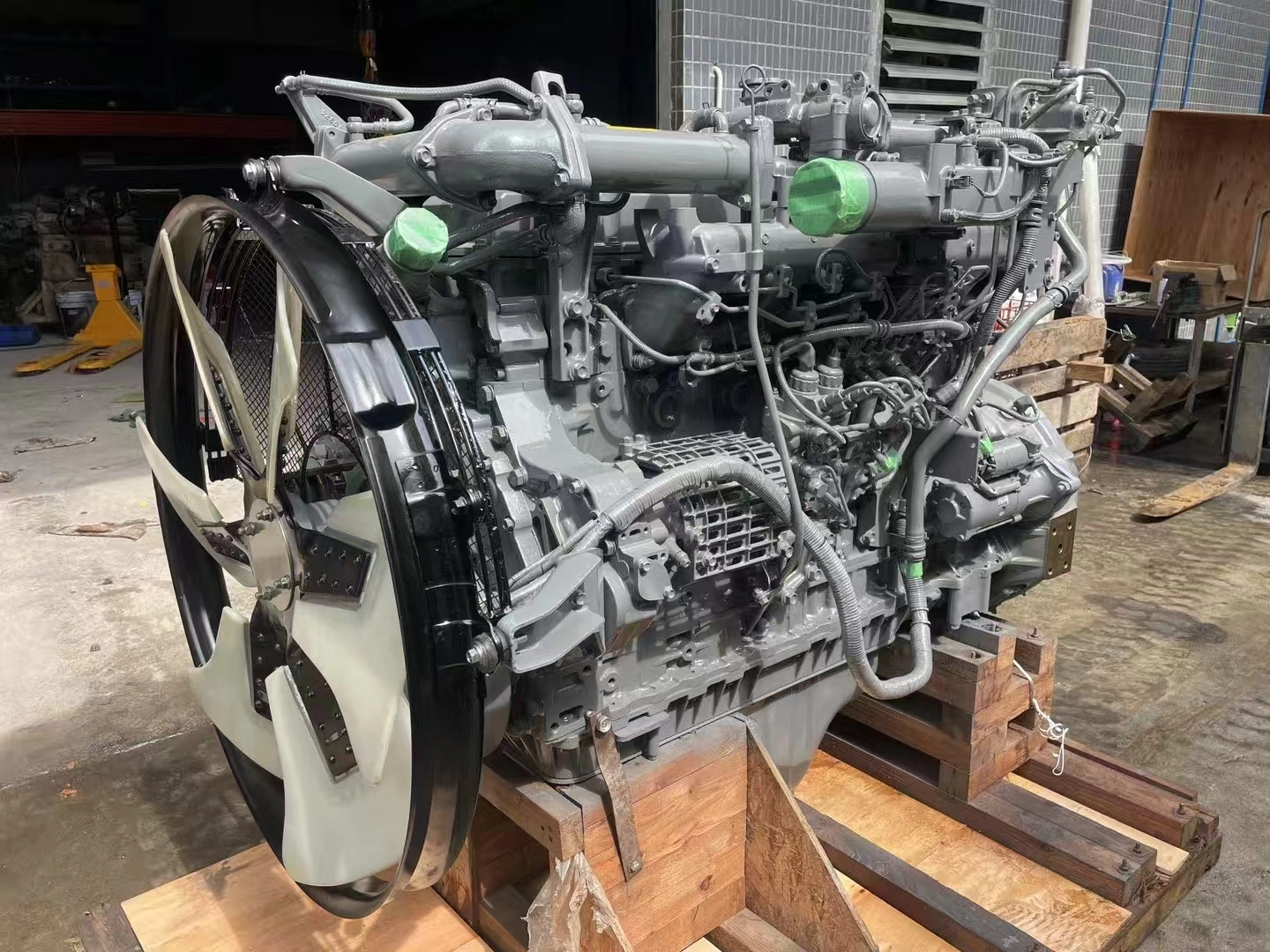
Integration Guide: Installing SY550 6WG1 into Existing Fleets
Prdoucts Categories
Question you may concern
FAQ
How can I place an order?
You can place an order through our user-friendly online platform or by contacting our sales team directly. Simply browse our catalog, select the parts you need, and follow the checkout process to complete your order.
What types of excavator parts do you offer?
JELXEL provides a comprehensive range of excavator parts, including but not limited to buckets, hydraulic components, undercarriage parts, and engine components. Our goal is to be your one-stop solution for all excavator needs.
Do you provide installation services for your parts?
While we do not offer installation services directly, we can recommend qualified professionals or resources to assist you with the installation of our parts. Our customer support team can provide guidance on finding local service providers.
How do I know which parts I need for my excavator?
If you are unsure which parts are needed, our knowledgeable customer support team can assist you. You can provide us with your excavator model and any relevant details, and we will help you identify the correct parts.
Are your parts compatible with all excavator brands?
JELXEL strives to offer parts compatible with a wide range of excavator brands and models. However, we recommend checking the product specifications or consulting with our team to ensure compatibility with your specific excavator.
You may also like
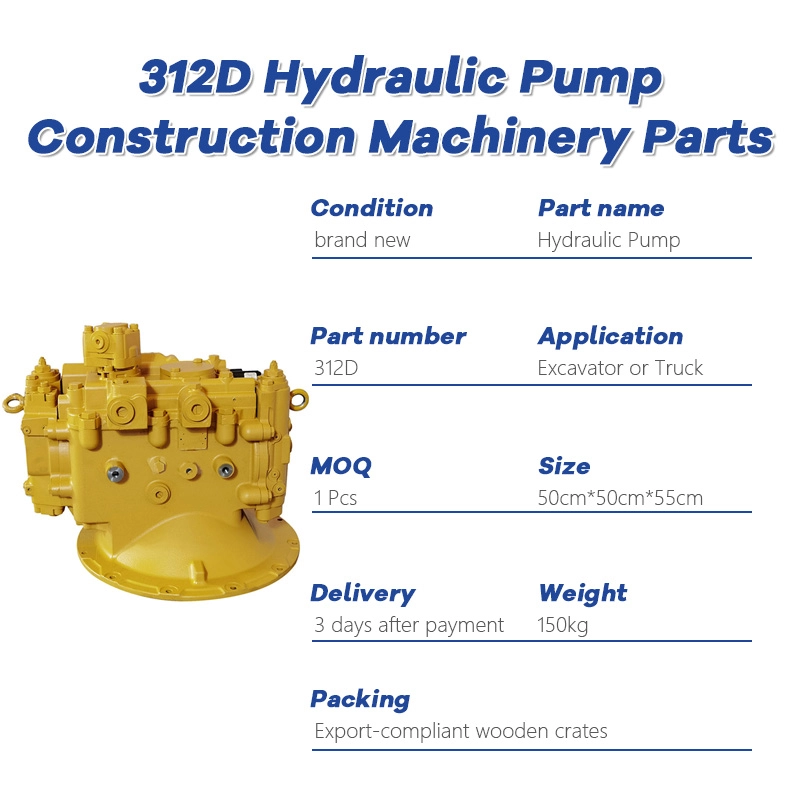
Excavator Hydraulic Pump for CAT 312D | Fast Shipping
Get your high-quality JELXEL CAT 312D hydraulic pump! Engineered for durability and peak performance, this essential 312D hydraulic pump ensures your excavator runs efficiently. Benefit from our fast shipping to minimize downtime. Choose JELXEL for reliable, high-quality solutions for your CAT 312D.
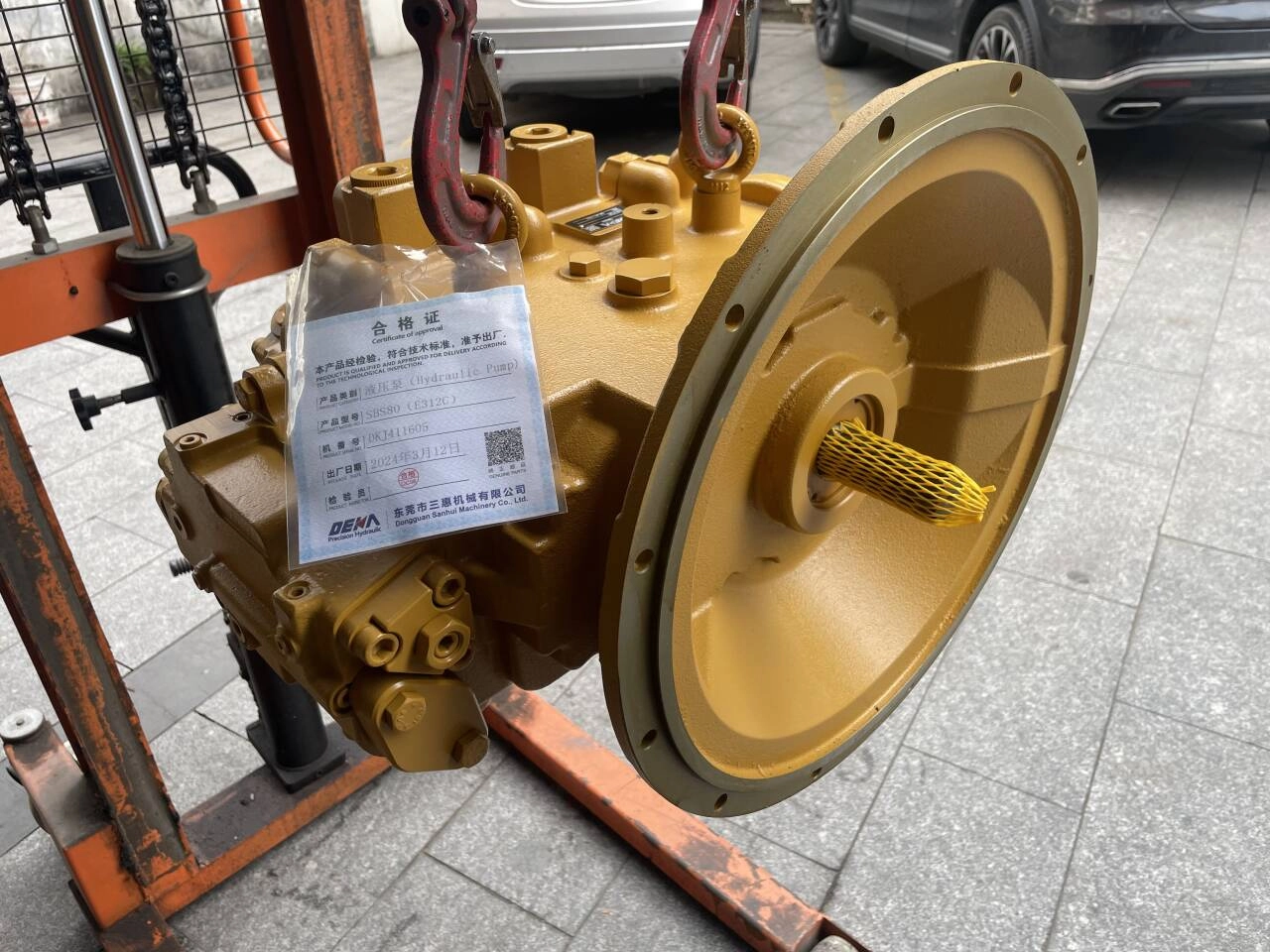
New CAT 312C Hydraulic Main Pump | Compatible Excavator Parts
JELXEL’ New CAT 312C Hydraulic Main Pump delivers reliable performance for your excavator. Engineered for durability, this Caterpillar 312C hydraulic pump ensures seamless compatibility and optimal efficiency.
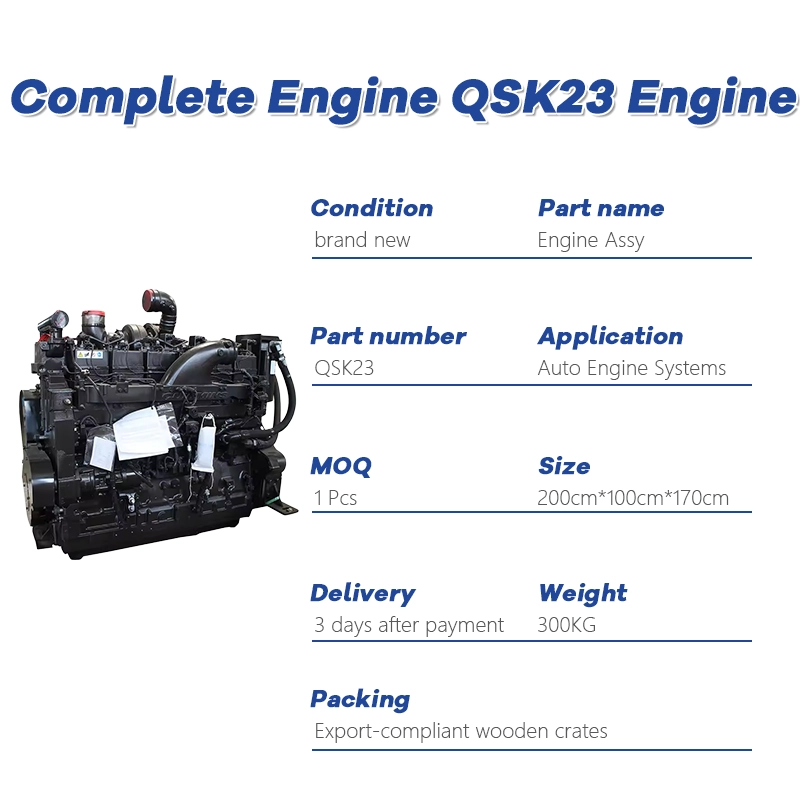
QSK23 Excavator Engine Assembly | Reliable & Efficient Performance
Discover the high-performance QSK23 Excavator Engine Assembly by JELXEL, designed for reliable and efficient excavation. Ideal QSK23 engine parts for excavators, this engine assembly delivers durability and power. Explore our engine assembly for sale to boost your machinery’s performance today.
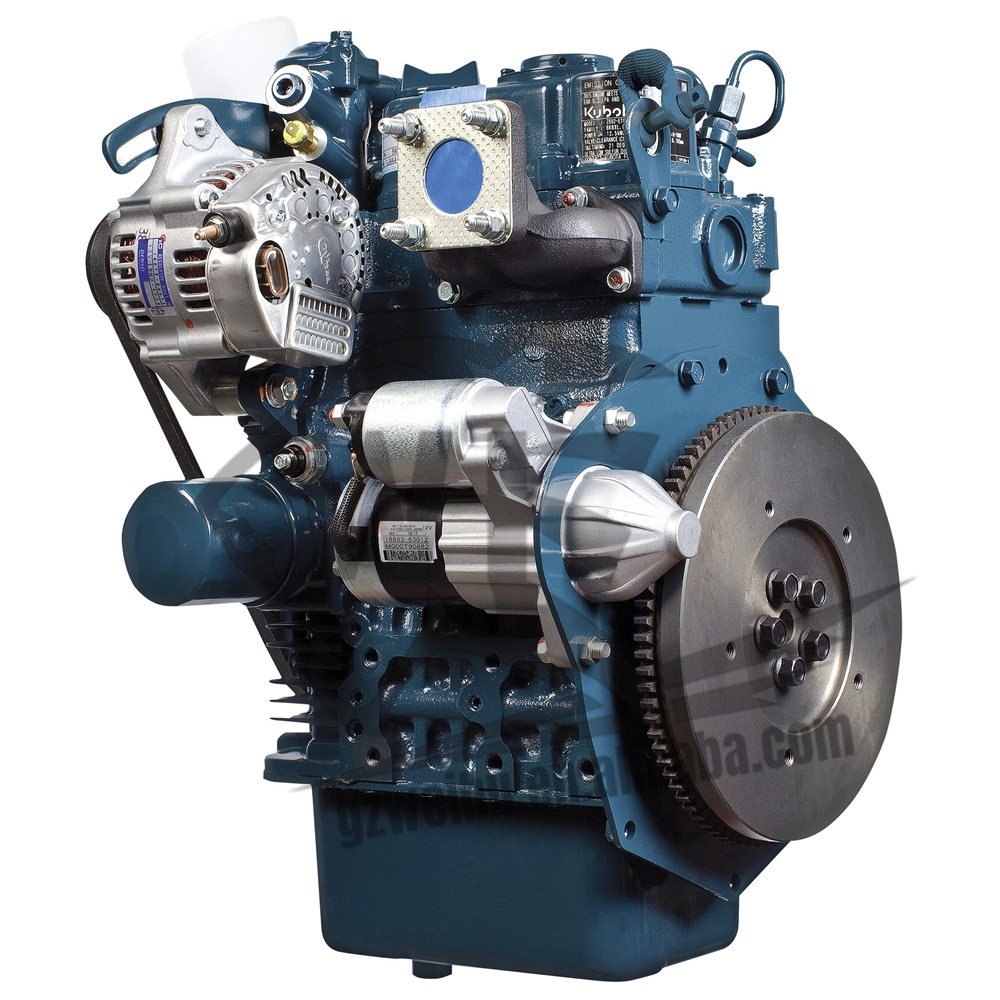
D722 Excavator Engine Replacement | Boost Your Excavator’s Power
Upgrade your excavator's performance with the JELXEL D722 Excavator Engine Replacement. Buy D722 excavator engine now to enhance power and efficiency. Excavator D722 Engine for Sale, designed for durability and smooth operation. Boost your excavator’s power today!
Get in touch with us
If you have any comments or good suggestions, please leave us a message, later our professional staff will contact you as soon as possible.
To be a happy enterprise in the field of engineering equipment.
JELXEL delivers efficient and reliable service at each stage to meet the customer's needs.