

jackhuang5919@gmail.com
Ultimate Guide to Excavator Parts: Identification, Maintenance, & Sourcing for 2026
2025-12-11
This comprehensive guide serves as the definitive resource for excavator parts in 2026. It covers the core anatomy of excavators, including detailed breakdowns of the undercarriage, hydraulic systems, and attachments. Readers will gain expert insights into maintenance schedules, identifying wear patterns, and sourcing strategies (OEM vs. aftermarket). The article also explores future trends like smart components and electrification, providing actionable advice for operators and buyers.
- Introduction: Navigating the World of Excavator Parts
- The Core Anatomy of an Excavator: Main Sections and Their Components
- The Undercarriage: Foundation of Mobility
- The House/Upper Structure: Power, Control, and Stability
- The Working Group: Boom, Arm, and Bucket
- Beyond the Basics: Specialized Excavator Attachments
- Commonly Replaced Excavator Parts: Wear & Lifespan
- Undercarriage Wear
- Hydraulic System Health
- Ground Engaging Tools (GET)
- A Buyer's Guide to Excavator Parts: Sourcing Smartly
- Maximizing Excavator Part Lifespan Through Maintenance
- The Future of Excavator Parts: Innovation and Technology
- Frequently Asked Questions
- What are the most critical excavator parts for daily operation?
- How often should excavator hydraulic filters be replaced?
- What is the difference between OEM and aftermarket excavator parts?
- How can I identify the correct replacement part for my excavator?
- What are common signs of wear in excavator undercarriage components?
- Can I use used excavator parts?
- What role does the counterweight play in an excavator?
- Are there eco-friendly excavator parts options available?
- References
Introduction: Navigating the World of Excavator Parts
Excavators are the backbone of modern construction, mining, and forestry industries. Their ability to perform heavy-duty tasks—from digging trenches to demolishing structures—relies entirely on the synergy of thousands of specialized components. For operators, fleet managers, and parts purchasers, a surface-level understanding of these machines is no longer sufficient.
In 2026, the market for heavy machinery parts is evolving rapidly, driven by technological advancements and shifting supply chain dynamics. Whether you are troubleshooting a hydraulic failure or comparing excavator parts to determine the most reliable options, or looking for the best excavator parts to extend your machine's lifecycle, deep technical knowledge is your most valuable asset. This guide provides a "Skyscraper" level deep dive into excavator anatomy, offering a definitive reference for identification, maintenance, and smart sourcing strategies.
The Core Anatomy of an Excavator: Main Sections and Their Components
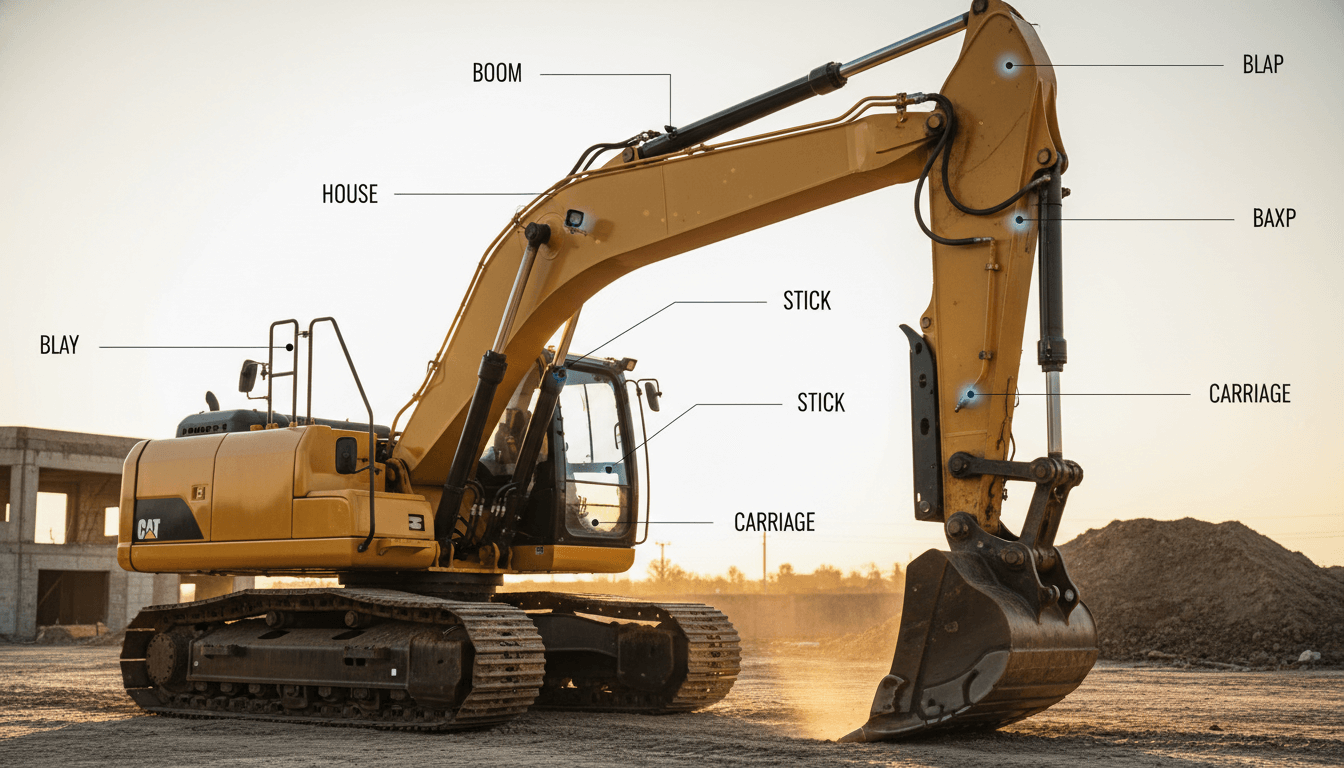
Understanding the distinct sections of an excavator is fundamental to diagnostics and procurement. The machine is generally divided into three main assemblies: the Undercarriage, the Upper Structure (House), and the Working Group.
The Undercarriage: Foundation of Mobility
The undercarriage is the most expensive operational component, often accounting for 50% of total maintenance costs over the machine's life. It supports the entire weight of the excavator and enables mobility over rough terrain.
· Tracks (Steel vs. Rubber): Steel tracks provide durability for harsh environments like quarries, while rubber tracks reduce ground disturbance on paved surfaces or finished lawns.
· Track Frame: The structural chassis that holds the moving parts.
· Rollers (Carrier & Track): Track rollers (bottom) support the machine's weight, while carrier rollers (top) prevent the track chain from sagging.
· Idlers: Located at the front, idlers maintain track tension and absorb shock loads. Improper tension is a leading cause of premature wear.
· Sprockets: Toothed wheels at the rear that engage the track links to drive the machine. "Shark-finning" on sprocket teeth is a key indicator of wear.
· Final Drives: Complex planetary gearboxes that convert high-speed hydraulic power into the high-torque rotation needed to move the tracks.
The House/Upper Structure: Power, Control, and Stability
This section sits atop the undercarriage and can rotate 360 degrees, allowing for versatile operation.
· Operator Cab: The command center featuring ergonomic controls, ROPS (Rollover Protective Structures), and FOPS (Falling Object Protective Structures) for safety.
· Engine: The primary power source, typically a diesel engine, though electric variants are gaining traction. It drives the hydraulic pumps.
· Hydraulic System: The "muscle" of the excavator. Key components include the Main Pump (converts mechanical energy to flow), Control Valves (direct flow to cylinders/motors), and Hydraulic Tank (reservoir).
· Swing Drive/Slewing Ring: A massive bearing and motor assembly that enables the house to rotate relative to the undercarriage.
· Counterweight: A heavy mass at the rear that balances the machine when lifting heavy loads, preventing tipping.
The Working Group: Boom, Arm, and Bucket
This assembly is responsible for the actual digging and lifting actions, defined by the International Organization for Standardization (ISO) 6015 standards for tool forces.
· Boom: The main angled arm attached to the house. Options include Mono Booms for general use and Articulated Booms for confined spaces.
· Arm (Stick/Dipper): Connects the boom to the bucket, providing reach and digging depth.
· Bucket: The ground-engaging tool. Variations include trenching, grading, and rock buckets.
· Cylinders: Hydraulic rams that actuate the boom, arm, and bucket. They operate on Pascal’s Law, where pressurized fluid generates linear force.
· Linkages & Pins: High-stress connection points that require daily greasing to prevent "slop" or play in the movement.
Beyond the Basics: Specialized Excavator Attachments
To maximize utility, modern excavators utilize a range of hydraulic attachments. As a trusted manufacturer of excavator parts, we see a high demand for components that support these versatile tools.
· Hydraulic Breakers: Used for demolition. Critical parts include the chisel (moil point), piston, and front head.
· Grapples: Hydraulic jaws for handling logs, scrap, or demolition debris.
· Augers: Drilling attachments for post holes. Key parts are the drive unit, flighting, and pilot teeth.
· Tiltrotators: An advanced "wrist" between the arm and bucket, allowing the attachment to tilt and rotate, significantly increasing precision.
Commonly Replaced Excavator Parts: Wear & Lifespan
Proactive replacement of wear parts prevents catastrophic failure. Recognizing the signs of wear is a critical skill for any operator.
Undercarriage Wear
Abrasion is the enemy here. Track chains stretch over time as internal pins and bushings wear. Sprockets become pointed. Rollers can develop flat spots if they seize. Regular cleaning is essential; packed mud hardens and acts like a grinding paste.
Hydraulic System Health
Hydraulic Hoses degrade due to UV exposure and pressure spikes, leading to leaks. Seals inside cylinders can fail, causing "drift" (where the boom slowly drops). Filters are the first line of defense; clogged filters can cause pump cavitation, a destructive condition where air bubbles implode inside the pump.
Ground Engaging Tools (GET)
Bucket Teeth and Cutting Edges are sacrificial parts. Using the wrong tooth material (e.g., using a general-purpose tooth on abrasive granite) will result in rapid rapid wear. Tungsten carbide coatings are often used for extreme durability.
A Buyer's Guide to Excavator Parts: Sourcing Smartly
Choosing between OEM (Original Equipment Manufacturer) and aftermarket parts is a major decision impacting budget and performance.
· OEM Parts: Sourced directly from the brand (e.g., Cat, Komatsu). They guarantee perfect fitment and usually come with a robust warranty but at a premium price.
· Aftermarket Parts: Produced by third-party manufacturers. Quality varies widely. High-quality aftermarket parts can match OEM performance at a fraction of the cost, while low-quality options may fail prematurely.
Sourcing Tips:
1. Verify Compatibility: Always source using the machine's Serial Number and the specific Part Number.
2. Check Materials: For undercarriage parts, ensure high-grade steel (e.g., induction-hardened boron steel) is used.
3. Supplier Reputation: Look for suppliers who offer technical support and warranties.
Maximizing Excavator Part Lifespan Through Maintenance
According to industry data, neglected maintenance is the leading cause of unscheduled downtime. Implementing a rigorous schedule is non-negotiable.
· Daily: Check fluid levels (engine oil, hydraulic fluid, coolant). Grease pivot points. Clean the undercarriage of mud and debris.
· Weekly: Check track tension (sag). Inspect hydraulic hoses for rubbing or cracking.
· Monthly: Check final drive oil levels. Inspect air filters. Sample hydraulic fluid for analysis.
Advanced diagnostics are becoming standard. Many modern excavators feature telematics that alert fleet managers to fault codes before a physical failure occurs.
The Future of Excavator Parts: Innovation and Technology
As we look toward 2026, the industry is shifting. We are seeing a rise in customized excavator parts designed for specific applications, alongside broader technological trends.
· Smart Components: Hydraulic cylinders with integrated position sensors are enabling semi-autonomous digging.
· Electrification: Electric excavators require different maintenance protocols, replacing diesel filters and belts with battery management systems and electric motors.
· Sustainability: There is a growing market for remanufactured parts, which offer a greener alternative to buying new without sacrificing quality.
Frequently Asked Questions
What are the most critical excavator parts for daily operation?
The engine (power source), hydraulic pump (flow generation), main control valve (flow direction), and the undercarriage (mobility) are the most critical systems. Failure in any of these will render the machine inoperable.
How often should excavator hydraulic filters be replaced?
Standard intervals are typically every 500 to 1,000 operating hours. However, always refer to the specific service manual for your machine, as harsh operating environments (dust, extreme heat) may require more frequent changes.
What is the difference between OEM and aftermarket excavator parts?
OEM parts are made by the machine's original manufacturer and guarantee exact specifications. Aftermarket parts are made by third parties; while often cheaper, buyers must carefully vet the supplier to ensure the material quality matches OEM standards.
How can I identify the correct replacement part for my excavator?
The most reliable method is to use the Machine Serial Number and the specific Part Number found in the parts manual. Visual matching is risky due to subtle revision changes in manufacturing.
What are common signs of wear in excavator undercarriage components?
Look for "shark-fin" wear patterns on sprocket teeth, external wear on bushings (causing track stretch), flat spots on rollers, and loose track pads. Increased vibration during travel is also a key indicator.
Can I use used excavator parts?
Yes, used or "reconditioned" parts are a viable cost-saving strategy for major components like final drives or engines, provided they come from a reputable dealer and have been pressure-tested or inspected.
What role does the counterweight play in an excavator?
The counterweight offsets the weight of the boom, arm, bucket, and payload. Without it, the machine would tip forward when lifting heavy loads or digging at maximum reach.
Are there eco-friendly excavator parts options available?
Yes. The industry is seeing more remanufactured components (which save energy and raw materials) and the development of bio-degradable hydraulic fluids to reduce environmental impact in sensitive areas.
References
· Wikipedia: Excavator Anatomy and Terminology
· iTeh Standards: ISO 6015 Earth-moving machinery — Hydraulic excavators
· Heavy Vehicle Inspection: Excavator Maintenance Checklist
· Construction Briefing: Seven construction technology trends for 2026
Recommended for you
Isuzu D1703 Diesel Engine | High-Performance Engine Assembly for Heavy Machinery
EX450-5 6RB1 Engine Assembly for Hitachi Excavator | Complete Replacement Engine
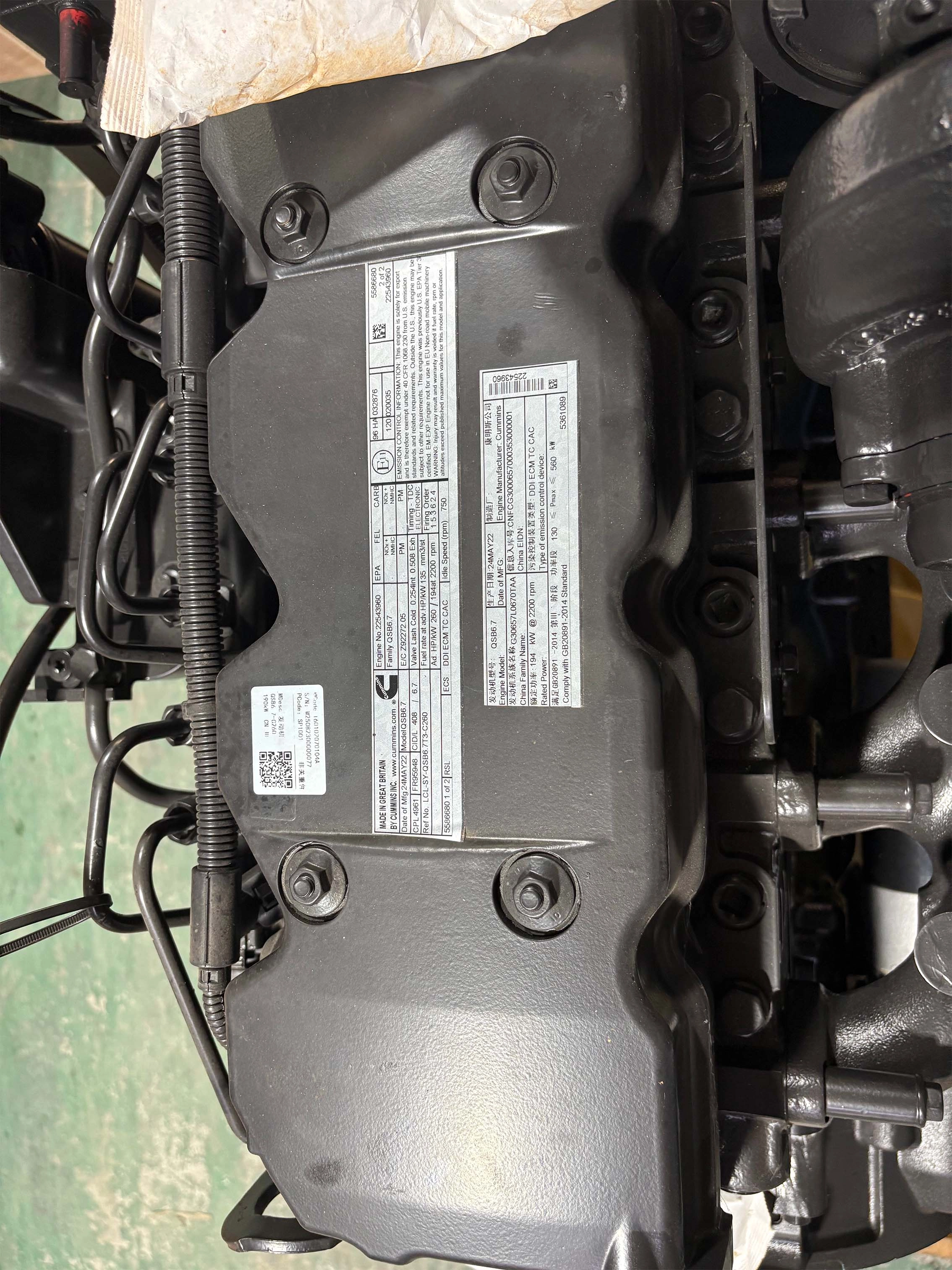
Cummins QSB6.7 Diesel Engine – High Power, Durable, Original Industrial Engine
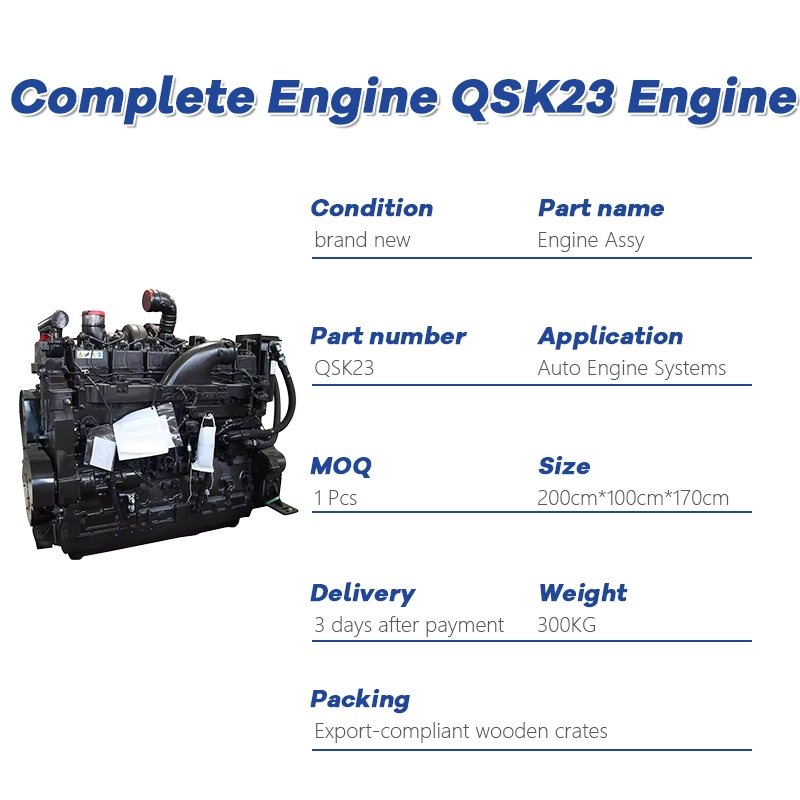
QSK23 Engine Assembly – Reliable Power Solution from Direct Supplier
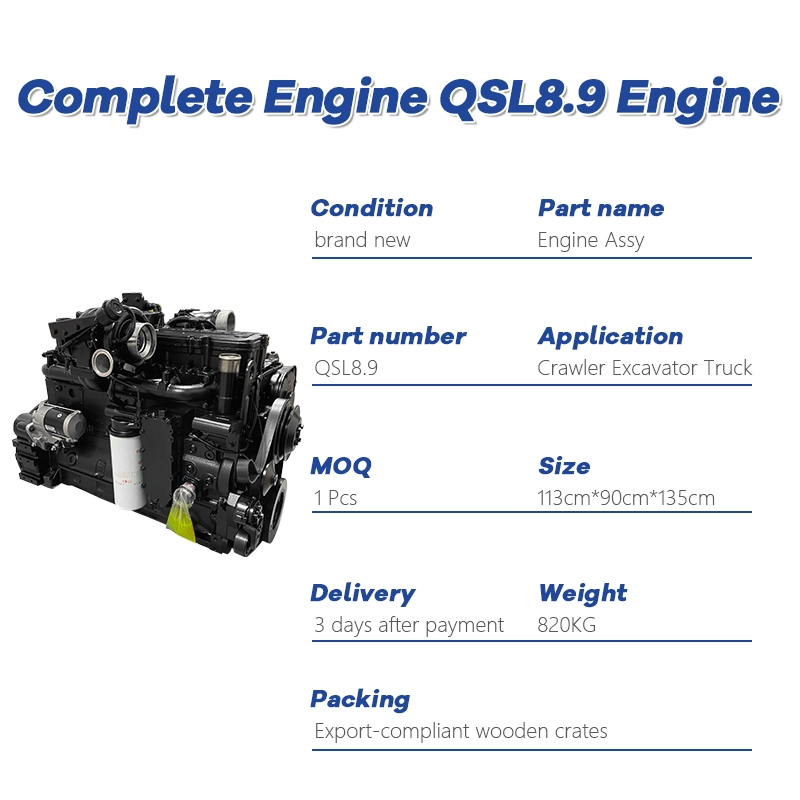
Cummins QSL8.9 Diesel Engine – High Power and Reliability for Heavy Equipment
Prdoucts Categories
FAQ
FAQ
How do I know which parts I need for my excavator?
If you are unsure which parts are needed, our knowledgeable customer support team can assist you. You can provide us with your excavator model and any relevant details, and we will help you identify the correct parts.
Do you provide installation services for your parts?
While we do not offer installation services directly, we can recommend qualified professionals or resources to assist you with the installation of our parts. Our customer support team can provide guidance on finding local service providers.
How can I place an order?
You can place an order through our user-friendly online platform or by contacting our sales team directly. Simply browse our catalog, select the parts you need, and follow the checkout process to complete your order.
Do you offer bulk purchasing options?
Yes, we offer competitive pricing for bulk orders. If you are interested in purchasing large quantities of parts, please contact our sales team to discuss your requirements and receive a customized quote.
Do you provide warranties on your products?
Yes, we stand by the quality of our products. Most parts come with a warranty that covers manufacturing defects. Please refer to the specific warranty information provided with your purchase or contact our customer service team for details.
You may also like
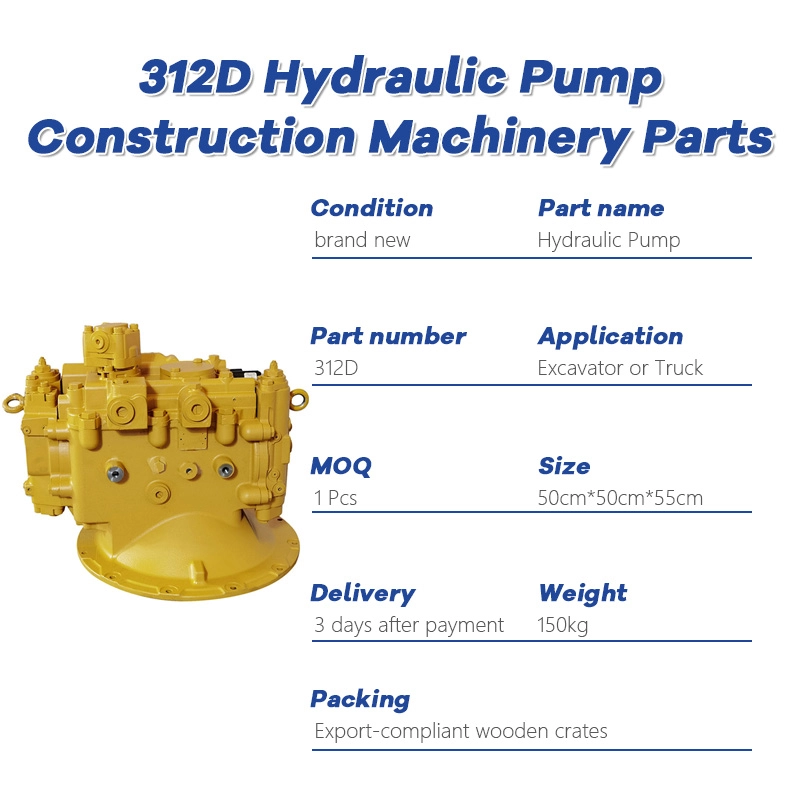
Excavator Hydraulic Pump for CAT 312D | Fast Shipping
Get your high-quality JELXEL CAT 312D hydraulic pump! Engineered for durability and peak performance, this essential 312D hydraulic pump ensures your excavator runs efficiently. Benefit from our fast shipping to minimize downtime. Choose JELXEL for reliable, high-quality solutions for your CAT 312D.
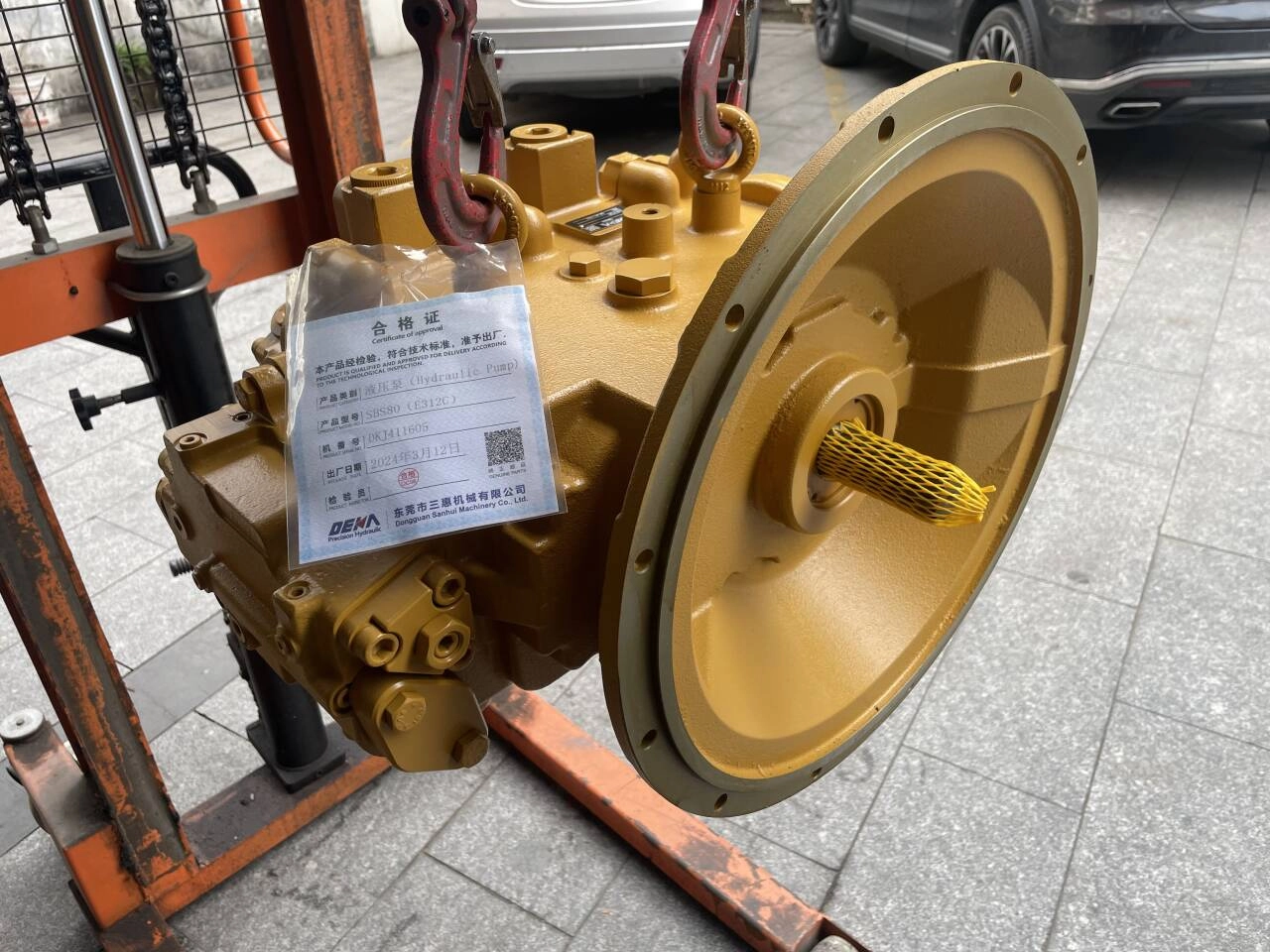
New CAT 312C Hydraulic Main Pump | Compatible Excavator Parts
JELXEL’ New CAT 312C Hydraulic Main Pump delivers reliable performance for your excavator. Engineered for durability, this Caterpillar 312C hydraulic pump ensures seamless compatibility and optimal efficiency.
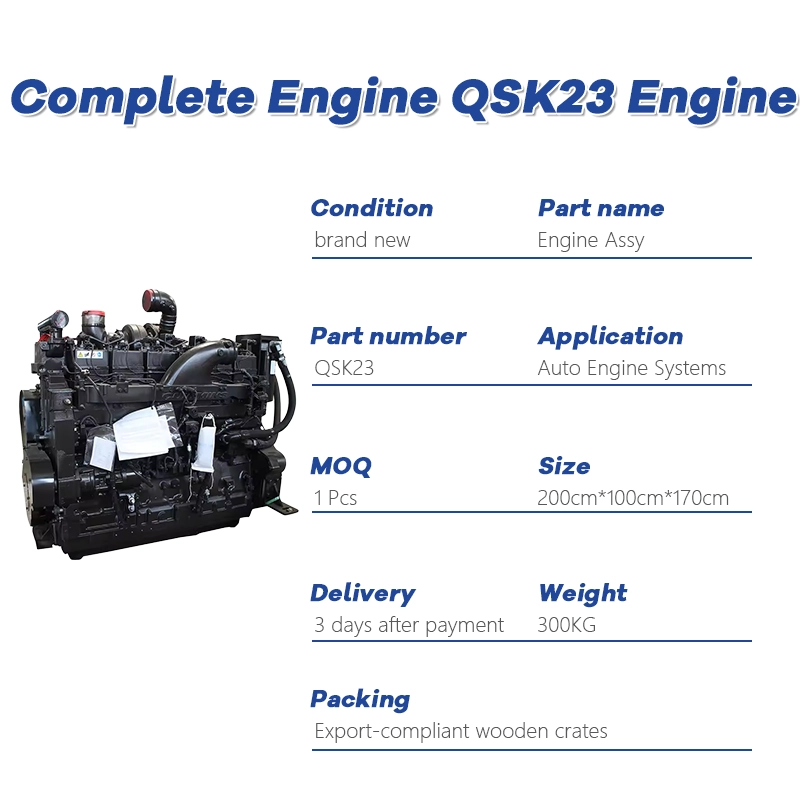
QSK23 Excavator Engine Assembly | Reliable & Efficient Performance
Discover the high-performance QSK23 Excavator Engine Assembly by JELXEL, designed for reliable and efficient excavation. Ideal QSK23 engine parts for excavators, this engine assembly delivers durability and power. Explore our engine assembly for sale to boost your machinery’s performance today.
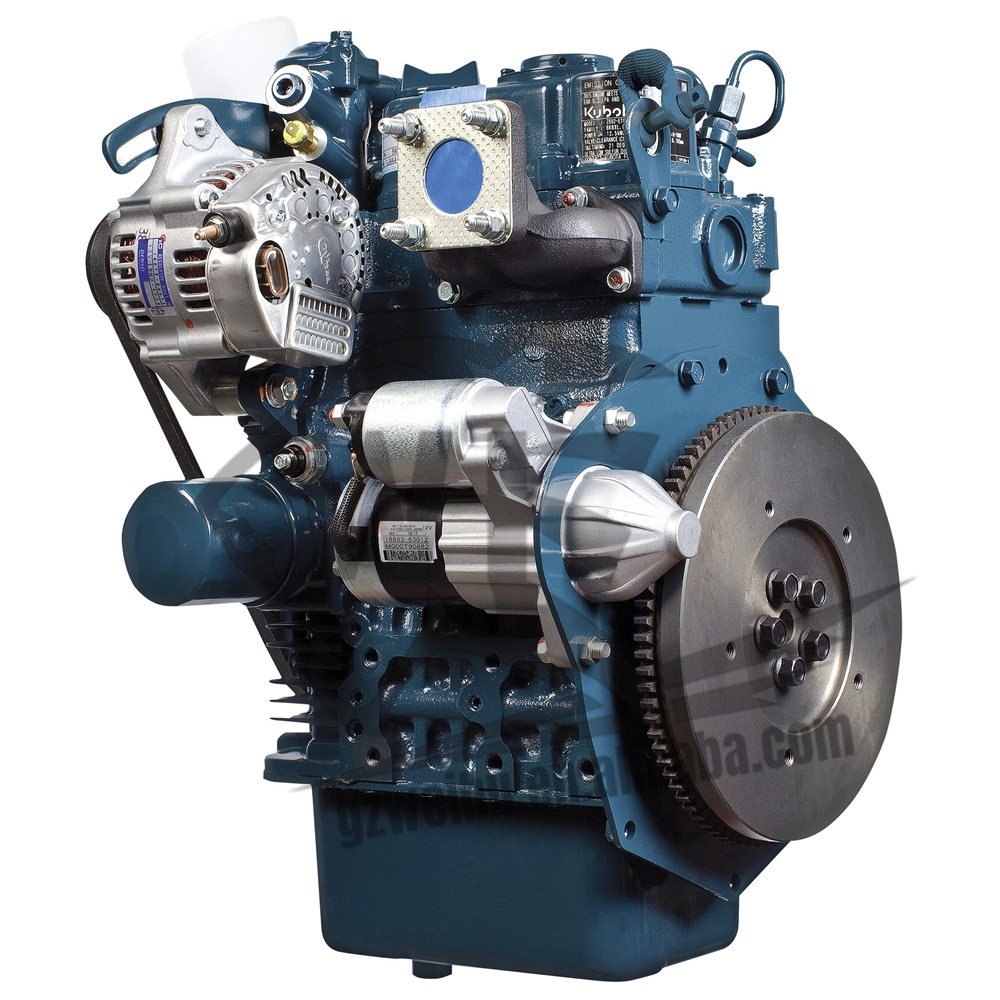
D722 Excavator Engine Replacement | Boost Your Excavator’s Power
Upgrade your excavator's performance with the JELXEL D722 Excavator Engine Replacement. Buy D722 excavator engine now to enhance power and efficiency. Excavator D722 Engine for Sale, designed for durability and smooth operation. Boost your excavator’s power today!
Get in touch with us
If you have any comments or good suggestions, please leave us a message, later our professional staff will contact you as soon as possible.
To be a happy enterprise in the field of engineering equipment.
JELXEL delivers efficient and reliable service at each stage to meet the customer's needs.