

jackhuang5919@gmail.com
The Future of Engineered Diesel: Innovations Beyond 2026 for Peak Performance
2026-01-06
A comprehensive guide to engineered diesel, covering advanced fuel chemistry, next-gen engine systems, and sustainability trends beyond 2026. Learn about HVO, thermal efficiency, and expert maintenance tips.
- What is Engineered Diesel?
- Key Takeaways: Engineered Diesel at a Glance
- The Evolution of Diesel Engineering: From Rudolf Diesel to Modern Marvels
- Engineering Diesel Fuels: Beyond the Basic Hydrocarbon
- Precision Engineering in Diesel Engines: Components & Systems
- The Future Landscape: Engineered Diesel Innovations Beyond 2026
- Why Engineered Diesel Matters: Benefits Across Industries
- Expert Tips for Maximizing Engineered Diesel Performance & Lifespan
- Common Misconceptions About Modern Engineered Diesel
- The Road Ahead: Challenges and Opportunities for Engineered Diesel
- Conclusion
- FAQ
- What is the main purpose of engineering diesel fuel?
- How do engineered diesel engines achieve better fuel efficiency?
- Are renewable diesel fuels considered "engineered diesel"?
- What role does AI play in the future of engineered diesel technology?
- How do modern emissions control systems in engineered diesel engines work?
- What are the advantages of common rail fuel injection in engineered diesel engines?
- Will engineered diesel engines still be relevant in 2030?
- What materials are being engineered for lighter and stronger diesel engine components?
- References
What is Engineered Diesel?
Engineered diesel is the holistic optimization of both diesel fuel chemistry and engine mechanical systems to achieve superior thermal efficiency, durability, and minimal environmental impact. Unlike traditional setups, this approach integrates advanced molecular fuel design with precision hardware like high-pressure injection and digital control systems.
To truly understand this concept, one must look at it as a complete ecosystem rather than separate components. Engineered diesel represents a shift from passive consumption to active optimization. It involves:
· Fuel Science: Modifying the hydrocarbon chain for cleaner burns (e.g., HVO and synthetic blends).
· System Integration: Designing engine components that specifically capitalize on these advanced fuel properties.
· Digital Symbiosis: Using AI and ECU data to adjust combustion parameters in real-time.
According to recent market data, the global diesel engine market is projected to reach over $86 billion by 2033, driven largely by these high-efficiency, engineered solutions in the heavy-duty sector.
Key Takeaways: Engineered Diesel at a Glance
Engineered diesel combines chemical and mechanical innovation to extend equipment life and reduce total cost of ownership (TCO). This technology is not just about raw power; it is about precision.
· Holistic Design: Optimizes both the fuel source and the engine assemblies that consume it.
· Efficiency First: Recent breakthroughs have pushed thermal efficiency past 53%, a milestone once thought impossible.
· Future-Proof: Innovations focus on diesel technology that meets strict EPA 2027 and Euro 7 standards.
· Sustainability: Renewable fuels like HVO are central to keeping diesel engines relevant in a decarbonizing world.
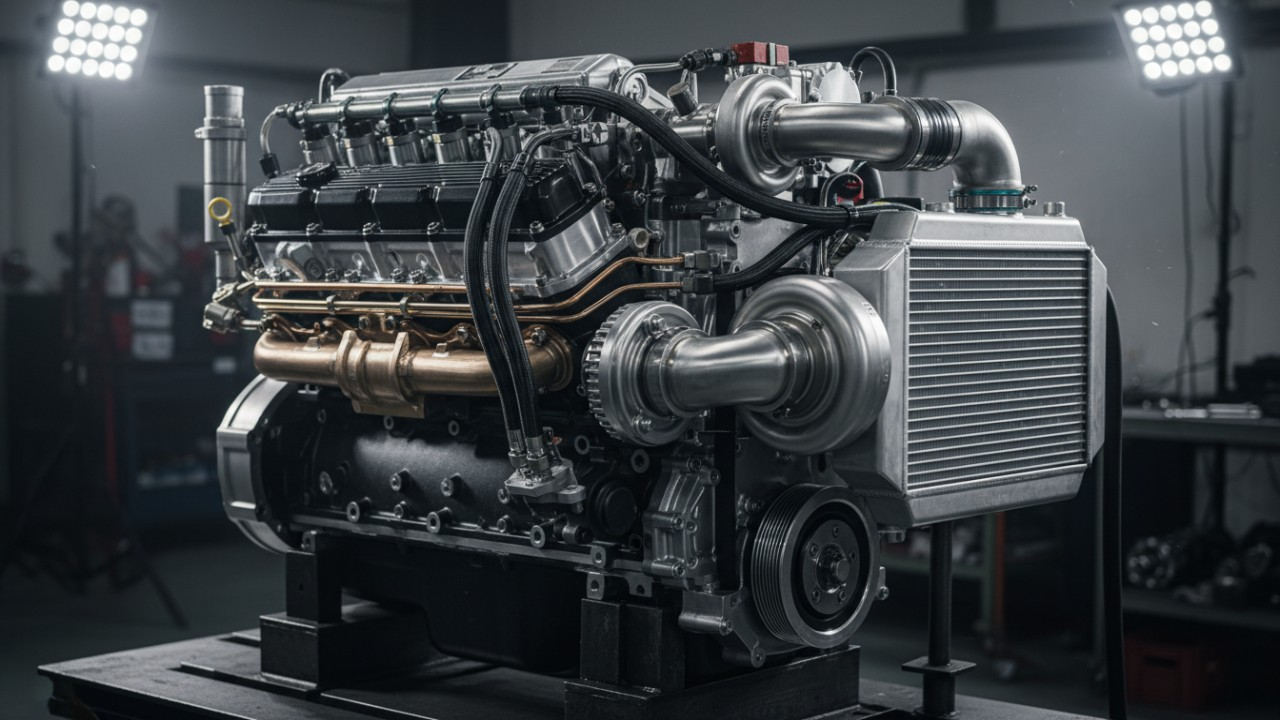
The Evolution of Diesel Engineering: From Rudolf Diesel to Modern Marvels
Diesel engineering has evolved from rudimentary compression ignition to sophisticated, computer-controlled power systems capable of near-zero emissions. Early designs focused solely on torque, whereas modern iterations prioritize a balance of power, fuel economy, and environmental stewardship.
This journey highlights the resilience of the technology:
1. The Origins: Rudolf Diesel’s original design prioritized efficiency over the steam engine, using high compression ratios.
2. Turbo Era: The introduction of forced induction allowed smaller engines, like a 4 cyl diesel engine, to produce the power of much larger naturally aspirated units.
3. Electronic Revolution: The shift from mechanical governors to digital Engine Control Units (ECUs) enabled precise fuel delivery.
4. The Engineered Era: Today, we see integrated systems where diesel engine oil, fuel, and aftertreatment hardware are co-developed for maximum synergy.
Engineering Diesel Fuels: Beyond the Basic Hydrocarbon
Engineered diesel fuels are chemically modified or synthetically created fluids designed to outperform standard petroleum diesel in combustion stability, lubricity, and emissions profiles. Standard crude-derived diesel is often inconsistent, whereas engineered variants offer molecular uniformity.
Advanced fuel engineering addresses several critical performance metrics:
· Renewable Diesel (HVO): Hydrotreated Vegetable Oil is a drop-in replacement that reduces lifecycle emissions by up to 90%. The HVO market alone is projected to grow at a CAGR of over 18% through 2032.
· Cetane Boosters: Additives that ensure faster ignition, crucial for cold starts and smooth running in a 2 cylinder diesel engine or smaller industrial units.
· Lubricity Enhancers: Vital for protecting high-pressure fuel pumps, especially in ultra-low sulfur diesel (ULSD) blends.
· Detergents: Compounds that keep injectors clean, preventing the common need for fixing diesel engine fueling issues caused by deposits.
Precision Engineering in Diesel Engines: Components & Systems
Precision engineering in this context refers to the manufacturing of engine components with micron-level tolerances to handle immense pressures and temperatures. Modern best diesel engines operate at injection pressures exceeding 2,500 bar, requiring materials that can withstand extreme stress.
Key engineered subsystems include:
· Common Rail Injection: Allows for multiple injection events per cycle (pilot, main, post), smoothing out combustion and reducing noise.
· Variable Geometry Turbochargers (VGT): Adjust airflow dynamically, ensuring an excavator engine has torque instantly upon demand without lag.
· Advanced Materials: The use of Vermicular Graphite Iron (CGI) allows blocks to be lighter yet stronger.
· Aftertreatment Systems: Selective Catalytic Reduction (SCR) and Diesel Particulate Filters (DPF) are now integrated into the engine's thermal management strategy.
If you are sourcing heavy-duty components, finding a reliable Cummins QSK23 Engine Assembly Wholesale Supplier is critical for ensuring you get these precision-engineered standards.
The Future Landscape: Engineered Diesel Innovations Beyond 2026
Future diesel innovations will center on hybridization, connectivity, and fuel-agnostic architectures that allow engines to transition seamlessly between diesel, hydrogen, and natural gas. As we look past 2026, the "death of diesel" appears exaggerated; instead, it is transforming.
Expect to see these technologies dominate:
1. AI-Optimized Performance: On-board AI will predict load changes and adjust diesel engine service intervals dynamically based on real-world usage data.
2. Hybrid Powertrains: Diesel-electric hybrids will become standard in off-highway equipment, recovering energy during braking or swing movements in excavators.
3. Fuel-Agnostic Platforms: Manufacturers are building "bottom ends" that can support heads designed for diesel, hydrogen, or biomethane.
4. Thermal Efficiency Gains: New piston bowl geometries and insulation coatings aim to capture waste heat, pushing efficiency toward 55%.
Why Engineered Diesel Matters: Benefits Across Industries
Engineered diesel solutions deliver unmatched reliability and power density, which are non-negotiable for industries like mining, marine, and logistics. While electrification suits passenger cars, heavy industry requires the energy density that only liquid fuels can provide.
· Total Cost of Ownership (TCO): Higher efficiency means lower fuel bills, which constitute the largest operational cost.
· Durability: An engineered 3 cyl diesel engine in a generator can run for tens of thousands of hours with proper care.
· Torque Availability: Essential for moving heavy loads; diesel engines for sale today offer more torque per liter than ever before.
· Resale Value: Equipment with a reputation as the most reliable diesel engine retains value significantly better.
Expert Tips for Maximizing Engineered Diesel Performance & Lifespan
Maximizing performance requires a strict adherence to maintenance protocols that respect the precision of modern machinery. Cutting corners on fluids or filtration is the fastest way to destroy a high-tech engine.
Follow these expert-backed strategies:
· Fluid Quality is King: Never compromise on diesel engine oil. Use synthetic oils with the correct API service category (e.g., CK-4 or FA-4) to handle high soot loads.
· Filtration Matters: Modern injectors are intolerant of debris. Use OEM-spec filters to prevent microscopic damage.
· Monitor Idle Time: Excessive idling causes "wet stacking" and clogs DPFs. Turn off the engine if not in use for extended periods.
· Periodic Cleaning: Perform a diesel engine flush if you suspect sludge buildup, but only use products approved by the manufacturer.
· Inspect Cooling Systems: Overheating is a primary killer. regularly check coolant acidity and levels.
For those maintaining heavy machinery, properly identifying replacement components is vital. Check out our guide on Excavator Parts to ensure you are selecting the right grade of equipment.
Common Misconceptions About Modern Engineered Diesel
Misconceptions often stem from outdated experiences with old, smoky engines, ignoring the clean and quiet reality of modern technology. It is crucial to separate historical myths from current engineering facts.
· Myth: Diesel is always dirty.
o Fact: A 2024 model year diesel emits 98% less NOx and particulate matter than a model from 1988.
· Myth: Diesel engine maintenance is too expensive.
o Fact: While per-service costs are higher (~68% more than gas), intervals are longer, and engine longevity is often double that of gasoline counterparts.
· Myth: Diesels can't run in the cold.
o Fact: Engineered fuels and modern glow plug systems enable reliable starts even in sub-zero temperatures.
· Myth: All diesel engines for sale are the same.
o Fact: There is a massive quality gap between a budget generic engine and a precision-engineered unit from a top-tier manufacturer.
The Road Ahead: Challenges and Opportunities for Engineered Diesel
The primary challenge facing the industry is navigating tightening emissions regulations while maintaining the performance users demand. However, this pressure is also the catalyst for the most exciting engineering developments.
Opportunities lie in:
1. Sustainable Fuels: The widespread adoption of HVO will allow legacy fleets to decarbonize overnight without hardware changes.
2. Digital Twins: Using virtual models to simulate wear and optimize diesel engine maintenance schedules before a failure occurs.
3. Circular Economy: Remanufacturing engine assemblies reduces waste and energy consumption compared to casting new blocks.
Conclusion
Engineered diesel is far from a dying technology; it is a rapidly evolving field that bridges the gap between our heavy-industrial needs and a sustainable future. By understanding the intricate balance of fuel chemistry, thermal dynamics, and digital control, businesses can leverage these power plants for decades to come. Whether you are running a massive excavator engine or a compact generator, investing in engineered quality ensures peak performance and environmental responsibility.
FAQ
What is the main purpose of engineering diesel fuel?
Engineering diesel fuel aims to enhance combustion efficiency, improve lubricity, and reduce harmful emissions by optimizing the chemical structure of the hydrocarbon chain. This results in cleaner burns, better cold-start performance, and extended longevity for the fuel injection system.
How do engineered diesel engines achieve better fuel efficiency?
Engineered diesel engines achieve superior efficiency through high-pressure common rail injection (2,500+ bar), variable geometry turbocharging, and advanced thermal management. These technologies work in unison, controlled by AI-driven ECUs, to extract the maximum amount of energy from every drop of fuel.
Are renewable diesel fuels considered "engineered diesel"?
Yes, renewable diesel fuels like HVO (Hydrotreated Vegetable Oil) are the pinnacle of engineered fuels. They are synthetically manufactured to be chemically identical to premium petroleum diesel but with higher cetane numbers, zero sulfur, and significantly lower lifecycle carbon emissions.
What role does AI play in the future of engineered diesel technology?
AI plays a critical role in real-time predictive maintenance and combustion optimization. Beyond 2026, AI systems will continuously analyze sensor data to adjust fuel timing and air-fuel ratios, preventing failures and maximizing uptime without human intervention.
How do modern emissions control systems in engineered diesel engines work?
Modern emissions systems utilize a multi-stage approach including Exhaust Gas Recirculation (EGR) to lower combustion temperatures, Diesel Particulate Filters (DPF) to trap soot, and Selective Catalytic Reduction (SCR) to convert nitrogen oxides into harmless nitrogen and water.
What are the advantages of common rail fuel injection in engineered diesel engines?
Common rail injection decouples fuel pressure from engine speed, allowing for high injection pressure even at low RPMs. This enables multiple injection events per combustion cycle, which drastically reduces engine noise, vibration, and emissions while improving torque.
Will engineered diesel engines still be relevant in 2030?
Yes, engineered diesel engines will remain essential for heavy-duty applications like shipping, mining, and long-haul transport. While passenger vehicles electrify, the energy density required for heavy industrial work ensures diesel's relevance, especially when paired with renewable fuels.
What materials are being engineered for lighter and stronger diesel engine components?
Advanced materials such as Vermicular Graphite Iron (CGI), aluminum-lithium alloys, and ceramic-matrix composites are being used to reduce weight while increasing structural rigidity. These materials allow engines to withstand higher combustion pressures without a penalty in weight.
References
· Top Diesel Engine Innovations to Watch in 2025
· Diesel engine efficiency improvements: 7 Powerful Proven Gains 2025
· Diesel Engine Market Size, Share & Trends Analysis 2025-2033
· HVO Fuel Market 2025 forecast to 2032
· Maintenance Costs Increase 7% in H1 2024 - Automotive Fleet
Recommended for you
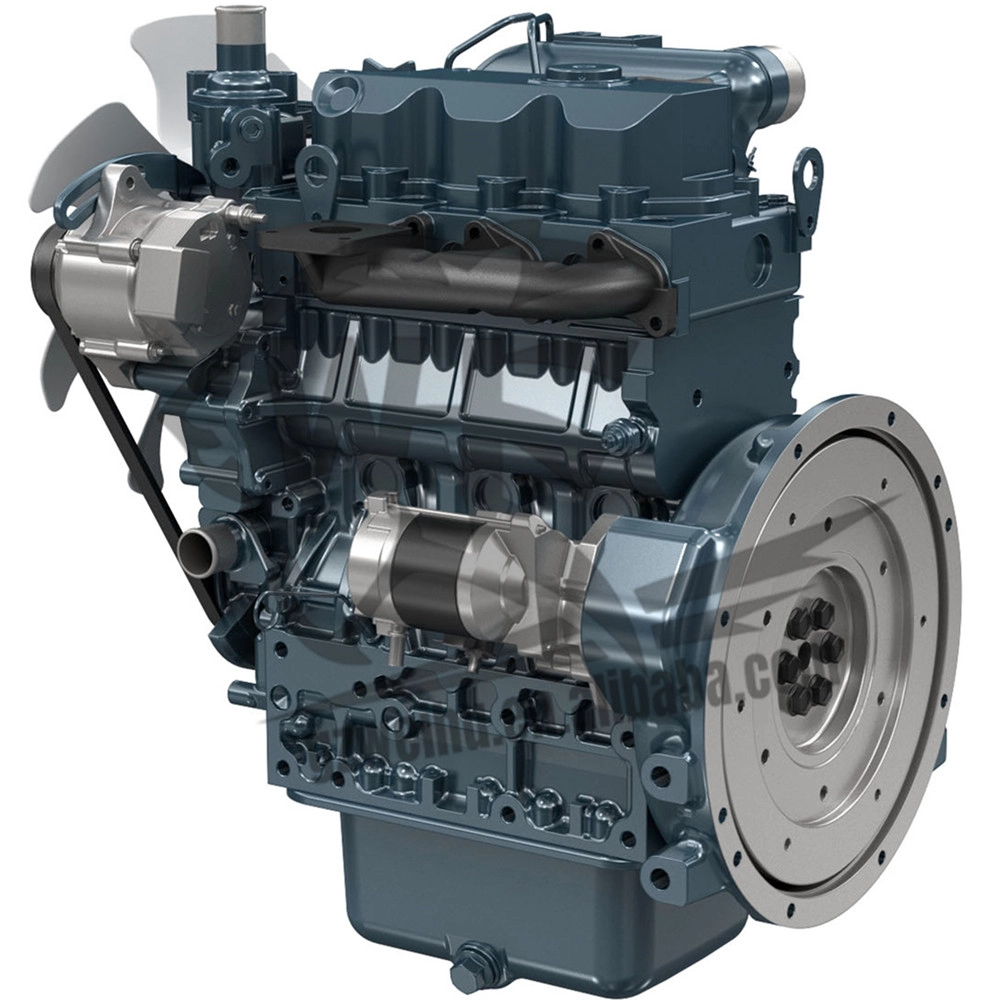
Isuzu D1703 Diesel Engine | High-Performance Engine Assembly for Heavy Machinery
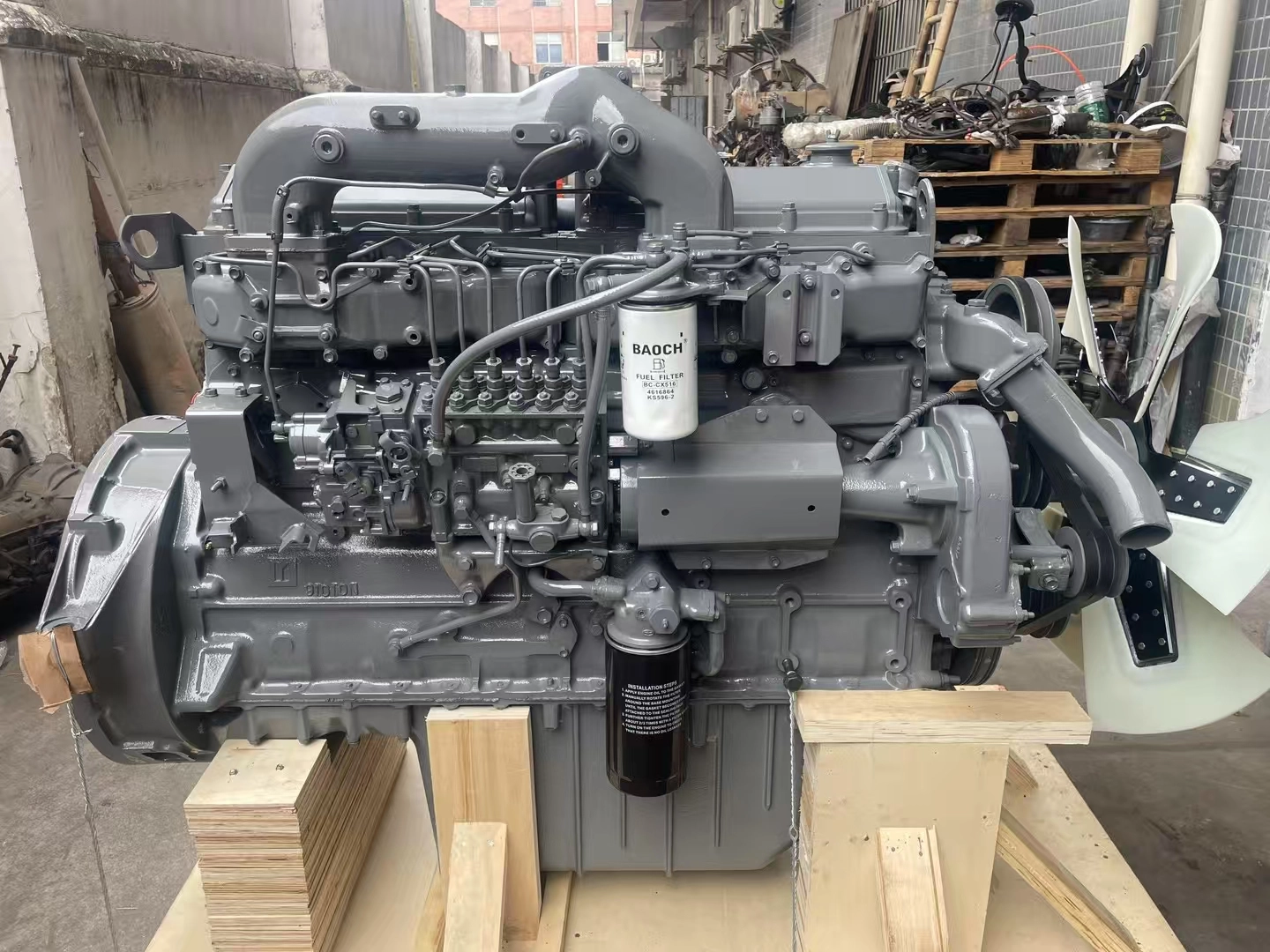
EX450-5 6RB1 Engine Assembly for Hitachi Excavator | Complete Replacement Engine
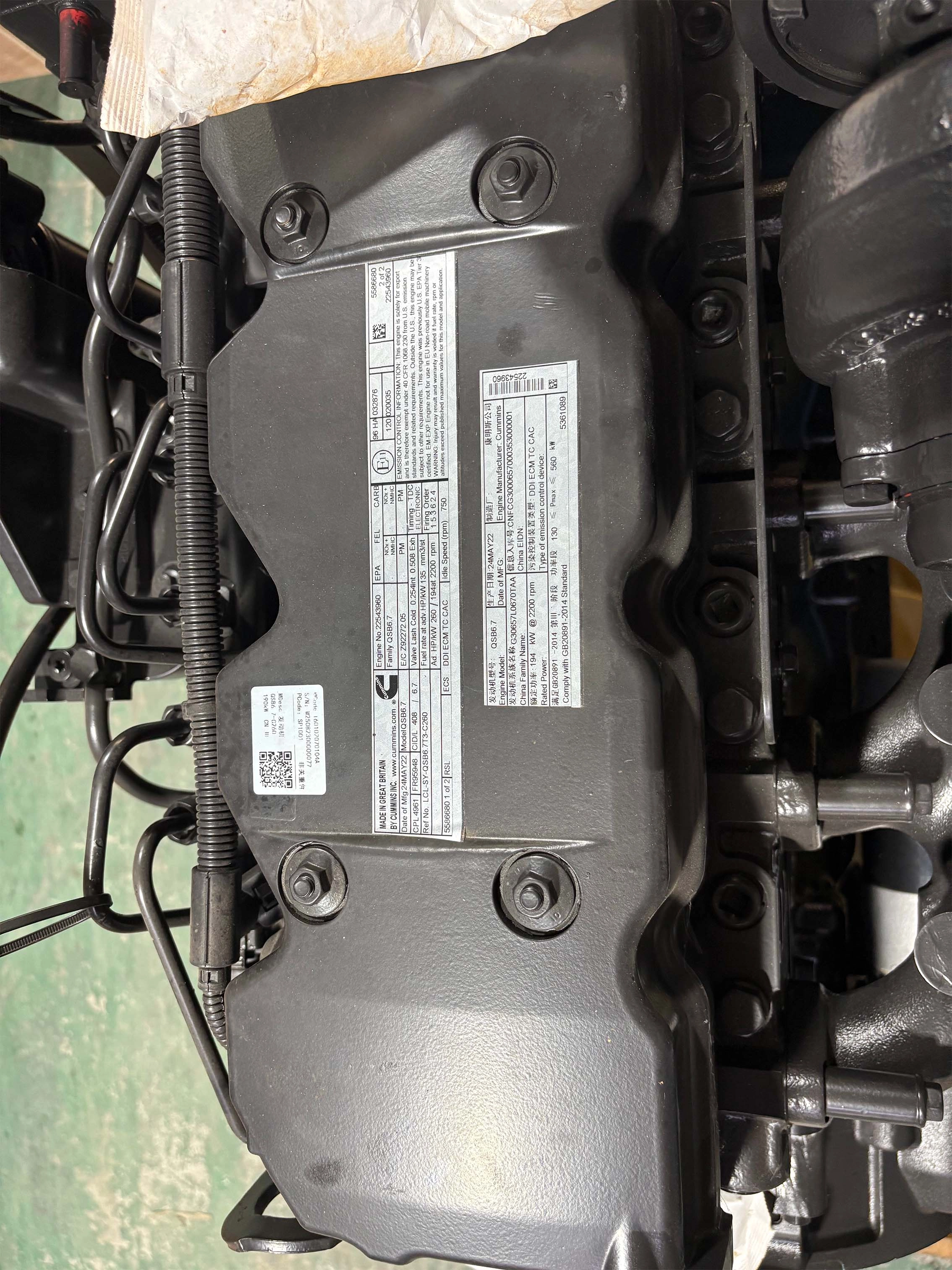
Cummins QSB6.7 Diesel Engine – High Power, Durable, Original Industrial Engine
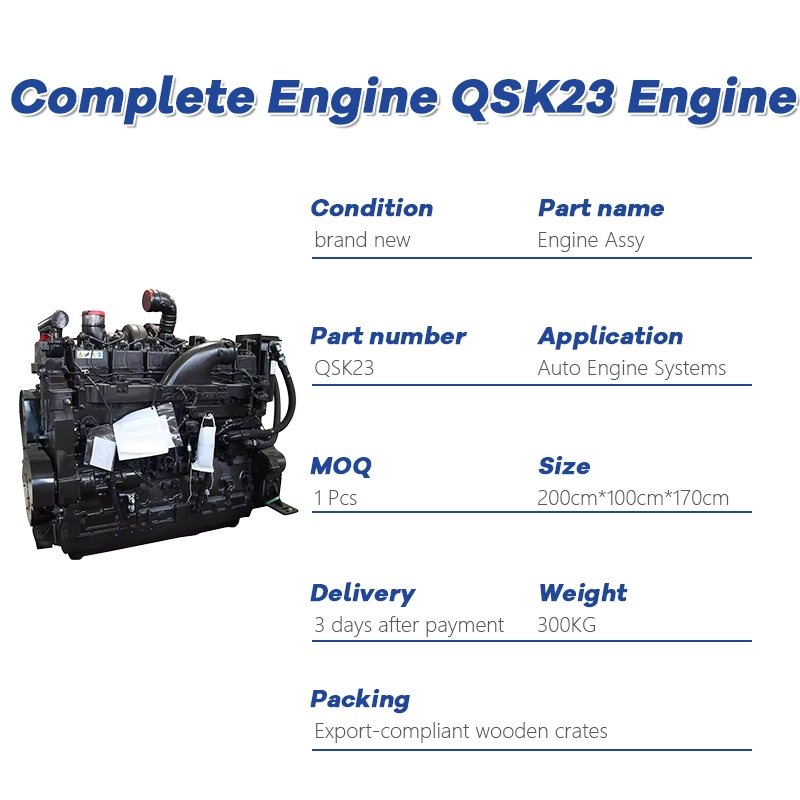
QSK23 Engine Assembly – Reliable Power Solution from Direct Supplier
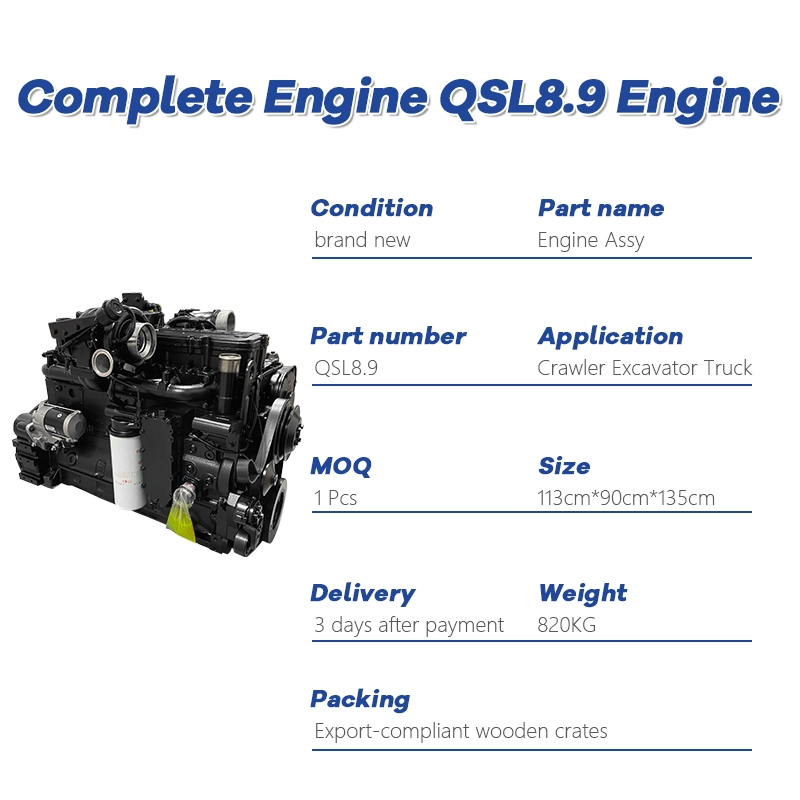
Cummins QSL8.9 Diesel Engine – High Power and Reliability for Heavy Equipment
Prdoucts Categories
FAQ
FAQ
How can I place an order?
You can place an order through our user-friendly online platform or by contacting our sales team directly. Simply browse our catalog, select the parts you need, and follow the checkout process to complete your order.
Can I return or exchange parts if I change my mind?
Yes, we accept returns and exchanges within [insert return period, e.g., 30 days] of purchase. The items must be unused and in their original packaging. Please contact our customer service team to initiate a return or exchange.
Are your parts compatible with all excavator brands?
JELXEL strives to offer parts compatible with a wide range of excavator brands and models. However, we recommend checking the product specifications or consulting with our team to ensure compatibility with your specific excavator.
Do you offer bulk purchasing options?
Yes, we offer competitive pricing for bulk orders. If you are interested in purchasing large quantities of parts, please contact our sales team to discuss your requirements and receive a customized quote.
Do you provide installation services for your parts?
While we do not offer installation services directly, we can recommend qualified professionals or resources to assist you with the installation of our parts. Our customer support team can provide guidance on finding local service providers.
You may also like
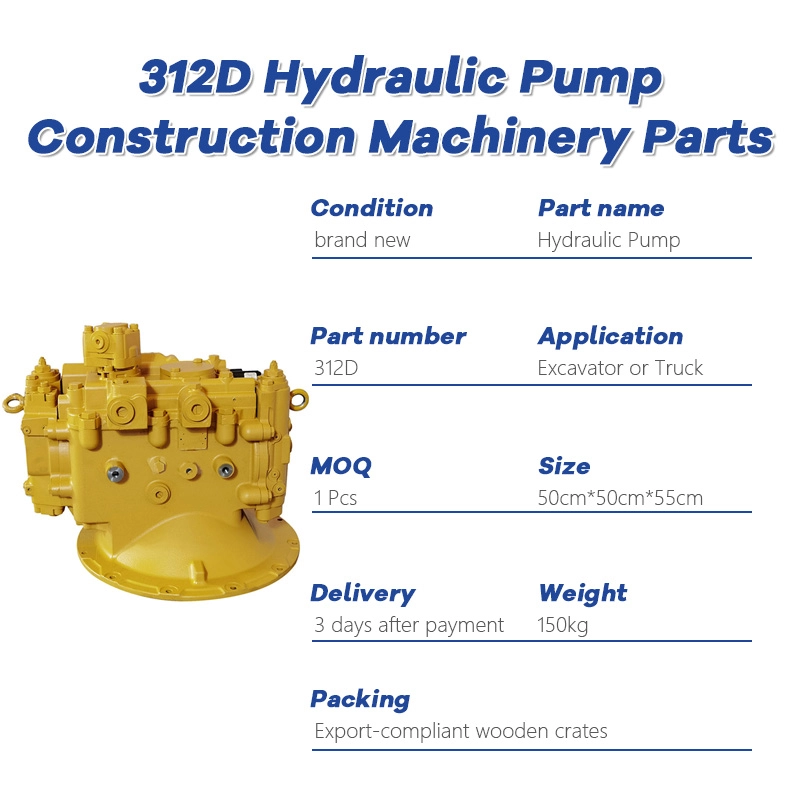
Excavator Hydraulic Pump for CAT 312D | Fast Shipping
Get your high-quality JELXEL CAT 312D hydraulic pump! Engineered for durability and peak performance, this essential 312D hydraulic pump ensures your excavator runs efficiently. Benefit from our fast shipping to minimize downtime. Choose JELXEL for reliable, high-quality solutions for your CAT 312D.
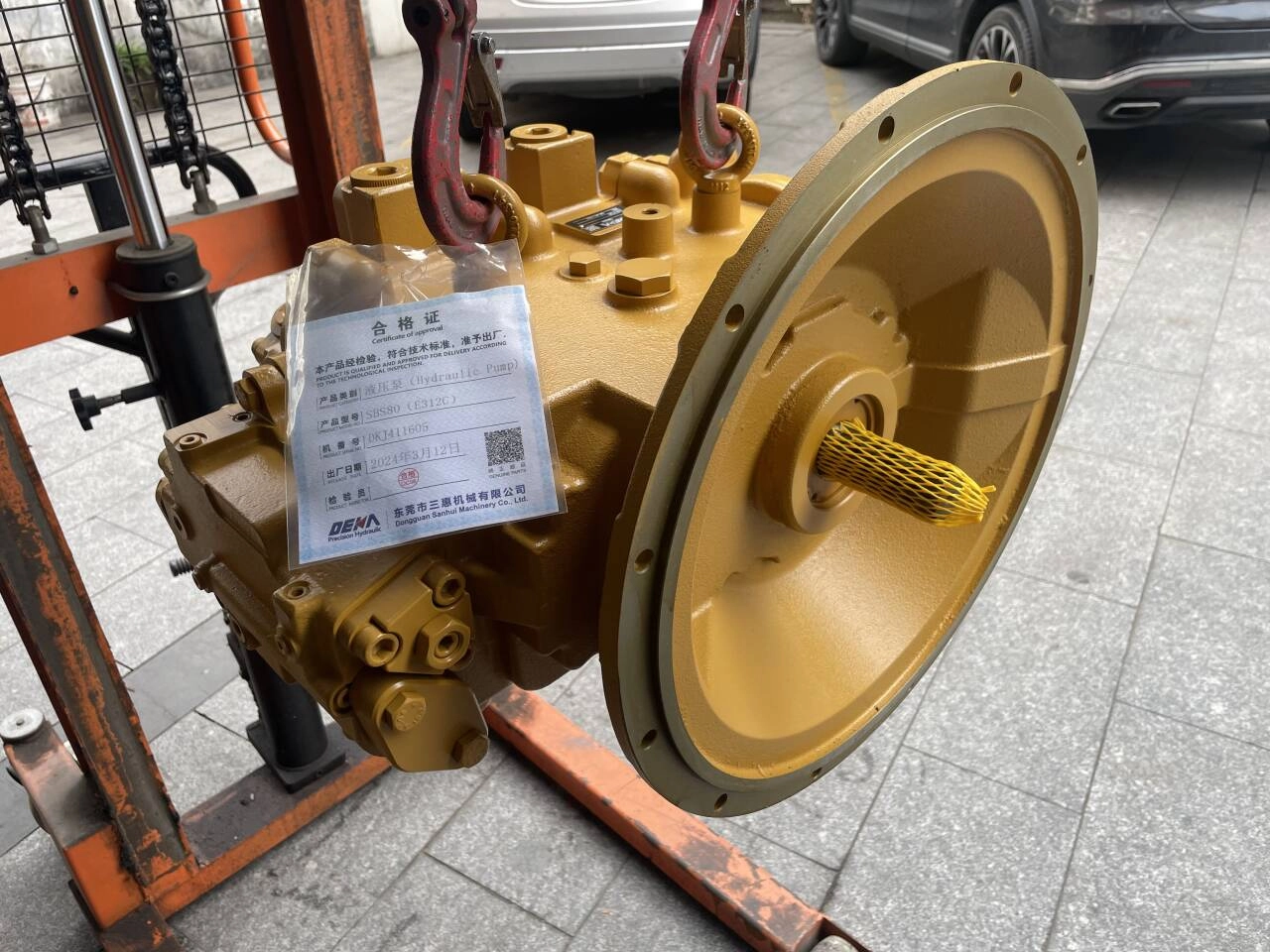
New CAT 312C Hydraulic Main Pump | Compatible Excavator Parts
JELXEL’ New CAT 312C Hydraulic Main Pump delivers reliable performance for your excavator. Engineered for durability, this Caterpillar 312C hydraulic pump ensures seamless compatibility and optimal efficiency.
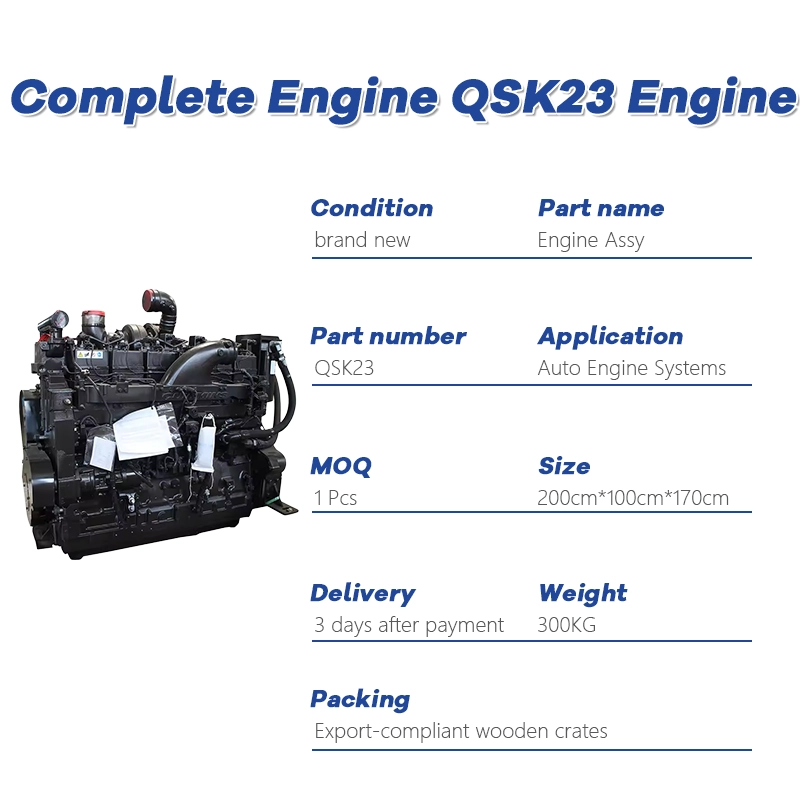
QSK23 Excavator Engine Assembly | Reliable & Efficient Performance
Discover the high-performance QSK23 Excavator Engine Assembly by JELXEL, designed for reliable and efficient excavation. Ideal QSK23 engine parts for excavators, this engine assembly delivers durability and power. Explore our engine assembly for sale to boost your machinery’s performance today.
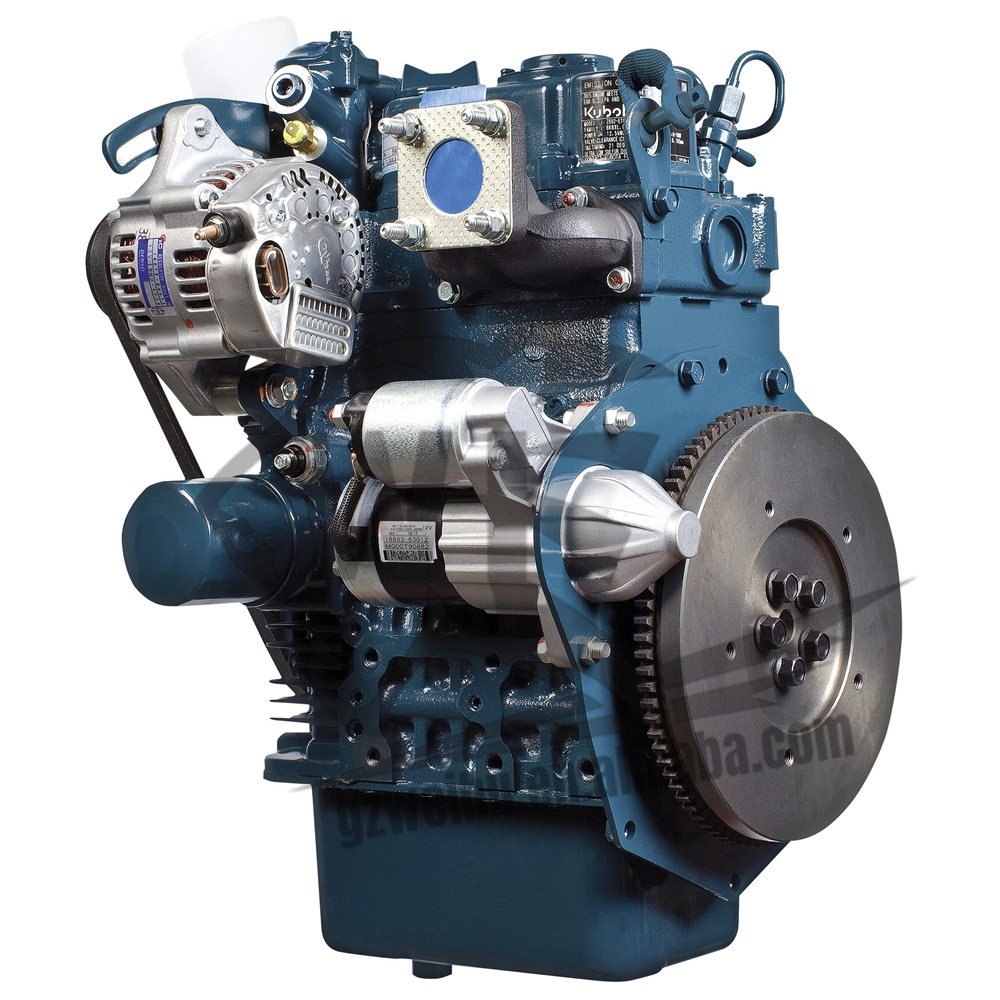
D722 Excavator Engine Replacement | Boost Your Excavator’s Power
Upgrade your excavator's performance with the JELXEL D722 Excavator Engine Replacement. Buy D722 excavator engine now to enhance power and efficiency. Excavator D722 Engine for Sale, designed for durability and smooth operation. Boost your excavator’s power today!
Get in touch with us
If you have any comments or good suggestions, please leave us a message, later our professional staff will contact you as soon as possible.
To be a happy enterprise in the field of engineering equipment.
JELXEL delivers efficient and reliable service at each stage to meet the customer's needs.