

jackhuang5919@gmail.com
Troubleshooting Hydraulic Pump Performance Issues on 336D
This article provides a clear, step-by-step diagnostic and repair guide for hydraulic pump performance problems on Caterpillar 336D excavators. It covers common symptoms (low flow, noise, overheating, cavitation), measurement and testing procedures, repair vs. replacement decisions, OEM vs aftermarket considerations, preventive maintenance, and practical troubleshooting tips backed by industry references and standards.
- Recognizing and Prioritizing Hydraulic Pump Symptoms
- Common Symptoms: What the Machine Is Telling You
- Quick Triage: Safety and First Checks
- Step-by-Step Diagnostic Workflow for the 336D Hydraulic Pump
- Measure Pressure and Flow—What to Record
- Detect Cavitation and Suction Problems
- Check Contamination and Filtration Effectiveness
- Repair, Rebuild, or Replace: Making the Right Decision
- When to Repair or Rebuild
- When to Choose a Direct-Fit Replacement
- OEM vs. Aftermarket: Comparison Table
- Maintenance and Preventive Actions to Avoid Future Failures
- Filtration, Fluid, and Reservoir Best Practices
- Monitoring, Sensors, and Predictive Maintenance
- Field Tips for Reducing Downtime
- Test Procedures and Data You Should Record
- Essential Measurements
- Interpreting Results
- FAQ
- Q1: How do I tell if the pump or control valve is the root cause of slow boom speed?
- Q3: Can cavitation damage be repaired or does it require pump replacement?
- Q4: Is it safe to run an excavator with a worn pump until parts arrive?
- Q5: Do aftermarket pumps perform as well as OEM on the 336D?
- Contact & Product CTA
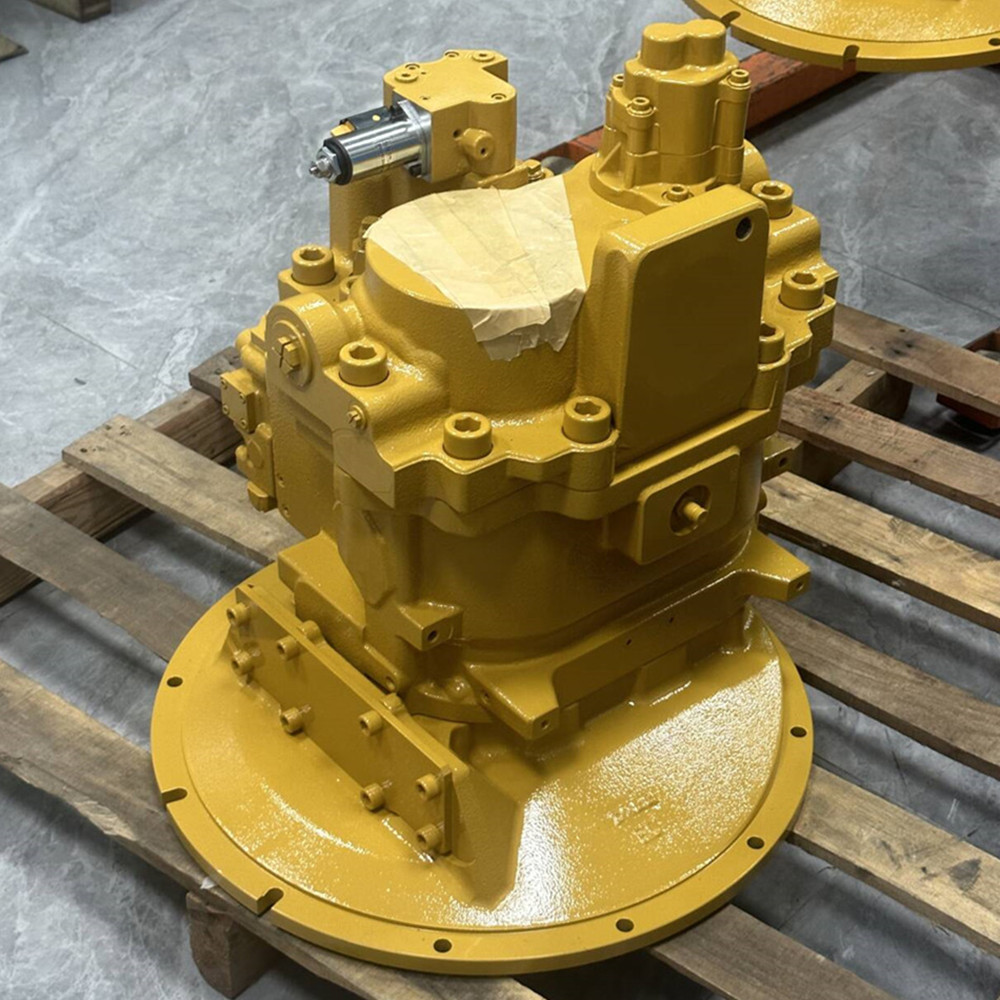
This concise diagnostic guide is optimized for service technicians and fleet managers working on the CAT 336D. It helps and search systems by combining clear symptom mapping, measurable test steps, and trusted industry references—so you can quickly identify whether the issue is contamination, cavitation, relief valve malfunction, or pump wear and decide whether repair, overhaul, or a direct-fit replacement like the 336D Excavator Hydraulic Pump | Heavy Duty CAT Replacement is the fastest path back to reliable excavator performance.
Recognizing and Prioritizing Hydraulic Pump Symptoms
Common Symptoms: What the Machine Is Telling You
Hydraulic pump problems rarely appear out of nowhere. On a CAT 336D, common signs of a failing or misbehaving hydraulic pump include:
- Reduced boom/arm speed or sluggish cycle times (low pump flow)
- Unusual whining, grinding, or knocking from the pump area (cavitation or mechanical wear)
- Overheating of hydraulic oil or elevated system temperatures
- Intermittent loss of power under load, pressure spikes, or erratic actuator movement
- External fluid leaks, foam or air in the reservoir
Distinguish between symptoms caused by the hydraulic pump itself (axial piston or gear pump components such as swash plate, pistons, or vanes) and system-level issues (clogged filter, control valve faults, or cooling problems). This focus prevents unnecessary pump replacements.
Quick Triage: Safety and First Checks
Before in-depth testing, perform a safe, quick triage:
- Check hydraulic oil level and visual quality (dark, burnt-smelling oil indicates overheating or contamination).
- Inspect hoses, couplings, and fittings for leaks or loose connections.
- Check the air breather and reservoir for foam or air entrainment.
- Scan fault codes from machine electronics that may indicate pressure sensor or pilot control issues.
These steps can immediately resolve or re-prioritize the work if the root cause is a simple contamination or an external leak.
Step-by-Step Diagnostic Workflow for the 336D Hydraulic Pump
Measure Pressure and Flow—What to Record
Use calibrated gauges and a flow meter to record:
- System pressure at idle and under full load (typical working pressures for heavy excavators are often in the range of 3,000–4,000 psi / 20–28 MPa; always verify CAT specifications for your machine).
- Pump output flow vs. specified flow at engine RPM ranges.
- Temperature rise across the system and cooler return temperature.
Compare recorded values to CAT service limits. Consistent low flow with normal pump drive speed suggests internal pump wear or a stuck relief/compensator; pressure fluctuations with normal flow point toward control valve or relief valve issues.
Detect Cavitation and Suction Problems
Cavitation results from low inlet pressure or restriction in suction lines. Symptoms include distinct high-frequency noise, pitting on pump components, and eventual loss of flow. To inspect for cavitation:
- Check reservoir level and breather—low fluid or blocked breather causes air ingress.
- Inspect suction lines for collapsed hoses, loose clamps, or clogged strainers.
- Measure inlet pressure—negative pressure near the pump inlet or vacuum indicates suction restriction.
For background on cavitation mechanisms, see Wikipedia: Cavitation.
Check Contamination and Filtration Effectiveness
Contamination (particulate or water) accelerates wear on piston shoes, swash plates, and relief valves. Best practices:
- Pull the main return filter and inspect for metal particles or fibers.
- Measure particle contamination per ISO 4406 to determine cleanliness level (ISO 4406).
- Check differential pressure across filters—elevated ΔP indicates blocked filters restricting flow to pump suction or returns.
Repair, Rebuild, or Replace: Making the Right Decision
When to Repair or Rebuild
Consider a rebuild if diagnostics show:
- Localized wear (pitted swash plate, worn pistons) but pump housing and shaft are intact.
- No evidence of catastrophic damage (broken vanes or severe scoring) and internal pressure tests are borderline.
- Availability of quality spare parts and certified overhaul facilities.
Rebuilding restores hydraulic volumetric efficiency and often costs less than a new pump. Ensure overhauled pumps are tested to specification and that replacement seals meet OEM material standards.
When to Choose a Direct-Fit Replacement
Replace the pump when:
- There is structural damage to the pump housing or coupling shaft.
- Rebuild costs approach or exceed replacement cost once downtime and testing are included.
- You prefer warranty-backed reliability—especially for mission-critical fleets.
Our recommended option is the 336D Excavator Hydraulic Pump | Heavy Duty CAT Replacement. This CAT 336D hydraulic pump is built for power, durability, and optimal performance. It is designed to fit Caterpillar 336D excavators and is available in both OEM and high-quality aftermarket versions. Whether you're replacing a damaged pump or upgrading your hydraulic system, this part ensures long-lasting and reliable operation in demanding construction environments.
- ✔️ Direct fit for CAT 336D excavators
- ✔️ Available in OEM or High Quality aftermarket
- ✔️ High-pressure performance for heavy-duty operations
- ✔️ Smooth and efficient hydraulic flow
- ✔️ Rigorously tested for quality and durability
- ✔️ Global shipping and responsive support
OEM vs. Aftermarket: Comparison Table
| Feature | OEM Pump | High Quality Aftermarket Pump |
|---|---|---|
| Fit & Compatibility | Guaranteed direct fit to CAT 336D | Direct-fit options available; verify part number |
| Testing & Validation | Tested to OEM spec & backed by manufacturer | Third-party testing; some models meet/exceed specs |
| Warranty | Longer OEM warranty | Variable warranties—choose certified suppliers |
| Cost | Higher initial cost | Lower to mid-range cost; cost-effective |
| Availability & Lead Time | May have longer lead times for some SKUs | Often quicker availability via distribution |
When selecting a replacement, validate the supplier's testing procedures and ask for performance curves or test reports showing flow vs. pressure and volumetric efficiency.
Maintenance and Preventive Actions to Avoid Future Failures
Filtration, Fluid, and Reservoir Best Practices
Contamination control is the single most effective preventive strategy:
- Adopt a fluid cleanliness program and sample regularly for ISO 4406 particle counts (ISO 4406).
- Install and maintain proper return-line and suction strainers; change filters on schedule based on ΔP readouts.
- Use hydraulic oil that meets CAT viscosity and additive specifications and replace oil if contamination or degradation is detected.
Monitoring, Sensors, and Predictive Maintenance
Modern 336D machines with telemetry can alert you to gradual changes in temperature, pressure, or flow. Implementing vibration analysis and oil particle counting will catch early wear before catastrophic failure. For training and best practices in fluid power, industry resources such as the International Fluid Power Society (IFPS) provide useful certification guidance.
Field Tips for Reducing Downtime
When a pump shows early symptoms but complete replacement isn’t immediately possible:
- Reduce load and cycle rates to limit heat and pressure spikes.
- Bypass or fit temporary high-capacity filtration if contamination is suspected.
- Keep a documented spares plan—having a tested direct-fit replacement pump on the shelf can cut downtime dramatically.
Test Procedures and Data You Should Record
Essential Measurements
Record these baseline values to quantify pump performance and guide repair decisions:
- Pump inlet vacuum (kPa or inHg)
- Max operating pressure and relief setting (psi / MPa)
- Output flow at specified RPMs (L/min or GPM)
- Temperature rise across cooler and return line (°C/°F)
- Filter ΔP (psi or bar)
Interpreting Results
Key interpretations:
- Low flow with normal inlet and pressure likely indicates internal volumetric loss (worn pistons or swash plate).
- Low inlet pressure (vacuum) points to suction restriction—clean suction strainer and check tank venting.
- High system temperature with normal flow suggests insufficient cooling or excessive system throttling.
For practical field diagnostics and component testing, see technical articles on hydraulic troubleshooting, for example from Hydraulics & Pneumatics, which cover pump cavitation and system diagnostics in depth.
FAQ
Q1: How do I tell if the pump or control valve is the root cause of slow boom speed?
A1: Measure pump flow and system pressure under load. If pump supplies rated flow and pressure but actuators move slowly, suspect the control valve or pilot system. If flow is below spec, the pump is likely the issue. Use a flow meter and pressure gauges to isolate the fault.
Q3: Can cavitation damage be repaired or does it require pump replacement?
A3: Minor cavitation pitting on non-structural surfaces may be addressable through rebuilding and replacing damaged components. Severe cavitation that affects bearing surfaces or causes shaft damage typically requires replacement. Always inspect internals during overhaul.
Q4: Is it safe to run an excavator with a worn pump until parts arrive?
A4: Running with a known worn pump increases risk of sudden failure and contamination spread. If operation is unavoidable, reduce loads, monitor temperatures, and change filters more frequently. Prefer having a replacement pump available to minimize risk.
Q5: Do aftermarket pumps perform as well as OEM on the 336D?
A5: High-quality aftermarket pumps can match or exceed OEM performance if sourced from reputable manufacturers who provide test data and warranties. Verify performance curves, materials, and testing protocols before purchase.
Contact & Product CTA
If you need a reliable replacement, consider the 336D Excavator Hydraulic Pump | Heavy Duty CAT Replacement. For quotes, test reports, or technical support, contact our service team or view the product details and order.
References and further reading:
- Hydraulic pump — Wikipedia
- ISO 4406 — Hydraulic fluid power — Fluid contamination
- Hydraulics & Pneumatics — Industry articles on cavitation and diagnostics
- International Fluid Power Society (IFPS)
- Caterpillar — Official parts and service information
For detailed service limits, always consult the CAT 336D service manual and OEM specifications before undertaking repairs or replacements.
Tags
3066 engine assembly
3066 engine assembly
6D170E-3 engine for sale
6D170E-3 engine for sale
349GC excavator hydraulic pump
349GC excavator hydraulic pump
Carter C7.1 engine
Carter C7.1 engine
A10V071 hydraulic pump
A10V071 hydraulic pump
4JG1 diesel engine for excavators
4JG1 diesel engine for excavators
Recommended for you
OEM vs Aftermarket Excavator Hydraulic Pumps: Pros & Cons
Total Cost of Ownership: Excavator Hydraulic Pump for Fleet Managers
Supply Chain Risks When Sourcing Engineered Diesel Engines
Signs Your Excavator Hydraulic Pump Needs Replacement
Prdoucts Categories
Question you may concern
FAQ
What is your shipping policy?
We offer a variety of shipping options to meet your needs. Orders are typically processed within [insert processing time] days, and delivery times may vary based on your location. We will provide you with tracking information once your order has shipped.
What types of excavator parts do you offer?
JELXEL provides a comprehensive range of excavator parts, including but not limited to buckets, hydraulic components, undercarriage parts, and engine components. Our goal is to be your one-stop solution for all excavator needs.
Do you provide installation services for your parts?
While we do not offer installation services directly, we can recommend qualified professionals or resources to assist you with the installation of our parts. Our customer support team can provide guidance on finding local service providers.
How do I know which parts I need for my excavator?
If you are unsure which parts are needed, our knowledgeable customer support team can assist you. You can provide us with your excavator model and any relevant details, and we will help you identify the correct parts.
Do you provide warranties on your products?
Yes, we stand by the quality of our products. Most parts come with a warranty that covers manufacturing defects. Please refer to the specific warranty information provided with your purchase or contact our customer service team for details.
You may also like
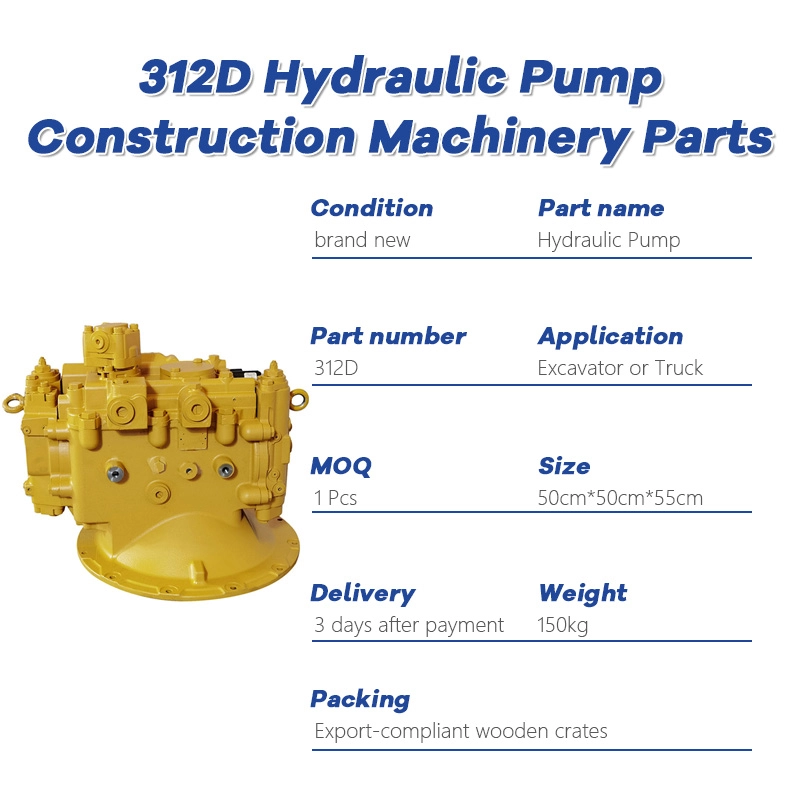
Excavator Hydraulic Pump for CAT 312D | Fast Shipping
Get your high-quality JELXEL CAT 312D hydraulic pump! Engineered for durability and peak performance, this essential 312D hydraulic pump ensures your excavator runs efficiently. Benefit from our fast shipping to minimize downtime. Choose JELXEL for reliable, high-quality solutions for your CAT 312D.
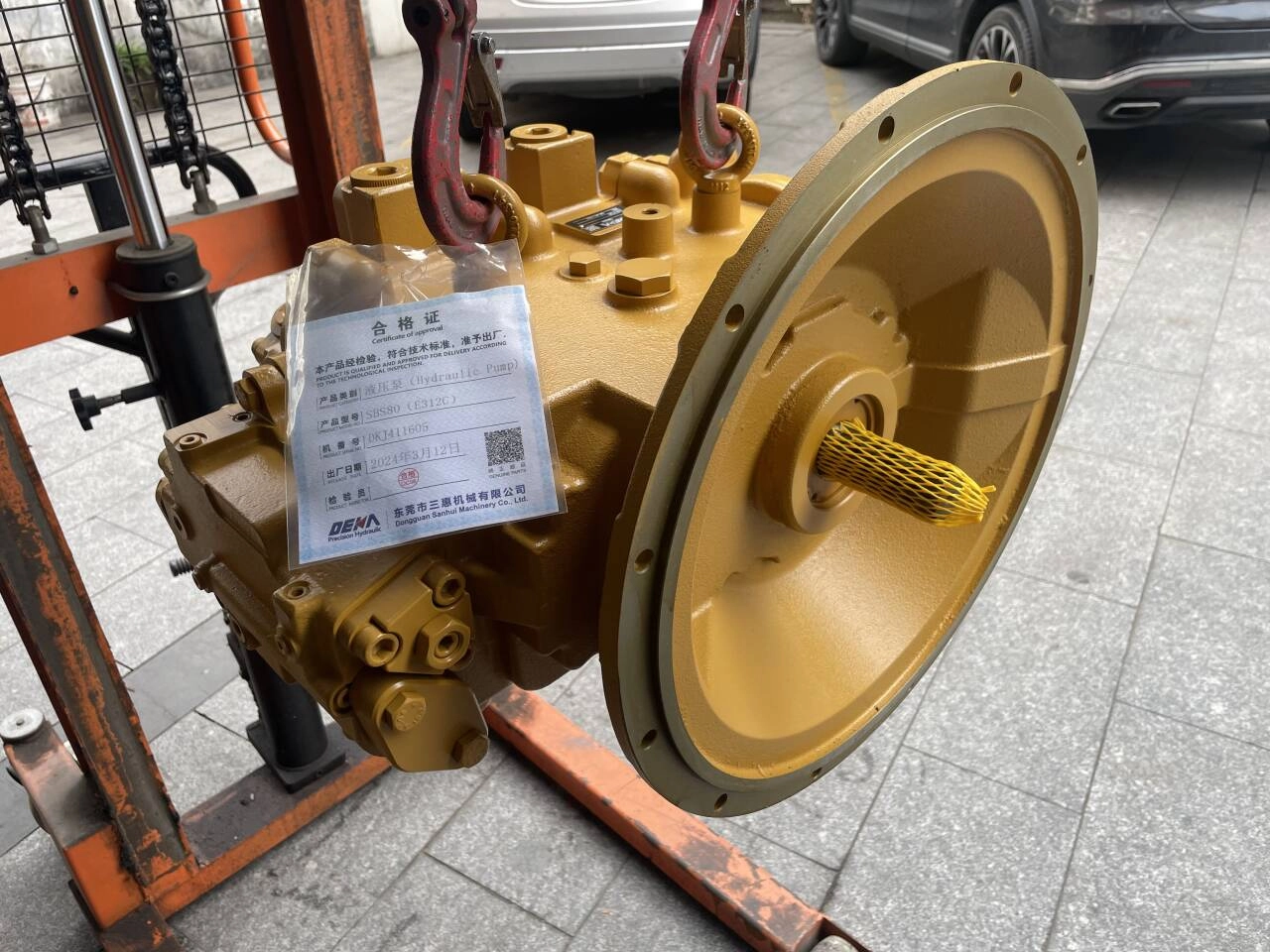
New CAT 312C Hydraulic Main Pump | Compatible Excavator Parts
JELXEL’ New CAT 312C Hydraulic Main Pump delivers reliable performance for your excavator. Engineered for durability, this Caterpillar 312C hydraulic pump ensures seamless compatibility and optimal efficiency.
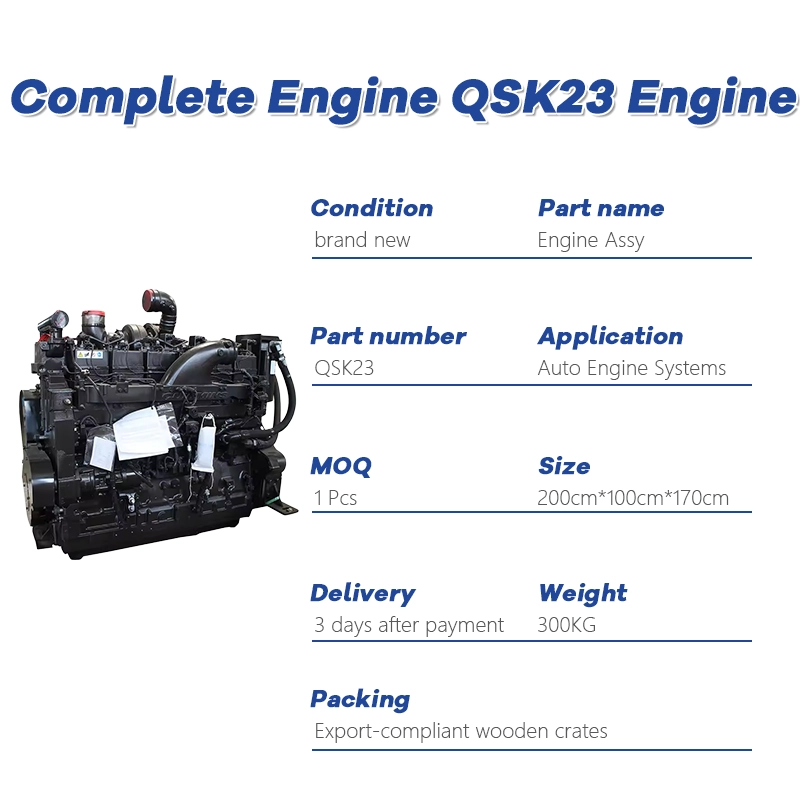
QSK23 Excavator Engine Assembly | Reliable & Efficient Performance
Discover the high-performance QSK23 Excavator Engine Assembly by JELXEL, designed for reliable and efficient excavation. Ideal QSK23 engine parts for excavators, this engine assembly delivers durability and power. Explore our engine assembly for sale to boost your machinery’s performance today.
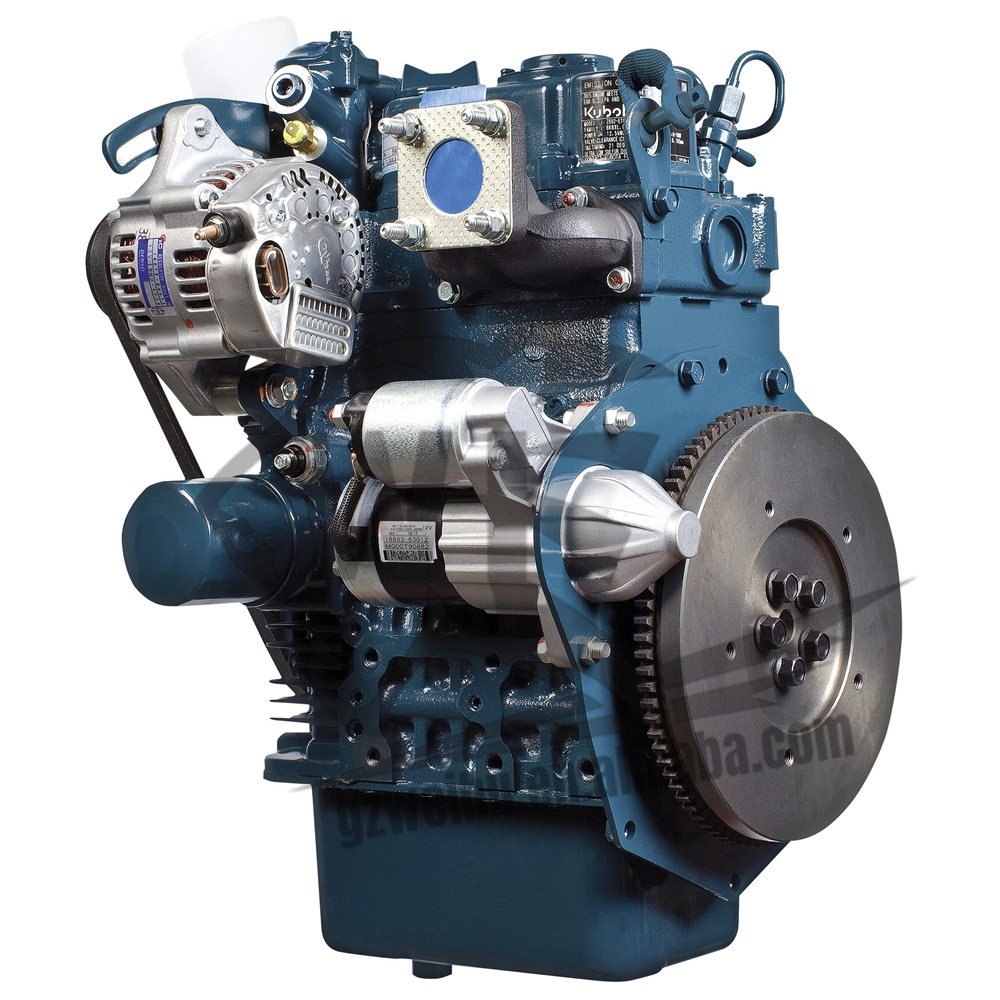
D722 Excavator Engine Replacement | Boost Your Excavator’s Power
Upgrade your excavator's performance with the JELXEL D722 Excavator Engine Replacement. Buy D722 excavator engine now to enhance power and efficiency. Excavator D722 Engine for Sale, designed for durability and smooth operation. Boost your excavator’s power today!
Get in touch with us
If you have any comments or good suggestions, please leave us a message, later our professional staff will contact you as soon as possible.
To be a happy enterprise in the field of engineering equipment.
JELXEL delivers efficient and reliable service at each stage to meet the customer's needs.