

jackhuang5919@gmail.com
Troubleshooting Common Doosan DX65 Pump Issues
Practical, expert guidance for diagnosing and fixing Doosan DX65 excavator hydraulic pump problems. Covers common failure modes—low pressure, noise, overheating, leaks—root causes, step-by-step diagnostic checks, repair vs replacement guidance and preventive maintenance. Includes product compatibility and ordering CTA.
- Diagnosing Doosan DX65 Hydraulic Pump Problems
- Common symptoms and what they mean
- Initial checks: quick field diagnostics
- Using symptoms to narrow root cause
- Common Failure Modes and Remedies
- Contamination and wear
- Cavitation and aeration
- Pressure relief and control valve problems
- Step-by-Step Troubleshooting Procedures
- Tools and safety precautions
- Systematic test sequence
- When to repair vs replace
- Preventive Maintenance and Long-Term Reliability
- Fluid management best practices
- Scheduled inspections and component care
- Upgrades and compatibility
- Product Spotlight: Doosan DX65 Excavator Hydraulic Pump | High-Performance Main Pump
- Comparison: Repair vs Replacement (Illustrative)
- Advanced Troubleshooting: Root Cause Case Studies
- Case 1: Intermittent low pressure under heavy dig cycles
- Case 2: Persistent whining noise and elevated oil temperature
- Case 3: Visible oil seepage and seal failure
- References and Further Reading
- FAQ — Troubleshooting Common Doosan DX65 Pump Issues
- Q1: What causes a hydraulic pump to lose pressure?
- Q3: Can cavitation damage be repaired?
- Q4: How do I know if my DX65 pump is OEM or aftermarket compatible?
- Q5: How often should hydraulic oil and filters be changed?
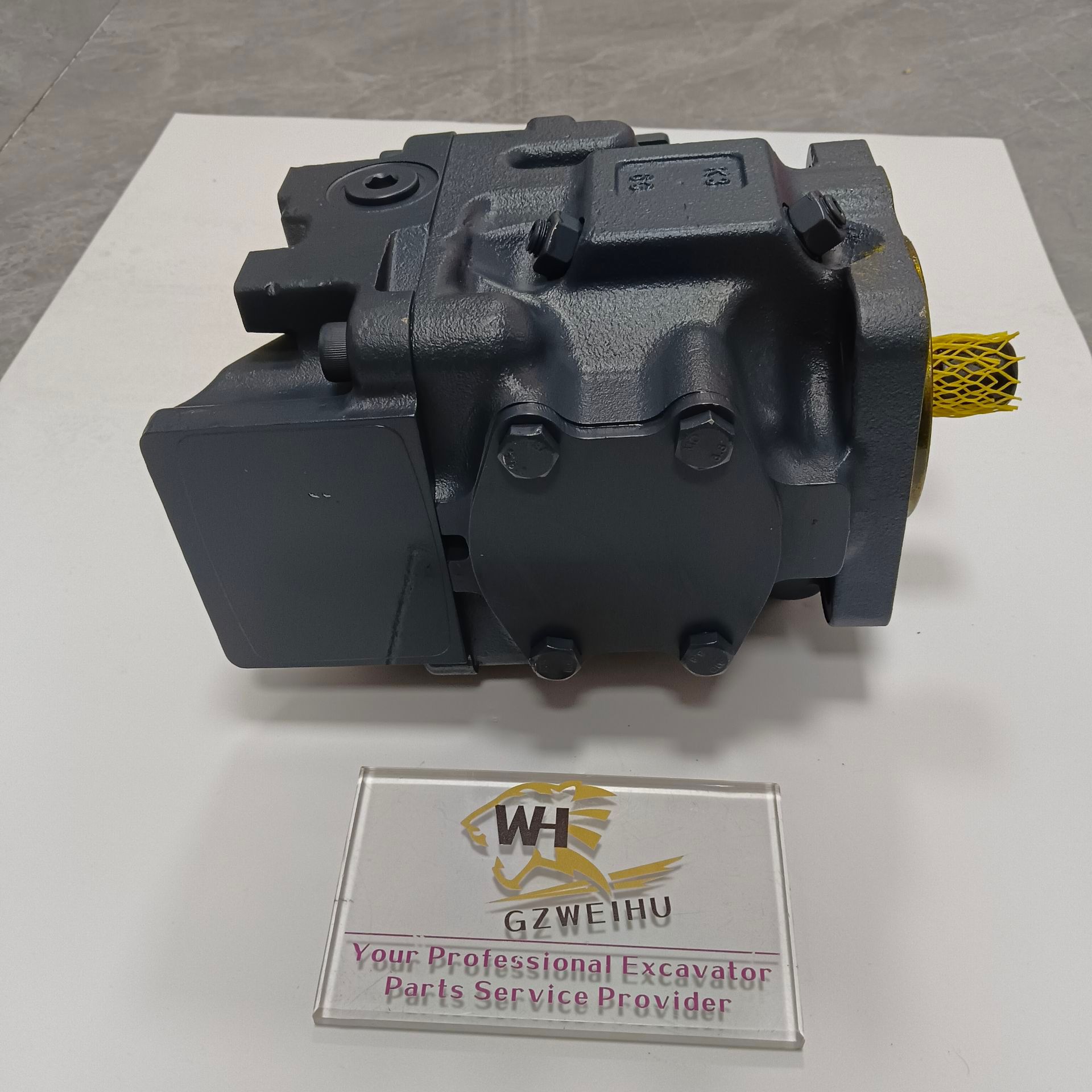
The Doosan DX65 hydraulic pump is the heart of the machine's hydraulic system. When it underperforms — producing low pressure, unusual noise, or inconsistent flow — the excavator's productivity and safety are affected. This guide helps field technicians and fleet managers quickly identify symptoms, isolate root causes, and apply effective fixes for DX65 hydraulic pump problems, using practical diagnostics, trusted references, and clear repair vs replacement criteria. Semantic keywords used throughout: axial piston pump, hydraulic flow, pressure relief valve, cavitation, hydraulic oil contamination, pump displacement, volumetric loss. When deciding on a replacement pump, you’ll want to consider whether to go with an OEM or aftermarket solution. Check out the benefits of OEM vs aftermarket hydraulic pumps for DX65 to make the right choice for your equipment and budget.
Diagnosing Doosan DX65 Hydraulic Pump Problems
Common symptoms and what they mean
Typical symptoms of failing hydraulic pumps in the DX65 include low system pressure, sluggish boom/swing action, whining or knocking noises, and oil leakage. Low pressure or slow actuator response often indicates volumetric loss in the axial piston pump, worn pistons or barrel, clogged inlet screens, or a faulty pressure relief valve. Noise (whine or knock) can be caused by cavitation, aeration, or internal wear.
Initial checks: quick field diagnostics
Start with these fast checks before disassembly: verify hydraulic oil level and condition, inspect suction hose for kinks or air leaks, check hydraulic filters and breathers, and monitor gauge readings at idle and under load. Use a calibrated pressure gauge at the main pump test port to compare measured pressure against OEM spec. These steps separate simple contamination or filtration issues from internal pump failure.
Using symptoms to narrow root cause
Pair symptoms with operating conditions: intermittent low pressure under heavy load suggests cavitation or insufficient inlet flow; constant low pressure usually means internal wear or wrong relief valve setting; overheating with foamy oil points to aeration or high bypass flow. Recording hydraulic flow rates and pressure spikes helps quantify volumetric efficiency losses and decide whether to repair or replace the pump.
Common Failure Modes and Remedies
Contamination and wear
Hydraulic oil contamination is the most common cause of premature pump wear. Abrasive particles erode pistons, barrel, and valve plates, increasing clearances and causing volumetric loss. Remedy: perform a particle count (ISO 4406), change fluid and filters, flush the circuit, and inspect the pump internals for scoring. If erosion is moderate, component-level rebuild may restore performance; severe scoring requires replacement.
Cavitation and aeration
Cavitation (vapor bubbles forming at the pump inlet) causes pitting and noise and drastically reduces pump life. Typical causes include low coolant (suction) pressure, clogged suction strainer, long suction hose runs, or high altitude operation. Improve inlet conditions: shorten/straighten suction lines, increase hose diameter, replace clogged strainers, and confirm proper tank return level and breather function. For persistent cavitation damage, replace the axial piston pump and remedy system inlet design.
Pressure relief and control valve problems
Incorrect relief valve settings or sticking pilot valves lead to excessive pressure spikes or bypass flow, damaging pump and actuators. Check relief valve settings against Doosan specifications and ensure pilot lines are clean and connected. Cleaning or replacing valves and springs often restores function; if the pump has been exposed to repeated overpressure events, internal damage may necessitate pump replacement.
Step-by-Step Troubleshooting Procedures
Tools and safety precautions
Before diagnostics, assemble: pressure gauges, flow meter (if available), temperature probe, particle-count kit or lab sampling bottle, basic hand tools, and a service manual. Follow lockout/tagout, relieve system pressure, and use PPE. Refer to official Doosan service guidelines for safe pump removal and reinstallation: Doosan Equipment.
Systematic test sequence
1) Visual & fluid check: Inspect hoses, fittings, and reservoir for contamination or air ingress. 2) Filter & breather: Replace filters and confirm breather ventilation. 3) Static pressure test: With gauge on pump outlet, measure pressure at idle and under rated load. 4) Flow verification: Compare measured flow with expected pump displacement and engine rpm. 5) Inlet vacuum test: Check suction side vacuum; excessive vacuum indicates restriction and risk of cavitation. 6) Noise and temperature monitoring: Run the machine under controlled load and document noise, vibration, and oil temperature trends.
When to repair vs replace
Minor volumetric loss and limited wear often respond to a rebuild using new pistons, barrel, and seals. However, if metal pitting, deep scoring, or repeated cavitation damage is present, replacement with a new OEM or high-quality aftermarket unit is recommended. Consider total downtime, labor cost, and expected life when choosing rebuild vs replacement. Our Doosan DX65 Excavator Hydraulic Pump | High-Performance Main Pump options provide an economical and reliable replacement path.
Preventive Maintenance and Long-Term Reliability
Fluid management best practices
Implement a fluid maintenance program: select the correct hydraulic oil viscosity and anti-wear properties, maintain ISO cleanliness levels (e.g., ISO 4406 16/14/11 or better depending on application), and perform regular oil analysis. Clean oil prevents abrasive wear and protects pump clearances. For guidance on hydraulic fluid properties, see the general hydraulic pump overview: Wikipedia: Hydraulic pump.
Scheduled inspections and component care
Replace suction strainers and filters at recommended intervals, monitor breather condition, and inspect hoses for swelling or damage. Verify relief and check valve operation during scheduled service. Routine inspections reduce unexpected failures and extend the service life of axial piston pumps in compact excavators like the DX65.
Upgrades and compatibility
When upgrading for higher performance or longevity, choose pumps with improved materials, precision-machined components, and tested pressure ratings. Our DX65 pumps are offered in OEM and high-quality aftermarket versions and are precision-sealed with robust alloy components to resist wear and thermal stress.
Product Spotlight: Doosan DX65 Excavator Hydraulic Pump | High-Performance Main Pump
The DX65 hydraulic pump is designed for Doosan DX65 mini excavators, delivering reliable and consistent hydraulic power for smooth machine operation. Whether you're replacing a worn pump or upgrading for enhanced performance, our OEM and aftermarket DX65 pumps offer durability, compatibility, and affordability. Each pump is manufactured using high-quality materials and precision engineering, ensuring long service life and reduced downtime.
- ✔️ 100% fit for Doosan DX65 excavators
- ✔️ Axial piston pump – compact and powerful
- ✔️ OEM & high-quality aftermarket versions available
- ✔️ Tested for pressure, performance & fluid consistency
- ✔️ Precision-sealed with robust alloy components
- ✔️ Global shipping with safe wooden packaging
Order Your Doosan DX65 Hydraulic Pump Today – Performance You Can Trust. Contact Us for stock availability, bulk pricing, or compatibility check. Fast Global Shipping | OEM & Aftermarket | Secure Payment Options.
Comparison: Repair vs Replacement (Illustrative)
| Decision Factor | Repair (Rebuild) | Replace (New/Reman) |
|---|---|---|
| Typical cost | Lower parts cost, higher labor | Higher parts cost, lower labor |
| Expected life | Moderate (depends on extent of wear) | Longer (new tolerances and materials) |
| Downtime | Longer (diagnosis + rebuild) | Shorter (swap-in) |
| Warranty | Limited (workshop warranty) | Manufacturer/reman warranty |
Advanced Troubleshooting: Root Cause Case Studies
Case 1: Intermittent low pressure under heavy dig cycles
Symptom: Low pressure only when bucket under heavy load; gauge spikes observed. Cause: Suction restriction causing transient cavitation when flow demand increases. Fix: Inspect and replace suction strainer, increase suction hose size, and verify reservoir return line and breather. Post-fix: pressure waveform stabilized and no further pitting found on pump inspection.
Case 2: Persistent whining noise and elevated oil temperature
Symptom: Continuous whining at various RPMs and oil runs hotter than normal. Cause: Internal wear leading to reduced volumetric efficiency and higher internal leakage; possible relief valve shuttle issues creating continuous bypass. Fix: Conduct pump flow test; when volumetric loss >15%, replace pump. Replace relief components and perform system flush to remove metal particles.
Case 3: Visible oil seepage and seal failure
Symptom: External oil leaks around pump housing and shaft. Cause: Mechanical seal failure due to age or contamination. Fix: Replace seals and inspect shaft for scoring; if shaft is scored, replacement of pump or shaft machining may be necessary. Ensure correct seal materials are used for hydraulic oil temperature and chemistry.
References and Further Reading
- Wikipedia: Hydraulic pump — general principles of pump types and failure modes.
- Doosan Official Site — model specifications and service resources.
FAQ — Troubleshooting Common Doosan DX65 Pump Issues
Q1: What causes a hydraulic pump to lose pressure?
A: Pressure loss is usually caused by internal volumetric loss (worn pistons, barrel), relief valve misadjustment, or inlet restrictions causing cavitation. Start with fluid checks, filter replacement, and inlet inspection before internal pump diagnosis.
Q3: Can cavitation damage be repaired?
A: Minor cavitation pitting can sometimes be repaired during a rebuild if clearances and surfaces are restored. Significant pitting on the barrel or pistons typically requires pump replacement to guarantee reliable performance.
Q4: How do I know if my DX65 pump is OEM or aftermarket compatible?
A: Ensure the pump matches the DX65 mounting, shaft size, displacement, and pressure specifications. Our Doosan DX65 pumps are tested for fit, pressure, and fluid compatibility. Contact us with your serial/model details for a compatibility check.
Q5: How often should hydraulic oil and filters be changed?
A: Follow Doosan service intervals in the operator manual; as a guideline, oil analysis every 500 hours and filter changes every 250–500 hours depending on application is common. High-dust or heavy-duty work may require more frequent service.
Need help diagnosing your DX65 hydraulic pump problem or want to order a replacement? Contact our parts specialists for a compatibility check, bulk pricing, or express shipping. Order Your Doosan DX65 Hydraulic Pump Today — Performance You Can Trust. Contact Us.
Tags
diesel engine engine
diesel engine engine
Yanmar 3TNV74F-SPFN engine for sale
Yanmar 3TNV74F-SPFN engine for sale
6D34 diesel engine
6D34 diesel engine
small diesel engine
small diesel engine
Carter C2.4 engine applications
Carter C2.4 engine applications
Isuzu 6D125E-3 diesel engine
Isuzu 6D125E-3 diesel engine
Recommended for you
Hydraulic Pump Troubleshooting Flow and Pressure Guide 2026

Troubleshooting engine assemblies: noise, smoke, and leaks

Advantages of Choosing the Original CAT C9 Engine
Preventive Maintenance Schedule for Excavator Engines
Prdoucts Categories
Question you may concern
FAQ
How do I know which parts I need for my excavator?
If you are unsure which parts are needed, our knowledgeable customer support team can assist you. You can provide us with your excavator model and any relevant details, and we will help you identify the correct parts.
Do you provide warranties on your products?
Yes, we stand by the quality of our products. Most parts come with a warranty that covers manufacturing defects. Please refer to the specific warranty information provided with your purchase or contact our customer service team for details.
Do you offer bulk purchasing options?
Yes, we offer competitive pricing for bulk orders. If you are interested in purchasing large quantities of parts, please contact our sales team to discuss your requirements and receive a customized quote.
Can I return or exchange parts if I change my mind?
Yes, we accept returns and exchanges within [insert return period, e.g., 30 days] of purchase. The items must be unused and in their original packaging. Please contact our customer service team to initiate a return or exchange.
Are your parts compatible with all excavator brands?
JELXEL strives to offer parts compatible with a wide range of excavator brands and models. However, we recommend checking the product specifications or consulting with our team to ensure compatibility with your specific excavator.
You may also like
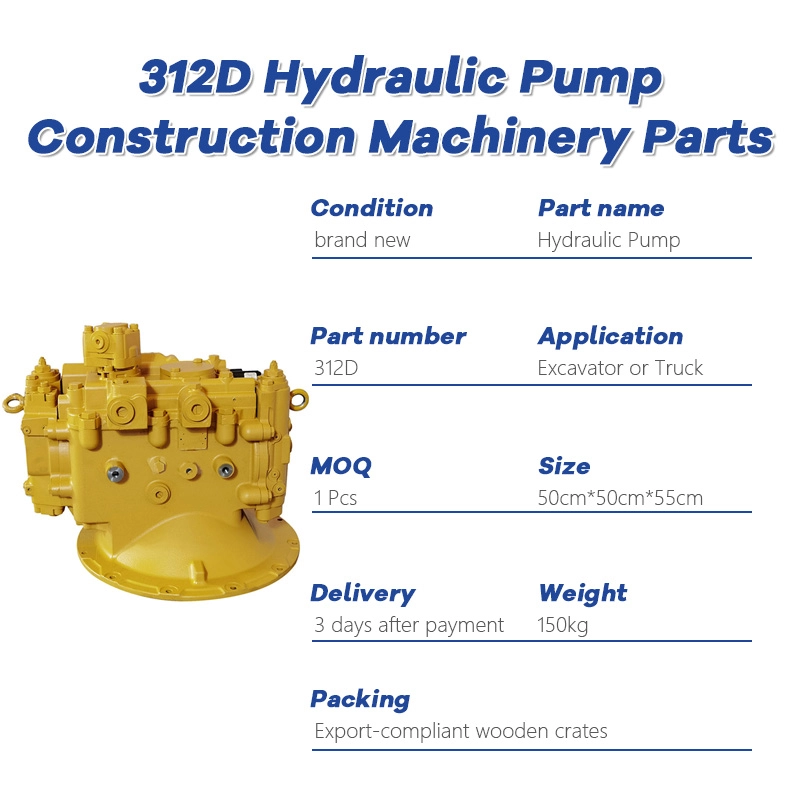
Excavator Hydraulic Pump for CAT 312D | Fast Shipping
Get your high-quality JELXEL CAT 312D hydraulic pump! Engineered for durability and peak performance, this essential 312D hydraulic pump ensures your excavator runs efficiently. Benefit from our fast shipping to minimize downtime. Choose JELXEL for reliable, high-quality solutions for your CAT 312D.
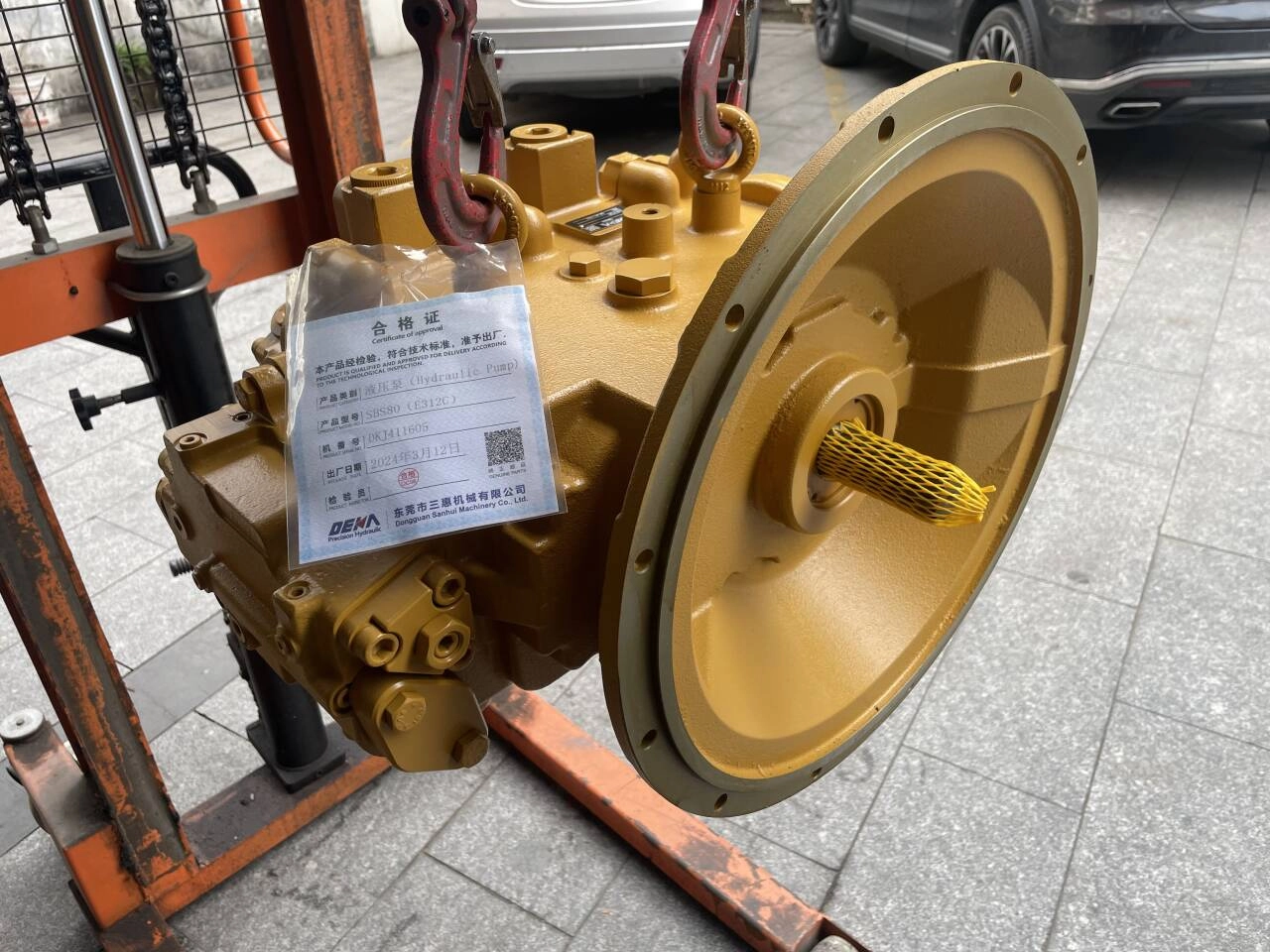
New CAT 312C Hydraulic Main Pump | Compatible Excavator Parts
JELXEL’ New CAT 312C Hydraulic Main Pump delivers reliable performance for your excavator. Engineered for durability, this Caterpillar 312C hydraulic pump ensures seamless compatibility and optimal efficiency.
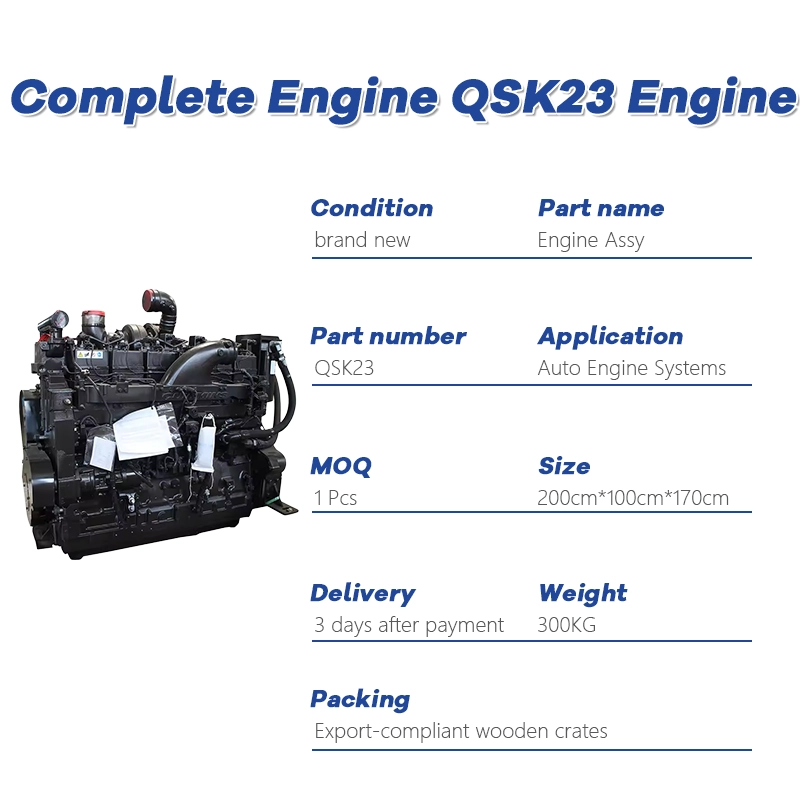
QSK23 Excavator Engine Assembly | Reliable & Efficient Performance
Discover the high-performance QSK23 Excavator Engine Assembly by JELXEL, designed for reliable and efficient excavation. Ideal QSK23 engine parts for excavators, this engine assembly delivers durability and power. Explore our engine assembly for sale to boost your machinery’s performance today.
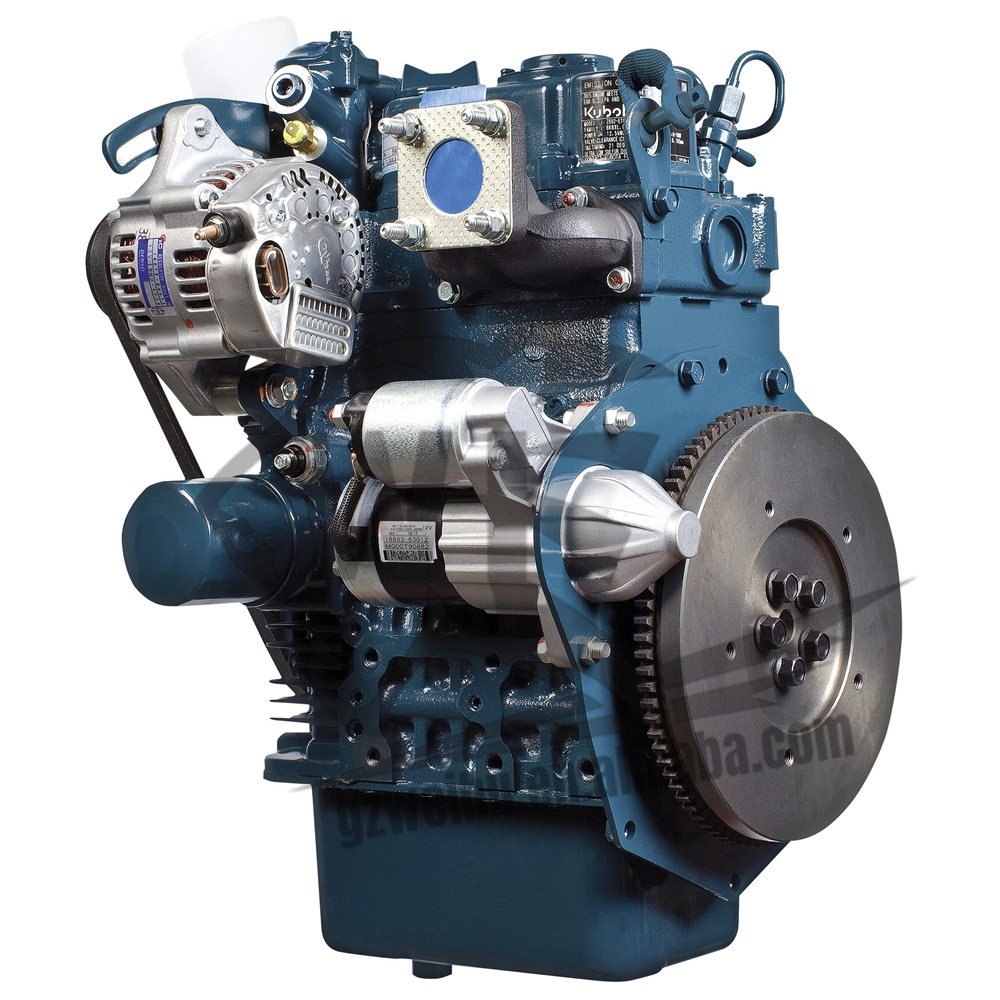
D722 Excavator Engine Replacement | Boost Your Excavator’s Power
Upgrade your excavator's performance with the JELXEL D722 Excavator Engine Replacement. Buy D722 excavator engine now to enhance power and efficiency. Excavator D722 Engine for Sale, designed for durability and smooth operation. Boost your excavator’s power today!
Get in touch with us
If you have any comments or good suggestions, please leave us a message, later our professional staff will contact you as soon as possible.
To be a happy enterprise in the field of engineering equipment.
JELXEL delivers efficient and reliable service at each stage to meet the customer's needs.